South Korea gaming industry reports and market data
Documents
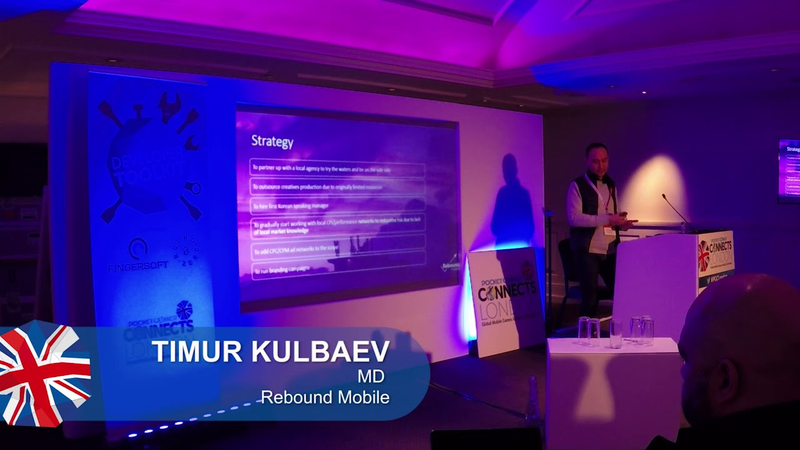
The journey of a mobile marketing agency to the Korean gamers
Rebound Mobile, a Helsinki-based marketing agency established in 2016, provides a strategic framework for Western mobile app and game companies seeking to penetrate the South Korean market.
- South Korea is a more accessible market for Western mobile content than Japan or China, offering lower competition and a higher receptivity to foreign gaming products.
- Direct partnership with local Korean ad networks is more effective than using intermediary local marketing agencies, which often suffer from communication barriers and a lack of trust.
- Hiring a native Korean-speaking manager is essential for navigating the market, as it facilitates direct communication and allows for the necessary cultural localization of creative assets.
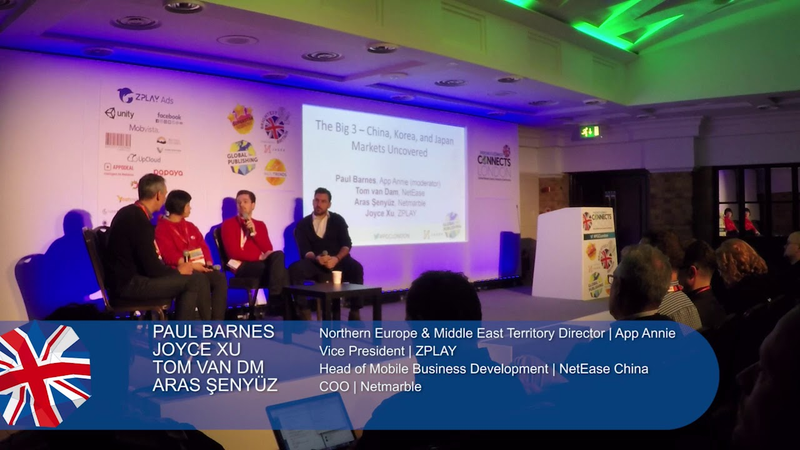
The big three – China, Korea, and Japan Markets Uncovered
The mobile gaming markets in China, South Korea, and Japan represent the most significant revenue drivers in the global industry, accounting for every mobile game that generated over $1 billion in revenue during 2017.
- The Chinese mobile gaming market is the world's largest, with over 550 million users and annual revenue exceeding $100 billion as of 2017.
- Asian gaming markets exhibit significantly higher engagement, with average daily play times reaching six hours compared to 1.5 hours in Western markets.
- Successful entry into Asian markets requires high content intensity; developers should have at least three months of content ready at launch to support rapid updates every two weeks.
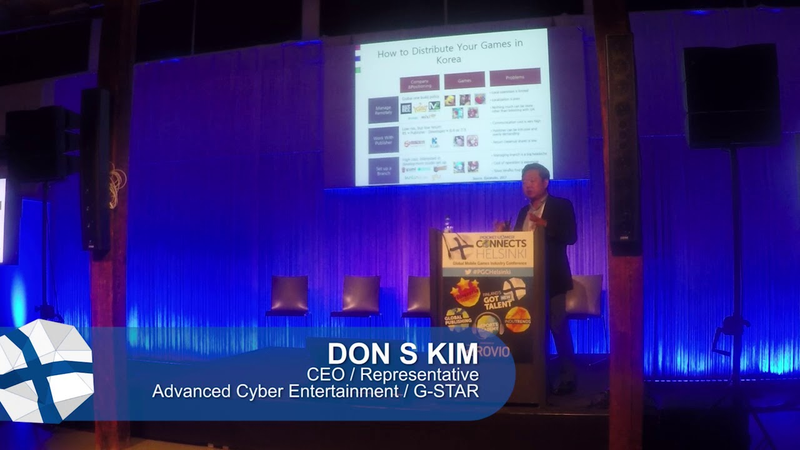
G-Star and the South Korean games market
The South Korean gaming market stands as a significant global player, currently valued at approximately $10 billion, with mobile gaming accounting for roughly 36% of the total sector.
- The South Korean gaming market is valued at approximately $10 billion, with online PC games holding a 46% market share and mobile gaming accounting for 36%.
- The mobile landscape is heavily Android-centric, with Google Play capturing 60% of all downloads, making a mobile-first development strategy essential for market entry.
- RPGs are the dominant genre, representing over half of the top 48 games and characterized by high player engagement and integrated automated gameplay features.
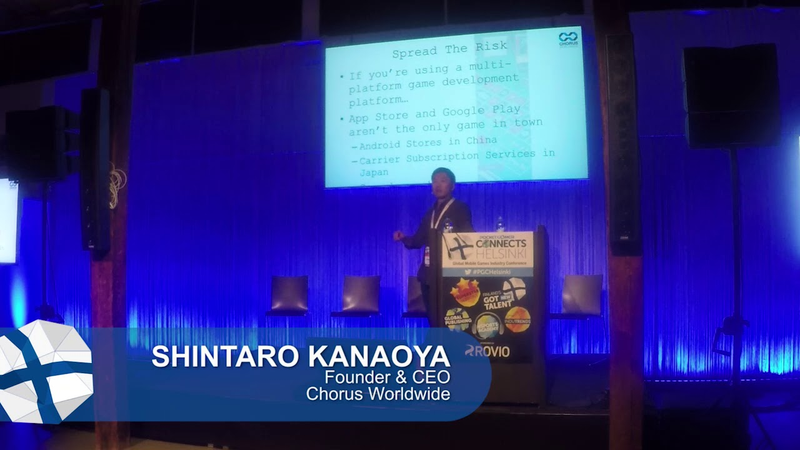
Lessons from Asia for mobile games developers
The mobile gaming market in Asia, particularly in Japan, China, and South Korea, represents a critical growth opportunity for independent developers.
- Asia represents a massive, high-growth opportunity for mobile developers, with Japan having been identified as the world's largest app store by revenue as early as 2013.
- Avoid 'over-localization' by using native-language game experts rather than literal translation, as direct translation can result in incorrect terminology, such as using outdated phrasing or failing to use established genre-specific terms.
- Developers should budget an additional 5–10% of their total development costs upfront to account for Asian market requirements, such as text display adjustments and cultural content considerations, to avoid costly post-development fixes.
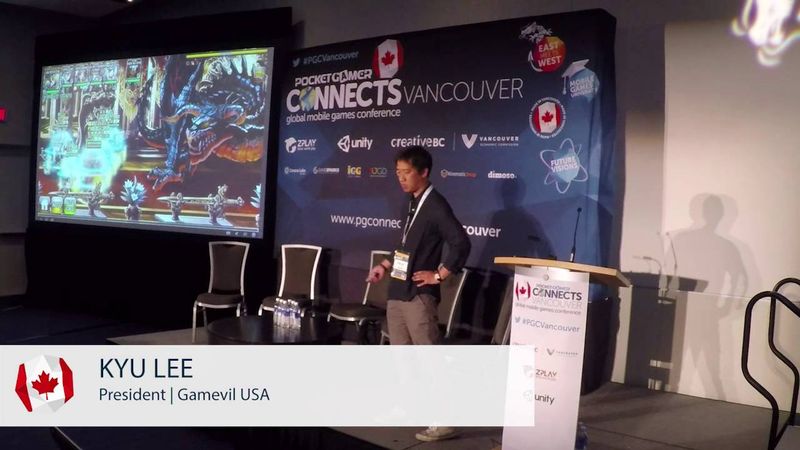
Trends in the South Korean mobile game market
The South Korean mobile game market is defined by a highly competitive consumer base, a dense urban population, and a rapid transition from PC-based MMO development to mobile-first gaming.
- The South Korean mobile market is driven by a highly competitive player base that views financial investment as a strategic tool to gain an early advantage, fueling the dominance of action-RPGs and collection-based games.
- With 25 million people concentrated in the Seoul metropolitan area, the market benefits from efficient word-of-mouth marketing and a culture that prioritizes social status and competitive achievement.
- Auto-battle features are a functional necessity for the market, allowing players to maintain progress despite the demanding work and academic schedules typical of the dense urban population.
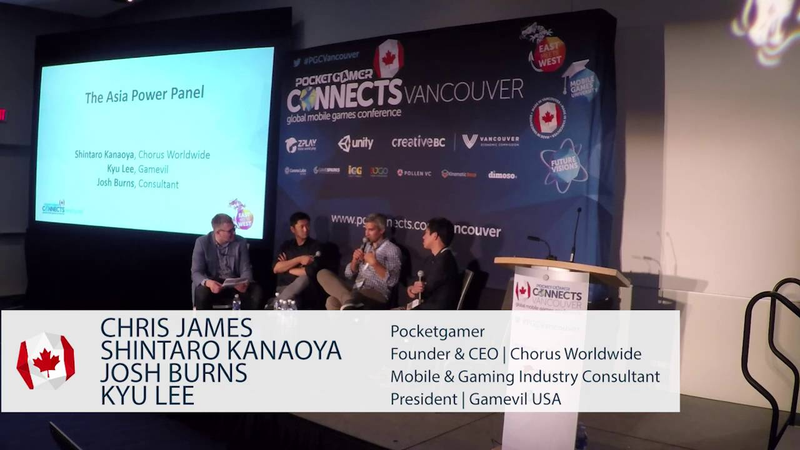
Trends in Asian mobile game market
The Asian mobile gaming landscape is defined by intense competition, sophisticated monetization models, and deeply ingrained cultural preferences that vary significantly across regions.
- The Asian mobile gaming market is highly competitive and distinct, with top-tier games in Korea generating up to $1 million in daily revenue and companies like Netmarble exceeding $1 billion in annual revenue.
- Market scale in China is massive; a game outside the top 100 in China can generate download volumes equivalent to a top 5 or 10 title in the US or Europe.
- Western developers should avoid attempting to create 'global' games that cater to all regions simultaneously, as this often results in products that fail to appeal to any specific market; instead, developers should stay true to their own cultural identity.

FTUE: Heroes of Incredible Tales (HIT)
The first-time user experience (FTUE) of Nexon’s mobile RPG, Heroes of Incredible Tales (HIT), serves as a case study in the friction points that can hinder player retention during the critical onboarding phase.
- Nexon’s Heroes of Incredible Tales (HIT) demonstrates that design choices optimized for the Korean market can create significant friction and retention barriers when introduced to Western audiences without deep localization.
- Aggressive onboarding tactics, such as immediate push notification requests and premature sales offers, prioritize developer monetization goals over building player trust and engagement.
- The game’s 'power fantasy' design—thrusting players into an advanced state of gameplay before stripping it away—risks alienating users by undermining their initial sense of progression.

FTUE: Light: Fellowship of Loux
The mobile action RPG Light: Fellowship of Loux, developed by Polygon Games and published by Com2uS, serves as a case study for the challenges Asian developers face when localizing complex RPG titles for Western markets.
- Excessive, unskippable narrative exposition and confusing nomenclature in 'Light: Fellowship of Loux' create significant friction that threatens day-one player retention.
- The game’s onboarding process is hindered by intrusive event notifications, which delay the player's transition into the core gameplay loop.
- While the game features high-fidelity 3D models and fluid animations, the density of its meta-game systems can overwhelm Western audiences accustomed to more streamlined experiences.

FTUE: Monster Sweeperz
The analysis of the mobile title Monster Sweeperz, developed by 4:33 Creative Labs, highlights significant friction points in the first-time user experience (FTUE) that hinder player retention.
- The 5-minute initial download time for Monster Sweeperz creates a prohibitive barrier to entry that significantly undermines player retention and return on high customer acquisition costs.
- Mobile games should prioritize a seamless onboarding experience with a target launch time of under 30 seconds to successfully convert new installs into engaged users.
- Technical instability, such as the tutorial crash observed in this title, negates the value of innovative mechanics and high-quality art by preventing users from experiencing the core gameplay.

FTUE: Disney Magical Dice
Disney Magical Dice, a mobile title developed by Netmarble, serves as a western-focused adaptation of the popular Korean board game Everyone’s Marble.
- Disney Magical Dice, developed by Netmarble, adapts the Korean board game Everyone’s Marble for Western audiences by blending Monopoly-style mechanics with collectible card game (CCG) progression.
- The game’s onboarding process suffers from significant friction, specifically due to mandatory push notification prompts and background data downloads that delay access to the core gameplay loop.
- While the tutorial effectively teaches basic movement and property acquisition, its restrictive nature fails to adequately prepare players for the game's more complex attribute management and card-fusion systems.
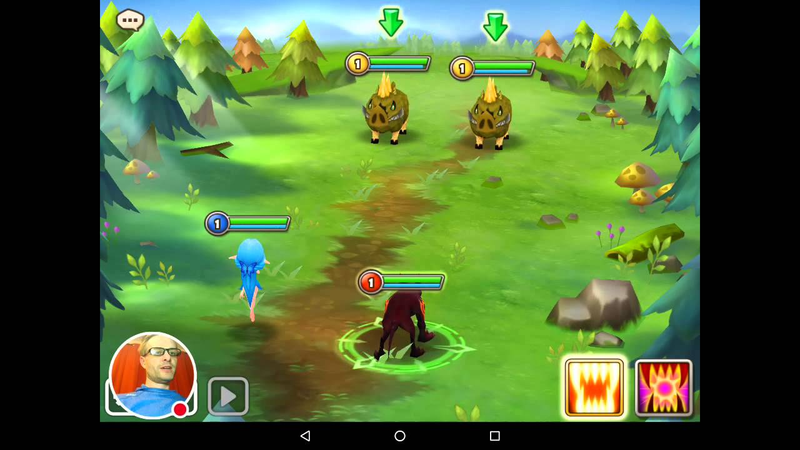
FTUE: Summoners War
Summoners War, a long-standing mobile RPG developed by the Korean studio Com2uS, serves as a primary case study for the successful implementation of the free-to-play model within the global mobile gaming market.
- Summoners War, developed by Korean studio Com2uS, serves as a primary case study for the successful implementation of the free-to-play, games-as-a-service model in the mobile RPG genre.
- The game’s design philosophy prioritizes long-term player investment and deep, grind-heavy progression systems over casual, short-term engagement.
- The user experience features a dense, PC-influenced interface that immediately exposes players to complex meta-game systems, including monster summoning, elemental combat, and equipment engraving.

FTUE: Guardian Stone
Guardian Stone, an action RPG developed by the Korean publisher NHN, serves as a case study for the challenges inherent in designing first-time user experiences for mobile games.
- Successful retention in the mobile action RPG genre depends more on long-term metagame engagement and character progression systems than on initial mission-based gameplay.
- NHN’s Guardian Stone utilizes a standard free-to-play framework featuring energy-based progression, dual-currency systems, VIP tiers, and a character-collection model where low-tier units are consumed for leveling.
- The game’s onboarding process struggles to balance tutorial depth for casual users with the expectations of experienced RPG players, leading to potential cognitive overload.