1 free read left. Create a free account for unlimited reading + AI research.
Create free account
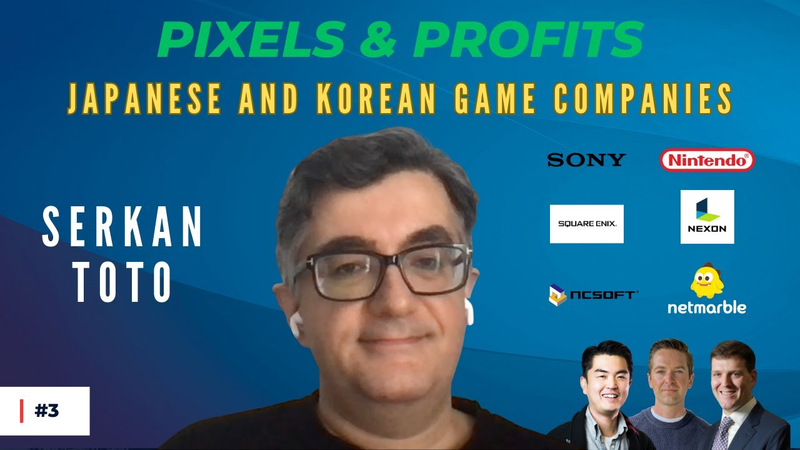
Serkan Toto on Top Japanese and Korean Video Game Companies | Pixels & Profits #3
Key insights
7 takeaways- 01Sony has dominated the console market over Microsoft, evidenced by the PlayStation 4 generation selling over 120 million units compared to Microsoft's decision to stop reporting hardware sales in 2015.
- 02Nintendo remains committed to portable hardware because the brand is inextricably linked to the Pokemon franchise, which has been synonymous with handheld gaming since 1996.
- 03Square Enix underwent a leadership change following the controversial divestment of several studios to Embracer Group, a move criticized for its low valuation and rapid execution.
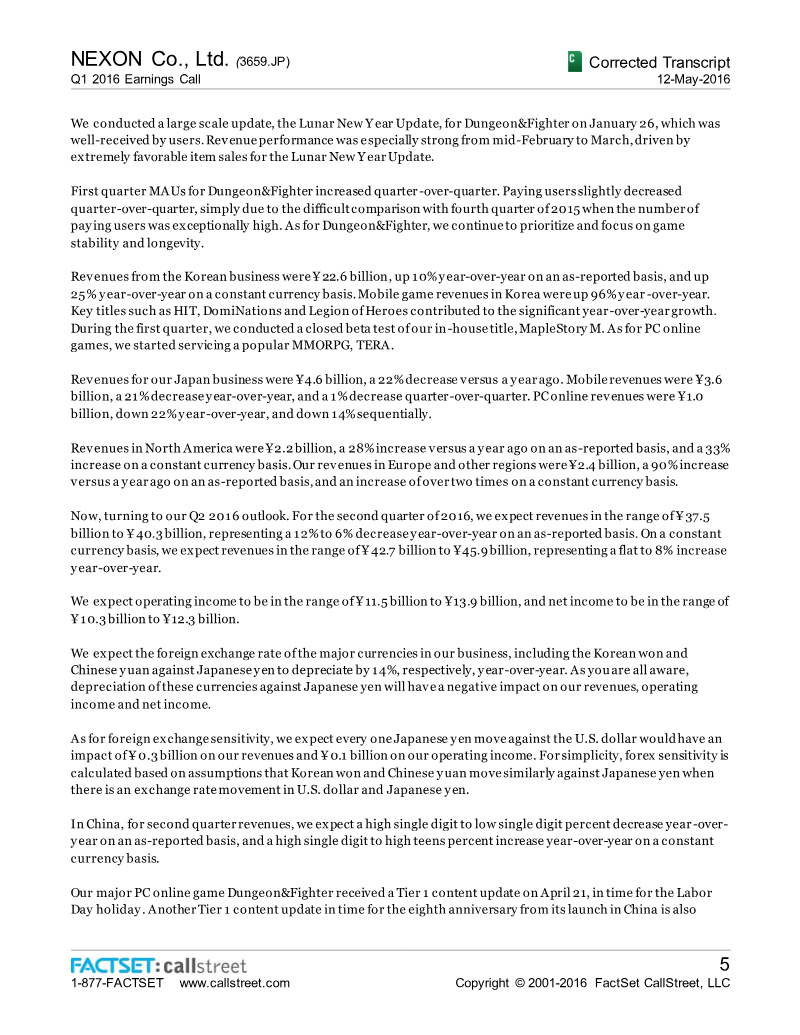
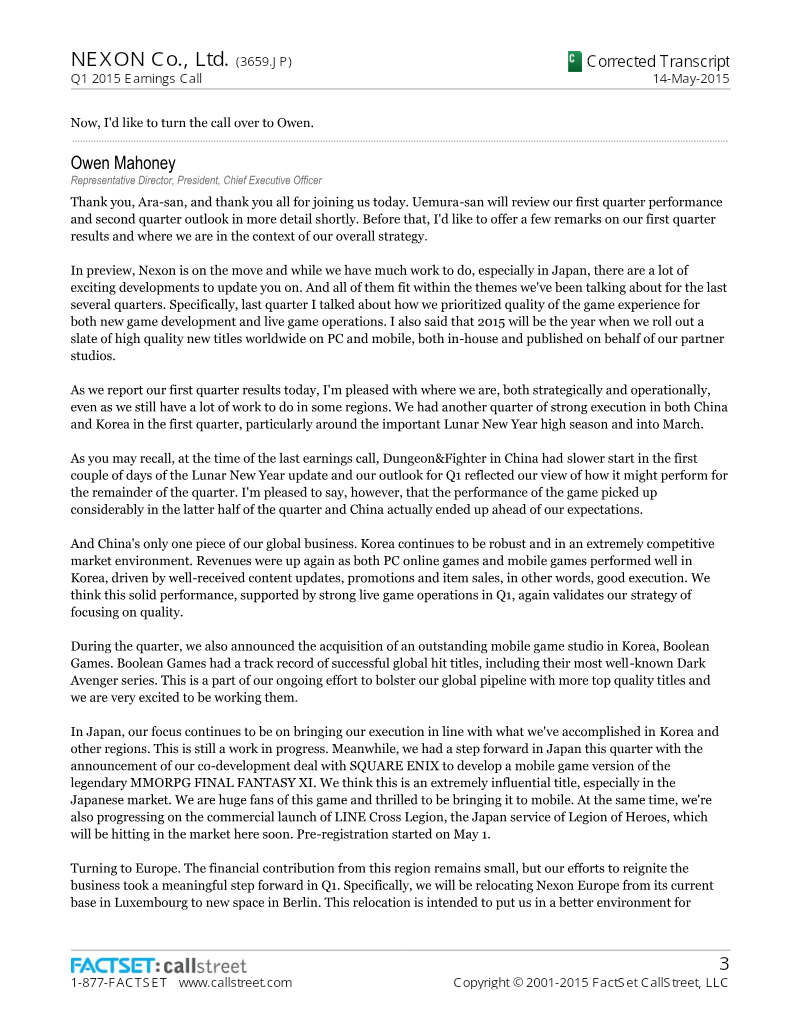
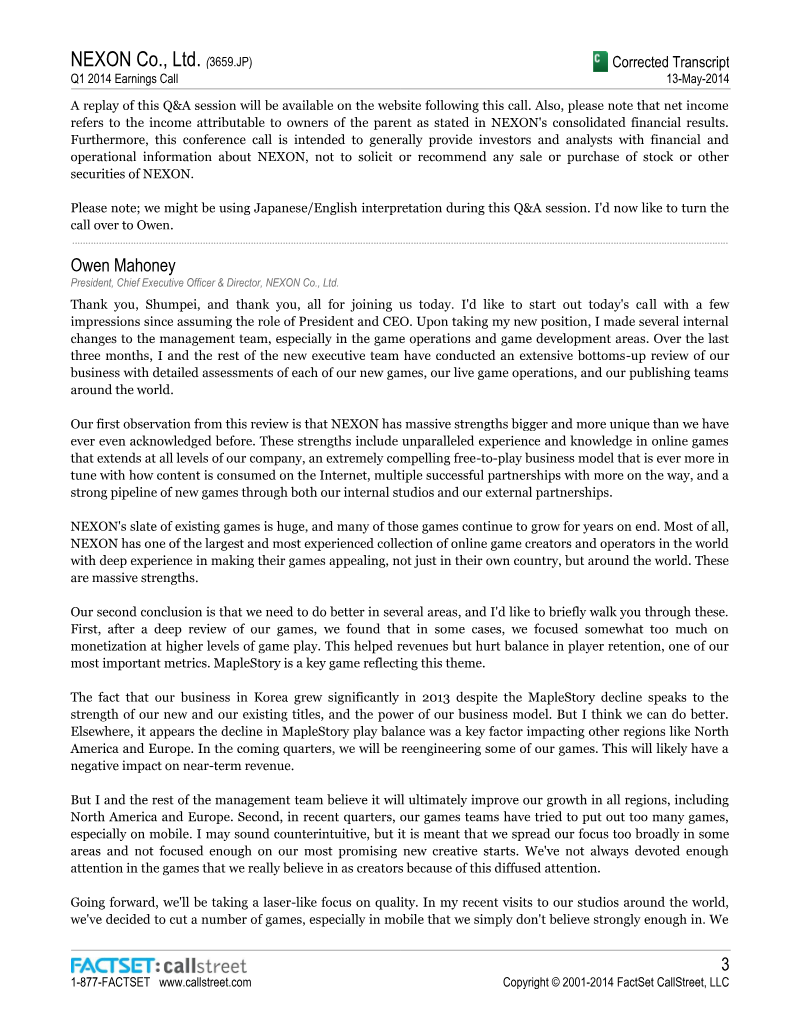
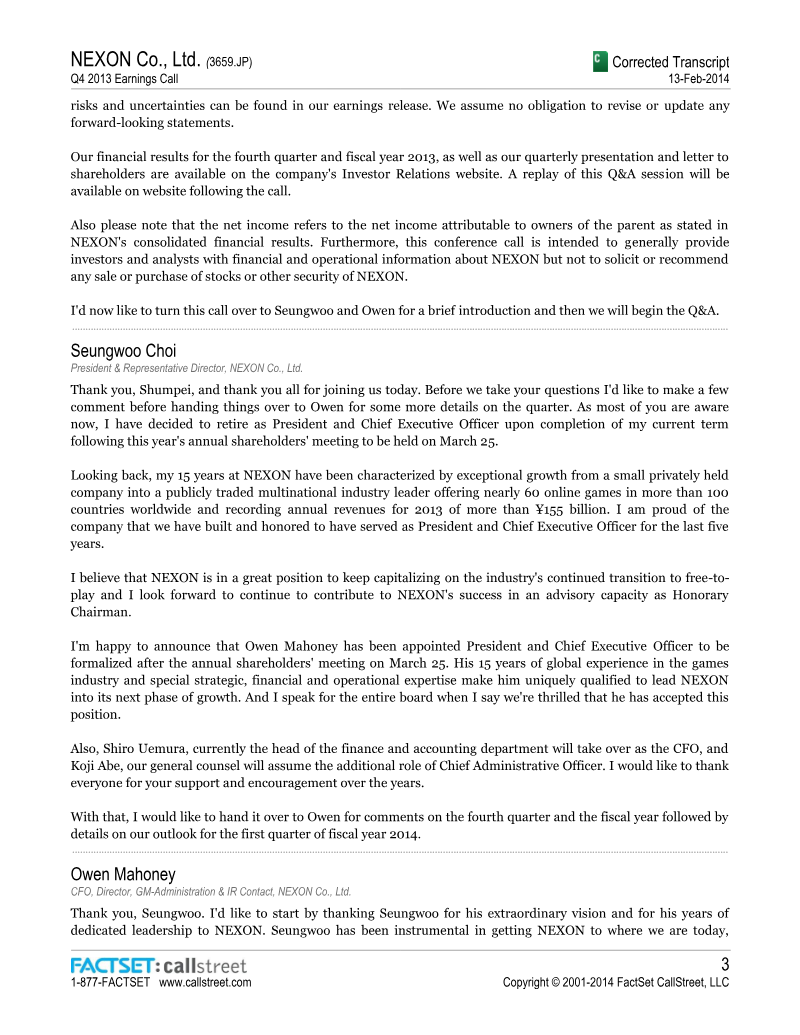
- 04Nexon, a Korean company headquartered and listed in Japan, maintains a significant market cap in the range of Take-Two Interactive and holds a substantial cash reserve, including a notable 2021 investment in Bitcoin.
- 05NCSoft faces ongoing challenges with its major MMO project 'Throne and Liberty,' which has suffered from long development delays and negative player feedback regarding its combat system and reliance on autoplay mechanics.
- 06Netmarble experienced extreme market volatility, with its valuation swinging from a 2020 COVID-era high of $12.6 billion to a low of $2.5 billion by October 2022, before recovering to approximately $4.8 billion.
- 07Capcom has demonstrated exceptional execution in recent years, significantly outperforming industry peers through consistent delivery of high-quality titles.
Ask AI about this video
Transcript
hello everyone and welcome to pixels and profits episode number three today we are joined by the famous sir contoto from games industry consultancy kanton games based in Tokyo and circon is quite possibly the foremost expert on the Japanese video games industry welcome sir Khan well thank you for having me thank you so much for joining us and besides circon again with us today you have the pixel Brothers myself Joseph Kim Matthew contraman and Brian peganov welcome back guys I am very I'm very excited today as we will be discussing the top three Japanese and top three Korean video game companies which means from Japan Nintendo Sony and Square Enix and from Korea next on netmarble and ncsoft although I think Matthew will kind of go into nexton's kind of a Japanese company kind of a Korean company we can go into the details on that but before diving in to discuss these specific companies the top three
Japanese and Korean game companies I wanted to actually take a step back and also just kind of get a sense of the overall market in terms of when it comes to Japan and Korea Are there specific Trends Are there specific insights are key things that we should be aware of when it comes to these companies circon maybe we can hand it over to you to get your kind of overall high level take today's episode is sponsored by data.ai to access estimates rankings downloads Revenue usage or engagement for millions of apps on the App Store and Google Play sign up for data.ai um yeah so there's a couple so so I think that for the for the as far as console games are concerned uh I think that I think that uh China is still a very small Market I think that Korea is a very small market for for console games so if you look at the Chinese market it's all about mobile and PC uh very very similar to Korea whereas in
Japan uh mobile is absolute King and console is a distant second so Mobile in Japan is around a 10 billion dollar business depends on the data provider that you ask uh depends on the currency rate currency uh rate conversion conversion rate and you know and and other factors but roughly it's in that ballpark um and uh and it has been that way for like about a decade right so but the console Market in Japan has always been relatively stable if you just look at the numbers and the reason why I'm saying that is that sometimes you know people think that uh you know uh the Japanese console gaming space is dead a couple of years ago you know there was basically like a one big Trend that people saw in the global uh console gaming Market you know because the US was taking over back at that time uh in terms of Revenue and things like that but actually that never happened so the domestic console gaming Market in Japan is still is still quite big I I think that uh as far as video games uh video games in the in the big regions go
um these this is I think uh uh one big Trend that you know you have you have these kind of like uh different splits um across these countries and I I think um when when it comes to Asia it also seems like there's it would it be fair to say that there is kind of like a crypto Trend amongst at least some of the Korean companies absolutely yeah that's a big one that's a very very big one so uh the uh so in the west at the moment you know at the at the you know um Point um at the point of time of recording this uh you know in June 2023 uh crypto is declared largely dead in in terms of uh crypto gaming in the west right largely not not absolutely but largely whereas in in Asia that that discussion actually never happened right so never happened at least to that extent so if you look at if you look at the list of publicly traded Japanese uh video game and mobile game companies by the way almost every everybody on that list almost every company on that list
to some degree is active in crypto right and I think that you will see a whole barrage of crypto games made by publicly traded uh Japanese company companies uh in in a couple of months so maybe you know the rest of across the rest of 2023 um and at the beginning of 2024 whereas in Korea um you know I have the I have the perception that uh that the Koreans are absolutely crypto crazy right not only in gaming but also the the general population right where the adoption rate is just super high people are trading and uh even after the various scandals that we had in this industry and you know you you just uh named a couple of Korean names um and there's even more than uh more than these gaming companies uh from from Korea that are active in crypto um so basically crypto is is a big Topic in in the Asian in the Asian gaming space a totally different uh from from Europe and and North America got it
in in our last episode we did discuss sort of the console Wars Microsoft Nintendo Sony there were a number of conclusions that we came up with I don't know if you had a chance to check it out but like some of the conclusions won Microsoft maybe in danger Microsoft meaning the Xbox part of the Microsoft business um maybe I don't I don't know if you would agree with this but maybe this is one of the last generations of Xbox I think we also came to the conclusion um that mobile is not likely a big there isn't like much Synergy between mobile and cons for to a console maker uh and then we had a number of other conclusions whether um around the impact of Life Services and and the free-to-play business model to the console Market but wondering right you know if I if you had a chance to um give us feedback on that if you disagree with anything with any of the conclusions that we've had it'd be great to get your take or if you have any other insights or thoughts on just the
the console Wars before we kind of dive into specific uh Japanese and Korean companies right right uh yeah so I think that Brian hinted at that we've had at that towards the end of the show but I think that's repeating and I think that you know I I for example you know should make it actually more clear at least in my view that it's crystal clear that you know Sony has absolutely been destroying Microsoft right over the last Generations right so if you look at the place Xbox 360 and PS3 generation that ended with a draw 60 million to 60 million in terms of hardware sales right and I know it's not all everything about Hardware you know but it's it's a significant it's a significant factor in these quote-unquote console Wars right but uh if you look at uh the last generation the PS4 generation uh Sony sold over 100 20 million 125 million units um and Microsoft stopped reporting Xbox sales hardware sales in 2015 right and I
think that uh since then they they never even hinted at how many uh how many pieces of Hardware are they actually sold in a given in a given fiscal year or in a given in a given quarter right and it looks like based on estimates that that are you know floating around in the industry that this generation that ratio so that it seems to be two two to one two and a half to one or something like that you know it seems to be uh that Sony is successful in retaining that uh retaining that ratio um and if you look at uh if you if you compare it to to sports for example right I mean you know if it's compared to basketball Sony has not been beating Microsoft 100 100 to 90 points 100 to 80 points that's like that's more like 100 to 70 points 165 points there again you know I think they have been really really absolutely destroying them right and uh and if you look at if you look at the the current state of Xbox at the moment
uh they just uh they just launched uh a terrible like a first party game I really don't know how that that game passed the QA in in in in in in uh you know in micro in micro Microsoft's uh uh you know launch process on in that in that whole green lighting process um but uh they are not in a very very good State at this point in time I may be exaggerating but uh also it looks like the Activision deal is not really looking that uh that uh uh that likely right now it doesn't look too good for for Microsoft I would say right I would also just jump in you know one of the things that I noticed in relation to like the console markets when I was looking at the Asian companies in particular you know when mobile really started to come about there was this whole concern which I think is now completely overblown and we have the data to prove that that mobile was going to kill console and I think even NPC and I think even Asia more so than the West has shown that that's not the case and they're actually both much larger
markets today particularly on the software side than they were when mobile came about you know yes you have the the whales on PC the whales on console that are staying there and you've opened up this whole Tam on mobile with all the smartphone users China is the best case for this but even Korea has shown it right that mobile hasn't been cannibalistic and I think we event you know in the last few years starting maybe 2018 2019 you really started to see more of a push to say hey we can release AAA quality games on mobile and not cannibalize our core PC business Korea you know in China and Japan console versus mobile yeah and very quickly about about the mobile business of video game companies because this is I think what the podcast is about you know the video game companies in particular uh you know uh if you look at if you look at the US and if you look at Europe many many Ubisoft from that area uh you know the Japanese companies and the Korean uh and the Korean companies that you know used to do uh PC games before
um have absolutely been killing it on mobile absolutely killing it on mobile right so if you look at Square Enix for example Konami um Sega to some extent you know they're not that successful but you know they're still trying you know um Nintendo and Capcom are the only ones that are not really super serious on mobile all the other Japanese big video game companies that we have have uh have a pretty active active mobile business um and I would say if you look at if you look at just the video game cup it's not the mobile first company just the traditional video game companies that we all know from the 1980s Etc et cetera Square Enix and Konami are probably the two most successful ones commercially speaking mostly mostly in Japan uh but uh you know they've been very very um clever in revitalizing some of their old console IP on mobile and uh largely because they are RPG based and Adventure based and you know uh you know they're developing games that are suitable for uh for mobile or that have been
considered suitable for mobile for a long time uh but you know again they made bill and some of these companies made billions over the last decades but just on mobile and just in Japan all right well before we get into company discussions I did have like one question high level about Japanese companies particular I think we've seen it with some of the Korean companies also is Mobile Life Services because a lot of these companies have been really successful at launching these games and they make a lot of money at launch but not all of them are so successful at maintaining the live Services tail I'm just you know Square Enix has done it very well right we've seen that with like the Final Fantasy games and a few of the other IPS but you know I think you know some some of the games from like Nexon come out huge out of the gate and then they just have no tail to them right and so I'm curious you know how what you've seen do you think the companies in in Japan and Korea are getting better at this how do you think about their live services expertise and their ability to not just have big hits but have sustainable franchises on mobile oh I would say that
on on mobile in particular the Japanese uh companies there's no discussion about this right they invented live servicing right they invented this concept of having like these so-called like forever games as I think Zynga has has been as I think has this terms this term um in the first place right um I mean a mobile mobile social mobile games as we know them today with free to play and live servicing etc etc have been around in Japan since uh um Spring 2007 when a company called gree uh introduced what they are saying is the first mobile social game that has ever been created and ever been launched to the public right and agree is a publicly traded company right so um and uh so that so the concept of live servicing has been around for a long long time um and I would agree you know there are some there are some there are some games that are coming out very very strong especially in Korea and then you have a lot of traffic going in in that in in that in into that into that uh given game and then you know you have a
certain level of monetization the app goes up and the grossing rankings everybody thinks this is the next big thing and then it drops off um but I think it's very very different from from a uh from a country like Japan for example where people are a lot lot more loyal to to give in game right so you have games like uh personal dragons which I think is the most iconic mobile game from Japan uh the game is in operation since February 2012. right and mix these Monster Strike which has been making almost a billion dollars every year since launch they launched in 2013 right the game is still around last year uh Monster Strike was the top grossing uh mobile game in Japan but I think they made again the currency rate is is is a little bit uh is a little bit iffy these days you know between the Japanese Yen and the US they made 700 million right in in just in Japan just with that one mobile game so they make what is it almost two million dollars per day and
that's just pure life servicing right I mean it's a live servicing business right that com that particular company Mixie that has developed in Monster swag is a life servicing business gung-ho is a life servicing business Square Enix has been live servicing a couple of uh a couple of uh Final Fantasy and Dragon Quest based uh mobile games for years and years and years now okay well Let's uh let's dive into these companies I'm excited to get your your takes on this and so maybe starting with Japan in Nintendo I'll hand it over to you Brian to uh give us a little overview on on Nintendo sounds good uh yeah so Nintendo is a publicly traded company market cap about 57 billion dollars the stock is up about five percent year-to-date versus 39 for the cues and 16 for spy so it's certainly a meaningful underperformer um in its last investor release in mid-may the company reported uh 12.2 billion in fiscal 22 and guided 23 to 11.5 billion so a 5.5 percent
year-on-year contraction uh they did about 4.2 billion of OI in 22 guiding uh 23 to 3.63 billion so the stock is trading in about 5x4 revenues and 16x forward oi uh also worth noting like consensus numbers for this stock are very similar to what the company has guided to and I think Matt alluded to last time Nintendo has a story tradition of sandbag and guidance so that kind of uh remains to be seen what they actually print those and I would also note since that last investor release in mid-may the stock is up only three percent versus s p about six ish so again still literally underperforming um so I guess I wanted to kind of launch into why I like Nintendo here for a variety of reasons then we'll kick it over to surcon to get his uh response and maybe some uh other other thoughts and things like that uh first one a switch is now six years old so it's reasonable to assume that a new hardware generation is kind of on the horizon um and successful Hardware transitions
have always been a boon for Nintendo shares and prior Cycles at least the successful ones I also think Nintendo is a scarce asset uh it's very rare to find a company that owns their own distribution ecosystem along with a rich catalog of wholly owned IP and the entire company is nearly wholly dedicated and exposed to gaming the switch generation also spurred much stronger relationships with third-party developers I expect this to carry forward to the next generation and I think the Next Generation also has like this interesting caveat of being able to test that Sony and Microsoft duopoly given the sufficient power and things like that I do believe they found their niche in the gaming Market which is a mix of good enough console strength alongside portability and I think it's unlikely that that will be supplanted by competitors in the market like PlayStation or valve without the breadth and depth of content that I you know think only Nintendo can deliver also 43 of sales are us-based it's
culturally relevant time tested IP in the west especially relative to the peers that we're discussing today and lastly it's a name where that's pretty rare in TMT where Street estimates need to move up materially and there's a lot of chasing numbers right now in the sell side especially with mega caps so end of summer is particularly the time when investors start focusing focusing on next year's estimates so the reasons that you know you could be wrong on this is uh I think there's some hope of a new hardware generation baked into the stock right now especially after a guide down and that could take a little longer to materialize or announce than expected Nintendo's vision for the Next Generation could certainly miss the mark they've done it before but I think that's pretty unlikely and then the last one is that software units and sales could underwhelm and for reference there they guided to 100 million 80 units this year versus 214 Million last year so that's down 16 percent uh I guess I'll kick it off with my first question for circon um what are your thoughts on Next
Generation Hardware do you think Nintendo will continue down their current path with a stronger portable console or go a completely different direction yeah so so the so-called like switch two as people put it uh it has been like a has been like this unicorn you know in in the video game in the video game industry that nobody has actually seen nobody has actually you know touched but everybody's talking about it and there seems to be something in the air but nobody knows what it's going to be right and I myself have been burned like publicly already with speculation around to switch to I think at least two times when I thought that you know it's really coming this time and apparently you know um a Next Generation Hardware was out there you know as in in the form of a development kit at some point in time but then you know Nintendo apparently killed it um and it never it never happened so I think there is not going to be uh like um an updated version of the switch but uh next gener actually next Generation Hardware as the next big launch for Nintendo that's point one the second point is you know nobody knows um uh
what what kind of Hardware Nintendo is going to put out next time especially on the on the TV console side you know because I think that until 2017 Nintendo basically has been running two separate businesses right the TV console business and the handheld console business I think that's very very important for my view to understand about the company as a whole now since 2017-17 they only have one platform right and that that that might be good and might be bad depending on how how particular how um how successful that particular platform is but that's the situation right now and until then that again two different businesses but a different uh you know addressable markets different pricing different Hardware different software development teams completely almost completely separate right um and uh and I think that the challenge now for Nintendo is now the to uh to ask themselves or for investors also what are they going to do next are they are they going to uh you know are they going
to have a more conservative switch to that is just a boost up switch but maybe uh the one or the other Bell and whistle added to the platform or are they going to have a completely new form factor completely New Concept a completely new way to uh you know Delight users and make them smile as Nintendo would put it right and I personally think that at least on paper and I'm already hedging because it's Nintendo right because they now have only one business that they focus on their appetite for launching weird experiments like the Wii U or the Wii back in the day for example right which was a total departure from uh from the GameCube is probably limited this time because if they screw up this time they have to carry that piece of Hardware that they screwed up with for through the open through the next four or five years right because you know you cannot launch a totally new piece of Hardware every one or two years that's
not possible not even not even for Nintendo right uh so that's point one the second point is I think that it will it will have whatever whatever the next Hardware is going to be it will have a portable element because of a very very simple reason and that reason is Pokemon right so Pokemon is traditionally uh the first game came out I think in 1996 right and since then it has been um you know basically synonymous with portable Nintendo Hardware I know that now the latest versions you know you can play on the switch there has been some Spinners that you could actually already play on TV consoles before the switch you know I know that but it's basically like a handheld handheld game right I mean I put the portability factor is a big one for the Pokemon brand and Nintendo will never abandon Pokemon by extension Nintendo will never abandon the portable gaming business that's why I I think uh the portable element will have will play a major role in whatever the next switch out the next sorry Nintendo Hardware is going to be I think that makes a lot of sense and
you know to your point they only have one platform now they need to avoid the you know on average they're due for a flop right just that's the history of Nintendo but they need to avoid that this time around so it does make sense for them to be more conservative I think it was sharp also that kind of indicated that they received orders for a customer's Next Generation entertainment product so you know that that that makes you think they're sticking to something familiar if they're using the existing screen supplier display supplier already so you know it all in it it makes total sense for them to be conservative and stick with what they're good at uh I just really want them to remaster Pokemon Red and Blue like that would probably sell what 40 million units easy like like easy like I don't understand why it hasn't been done yet because it's Nintendo right and uh and you know you talk about it like I think Brian Brian mentioned like investors and Nintendo and this is it you know I I can I consult to a lot of financial institutions like with with my everyday
in my everyday work and it is always like over over 10 years now there's always been like a love-hate relationship right so some some investors come from from the US to uh to Tokyo they meet me you know and then we talk about Nintendo they go they go to Kyoto to talk with the company come back and tell me that they want to shop the stock but because they're so bad at selling themselves right so so just like so so living in their own like Nintendo World you know far away in Kyoto which is like not not a metropolis like a a metropolis like uh like Tokyo for example right um and it's it's just a very very strange company sometimes especially in their Communications to uh to shareholders so it's it's for a lot of shareholders it's uh uh Nintendo's after all of these years is still very enigmatic what do you think uh what do you think about just sentiment now especially with uh a hit Movie behind them and also that Zelda tell you just finished playing last night well I think yeah I did I did so I think that around 10 years uh you
know investors hated the stock everybody hated Nintendo stock right and at some point in time uh the stock was below 10 000. now there was a stock split in between 10 to 1 stock splits so if you look at the stock now um it's it's I think six thousand yen or something like that um and uh so but back then it was uh um uh it would have been like sixty thousand right before the stocks bid and again around I think in 2014 the stock was at 9 900 or something like that one year later uh gung-ho the company behind puzzle and dragons that I just mentioned um the market cap for a few days of gung-ho was higher than that of Nintendo absolute Insanity it makes no sense right it made no sense 10 years ago 10 years ago and today it's it's a travesty to think even think about it right so what I'm what I'm trying to say is that you know the sentiment for Nintendo now is much much better than it used to be during the Wii U time or the during around the launch at the Wii U but
basically everybody has written off Nintendo and the most extreme that I heard from an investor was uh uh from the US and basically that person said Nintendo's going to be the next Atari right I mean that that that never happened right I mean that's a very very radical uh statement back then already that never happened but much much better now but I think that everybody agrees uh to uh kind of like wait and see approach as far as Nintendo is going to is concerned everybody's looking at the next Hardware I think that you know the switch has already been written off as a success story for for Nintendo and you know it has instilled the confidence back into the market as far as Nintendo is concerned but again everybody's waiting for uh the fableter switch too in circon you had mentioned the historical context of Nintendo kind of being the the two parts right the the portable and then the console and now that it's now that it they're focused on the one business or the one platform you could kind of understand why in the past they may have been reluctant to push
mobile because you know it would compete more directly with the portable side of the business but do you think that now in to your point there are a number of Japanese companies who have done tremendously well on mobile what do you think in terms of the mobile Nintendo's mobile push in the future are they gonna just keep things status quo or do you think they could now now that they're focused on like the one even though it's maybe a bit of a hybrid sort of of platform do you think they would push more meaningfully into mobile um yes so when Nintendo um announced their entry into Mobile I was there at the press conference right I was sitting in the second row and uh back then the the uh now unfortunately uh uh you know diseased the Nintendo president was speaking and then uh iwata-san and then you know he was saying yeah we're going to push into Mobile um and it's a new frontier for us and you know our content is suitable for mobile um and the reason why it was very simple because Nintendo was very in a very very bad financial situation at that point
right so um if you look if you look at Nintendo right now it's a totally different company in a lot of ways I mean I can talk about that just about that for about for an hour but uh they I think that Nintendo looks down on mobile games but I think that Nintendo thinks that mobile games are junk food that you consume while you wait for the bus right and I think that Nintendo thinks that they are crafting video games that's why they can charge sixty dollars or seventy dollars in the case of tears of of the Kingdom for this gourmet food that they're making right and I think that this is really a a part of Nintendo's thinking and of their identity right at least at this point in time right so if if you look at if you look at Nintendo's mobile business right now the last real mobile game that you can call it game came out from uh came out in September I think it was said what was it September 2019 before covet the Super Mario run Super Mario run was yeah well that was the first part I think that came out in
2016. um so that was uh you know Miyamoto was on stage at the Apple at the Apple event and you know and and things of that nature but the Mario Kart tour was really the last I think Nintendo Nintendo game um and what is it now four years almost by three or three years and nine months and if that doesn't if that uh um kind of like uh time distance doesn't tell you everything about what you want to know about the Nintendo's mobile Ambitions at this point in time I don't know how to help you right I mean they are not interested right and they were asked earlier this year earlier this calendar year uh you know what's up with the with your mobile games are you are you looking at the space I I think it was that a an investor that asked them during a q a at the earnings results and they they said we're working on something and you know when we have something to announce we're going to announce it but since then absolute debt Silence from from Nintendo about their mobile business there's no mobile business almost nothing almost nothing you have to say I mean you you hit it I mean I can just repeat it I don't I don't think culturally it's in their DNA
to even consider mobile you know I don't know if it had to do with cannibalization or not but it just seems something that they you described it perfectly somebody gonna go there it's just ironic that like one of the most defining mobile games is their well you know is there partner's IP is Pokemon go which they royalties from right so and there was that whole you know mess up with people not understanding the financials of that either they had to like kind of correct the market you know that what was that 2016 that's come out and be like yeah we only get like you know modest royalties it's not in the stock we're like and it was it was all it was all fun back then it's it's so Nintendo back then you know what happened back then we know with investors and the communication it's so typical right so but uh yeah so so I think that yeah Nintendo is not is not really interested in that sector at least at least in in that uh at this point in time and it's it's a Pity from an investor point of view because with uh with the launch of Fire Emblem Heroes um you know uh the mobile mobile game based on their Fire Emblem strategy
series they prove that they can actually have a global hit on mobile so that that game you know didn't make didn't make Candy Crush numbers but I think it did okay you know relatively relatively well in terms of in terms of uh you know Revenue I think the lifetime is probably like across the billion or something like that but Nintendo not that bad you know for like a third tier uh IP IP uh from uh from Nintendo but I think that um unless unless the company's download its needs again uh they won't uh they won't um you know they won't uh back off from this idea of like owning the entire stack you know Nintendo loves being an integrated software and platform provider they love owning that entire stack right and if they go to Apple or Android um they lose control of a lot of things that they are used to being in control of and that's uh too much apparently for uh 100 30 year old uh proud Kyoto company so hoyo versus safe and they can keep doing their strategy of copying uh Nintendo titles and bringing them to
mobile and cross platform you mean you said mihoyo yeah well that's that's kind of like the word on the street right the the rumors is that um kind of like the mihoyo hoyo verse now known as hoyo verse strategy is let's look at Nintendo's catalog and let's just make that but mobile free to play cross-platform I mean genshin is Zelda right uh honkai star rail is kind of Fire Emblem right like they're they're just going down the list they're gonna probably make a monster game at some point and they're gonna call it something like Pokemon you know just just take your pick I mean it's working why stop and they're also spending 200 million dollars on on UA for every game so that helps too yeah why would they stop right I mean if it makes sense for them commercially if Nintendo doesn't do it somebody else will yep all right Brian should we move on to Sony yes to Sony uh so Sony obviously also a publicly traded company a market cap of about 120 billion uh their gaming
business is called gaming Network Services that did about 26 billion dollars in revenue and fiscal 22 and about 28 as guided in 23 for seven to eight percent growth uh gaming as a part of Sony's total business is about 31 to 34 of revenues and 20 to 21 of operating income so much like Nintendo new console launches are a pretty big Catalyst for Sony's Guinea Biz traditionally uh typically sales are tempered mainly from a consumer cost benefit analysis and the prior or in the early years of the cycle um the old Hardware is liquid Dean good enough for the software that's out there and there's obviously all this development lag for developers to really utilize the new Hardware in 2021 which was the first full year of sales for the PS5 sell through was about inline in 2022 covet had a pretty harsh impact on the semi-supply Chain particularly in China adding to that the Eastern European conflict had negative impacts on Logistics and parts inventories and as a result PS5 sell through fell behind
PS4 now fast forward this year Sony's put a ton of effort into multi-sourcing and Logistics and PS5 is expected to overtake PS4 during this holiday season and currently Sony is is expecting engagement trends for PS5 to lap PS4 early in 2024. adding to that Sony is suggesting that LTV on new boxes is about 30 higher and that's driven by huge growth in add-on purchases which would be like microtransactions and plus 50 to 60 percent growth each in accessories and subscriptions so the high level take here is that the ecosystem is healthy and growing and interestingly this is also coinciding with the three to four year lag where game developers have had access to the hardware meaning potentially more Blockbuster Games on the horizon for the Sony ecosystem I go through a quick little strategic objectives that they have outlined the first being M A they're signaling more but the most interesting one over the past few years has been Sonia's response to
Activision's 70 billion dollar acquisition by Microsoft and purchasing the studio that essentially cemented Microsoft as a major player in the gaming Hardware ecosystem so the marathon release date is probably not until 2025 but it's arguably the most important Sony Sony launch in a decade they've always been weak in first party Shooters with multiplayer and there's some other things in there like Concord and fair games that people are getting a little excited about subscriptions they're selling three tiers of subscriptions NOW essential is literally essential it's online play game trials and Cloud streaming uh 30 of their installed base is now on premium or extra with lots of room to grow uh a huge expansion and content investment which is probably the most interesting thing that's going on um 40 to 60 percent of new to Old in 2023 which is expanding to 50 50 by 2025 and this compares to only 20 to 80 in 2019 and then a huge expansion also in
live Services 55 45 live service versus single player experiences in 2023 expanding to 60 40 in 2025 and this compares to 12 and 88 in fiscal 19. so a huge shift uh clearly they see they're running on the wall that live service is where the money is and this is again opposite of the strategy we were just talking about with Nintendo uh lastly mobile this is also one to keep an eye on uh both in smartphone ecosystems which we've already torn apart and project Q coming in November and I think that those are both kind of out there so I guess my first question to uh sir Khan how much do investors care about the gaming business versus the rest of Sony do you see more gaming Specialists versus TMT hardware and financial investors and how does that differ from the rest of the names yeah for me for myself for myself you know when investors are contacting me about like consulting services for uh um that that are related to Sony uh they want to talk about the gaming business
uh but they do mention that you know it's a it's it's a it's a it's it's a little bit difficult to uh uh you know to basically analyze the company because it has so many different businesses uh I think that Matthew called them a financial company uh in uh last in the last episode of the episode before that um and there's some truth to that right I mean they have I think they have a life insurance business a banking business and you know things things like that what uh which many people outside Japan actually don't know about um but it's true that they have a lot they have music movies and you know all of these things right so um but I think that the gaming business uh even the gaming business right so um you know their uh their mobile their smartphone game business that they have with anyplex uh you know a label that is uh uh that is a subsidiary or that belongs to the subsidiary of uh of Sony which is a Sony music revenue from from that from that Mobile gaming segment doesn't flow into the PlayStation segment it flows into the music segment right so you have to know that when you when you actually want to do a precise
job of gauging uh uh Sony's Sony's gaming business so it's it's quite messy but it's not it's not the only um you know Japanese company that is uh that is a little bit messy from that perspective you know Bandai Namco has a huge toy business a huge licensing business uh you know Capcom is doing uh Pachinko arcades uh Sega has a casino resort business right A Billion Dollar Casino Resort business they're also doing Pachinko right Konami has a Sports Gym a physical Sports Gym uh chain business they're operating that chain in in Japan um it's not a gigantic business for them but uh you know all of these uh not all of them but a lot of these uh you know um big Japanese video game business businesses have all of these are like side hustles right and that makes that that makes them difficult to analyze especially for non-japanese analysts I feel like uh from from time to time yeah I mean I I don't think these like have it's ever gone anywhere but there's
always been calls particularly from Western investors for companies like Sony to break up like hey put the PlayStation the music the TV business the entertainment pieces right spin those off and make that a pure play entertainment Juggernaut and it just never goes anywhere like it doesn't necessarily make sense that they're Under One Roof but it's just I get I I just kind of get the sense that that's normal and and you see that across all these companies so you know it it hurts shareholder value to agree because conglomerates could valued at a discount like you know the argument is that hey you can unlock shareholder value by by breaking it up but I just don't think that's ever gone anywhere you know in any material discussions other than people being like you know spreadsheet Warriors like me like hey value goes up if you break it up sir Khan what are your thoughts on Project Q since I know you already have a switch that's that's my reaction so do you have a PlayStation 5 yeah of course yeah of course of course I have a PlayStation 5 yeah I have a PlayStation 5 and I love it and uh you know I think that I'm a big fan of Sony
strategy overall they've done an unbelievably good job of you know developing like this network of first parties uh first party games and first party Studios over the last decade right I mean it's not a coincidence that you know you call them Blockbusters that you know Sony has been pumping pumping out basically Blockbuster after Blockbuster for the last couple of years since the PS4 PS3 generation I think Light PS3 generation um and uh uh that they've been basically I hate to uh to harp on on Xbox too much but they have been you know basically uh you know um killing it also when compared especially when compared to Microsoft on this on the first party software software front that's one reason why they are so far ahead in terms of hardware sales right because no matter what you think no matter what you say Blockbusters drive hardware sales right because a lot of people are saying well you know this is not sustainable at some point in time you know the all ecosystem is going to implode you know we talked earlier about how people were thinking that uh smartphones and tablets are going to kill the console gaming
Market altogether that never happened right because people want to have these Blockbuster experiences right um and I think that Sony has been doing a a very very good job in nurturing uh all of these all of these uh uh um you know console console game studios and now the big challenge is if they're actually going to go go ahead and actually be going to be able to transform themselves into a mobile slash live Service Company because they said 50 50 is their revenue split Target for fiscal year 2025 or for console games on one side and live service and mobile games on the other side and that's a pretty ambitious ambitious Target for a company like Sony at this point in time JK's friend mishka's got his work cut out for him at Sony uh in terms what is your take on mobile for Sony I I think we kind of came to the conclusion as we discussed earlier that mobile plus console makers there may not be too much Synergy there but what's your take do you think uh are you
optimistic or pessimistic about Sony's mobile business and how do you think they they navigate that business if if they're going to do it right to get to get greater growth yeah they seem they seem to be very they seem to be very optimistic about it because as I mentioned you know they want to get uh pump up the number within within the next two or three fiscals right so uh they seem to be very very confident of their of their progress in that area otherwise they just reiterate reiterated that I think they had a strategy uh strategy meeting a strategy breathing for investors just a couple of uh just a couple of weeks ago and they reiterated that right so they had the same graphic on the on the slide and they are saying well you know we are like still keeping keeping that Target for fiscal 2025. um so at the moment at the moment uh Sony um has been trying it especially in Japan to establish like a a mobile game a mobile game uh business for years and years now uh not very successfully you have to say so they actually established a subsidiary in Tokyo called forward works that you know used some of the old
PlayStation IP you know a very very low-key they just tried it in in Japan I think the company still exists but the the games are basically all shut down are not really are not being operated anymore that big one one big hit game though is uh fate Grand order right and that uh that game came out I think in summer 2015 and it probably grow as has grossed uh 5 billion 6 billion since since launch for uh for uh for uh for Sony so if they have one of these uh one of these big Blockbusters once again on the smartphone on the smartphone uh up front um it could help it could help Sony with uh reaching reaching that Target but it's got I think it's it's going to be tough right and uh and now their mobile business it seems to be a little a lot more internationalized you know they they bought Savage Savage Studios for example in Berlin and apparently they're doing a mobile shooter that's based on one of Sony's own IPS for uh for
smartphones but uh it's I think uh that part of the business is going to be tough uh for for Sony to build to build a mobile mobile gaming business that is at that scale at the scale that Sony is shooting for got it and maybe I could ask you one more question I don't know if the other guys have other questions about Sony but you know one of the things that you mentioned is that they've done a really great job in terms of first party one of the things that I have heard is that a game like God of War from Santa Monica Studio was like it's it would be very difficult if it wasn't Sony to have made that game for example and so when you think about Sony versus another uh owner or another you know sort of game developer publisher is there anything like what is do you know anything in terms of their approach towards first party that might be different from like a Microsoft strategy or how do you think about um first party titles and and how Sony has been more successful than than other
than other you know companies in in terms of like being so successful there in in developing all these Blockbusters to your point right right I think that you know if you look at the last uh last string of Sony Sony's first parties big games uh the number of flops is very very low actually right I mean I'm not saying that every every game is like a 90 on matter where you can sells tens of millions of copies it's not like that but uh they have a pretty consistent number of really well-made games what I heard is over the years what I heard over the years is that Sony is absolutely hands-off and uh and let's let's re let's the different Studios that they have in Europe and in America and Japan they only have like a a smaller Studio that they're operating now let them do their thing and apparently one time there was an occasion where uh there was like a group meeting of like the studio heads and then there was a presentation of of the ideas that uh that there were that that they were presenting to uh to to the to
the big guy at uh to the Sony CEO and then um they realized that apparently uh at that meeting that uh there uh they were developing a a game that was there was basically targeting for like the same kind of like World setting the same kind of genre and um and one of the students had to back off but because of the ones we had no idea that the other studio uh in the on the other continent is basically building almost the same game right so that that is that is one thing one anecdote that I heard over the years and but there are other anecdotes are not as as uh as uh meaty as this one but uh that point to the to the fact that Sony actually lets uh uh let the studios do their own thing um and I'm sure there's oversight you know I'm sure there's there's some control by uh you know by uh by Sony HQ by uh by Herman you know who like oversees all of these PlayStation Studios but apparently uh that's one uh
one factor that is uh driving these two years to these results I guess one of the major risks then if they are increasing their investment Cadence and live Services is that we have to recognize that all of the amazing Blockbusters they make are very much single player experiences with beautiful worlds and amazing narratives but they never really made that shift to multiplayer PVP type games and you have to wonder if that if that discipline carries through or if they'll be okay launching soft games or some other kind of outcome um because it's it's definitely a new attack for them right that is correct yeah that's correct and if you look at if you look at the current discussion that we have in the Video Game World there's a whole blood trail of of closed down uh live service games nowadays yeah right so it's it's a and it's it's a very it's a very different ball game and that's one reason why they bought Bungie right so on paper they bought Bungie to to help uh to help Sony out understanding live
servicing and apparently a Bungie has been Consulting to a naughty dog about their uh Last of Us multiplayer game and you know as a result the the launch of that game has been postponed so uh it's not going to be a walk in the park for uh Sony on that on that front for sure the other the other side of that coin is like if they do spend that Cadence of investment in live Services games and it has a 20 25 year lag you talk three or four years from now Sony could dominate live Services games if they have a similar track record yeah yeah but then you know the question is like you know who's going to play these games right yeah you know so so there's a kind of finite uh you know number of of of of players so Sony would say well you know that's that's why we're going multi-platform right so that's why we are doing like uh these Launches on on on the PC as well to have like a bigger bigger uh addressable market for us but um again it's going to be tough us only I mean it's been done before right
Rockstar has done it they took single player franchises and made the multiplayer I mean Red Dead Redemption Online never hit the highs of Grand Theft Auto online but it's still quite successful so like so it's been done before but exactly to your point we talked about it last on the last episode is that or maybe even a couple episodes ago is is you know people have indexed a lot to covid metrics and post covet engagement has Consolidated into a smaller subset of leading games you know it you know you could have played Call of Duty Warzone and Apex and another shooter in 2020 now you're playing one of them and and it's no longer just hey you're you're not competing for 20 hours anymore you're competing for 2 000 hours and that's a much different ask all right should we move on to Square Enix yeah let's jump into Square Enix I'm going to take over from Brian on on what he likes to call the fundies the fundamentals uh Square Enix market cap of about 6 billion US Dollars according to my phone Bloomberg because I forgot
to put it in the notes uh it's they're most well known for Final Fantasy games also a few IPS like Dragon quests that are much more popular domestically than in the global market um at one point they were known also for Crystal dynamics that was a studio they owned they recently divested that in a weird deal that we can possibly get into or that's a whole other embracer discussion which could happen another day um you know recently they've restructured some of their teams to focus more on Blockbuster HD games and also blockchain efforts uh yeah they're they're like all in on blockchain at least as much all in as you can be uh in the fiscal year ending march a lot of Japanese companies are on a March fiscal year they generated about 2.7 billion dollars of Revenue two billion of that is from the gaming business as asirkon said they have their side hustles uh within the gaming division about 40 comes from HD games and mobile games split and the remainder comes from their MMO games uh you know so that's Final Fantasy 14 and Dragon Quest 10 I believe those are both actually very successful MMOs uh and they generated about 330
million dollars of operating income looking ahead they're projected to grow sales and oi 2.7 percent and 42 based on consensus in the current year uh the games business is expected to grow 11 uh with HD game sales Rising 30 because they have several big releases planned including Final Fantasy XV uh that's a mouthful there's a lot of moving pieces it's a big it's a big launch here for them and it's always exciting when they enter a big launch here a couple questions uh firstly on the restructuring um divesting Crystal Dynamics in the western Studios um what do you think of this new strategy that's that's kind of more focused uh for the company going forwards uh yes or so about the crystal Dynamics deal right I mean uh so so so I haven't you know I haven't really like the gun in and you know crunched the numbers for days and for hours but uh uh the price tag I think it was 300 million dollars uh looks ridiculous to me absolutely ridiculous right and I think that you know uh this is or the big factor this
is uh one big factor and you know the reason why I'm saying that is that you know the uh the game industry or like uh you know game Media or something like that has just glossed over that that say well they said you know they just divest it right there yeah but they invested at what price right and you know why why so quickly right and why to embrace her right you know why haven't you waited for like I don't know for a few more months and then uh sell the sell the studio to another to another Suitor for or for double the price or whatever whatever it could have been right and I think that this this factor is the the main factor why the CEO was booted out right so Square Enix has a new CEO uh since spring this year right and I think that the single big factor a single reason why why that happened was that was was that sale um to or was that sale to embracer but now that is history right there are now you know the company's looking at the Final Fantasy 16 launch which is around the corner at the time of recording uh Final Fantasy 14 is that Golden Goose their forever game not many people are
talking about it but they have been I mean they have been making sorry for the Casual language but making bank with that game forever now right I mean it's just an unbelievable success story at some point in time a couple of a couple of months ago they stopped accepting new users into the game because they said guys we cannot handle the traffic anymore right imagine imagine that right imagine epic doing that right I mean they said you know we cannot uphold the service quality when we when we let new users and it's too much right so um and I think that Final Fantasy 14 if we have this podcast recording in 10 years it's still going to be around right so and it's still going to make money for for screenings it's just such well-made live service game um and uh very rare for a Japanese company right to have a live service game on on Console or like on a bigger platform for video for a traditional video game company but spoonix is uh has made that has made that happen and I would say that uh another big Point uh about Square Enix is their blockchain blockchain game business so it's the
biggest company in Japan in the gaming sector that is looking at the at the blockchain game um space and even though the CEO changed uh they still uh seemed to uh focus on web3 gaming um a lot you know if you look at the latest earnings report the English the English version one third of the of the latest earnings report is it was focused on web free right so they focus still a lot on crypto metaverse Investments Partnerships and you know things of that nature in that in that particular space so that I think that differentiates them from uh not the fact that they do it but the the level of intensity intensity with which they are focusing on that uh on that on that space it differentiates them from many other Japanese video game companies are you excited for Final Fantasy 16 I am I'm excited for it yeah me too I don't think that they can top uh they can top the last Zelda game but uh a new
demo just dropped I played the demo a little bit because again I was uh busy playing uh tears of the Kingdom but apparently uh that that demo is is a super high quality so people are very excited about it it looks like yeah and uh just just one other point I'd make uh I wanted to go I want to go back to Crystal Dynamics you know there was there was a huge Push by Square Enix with Crystal Dynamics into IP you know licensed IP games they did Marvel's Avengers I know I you know this is all speculation you wonder if if the failure of that game you know played into the role of just you know dumping the business like that was their last shot at kind of making that work for them because it never really was a fit with Square Enix anyways it was always like the weird faster child for lack of better words so yeah just weird weird things going on yeah yeah I I agree I agree with all of that I'm just saying that the speed with which they they sold it right I mean why do you have to do a fire sale after all of these years you're a profitable company you sit on a ton of cash right I mean
you have big games coming out right I mean you you're safe you're secure why are you selling it for 300 million dollars it's so surprisingly so so quickly to another company right so I think they could have waited that's I think I guess that's my uh that's my main point they could have weighed it right and and Crystal Dynamics is sitting um at slash adoles for for back in the day uh they are sitting they're sitting on the Tomb Raider franchise what and the first thing that embracer did of course was to sell the Tomb Raider IP to to Amazon Why did Why did why didn't why didn't squamous do that right so that that's I think that's what a lot of shareholders or a lot of people like uh myself or us have been asking themselves and once again I think that that's probably I can just speculate obviously I'm not working first queries I cannot work with them that's probably the the main reason why uh kidi usan is the new CEO now maybe they can buy it back cheaper in a few months oh yeah that's true yeah you
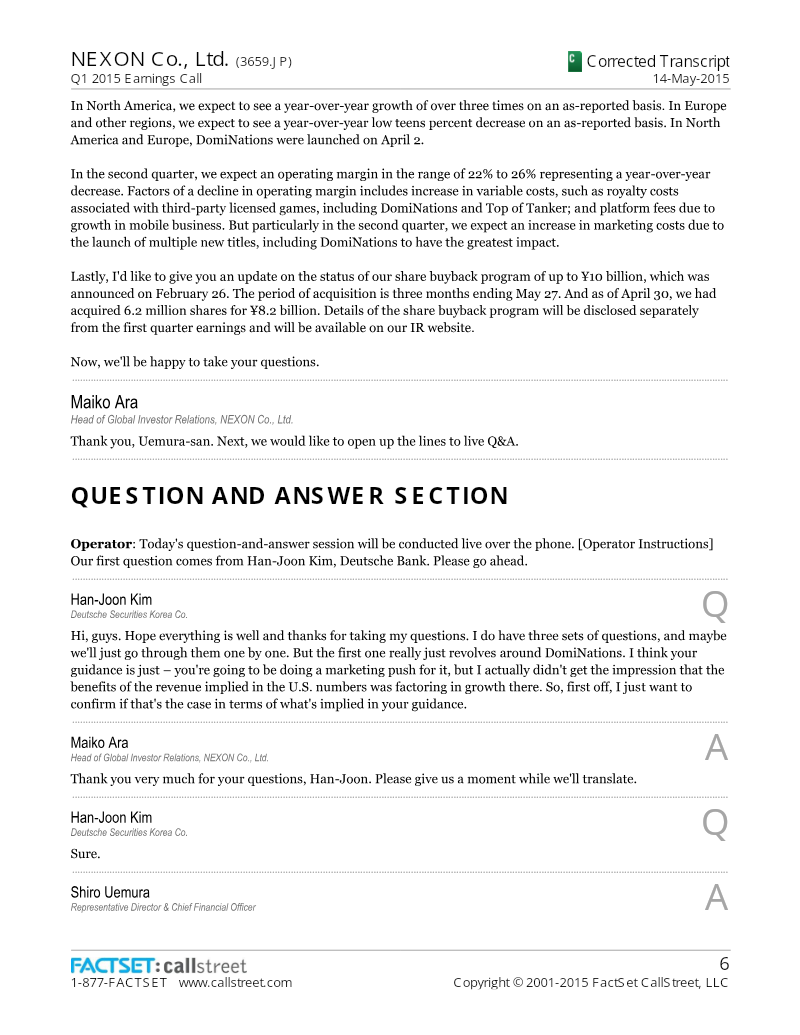
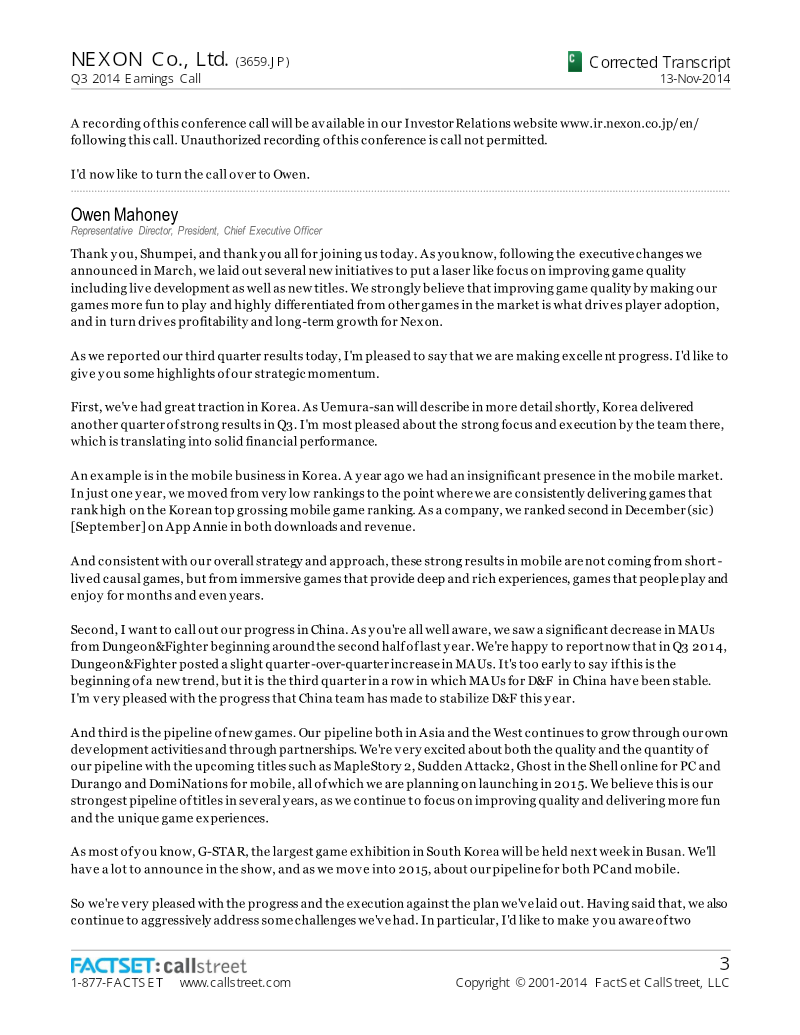
might be able to buy all of embracer at some point yeah that's a window of opportunity for for the new CEO to pay them back yeah yeah all right uh well moving on to another company that has a lot of cash and and you know could also theoretically afford Embrace her at some point uh Nexon for those that don't know Nexon is an interesting corporate structure you know if you're into like Financial engineering it's a Korean based Japanese listed game company with global Studio operations and a us an American CEO so you know if you want to put the The Hangover Sam Savant gambling meme in front of me you know that's basically what you have to do to think about how this company is structured a little bit it has a market capitalization about 18 billion dollars so it's much larger in the market than Square Enix uh and in 2022 they generated 2.7 billion of Revenue so actually only comparable Revenue a lot more operating income 800 million for 2023 they're projected to generate three billion of sales and a billion of OI so that's 10 and 27 growth their biggest titles MapleStory and dungeon and fighter in the west we probably don't hear a lot about those
but uh you know circon I saw on the notes you put the actual number of Lifetime Revenue so I won't I won't jump the gun but dungeon and Finders is one of the most successful not just video game franchises but entertainment franchises ever created by Revenue MapleStory is one of the most successful in Korea uh the bulk of the company's revenue does come from from Korea and China and you know just looking ahead they're they're taking a lot of shots on goal in the next 18 months I think I think they have eight large games eight new titles planned uh including one from Embark it's called finals and if you don't know Embark that's the studio that was formed by Pat Sutherland who was the CEO at EA for a while and then Nexon invested in that and then they bought them out so a lot of moving pieces one of the biggest PC online games in China is dnf tons of MMORPGs like Maple store in Korea aggressive growth plan uh what are your thoughts on Nexon yeah so I think that next one is like a Juggernog right and it's just a real powerhouse that almost nobody knows especially in the West in of course in
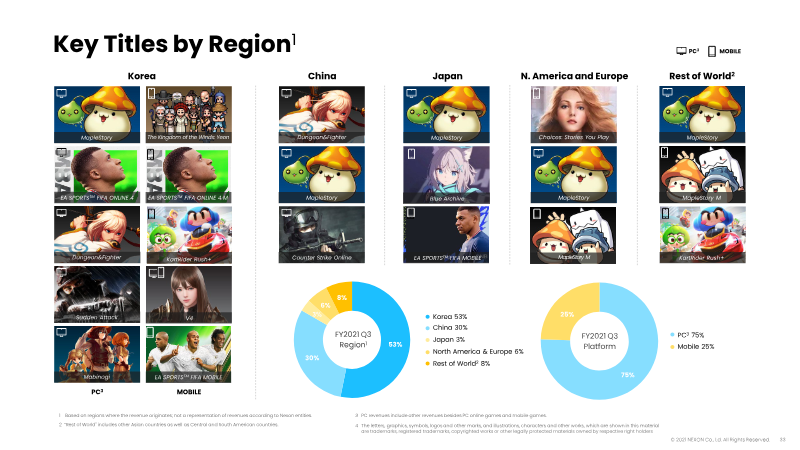
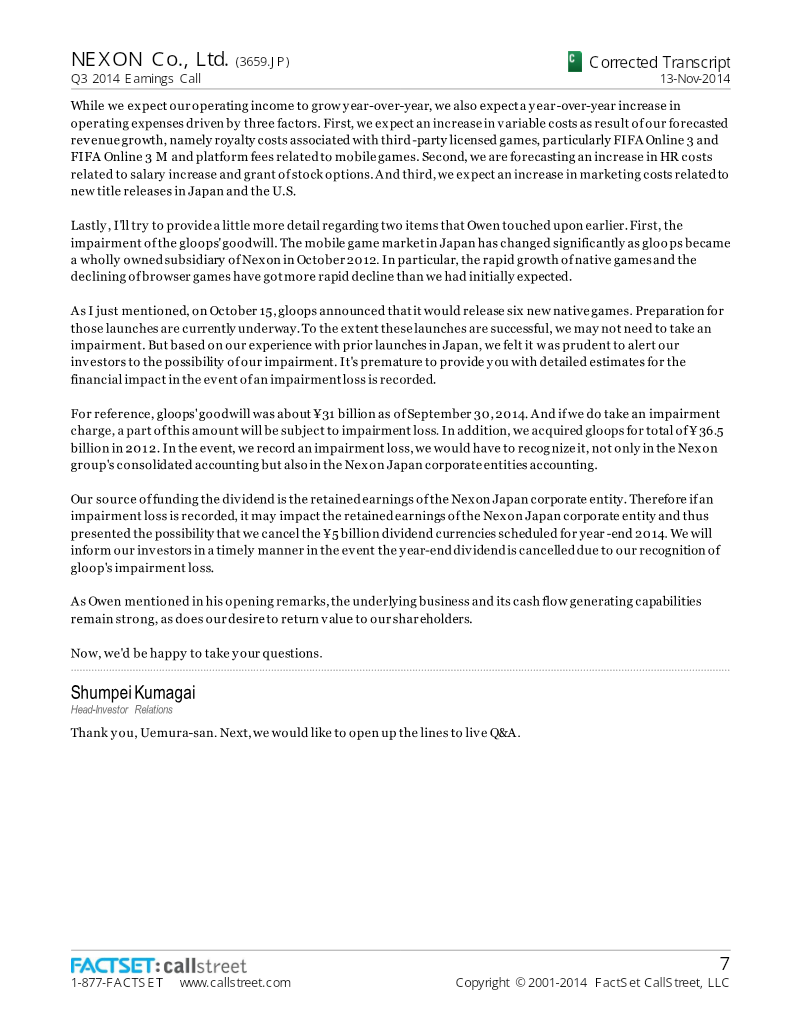
Asia it's much better but in the west nobody really talks about Nexon all that much right um and uh and you know the eight you mentioned 18 billion dollar market cap it's in the neighborhood of take two right so in the US it's not higher than take two but it's you know it's roughly in the same in the same ballpark right uh and uh as you said like it's in America it's a Korean company that's listed in Japan for various reasons one reason of course being that Japan is the bigger market for them they had a bigger Market opportunity here so that's why they moved to high HQ to Tokyo and then got listed in uh in Japan and they have an American CEO believe it or not right uh um and um and uh so it's it's a very very special very very special company from that uh from that uh whole setup point of view and uh I would say that one big bullet point about them is they sit on a huge pile of cash they don't do not seem what to do with it so in 2021 they made the headline headlines globally when they put 100 million in Bitcoin on the balance sheet and that
was just two percent of the cash pile back then right and it's just it's just a very cash Rich very well operated like a machine that has been running for for the last uh for the last a couple of couple of years especially uh you know or riding on um uh China game revenue from from a game called dungeon dungeon fighter I think that Matthew just mentioned that I think it's called dungeon and fighter in in in in in Korea and you know these guys have been basically milking um milking the uh you know that uh that Chinese audience for years and years and years now uh for two decades now you can say um and I can I think that uh what is interesting about Nexon is uh that their revenue split is still 60 40 in favor of of PC so they have been trying for a long long long long long time now to transform themselves into a mobile to a mobile gaming business or mobile gaming business because as probably everybody here on the on or listening to this podcast knows is uh that mobile is like
about half of the gaming market right overall globally speaking right so um and there's still 40 of Revenue is still from China only a quarter is coming from Korea so it's still very China heavy um and at the moment the big the big uh the bigger uh there's like two big things I would say um that stand out for for Nexon one is that they are have identified as you just said you know the console business as the next Frontier so because of course you know investors are always looking for the next growth story and the next one has identified after Bitcoin they identified the console business as their next as the next growth opportunity right so they're doing like a few console games uh now live service games um and uh I just hope that they're going to do better than Craft on with Callisto protocol right so because craftone did the same thing they Branch out on the console it didn't really work for them that well and the other bigger bullet point about uh about Nexon is um uh their web free gaming uh aspirations uh
so just like a lot of other Korean companies there are actively developing blockchain based games they're doing maple story through maple story based games and meta verses and maple stories are like a long long-standing RPG franchise casual RPG franchise for Nexon so they're turning them uh that that franchise into like a web free property I think into two different rapid properties actually and a final big point I would say about Nexon is uh the upcoming launch of dungeon fighter on mobile in the Chinese market so a lot of investors I have been waiting uh since uh since 2020 at least uh for Nexon to be able to launch that game in China but as everybody knows uh launching games in China is very very difficult to especially if you're a foreign studio so that's still a big question mark for investors around the launch of that particular game yeah you talked about a unicorn in in one of your previous responses mobile dnf is another one of those unicorns yes it's always been talked about it always seems like it's around the corner and
then something happens you know I think at one point they killed the game and they restarted it right and then they had the gaming freeze in China license freeze and now it's kind of in limbo I think everyone agrees that when this comes out it's going to be a gangbusters release it's just like is it this year is it next year is it five years no one really has a clue um a lot of that is as you mentioned geopolitics but you know it is it is just kind of like just how successful dnf has been on PC it's just assumed that this is going to be an absolute you know money grab on mobile when it releases in in China and then it has released in Korea on mobile and it's it's done fairly well like relative to the Korean market so I think it's encouraging uh for what they're trying to do in China it's just like you know it's just a matter of when they can hit those 700 million people with this game yeah I tested the game it's actually well made uh pretty pretty good pretty good uh you know mobile version of of the of the of the PC client uh but um yeah of course the bigger the big obstacle is uh the Chinese uh the Chinese license because the government doesn't care but the government over
over that doesn't care if if anybody is waiting for a license for that game even though tencent is their partner in China right I mean that's another Factor but it apparently doesn't doesn't uh doesn't help got it any other thoughts on um on Nexon or should we move on to ncsoft I think we're good I mean you also pointed it out it's just like and it's not unique to Nexon it's not unique to Square Enix it's it's just kind of when you compare balance sheets of companies in Japan to pretty much Western companies anywhere else in the world they just hold a lot of cash and I think it's just quasi-cultural conservative management but you mentioned it and it's just worth pointing out for all of these companies they sit on a lot of cash and you know it's always a question of what are they going to do with it and they just never do anything with it except buy a hundred million dollars a Bitcoin all right well ncsoft so roughly 4.9 billion dollars in terms of market cap but that's down from a high of over 19 billion in February 2001 so down almost to uh 75 from that high
since uh since that February 21 High anti-soft has been on a fairly steep decline the stock went down to about 4.7 billion back in September of last year before popping back up to seven eight and then coming back down to its currently current level of about 4.9 billion um in terms of the products the company generates uh most of its sales on mobile so about 78 of its Revenue as of q1 of 23 with the primary games including lineage W lineage 2m lineagem and Blade and Soul 2. and then on the PC side the biggest schemes by Revenue include lineage Lineage 2 Guild Wars 2 aeon and Blade and Soul so ncsoft really is kind of like an arpg MMO company with a big focus on mobile and I think in terms of products or up future upcoming products one really big open question is Project TL also known
as throne and Liberty it's a big MMO project that was I believe First announced in 2011 as lineage Eternal but has just been suffering many delays since then and even further there's been a lot of negative feedback in terms of the games too simple in terms of the combat system there's too much autoplay and a lot of people are saying this is just a mobile game on PC and so uh based upon that as well as potentially a friendlier monetization approach which could be good or bad you know I think that's the current state of ncsoft so I'll turn it over to the real expert circon it'd be great to get your take have I characterized anti-soft appropriately and what would you add to how I've currently described ncsoft yeah so I wouldn't call myself a quote-unquote expert on the on the on the Korean particularly on the uh on the Korean game uh game companies but I've been looking for at uh at the at these
all of these Korean game companies uh because of the like geographical like the distance to uh to Japan which is like a lot a lot like uh shorter than uh to the west or for example not also because all of these companies uh that we talk about from Korea are very active in the Japanese market right that ncsoft is is also very active in Japan with their own offices their own uh you know teams and you know all of that jazz and I think that apart from like uh hardcore Asian MMORPG fans in the west there are some but they are not a lot um and of course industry people like ourselves not many people know about ncsoft in in the west right so unlike Craft on right which operates uh pubg or um you know paralymp is you know paralysis from Korea has like a Black Desert which which has an okay audience in the west or like Eve online right I mean they they own Eve online but I guess that you know the one reason why we talk about these Korean companies is uh uh that's one reason why we talk about this Korean companies because there's not a lot of you know
information flowing outside uh um you know outside the Asian region on these companies right and I think that uh what is interesting about this company in particular is uh that they were focusing entirely on the PC up until 2016. so they had all of these Brands you know that that you mentioned uh especially lineage which is uh which is the bread and butter product and then from 2007 or so 2017 and seesaw unlike Nexon has actually been successful in transforming itself into a mobile Studio right so um they launched the three lineage games on mobile since then at the first one lineage M that that they launched on mobile uh I think it was in 2017 or something like that yeah but when they started like you know transforming themselves into like again more of a mobile game Studio there was to be even a big hit in Japan for years even though MMORPGs uh and the PC in general are not really big in in the Japanese market right so um and back then net marble published published that game in the Japanese
Market actually believe it or not for uh for ncsoft and today uh you know a lot of the major bulk of NC soft revenue is coming from mobile right and uh but I think that uh one big challenge for them is uh that uh the big um geographical uh concentration of the revenue in in and of their you know um uh how can I say all of the popularity of the games is in Asia right 40 of the revenues coming from Korea or another big chunk is coming from from other regions uh like uh like uh in Asia like China for example right and uh and you mentioned you mentioned the stock price the stock price I mean it's at I think it's I checked yesterday it was at the 300 000 loan uh and it it was one million one in 2021 and I think that one big reason was uh uh the pandemic driven uh Revenue boost you know that uh that these Korean companies have have enjoyed around that around that time but still it's it's a pretty rough drop from uh from from the
highs back then uh because uh the revenue didn't drop as much as the market cap did right so um it seems to be like a mini bubble that a lot of the Korean companies uh were seeing around 2021 late 2022 Craft on is another example but I'm currently is like not not uh do apples to apples comparison because they launched the IPO right but the iPod at I think 500 000 uh one and they are 200 000 won now so all of these Korean game comes they're still multi million dollar corporations right I mean if you know Matthew just mentioned uh Nexon being a 18 billion dollar company but it's not as high as it used to be about one and a half years ago for uh for ncsoft leader got it and I had a question on them and you know you meant I just I found it ironic first off that when they first thought about mobile their first thing they did was license their ip'd and net marble and net marble made you know lineage Revolution Lineage 2 Revolution
and then they were like hey we can actually do that so that's just a funny little histrionic though but you know everything they've tried mobile lineage W is supposed to do this the most recent mobile game you know it's supposed to be unlocked the West for them they haven't been able to do that I mean that was all that was a big part of the strategy um do you think that this is something that a company like ncsoft can do or do you think that the types of games they make the genres they make the type of art style is just aren't going to Succeed In The West I think it's going to be tough for them in the West I think that I think that it's because they don't only have to change the platform which they already did but they also have to change like the whole like identity of the company right I mean the whole like Studio structure or like the whole like philosophy around the company right so uh so for them and even for Nexon right with at least with their PC and the mobile games they're trying right next one is trying to with uh addressing like a bigger
Market outside outside the Asian outside the Asian uh markets but uh it's it's I think it's it's a big challenge for ncsoft in particular I think uh not with lineage and not with uh you know properties like uh blade uh uh like Blade and Soul for example I think it's going to be tough yeah it's it's it's always kind of been something that they all talk about doing and they just kind of eat their head and do the same thing and it doesn't work but you know maybe it's just pandering new investors that hey we're growing we have this opportunity maybe that's just maybe that's part of the game uh but yeah no it's definitely an interesting company you know they've also been doing this for a long time you know back to the PC days right and I think you know in the west we don't realize how successful and how long of success these companies have had like ncsoft and doing this but do you guys think when it comes to like arpg MMO is it a company thing or do you think this is just like an inherent you know it's like Mobile mobas in in the west just don't work well but in China they they're extremely great and
do you think like arpg MMO and it's just like a thing that Koreans like and just can't be translated well to Western markets or do you think this like some Korean company can figure this out or Chinese company or Japanese company for that matter and if we think if we think of Asian based companies that are successful in the west it's generally the ones that have been around the business for 30 40 plus years right and it's it's IP that's been around for equally as long or partially as long and like they have a better understanding of what the US customer wants and needs it's a very hard Market to punch into for several reasons it's not just about I mean I think our style certainly has something to do with it like development expertise and everything else but it's like you've been doing business here for 30 or 40 years you're going to have an edge on someone that's just doesn't it's kind of the test of time Nintendo has you know 40 50 of their revenues in the US for a reason Sony way more than that and it's just like they have a they have a sales motion they have a
relationship with Publishers they have relationships with the Distributors and they just make good games it's very hard to punch into all right well let's move on to our last company which is net marble uh this is a company that I don't think Wall Street guys like very much um was uh similar to anti-soft uh highly or many of the gaming companies right highly valued at 15 billion back in December of 2017 since then the company hit a covet high of about 12.6 billion in market cap in September of 2020 uh basically massive covet upswing it went from uh 6.1 billion made to 12.6 billion in uh September and so similar to ncsoft it kind of has been on this steep Decline and uh bottomed at about 2.5 two and a half billion and Market valuation as of October of last year before popping back up to about 4.74.8 billion earlier this year in
April before coming back down to about three and a half billion today so quick product highlights and I'll turn it over to circon on a product basis I think net marble is best known in the west as the owner of companies that we're more familiar with companies like gmcd and Kabam and the company is largely mobile across a number of both IP and original Ip games on the IP side they are probably best known for BTS World ninokuni Crossroads lineage revolutions as we had talked about uh previously Marvel feature fights seven nights and fate Grand order and in some cases like fake Grand owner order which is that Sony aniplex game that we had talked about they are just doing localization and geoservicing for Korea um finally net marble is seems like it increasingly has plans for our PC and console on the PC side they have four games live and console one game called seven Knights but I believe that they have announced or they've got more
console game projects that are being planned so with that let me hand it over to Sir Khan what do you think um would you add anything in terms of characterization of netmarble and why why do all the Wall Street guys hate this company uh yeah so so I think that I think that the uh one interesting point about netmob is that there are a lot more internationalized than most of its other local and competitors in Korea so uh in Japan for example uh net marble was the first uh you know Korean company that actually splashed on uh a special like made a huge special in the market and uh uh did uh gigantic UA campaigns so they launched the previous uh what we just talked about uh with uh lineage when they launched the first lineage game on mobile in Japan I think they were the first company um even even before before Japanese companies local companies did what they did they launched um a company a game Lineage in a back back then uh in the
Japanese Market uh with the TV advertising campaign before the game was uh was available for download right so that was part of that like pre-registration pre-registration campaign just as a side note right so they came into into the Japanese Market with a bang right with a big Blockbuster game and with a big Blockbuster advertising campaign was something again something they did something that no other even no other local competitor did um and um so today the interesting thing is that around 50 of the revenues coming from North North America right so um you know of course you know they bought uh they bought Jam City they have Kabam you know all of these things but uh they seem to be a lot more focused on internationalization than uh than in csoft for example and uh I think that uh unlike ncsoft on Exxon uh uh what is interesting about netmobile is that you know they have a like a whole Suite of smaller hits that they focus uh that they focus their uh
not focused but they uh that they've been able to spread their revenue across um and so they're not really that dependent on one or two or three or big IPS but uh uh rather like a whole like a bunch of like a smaller IPS that they self-developed or mostly actually in the case of a net marble uh both externally um and I think what is also interesting about net marble is uh that they have um a huge focus on web free gaming right um and uh what they did is uh they are developing games for sandbox which is like a metaverse um they partnered with binance they partnered with cacao for web3 gaming um and they have a subsidiary called metaverse world very low-key right I mean they're not using the net marble uh net marble um uh you know um brand name for that and uh that uh that subsidiary has its own token on nft Marketplace on an on game platform there are so that that subsidiary already uh launched some some blockchain games one of them is called
uh meta football and meta football has not bad 10 million downloads on on Android alone it's a web 3 game um and it's like a Futsal game like a indoor indoor soccer game um and they have other website projects in the work so they are very very focused on uh on on the blockchain gaming business and that seems to be one reason together with the crypto winter that we're currently in why uh investor sentiment has cooled off with regards to this uh to this company because they have been very very vocal in in in in in terms of support of uh of the web 3 gaming space I think also one of the reasons investors have soured on it is you know similar to like embracer a little bit like Zynga this was an m a roll-up story you alluded to it right they've been very acquisitive since they went public in 2017 I believe they basically top ticked the Social Casino Market in 2021 they bought Spinx which I had never heard of until I pulled up the numbers at the time and I was like oh these guys are actually begging Revenue so they pretty much like they've kind of top
ticked everything in recent acquisitions which which isn't very good um and so there's obvi you know they have great IP and I don't think it's like zingo where people question their ability to grow organically but you know it's clear that we have the covid bubble and valuations plus they were being very acquisitive in that period now they're digesting those those Acquisitions that are not performing as well you know they the the core games have come down because the covet boost has come down uh you know you you have questions over the web 3 strategy kind of all these things and you know diversification is good but on the same token it's like you're you're just a it's kind of like a pile of lots of okay good games and there's no big big you know we talked about Nexon and how dnf prints money like they don't have a game not at that scale but they don't have a game at the scale that you know this is printing money this is the cash grad you know this is this is what's driving the revenue the profitability and then everything else is nice to have they don't have that Marquee tent pole franchise to sit in front of all of these good but not
amazingly fantastic super large games okay any other thoughts otherwise I think maybe we could also just uh since we have circon maybe we could even get thoughts on other players in Japan or Korea uh so maybe maybe we could uh shift there sir Khan so if you have any like high level key thoughts or takeaways as far as any of the kind of like the the rest the rest of the players like who who should we know about and are there any interesting Trends or things we should be watching out for um yes so I think and and the Japanese and the Japanese gaming space um I think uh Capcom is an interesting story right how they have been absolutely killing it over the last couple of years I mean it's not even funny anymore right so these guys I mean uh you know I have nothing to do with them you know I never I never talk with any of the executives there or something I cannot I cannot consult with publicly traded companies anyway but uh but I just admire them uh from uh from an execution point of view right I mean the way that they have been uh you know
revitalizing old IP um and you know driving up driving up sales um like uh to unknown to unknown highs for the for the company and attend them with that the the market cap has risen investors are super happy at least the early investors right um and it's not a coincidence just a little bit like with Sony right and I think that what is interesting about uh uh this particular company is that uh that they um uh Believe It or Not discovered the PC as a as a gaming platform early on for a Japanese company right because Japanese companies have this tendency to think uh in a very insular way they think that news or like Trends are not real until uh news are translated into Japanese or Trends actually reach Japanese Shores they think that this is some foreign thing that doesn't affect them right and um and but Capcom has is I would say the first big Japanese company that uh uh that went big on Steam right and that that did this multi-platform approach
that everybody now is talking about in the global video game industry in the Japanese Market I think that the cracking PC first was one big was one big reason why uh why why Capcom is or has been so successful in recent years and what they also did very very uh in a very very clever way is internationalizing the company from within right and there a lot of the times as you I think Matthew just mentioned that hinted at that earlier it's just lip service from these Asian companies we want to go west you know we want to globalize everybody says that you know mobile game companies when they came about in Japan 10 years ago I was there I can speak about it they all said that but they had no no like a structure inside no real will to to actually internationalize it's different with Capcom so if you look at Capcom you know they have this all of these franchises right so these hit franchises and the latest Devil May Cry game for example live on My Cry 5 or one of the big one of the lead producers was an American right his name is Matt Walker they hired
like a real America real American to to as a top producer for that game and for Resident Evil 8 and the bigger even the bigger franchise right for for Capcom one of The Producers was uh an ex Bloomberg uh no no no no uh there was an ex Bloomberg that's a current Bloomberg editor that used to work for for Capcom but he's out that so in that case the international not Outlet it doesn't work for Capcom anymore so in that case the internationalization didn't work but uh one of the Resident Evil 8 producers uh was an American he works for Banji now this is all public information of course right and uh he was a top producer on one of the top games for the entire company right and he actually appears inside the game right just as a minor spoiler right and show me another show me another you know Japanese company that does that right I mean they have maybe one of the uh or the other designer or like a programmer like a software engineer in
the background but not at these top roles but Capcom actually took that risk and really wanted to internationalize again itself from within and that's also one reason why Monster Hunter World um has has uh is now a breakout hit in the the best too it was like a big franchise only in Japan people said a little bit like with NC soft and the other ncsoft discussion that we just had right people said that it will never be successful in in the west it's too it's too Japanese but then you know it became a monster hunter World in particular in 2018 I think it was launched became the capcom's biggest selling game of all time right I think they sold 8 18 million or 19 million units of that game right so I think that I think that Capcom is a very very interesting case study for a big Japanese video game company uh that can actually go from go from one level to an entirely entirely new level uh because of um because of the efforts that were triggered from within the company
and now we'll see if they can do it on mobile right because now they're talking about Monster Hunter mobile I think that's like you know if they can make mobile I don't think that's I don't you know and it's interesting right but because what the communications from the company right I mean this is just my opinion I think it's not going to work because you know all of these Niantic properties after after Pokemon go didn't work but the company itself said you know look we are that's not what I'm saying but the company said like you know we're looking at this primarily from a branding exercise as a branding exercise we want to make the monster hunter World IP more uh more known outside outside Japan right and if you start communicating like that you know that I in my in my book at least that's a that's a view uh that's a big hint that they're not really believing in the commercial potential of that of that particular mobile game yeah I I mean I I saw I saw it announced and I'm like this is Witcher Monster Hunter and that went nowhere either it's like the same game so it's like you know I'm not super optimistic but you know if they can make their IP work on mobile then it's good for them and it's more
upside but they've already got a really strong business on PC already which I think is already really impressive you know you mentioned Monster Hunter world I remember seeing that at E3 one year and I was like what's this like Poor Man's you know warcrafty type game and then sold 10 million units out of the gate and I was like wow okay this is this is something this is not this is not like just you know a little poor man's game this this is real and it was quite impressive how they had they been able to make that transition I remember 2018 I remember that trade specifically I think I think Capcom tripled that year and they ended up doing like 20 30 million units just an absolute breakout hit in the whole day uh the pushback against not being able to break into the West was just completely torn apart got another one for you uh thoughts on Sega Rovio so a Japanese company purchasing a Helsinki based uh mobile gaming development Studio what are your what are your thoughts on that one you know I think that Joseph is a more open Insider than I am as a XX Sega ex-sega employee I'm not an inside at all so again I cannot work or I can even
consult to a publicly traded company but uh I was puzzled you know I was puzzled by the uh by the by the acquisition and I I tweeted about it you know usually I try to be a little bit uh a little bit silent on uh publicly on on these deals but in this case I couldn't right so I was like it really came out of nowhere right uh um and um so there's not platika right I'm not a big fan of playtika so I think that was the right move this is just my personal opinion better to sell yourself to a Japanese conglomerate than to a company like a playtika I mean uh no offense to play Tika I think that you know they built a huge business scale business and you know but I think it's it's a probably better choice for Rovio I'm not really sure how they're going to integrate you know I know that Sega has already you know has bought like foreign companies in the west and it has to some extent that successfully integrated them into their own into their own um ecosystem system uh you know I believe in the in the in the in the in the gaming in the gaming leadership of Sega you know utsumisan the new uh uh
not the CEO of Sega proper but the uh the leader of the gaming unit uh his ex-playstation um OG and he used to work at other game companies uh uh he speaks English you know he's very internationally minded It's not a so from that perspective I'm not I was not thinking about that from that perspect I was not that's that overwhelmed by the decision but still it seems odd still it still seems odd I'm not really sure where the synergies are there I'm people are talking about bringing Sega to to mobile sorry Sonic to Mobile and other other properties from Sega to mobile and Rovio I mean I'm not really sure I mean if that's how that is going to how that is going to work how successful that is going to uh uh to be but no people in the finish uh finish uh uh a gaming Industries you know they tweeted to me they emailed me and said oh my hey you know it's a profitable company what are you talking about right it's not as bad as people think right um still well still a little bit of a puzzle for
me I'm not sure what you guys think but we could do that a little bit I'm I'm I'm a little bit neutral personally but I think it just kind of it fit the mold of the Acquisitions that were happening at the time in that they were all strategic and not necessarily ones you want to pick apart on fundamentals and price uh it was good to see mobile M A coming back to a degree um and I think if you look at sega's vision for what it could be I think all that makes a ton of sense it's just uh you know it's a ton of execution risk for a billion different reasons cultural uh spatial time differences discipline of certain Studios that the success history of Rovio launching new hits and things like that Sega not really being on mobile I mean there's a lot of things you could pick a part in that thing but I guess we kind of got to leave it up the test of time it's a great deal for Rovio I mean yeah absolutely you know they they kind of had nowhere to go and they were taking bids right and left both solicited and
unsolicited and getting a deal even I actually didn't go back and double check even though I said I would I believe it was a discount to whatever the highest offer from playtika was but that you were able to get a deal where they don't all get fired so right you know that's uh it's a good win for Rovio I I agree on Sega it's a little mixed I talked about Roblox and what they've done there uh with Sonic I think Angry Birds to to Roblox is an easy is an easy layout for them to make some ground revenue from this deal so I think there are some optionalities that they can pull but we've we've seen you know we've seen lots of Asian companies we talked about it for the last hour and a half you know fail to internationalize westernize in particular and you know that's the big strategic strategic thesis here is take sega's mobile games that are relatively successful domestically and internationalize them and we'll see if it works but you know Go Roblox front of anger birds pachinko machines yeah to your last Point Matthew and I I
think to to the point that you raised sir Khan about Capcom getting like a U.S lead that makes me think a little bit about the Strategic question about how do we have whether it's Korean company like NC soft that's you know kind of arpg MMO Focus but not really it it's not really um growing or adapting to the Western Market and if we were to think about other examples like for example Craft on with where who brought in Brendan green who had worked on you know each one Z1 King of the kill and and he kind of knew the Battle Royale space they brought him on and while I heard that that development process was very uh problematic but they eventually got a hit game using that model and I know that um you know you know there are companies like some Chinese companies that have brought on U.S leads um you know I think merch Mansion is another example of that where May maybe this model of bringing somebody Western who has more of the western sensibilities to work with as a
lead you know like a Korean or Japanese game development Studio maybe that would be more interesting for some of these companies to try just just to get greater adoption in in the west but I don't know if you have any thoughts on that sir Khan yeah yeah thank you for reminding me because you know you talked about like you know Trends in in Asia and I think one big Trend in in Japan is uh you know the uh you know quote-unquote invasion of the big Chinese uh players in in the Japanese gaming space right and they do what what you said exactly right so they are they are hiring away uh you know top talent from from Japanese game companies where people thought you know they never leave right so nagoshi-san from Sega is probably the biggest one he's working for netease yeah of Yakuza Fame right so that guy is now uh working on uh obviously another Yakuza game anymore but on on a new IP um bankrolled by by Netties right so and he brought his entire team right so they
have a group official nutties like a corporate corporate group photo of of of their team uh up on the website right and uh and the the uh and uh that's only one example there are other examples right I mean that is just opened the second video video games not mobile games but video game studio in in in in Japan and uh and that seems to be a trend right so uh to hire like local local experts to win uh not in the case of uh Chinese companies uh hiring uh Japanese uh Japanese tenant not only winning in Japan but also globally right because nagoshi Sansa Yakuza series it's not a mega mega mega Blockbuster in the west but it's it's fairly it's doing fairly okay right in the US and in Europe and uh I think it has also helped Sega as a brand overall uh in in in these regions uh but that's that's a big one right how the proud uh Japanese mobile game but also video game makers are being uh are now being uh you know um uh not endangered but you know now you have these Chinese companies like netis and
black tens and Billy Billy is also in Japan uh with its own team they're doing mobile games and you know things of that nature um and uh how these Chinese companies have identified Japan as uh uh one of the big Frontiers apart from the West uh in terms of in terms of growth and again one bigger one big way how to how they do that is hire local talent all right um sir Khan thank you so much for joining us I think that's basically it unless anyone's got any last minute remarks uh if for anyone interested in in user Khan I know you're famous on Twitter but how what are what's the best way to discover more about you or to get in touch with you yeah I think for apart from Twitter where I am sometimes uh too snarky and then I regret it but uh but uh I'm trying to be I'm trying to behave on Twitter but apart from Twitter uh saccontoto.com is maybe like a good address if you want to uh if you want to read a little bit about like the mobile
game industry in particularly in Japan I sometimes cover the video game industry as well on that on that side but uh but uh I think they're at these two Avenues probably okay great well gentlemen thank you so much and for our audience we will catch you next time bye thank you thanks sir that was fun nice to meet you [Music] thank you [Music]
Summary
The Japanese and Korean video game industries represent a complex landscape defined by distinct regional preferences and divergent strategic responses to global market trends. While Japan maintains a robust console ecosystem alongside a $10 billion mobile sector, Korea remains heavily anchored in PC and mobile gaming. A notable divergence from Western markets is the continued enthusiasm for blockchain and crypto gaming among publicly traded firms in both nations. Despite the rapid growth of mobile gaming, it has not cannibalized traditional platforms; instead, companies are increasingly pursuing cross-platform strategies to maximize the reach of their intellectual property.
Nintendo serves as the industry’s conservative anchor, prioritizing its integrated hardware-software model over mobile expansion. By treating its games as premium, gourmet experiences, the company has effectively retreated from the mobile market to focus on its next-generation console, which is expected to maintain a portable form factor. In contrast, Sony is aggressively pivoting toward a 50/50 revenue split between traditional console sales and live-service titles. This transition presents a significant challenge for a company historically defined by single-player excellence, requiring a delicate balance between maintaining its studio autonomy and adapting to the demands of ongoing, service-based engagement.
Strategic pivots are also defining the broader market, with companies like Capcom achieving global success through early adoption of PC gaming and the integration of international talent. Conversely, firms like Square Enix, Nexon, and Netmarble are navigating volatile transitions, ranging from divestments of Western studios to heavy investments in Web3 and aggressive M&A activity. Meanwhile, the entry of major Chinese firms like NetEase into the Japanese market—by poaching local talent to develop global IP—signals an intensifying competition for international market share. Ultimately, the industry is characterized by a shift toward diversification, where legacy franchises provide the capital necessary to fund high-risk experiments in new technologies and global expansion.