China reports and market data
213 game industry reports, presentations and talks about china from writers such as PocketGamer.biz, Two & a Half Gamers and Deconstructor of Fun, newest from 2026. Every document has a summary and key insights with the page they come from, and 575 charts and tables are extracted as data.
Key figures
China’s video game market reached $51.8 billion in 2025 and is projected to grow at a 2.9% CAGR to reach $59.8 billion by 2030.
Niko Partners, 2026 · Market Model Reports: Asia & MENA, p. 1
The e-sports market in China has varied estimates, with the 2021 CGIGC report valuing it at $20 billion with over 480 million users, while Statista estimates a 2023 market value of $445.2 million and 253.5 million users projected by 2028.
Polish Games Association, 2023 · Developer's Guide to the Chinese Market, p. 9
The Asia-Pacific region generates 49 percent of total worldwide gaming revenue, driven primarily by China, Japan, and South Korea.
Neogames Finland, 2021 · Market Study: China, Japan and South Korea, p. 4
The market is heavily concentrated in East Asia, with China, Japan, and South Korea accounting for over 70% of global RPG earnings.
Pangle, 2021 · Mobile Game Genre Report: Role-Playing Games 2021, p. 6
Apple maintained a 25.6% market share in China as of October 2017, with the iPhone X showing significantly higher adoption rates among high-end users compared to the iPhone 8 and 8 Plus.
Newzoo, 2017 · China Mobile Market Update: December 2017, p. 10
Documents
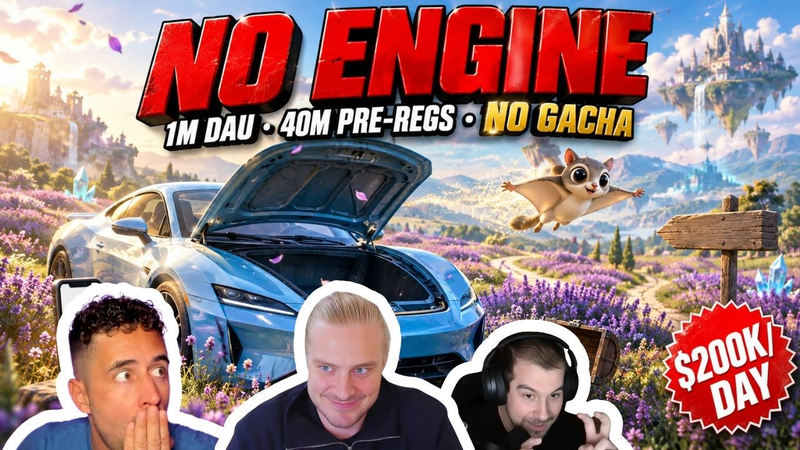
🐿️ FunPlus Made a Genshin-Pokémon-Palworld Game and Forgot the Gacha
FunPlus has entered the high-fidelity, cross-platform open-world RPG market with the launch of Aniimo, a title that synthesizes mechanics from popular creature-collection and action-combat franchises like Genshin Impact, Pokémon, and Palworld.
- FunPlus launched Aniimo, a high-fidelity open-world RPG combining mechanics from Genshin Impact, Pokémon, and Palworld, marking a strategic shift from its traditional 4X strategy focus.
- The game achieved significant initial traction with 40 million pre-registrations and over 1.5 million mobile downloads in its first month.
- Aniimo maintains a daily active user base of approximately one million players across mobile, PC, and console platforms.
TWIG #403: The Market Only Grew 2%, Friendslop Hits the PC Charts and China Drafts Off GTA VI
The global gaming industry is currently experiencing a period of significant stagnation, with real-term market growth hovering at approximately 2% annually when adjusted for inflation.
- The global gaming industry is stagnating with only 2% annual real-term growth, driven by rising user acquisition costs and a lack of expansion beyond mature Western and Chinese markets.
- Console spending is highly consolidated, with 93% of revenue directed toward established intellectual property, creating significant barriers for new entrants.
- The PC market is a winner-take-all environment where only 1.5% of annual game releases generate more than $1 million in revenue.
Tencent’s bid to create the next FromSoftware and Larian
Tencent Games, through its Interactive Entertainment and Game Global (IEG) division, is actively pursuing a long-term strategy to cultivate category-leading game studios capable of achieving the global success seen by developers like FromSoftware and Larian.
- Tencent is shifting its global strategy to cultivate category-leading studios capable of producing high-quality console and PC titles, modeled after the success of FromSoftware and Larian.
- The company currently manages approximately 20 studios worldwide, utilizing a 'long game' approach that prioritizes creative autonomy and operational support over rigid corporate oversight.
- Tencent is leveraging the global success of Chinese-developed titles like Black Myth: Wukong to bridge the gap between its traditional mobile-centric expertise and the high-end console market.

🚨📢BREAKING NEWS: EA merging with Savvy? Chinese market hits $50bn, Pokemon GO record spend week
The gaming industry is currently experiencing significant shifts driven by market expansion in China, potential large-scale corporate consolidation, and aggressive monetization strategies.
- The Saudi Public Investment Fund is reportedly exploring a merger between Electronic Arts and Savvy Games Group, a move that would consolidate major franchises including EA Sports FC, Battlefield, and Monopoly Go.
- The Chinese gaming market has surpassed $50 billion in annual revenue, with a projected player base of 769 million by 2030 and mini-games now accounting for nearly 20% of mobile revenue.
- Live-service optimization continues to drive record-breaking performance, evidenced by Pokémon Go achieving its highest weekly revenue since launch and Delta Force reaching $10 million in daily spending.
Panel: The AI Paradox: Creative Resistance vs. Industrial Revolution.
Artificial intelligence represents a fundamental industrial revolution within the gaming sector, functioning as a sophisticated engine for production efficiency and creative expansion.
- The adoption of AI in the gaming industry is accelerating, with the percentage of games involving AI technology rising from approximately 20% in 2025 to over 30% in 2026.
- Free-to-play mobile studios are adopting AI faster than AAA developers because mobile games are optimized for frequent content updates and retention loops, making them more tolerant of AI-generated assets.
- AAA studios face higher barriers to AI adoption due to long 3-to-5-year development cycles, rigid budgets, and the need to protect established IP by maintaining 100% quality consistency for their fan bases.

Panel: Bridging The Gap: Dissecting The East's & West's Ad Monetization Playbooks.
The panel discussion at the Pocket Gamer Connects Summit Shanghai 2026 explores the divergent ad monetization strategies between Eastern and Western gaming markets.
- Eastern publishers typically integrate ad monetization into their product strategy during the early development stages, whereas Western publishers tend to be more cautious and reactive.
- Enforcing strict ad quality to block malicious or deceptive content can lead to a long-term increase in ARPDAU, with data from partners like Voodoo showing an average 5% increase after an initial adjustment period.
- Eastern markets benefit from highly integrated digital ecosystems like WeChat, which allow developers to leverage comprehensive user data for targeted ad monetization, a model Western markets are still working to replicate.
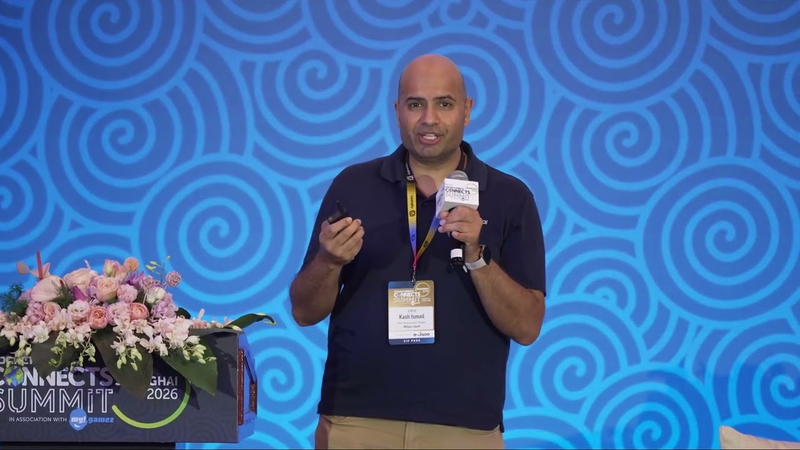
Session: Winning In China: Apple Ads Growth Strategies For Global Mobile Game Publishers.
Entering the Chinese mobile gaming market requires a shift in focus from mere scale to operational readiness.
- Entering the Chinese mobile game market requires rigorous operational readiness, including securing ISBN approvals, establishing local reporting structures, and ensuring App Store metadata is culturally localized rather than simply translated.
- Apple Search Ads remain the primary global media source for iOS gaming, providing visibility across the entire user journey from initial discovery to high-intent downloads.
- Campaign performance is frequently hindered by five common mistakes: direct keyword translation, mixing intent signals (brand vs. category), weak landing page relevance, premature scaling, and lack of a regular reporting cadence.
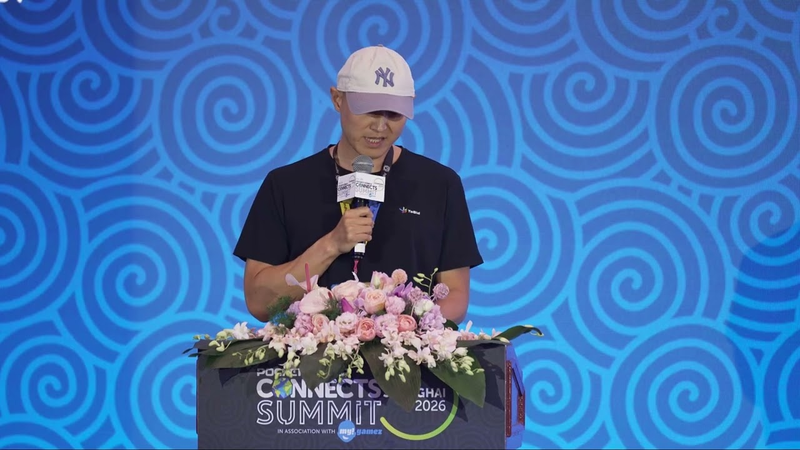
Session: Winning In China: Market Opportunities, Monetization & Growth Strategies For Global Game...
The Chinese mobile gaming market represents the world’s largest and most highly engaged user base, with over 1 billion monthly mobile internet users averaging 192.2 hours of usage per capita.
- China’s mobile market is a distinct ecosystem with over 1 billion monthly users averaging 192.2 hours of usage per capita, requiring a strategy separate from Western markets.
- Distribution in China is highly fragmented, lacking a unified app store and requiring customized adaptations for the Apple App Store, Harmony OS, and individual manufacturer stores like Huawei, Xiaomi, Oppo, and Vivo.
- The 'CHAM' model defines local player behavior: Connected (social/community-driven), Highly engaged (frequent content updates), Incentive-driven (rewarded video acceptance), and Mobile-first (smartphone-centric).
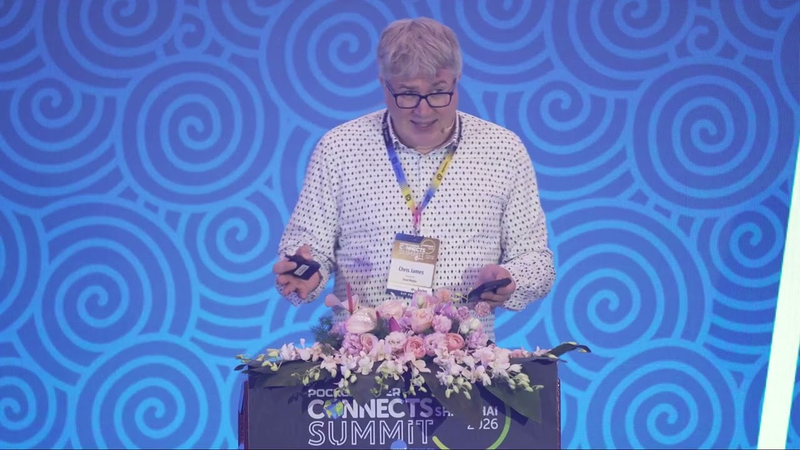
Welcome & Introduction to Pocket Gamer Connects Summit Shanghai - Chris James, Steel Media Ltd.
The Pocket Gamer Connects Summit Shanghai 2026 serves as a global industry forum dedicated to connecting, celebrating, and supporting the games sector.
- The global games market reached approximately $263 billion in total value last year when accounting for hardware sales and mobile advertising, significantly higher than the $200 billion figure often cited in standard reports.
- Direct-to-consumer (DTC) web stores are becoming a major revenue stream, with companies like Stillfront, Playtika, and Huuuge reporting that they now generate nearly as much revenue through these channels as they do via traditional app stores.
- Mini-games are a massive growth sector, with WeChat mini-games alone generating over $7.6 billion in revenue last year, alongside emerging platforms like TikTok Minis and YouTube Playables.

ChinaJoy insights, EA finalises sale and our 100th episode! | Week in Mobile Games podcast
The global mobile gaming landscape is currently defined by a dual trend of aggressive international expansion and structural consolidation.
- Tripledot has acquired Supersonic from AppLovin for an undisclosed sum, with AppLovin retaining a minority stake in Tripledot as part of the deal.
- Devolver Digital is moving to go private, citing the challenges of satisfying public market requirements and the struggle to maintain value after its 2021 IPO, which saw an initial valuation of $950 million.
- Arknights: Endfield surpassed $125 million in mobile revenue within its first six months, experiencing a 72% month-over-month revenue increase in its sixth month following the release of version 1.4.
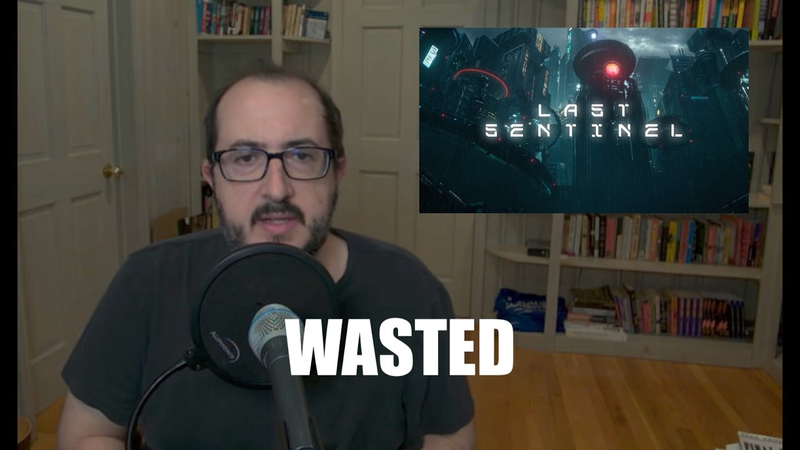
How One Game Studio Wasted Six Years Trying To Beat Grand Theft Auto
The collapse of Lightspeed LA’s ambitious project, Last Sentinel, serves as a cautionary tale regarding the challenges of replicating the success of established industry giants.
- Lightspeed LA, founded in 2020 by former Rockstar San Diego head Steve Martin and backed by Tencent, failed to deliver its open-world cyberpunk game 'Last Sentinel' after six years of development.
- The project was cancelled and 80 staff members were laid off following a failed 2026 playtest that resulted in an unmet ultimatum from Tencent.
- The studio struggled to bridge the production gap between its team of a few hundred employees and the 2,000-person workforce typically required to build high-fidelity, open-world titles like Grand Theft Auto.

The ex-Riot producer betting mini-games will be China's next big export
The Chinese gaming industry is undergoing a significant shift, characterized by increased confidence and a strategic focus on global expansion.
- The mini-game market is a significant emerging export for China, with global revenue projected to reach $9 billion in 2025, up from $7.6 billion in 2024.
- Major Western platforms including YouTube, Discord, Telegram, and LinkedIn are already integrating mini-game ecosystems, signaling a global shift toward this format.
- Chinese developers are increasingly successful because they integrate monetization strategies—such as hybrid IAP/IAA models and reward structures—early in the product design phase rather than treating them as post-development additions.