1 free read left. Create a free account for unlimited reading + AI research.
Create free accountReport Korea Creative Content Agency
1 free read left. Create a free account for unlimited reading + AI research.
Create free accountReportKorea Creative Content Agency
Success relies on localized compliance strategies, as there is no universal mandate for local server installation or specific business licenses for standard game operations.
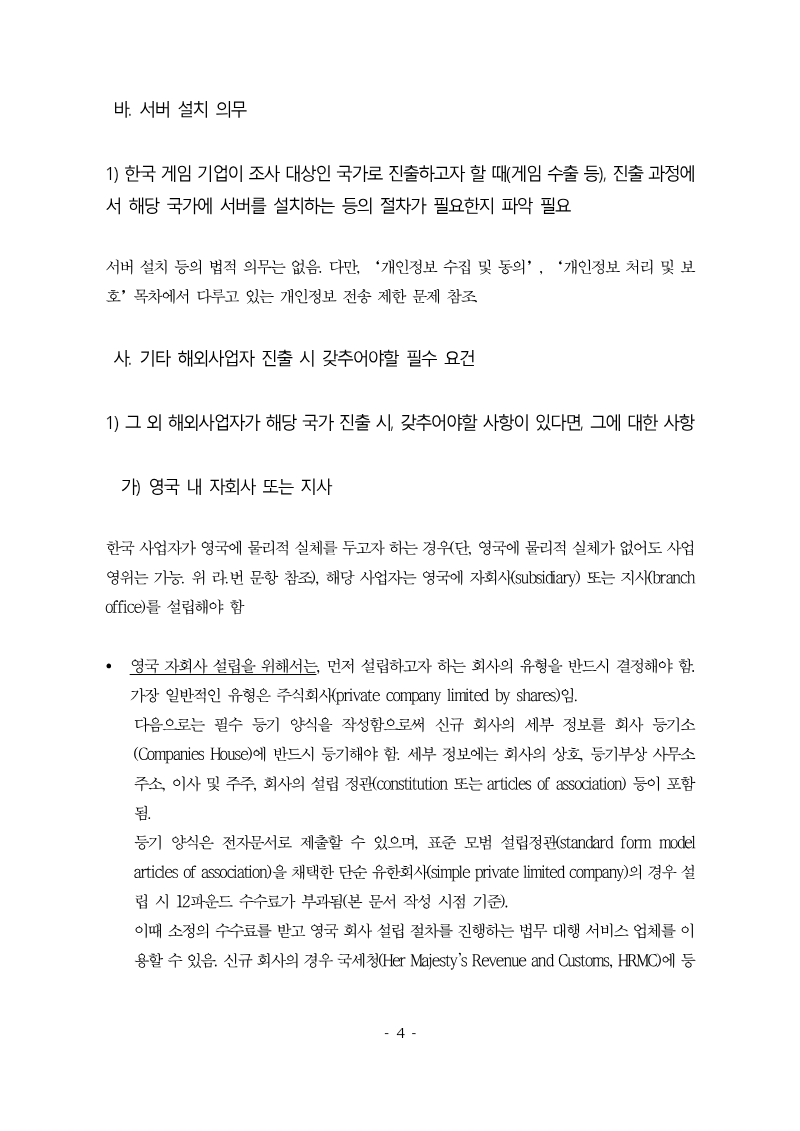
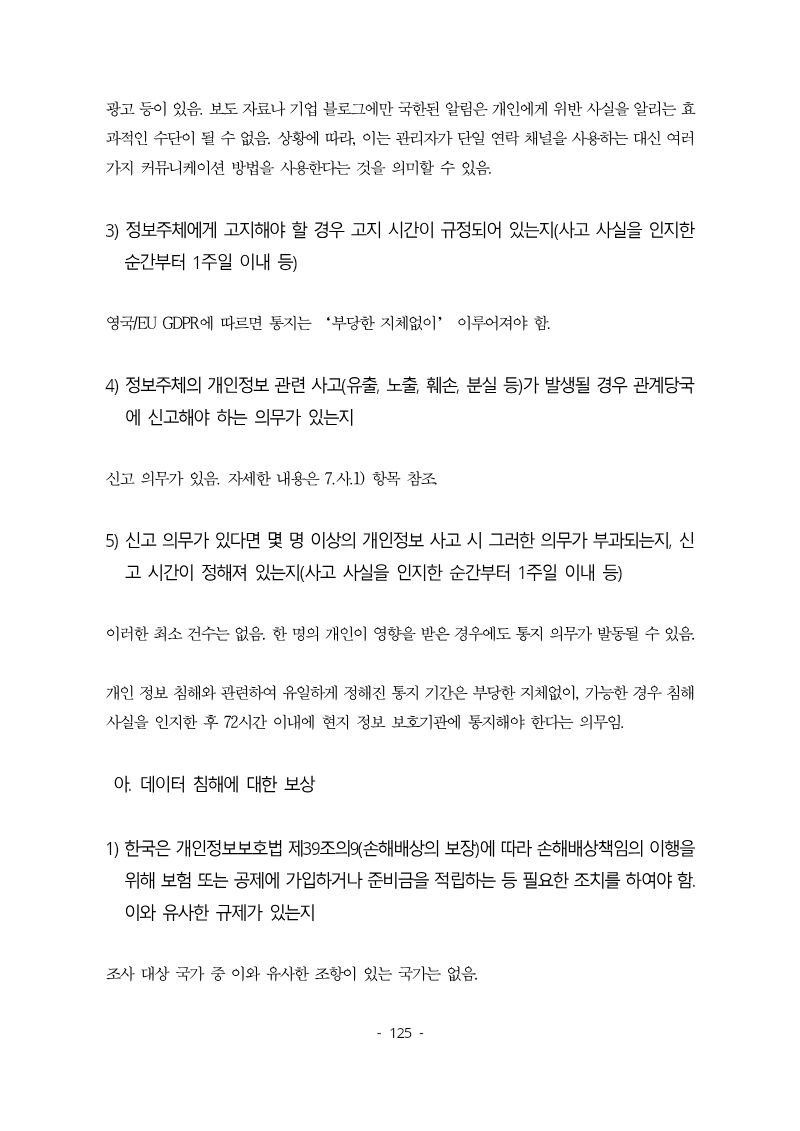
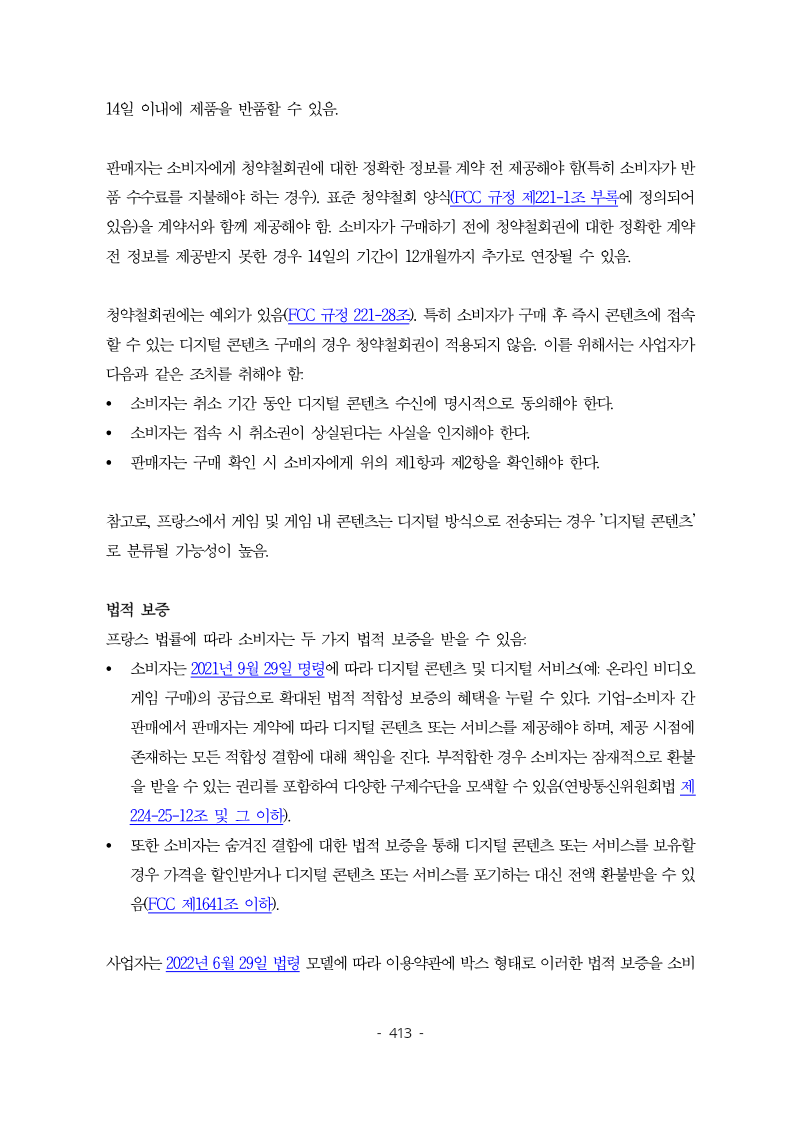
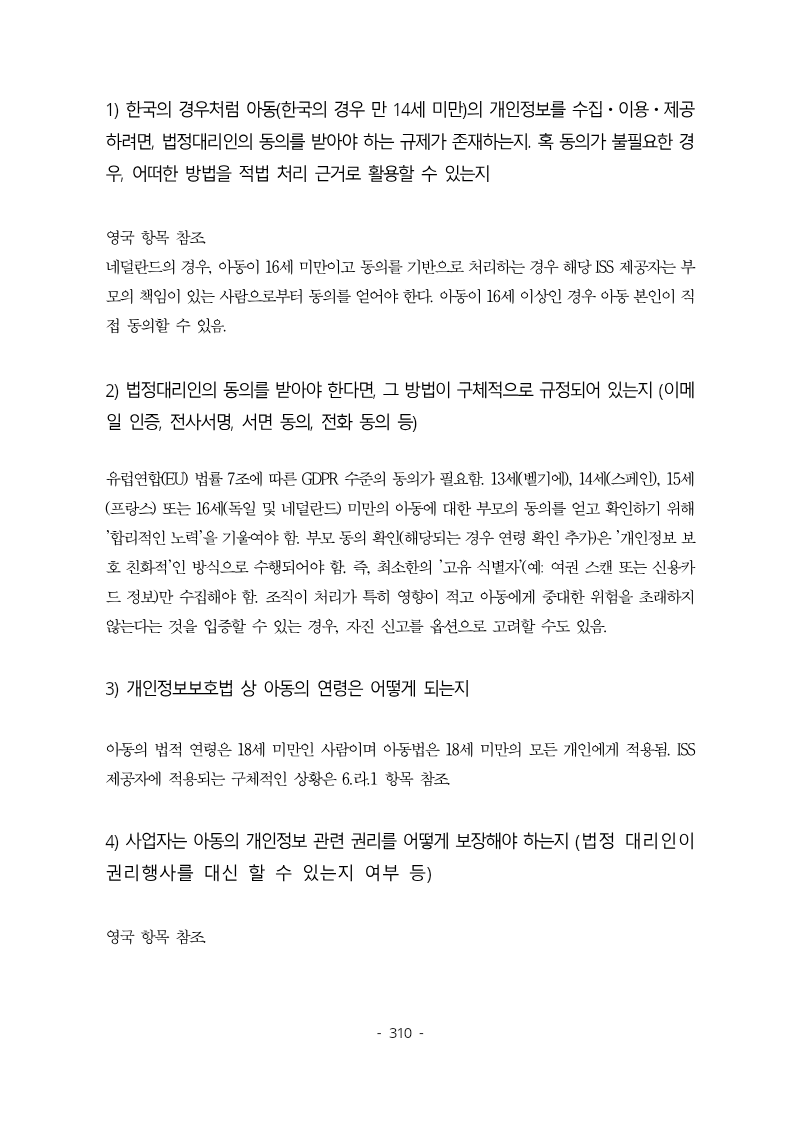
The 2023 Study on Global Game Policies and Laws provides a comprehensive analysis of the regulatory environments governing the video game industry across six key Western European markets: the United Kingdom, Germany, Belgium, the Netherlands, Spain, and France. The primary purpose of this study is to equip international game publishers with the necessary legal insights to navigate complex regional compliance requirements, ranging from consumer protection and data privacy to age rating systems and monetization regulations. The findings underscore that while there is no universal mandate for local server installation or specific business licenses for standard game operations, companies must adopt highly localized strategies to address significant variations in national laws.
A central theme across all surveyed jurisdictions is the stringent adherence to the European Union’s General Data Protection Regulation (GDPR), which mandates rigorous protocols for data processing, cross-border transfers, and mandatory 72-hour notification windows for data breaches. Furthermore, the study highlights a growing emphasis on the protection of minors, with specific age thresholds for parental consent—ranging from 13 to 16 years—and increasing pressure on platforms to implement robust age-verification and content-moderation tools. Consumer protection remains a priority, with most countries enforcing a 14-day right of withdrawal for digital purchases and requiring transparent disclosure of pricing, contract terms, and influencer marketing sponsorships.
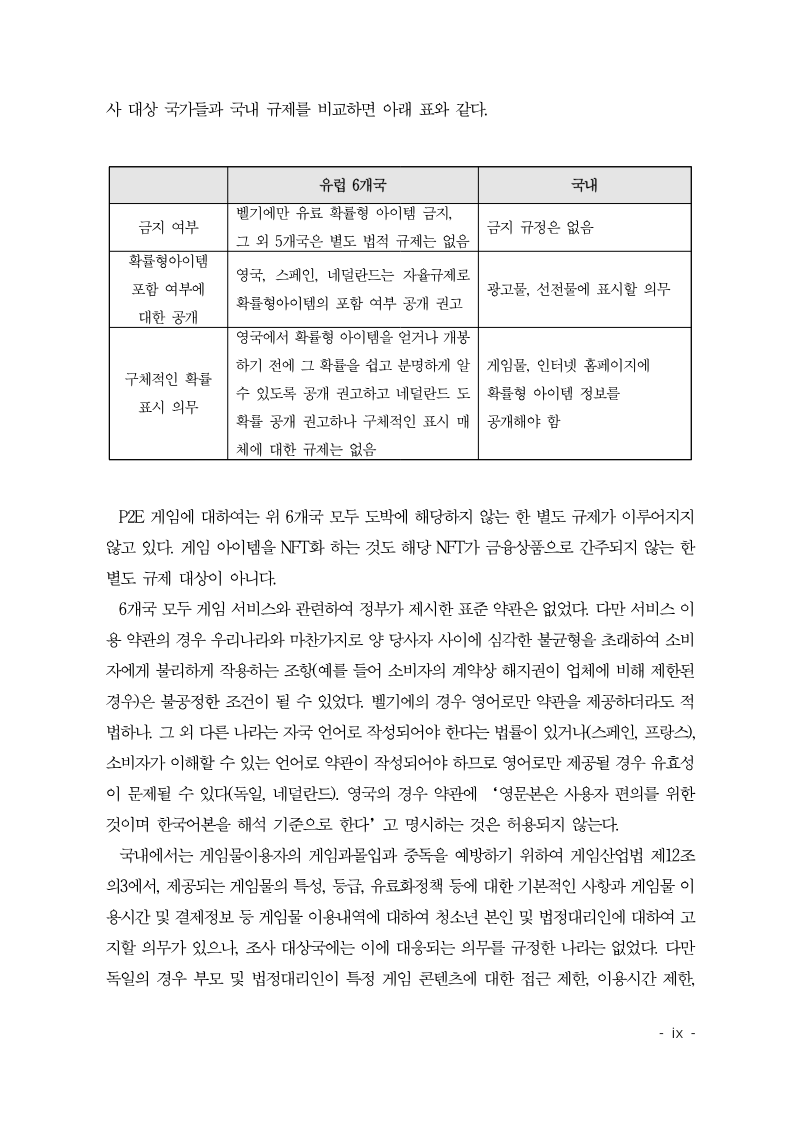
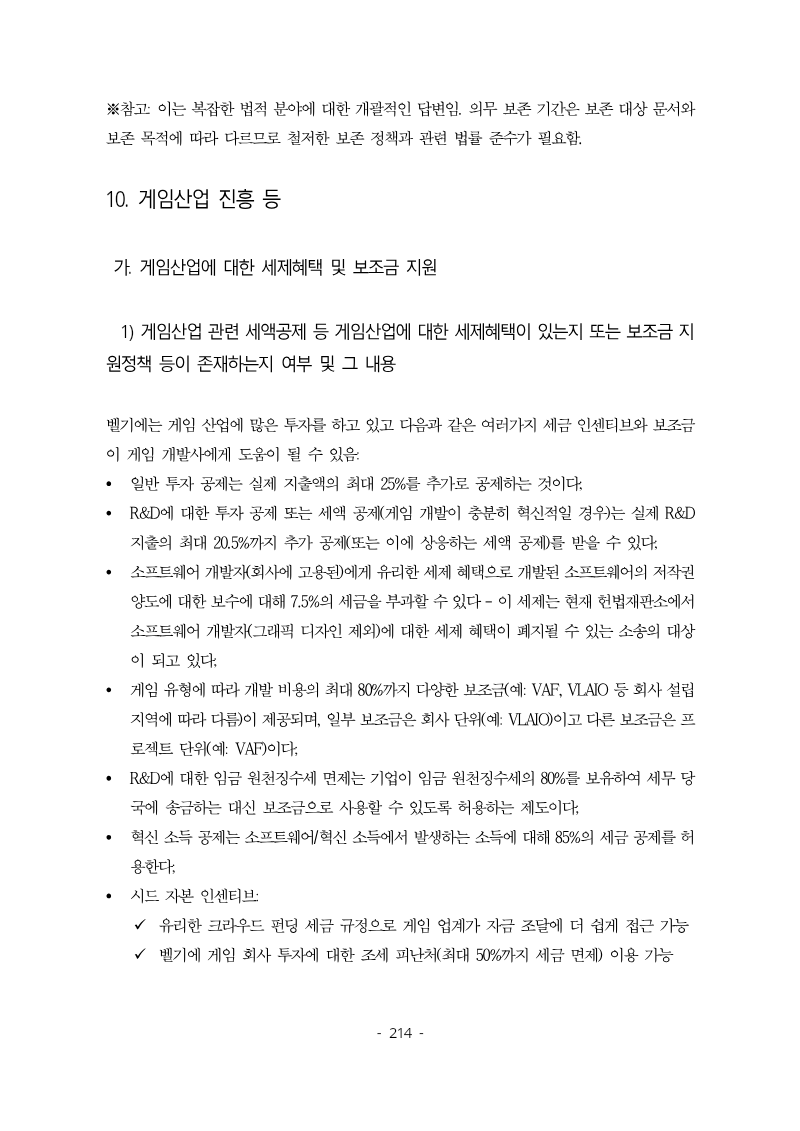
The regulatory treatment of monetization, particularly loot boxes and play-to-earn (P2E) models, remains fragmented. While most countries rely on industry self-regulation and PEGI age-rating standards, Belgium maintains a strict prohibition on paid loot boxes under its gambling laws. In contrast, other nations apply gambling regulations only when in-game items possess real-world economic value or are tradable. The study concludes that while the European market offers significant opportunities, including various R&D tax credits and development subsidies in countries like France and Belgium, success depends on a proactive approach to legal compliance, particularly regarding the intersection of digital content, gambling statutes, and evolving consumer rights legislation.

Korea Creative Content Agency · 2025

Korea Creative Content Agency · 2025
Korea Creative Content Agency · 2025
Korea Creative Content Agency · 2025

Korea Creative Content Agency · 2025
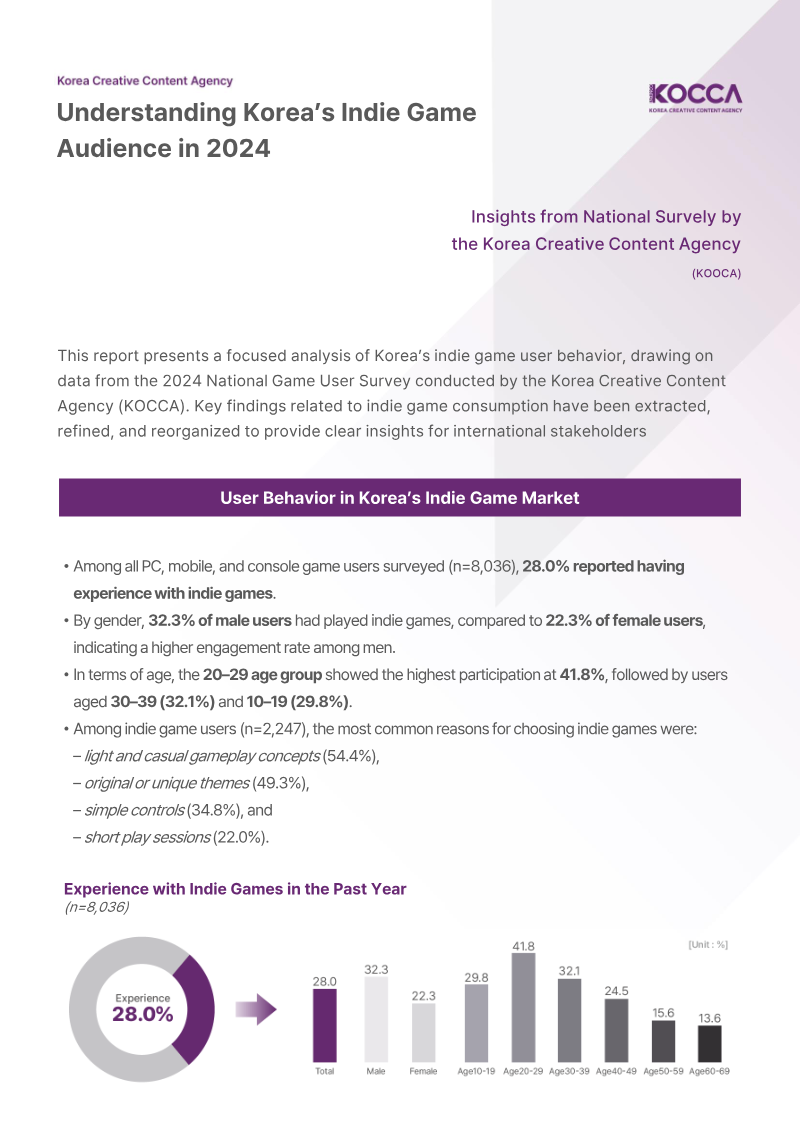
Korea Creative Content Agency · 2025
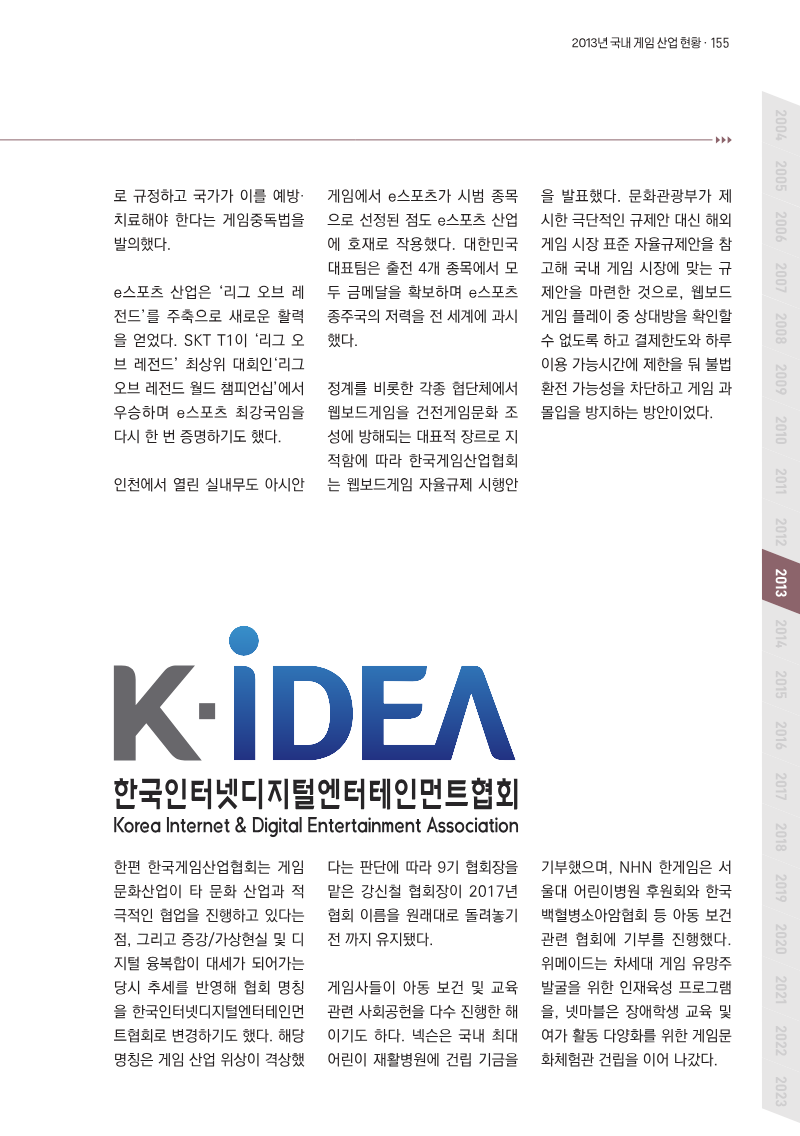
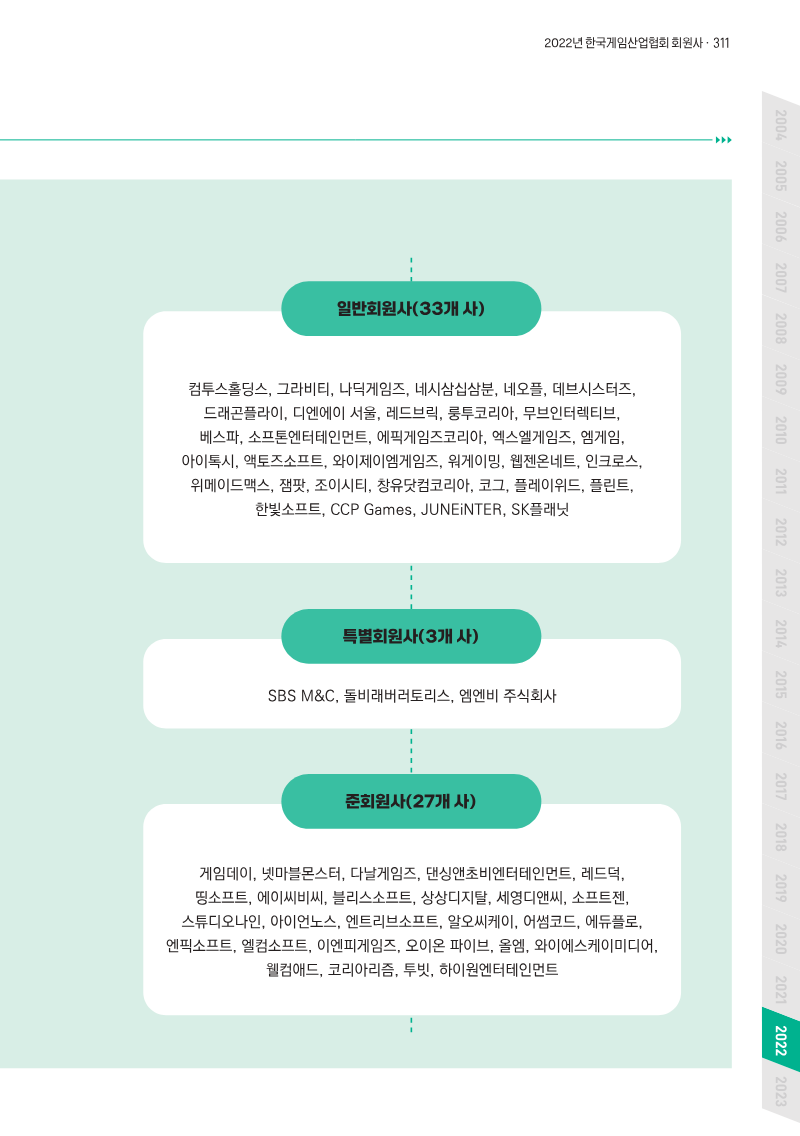

K-GAMES – Korea Association of Game Industry · 2025
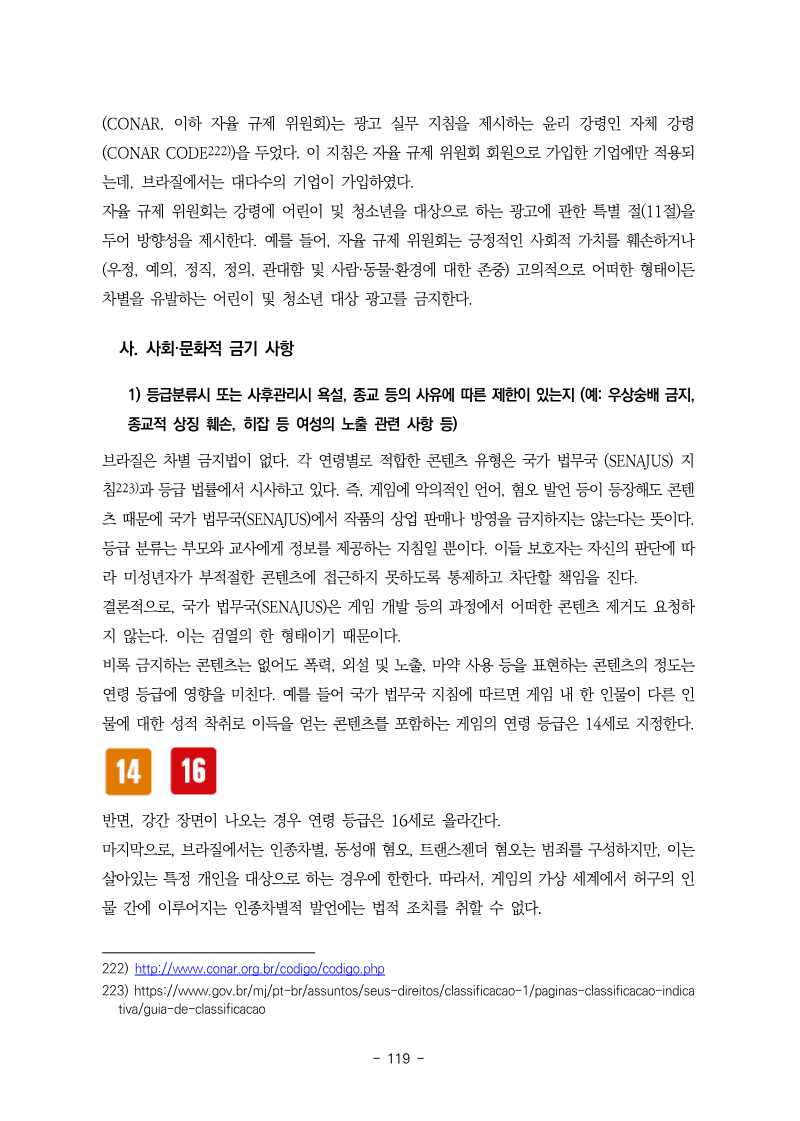
Korea Creative Content Agency · 2025
KOCCA – Korea Creative Content Agency · 2025

KOCCA – Korea Creative Content Agency · 2025



KOCCA – Korea Creative Content Agency · 2025

KOCCA – Korea Creative Content Agency · 2025