South Korea gaming industry reports and market data
Documents
Market Study: China, Japan and South Korea
The Asia-Pacific region stands as the global leader in the gaming industry, generating 49 percent of total worldwide revenue.
- The Asia-Pacific region generates 49 percent of total worldwide gaming revenue, driven primarily by China, Japan, and South Korea.
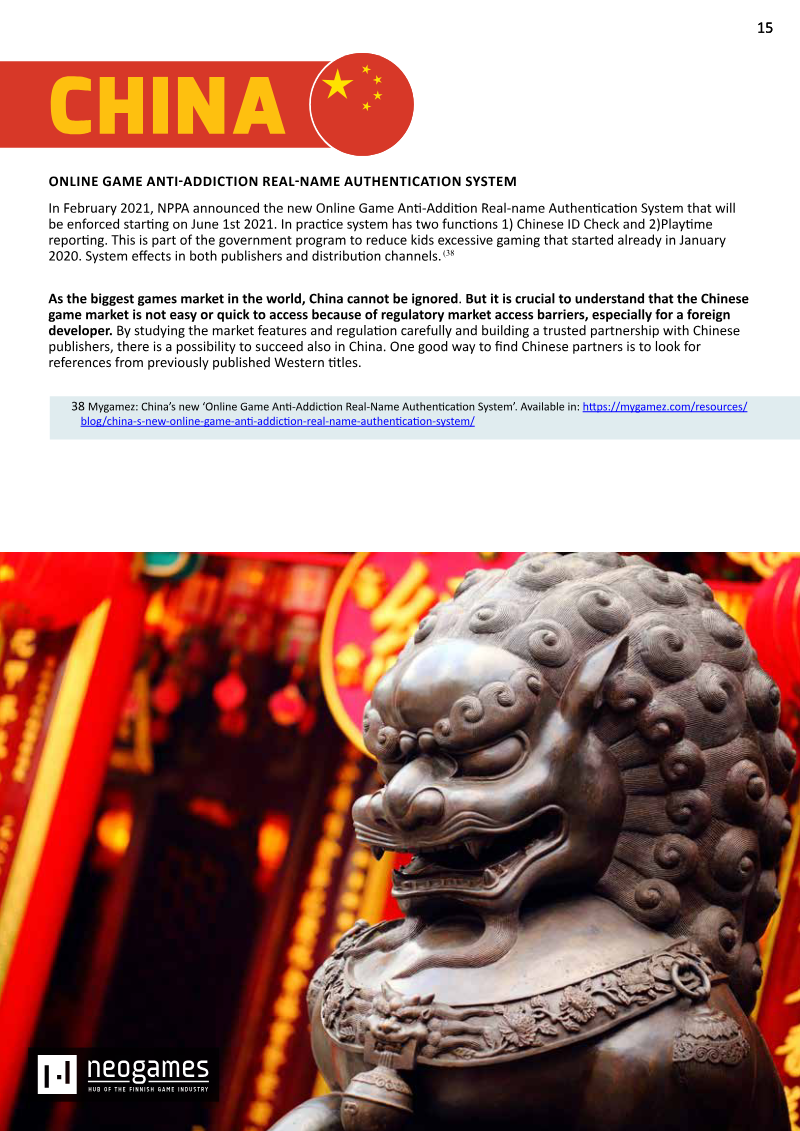
- Entering the Chinese market requires collaboration with local publishers to navigate mandatory ISBN licensing, strict government censorship, and a fragmented Android ecosystem.
- Japan’s mature market is dominated by mobile revenue and console hardware, where success depends on high-quality RPGs, gacha mechanics, and established brand trust.
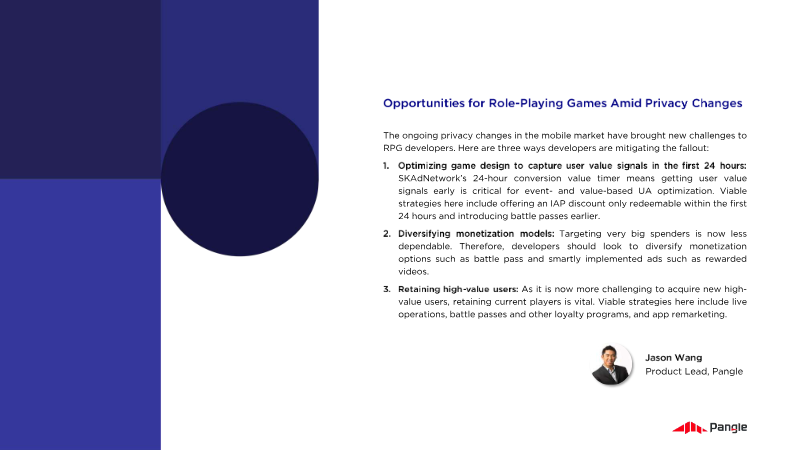
Mobile Game Genre Report: Role-Playing Games 2021
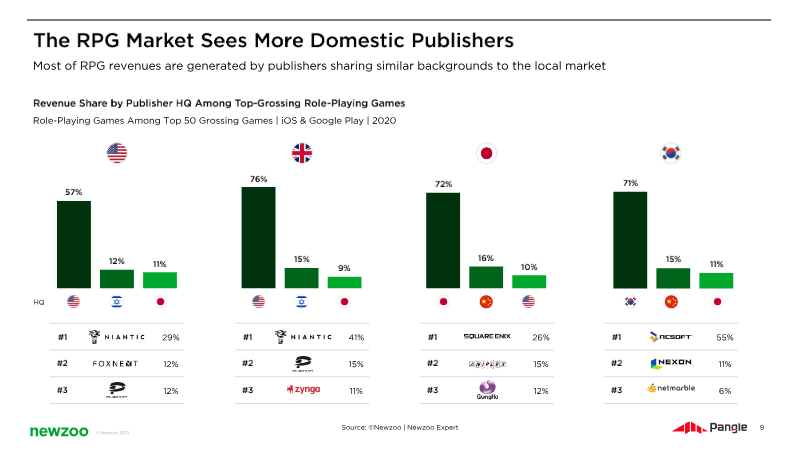
Role-playing games represent the most lucrative segment of the global mobile gaming market, generating $18.5 billion in 2020 and accounting for nearly a quarter of all mobile gaming revenue.
- Mobile RPGs generated $18.5 billion in 2020, representing nearly 25% of total mobile gaming revenue.
- The market is heavily concentrated in East Asia, with China, Japan, and South Korea accounting for over 70% of global RPG earnings.
- Approximately 50% of top-performing RPG titles rely on established intellectual properties, such as the Marvel franchise, to drive player acquisition and revenue.
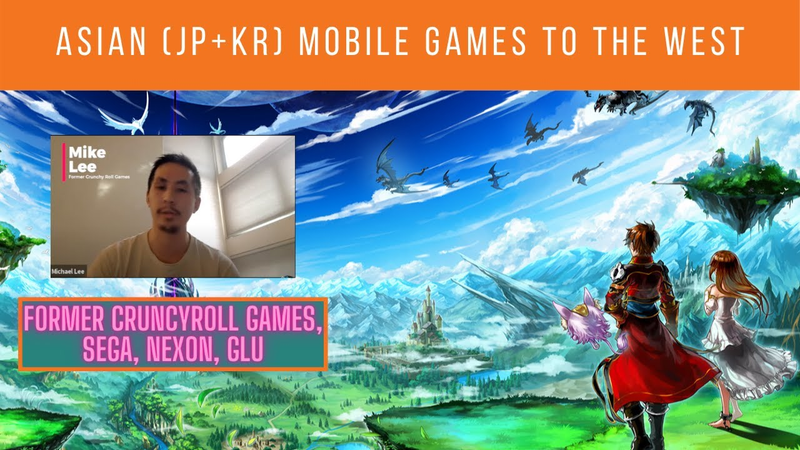
How Do Asian Game Pubs (JP + KR) Bring Games to the West? | Mike Lee (Crunchyroll, SEGA, Nexon, Glu)
Japanese and Korean game publishers face distinct strategic hurdles when expanding into Western markets, often characterized by a tension between domestic design philosophies and global consumer expectations.
- Japanese and Korean publishers often treat the West as a secondary market for incremental revenue, leaving them vulnerable to Chinese developers who prioritize aggressive, global-first strategies.
- Successful Western market entry for Asian studios frequently relies on combining high-fidelity RPG mechanics with established anime or Western intellectual properties, as demonstrated by companies like Netmarble.
- Asian publishers face significant financial risk due to high licensing costs and the difficulty of adapting games designed for isolated domestic markets to Western consumer expectations.
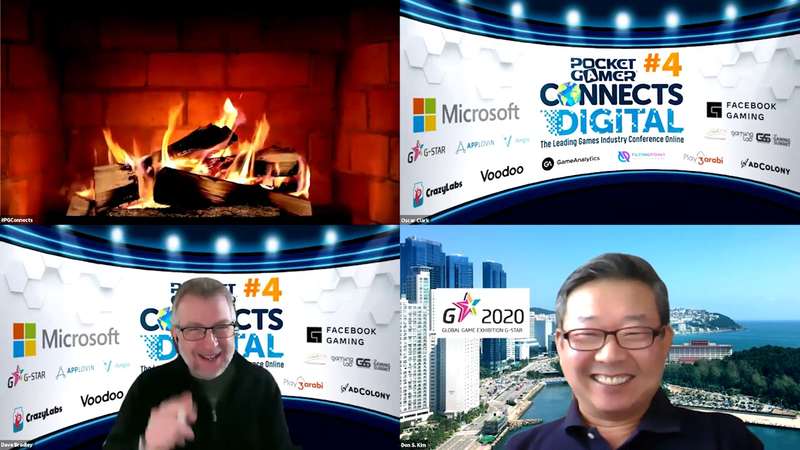
Fireside Chat: You Need to be in South Korea! Everything You Need to Know About G-STAR (and Beyond)
South Korea stands as the world’s fourth-largest gaming market, representing approximately 6% of the global industry.
- South Korea is the world’s fourth-largest gaming market, accounting for 6% of the global industry and experiencing 15% growth during the pandemic.
- G-STAR, held annually in Busan, is the essential strategic gateway for foreign companies to access B2B networking and incubation support.
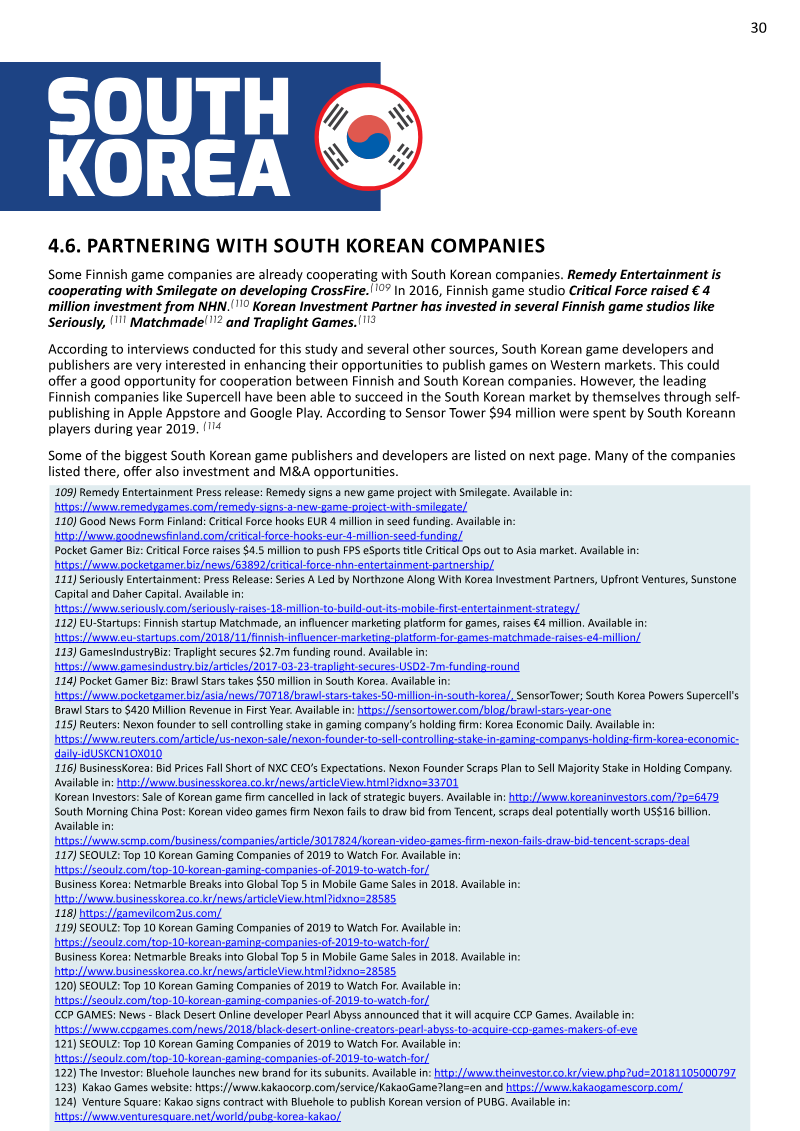
- Successful market entry relies on partnerships with established local publishers such as Nexon or Kakao to navigate the sophisticated, relationship-driven ecosystem.

Introduction to G-STAR 2020 & the Asian Game Market
The Asian gaming market represents nearly 50 percent of the global industry, making it a critical region for developers seeking commercial success.
- The Asian gaming market accounts for nearly 50 percent of the global industry, making it a primary region for international commercial expansion.
- South Korea functions as a strategic gateway to the broader Asia-Pacific market, which includes major gaming hubs like China, Japan, Australia, and India.
- The Korean market is characterized by consistent year-over-year revenue growth, supported by the world’s second-fastest 5G network and high consumer engagement in role-playing, casual, and simulation genres.
Korea Mobile Game Market Trends: Stats, Publishing Campaigns, Marketing, Partnership, Localisation
The South Korean mobile game market is a highly concentrated, high-barrier environment characterized by intense competition and a strong preference for role-playing games (RPGs).
- The South Korean mobile game market is highly concentrated, with the top 10 games capturing 50% of the total market share and three major publishers—NCSoft, Netmarble, and Nexon—dominating revenue.
- RPG titles are the primary driver of the Korean market, accounting for eight out of the top 10 games, with a recent trend shifting toward character-gathering RPGs that incentivize higher player spending.
- Google Play is the dominant platform with a 75% market share, while the local 'One Store' has surpassed the Apple App Store in market share, typically capturing 13% to 15%.
Market Study: China, Japan and South Korea
The Asia-Pacific region stands as the preeminent global gaming hub, with China, Japan, and South Korea serving as the primary engines for industry growth.
- China, Japan, and South Korea represent the primary engines of the Asia-Pacific gaming market, requiring tailored, long-term strategies rather than standardized global approaches.
- Market entry in China necessitates navigating a mandatory ISBN licensing system and strict content censorship, often requiring collaboration with local publishers to ensure compliance.
- Japan’s mobile market is highly saturated but features the world’s highest per-player spending, specifically within RPG and gacha-based genres.
Digital marketing in Asia (China, Japan and South Korea)
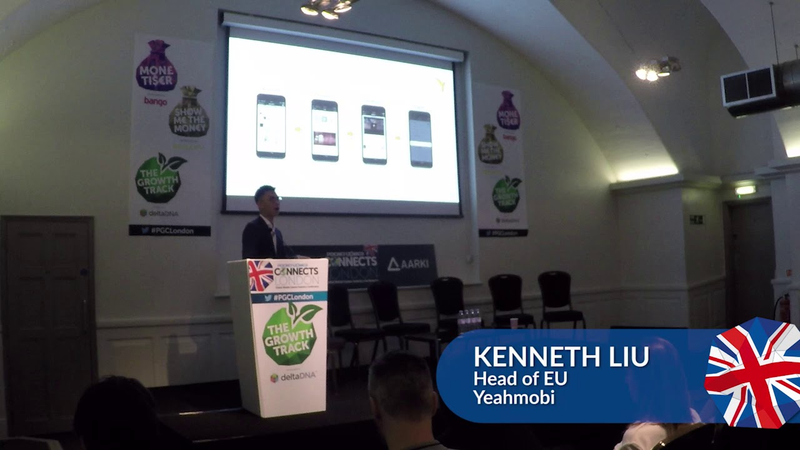
The digital marketing landscape in Asia—specifically China, Japan, and South Korea—requires a multifaceted strategy that balances paid performance-based advertising with organic engagement.
- In the Chinese market, companies should prioritize organic search and social strategies alongside paid media, specifically leveraging Baidu SEO and WeChat subscription accounts to build community engagement.
- WeChat is the dominant platform for interactive marketing in China, offering superior functionality compared to Western social media for gathering user feedback and managing direct communication through subscription accounts.
- For successful market entry in Japan, utilize pre-order platforms one month before product launch to capture feedback from the country's highly penetrated gamer demographic.
Meet the Dragon's neighbours – South Korea and Japan
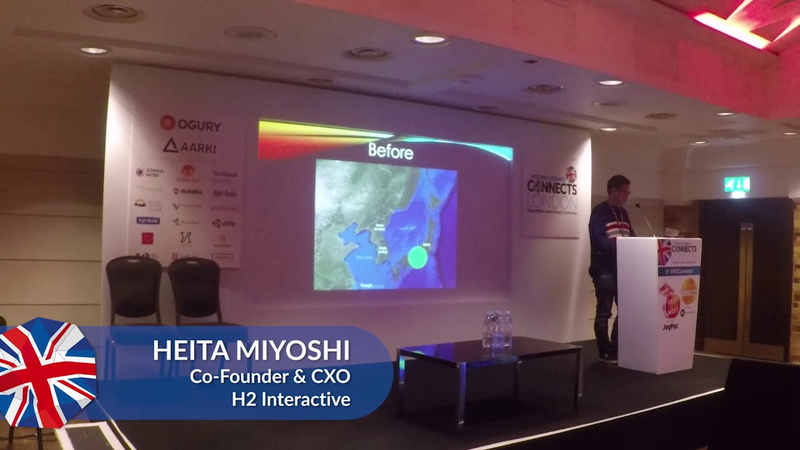
The gaming landscapes of South Korea and Japan, while geographically proximate and technologically advanced, exhibit distinct cultural behaviors and consumer preferences that dictate market entry strategies.
- South Korean gamers exhibit a fast-paced lifestyle, leading to short game life cycles and a high demand for constant updates, whereas Japanese gamers are more patient and often retain a single game for months or years.
- Cultural differences in social pressure significantly impact user behavior; South Korean consumers feel intense pressure to follow trends and maintain 'proper' age-appropriate activities, while Japanese consumers experience less social pressure and demonstrate greater patience.
- The gaming landscape in East Asia has shifted from a Japan-centric market in the 1990s to a tripartite industry involving China, South Korea, and Japan, driven by the emergence of internet cafes and mobile gaming.
Going global: Bringing giant games from South Korea to the West
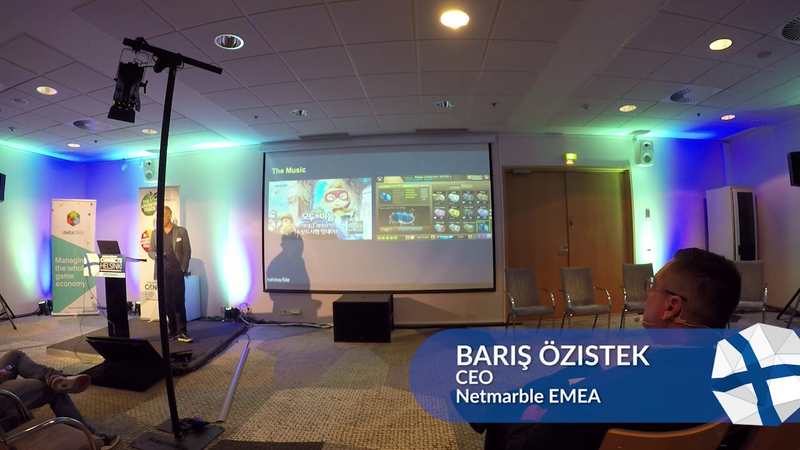
Netmarble’s strategy for expanding South Korean mobile titles into Western markets centers on deep cultural localization and iterative adaptation.
- Netmarble's 'Lineage 2: Revolution' achieved over 30 million downloads and exceeded $1 billion in accumulated revenue by leveraging the Unreal 4 engine to bring high-spec, 50-versus-50 real-time guild battles to mobile.
- Successful global expansion requires significant localization beyond translation, such as adjusting leveling difficulty, UI layouts, and PvE/PvP content ratios to align with Western player preferences.
- When localizing 'Everybody's Marble' for Western markets, Netmarble delayed the launch by six months to overhaul character designs and simplify complex tutorials that were deemed unsuitable for non-Asian audiences.
The Asian games market and G-STAR
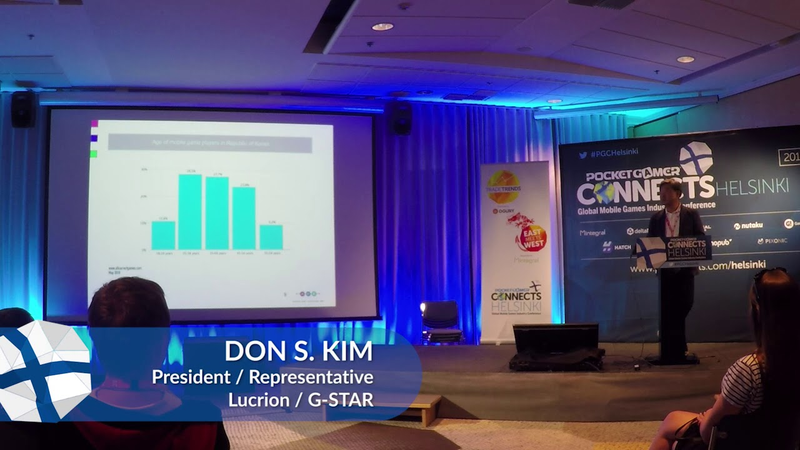
The South Korean gaming market represents a significant segment of the broader Asia-Pacific region, which accounts for nearly half of the global $108 billion gaming industry.
- South Korea generates $1.3 billion in annual gaming revenue from 15.5 million gamers, achieving a high average revenue per user (ARPU) of approximately $87.
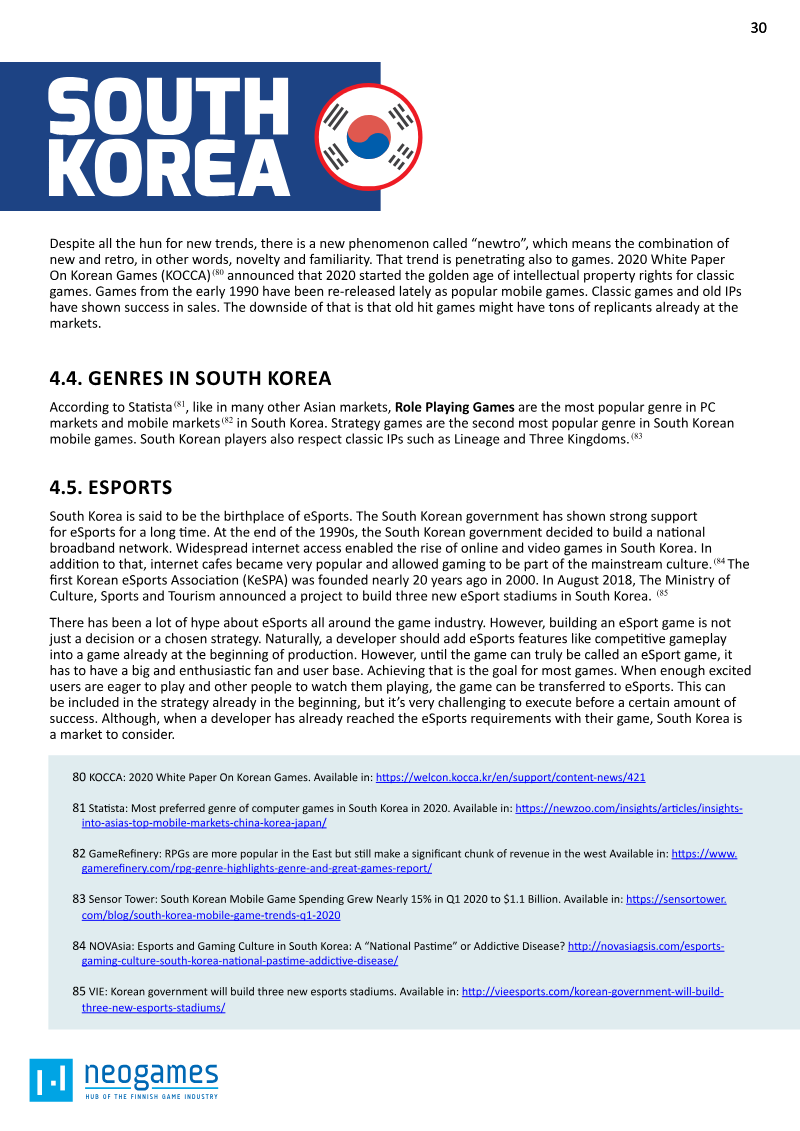
- Mobile gaming has overtaken traditional PC titles in market share, with Android holding an 80% market dominance and Samsung serving as the primary hardware provider.
- The South Korean gaming demographic is mature, with 57% of users falling between the ages of 25 and 44.
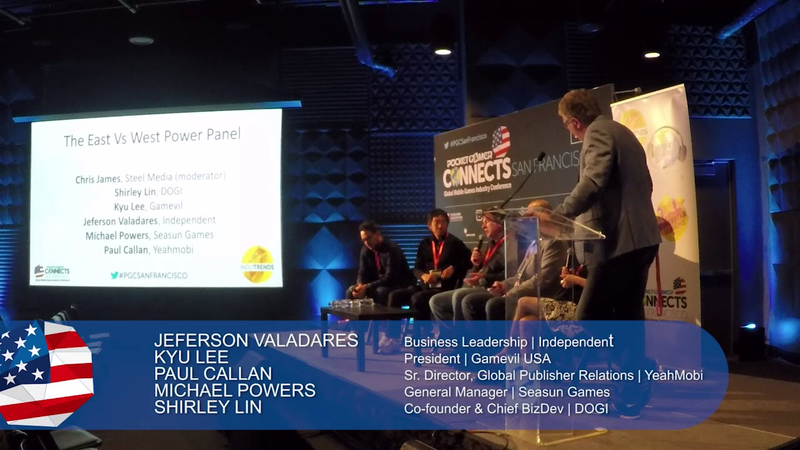
Mobile gaming: The East versus West power panel
The global mobile gaming landscape is currently defined by a strategic tension between the mature, high-barrier markets of East Asia and the expansive, growth-oriented opportunities in the West.
- The Asia-Pacific region, led by China, Japan, and South Korea, remains the primary driver of global mobile gaming innovation and revenue despite extreme market saturation and complex regulatory barriers.
- Chinese gaming giants Tencent and NetEase maintain dominant control over their domestic market, requiring foreign developers to secure strong local partnerships for successful entry.
- Asian conglomerates are actively acquiring Western intellectual property and talent to offset domestic growth plateaus, with Chinese firms favoring autonomous studio management while Korean firms prefer integrated, hands-on structures.