Mobile reports and market data
Documents

Township Deconstructed: The Secrets to Its Multi-Billion Strategy
Township has established itself as a dominant force in the mobile farming simulation genre by evolving from a simple 2011 simulator into a complex, multi-layered ecosystem.
- Township commands nearly 40% of the mobile farming simulation market revenue share by prioritizing continuous product iteration over the development of sequels.
- More than 50% of the game's total lifetime revenue has been generated within the last four years, demonstrating the effectiveness of long-term product refinement.
- The game functions as a casualized 4X ecosystem by integrating diverse mechanics, such as match-three, grid-merging, and expedition-style events, to maximize player lifetime value.
State of Mobile Gaming in Southeast Asia and India: 2023
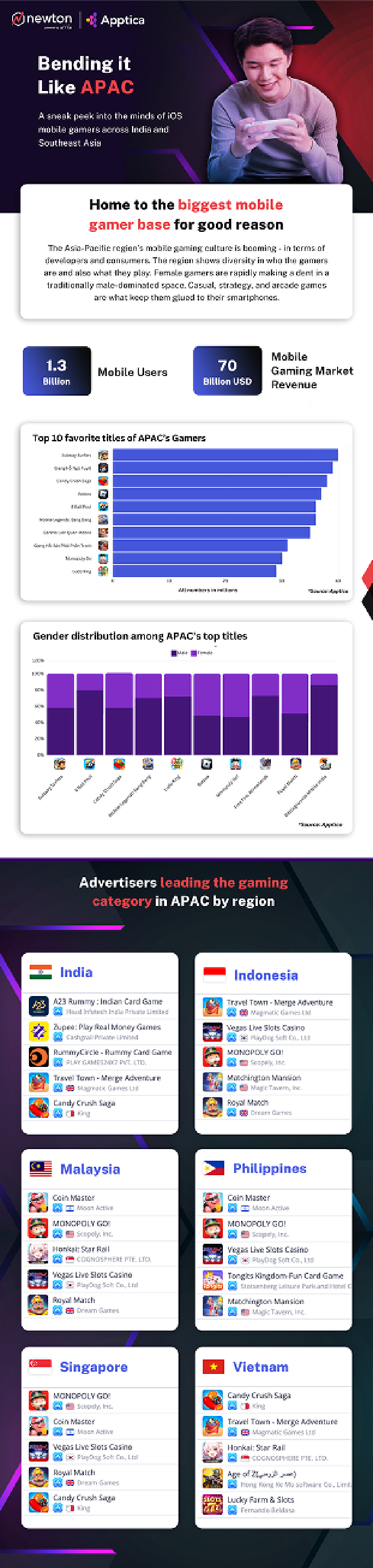
The "State of Mobile Gaming in Southeast Asia and India: 2023" report provides an overview of the iOS mobile gaming market across India and Southeast Asia, highlighting key trends in user demographics, game preferences, and market performance.
- The Southeast Asian and Indian mobile gaming market comprises 1.3 billion users and generates 70 billion USD in annual revenue.
- Mobile gaming titles in the region demonstrate high long-term engagement, with day-30 retention rates reaching 64% on iOS.
- The region is experiencing a significant demographic shift characterized by a rapid increase in female player participation.

Guild of Guardians on Immutable + Web3 Pulsecheck
The strategic pivot of Guild of Guardians from a real-time RPG to an auto-battler ahead of its May 2024 global launch reflects a broader industry effort to streamline development and improve mobile accessibility.
- Guild of Guardians pivoted from a real-time RPG to an auto-battler ahead of its May 2024 global launch to improve mobile accessibility and streamline development.
- The project utilizes gacha-style mechanics and optional Web3 features to bridge the gap between traditional Web2 players and blockchain-based digital ownership.
- The game faces significant economic risks, including potential token dumping and the susceptibility of auto-battler mechanics to bot-driven harvesting.

An Executive Guide for The Backend Jungle
Modern game development has transitioned from simple data persistence to complex, social-driven ecosystems that require robust backend infrastructure.
- Studios are increasingly shifting from proprietary in-house backend infrastructure to Backend-as-a-Service (BaaS) providers to reduce total cost of ownership and accelerate time-to-market.
- The decision to outsource backend infrastructure requires balancing the agility and speed of BaaS against the risks of vendor lock-in and service dependency.
- Many studios are adopting a hybrid model, utilizing third-party services for standardized features like inventory and social systems while keeping core gameplay simulations on proprietary infrastructure.
YSO Corp: How to get a billion downloads?
YSO Corp, a French technology-driven mobile gaming company, has achieved significant scale by prioritizing automation and internal tool development.
- YSO Corp achieved one billion game downloads in three years by managing a portfolio of 180 titles with a lean team of approximately 50 employees.
- The company maintains operational agility and profitability by prioritizing extreme automation and developing proprietary in-house tools for analytics, user acquisition, monetization, and creative generation.
- YSO Network, the company's internal advertising platform, is currently ranked among the top three in the casual gaming industry for user acquisition.

Is TikTok UA for teenagers? Soft launch sonar #4, Importance of Bid Floors, top Creatives in March
Strategic optimization of ad monetization and user acquisition remains the primary driver of growth in the mobile gaming sector.
- Implementing geo-tiered bid floors in mediation platforms like Max and LevelPlay can increase banner ad revenue by up to 38% and interstitial revenue by 22%.
- TikTok is a viable UA channel for a broad demographic, as the platform's average user age is 32.1 rather than the common perception of a teenage audience.
- Developers are successfully leveraging the TikTok Creative Challenge to source user-generated content, provided they use precise creative briefs to avoid low-quality or generic AI submissions.
2024 Casual Gaming Apps Report
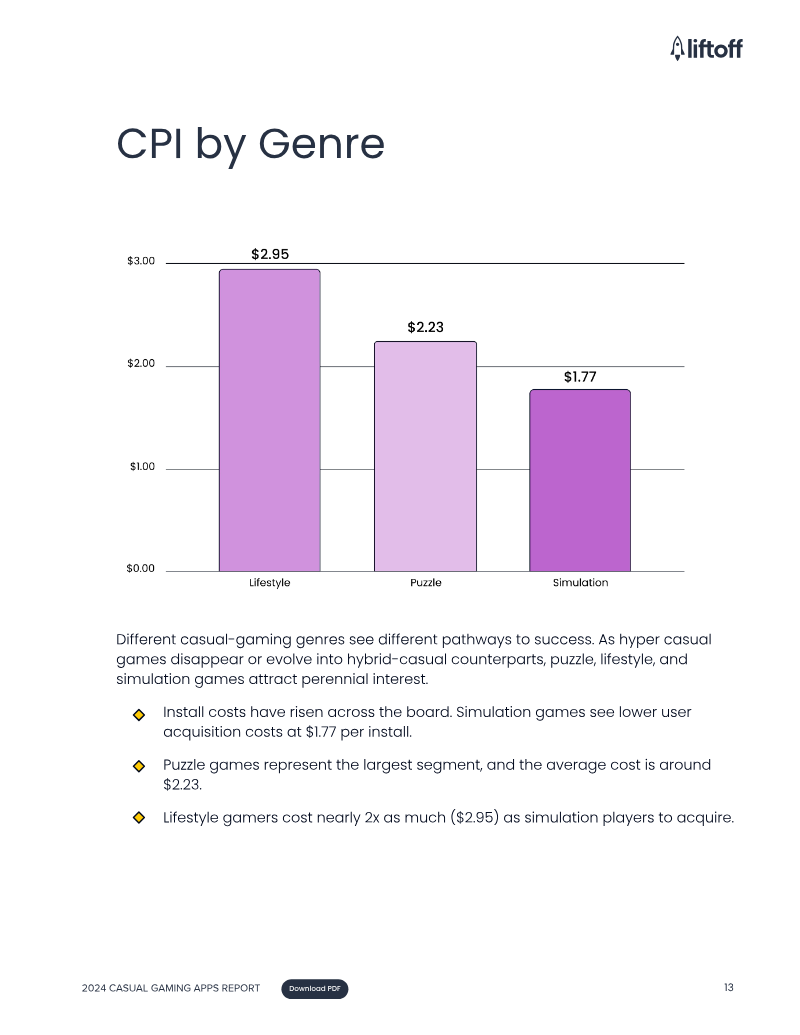
The 2024 Casual Gaming Apps Report, produced by Liftoff with data from GameRefinery and Accelerate (Liftoff's programmatic advertising solution), covers the period April 1, 2023 to April 1, 2024.
- Acquiring users on iOS costs nearly 8x as much as on Android for casual gaming apps.
- Puzzle games accounted for 37% of casual game installs.
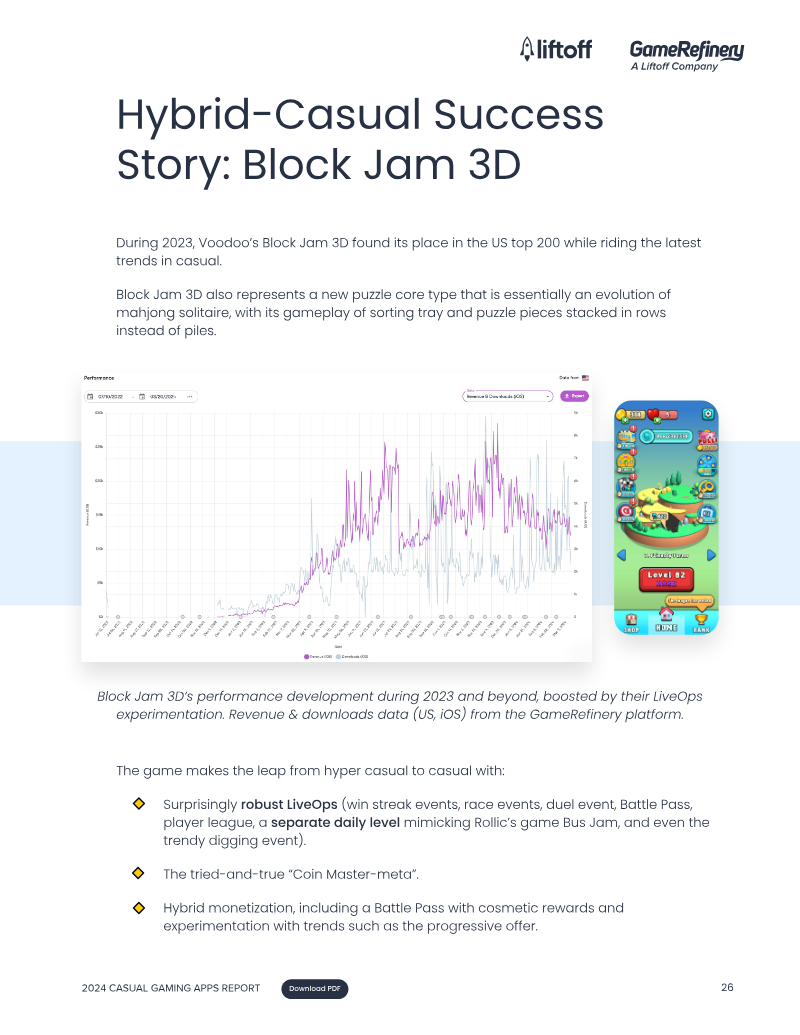
- About 70% of the US top 25 casual games have some form of progressive offer, and about 50% introduced it in the past 12 months.
Transparent and Fair Purchases of In-Game Content
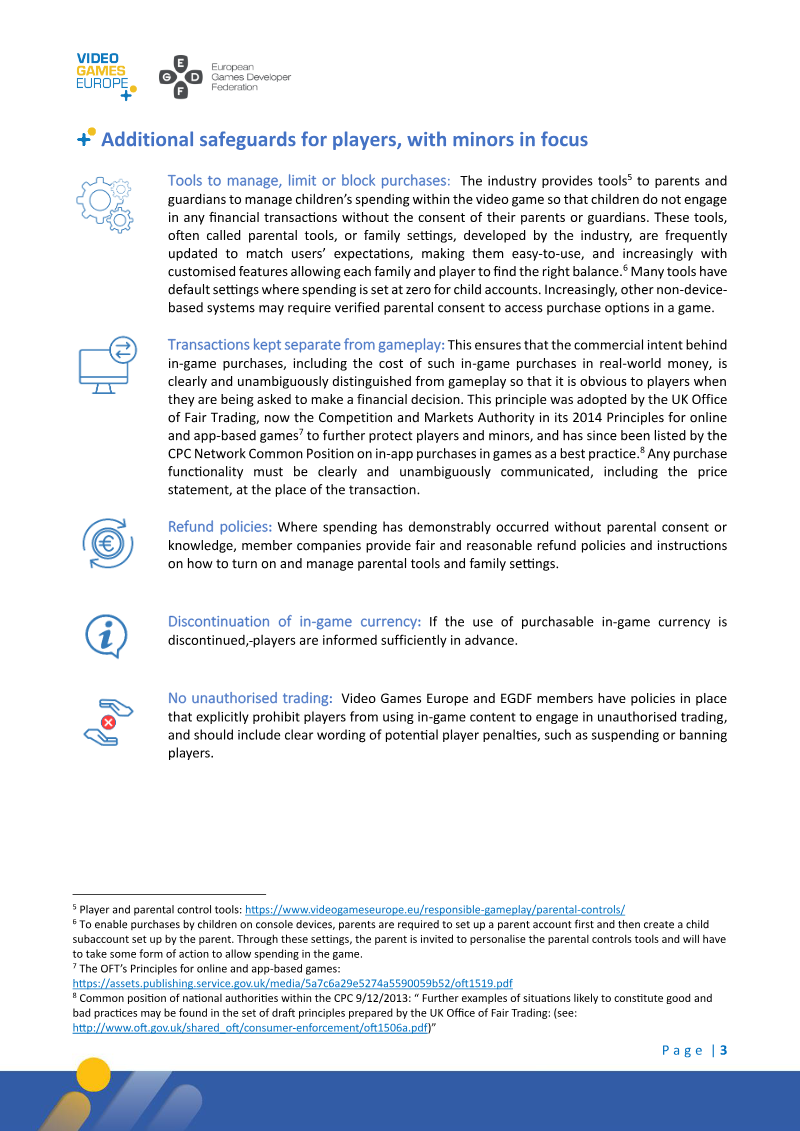
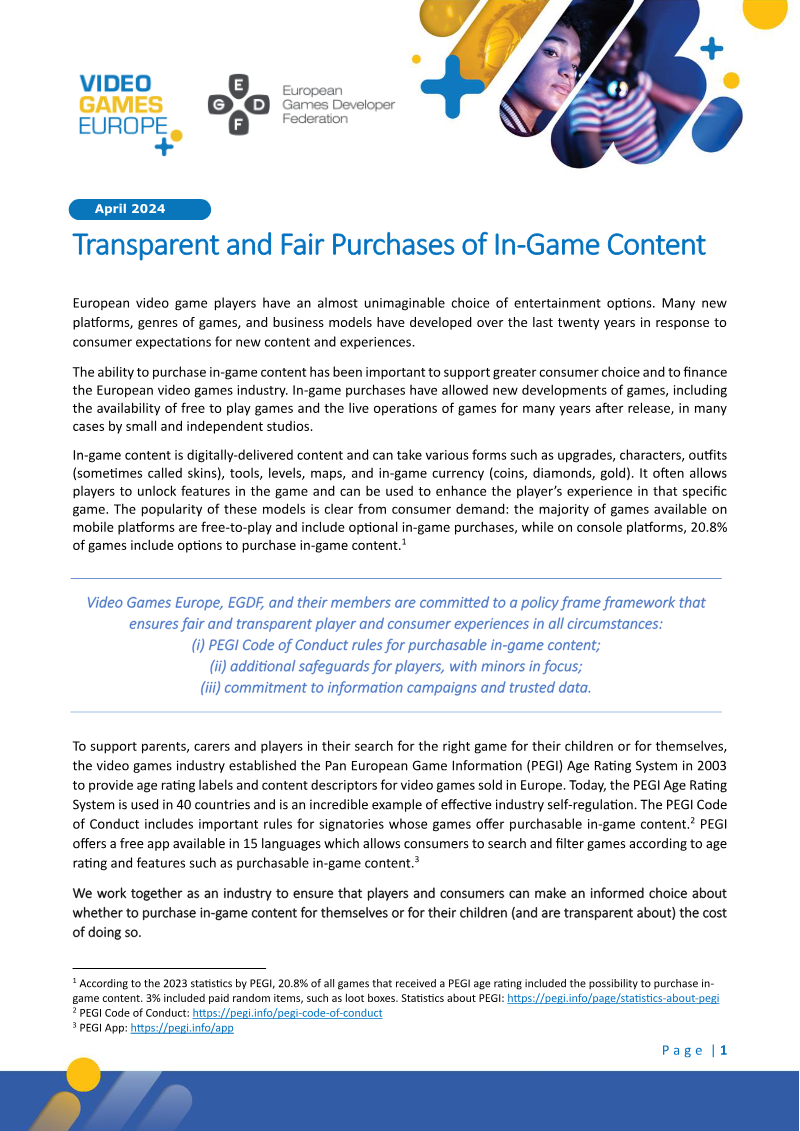
European video game trade bodies Video Games Europe and the European Game Developers Federation (EGDF) set out an industry policy framework in April 2024 for fair and transparent purchases of in-game content.
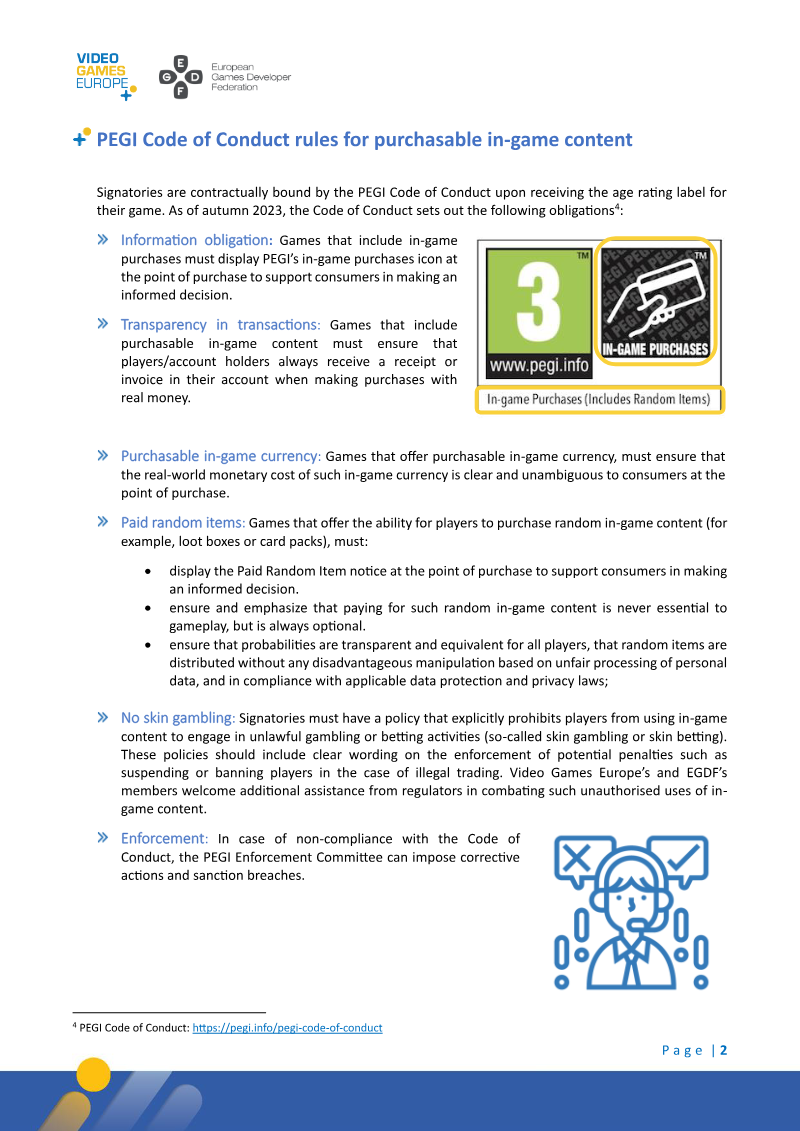
- The PEGI Code of Conduct mandates that signatories display purchase icons, provide receipts, and disclose real-world costs for virtual currency, while requiring transparent probability disclosures for paid random items like loot boxes.
- Only 20.8% of PEGI-rated games include in-game purchase options, with just 3% of all rated games offering paid random items.
- Parental supervision remains robust, with 76% of parents reporting their children do not make in-game purchases, a figure that has remained stable since 2020.

GDC Vibes / data.ai x Sensor Tower / Epic Announcements / US v. Apple
The gaming industry is currently navigating a period of significant structural adjustment, defined by a transition from speculative growth toward an era of efficiency and operational discipline.
- Mobile consumer spending is projected to decline in 2024, with 32% of all users and 41% of high-value spenders planning to reduce their in-app purchases.
- The gaming industry is shifting from speculative growth to operational discipline, characterized by widespread layoffs and a trend of experienced developers launching new studios focused on core quality.
- The U.S. Department of Justice’s antitrust lawsuit against Apple and Epic Games’ launch of a mobile store represent a direct challenge to the dominance of closed, vertically integrated mobile ecosystems.

Century Games: How a Top 20 Mobile Publisher Found Success on Roblox
Century Games has successfully transitioned from a traditional mobile-first publisher to a prominent developer within the Roblox ecosystem.
- Century Games transitioned from mobile-first development to Roblox by abandoning rigid, curated onboarding in favor of social-first mechanics and peer-to-peer learning.
- Strategic brand integrations within high-traffic titles like Livetopia outperform standalone branded experiences by leveraging existing player affinity to reduce acquisition costs.
- Data-driven features, specifically deep avatar customization, have been shown to increase average session lengths on the platform by up to 30%.

2023 Insights Report: Marketing Trends in Indian Mobile Games
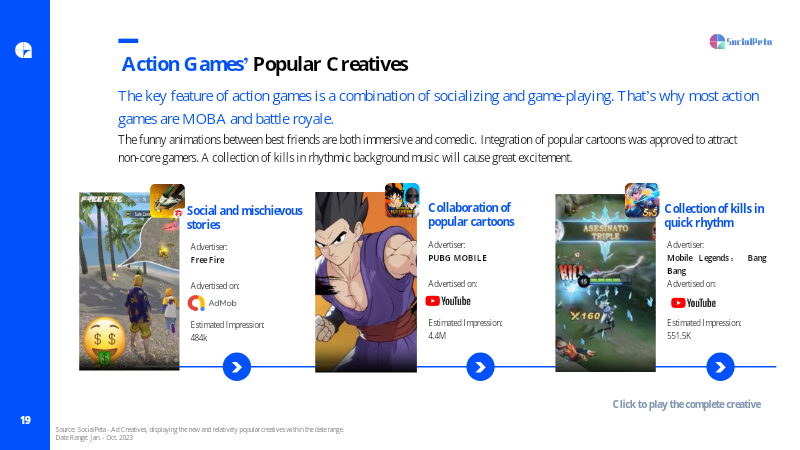
The 2023 Insights Report analyzes marketing trends in the Indian mobile games market, providing a comprehensive overview of advertising activities, creative strategies, and genre-specific performance.
- The Indian mobile gaming market saw an 86% year-over-year increase in monthly active advertisers during 2023, signaling rapid sector expansion.
- Despite the surge in advertisers, the average volume of monthly ad creatives per advertiser dropped by 51.7%, indicating a shift toward more efficient and targeted production strategies.
- Android dominates the Indian market with 3.4 times more advertisers than iOS, and Android-based advertisers produce an average of 36 more creatives per month than those on iOS.

How to Build a Cross-Platform Franchise with Sola Saulenko, CMO of Pixonic
The evolution of the War Robots intellectual property from a mobile-exclusive title into a multi-platform franchise demonstrates the necessity of balancing creative intuition with rigorous, data-driven operations.
- Expanding a mobile IP to PC and console requires specialized marketing units and a shift away from traditional app store reliance, as these platforms operate under distinct user acquisition funnels and trust-building requirements.
- Successful cross-platform growth relies on a symbiotic integration of product, marketing, and analytics teams to ensure game mechanics and creative strategies remain aligned with player expectations.
- Prioritizing high-quality, actionable data from primary markets like the United States is more effective for franchise development than relying on traditional soft-launch models.
Writers
Games and companies
Games