Mobile reports and market data
Documents
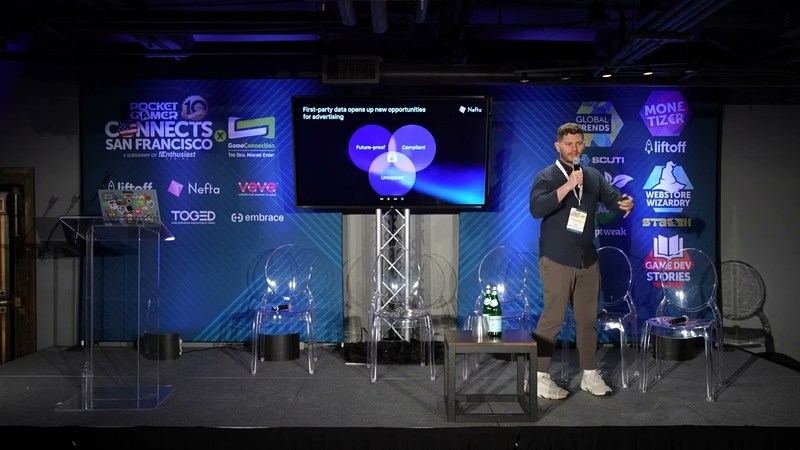
Seizing the First Party Data Opportunity in Mobile Games Advertising, Fernando Pernica, Nefta.
The mobile gaming industry is currently navigating a challenging transition into a privacy-first era, characterized by stringent regulations and the widespread adoption of opt-out mechanisms.
- The mobile gaming industry has seen a 35% decline in in-app purchase revenue following the implementation of recent privacy-first regulations and opt-out mechanisms.
- The loss of traditional identifiers has caused significant drops in advertising revenue and eCPMs, forcing advertisers to struggle with effective user targeting.
- Large industry conglomerates are responding to privacy shifts by creating siloed, opaque data environments that prioritize their internal optimization over publisher transparency.
ASA & CPP Playbook for Mobile Game, Ian Pernia, AppTweak.
This analysis examines the strategic application of Apple Search Ads (ASA) and Custom Product Pages (CPP) to optimize mobile game growth.
- Aligning Apple Search Ads (ASA) with Custom Product Pages (CPP) significantly improves conversion rates by matching ad creative directly to specific user search intent.
- While default product pages often yield higher tap-through rates due to broad appeal, CPPs consistently outperform them in the critical transition from impression to install.
- The analysis is derived from a large-scale dataset encompassing over 20 million keywords and 6 million applications.
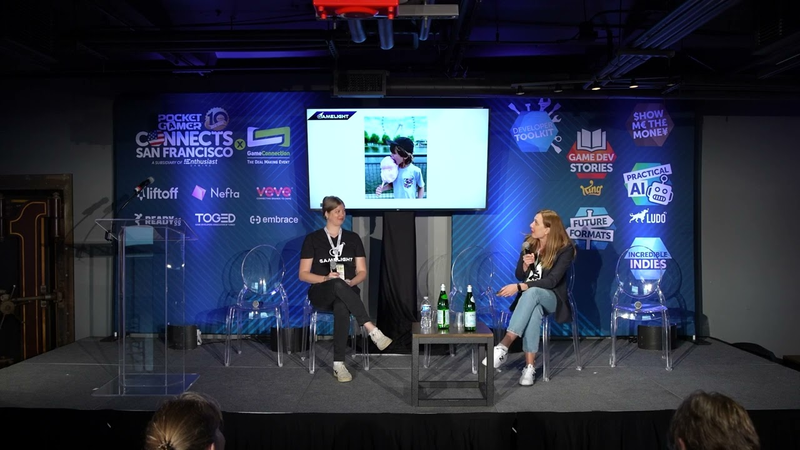
Gamelight: Power of Game Recommendation Apps, Valentina Bailly & Kathleen Sherman, Gamelight.
Gamelight operates as a rewarded game discovery platform, functioning as an ad network that connects mobile game publishers with users through personalized recommendations.
- Gamelight’s AI-driven recommendation platform delivers an average 40% increase in day-seven retention and return on ad spend (ROAS) for its publishing partners.
- The platform functions as a rewarded discovery engine that utilizes behavior-based incentives, such as coins for reaching milestones, to drive sustained user loyalty rather than short-term extrinsic motivation.
- Gamelight operates as a first-party data owner, requiring explicit user permission to track app usage data to ensure compliance with privacy standards like ATT and IDFA.
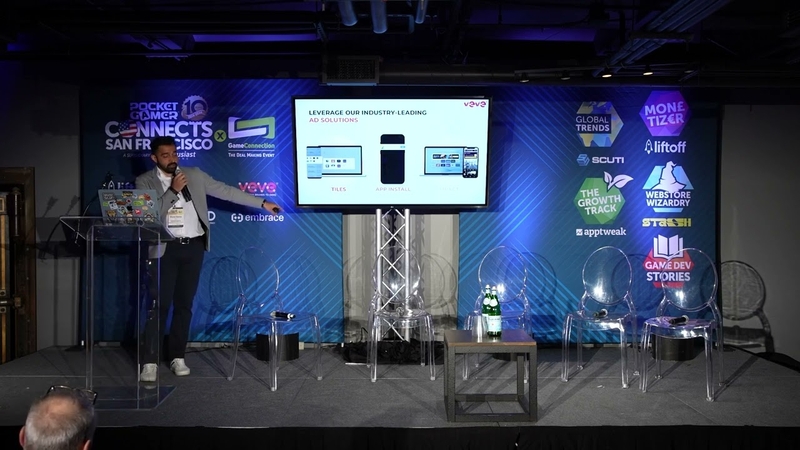
Delivering Performance Advertizing Outcomes at Scale Beyond Traditional Media Platforms.
The advertising landscape is shifting as hardware manufacturers, or original equipment manufacturers (OEMs), emerge as significant alternatives to traditional big tech platforms like Google and Meta.
- Original Equipment Manufacturers (OEMs) are emerging as a major alternative to traditional big tech platforms, with the OEM software industry projected to reach $600 billion within five years.
- Affinity Global acts as a strategic intermediary, providing a unified layer to manage ad delivery and technical integration across fragmented OEM ecosystems like Xiaomi, Oppo, and Vivo.
- The platform provides access to one billion global users, including 500 million daily active users on the web and over 100 million on mobile apps.
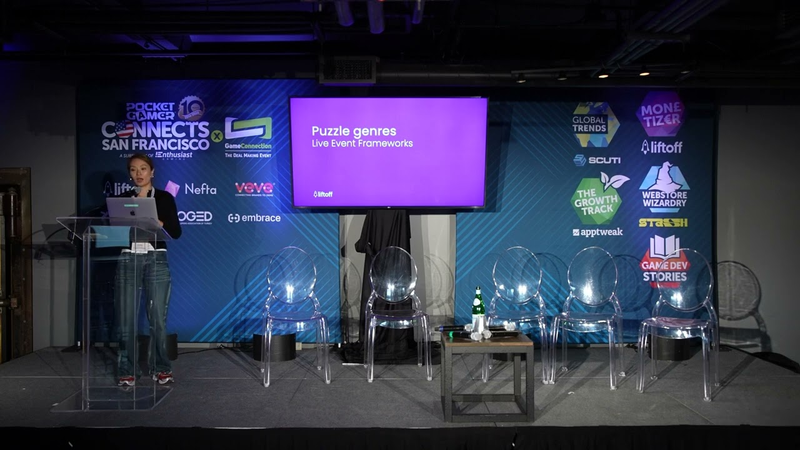
Insights on Live Event Frameworks, Ivy Zhou, GameRefinery (A Liftoff Company).
The live event landscape in the mobile and HD gaming industry has evolved into a highly competitive environment where player engagement is driven by sophisticated, data-informed frameworks rather than sheer development volume.
- Live operations success now depends on data-informed, recurring event frameworks rather than high-volume content production, as players increasingly abandon games that lack active engagement schedules.
- Puzzle games optimize retention by aligning with gender-based preferences, specifically utilizing a weekly cadence that alternates weekday one-on-one competition with weekend guild-based cooperative tasks.
- Mid-core titles, such as Call of Duty: Mobile, drive monetization by leveraging intense competition and character progression, effectively positioning the game as a high-fashion platform through interconnected cosmetic reward cycles.
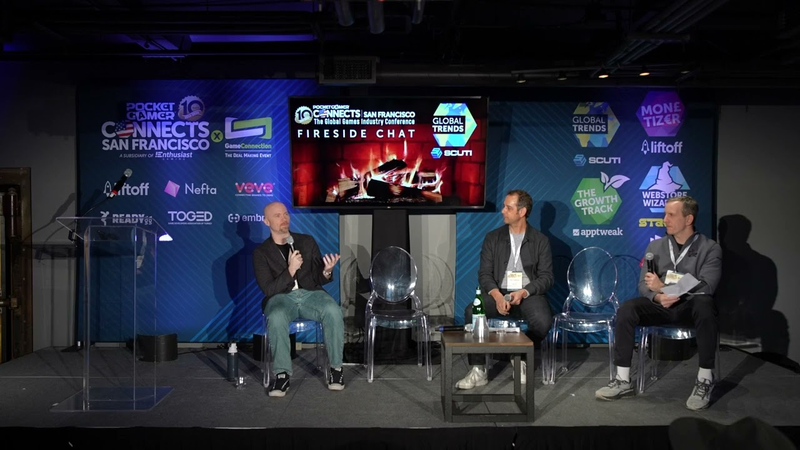
Fireside Chat: Great User Experiences vs. Successful Monetization: Perspectives From Industry Vets.
This discussion explores the tension between delivering high-quality user experiences and implementing effective monetization strategies within the mobile gaming industry.
- The core mobile game business equation is LTV (lifetime value) > effective CPI (cost per install), and if this flywheel falls out of balance for any user cohort, the game's commercial viability fails.
- Successful game development requires building mechanics that fit the monetization model from the start, such as optimizing for turn frequency in asynchronous games or transaction velocity in strategy titles.
- Engineering stability metrics, such as ANRs (Application Not Responding) and crash rates, are critical KPIs that directly impact user retention and store rankings; poor performance can lead to immediate user loss and negative reviews.
Bringing Discovery Back to Mobile Games, Jong Woo, Samsung Electronics.
The current mobile gaming landscape faces a significant challenge regarding discoverability, as traditional organic growth strategies have largely been supplanted by high-friction, paid user acquisition models.
- Samsung is leveraging its Gaming Hub, which has 160 million monthly active users engaging three times daily, to bypass traditional app store discoverability challenges.
- The platform utilizes Android-native cloud streaming to allow instant gameplay, eliminating the conversion friction caused by lengthy app store downloads and large file sizes.
- Samsung’s cloud streaming technology functions by hosting pre-loaded APKs and resource files on virtual machines, enabling immediate access to games without traditional installation.
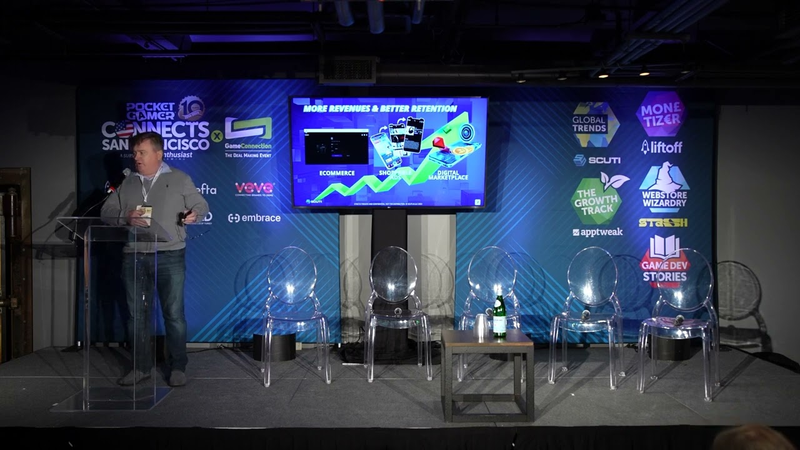
AI is helping drive game monetization, player retention and UA for Games. John Kavanagh, Scuti.
Scuti provides a rewarded g-commerce platform designed to enhance game monetization, player retention, and user acquisition by integrating a non-intrusive, Amazon-like shopping experience directly into game lobbies.
- Scuti provides a g-commerce platform that integrates an Amazon-like shopping experience into game lobbies, allowing players to purchase physical goods and branded in-game packs without interrupting gameplay.
- The platform currently supports over 120 games and is projected to reach 150 million players by the end of the year.
- AI-driven analysis of player spending habits and demographics enables personalized product recommendations, helping developers monetize non-spending players and increase overall user lifetime value.
How to Advertise Hybrid-Casual Games in 2024
The hybrid-casual gaming sector has emerged as a strategic evolution for developers transitioning from hyper-casual models, which often suffer from low lifetime value (LTV) and retention challenges.
- Hybrid-casual games should target a revenue split of 40% to 50% from in-app purchases (IAPs), with the remainder derived from in-app advertising to balance monetization between spenders and casual players.
- Success metrics have shifted from hyper-casual CPI benchmarks to long-term ROAS and LTV, with day-30 and day-60 ROAS serving as the primary indicators of sustainability.
- The Asia-Pacific region is projected to dominate the market, accounting for approximately 64% of total ad spend revenue in 2024.
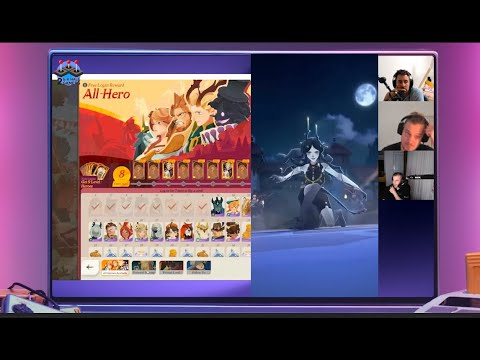
AFK Journey: A Highly Polished & Innovative RPG Game, captivating storytelling with stunning visuals
AFK Journey represents a significant evolution in the idle RPG genre, building upon the foundation of its predecessor, AFK Arena, to capture a substantial global audience.
- AFK Journey generates approximately $1 million in daily mobile revenue, demonstrating the commercial viability of high-production idle RPGs in Tier-1 markets like the United States and France.
- The game utilizes a resonance leveling mechanic and simplified equipment structure to eliminate inventory management friction, successfully bridging the gap between mobile accessibility and PC-level depth.
- A cross-platform strategy featuring a dedicated PC client and a web-based monetization ecosystem serves as a core pillar for the game's user retention and revenue scaling.

Kress's Corner with Second Dinner's Matt Wyble, the creators of Marvel Snap
The success of Marvel Snap stems from an inside-out development philosophy that prioritizes polished, moment-to-moment gameplay before integrating meta-progression and monetization.
- Second Dinner is scaling operations following a $100 million funding round to support the long-term growth of Marvel Snap, including expansion into the Chinese market and enhanced PC support.
- The studio is shifting its development strategy from a core-gameplay-first approach to a more robust, proactive live-service model to avoid post-release operational strain.
- Artificial intelligence is being deployed as a productivity multiplier for tasks like code review, balance testing, and data analysis rather than as a cost-cutting tool.

Elia Games’ Clary Xiaodan Zhang On Saving Marketers 50 Hours/Week With No-Code Automation
Modern user acquisition and monetization strategies are undergoing a significant transformation through the implementation of no-code automation systems.
- Implementing no-code automation systems using tools like Google Sheets and Notion can save marketing teams up to 50 hours of manual labor per week.
- Automation should function as a filtering mechanism that removes operational noise, allowing marketers to prioritize high-impact strategic initiatives over repetitive tasks.
- Human judgment remains essential for cross-platform decision-making and brand management, as current AI and automation tools lack the capacity for nuanced creative consistency.
Writers
Games and companies
Games