The global casual gaming market entered a period of recovery between April 2023 and April 2024, characterized by rebounding consumer spend despite a slowdown in total downloads. This shift is defined by a strategic migration from hyper-casual titles toward more complex hybrid-casual and 3D match models. User acquisition remains highly bifurcated by platform; iOS costs average $4.83 per install compared to just $0.65 on Android, though iOS continues to deliver a superior Day 7 return on ad spend. North America remains the most expensive and lucrative geographic region, while simulation games have emerged as the most cost-effective genre for acquisition.
Casual games function as a critical ecosystem driver, generating 91% of their own installs and significantly influencing mid-core titles. Puzzle subgenres, particularly Match3 and Mahjong Solitaire, now command 37% of casual installs, while the 3D Match category has seen explosive growth, increasing its US iOS market share fivefold in a single year. To sustain this growth, market leaders are increasingly relying on sophisticated LiveOps and social mechanics. Successful strategies include collaborative partner events, social win streaks, and "digging" minigames, all of which leverage group competition to drive engagement and baseline revenue.
Monetization strategies have evolved toward player choice and direct-to-consumer models. Progressive offers and "pick-one" bundles are now standard in 70% of top-performing US casual games, providing structured value through tiered rewards. Furthermore, developers are aggressively adopting engagement-linked offers and external web stores. By linking premium rewards to gameplay tasks and moving transactions to proprietary web platforms, developers are successfully bypassing traditional app store fees while fostering long-term player loyalty through exclusive digital storefronts and daily login incentives.

Liftoff · 2026
Liftoff · 2024

Liftoff · 2024

Liftoff · 2024
Liftoff · 2024
Liftoff · 2023
Liftoff · 2023
Liftoff · 2023
Liftoff · 2022

Liftoff · 2022

Liftoff · 2021

Liftoff · 2021

Sensor Tower · 2026
AppMagic · 2026

Sensor Tower · 2026
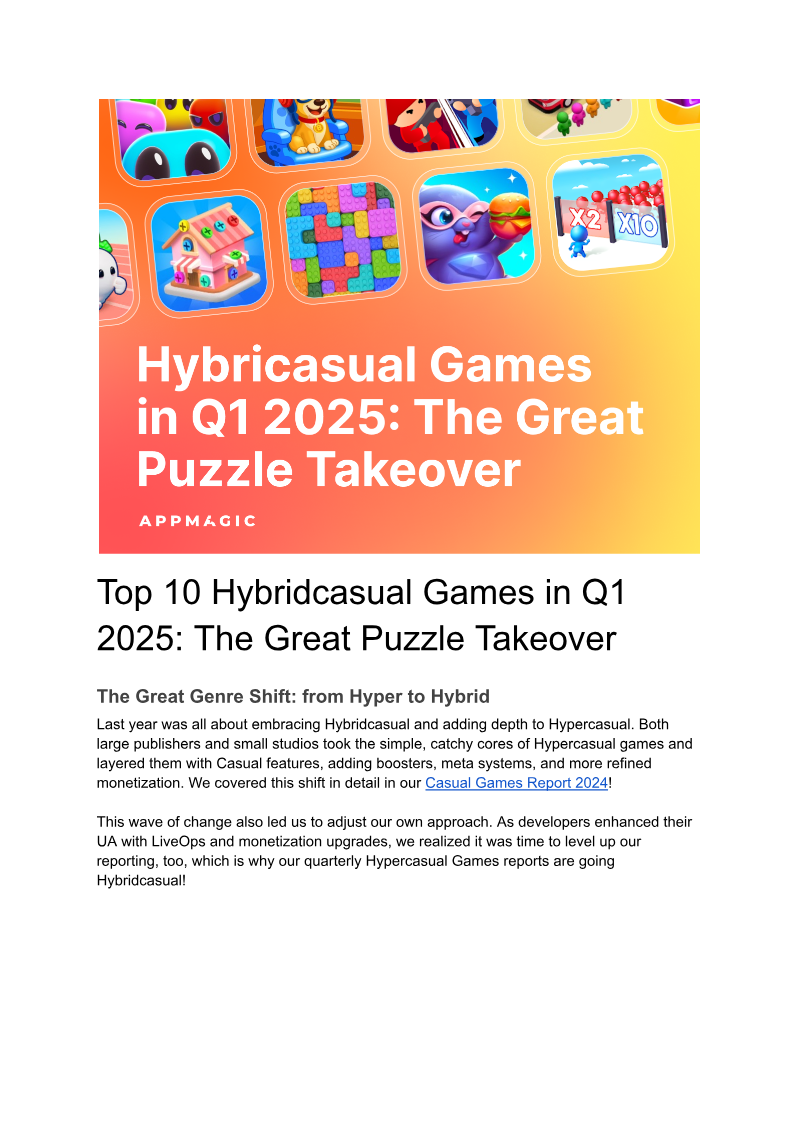
AppMagic · 2025
AppMagic · 2025
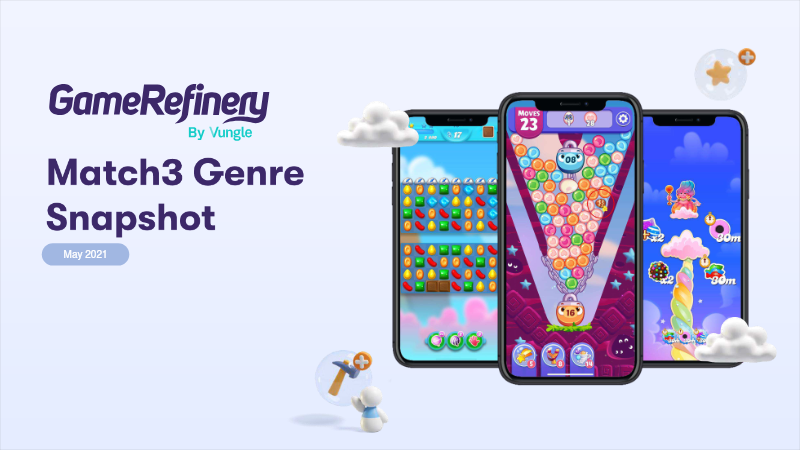
GameRefinery · 2021
DoubleU Games
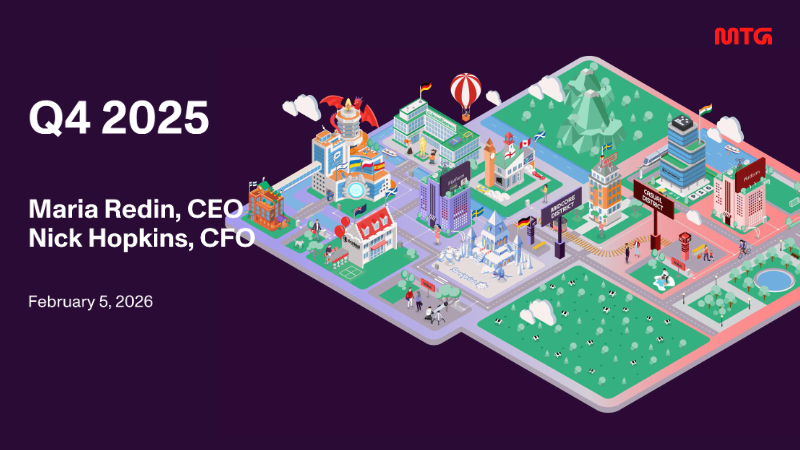
Modern Times Group

Gamesforum

Almedia · 2026
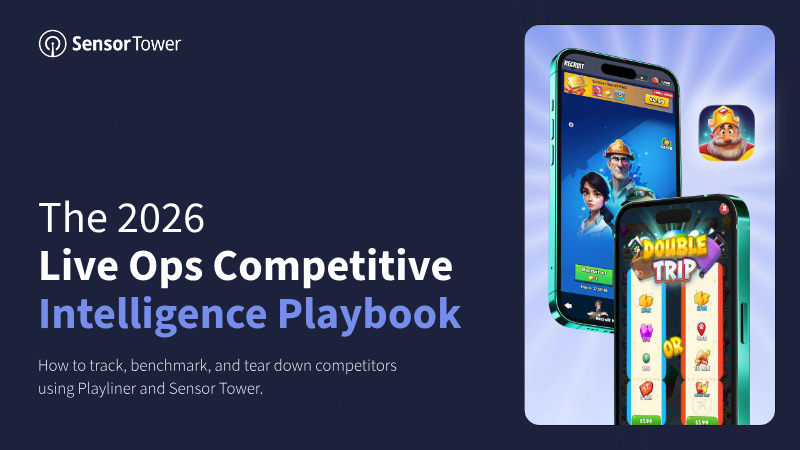
Sensor Tower · 2026

Sensor Tower · 2026