India reports and market data
Documents

India’s Blue Gaming Ocean
The Indian gaming market is undergoing a structural transformation, projected to expand from $2.6 billion to $8.6 billion by fiscal year 2027.
- The Indian gaming market is projected to grow from $2.6 billion to $8.6 billion by fiscal year 2027, driven by a mobile-first player base of 400 to 500 million users.
- The industry is shifting its strategic focus from real-money gaming toward original, culturally resonant content that leverages Indian mythology and lore as unique intellectual property.
- India accounts for nearly 20% of global game downloads, with users spending an average of eight to nine hours per week on mobile gaming.

Rise of the White Tiger | Life Entrepreneurship and Rise of India & Opportunity ft. Mukul Deora
A life well-lived is defined by the continuous process of testing personal boundaries and escaping the societal cages that limit human potential.
- India is at a critical economic juncture where its demographic advantage and digital connectivity are enabling it to challenge traditional global power structures.
- The democratization of venture capital and the modernization of payment systems in India have created an unprecedented environment for innovation, despite persistent educational and infrastructure gaps.
- Entrepreneurial success requires a synthesis of high ambition, rigorous attention to detail, and the courage to shape the world to fit a personal vision rather than following rigid career paths.

No Bull with Joseph Kim, Founder of LILA Games & Game Makers
Building a successful game studio requires a fundamental shift from product-centric models to a focus on organizational health, human capital, and rigorous internal processes.
- Long-term studio viability is driven by organizational health and human capital rather than individual creative output or product-centric models.
- Operational success in competitive genres requires disciplined hiring and generalist workflows to avoid the cascading failures caused by rapid, misaligned scaling.
- Founders must foster a culture of objective debate to counteract conformist professional discourse and mitigate the emotional volatility inherent in the startup environment.
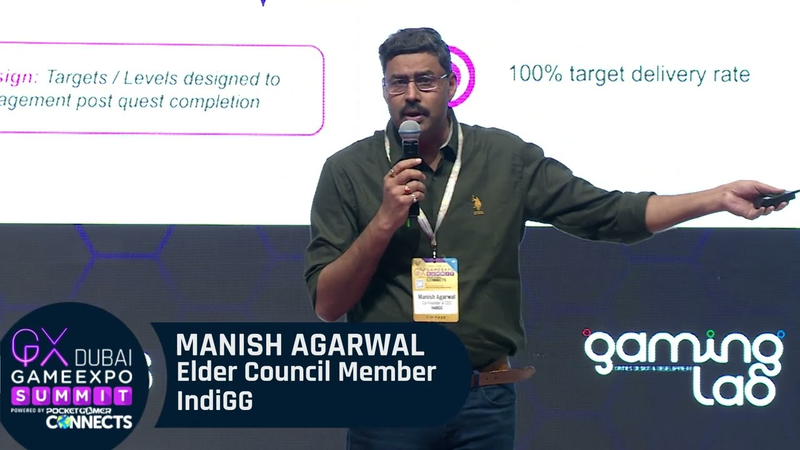
Fostering a Value Exchange Between Game Developers - Manish Agarwal, IndiGG
The current gaming ecosystem suffers from an inequitable value exchange where players contribute significant time, skill, and data but receive no tangible ownership or monetization in return.
- The current gaming model is fundamentally inequitable, as centralized platforms capture the majority of value while players receive no ownership or monetization for their time, skill, and data.
- Transitioning from traditional performance marketing to a quest-based system allows developers to pay players directly for specific milestones, significantly lowering customer acquisition costs and improving retention.
- Decentralized, on-chain models enable gamers to retain ownership of their reputation and history, preventing the loss of progress if a game or platform is removed.

GameDev Story: Brewed Games builds a Souls-like Action RPG game Winds of Arcana for PC
Brewed Games, an eight-person independent studio based in Bangalore, India, is currently developing Winds of Arcana: Ruination, a 2.5D souls-like action platformer for PC.
- Bangalore-based Brewed Games is developing 'Winds of Arcana: Ruination,' a 2.5D souls-like action platformer for PC, with a target launch date in early 2024.
- The eight-person studio secured pre-seed funding from Ventana Ventures to transition from self-funded bootstrapping to a structured production environment.
- The game features a 'Rune Shard' combat system and is designed to provide over 20 hours of gameplay with full voice acting and a narrative-heavy world.
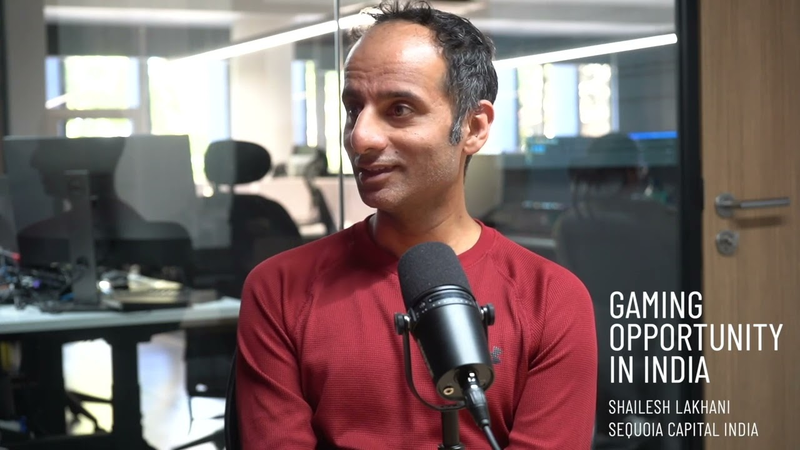
Why Gaming Is Exploding in India!
The Indian gaming market has evolved from a misunderstood, niche sector into a massive, high-growth industry that now rivals established markets in East Asia.
- The Indian gaming market has transitioned from a niche sector to a high-growth industry with hundreds of millions of active players, rivaling established East Asian markets.
- Projections indicate the sector will reach a major milestone within the next decade, with at least one individual game title expected to generate one billion dollars in revenue.
- Gaming applications are consistently among the most downloaded categories on mobile platforms, and gaming content is a dominant force in digital streaming viewership.
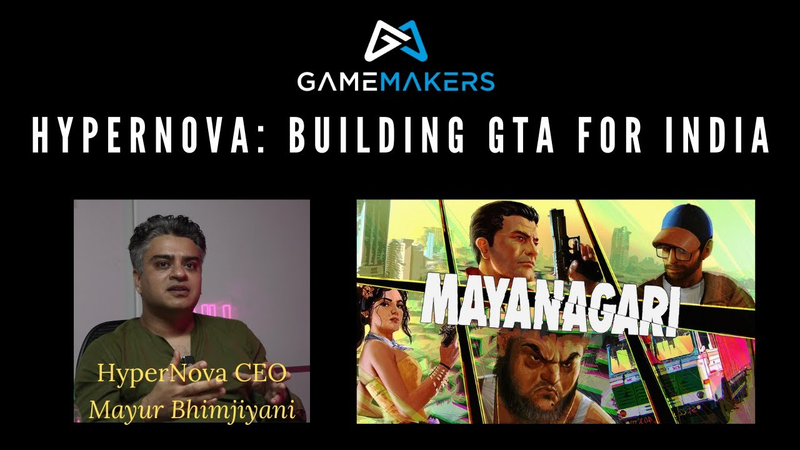
Hypernova: Overcoming Adversity & Building GTA for India!
Hypernova is spearheading the development of Mayanagari, an ambitious open-world sandbox game designed to capture the burgeoning Indian mobile gaming market.
- Hypernova is developing 'Mayanagari,' an open-world sandbox game specifically tailored for the Indian mobile market to address the lack of high-fidelity, culturally authentic local content.
- The studio is shifting from a single-player focus to a multiplayer model to drive long-term monetization through community engagement and social proof.
- Marketing efforts are centered on a creator-led strategy, having already secured partnerships with influencers who command a combined reach of over 20 million subscribers.
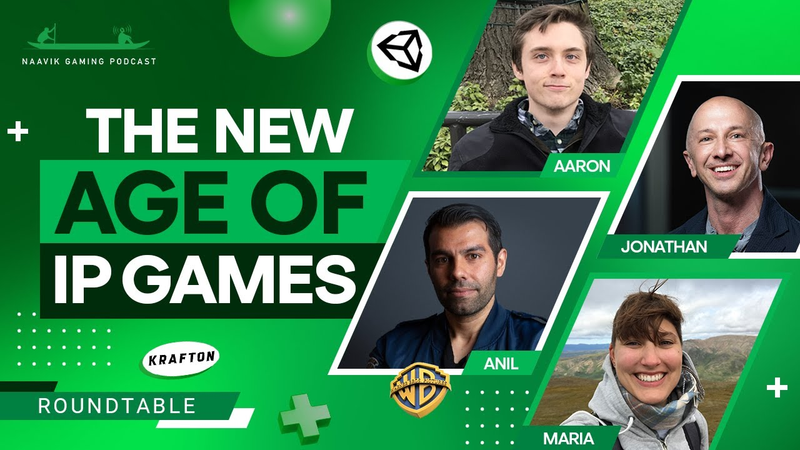
Krafton Targets India / Ramifications of Hogwarts Legacy’s Success / Unity Earnings
The global gaming industry is currently defined by a stark divergence between companies successfully leveraging intellectual property and those struggling with structural or transparency issues. Warner Bros.
- Warner Bros. Games' Hogwarts Legacy generated $850 million in revenue within its first two weeks, validating a strategy of high-quality, multi-platform IP development.
- Warner Bros. Discovery is increasingly integrating gaming as a core pillar of its broader media ecosystem to create synergy between its gaming and streaming divisions.
- Unity is facing analyst scrutiny regarding its post-merger transparency with ironSource, specifically concerning declining high-value customer counts and misleading profitability metrics.
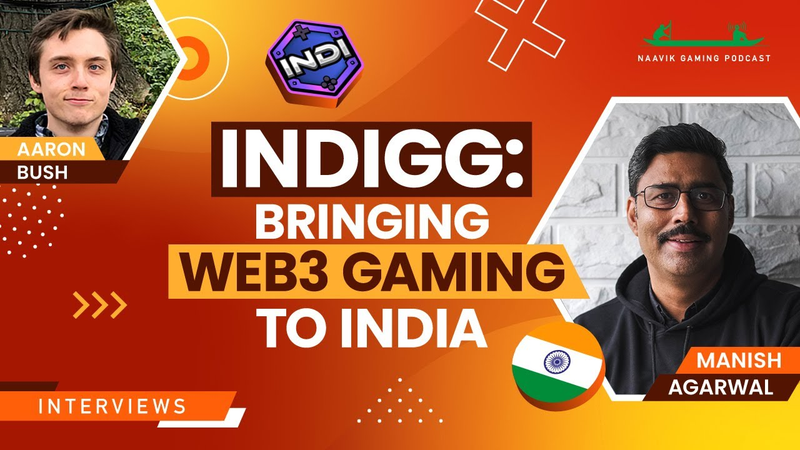
Manish Agarwal: India x Web3 Gaming
The Indian Web3 gaming landscape is undergoing a fundamental shift, moving away from the unsustainable, extractive play-to-earn models that previously dominated the sector.
- The Indian gaming industry is shifting from extractive play-to-earn models toward a 'Web 2.5' approach that prioritizes engaging gameplay and progression before integrating asset ownership.
- India’s gaming market, supported by a base of 500 million gamers, is evolving into a digital goods factory that connects global developers with local players through decentralized distribution networks.
- Platforms are implementing quest-based economies that allow gamers to act as micro-entrepreneurs by performing tasks like quality assurance, tournament hosting, and user acquisition in exchange for economic rewards.
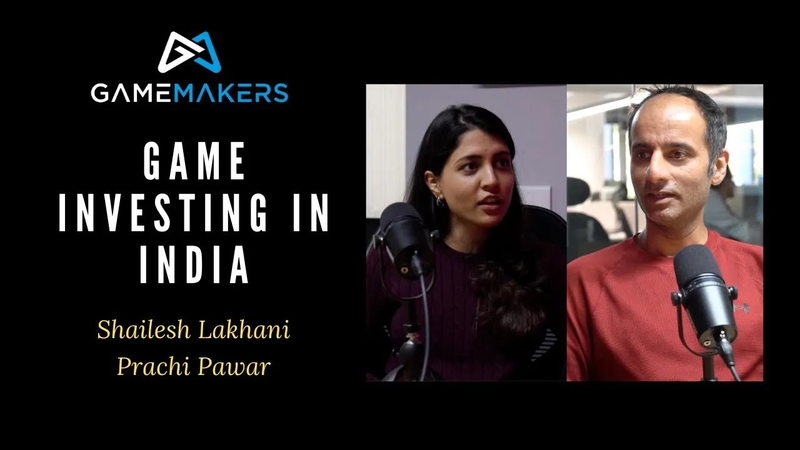
Sequoia Capital India on Investing in Indian Gaming Market
Sequoia Capital India maintains a bullish long-term outlook on the Indian gaming market, identifying it as a nascent but rapidly expanding sector.
- The Indian gaming market has experienced a 400 to 500 percent growth in size over recent years, leading Sequoia Capital India to project the emergence of a billion-dollar domestic game title within the next decade.
- Investment strategy prioritizes high-quality studios, esports, and distribution platforms, specifically targeting founders who demonstrate sustainable unit economics and long-term product-market fit over aggressive, cash-burning growth.
- While the market has seen a correction in valuations from the 2020 and 2021 peaks, the environment remains competitive and healthy for high-quality teams.


The State of Mobile Gaming in India: 2023
India’s mobile-gaming ecosystem is experiencing rapid expansion, with a projected market value of $8.6 billion by 2027 and more than 600 million active users.
- India’s mobile gaming market is projected to reach a value of $8.6 billion by 2027, supported by a user base of over 600 million active players.
- In-app purchase revenue in the Indian mobile gaming sector is forecasted to reach $284 billion by 2026.
- Retention is critical for profitability, as acquiring new customers is five times more expensive than retaining existing ones.
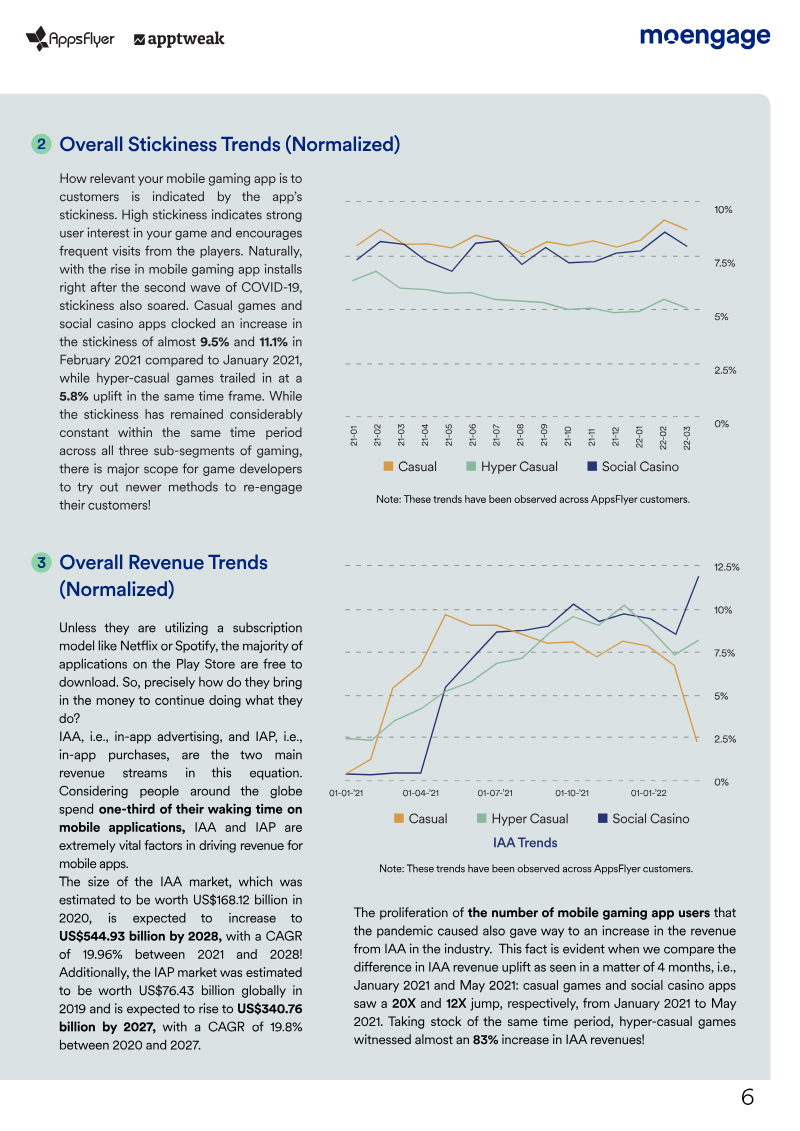
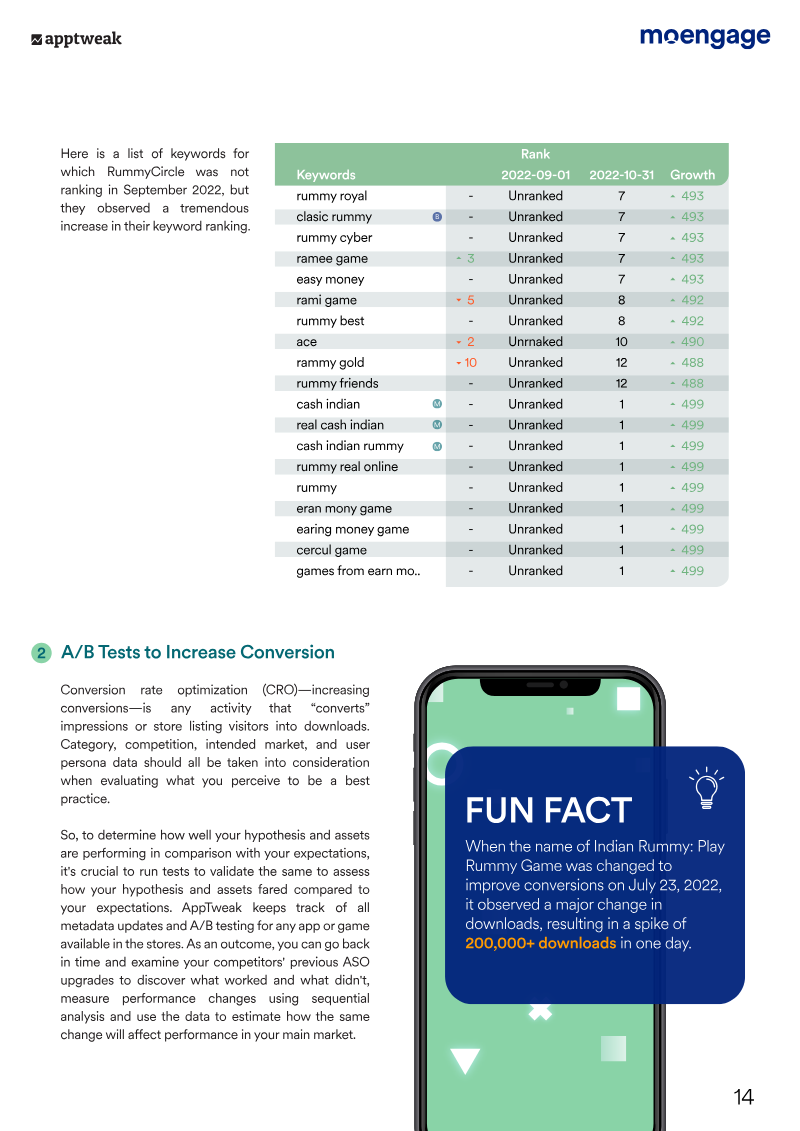
The State of Mobile Gaming in India: A Look at India's Casual, Hyper-Casual, and Real Money Gaming App Industry Trends
This analysis examines the rapid expansion and evolving user behavior within the Indian mobile gaming market, focusing on the casual, hyper-casual, and real-money gaming (RMG) segments.
- The Indian gaming industry is projected to grow from $2.6 billion in 2022 to $8.6 billion by 2027, supported by a user base exceeding 300 million gamers.
- The industry is facing a significant retention crisis, with 68% of users engaging with a gaming app fewer than ten times.
- Following a pandemic-era surge where casual game installs rose 90% and RMG revenue grew 35% in April 2021, organic growth stabilized and declined throughout 2022.