1 free read left. Create a free account for unlimited reading + AI research.
Create free account
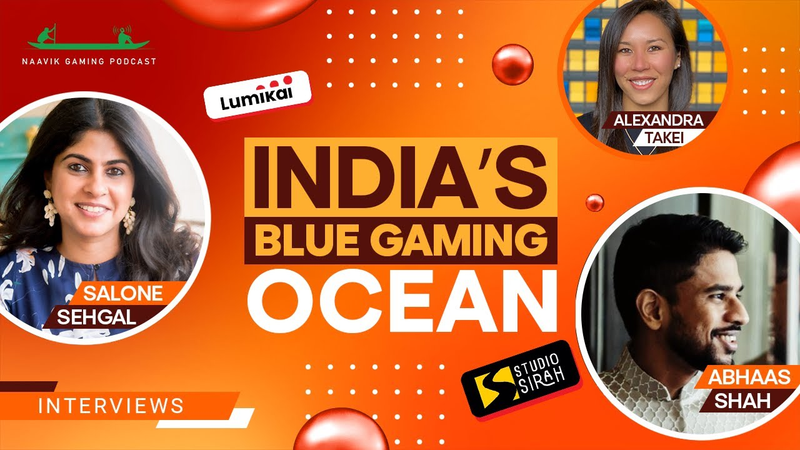
India’s Blue Gaming Ocean
Key insights
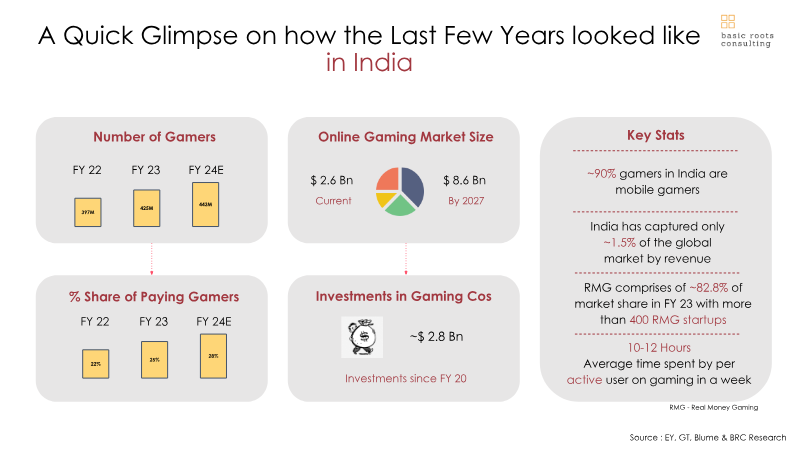
6 takeaways- 01The Indian gaming market is projected to grow from $2.6 billion to $8.6 billion by fiscal year 2027, driven by a mobile-first player base of 400 to 500 million users.
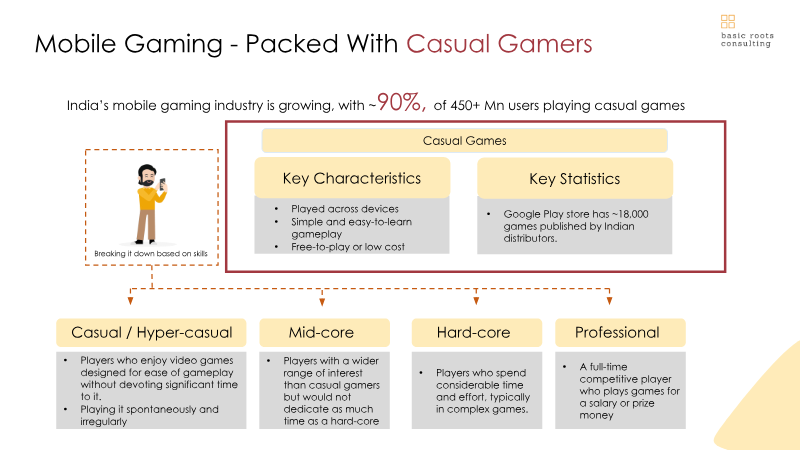
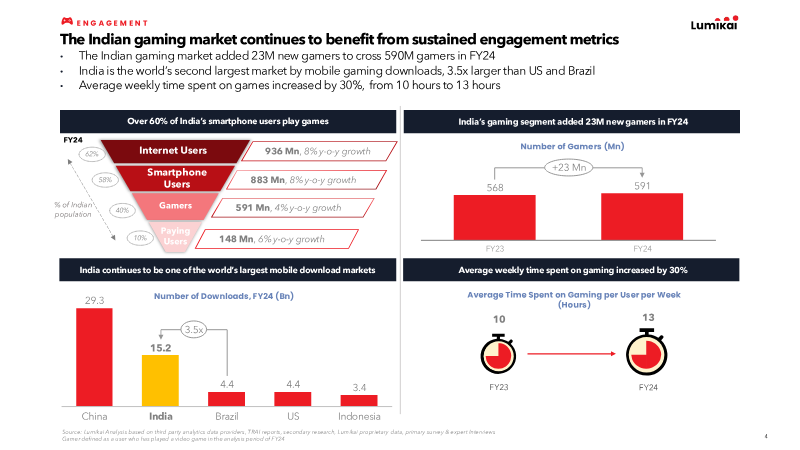
- 02India accounts for nearly 20% of global game downloads, with users spending an average of eight to nine hours per week on mobile gaming.
- 03Developers are increasingly adopting in-app purchase models and mid-core mechanics to monetize a maturing audience seeking more sophisticated, immersive experiences.
- 04The industry is shifting its strategic focus from real-money gaming toward original, culturally resonant content that leverages Indian mythology and lore as unique intellectual property.
- 05Regulatory challenges, including a 28% GST on real-money gaming and Android hardware fragmentation, are acting as catalysts for the long-term professionalization and sustainability of the sector.
- 06Competitive advantage is currently defined by the ability to optimize titles for low-to-mid-range hardware configurations and the successful integration of technical and creative talent.
Ask AI about this video
Transcript
foreign [Music] gaming podcast where it is our mission to explore the business and future of video games we bring together the industry's brightest Builders investors and thinkers to keep a full sun current events dissect emerging Trends and games share Lessons Learned and have a great time this podcast is also part of novik's growing ecosystem which ranges from free and premium research to Consulting and advisory services for more information visit www.navic.com [Music] this episode is sponsored by our partners at clevertap gaming clevertap gaming is the all-in-one platform that enables game studios and Publishers to create personalized player experiences it's the only solution that provides a real-time understanding of player actions and integrates lifecycle marketing live Ops and remote configuration into a holistic experience
in other words you can maximize engagement retention and monetization through real-time segmentation and targeted offers and you can run liveops campaigns with a B testing push notifications in-app messaging and much more to discover how clevertap gaming can best serve your games team simply visit clevertap.com gaming or check out the details in the show notes and with that let's jump into the episode what's up everyone and welcome to today's novik gaming podcast I'm your host Alex and this is the interview and insight segment the size of the global gaming Market is massive between 250 billion and 340 billion depending on who you ask 250 billion reported by sites like World economic 40 forum and 340 billion well if you ask us at navic who compiled a market sizing that goes beyond just in-game Services gaming consoles unit sales and extends into Esports gaming related ad Tech game streaming web 3 and more but obviously this massive Market
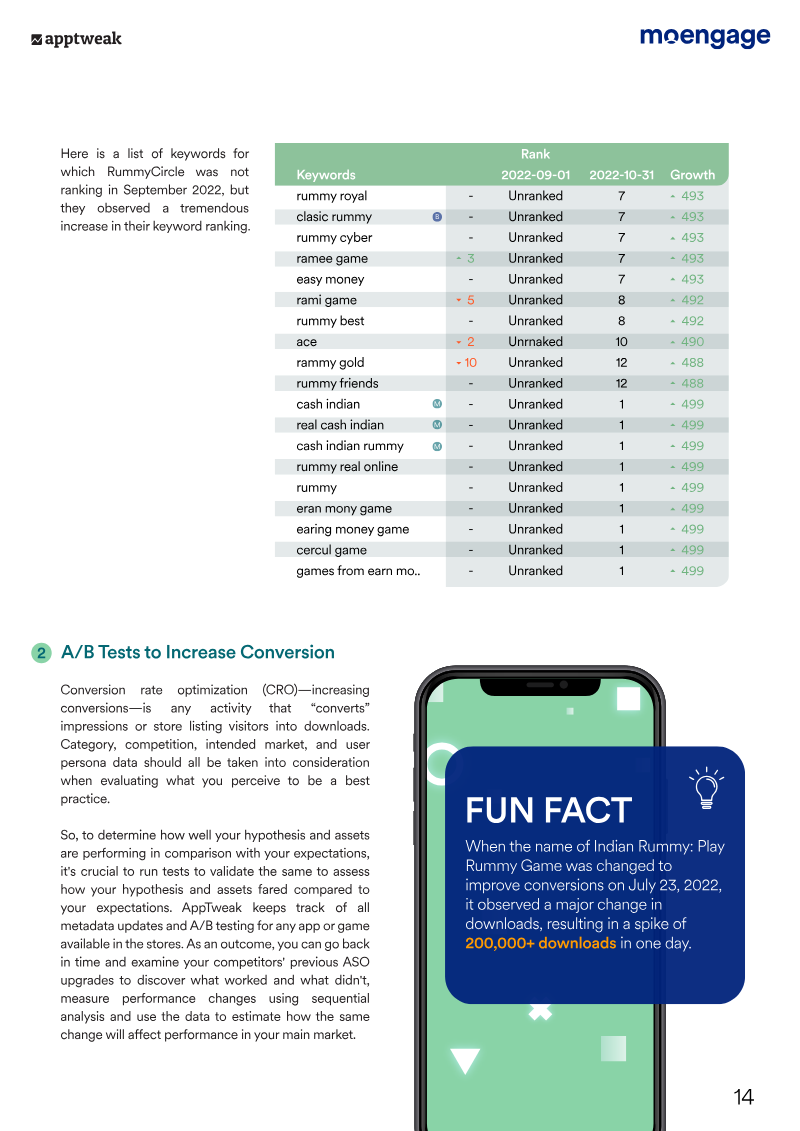
is broken down into geographies and today we're going to talk about a geography not often as publicized as the west and the Asia's India the India brand Equity Foundation a government agency expects India's gaming Market to soar to 8.6 billion by fiscal 2027 from 2.6 billion where it's sitting at today and India has always peeped in and out of the main gaming scene with games and betting portals like mobile premier league and gambling oriented apps so today we're going to talk about the opportunities to invest and build in India's gaming market and of course the headwinds that come with it so to do so I'm joined by two fabulous guests first is saloni Segal a founding General partner at lumakai who recently raised a 50 million gaming and media fund earlier this summer sloani has a Litany of experiences at places like Morgan Stanley KPMG Barclays and London Venture Partners as well as an MBA MBA from iese which Stan I just said all that and I'm like wow that's like an NBA rock star resume um and if I'm not wrong she's actually been on the Pod before
um a long time ago back in the early days of novice founding so welcome back well thank you so much for having me um I came when we launched lumigai fund one the first time and it's only fitting that I'm back for lumikai fun too yeah so thank you so much it's a perfect it's a perfect um I love symmetry um uh and then next I'm actually really excited to introduce the Basha co-founder of Studio Syrah um I'll have him tell us all about it but Studio Sera is a game Studio specifically building for the Indian gamer um appealing to True india-oriented lore and heroes their first game is called um kurukshetra Ascension if that's correct um a strategy card game um welcome to the pod to be here thanks for having me Alex yeah I'm super excited um first of all I'm a huge card game player myself as mentioned over email play tons of Marvel snap Hearthstone Legends of runetera magic um and I read the ramayana a really long
time ago uh as a kid um but I forgot besides like the schnoo and or Vishnu that's like I forgot every character um so um I think it's really it'll be really cool to dive in and talk about um the the lore and the kind of card game that you're building um before we get going um I would love for you guys to tell me about uh your Journeys to the current position that you're in and um also maybe what your favorite mythological figure from India lore is um seleni why don't we start with you oh wow um well you know I think you you talked a little bit about my uh professional background but uh but hi everyone I'm saloni Sagal um as Alex mentioned I'm the founding General partner at lumikai and we're India's uh first dedicated gaming and interactive media we see uh we've been fortunate to be uh early stage investors in in several
amazing companies like you know Studio Sarah and Iloilo and Bombay play and Loco among so many others and we've been very fortunate to see the Journey of the Indian games founder um over over the course of the last three years and uh personally I've been fortunate to see the industry from you know all sides of the table I've been in investor and entrepreneur and uh an m a banker uh prior to lumica I used to be with London Manchester Partners which is a leading European uh gaming VC which also invested at seed stage and before I transitioned to lvp as a VC I was the CEO and co-founder of truly social uh it was a venture back gaming studio building immersive social worlds uh way before the metaverse became cool and uh prior to that I spent the first six seven years of my career in Investment Banking and private Equity with Morgan Stanley with Barclays with a Switzerland based private Equity Fund and amassed over 10 billion dollars of M A Deal
experience and I guess you know for me uh co-founding lumikai was a little bit of Life coming back full circle because I spent uh I grew up in India I grew up playing video games and um you know came back to India to launch a fund investing in in the games industry so it feels like life is has landed back uh full circle um just I guess you know a character in mythology my God that's a question you don't get asked a lot um but you know I guess a character in in Indian mythology or Hindu mythology that I find very compelling is uh is the goddess Lakshmi she's the goddess of prosperity and wealth and good fortune and um she's she's venerated for for for this and uh you know she's also the Divine consort of God Vishnu is a protector and preserver of the Universe um she's celebrated and worshiped during
various festivals so she's very very important uh from from the Hindu mythology perspective and she's one third of a Triad of three Hindu goddesses uh Saraswati and Parvati and um it's uh it's a deeply um yeah I think it's a deeply the way the her her embodiment uh means a lot for for Indians uh especially and you know we've we've seen the recognition and reverence for Lakshmi going back hundreds and thousands of uh years even through not just in India but in Hindu temples throughout southeast Asia so that's awesome Abbas you better have a really strong one as well that's yeah should I go sure uh so I'm I'm a boss um Let me let me start as to how I got
into this I guess uh my my father is a progressive man for his time and and entered a computer dealership business like when we were really young so we got hands on a PC at an age where you know most Indians didn't and uh you know that that's why we me and my brother my older brother uh both of us got in love with games right so we started with some of the classics that made up made it out to India like Microsoft games uh and then we never stopped right we would wake up in the middle of the night and uh you know unknown to our parents just just not sleep and game away for like six hours at night so that's how that's how the love for gaming emerged um in terms of my background I'm I've been pretty much a general understanding my economics degree undergrad in Berkeley uh came back from there you know I got a stand for an enemy right here we came back uh I I did another startup at that point that was that was more in the education space uh
during one of the Premier kind of MBA institutes in India called I am Bangalore you know came out you know somewhat cookie cutter fashion joined the Consulting industry uh it was a great experience did that for five years I was at Bain uh you know travel the world you know pursued what I wanted to as like my Wanderlust and you know I just just roamed around and saw different Industries but then you know a calling still remained uh to do something which was actually meaningful which I was passionate about and uh surprisingly enough the pandemic kind of caused that right like so the pandemic caused this Lurch where you were forced to rethink as to what you were really doing and you know I met my brother at that point back in my hometown and we were like hey there's no there's really no Indian games we want to play right like we have this amazing culture we have this amazing history and we don't see any of it right like I a lot of people around me know more about Greek mythology than Indian mythology right
which is which is true like a Calamity uh and and we really thought that's just ripe for content and for creation that's how Studio set up again uh and yeah I can I can get into that Journey it's obviously been a wild ride since then my favorite character this is something I share with probably a lot of Indian but there's this interesting kind of almost anti-hero known as Khan right so Karen is this incredible character the mahabad in itself is a is really interesting tale because it always questions the very values that it supports as well right so so any any kind of support of a specific value that you see you'll find a counter argument within the text so Karen is this interesting character who technically comes up with you know from from a low background like from in the traditional caste system uh a lower caste background but but he's the most prolific of them all right like he's the best Archer out there he's he's cursed by the fates but you know friendship is on his side and
talent is on his side he technically joins the wrong side of the ward but he's incredible right so even even as we build our first game uh the the Instagram some comments are 50 like where is current so he's an incredible character and I love the the the grayness and the values uh that he brings just because of his presence yeah that's super awesome I think I've also always found those kinds of characters interesting the ones that are a little bit more complex and dark in a way you know you have Superman but Superman's always supposed to be good but then like Batman's a lot more interesting because he's got like a little bit of darkness in him um so that's that's very cool and I guess uh that's a character that everybody's gonna be looking forward to and at some point this podcast we'll start talking about you know the the kind of story that you know the stories and Indian mythology and stuff like that um before we dive into that you know I sort of want to start at the higher level you know like what does the India gaming market look like and sort of what
games should be built um essentially there's an enormous number of people living in India like around like one and a half one and a half billion people um and there are quote three billion Gamers on the globe right now so I'm curious to know from your guys's perspective and a boss you just mentioned that you've got a background at Bane so it's time to shine with these Consulting interview questions um what's the overlap right between the three billion gamers in the in the globe and and those in India um any thoughts here so I think I think saloni is very up-to-date with his research the last I have seen it's it's you know almost four to five hundred million right so we always have four to five hundred million Gamers here uh there's obviously a lot of nuance there to be studied in terms of how many are your let's say you know real money obviously has big hole here uh but but from from what I can tell that that's that's a huge overlap right so you're looking at almost a 10 plus easy constituent like lying right here
in India of the global gamer base got it sunny thing to compliment that for 500 yeah you know I think um the Indian game gaming Market has for long been underserved and you know unappreciated uh I would say and I I and you know it's it's not uh it's not always wrong when we launched the fund you know three years back we heard a lot of narratives around the Indian gaming market right we often go to hear things like well Indians don't play games Indians will never pay for games even if they do pay for games it's all real money gaming uh which is you know games with cash based outcomes which essentially Drive uh gaming in India and you know I've tracked markets like China I've tracked markets like turkey and I've tracked track markets like Vietnam um and and seen the rise of gaming in global markets and you know that's been that's an experience over the last decade and there was certain inflection points that you know we saw in the market three years back and a lot of
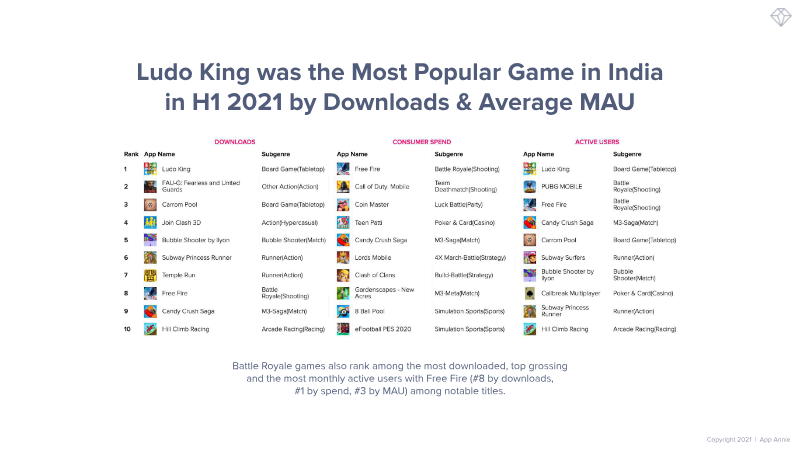
those in inflection markers have now hit the right beats where last year in fact you know India was the largest mobile game uh consumer of mobile games in the world you know Indians constituted anywhere between 17 to 20 percent of all mobile games download and this is for New Zoo but also as as per the research that we did right so India has and India is a 98 mobile market so that's a lot of demand which is uh emerged over the course of the last three years and it's not surprising because an average Indian consumes 20 Gigabytes of data a month right the biggest beneficiaries of that YouTube video about it but also gaming right so you you go in a in a in a flight or in a bus or you know public transport or you're out out somewhere standing in a supermarket waiting in line the one thing that I just asked people to observe is just you know forget the data
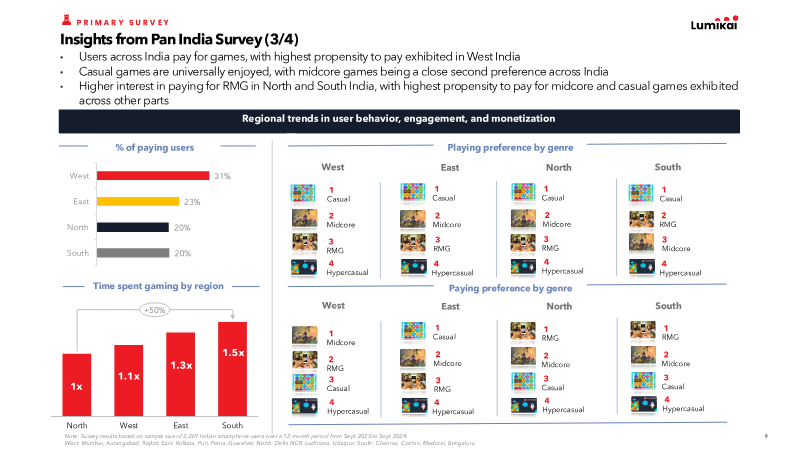
forget the numbers just look around you and see what people are engaging with and you will see invariably it's either people watching video content or they're actually playing games and and that behavior is now becoming very very entrenched which has now led to this whole myth around well Indians don't monetize that's altering right um and the fact is that Indians are adapting to IAP Behavior Indians are there and the IEPs in fact are the fastest growing slice of the market you know the previous uh you know you'd ask somebody from the uh dual money gaming industry and they'll tell you well that's 90 or 100 of the market but you know every year at lumikai we undertake what we call the state of India gaming research report um and last year we actually we sliced the market and RMG is a significant part but it's only 50 it's a little bit more than 50 percent right the remaining has been IAP and ads and uh largely that has been
driven by mid-core and Casual games so that sport in terms of usage that's what in terms of game adoption is is definitely arriving and has arrived you know average Indian consumes and spends anywhere between eight to nine hours a week um playing games and we have seen the emergence of the you know the likes of a bgmi or a free fire which are you know one gigabyte games heavy games mid core games which previously were thought unplayable for a market like India to do incredibly well so there is a depth to the market which I think has been unexplored underserved um and you know companies like Studio Syrah are now increasingly building for that space yeah there's so many things to react to in there um you know I think I've also kind of had this this preconception that again like the the wallet size in India is lower unless it's for RMG um and the fact that you just said like
the market is like predominantly mobile um I would love to just dive into this those two Pathways and I think later on I was going to ask about the fascination and with betting but I think this is now a good time to maybe like jump into it um can someone explain like why betting is such a big deal in India like I mean obviously there's like massive gambling markets in the west but I think again I've always thought about the get in the gaming Market as being predominantly things like dream 11 and mobile Premiere which are just mostly just betting on outcomes what is it about like the consumer base that um in India that actually like is makes them I guess have have proclivity for that kind of genre is there anything like specific in the way that like they behave or um what they enjoy uh that can shine light on that so you know I think what we've noticed you know the Indian uh gamer trajectory is very different from that of the western gamer right the Western gamer were exposed very
gradually to gaming so to speak right you went through different Generations you had arcade games you had PC games your console games you had mobile games and you were slowly exposed to various business model of games uh you know paid games and then freemium free to play subscription web3 you know there's been this very linear trajectory almost uh very sequential in in a way that it has happened the Indian uh gamer is uh somebody who is perhaps also a first time smartphone user and they've been exposed to everything all at the same time you know they've been exposed to video chat audio chat messaging gaming social media sometimes all at the very same time and all of this has been a has happened within the last three to four years years so in one aspect the Indian gaming Market is very primitive but also very sophisticated and very Discerning because their experience of games has been that of what has been exposed to
them from let's say Western titles and their first experience of paying in games was that of games with cash based outcomes right that's when an Indian gamer started you know making small purchases on digital platforms and that that evolution is is how how we'd say gaming has has expanded however now uh there is a research shows that there is a very high degree of overlap between Gamers who play Fantasy games and games with cash based outcomes for fantasy and bgmi Gamers and tour playing Shooters there's a very large overlap of that now is there a migration of user or gamer interest from you know games with cash based outcomes two games with uh with let's say IAP driven mechanics and that's that's definitely happening because over the course of the last two years apart from the introduction of
let's say digital payments we have seen now uh across the board the out of the top 25 uh you know top grossing titles in India they have seen revenue uplifts of anywhere between 45 to 70 percent from the India market right so so there is definitely a increasing adoption and graduation to let's say you know uh other kind of gaming experiences so I you know that that's at least our belief no I mean I was I was trying to come to like I guess the question is is there something Indian about it right like uh which which is very interesting as a question so if you divide it into two pieces like uh one one being the fantasy sports right I feel that ties in very directly to Cricket right like Cricket is a fascinating like deeply engaged in sport people love it and then if you can
tie that to a cash outcome and you have like you know real like imagine a sport you're already watching and then an app which enables you not only to win money but also feel super engaged right like I'm sure you've tried a fantasy sport like if you if you bet on something and then you're watching that match like you love it like it's a it's it's like you're you're watching each ball to see what's going to happen and I feel that that definitely like you know took off on its own like the cricket combined with that outcome was was one reason and I think the second is this is entire genre of kind of card games right like so uh card games which are RMG based and I mean this is anecdotal but you know my grandparents you know that that's all they were doing like when they were in their old age uh they would they would call like you know the people uh you know they had other old friends around them and they would play like little card games like these like poker and rummy and uh so I feel as a as a culture you know that there is a lot of familiarity with these games that outcomes uh so and I don't know whether
these have spread to you know other countries as well uh but I feel those who may be too causes for like how it managed to kind of uh establish itself uh pretty quickly and pretty well without without much of a struggle right um and the third thing I don't know but like you know in in a country which which does have so much economic diversity and poverty like maybe cash based outcomes matter more right like it is possible that the the kind of enticement of winning money through something is actually more and I don't know we could test this with other countries with the same economic kind of demographic and whatever that holds true but these are just my speculative thoughts on on why but yeah no that's that's very it's very interesting because I guess I've always kind of wondered whether or not it's something it sounds like it's a common eight might be a combination of what these Gamers were first introduced to um in terms of what what the first app that was offered them and they were like oh like first app that was offered what
is gaming oh gaming is betting right or gaming is real RMG and then there might be some sort of like um like cultural intonation of the origins of cricket and maybe like the habituated behavior of the of the economic diversity and so the betting feels like you're doing something to get an actual outcome I think that's all that's very interesting and I think like understanding that demographic and understanding how those consumers think is obviously a critical part of investing in any kind of like developing gaming geography I think there's a lot of like different nuances also between um the latam and Asia gaming markets that are very very different from the West um but in that vein uh you know before we sort of jump into Studio Syrah um I'd love to kind of like understand a little bit about how that impacts the fact that it's predominantly mobile and the fact that there might be a predilection for RMG the kinds of budgets that games are made on in India um I've read that uh Arjun Vara the manager of the Xbox expansion incubator is trying to support local development in India and get Games
published not only on Xbox but on mobile but the goal is like really cross-platform um and so if you're trying to make like mostly mobile experiences um what I presume it's not a game development budget and the same that it is in the west or the asias so um I guess maybe a boss you're you're building a game right now how are you thinking about like those cpis and and the budget production and the production budget in order based on the ltvs of the current India consumer yeah see honestly we're we're innovating right like we're we're pretty much first movers in a you know in a pretty wide open space I don't I wouldn't say I have all the answers but you know I I can tell you where we're headed and what we've seen right like uh we're obviously not gonna have the budgets of Western games we don't plan to have uh there are things which benefit us because Talent is obviously cheaper here uh and and talent is most of the cost right like in developing any game so uh it's you know
the the same position of let's say an art director uh in in the US I'd say we have like it's almost a 10 in terms of the costs we would pay or for most of those equivalent roles that automatically slashes the budget in a big way we're obviously making for mobile so mobile budgets don't require AAA VFX and you know we're we're trying to uh kind of look at that and and one of the reasons we chose let's say the card Bachelor genre uh was in part because we we knew the production costs could be great like we we knew 2D art could be made we knew we could scale if we needed to at a very low cost uh and and that's you know you have to take that into consideration um the whole CAC LTV thing is is something which is evolving in our favor right so it's it's constantly shifting the cats are obviously ridiculously low here uh you know you again it would be less than almost five percent of you know what the tax you would see in an
equivalent genre in the west let's say uh and and the ltvs for well-established games are far higher right so if you if you look at an RPD for a Clash of Clans let's say it's it's 80 cents 70 cents and above right and and you're acquiring you're required this is in India and this is like data for three years back so it must have further evolved now and you're requiring customers at 10 cents or lower right so so you can definitely establish a good CAC ldb equation uh you also have a fit a production budget within that also but given the scale you can achieve like the economics will make sense and make better sense over time as as people start to like the LGB is obviously evolved hmm interesting and I think like you answered one of my question which was why was your first game a card game and maybe there's also an opportunity here for you to tell us a little bit about it um but uh interesting that you the card game genre at least in the west is actually a mobile genre that has some of the that is like probably one of the
smallest gaming markets um Mobile gaming markets or genres um but the usually the ltvs are pretty high because of the card acquisition model um so wondering how your think is there something specific about maybe the India gaming Market where the card gaming Market is bigger than the West um as a product as a big card game player myself I know that it's kind of tiny and everybody's like oh no card games we don't play those and I'm like I love card games um but uh yeah maybe tell us a little bit about what studio Saras building and the thesis behind building card games uh in India um obviously sounds like one of those is that the production budget can be a bit lower yeah yeah so so secret production budget was was one reason uh we we looked at a few other markets as they evolved as they hit the kind of uh the inflection point which Salon was talking about right so if you if you look at China like 10 years ago if you look at Japan 15 years ago uh you know they were at a similar point where they were just evolving in terms of you know gaming was being taken up Mobile gaming was actually exploding and at those
moments you know the the transition from casual to Mid core was often through these ccgs right so a lot of these collectible card games they used to rule the market they were almost 30 40 of the market and and they were innovators right so they won the first games that hit the market in terms of genres and we thought India could face you know a similar inflection point in that in that zone uh I mean the the thing I think for us was also the fruit of the world and the genre right like the the universe is so vast uh the the kind of the number of Heroes the number of cards uh that's something which we could actually enable and give you that sense of a vast Universe through a card game right and it was when we started off it was uh like a two-person team we've obviously grown since then into into a much faster thing but but we were convinced that even if we had like three people you know we could we could make this game right like we we knew that we could execute this we knew we could
execute this at a certain quality uh we don't intend to be a card game studio uh the intent is to be a strategy game Studio which is which is themed on Indian content and we will evolve the genre uh but this was our goal at uh a producible game with potentially you know substantial outcomes uh which we could unlock uh through India itself even got it um and then you know it sounds like you're leaning a lot on the mythology and the lore um to be the differentiating factor um do you believe that your game relative to other big card games in the market is doing any kind of gameplay Innovation that's you know uh similar to maybe like Marvel snaps like vertical three-lane um Dynamic which is you know one of the first card games that bass was just like made something go horizontal make a go work makes it Go vertical stuff without like Mana curves um tell us a little bit more about the actual gameplay design yeah absolutely so
definitely you know I very jealous of snaps Innovations I think I think snap really kind of uh you know Ben Rhodes EOS at Hearthstone really really gave him like a great great sense of like what needed to change for mobile uh where we innovated was actually again a function of uh what we believe was important to the lore and the mythology right so in our in our mythology you know the greatest heroes are not swordsman or like they're actually archers right so Karan as I mentioned Arjuna is another big hero they're all it actually really is like epic kind of uh Godly astras as they call like they're like like these arrows or these weapons that they get from the gods and we really wanted to bring that out so we really want to bring that sense of you're an Archer and you fight very different from an upfront close Warrior who who actually and that we want to bring that Battlefield tactics to the game right so so we actually introduced a two-row system where you have like
Melee Rose like and ranged rows and your Heroes can also be ranged or melee and then that creates a whole set of Dynamics you can get free kills you know of a certain tactic you can establish boat control in all new ways you can reverse the board control in very interesting ways because there are actual moments where you almost get you can get zero counter damage and you can actually like take the advantage from there yacht the second major thing we wanted to do was make the hero play a much larger role right so in in Hearthstone essentially your hero is kind of a punching bag uh and and it can kind of sit it's in a static Manner and we really wanted to change that so again the hero weapons are something you'll learn at a very primary stage you know they're permanent they don't kind of expire in the same way like hearthstone's durability happens uh so those are more like kind of core gameplay elements that we innovated on uh but in a larger sense what we also thought was that India needed story right like uh we we like games not just
from a pure gameplay perspective the way the West adopts it but we actually like narrative elements so we invested a lot in creating like a kind of a pure single player campaign mode uh and that and that fuses very well with the PVP um but but that was something which I don't think a lot of card games have done very well uh you know create like a very meaningful single player campaign which also serves as an onboarding which also actually invests you in the different characters yeah yeah those are some really interesting points I love the the bringing the front line backline dynamics of a lot of like uh just like the strategy games like uh Fire Emblem and stuff like that where you're running this kind of like chessboard system I think that's very interesting to bring to card games I actually don't know if I've seen that too heavily there's like there's mechanics in card games like where you have like walls and stuff but it's not necessarily like an actual divided system certain cards of traits can can act in that manner
um and I guess like you're talking about this like form of narrative in this form of story um and maybe I have a hot take question in sloany you can jump back in here but um when I was venturing this past summer working in Venture um venturing uh I we were actually looking at another uh India Based training card game nothing to do with Studio Sera but one of the pieces of feedback that might have come from uh just kind of thinking about it was that there is obviously a paucity of games that are laced in India original P but perhaps although the India gaming Market is untapped that IP isn't quote transferable or digestible by a western audience um and ie would have a problem with global growth down the line um what's your guys's reaction to that statement um because you know I personally find like yeah besides some of the Mythic besides some of the summons maybe like Shiva or something like that in Final Fantasy
um there isn't a lot of India um or Mythos and Western gaming uh yeah so yeah you know I feel uh look we have all grown up playing Western games and you know there's definitely over saturation of dragons and um and uh you know Western mythology I think there the market is is is full of it and Indian lore has been incredibly untapped in terms of uh Global storytelling right and you know every Market again as Abbas mentioned that every Market which under which has a very strong cultural influence right um there is a deep untapped local market but also a global market right now for example in the early you know let's say we you know Circle back 2007 to China there was a transition from 2004 to 2007 you know in 2004 foreign titles dominated the Chinese
market in fact nearly 60 70 percent of Revenue came from foreign titles Taiwanese titles uh you know Legend of Mir Etc by 2007 majority of the revenue started coming from domestic players because there was a shift of original IPS being created by local Developers for domestic audiences which rapidly started gaining traction right you had fantasy Westward Journey you heard world of Legend you have Woolen two uh and you had a bunch of Chinese focused games which started to build and started to Trail Blaze and they started to leverage local culture and history and that paid off quite handsomely for their creators but over time we've now come to a world where culture is being exported right a couple of years back there was a game called love Nikki right uh who would have thought that this it was a Japanese developer right who would have thought that the largest uh user base for that was American female Gamers right
pretty Derby right again um a Japanese title transcending Global barriers and starting to do well uh in in the west and we have seen several titles break out right even from cultures which are very very uniquely uh native to that particular region like maybe perhaps a gentian impact right and now starting to transcend across the world uh I believe there is the Indian storytelling the Indian narrative the Indian lore is is relatively unexplored and it's a new aesthetic it's a new palette um which which hasn't really been um I guess the boundaries have not been pushed off with by both Western developers as well as Indian developers and now we have Indian developers who are starting to you know like like a studio in fact you know I think in the in your beta you have a large Global diaspora who's actually playing the games and in fact I think you have a South Korean female player who's one of your most Avid uh
so those are those are interesting points that I mean I I think I think I think we do have a a journey to make right like there is there is a path to popularizing this which which may not be instant and if we keep going for the things that are popular then we'll just keep making Marvel movies and Malu games right forever uh so so so there's obviously someone has to innovate and you know that that's why that's why the opportunity is lie um in terms of why I feel uh the you know these stories have value is um there are actually very few ancient cultures that actually are valid to date and and actually have like a rich Heritage remaining right so uh in in terms of if you look at an ancient mythology there's maybe there's Greek novice Egyptian you know Chinese and and Indian right and and Indian mythology is probably one of the few ones which persists till date you know our our people are still named after these
characters you know there are there are stories about them circulating to date and in a way which is very much alive you know it's not it's not that this was our past it's it's that this is our culture right like so so elements of those exist to date and they're very valid they're very important they actually have you know nuance and and people people care about these things right uh I I feel that has power right like the the fact that a set of stories uh a set of characters have have lasted this massive test of time uh gives them some inherent value uh which which I think a global human will consider and and will see value in uh the second thing is I feel now almost everyone has an Indian friend right like we're all over the we're all over the globe uh We've spread ourselves everywhere uh you know we're clearly we're clearly one of the you know highest expand populations uh which which are living everywhere and and hey if you have an Indian friend then then maybe you have the Curiosity
around you to understand that the background and where they came from you know and and that Indian friend is recommending that game to you then then maybe that's that's why we begin right We Begin by appealing to those Indians outside and then they introduce it to the others and and of course you know it's it's never gonna sell on just the IP right we have to make great games first uh I I I I don't think anything is going to last long if it's purely hey come visit this culture uh unless we can actually make gameplay that is compelling as well and that's what we've seen as saloni said right like there were we still have players who who know like jack about what's going on from a narrative point of view right like they're they're playing and they're learning and they're slowly getting into it and you know eventually they'll start researching a little bit but the effect of the gameplay for now so you know you you start over the ccg swath which actually is interested from a gameplay point of view or whatever genre we're building you know you start from especially if you're going to the West you uh for to completely foreign audience you begin with gameplay right and then the interest develops and then
you have a ball that begins to roll but it's a it's a future we would like to invest in you know it's coming at some point or another you know we may be the first movers but there's tons of games waiting to emerge if if culture is you know the kind of the The Source Point of ideas then when we have a ton of them right so as soon as we have the talent and the tech I think tons of them are going to emerge yeah that's a particularly very interesting Nuance to talk about how a lot of the mythologies across like Egypt and and uh you know Greek mythology are like very automistic and that the um Indian mythology is like much more modern and that people are still um still like reading it and naming their kids after I think that's that's really really interesting and like again like from my experience I remember reading the ramian I don't remember a lot of the specific story but I remember there being romance I remember there being a lot of drama and I think like yeah and I also agree I think I'm pretty bullish on the fact that like we do need maybe a Refresh on the kinds of characters like how many more zeuses do we need I'm not sure probably zero
um and uh so it's it's very cool and then very very exciting uh to think about the the untapped dearth of um or like right that's untapped um uh IP that's that's sitting uh in India um but I think I I do have some questions that are more about like the headwinds in the Indiana market and I think it might be a good time to transition to talking about uh building and the regulation in the India market that I perceive to be quite tight um and perhaps this is a nice serving of the availability bias but I feel like a lot of the majority of the gaming news that I observe that's covered has a lot to do with again gambling and Regulation and so before we dive in and get you know you guys's expert opinions I'm just going to sort of like read off some facts um for our audience who might just not know what's been going on in the space so far um but earlier this year I believe that Indian gaming makers penned an open letter calling for industry consultation
over concerns about legislation that would allegedly treat all games under the same rules as gambling the way that I interpret this that games in India would be indistinguishable from like RMG and gambling games and if anyone in the audience listened to my podcast on player betting with Zach Dixon a few weeks back we know this is like pretty unideal um and relatedly I know that this is a big Financial consequence because being considered a gambling app um means that you pay the online gaming tax so investors like tiger Global and other PE shops are asking the prime minister to reconsider the onerous tax regime for online gaming um the goods and services tax I believe is around like 28 um so there's obviously no mystery that a group like tiger and other investors with that agenda are trying to Lobby for that because they're investors in gaming unicorns like dream 11 and mobile Premier League Etc um and I think from this report dream11 would experience something like a 80 ebit to drop if they had to follow the new tax receipt or something like that um and then finally there's a period
where uh pubg mobile one of the most popular games in India was taken offline by the government under data privacy concerns and I believe that like as Selena you mentioned that they've re-released the game under Battlegrounds mobile India bgmi um so maybe this indicates that a new game is approved by the government but these are just some of the facts that I kind of observed and put together and maybe seleni will start with you how to you as an investor with a dedicated fund to the space feel about some of these these headwinds I think the first is we we clarify clarify clarify which is the the the current legislation in fact very clearly establishes what the government has done essentially is to very clearly establish a taxation regime on games with cash based outcomes in games with non-cash based outcomes so in fact this 28 GST is been imposed on not now no longer the contest entry value but it's also been clarified it's
now on deposits and it is uh on games with cash based outcomes so that impacts the real money gaming space so essentially games which are not monitored are not uh leveraging those mechanics don't do not have that same tax regime they do not have that same taxation um and that that's the first clarification the second clarification is uh with respect to bgmi right uh there were National Security concerns uh which were raised with respect to bgmi so while from the outside it seems like a game has been banned and there's been taxation regimes Indian government is very anti-gaming I believe that needs to we both need to be looked at um you know uh they both have happened yes but both need to be looked at within the right context right and and the game has now also been relaunched right uh if one was to look at the draft animation video games task post and the draft animation video games committee that the government is now putting into place and then in fact uh captures uh gaming and
video gaming particularly as a sector of innovation as a sunrise sector as a sector which is going to generate employment uh and in fact uh there is a recognition of the fact that there is more arts and creatively inclined and that's what the policy framework also lays out in fact it lays out this yeah it's the animation video game FX committee and task force right so there has also been that recognition which has also recently been established now with respect to you know how does it impact uh the the market and how does it impact us as investors there is no doubt about it that a taxation regime such as this does will have an impact and it will adversely impact revenues and uh of of these uh RNG businesses right but I you know I've been in the market and I've tracked the market for a very very long time back in 2004 India imposed what was called a Securities transaction tax on stock trading right so the Brokers would have to pay a sick stt on buying
and selling of of Securities now as you can imagine you know we're talking now about games which probably have small outcomes at max they're spending about you know 20 30 40 dollars a day whereas when you're doing stock trading you're you're you're you're you're you're in thousands and hundreds and thousands of of dollars right um everybody said the stock broking business is dead you know people are not the stock markets are dead and uh companies are going to die and it's going to be incredibly brutal and by the way India is probably the only country in the world and I think it does by my knowledge it is the only country in the world maybe South Korea but India's the only country in the world which actually does this um that business stock market and stock trading that business has grown 50x today as of today so yes there is going it's you know there will be this there will be value destruction there will be companies which will fail but this will also be a time where companies which are going to be more resilient which will figure out a way around their business models especially on the uh cash gaming side
will will probably figure out some ways and it will perhaps be you know survival of the fittest those who have been not profitable who have not been meeting unit economics um though those are going to suffer it is probably going to be harder for new incumbents but also you know within let's say you know over the course from 2004 to 2010 we actually saw Innovation if I was to take that example in the stock trading business and one of the most valuable business in the country actually was built during that time so uh you know I believe one has to take these steps and these considerations with a little bit of I say you know a little bit of distance and we it's too soon for us to see what say what the impact of this will pan out what as investors what we believe is that that slice of the revenue pie which games with cash based outcomes represented in any case building Challengers within that category was becoming harder you know these companies were already very
over capitalized there was a lot of venture money which had already flown into these businesses and they were already very large incumbents already in place so you could say that that was a red ocean if from a venture capital perspective now as a venture investor when we look at let's say blue ocean or white spaces right the SEC the the balance half of the revenue pie that's what's interesting for me that's what's growing fast that's what what is the next decade of gaming behavior is going to look like that's what I'm interested in because that's where outlier returns are that's why the alpha right and for us uh you know we've always maintained that you know the India gaming Market has had depth and breadth far beyond what has been classified as as real money gaming our portfolio is indicative of that depth and diversity and so for us you know we we believe that the next next you know five six seven years we're going to see emergence of real category reading that's uh within the India market Indian companies building for
India Indian companies building for the globe there is no doubt about the fact that the Indian gamer is now very soon going to become undeniable right um and I think a lot of uh Global uh strategics are paying attention in fact over the course of the last three years we have seen three large strategics come and set up shop in India and say we're doing investments in India and I you know we we know them very well and we've been part of their Market entry strategy um so you know I believe there's there's a lot of momentum here which is untapped and it needs to The Narrative narratives need to shift that's uh I'm very convinced I was like that's why I said I have perception that regulation is tight uh but yeah I I guess like I think obviously like with all I whenever I like read these things where it's like oh like lockdown in China lockdown in India I'm like well it surely can't be a real lockdown right like um and so I think it's uh it's really interesting to observe that nuance and kind of have you with your expert opinion someone who's been working and
investing in that space tell us a little bit about like what the dynamic is because yeah I think like from the West I read that article and I'm like oh all games are going to get taxes if they're gambling and in reality it sounds like that's not exactly true um they're trying to tax games that have RMG components to them and the space that you guys want to invest in in the studio and where Studio Sara's building is in that I love that that blue engine that blue ocean the white space of India um which is very very cool um and thanks for sharing some of the uh the corrections there because I think uh it's it's hard to kind of have Insight in the same way that it's hard to have insight into like a lot of the different Regional markets and you have all these you know you develop all these heuristics and shortcuts and you're like oh XYZ gamer is like this there um what are your top two production challenges challenges right now um and what do you think can be done to mitigate those I've heard that a lot of like Network availability can be quite tough you just said that uh India most people on their phones are turning
through 20 Gigabytes of data wondering if there's any kind of like bandwidth concerns and stuff like that yeah I mean so production I think we can't go through production without talking about talent I guess so that's that's that's the primary job as a Founder is is to put the right team together that that's what I see on the ground every day so it's definitely improving right but but we have a long way to go and you know most of most of the work we do is often uh you know picking up young folks and training them and Skilling them and making them grow right so so we don't have like right pics of like a riot and a blizzard which we can just directly hire and we're like hey just just just do your thing now uh so so that's that's definitely if I had to get into specifics right like so we've been into the kind of art Outsourcing business for a while like India has been doing that for a while and and we have that covered right so we have really good artists we have really good coders because this whole generation of startups is has generated
a lot of good Tech Talent uh I think it's the it's that amalgamation of the tool which is which which is sometimes difficult to pin and that comes with experience right so so stuff like VFX you know stuff like animation you know things which are a real mix of creativity and Tech and uh you know what we we can execute but uh you know that that kind of senior level Talent which can Envision and you know put together and think about production while being creative while thinking about the technical so so those people who can look and bring those things together uh you know that is hard to find uh so we we have to kind of grow that Talent in-house and that's definitely been a challenge and it's it's led to a bunch a few of us like wearing way more hats than than we bargain for um in terms of the data like I don't know if this is I know I know the India market and you know building a mobile is just hard right like it's there's there's just a million different devices uh each each device has its own Quirk
you know obviously at scale you start hitting those low Ram devices right so and and if you want to cater to that like that's a huge technical challenge if you if you want a good quality game to run really well on like a 2GB Ram device uh you know just just have a go at it like it's it's really really tough you definitely experience like Rants and you know people going back in this not playing on my phone and each version of Android is different each device fits it differently uh so that's that's definitely a production Channel which we've if we're learning over time uh the good part is you know we we feel not too many studios know how to do this right so it is it is the reason big PC companies are buying like you know uh mobile talent because because that skill pool is it's really something you learn by doing uh you know you have to figure out how to automate smokes so you have to figure out how to run tons of different devices without manually checking it uh so it's a skill if we can build and you know we can really build
for many countries around the globe uh very easily but yeah that's that's tough out of curiosity I have to say that's just you know I used to build a mobile games before and that's a skill and we used to have an india-based SKU that's a skill not very many Western developers have right because they were earlier used to building for iOS right right building for Android and India is on 98 Android market right iOS is a small very very small fraction of it but building for Android is incredibly challenging and and not many Western developers actually have that skill set yeah I was just about to ask out of curiosity how many approximately how many different smartphones are you building for at a given time it's like it depends 20. no it depends on what you call a smartphone like do you call each brand a different smartphone do you call it different devices under those Brands different smartphones do you call the the combination of brand device and
Android version a different smartphone so if you if you include just purely device you know we already have like 800 on our list right like that's what Android devices yeah it's just like you know it's like 10 different versions of just a OnePlus right or like 10 different versions but they work very differently it could work perfectly well on one and then just just crash on another right so it's not as if if I build for one brand it doesn't mean it works on all those devices on that brand uh so it's it's quite we're still figuring it out but but that's that's that's pretty challenging to really crack it for each and every device yeah I bet and that's I guess I was asking for like the highest number we could have right so basically like software Android software times device times like hardware update yeah equals numbers of smartphones because yeah so it's like 800 that's a ton wow um a lot of Version Control there
um and I guess it's like one of our final questions um since we're running up one time you know uh Abbas Sony is one of your investors I believe right um and so can you talk about your guys's working relationship and sort of what a value lumakai brings to the growth of your business yeah say all three good things of us yeah know that thing's allowed no I I think we got uh we feel incredibly lucky we feel we're like super grateful to have found Luma Karen before them we spoke to a bunch of investors and I think for most of them gaming is a very new unknown space right like the the way they think about it uh just like having this operational background that both uh saloni and Justin bring is is incredibly helpful right so uh from the get-go you know their their network uh their ability to ask the right but tough questions uh you know their their insight into you know
what for example this whole regulation matter the market headwinds you know we we don't even need to look past this lumica right like you know we we know they're on it we know they're doing their research uh we know they're you know kind of rooting for us which is a huge deal right when you're when you're a first mover and you're fighting in a tough market and you're just beginning you really just want uh this psychologically you want to be people who believe right and that that's a huge thing and you want you want people who know that stuff to believe even more uh so you know that that brings huge moral support they obviously bring a lot of technical kind of network and direct talent and and and they they have the maturity to uh to to understand the the time and the energy taken to to succeed at this right like and all of those are huge deals we've had a fantastic kind of working relationship and uh lucked out honestly that's awesome thank you of us
what was this thank you guys for being such awesome guests um I learned a ton about what's going on in the India gaming Market the opportunities the challenges and thank you for your insights uh Salon in the boss we usually conclude by having you share your own contact info um if there's anyone in the audience that wants to get in touch with you to invest Syndicate work for you how can they get in touch uh salinity maybe we'll start with you yeah Twitter Twitter on Twitter and find me on LinkedIn or drop us an email at hello at lumikai.com we uh typically get back if not me but the team is has access uh so yeah we we love uh we love people reaching out to us so please do uh and yeah I'm I'm abhas Shah uh Studio Center you can find me on LinkedIn as well and uh you can email me at uh hello at studiocella.com and we'll definitely get back to you dang I love that I should we should bake we should make hello at blah uh standard
standard thing it's usually just like general info at American Airlines like you know no one wants to answer that email all right guys on that note we'll be concluding big thank you selenium boss for coming on and thank you to our listeners I'll be back in two weeks until next time friends feel free to hit me up at Alexandra novik.com if you ever have any questions comments or concerns would love to hear your feedback um and so see you guys next time if you enjoyed today's episode whether on YouTube or your favorite podcast app make sure to like subscribe comment or give a five star review and if you want to reach out or provide feedback shoot us a note at podcast navic dot Co or find us on Twitter and Linkedin plus if you want to learn more about what novik has to offer make sure to check out our website www.navik.com there you can sign up for the number one games industry newsletter navic digest or contact us to learn about our wide-ranging Consulting and
advisory Services again that is www.navik.com thanks for listening and we'll catch you in the next episode
Summary
The Indian gaming market is undergoing a structural transformation, projected to expand from $2.6 billion to $8.6 billion by fiscal year 2027. With a massive player base of 400 to 500 million, the industry is pivoting away from its historical reliance on real-money gaming toward original, culturally resonant content. This shift is supported by a mobile-first ecosystem that accounts for nearly 20% of global game downloads, where users dedicate an average of eight to nine hours per week to play. As the market matures, developers are increasingly adopting in-app purchase models and mid-core mechanics to capture a growing audience seeking sophisticated, immersive experiences.
Strategic development is currently focused on leveraging Indian mythology and lore as a unique intellectual property, aiming to replicate the global success of Chinese and Japanese gaming aesthetics. By utilizing lower production costs and customer acquisition rates, studios are building scalable titles that transcend domestic borders. While the sector faces regulatory hurdles, such as a 28% GST on real-money gaming and complex hardware fragmentation across the Android landscape, these challenges are viewed as catalysts for long-term professionalization. Much like the historical evolution of the securities market, current tax-related volatility is expected to foster a more resilient and sustainable industry.
Success in this environment requires overcoming operational barriers, specifically the scarcity of senior talent capable of integrating technical and creative disciplines. Developers who master the optimization of games for diverse, low-to-mid-range hardware configurations are gaining a distinct competitive advantage. By distinguishing non-cash-based entertainment from traditional gambling models, the industry is successfully navigating a "blue ocean" of opportunity, positioning India as a significant exporter of digital entertainment and creative content on the global stage.