1 free read left. Create a free account for unlimited reading + AI research.
Create free account
Krafton Targets India / Ramifications of Hogwarts Legacy’s Success / Unity Earnings
Key insights
6 takeaways- 01Unity is facing analyst scrutiny regarding its post-merger transparency with ironSource, specifically concerning declining high-value customer counts and misleading profitability metrics.
- 02Playtika has halted all internal new game development due to high debt and the failure of its previous data-driven optimization strategies in the post-IDFA market.
- 03Long-term industry viability is shifting toward a model that balances creative risk-taking, operational transparency, and the strategic exploitation of established intellectual property.
- 04Warner Bros. Games' Hogwarts Legacy generated $850 million in revenue within its first two weeks, validating a strategy of high-quality, multi-platform IP development.
- 05Warner Bros. Discovery is increasingly integrating gaming as a core pillar of its broader media ecosystem to create synergy between its gaming and streaming divisions.
- 06Krafton is diversifying its portfolio beyond the Battle Royale genre by launching localized titles like Road to Valor: Empires and investing in AI and user-generated content platforms.
Ask AI about this video
Transcript
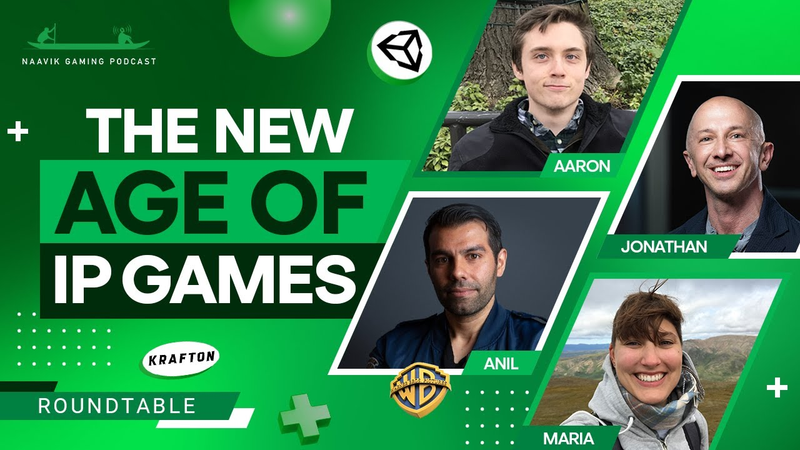
foreign [Music] gaming podcast where it is our mission to explore the business and future of video games we bring together the industry's brightest Builders investors and thinkers to keep a full sun current events dissect emerging Trends and games share Lessons Learned and have a great time this podcast is also part of novik's growing ecosystem which ranges from free and premium research to Consulting and advisory services for more information visit www.navic.com now let's jump into the episode hi friends welcome to another Roundtable episode this is where we're going to analyze all the latest games business news and we're joined by Aaron Bush co-founder of navic and Hilda's Gupta co-founder and co-ceo of first light games and also a new phase Jonathan anastas hello hello thanks for having me yeah thanks for joining yeah could you
do a really quick self intro just so that we can all get to know you a bit better happy to do that so Jonathan anastas I'm currently board chairman of alpha metaverse which was previously known as Alpha Esports I am the prior CMO of one Esports I was head of global and social at Activision for five years I was Global head of marketing and Atari and have spent a decade Plus in this industry that I grew up loving and continue to love small CV that's awesome we're happy to have you here with Jonathan yeah and uh quick fun fact your house is built like Mad Men wasn't it Donny Don Draper is that his last name it's a very mad men era house it's built in 1965 by an architect named Donald Park and it is definitely in the Mad Men era we've got a sunken bar behind me it was it was a party house built for people who uh who lived like Don Draper in the 60s nice to do you I do not okay
[Laughter] uh on uh less exciting party news but still exciting business news this is such a bad transition yeah what's this new vertical you have to share with us hey I think this is still exciting so yeah I just wanted to to let everyone know that navic Pro our premium research platform we're just launching another vertical so previously we um targeted free to play games and web3 games we just added a new financial markets vertical and what this means is that every week we produce a a weekly update that dives into the most important topics regarding you know the financial news of the the games industry from earnings and IPOs and fundraisers and and things like that we dig into the details and tell you what matters we're also spinning up earnings reports and so we've already published a couple deep Dives on take two's earnings and um embracers earnings we're gonna really
ramp that up over the coming weeks and months and then and lastly we were announcing a partnership with inves game um who you've heard Anton be on the podcast many times but we're going to be working even closer to them they've done a great job tracking all of the the games industry deal making um over the past two three years and we're going to start by just opening up um some like data table access so people can see like everything like like all of the most recent M A's a lot of the most recent corporate deals the most active VCS things like that but I'm soon going to turn it into just opening up their entire database database into something that's filterable and accessible um for all for all users so really excited to to get this going and if you have uh if you want to check it out get a demo you can go to our website and go to davik.com Pro and learn more so what would be the value that a subscriber would get out of all of these
analysis is it to understand the underlying decision making in the industry the strategies that companies are taking yeah so I would say this particular vertical is probably going to be most interesting to investors who just want to stay on top of like what all of the big companies and even small companies are up to as they make decisions for their own money but even too like for other you know Executives and you know competitive intelligence teams and things like that to better understand like in more detail what companies in the space are up to and why they're making the moves that they're doing and what the you know what the impact is on their numbers as they also kind of think through their own their own business um I can unlock some value for a lot of teams I hope awesome yeah sorry I said it wasn't as exciting as the party that's okay that was a tough act to follow there yeah all right well today we're going to be covering a lot of topics so we'll be quickly looking at unity and play Tikka
earnings we're going to be diving into why Hogwarts Legacy was a success that it currently is and hopefully will be over the next years and also looking into crafton's new announced game that's targeting the India market uh yeah first off we have Jonathan yeah so I think the first topic we're going to dive into is the surprise Announcement by Activision which is probably the smallest surprise ever expected in gaming which is there's going to be a 2023 Call of Duty surprise no surprise right you know the industry was a bit taken aback earlier in the year when it was announced that perhaps there would not be an annual release for the first time in 15 plus years it's interesting during my time as an executive there that push-pull of like trying to move into an ongoing game of service versus moving off annual releases was always a topic but the annual revenue from a new 20 million plus units was always too difficult to to pause and it was interesting right we
saw annual unit declines probably from 2013 on we saw annual revenue increase right because our poo went up you know digital sales went up but from a pure unit sold perspective you saw a declining number of units which would probably have put some interesting debate points on not doing an annual release but then with this year you saw the franchise reinvigorate to its highest initial sales ever I I was actually part of the team that was part of the previous record holders I've got some Tombstone trophies kicking around in my home office of like 650 in five days and 750 million in a week and to sort of see them break a b right in like 10 days is very very very impressive so so again I think we're back to the world that we were not surprised to have at all and it's part of why Activision moved to a three Studio system from a two or single Studio system right it was a Infinity Ward Sledgehammer then treyarchier right and we're going back to that that expected pattern right
we're moving to a uh a sledgehammer year in 2023. so my understanding of why they had changed their decision sorry they had changed their plan at the time was due to production difficulties and you know how do you keep hitting that quality bar year over year so what do you believe has changed for them to actually now be able to say no we think that we can keep this up honestly from my perspective Money Money Changes Everything I mean the annual release is a challenge during my tenure they moved again from two Studios to three Studios which gave each Studio or each lead Studio three years to develop a game and you know as they struggled with some of the sub brands that got a little Messier you know Treyarch would come in to help Sledgehammer or Infinity Ward because kind of at that moment time Treyarch was considered the studio that delivered the highest quality games we're now living in a world where we're back to Infinity Ward that's potentially the highest quality Studio traditionally the sledgehammer titles have struggled relative to the other two lead Studios but frankly I just think the thought of
making a billion dollars in 10 days or you know two billion dollars over the course of a year building new ecosystems especially in the face of the merger is something they could not back away from and you know the financial pressure of public markets is just too great thank you for that inside Jonathan all right well we'll roll all through Aaron our usual in-house earnings Powerhouse I'll take it um so yeah let's talk about unity and play Tikka and as I mentioned navic Pro we're covering both these companies in more Adept their earnings there but I want to talk about these two companies because I have some issues to to talk through here you know whereas Activision you know they're breaking records Call of Duty's Mega success has you know led to Activision having really strong results these two companies on the other hand are seeing quite the opposite so I won't dig into all the details but I just want to I just want to talk about what my problems are right now and and
then we can we can move on and I'll start with unity and to be clear I think Unity is a very important company but its results right now are covered in smoke and mirrors and um management is not being super transparent on you know a minute many metrics in the business and how we should be perceiving the company and so one uh we all know that the merger with iron source is complete and that that merger you know messes with the performance data because they're basically taking two businesses and just shoving them together and they're not breaking down at all how each individual piece of those businesses is performing um and some of that is to be expected but the issue is that the combined company is performing Pretty poorly and so if you look at their what was their operate division they kind of renamed it to grow it's just all like their their ad side of the business monetization side um it only grew 12 year over year including the merger and so
that's all we know like if if we were to break that out we would see that there actually probably is pretty extreme weakness and the core Unity business and even iron Source too um but management is just sort of glossing that over so I just wanted to call that out but furthermore we see now that last quarter um their group of like the 100K Dollar Plus customers their largest customers that actually went down for the first time which is pretty uh it's sort of you know it's a yellow flag for you know a company that's hallmarking themselves marking themselves as a as a growth business and again with the merger with iron Source we can't we can't actually see how how these like individually how these um like two parts are doing anymore but that also is probably pretty bad but we just don't have transparency and then lastly the thing that kind of riled me up here is stock based compensation is off the charts and so uh I won't get through the specific numbers but essentially their stock based comp
for or 2022 it was 40 of the company's Revenue which is an enormous number and for a company that they they said hey we just hit adjusted profitability for the first time ever this quarter yay and I'm just like come on like that if you're gonna have 40 of your Revenue go into stock base comp like that's such a misleading indicator of what your profitability really is so I I just had some issues with unity again it's an important company with important technology but and they're going through some harder times just as like the mobile games industry is you know going through a pretty big shift with the ATT recession um that affects them um but I just don't love how the company is portraying themselves right now to to not let people get a good view well what do they gain from from taking that approach trust um from from the markets
um I mean a lot of times I'll talk about this with playtika too um oftentimes the the better a company is doing the more they want to talk but the the worse they're doing the less they want to talk and part of that is understandable but I think just being like building like you get the shareholders that you deserve and so if you build um long-term transparency and build up trust um over time with shareholders you'll get the shareholders who give you more the benefit of the doubt but if you're going to start playing playing mind games um I mean I I you'll just get less benefit of the doubt and you'll get more more questions wondering like what are you hiding um so I I think there's has unity ever had good results though they're one of those interesting companies it's been around a long time but they've never really done anything impressive financials wise well um I don't know if I'd go that far I think you know like when they first went public they they went public on a high where the results were actually all pretty up and to the right they were you
know accelerating the number of new customers they were getting their average like Revenue per customer was going up pretty successfully um and you know they had like a good mix of organic and acquisitive growth and you could still nitpick some things here and there but you know it looked like hey this company is doing well and it's on a trajectory to continue doing well for a very long time and obviously that trajectory has broken um partly because of the market partly because of some self-inflicted wounds but I do think it's gotten worse um in terms of kind of the performance and how they portray themselves um at least so so that's my thoughts on Unity but if you thought that was bad wait for wait for a play Tico okay well so I still have a question okay go ahead dude go ahead trailblaze into playtika I was wondering why why give out so much stock based compensation I'm not too aware with why
that mechanism is used and what they're trying to accomplish I was wondering if you could share a bit more on that yeah so stock based compensation is often used to reward employees often you know outsized more so for executives in terms of bonuses and such uh part of this is you know incentives for people to join the company in the first place and some of it is Performance Based and the company you know they set aside however however many shares typically um to um to give in stock based comp and part of the issue here that I think we have to be a little bit Fair on with unity is that much of the stock that they gave was at a much higher share price and so a lot of the costing that we're seeing around like what has been their stock based comp for the year it is at a much higher share price than it than it is now and so being 40 of Revenue is not necessarily the same thing as being 40 dilutive to to shareholders or anything like that um but even so I think it does show that
the company overstepped and they're like ambition and aggressiveness both in terms of hiring in terms of performance Awards Etc especially at a time when uh results have struggled and kind of seeing the mix of high extra comp paired with weaker performance is not a great mix but it's all incentives to to keep Talent around got it what's your take on unity's recent announcement of integrating metamask and it seems like they're expanding their web 3 Integrations into the engine I mean I think it's cool again I think Unity does cool stuff and they they're always building new features and new tools and acquiring new new assets to kind of build out their their creative and monetization presence right and I do think that um through that they still are able to to gain market share it really is a two-horse race right still between unity
and um unreal in a lot of ways but I'm not necessarily like overweighting the importance of an A1 announcement including that one it makes sense for them to to have a presence if that's where the demand is but we'll see how needle moving it is probably probably not that much okay so placika's results were bad too and I'm not gonna get into all the numbers again um other than to say I I really don't know where platika goes from here successfully um and so my kind of my bottom line take with platika is that they're stuck between a rock and a hard place um and let me just quickly break down why so on one hand they just capitulated to making new games which was a pretty big announcement where they said hey given the conditions in the market we're gonna cease all activities for the foreseeable future on building new games which for any games company to just
basically throw their hands up and say we're not making new games that basically is like a death toll to long-term organic growth um not to say they can't grow certain games that they have they can but um uh basically caving into to not building new games is not it's not a good look and it's not a great sign of being able to execute effectively because other teams are making new games and are doing okay with it despite the the you know the tougher operating environment so that's one um on the on the other hand is you know growing inorganically via m a right which they're trying we all know about their their current attempt to acquire Rovio for example um but not only has platika harmed their reputation by botching previous Acquisitions but you know with half of their market cap in net debt and having a much lower
share price to use for you know using their shares as currency to strike Deals they just have a lot less flexibility to maneuver with I think less respect from the market as like a destination to get acquired um then then some people still realize and so between not being able to really make new games and that hurting organic growth and not having great financial flexibility and having more of a tarnished reputation to hurt inorganic growth that's a really really hard place to be and so sort of my bottom line take of all of that is like I don't think platika should be a public company anymore um and I don't know who would want to acquire them right now they still are a multi-billion Dollar business so there are only so many companies that can afford to to make those kinds of bets and those kinds of bets usually they want wants to do with more successful
companies not ones that are you know mired in debt and have uh you know portfolios and talent you know in Decline that aren't building new things um so uh you know whether whatever the mechanic is um I really do think they should go private in some way private Equity makes the most sense to me um but they've already Shrugged off at least one private Equity offer Joffrey capital I think last year who showed some interest um so I'm not really sure where the story goes from here but it's not great and I think it's the worst it's been in the time that they've been a public company so I wish them all the best but it's it's sort of the big yikes to see right now my understanding of the announcement is that they still want to continue investing in other companies that are developing new games so they don't want to continue developing new games in-house but they want to continue with those Acquisitions and Investments is that correct
um I think so and all that could change but again that just means really limited organic growth and it puts all of the emphasis on being able to strike deals through M A or minority shareholders which they've they've had a tough go at and not the best results so I have a hard time seeing this really turn anything around for them so when I read it that's a success story for the market that's that that's Aaron's saying I seriously agree I mean it's crazy to say you're not going to be developing any new games at all whilst doing these hand faces approaches to acquire I I agree I did do you think everyone they regret going IPO a few years ago because that was always quite a consensus thing when they did it I mean at this point I think you have to say yes but when I look back I don't know if going public was necessarily the mistake more so than what they did when they were public and how they they manage those assets to manage their internal game like I think if they were
more disciplined with their M A and how they've managed their balance sheet and maybe even you know just manage their own company internally like I don't think it has to be as bad as it is now I mean it's still probably they would be having a hard time just as like you know Zynga when they were public as the market changed they were having a harder time glue too Etc um and just kind of given the state of mobile as a whole and looking at you know what comprises their portfolio across the casino in casual so I think it would have a harder time but I don't know if that means that they shouldn't have gone public completely yeah I could be wrong as well my takeaway from the information that was shared is that it seems like they've lost confidence of their internal capabilities of developing new games yeah and of course I don't know if this is true but reading it that's how it sounded to me and that's extremely concerning if you've lost weight Financial when you say that out loud it's uh it's brutal yeah
um but yeah I'm curious maybe to hear your take too and just like even just from like a talent standpoint like if you were inside of a big company like this that says you're gonna stop making games like surely that's not good for the culture right is it confidence or is it cash flow right are they just cash constrained for the development of gaming now given that Capital markets or do you think it's a lack of confidence in the in the dev ability both I think it's the scaling I think that's what they're calling out they're in current market conditions you can't take a new game and scale it to audiences in the way that you could before so until people work out how to crack scale or mobile they didn't want anything to do with it and a lot of that like their unique thing that you have to give them a lot of credit for is that in terms of sort of the data science and understanding and Min maxing games there were few better than that and they were brilliant through that for throughout their lifetime so if you've no longer got that edge that is quite a worry I think going back to your questionnaire
and yeah I mean I I think if I was at a studio like that why would you be there it would it is kind of like you know major red flags going all over the place like what's the future must make it very uncertain which again makes it kind of unusual that they've they've made such announcements because they say that they're pausing all activities all together you know you'd have thought to see you can just have one game in development then at least you are developing games right it's to completely pause them and it really makes me wonder what is going on I think they've been acting very unusually I I very strangely of recent and I'm just curious it feels like there's a a bigger thing at play here that we don't know what it is yeah probably and anyways I'll just close by saying I don't have anything against playtika or Unity like I I I'm rooting for them I want them to both succeed I don't like having to give you know updates that are overly negative um but you know I still I still say it as I see it right I just hope you know next time um there are more positive updates or
repercussions from from some of this that we can talk through and you take a constructive approach that's what we try to do here in terms of the tone my I think my final take and again this is just reading from the outside is always different when you know the details I believe from what Anil you were saying that they play Tikka was extremely good at Min maxing you have that data you know how to optimize based on that data you're basically data LED in your decision making and since we're post idfa I don't you just don't have that granular data anymore and we have to go back to decision making naha based into it you have some feel you you just have to place many bets and create like a portfolio approach to how you're trying to scale games and Mateo you know we have an episode with Mateen in our backlog where he was saying like there are ways for you to conquer post idfa UA but you have to change your strategy and
yeah this is a story I've been hearing a lot in the industry that the way you think about scaling your way it just has to change to have more of that broad creative thinking and not just being completely data LED and so maybe that's why playtika is being more affected because yeah they don't have that maybe decision making process capabilities within the company I don't know but they have to go it's like um brand marketing is back that that's what it feels like and places that don't have too many Brands so nothing Brands will be the next topic that we discuss is sort of like a big reason for the success thereof but I do think as a company like that that's probably what they have to focus on and how they go about doing that well that would explain why they want to buy Rovio right because they have some great Brands over there yeah maybe that's a great segue then to go into Hogwarts Legacy that's with you again Jonathan that's an excellent excellent transition yeah so I think the big news in gaming of the last week or so is right that Hogwarts Legacy did 850 million dollars
in two weeks 12 million units I believe that's a record for Warner Brothers games it's certainly you know top tier for any AAA game in the world and there's a lot of levels to this story right there's a level of the re-rise of Warner game I think given some of the corporate distraction let's call it that took place at Warner Brothers I think you saw Warner games go dark for 2020 and 2021 and there's rumors that they were on the Block for four billion dollars and then you saw them kind of re-emerge in 2022 with an excellent uh Star Wars title and they also put out Multiverse which did really well and this seems to be the topper to kind of their re-emerge into the top tier game publisher and it's also interesting because given those successes you've seen the corporate tonality around owning a games company change at Warner Brothers right zaz has gone from being a bit quiet over whether it would stay in the portfolio to really touting it in the last earnings call and touting the
synergies right and Anil as you pointed out right the power of brand or as I would really say the power of Ip especially in how zazz is reframing all of Warner Brother Discovery right around IP so you've got a streaming side to the IP Story You've Got a gaming side to the IP store where I believe eight out of the top ten IP last year were either you know sequels or based on you know outside IP from gaming you've got the last of us which is you know gaming IP which is the top you know HBO title IP is increasingly everything again in this world and this is a perfect example I also think there's another level of this conversation which is there was some belief that there was going to be a bit of a cancel culture backlash potentially to this title given what's going on in the world and with the IP Creator and that didn't seem to materialize in terms of any kind of damage to sales or even really breakthrough to the larger cultural conversation I think another level to this
multivariate story is there was some concern when the game was delayed for nine months that's rarely good news right the Warner said like we want to make this game as good as possible which is always what everybody says when an IP gets pushed back when I was at Activision it was like culturally and thema to push IP we really didn't do it and there was a lot of hesitation when we would push like Destiny titles because Bungie had that power and Warner seemed to have made the right decision right by giving the game the right nine months to make and be as good as possible I think last time I checked met a Critic was an 86 which is our 85 or 86 which is very very good I think the last level is the power of consistent uh rational non-emotive management and what I mean by that is David had it is potentially one of the quieter leaders in this space he's one of the uh more common Personalities in this space I worked for David at Activision in pure disclosure I'm found to be an excellent manager you're an excellent boss but he was sort
of an outlier from a tonality standpoint you know in a culture led by a Bobby codic who obviously is hugely successful in his own way and I think David's stability and rationality through change of ownership and all this stuff has shown to be a payout right like David has kept a very calm hand and a very focused hand through chaos that would distract a lot of other leaders and I think he's sitting in a very good place right now as a as a gaming division had based on that leadership style I saw you a mute at one point now that's why I'm in silence just watching you oh I think it's great to have such a great take from someone who's also been in the industry and knows what it's all about at that level um I wanted to ask a few things actually do you think sort of bizarrely that the cancel culture worked in favor of it I asked that because I remember the old school Grand Theft Autos when they would get into big trouble you know being taken to court because it was so controversial what happened is just every teenager myself included just wanted to play that game even more than
they did already because everyone was talking about it um if that was sort of accidentally implied and the other thing I wanted to ask at a separate point is you know do you think this has redeemed it because you are right that there were so many rumors of of Warner Brothers wanting to sell their division completely and it's almost like they completely hated games Disney for some reason is a little bit in this Camp as well and I never sort of understood why these huge IP generators don't see what is a massive industry that they have easy access to that they don't exploit I'll break those out separately so your first point about you think there's actually the cancel culture worked in this in the game's favor I don't believe so and the comparison to Grand Theft Auto is interesting like we live in very different times politically than the height of Grand Theft Auto and I think the interestingly even the sort of backlash about Ultraviolence versus the backlash about trans rights are very different things so I do not think that there was a backlash to the backlash that helped the game I don't think it was that politicized however I do think
this shows the limitations to at least this conversation around this IP owner and this IP owner's views I don't think we can take it any broader than that and I also think we're living in a bit of a changing landscape where potentially we hit Peak outrage right and we're sort of dialing back Peak outrage a little bit but I don't think we can take this an example of anything except for an example of this right I think the second piece is yes I think it's very much changed how you know Warner views this and again if you look at Zaza's new strategy for the overarching company it's about going back to windowing it's about going back to multi-platform exploitation of Ip and to a large degree gaming is part of Ip windowing right and and again if you see within the same company have they taken a gaming IP and had a huge success you know with the last of us I think zaz is really looking at the power of gaming IP and the power of multi-platform Ip and I think that
this really stabilizes the future of Warner games and really makes it accretive to the valuation and at a time when they're facing the debt load that they're facing to make a billion dollars in two weeks in essence or a billion dollars you know within a week from now is certainly additive to their balance sheet awesome thank you how long do you think it will be before I'm watching The Last of Us and in episode six when a new character appears the video game that I'm playing of the same Name the character appears digitally and I can interact with them this just sort of feels like one of these sort of transmedia companies could pull something off like that but never really seen anything even attempted in it I think that's where the world is going to go I think unfortunately the dev cycle of games and the dev cycles of shows are slightly different as long as it takes to make you know a show Call of Duty is a three-year process right per game but I think you've painted the world that we should live in right you're basically talking about the gaming version of shoppable TV right
which is like we want to live in a world where these cross IP you know events can happen immediately and I you know as a gaming fan as a streaming fan I look forward to that moment as much as you do sign me up sign me up all I can say is finally um I think um when I when I was just starting novik when it was the master of the meta newsletter one of the very first things I wrote about was around when it was first announced that uh Warner Bros was looking to sell its game Division and kind of my take was like that seems short-sighted um so I hope I hope it doesn't work and that you know it just it just plays out a little bit longer and I I think this this game justifies that take a little bit um in terms of it what has been so clear about Warner Bros is that probably you know I mean apart from Disney they they might have like the strongest IP catalog in
the world um which is pretty incredible and if you can't turn that into a successful games business in some way you're doing something wrong more so than the business being wrong um and so it's really encouraging to see this kind of success um I mean part of it too obviously is just like Harry Potter in and of itself is probably like one of one of if not the most underutilized IPS in the world too right um and so it really was a Confluence of factors that led to this kind of hit that probably isn't repeatable super often but it shows that it's pop it's possible and highly profitable and it's interesting Jonathan to hear that uh you worked for um uh zazlov um who I've no no I work for David I work for David Haddon you know I've thought that zazzloff he uh you know he's always come across as a super rational dude uh which it seems like um you know David who you're referring to is also that way and so it seems like
you know just like this this company has more of a culture of across it's It's Entertainment strategies and properties of being able to recognize like hey like from from like a value creation standpoint what really is working or not doubling down on what is cutting what's not and like you just like moving forward in a way that that seems to be like doubling down on the biggest and best IPS um and um kind of using that more as uh profit engines for for the company as a whole across video but also hopefully now gaming too I'm very curious to see what Border Brothers does next with this um obviously like as like a mega IP owner they they operate across a ton of different types of games with different partners and things like that so it's you can't overly extrapolate the success of this one game to like the entire um strategy in the library that they
have but I hope it encourages more of this kind of game going forward I would expect for example we'll see a sequel at some point of this game and I don't think there's been any DLCs announced either but it seems inevitable that um they they throw some in like for example I'd already talked about a previous episode like how could they not have quidditched right like DLC number one you know please right um but but in general yeah I'm just curious how this could change how they view the overall strategy just like within the games division as a whole which seems to it has different parts but I don't know how focused it is on like a unified strategy I just can't tell but I'm curious if anyone has thoughts on like how this successful like actually change like the games division internally well I I'd like to I'd sort of like to make two points about that so the first point is you know you talk about IPS and synergies and without hijacking this gaming podcast into a streaming podcast you talk about potentially Warner having
one of the strongest portfolios of Ip along with Disney right one of the reasons I've been a bit of a Netflix bear is Netflix for all the money they've spent on IP creation has very few AAA IP and you know I I saw an ankler analysis that even if you if you transform their spend to Rotten Tomato scores they've actually been the least efficient buyer of rotten tomato rating points of any studio right like they've had the lowest rated shows in exchange for the dollars spent whereas I believe HBO had the highest ratio right of you know HP of like Rotten Tomato rankings for per dollar spent and so when you're sitting on powerful IP you can exploit it across a lot of platforms right and I think the second piece of that is zaz is now looking at both sides of how this can benefit his company right he's sitting on his top rated TV show being based on
a gaming IP and he's sitting on the top rated game being based on one of the other IP that they own right so hopefully you're going to see exploitation I mean you know the siloization about this stuff gets made inside Mega corporations is the challenge right um but uh but I think zaz is probably looking at a completely different thing and by the way he's he's always looked at synergies you know I clarified that I hadn't worked for zazz I worked for David I actually sold a company that I worked for to zaz uh I sold Motor Trend to zazz because he had an automotive linear television network and we built an automotive streaming company and again he's looking for synergies right he's a big believer in in synergies and so while that is an overused corporate world I think you know there there has been a lot of money generated for that company based on gaming to streaming and streaming to gaming synergies right now I think one point that I want to bring into this take is about execution and I
think that's why we're able to see these magical IPS come to life exactly how we have them in our imagination and what it makes them makes us feel because I think maybe 15 years ago the people that were executing on bringing these IPS to TV or into a game they were probably not people that lived and breeded this IP they don't know like what's this Whimsical feeling what feeling should using my wand and making this spell make me feel now I think that now and we're also seeing that for example with the new directors are bringing Marvel the new Marvel um series to to Disney it's just people that have grown up playing these IPS and they know exactly what they want to make the audience feel and I think that's why the last of us is just being so impactful and I think that's why Hogwarts Legacy is being so impactful you play it and it makes you feel like you're part of that world and being able to execute on that I think that's just a new talent that now we have available in the industry to create these experiences
that's a huge point we live in a world where the consumer doesn't have time for anything but greatness right we live in the greatest content glut of our lifetimes which means anything that isn't excellent is unlikely to succeed because we only have time for excellence only Excellence cuts through and I think more and more there's also the attention the competition for attention between gaming and for example social media and TV it's not only the greatness of the content within a certain aspect of what you consume your time on is everything is fighting for your attention nowadays it's an attention-based culture and so yeah you have to be great not only within your your own segment of the market but just generally across everything that wants consumers to spend their time on absolutely great Point does the game Choice itself folks have a play a part to play here because this is like the
first like properly open world game it's not like a linear story like I I think you hit the nail on the head there Maria where you said it is like the fantasy of being in the Harry Potter universe that's what this game absolutely executes on whereas other titles in the past didn't I think another game that I can think of in a sort of similar way was Pokemon go in the sense that that was a game that made you feel like you were Ash a Pokemon Master going around the world capturing stuff and that's why it absolutely zinged it on mobile whereas previous mobile titles didn't so coming back to kind of Aaron's question which was like what could they take with a slate going forward perhaps that's what he needs to do they need to be more daring and they need to actually think about rather than playing it safe what is like the user expectation or people who love this IP what they want from the game so when we see a open world Mortal Kombat game in two years time please remember this podcast or don't when the idea is terrible and it thinks about race no that's another excellent point and it's interesting because licensed games traditionally have played it safe for a couple of reasons a because of the
license feedback to the IP owner literally the p l doesn't bear this name development dollars right as like original Ip but secondly because of the stakeholders and often the stakeholders should have some creative approval are not gaming people licensed IP has rarely ranked at the top of the the metacritics church right so you raise another awesome point right which is like hey it's got to be great and take some risks and and you know licensed property has been about de-risking right and and potentially you're talking about the payoff of risking yeah I also asked the question too just because it it is an outlier for Warner Brothers games um in terms of like its Blockbuster um you know success um and if you look you know at some previous games like uh Gotham Knights like that that game got middling reviews and sort of as a whiff and it kind of leaves some people questioning the new Suicide Squad game that that's coming
out multiverses had a really big start but I think has largely flamed out um in its ability to engage players over time and there are other successes and such too through throughout the portfolio um but it seems like you know just from the execution point they really knocked it out of the park with this Harry Potter game even compared to just like other internal games of late too so I'm just wondering how they take the lessons from this to maybe refocus elsewhere um in the portfolio too and I'm just not I'm not sure about the inner workings of of the company or I know a lot of this it still takes place in different Studios or different partners things like that but um oh yeah I'm just wondering how much we should be extrapolating from the success of this one game um to like you know Warner Brothers did it but is it repeatable um across franchises more successfully as sort of where my head is going and I I don't know I hope so but I have a
feeling they'll have to um you know continue iterating and improving in a bunch of different different ways to really pull that off that's fair but they've had a much stronger last 12 months than the 24 prior I would say I'm with you that we need another example before making a solid conclusion from this because there was a drought of good games with the Harry Potter IP and so how and similar to Pokemon go how much of that success is talked about in the gamecraft podcast and I thought that was really interesting how much of the success can you um how do you call it as missing the word in English relates to the fact that there was no IP game content to interact with so I'll wait to see them make it again and then I'll probably have a conclusion all right I think this is a really good time then to move into our last deep knife which is Crofton I know yeah well speaking of potentially taking
a risk or doing something outside the norm let's talk a little bit about crafting so if you're not aware crafter not a Korean company they're most famous for uh developing and releasing playerunknowns Battlegrounds pubg which is huge game in the industry over the last sort of five years however what we're talking about here is that they are about to develop a new game where they what is that if they're about to release a new game in India um but it's not a battle royale game so for some context they had a game called Battlegrounds uh mobile India which was out for a short period in India and it was absolutely huge went straight to the charts and absolutely smashed it but it was banned like several other Chinese games um over security issues I've got by kind of invisible air Commerce here to kind of put around that the sort of idea that I think is because so many people were playing these games they had absolutely huge Dau and Mau that they were collecting data of players and the Indian government weren't exactly happy about this there are of course some geopolitical situations going on here so one thing led to another and those games and then longer available in those territories however they have got some
subsidiaries in the country they have bought some studios and they're developing a new game called road tavala now road tavala is actually going to be a kind of strategy type game it's more an alliance of Age of Empires that's what they're kind of saying and to kind of give give the official Spiel the upcoming roads of other Empires will be different from crafting as well and Battle Royale system games road to Valerie is a PVP strategy game where players can outplay their opponents by creating armies from different factions the game may look similar to but similar to popularity Age of Empires franchise but here players can choose mythical characters and beings some characters displays on Jews are include Athena Odin Caesar and more kind of interesting so this has been developed by a fully owned subsidiary called dream motion it's going to be released in two weeks time and I guess what we want to kind of frame the topics around is why are they choosing to do this is this a territory that they should still be pushing hard on compared to other things that they might want to do and talking a bit about oval slate and I think we kind of have covered this in previous episodes but
just to kind of give more of a reminder their earnings forecast in Q4 was pretty good operating profit was up 15.5 percent their overall sales were down very slightly 1.7 but in Q4 specifically the sales were up six point eight percent year on year but I think really impressively was that their operating profit was up 178.8 so they've either been doing some cost cutting measures or more efficiencies but that is extremely impressive for our company so I have a few thoughts myself I thought I'd pass it over to the panel what do you think about crafting trying a uh RTS in India I'll take the first the first shot we've been talking about how to create a game that can succeed in this new market the greatness the attention seeking of all of these different products and gaming especially mobile gaming relies on localization so localizing to different languages and then we start seeing even more hyper localization for
example with Garena free fire where you have local teams that understand the culture and now they know what IPS or will be good IP Crossovers and what they should be celebrating in game for example in seasonality and I'm very interested to see how what this will result for crafting because this is hyper hyper localized game development a local team building a game for the you know the population of India and they also talked about translating the game in multiple dialects not only like the main the main language because India has so many languages so so it is a game developer that's building a whole new game for the market that they live in and know in and out and so I yeah I'm extremely curious to see if this hyper localization is that a strategy that we can see more companies pursue there's a Target demographic surprise you a little bit though just because RTS games tend to appeal to people who are a
bit older more sort of I would say 28 plus a lot of people 30s and 40s whereas India they have a very young average age so you know from the kind of commercial reasons as to why a games developer might want to Target India in the first place this year is going to overtake China in terms of overall population in the country which is you know crazy but even more interesting is the fact that the average age in the country is pretty low most of the working age is between 20 and 30. so if you kind of put that down that is one reason why these multiplayer PVP combat games have done so well there right it's like if you could pick a dream demographic it's what you want you want kind of like angsty 20 somethings I've got a lot of money in their pocket a lot of anger in the world and they want to take it out on other people that's what you've got there so I I do find it a bit interesting that they've gone for this one specifically I can't really think of too many examples off the top of my head of RTS games doing well there I do know that funnily enough they mention Age of Empires 2 in the article I do know they have a sort of semi scene going on there
um I'll actually save yourself this is pretty crazy but did you know that one of the most popular games on Facebook gaming is actually Age of Empires one and it's because there's a huge Vietnamese community and they had like a stream it had like 500 000 people watching um The Age of Empires won World Championships 25 years after a lot of crazy stuff but that's just a thought of advice about what the rest of the panel think well I'm just curious like what do you think about the game itself like do we know much about it yet um I believe the game has uh had some kind of pre-release already in China so it's not like completely new but to be honest with you they're only you know you can sign up to get some perks it's not out for a few weeks so we won't know until you can play it it is for mobile though so it's not like a straight out PC game it has been developed from the ground up for mobile yeah okay I'm just curious I mean it's it's so different from Battle Royale like I don't even know how much we can really compare the two Battle Royale those games you know they came out at the perfect time and they just caught
lightning and um you know the companies you know they caught lightning and for the most part you know were able to like really capture it and then you know build momentum with it uh but but yeah the the circumstances in in India obviously made that extra hard for a company like Craft on um uh so I don't know how much we can really compare you know like this new attempt in the region to the old attempts but it almost feels just like um kind of wiping the Slate clean and coming back with you know new teams new strategies um but if they have the talent there um I guess it could make sense to lean into it and take shots I mean we know that Crafton isn't shy about taking shots in general they're trying to move past Pub G like all around the world and you know maybe sometimes it works and sometimes it doesn't like they also launched the Callisto protocol uh this past year which was like a big it was a big attempt to build a new IP um and you know I think it was probably
a well-made game but I I think I've read that it had like a 160 million development budget uh or or something like really high for the kind of you know horror action game um that it was and so I mean by the way this game is Clash Royale I've just looked at it it's just like yeah yeah okay well that maybe that makes more more sense then but in general I mean I think I like that craft zone is taking shots I don't know how much it's really been working fully for them to like really build the next big IPS to to kind of shape their future Beyond Pub G or really build out that more like tentacles of that ecosystem I don't know how like how focused their strategy really is but um I mean I like they're taking shots both like internally but also like externally I I read that like one of their big objectives for 2023 is to just like do even more um and level up their like external
investments into small Studios which I imagine you know they're doing for a reason part of it is just a they have cash they got to do something with it but part of it too is probably they're looking for like M A targets over time and getting their their foot in the door can give them an advantage and use that as a growth opportunity those thoughts don't really have much to do with this new game but I think that this game kind of put into that context of them they're just taking shots um I think it it's fine it makes sense I was going to say this I mean it's quite interesting about their investment strategy from what I know is that they tend to want to back teams that have got like a super passionate idea and really want to execute on it rather than sort of being let's say more commercial focused teams that spots an opportunity in a market I think they could do it they'd rather back kind of people who you know this is their game that they've been working on five years some other success but they really want to take it to the next level they would back that type of game and I believe that's because that's how they well that is the pubg story right they found this super passionate Irish guy that was based out
in Brazil who was absolutely obsessed with making this sort of you know uh Survival game they backs in with it and you know I remember there's this famous quote where they said um pubg read the find what we thought a successful game actually looked like we had the previous RPG title that we considered successful and now when we look at the revenues comparative we were like what are we even talking about this this barely pays for like the cleaning bills of the company in terms of the RTS I think you have a really good point on the demographic so I I believe that Crafton has not given up trying to distribute bgmi in India again so I don't believe that they would want to do a local competitor for their most popular and high performance game I believe that even though the young population of India is really growing in size and it could become a mass Market I don't know what the purchasing power is when compared to targeting older
demographics that maybe will have the funds to put towards gaming and then the third we look at Crafton and they really Inspire the creation of Grassroots Esports and communities and people creating their own local competitions and then another example of games being able to do that is RTS like Age of Empires still has a really strong mini Esports Community including Age of Empires 2 and other Arts TS games I think from those perspectives I can understand why they go down this route but the passion is super interesting I think the main takeaway of today's episode is that passion connecting with an IP it is important to be data informed but more and more in this new market finding a team that is passionate and feels excited on what they're working on is a great indicator do you think I know that this is a like a one-off for them like approaching the Indian market in a new way or is this
like kind of like the beginning of like a fuller fledge like attack to to just take more shots create more things for India first honestly I think they want to be the number one studio in India in terms of revenues I think if you look at it pubg was huge but the thing that really elevated it to another level was the mobile release in China prior to that it was popular but Fort my kind of stole its lunch money and they were quite upset with it because you know they could develop faster with a better engine they didn't have to repair all their Tech and so on and so forth but once tencent got involved and released it there I believe still to this day that pubg mobile has the highest Dau of any game in the world which is that means more people play Pub G than they play Candy Crush which is pretty insane if you think about it right so I think if you do the math and you know Chinese government being quite anti-game I know they've started to open things up a little bit but that shows you that it's not the sort of secure Palace that you
thought it might be anything could go wrong at any time there then what's the next place to go to go to the next area where you can conquer it get the player base get that customer base for years and years years and then monetize on it and perhaps whilst right now you may not be making too much revenues in the next five to ten years as was proven in China that will turn into something pretty big um I actually went to a cool uh back to one of the other podcasts this week with Manish from indieg and I think you know some of he even said in his podcast that he felt like living in India was an unfair Advantage because um you know being there he was right on the doorstep of millions hundreds of millions of Gamers that are the right age that are going to be redefining the world going forwards and I think that's really where their strategy is because what I was going to ask if you think about it with all of their resources why choose this country specifically they could go to the West they could go to the USA they could go to Europe if they wanted to they've never really tried it too hard whereas um actually talking about localization I don't know if you guys have ever seen the advert for Battlegrounds mobile India but it's absolutely hilarious it's like a
Bollywood movie crossed with Call of Duty with the production values to match and it looks amazing like you know very localized and works well and I think it's no surprise that it was cool to people who lived there I think it has the potential that if you do develop that localized experience so it still connects with other markets I don't know if you know the movie rrr on Netflix that that's one of my favorite action movies in the entire year and it's like a combination of you know Bollywood with I don't know explosions and just this craziness it's so so much fun so this is a bit tangential and we can cut this out if no one knows anything but I was going through their um or their like their earnings presentation and they're they're highlighting like a new business that they're spinning up an open world ugc game platform does anybody do you know anything about that Anil or anyone else is that not the blockchain thing I think it might be uh
yeah yeah yeah yeah or you've just called what it is there but I think that's another big bet that they're taking as well yeah and they're also investing in creating hyper realistic AI to populate these worlds they're taking multiple bits they're also opening up Studio I believe um a couple more Studios that are doing the just new games because they have the new game based on Brandon sanderson's sorry not based on he's writing it it's like a Sci-Fi game and then they do the Callisto protocol so they're taking multiple bets yeah I I haven't really made up my mind on all of these bets I mean clearly the um the RTS game in India is one of many and it's super interesting and probably signals even just like more of what they're thinking bigger picture but there are so many of these like rabbit holes with craft on like this platform um what they're doing in console PC versus mobile how they're approaching Investments and M a um I yeah I just wonder like where their
big successes will come from because kind of the way their approach that they're taking it's probably like not all these things are going to succeed it's not like the company isn't putting their full Focus behind anyone thing and I'm just curious the craft zone of five years will be from now would be really interesting to see what all of these different pieces actually amount to and you know what it's I guess yeah do not think it's a situation a bit similar to like King with Candy Crush they wear you've got such a ridiculous success realistically you're never gonna beat it so it's like why even try to beat it just try interesting things because thinking back with King right now sure they've got bought by um Activision and now again by Microsoft but they've never made a game that I think's not even five percent of what Candy Crush did unless you include Candy Crush 2 and 3 which I don't because you know that's just the same thing so maybe it is just the case of like I actually think if if I was in that situation you're better off taking Wilder more
crazy shots because is kind of improving if they were just to make like another kind of Battle Royale game and not really it's probably not going to do as well as the original yeah I think that's true I don't think they necessarily need to try to top pubg but you know there's stuff to be mindful about like their Returns on you know their invested capital and making sure that what they're investing in still still works um and the approach they're taking is just going to be more volatile right like some things that'll have negative returns some things might be really high and we don't know and those those bets will make up for the rest it's just kind of hard to tell at least for me at this point of how all of that is going to to play out okay well I think we'll wrap up today's episode here then it's a lot of deep Dives this is quite interesting conversations and yeah Jonathan and Neil Aaron thank you so much for joining we'll be here again next week and yeah thank you everyone
if you enjoyed today's episode whether on YouTube or your favorite podcast app make sure to like subscribe comment or give a five star review and if you want to reach out or provide feedback shoot us a note at podcast navic dot Co or find us on Twitter and Linkedin plus if you want to learn more about what novik has to offer make sure to check out our website www.navik.com there you can sign up for the number one games industry newsletter navic digest level up your insights with our premium research platform novik Pro or contact us to learn about our wide-ranging Consulting and advisory Services again that is www.navic.com thanks for listening and we'll catch you in the next episode
Summary
The global gaming industry is currently defined by a stark divergence between companies successfully leveraging intellectual property and those struggling with structural or transparency issues. Warner Bros. Games has emerged as a leader in this landscape, with the massive success of Hogwarts Legacy—generating $850 million in just two weeks—validating a strategy centered on high-quality, multi-platform experiences. This achievement has solidified gaming as a core pillar of Warner Bros. Discovery’s broader IP-driven ecosystem, signaling a shift toward deeper synergy between gaming and streaming divisions.
Conversely, other industry players face significant headwinds. Unity is under intense scrutiny for its lack of transparency following its merger with ironSource, with analysts highlighting declining high-value customer counts and misleading profitability metrics. Similarly, Playtika is grappling with a post-IDFA market that has rendered its previous data-driven optimization strategies ineffective. By halting all internal new game development, the company faces a precarious future, marked by high debt and a diminished capacity for organic growth.
In the high-growth Indian market, Krafton is actively diversifying its portfolio to mitigate the risks associated with its previous reliance on the Battle Royale genre. By launching localized titles like Road to Valor: Empires and investing in experimental technologies such as user-generated content platforms and hyper-realistic AI, the company is attempting to build a more sustainable, multi-faceted IP foundation. While these strategic pivots carry inherent volatility, they represent a necessary evolution for firms seeking to move beyond the singular, difficult-to-replicate successes of the past. Ultimately, the industry is moving toward a model where long-term viability depends on a balance between creative risk-taking, operational transparency, and the strategic exploitation of established intellectual property.