1 free read left. Create a free account for unlimited reading + AI research.
Create free account
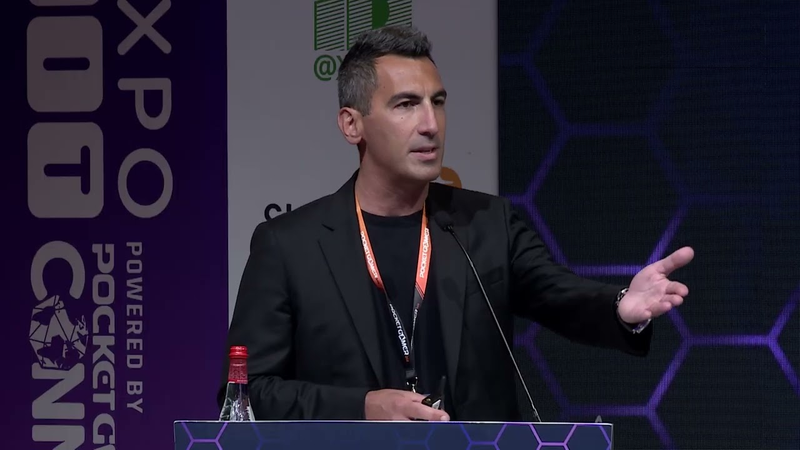
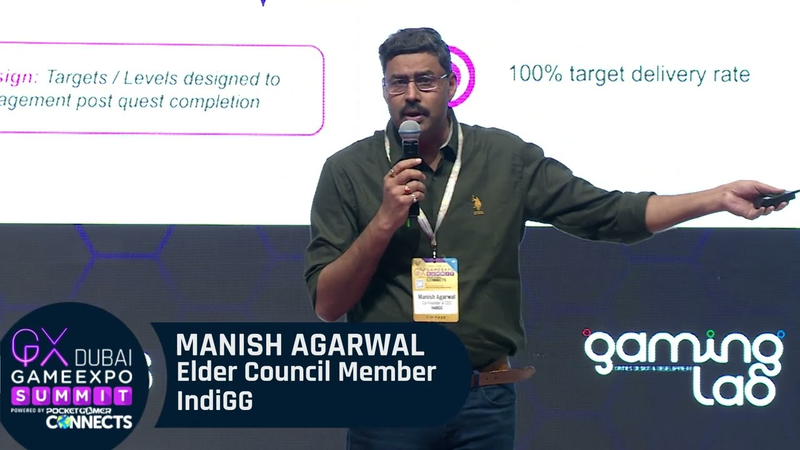
Fostering a Value Exchange Between Game Developers - Manish Agarwal, IndiGG
Key insights
6 takeaways- 01The current gaming model is fundamentally inequitable, as centralized platforms capture the majority of value while players receive no ownership or monetization for their time, skill, and data.
- 02Transitioning from traditional performance marketing to a quest-based system allows developers to pay players directly for specific milestones, significantly lowering customer acquisition costs and improving retention.
- 03Decentralized, on-chain models enable gamers to retain ownership of their reputation and history, preventing the loss of progress if a game or platform is removed.
- 04By empowering players to act as tournament organizers, clan chiefs, and content creators, gaming can be transformed from a leisure activity into a viable source of supplementary or primary income.
- 05The model is gaining traction in emerging markets such as India, Brazil, Indonesia, Egypt, and Nigeria, with 35,000 individuals earning income across 40 to 50 games in a single month.
- 06Scaling the platform from thousands to millions of participants depends on increasing the volume of available quests and tournaments rather than community growth.
Ask AI about this video
Transcript
next up a friend of the conference spoken many times before Manish here he comes good so Manish is now uh effectively uh yes good round of apples from any chefs so many she's gonna talk about fostering value exchange between game developers and communities uh particularly with his uh new fairly new interest in in dgg good to see you again hi how many have have you done lunch I saw a lot of you sitting here have you guys had lunch or not audience good uh I'm not going to have 60 slides I'm going to be kind of really really sticking to 20 minutes which I've got and it's a fairly simple the concept
I like to make it very Interactive your work experience is it your IP or is somebody else's IP anyone please whatever you have accomplished in your life you think you own it or somebody else owns it you own it sorry well wants it that's a gamer talking about absolutely but your work experience is your experience that's really stays with you nobody takes it away from you right but your game history is taking my wall right it's taken by Fortnight it's taken by pubg it's taken by free fire it's taken by fortnight is it fair your work experience stays with you but your gaming experience doesn't stay with you I don't think it's fair yeah so they are kind of stealing your dollars because your work experience gets you to make money but your game history your game reputation you it doesn't belong to you and hence you
can't monetize it so sad most of us are gamers most of us have spent a lot of time if not money and money in games and what we get is right that's what we get and there is people say that all wealth is the product of labor and for a gamer is that really counts his labor his time is really kind of being taken away by the game developers why the platforms where they attack and the gaming guy is really kind of getting berated at least in a country like India his parents keep scolding him that go and do some work you're just playing game do some better use of your time unfortunately that's a reality which all of us are facing and all of us have done and that's what I believe is an unfair
value Exchange between a gamer who gives his time his passion and skill and the rest of the ecosystem today all the value if you see it is being taken by either app stores or by the centralized Tech platforms where the game developer spends money on Facebook on Tick Tock or Gamers buy some item on App Store both guys really take their cut but the gamer doesn't get anything there is if there was something which you can establish a direct connection between Gamers and games at least we can start building some kind of a value Exchange where the gamer has its own ership of data and that ownership of data really allows them to build their own reputation a tennis player has a reputation a chess has a reputation but a gamer doesn't
have a reputation because it's locked into different different silos different wall Gardens and the poor guy spends money time and gets lost there a pubg gets banned in India and his all history is lost and now he has to start building his reputation from zero again but it's within that same ecosystem so we believe that if there is a value exchange which can be created between gamer and games where the reputation of the gamer can be leveraged to kind of monetize his disposable time and skill the game developer also will be happy and I'll explain you why how many of you have done advertising on Facebook Tick Tock Instagram some show of hands great what do you pay for you pay for some installs some download some registration correct do these guys take responsibility that live how many kills will this gamer do
and hence you only pay me for kills no that's the risk is with the game developer that what kind of quality of gamer is he coming some attribution some platform something but we all know I've been around for 13 years doing a lot of Performance Marketing there is a churn there is a progression percentage and that's what the the risk which you are taking as a game developer publisher now if you look at from this particular scene let's take some maths you'd spend 10 cents to get top of the funnel and let's assume that you are playing Candy Crush and you wanted to say level 50. one percent people reach to level 50. you are effectively paying 10 dollars so ten dollars is your effective CAC versus if you were to give it to a gamer and say that Hey listen I'll pay you five dollars if you were to cross level 50. the gamer who does not lease to level 50
you don't have to pay a dime so you are kind of really saving that money and you're getting a user second that gamer who is coming level 50 he can't be a jobber that whatever level 50 needs some skill needs to have fun needs to reach to that level but whosoever does that much so at skill gets five dollars now he may put in one hour he may put in two hours but that's a great money which the gamer is getting and it's a curated gamer which you're getting so your effective cack is lesser your ability to kind of retain that gamer is lesser so if you are able to create a value exchange between game developer and gamer it's a win-win situation versus the win lose situation which is currently on in the ecosystem whether centralized systems are really kind of taking money on basis of Gamers data from the game developer where the game developer is taking the risk copped off of the funnel and gamer is getting nothing now that's what we would like to change
and then the second thing which we always kind of feel is that you have acquired an user how do you retain them right now if you were to take the same example forward which I just mentioned now you can create a leaderboard for guys who created level 50 and onwards they continue to play you have still kind of have a lot of money saved from your system and now these guys you can Define and design leaderboards the way you want you can create certain thresholds you can create certain conditions which is completely aligned with your game design and game progression design so again the money is going to the gamer the game developer is getting a better retained better LTV and there is a fair value exchange which is happening the two and you are continuously doing it third piece how many of you have participated in tournaments correct now these tournaments today when
let's say pubg does or a free fire does some agency comes they take certain amount of money they kind of fill in some rooms like this look at the room here if this was a room which was done by Community for a community would this be so empty I don't think so when we have events which people are just generally coming and sitting some of you are maybe relaxing after food somebody are tired since morning talking that is exactly what happens because we are here primarily for networking not for sessions right so from that perspective when you do Grassroots tournaments buy Community for Community you will have lot more passion and you don't need to have an agency to fill it and the rewards you can given in the game vouchers form so that the money which you are spending is going back into the game versus going to an agency so gamer is also happy game is also happy and you're creating and compounding of economy you're creating a circular economy so what you are doing is with the value
exchange if you are able to execute it based on reputation of a gamer you're at the consumer acquisition you're getting the right gamer with much lesser cost you are able to retain them through a constant some design of leaderboard and you are able to create Grassroots tournaments right which creates a Snowball Effect into your monetization so if you are really being intelligent about it you are building a community and you're building an enduring relationship because all of this is happening transparently on the wallet of the user on chain which means that you can in future drop your own nfts you can drop other rewards promotions in form of nfts for the gamer to play now that becomes a new mechanism for you to re-engage versus when you are doing it on Tick Tock Instagram you don't have a written path now you're very very clear written path so that's what guys we have been kind of
really doing we are saying that we need to really change the game we need to really kind of look at across the stages of game development and some of us will be game developer Publishers here and how do we really bring gamer at the right and Center across life cycle of game so that there is a clear-cut exchange which is being created between gamer and game and we have been working this is just an example there are more than 40 50 games which are now really operating where we have very very simple thoughts you could be a Community member but have an affinity for testing you could be a Community member and you may have an affinity for a Discord manager you could be a Community member a tournament host you could be a clan Chief you could be a content creator you could be an asset Creator so there can be so many things among the gamers which they love to do and our job is to kind of educate them so that while they're playing games they can really generate their earning and it
is beneficial for the game to kind of really do that ah happy to share 35 000 people earned in the month of May in India in the last month and we just started six months back and we believe that in next years to come there will be at least 10 15 million people which will really have primary income or micro income or supplementary income from this platform across India Brazil Indonesia Egypt Nigeria because we are looking for countries we are looking for communities we are looking for gamers where there is a massive young population they love gaming they really don't get their two seconds of Fame they don't they don't see gaming as a career we want to change all of that we want to change the game this is a new game thank you very much [Applause]
very good thank you uh Manish uh do you have any questions about this no I don't think we should I I've won it uh so so uh you sold me a very good presentation we can see the problem we can see the solution so as ever sort of what is the what is the obstacle for moving to 35 000 people a month to a million a month is it is that just is that is that just sort of a scaling sort of thing or is there is this is there something is there more something structural so we have a uber problem like they were always passenger demand we needed more drivers for Uber to grow similarly for us the we have a 700 000 plus Community grown without any advertising cost we need more quests so we delivered 61 000 quests in May can we do 600 000 Quest because the community demand is there we need to go and get 600 000 quests on the platform we started with web 3 games now we are
seeing the response of community is super exciting and we want to know extend this thing to webto games so we will be very soon talking to all big web 2 games in India in Brazil and saying that put up your quests today we have a capacity of doing 2000 tournaments a week because we are not doing it it's a community which is doing it there is a college kid who loves to be famous and he wants to organize that tournament go and do it so we have got 3000 North Clan Chiefs across 2000 colleges in India we are expanding it really fast we have 15 000 applications so community building is not an issue it's a quest which we need
Summary
The current gaming ecosystem suffers from an inequitable value exchange where players contribute significant time, skill, and data but receive no tangible ownership or monetization in return. Centralized platforms and app stores capture the majority of value, while gamers remain trapped in siloed environments where their reputation and history are lost if a game is removed or a platform shifts. This model creates a win-lose dynamic that fails to reward the labor and passion of the gaming community.
To address this, a shift toward a decentralized, reputation-based model is proposed, where gamers retain ownership of their data and history on-chain. By transitioning from traditional performance marketing—which relies on expensive, broad-funnel user acquisition—to a quest-based system, developers can achieve more efficient outcomes. Instead of paying platforms for uncertain installs, developers pay gamers directly for achieving specific milestones, such as reaching a certain level. This approach lowers customer acquisition costs, improves retention through curated player bases, and fosters a circular economy where rewards are reinvested into the game ecosystem.
The scope of this initiative focuses on emerging markets with large, young populations, including India, Brazil, Indonesia, Egypt, and Nigeria. Data indicates that this community-driven model is already gaining traction; in May alone, 35,000 individuals earned income through the platform across 40 to 50 games. The primary challenge for scaling from thousands to millions of participants is not community growth, but rather increasing the volume of available quests and tournaments. By empowering community members to act as tournament organizers, clan chiefs, and content creators, the model aims to transform gaming from a leisure activity into a viable source of supplementary or primary income, ultimately creating a more enduring and transparent relationship between developers and their players.