VideoDeconstructor of Fun
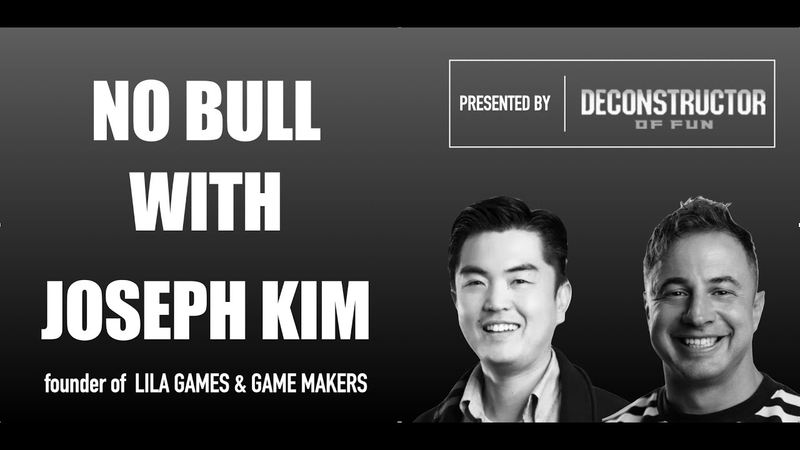
No Bull with Joseph Kim, Founder of LILA Games & Game Makers
17 Jul 202377 min video
Transcript
you know we we do what we do we do what we do we do what we do I like that all right JK if we do what we do how are you doing and where are you I am in India in Bangalore I just touched down actually yesterday I know how are you doing oh no I've been following you on on Instagram and and things are not getting us peachy on like a health health-wise like you've you've gotten injured playing football for the uh for the Americans soccer uh which is not a plus 40 year old should be playing and um and I know that in your latest flight I mean your flights to from San Francisco to Bangalore how horrible are they they're pretty bad right because we also fly economy but not but not the last like last life I gotta I got a free upgrade premium economy exactly exactly I was happy for you yeah yeah I appreciate it
yeah it's actually a kind of a big difference on on Emirates but yeah it's uh you know we do what we we need to do to as a startup we got to be cheap got to be frugal got to do what we need to do yeah yeah so so I wanted to uh so just like a background for this recording like we've been talking about doing a recording for quite some while and of course I was working at a corporation so it's a little bit of a challenging to do any kind of a free-flowing uh recordings um as anybody can understand you're a representative of a company so that that makes totally sense the first podcast that I really wanted to do is with you because we kinda we kind of started this right yeah absolutely we're the ogs of of this nonsense and uh and a lot everyone's got a podcast now now everybody's got a podcast but you know people forget what the biggest one is but anyways um and so so you know our we've we've uh we've kind of went through our own paths but still kept in touch and I kind of wanted to to to uh to return back to the
podcast with returning it with you with the uh with the OG of gaming podcast Mr JK and um and the format for this I thought what would be really fun is I ask you three questions you ask me three questions and it's like a three of e3 type of a setup because uh I don't want to do an interview you don't want to do an interview we just wanna we just want to banter so this is like a more sophisticated way to banter so I wanted to start off with with you and kind of like following your story uh on Instagram and you know sending messages here and there it's been rough like uh mentally health-wise like any startup but you have the uh the added added challenges of working with a team in Bangalore so so you have a team that is uh first of all far away and secondly probably a very different type of a culture so I wanted to kind of see firstly from from your perspective is like how do you balance your your your life how are you able to be a dad of
three have a family in San Francisco and at the same time have a studio in Bangalore and the co-founders and the Venture funding and the the collapse of mobile gaming and all the nonsense that you can read from uh from from from the news like how do you how do you do that that long travels and so forth yeah so the the secret to this is actually something I call working smarter no I'm just kidding you work like a horse I don't think any level of work and by the way this is something I've been told a lot right because uh you know throughout my career I've met a bunch of people and you know when I tell them how much I work they they would say oh yeah that's that's great for you I we just we I just work smarter and I've never been able to like crack that code myself where I I and maybe there are people out there who just work
smarter than me but for me I I feel like I have to figure out how to work smarter and I'm I and you know there that's that's a work in progress but I also think for me I haven't figured out a way of being able to achieve success without a hard work ethic and so to your point on balance I actually don't balance and I also am of the belief you know there's a lot of uh you know it's kind of like this this notion that anything that's very valuable does require sacrifice and that's kind of what I'm doing now is that you know do I like having to come out and at this point you know I'm spending half my time here half my time in the US with my family it you know it's it's tough It's it's very tough uh family does not appreciate it um you know there are some things I'm gonna miss out on in terms of you know spending time with the family and things like that but also I just think and this is something I've talked about on other podcasts but like
for me it's just like about personal choice where at least at this point in my life and being an older guy it's I I feel like my time is kind of running out where I'm only going to have so many years of of trying to do something productive or to try to achieve something meaningful in my life where you know and it all comes back to this um this essay from Clayton Christensen who wrote this this essay which had a you know pretty profound impact in how I think about my life it it's called you know how do you how do you measure your life and so for me I I think in those terms and you know Jeff Bezos has talked about this as well Clayton Christensen you know on your deathbed when you look back on your life you know how would you value your life or how it what met by what metrics would you consider that you've lived a life well lived and for me I'm the kind of guy who you know like if you gave me 10 billion dollars or even 10 million dollars or
you know like my costs are so low like you know I I put so much down on my house and I like I bought such a long time ago like my and like what I do for entertainment is like I I just it's hard for me to spend money so my motivation has never been about like making a ton of money because you know um that's just not important for me so for for me I sacrifice and I work hard because I'm trying to do something that that I think will uh that that I will be proud of you know when it comes to that time later in my life and I think about have I lived a life well lived I I'm trying to to try and do something so that I can be proud of my life at that point so you said many very interesting things first of all this sounds like a midlife crisis but it's not you've been always like this okay this is a lifelive crisis uh it also sounds like a very Korean work ethic I
have a lot of Korean friends and yeah guys work incredibly hard it's uh you put everybody else a shame um but um but I wanted to kind of like dive in deeper into like you said something that makes you proud um but there's plenty of things to be a proud of like both in your personal life of being a dad of having this really beautiful family that you have um as well as the element of like you know what I think about is like having a greater life or purpose and and part of that has to be contributing to the world more than you are taking from it and you are doing that like you are sharing a lot of information you're a very helpful person um you're creating jobs although in India but but still not in the great U.S but uh but you are giving a lot of back and there's a lot of things to be proud of but what do you like what is that thing that would make you proud of his opinion of somebody of the gaming industry or or what what is that that's
type of a thing that you think yeah I mean I think the the way that I think about it is um in one of the ways in which a lot of people think about companies is really having a product orientation right which is okay so so one way you can think about a company is as the organization and the product and the way that most companies are oriented is primarily having a product Focus you know a lot of complexity a lot of thinking about how do we improve the product and um I feel just generally and in my experience there has been less focus on the organization meaning the processes in the people and so for me uh meaning in kind of where I think I can add more value is by trying to build an organizationally oriented type of company one that really looks at the people and you know I I think for me meaning would would be creating
opportunities for people and then trying to figure out ways in which people can change because that's one fundamental premise that I have is that I I totally realize and I've talked to many people who have argued with me a lot about the ability for people to improve and change it organizations and I it's a very difficult problem but I think it's one in which uh change can't in my belief change can happen now I I do agree that that for the vast majority of people change is difficult and comes very slowly but you know I'm trying to get to a point where we can build a company that provides opportunities for people and the people that we do bring in we're able to change them for the better to increase their personal value because ultimately it's the organization that builds a product so if you improve the people that make the product then the product should follow that that's kind of like the the philosophy that I'm taking
yeah it's a very mature way of thinking I definitely did not have this way of thinking but I'm kind of like getting closer to that of putting the organization first over the product because um I've mostly put in always the product in front of the organization Until you realize that you have the organ you have to have the organization to make the product or at least they have to be in sync and and the better organization you have the more I think the more flexible you are to pursue a different type of a product goals but um um and the last last part about this one is like you talked a lot about sacrificing and I think sacrificing is is naturally a part of of any kind of a journey if you want to get somewhere you have to sacrifice whether you sacrifice your personal life whether you sacrifice your health be it physical or mental it's just a part of that journey I don't think you will get anywhere without sacrifice but how do you um how do you sort of uh evaluate the size of a sacrifice to the potential gain because I I know you you've sacrificed a
lot like you've sacrificed everything from a from a cushy job in La uh down to time with your family which is something you can never get back and something that I always think about when kids like how do you how do you say like this is the right size of a sacrifice that I'm doing right now and do you second guess the uh the sacrifices you're making for any specific person it will be situational and for me I just I I do think there are limits right so there was a period about two weeks when I was in the U.S where I was taking calls like up until like 2 3 A.M and then my kids would wake me up early in the morning so like I I thought I was I I probably did have some kind of a stroke or something during that time it was just really not healthy where so yeah I think there are limits where you have to push back and not sacrifice too much and you know we have something that we call an overarching rule at our
company which we just call Common Sense rules meaning like for any specific rule or process or whatever we have at the company just use common sense if it doesn't make sense don't do it and so for me too sometimes if things get too far like at that time where I really felt like my I I was like well you know if if I have a stroke and I'm brain dead then I'm not going to do the company much good so I then like reorganized my schedule a little bit and try to do some things where you know I'm exercising more and doing things where I I can get better sleep so I I do think it can go far and I but I would say the specific you know questions around well do I do I spend more time with my family right now or you know do I extend my trip uh you know one of the things for this trip was just speaking to my wife about you know can we reduce the amount of time you know it's already reduced from spending three months in India to one month in the U.S
a 2-2 but like yeah I think for every person they've just got to figure out for themselves what makes the most sense and there there are definitely trade-offs and I do think that that's the the concept I think of trade-offs is important because there are too many people who believe they can just have it all right and so the the very nature of a startup is lack of resources and the fact that you can't do everything is actually in my opinion a good thing and I do think just on the personal level thinking about what's important to you and realizing what is it worth and then and then when you do sacrifice it becomes clear right and it's important too so like there's a lot of things because of the sacrifice you can do that you wouldn't be able to do and so a lot of the relationships that I have with my co-founders in the way in
which we operate have been um have been through a process of a lot of difficult conversations and honest discussions and things like that where you know I couldn't be happier in terms of where we are as a company and the relationships that I I have with my co-founders but that took um I I think having certain conversations and getting to a certain point where uh things happen in the company or you're stressing things you know it requires because you've sacrificed you're going to have those conversations and things like that and so I I just want to highlight that you know trade-offs and and sacrifice isn't necessarily bad and in some cases and in the startup case I I think art is is actually an important part of the startup process in order to be successful yeah it's necessary all right your turn to ask a question all right okay so the
question I have for you really has to do with your entrepreneurial journey and so to some degree you've kind of um had the kind of outcome that some people would dream of you know you started a company um you you you know you built it up able to found the initial team uh you know acquired by Sony which for some people is like the ultimate in terms of you know like when you think about gaming and things like that and so I wanted to ask you about your journey and if you can talk about your greatest highlight and your greatest life from your experience uh how would you how would you talk about that well um uh this is something that I that I tell to people like the sentence that I used is like the result is not indicative of the of the of the path so I think it there's a lot of variables that that goes into into these things so so um can
I go into the beginning like when I started my entrepreneurial journey I remember when you started your startup and I was telling you like what are you doing like why are you starting startup just live with the cushy executive life like that's the way to go I think I told you and your wife about this like like stop this guy I'm like you're an Helsinki and then something happened where I just wanted to do the same thing I remember we were me and my co-founder were working at Rovio and he just recently joined and and we were having just like a one-on-one and he he asked me like what are you doing here he's like you don't belong here it's like like and you know he was it was like he is a very much like me like very excitable person and and then we just started talking about like what kind of an organization what kind of a company would build and what kind of a what kind of um games would be making and then we found something that was very interesting and and that kind of led to really quickly in picking up steam and
then moving ahead with uh with building a company and this was just before covet and then we started the company the moment covet had when went home uh that's that's when when we actually raised funding so in my head uh the starting of my own company would have been as simple as it was at fun plus so we both worked at fun plus I was heading the uh after you I was heading the San Francisco Studio kind of building it from from the ground out the team it was the best job I have ever had it was the most smooth sailing I ever had because hindsight what had happened is you know our team at Zynga had kind of like evaporated we had a failed project that was a very long the team changed multiple times it was like a one of those difficult projects and I went to fun plus and I wanted to start a team from the beginning kind of learn how to how to build teams properly because it was such a difficult process at a bigger Corporation where there was so much changes and the people who came I think our team was like 80 85 percent ex-zinga especially from from the studio
that I was working with and I didn't have to invest at all into organization into culture into everything because we had the shared memories and what we wanted to do what we had is like let's not do what we did there for example we didn't do specs much we just whiteboarded if we uh we we uh and everything that that was happening like everything was so easy making games was so easy pivoting was so easy um it was it was a pleasure working it was almost like actually my eight hour work days or it came in at nine and I left at like five six it was kind of like done we didn't have much meetings because like so you know we had a lot of meetings and then here we didn't want to have any meetings so it's like very focused very easy and so in my head I was like this is how we're gonna work like this is the starting a studio so easy getting a functional studio is so easy and what happened was like when when my journey started uh there was like some some um some changes in the in the founding team like we were supposed to be much more Rovio focused but then there were some some you know like not
every people jumps when you say jump from the plane and what ended up happening is that the the team that was supposed to jump uh was not exactly the team that jumped and so the co-founders were a little bit different um than initially anticipated and that brought a lot of challenges like now you're working with people who you haven't worked before and you're starting a company and there was another challenge of covid like the overall stress if you can remember the 2020 when we didn't know how dangerous this disease was like we were like this is a Spanish flu type of a thing um you know wasn't quite that dangerous but not not quite as dangerous as we assumed in the beginning but at that point I as everybody else were stressed out like are we gonna die are we going to get sick and we were going to the office as a startup like even in the beginning before the flute before the vaccines before everything we were going to the uh the studio just spending time together and working together because that's that's important in the beginning and then when the mandates of like you can come to work and now there's the English version the South African
version Indian version and the moon version whatever the versions came in they kind of like clamped down that the people should work remotely and also our team was growing it wasn't just the co-founders it was now employees and we couldn't mandate them to come and we moved into a remote work with a relatively new team and that created a lot of challenges a lot of stress a lot of communication issues also there was no travel at some point because we started again like more challenges we started from a location in Berlin and in Helsinki at the same time because half of the co-founders were coming in from Berlin and when there was no like when they stopped travel at like towards the end of 2020 we could meet each other face to face so that brought again the communication challenges and then of course there's the fundraising that in the beginning was difficult and then there was the web three craze where I remember being at slush and and even talking about what we're doing it felt like I was pitching a board game company people were like like what are you talking about mobile games it's all
about non-fungibles and like nfts and and the crypto it's like get out of here with with your mobile games that wasn't like 2021 and you were laughed out a room if you're making anything else than what three and and then there was the other the idfa collapse and then then people were like well no we're not really into mobile we're gonna do PC and steam and so forth so that was a challenge and then on a personal uh journey I had my second child um we had I had my second job we had our second child uh in uh in I think uh 20 20 21 I think yeah so somewhere around that she's two now yes 2021 and um and then again like doing a funding round while you have a newborn it was so it was like it was as you said like there's not much sleep there's a lot of stress there's a lot of this there's a lot of that and then you jump on a call with an investor you have to smile you have to be confident you have to be you
know um but oozing everything good and then you haven't really slept you have a baby you have a challenges of communication of of having that non-linear progress that I was used to at fun plus all these all these elements were very challenging so overall my entrepreneurship entrepreneurial entrepreneurial path and story is quite short uh but it's uh it was a it was a roller coaster like every every entrepreneurial story I think uh and when you ask about like the highlights and the low moments well the highlights in that roller coaster they came in quite often like it could be signing uh signing a new person like a lead designer or an artist or anything as you know from your experience like signing somebody to join your company you're so excited I still remember like the times like I would go to a gym in the evening after we signed somebody is like you know you put in your name on the DocuSign like that person's side we text each other like we got this guy or we got her and and you you feel so great
because somebody joined your company you know that that person is going to propel you forward um the you know raising funds is always always exciting and and kind of getting getting things signed like Crossing those Milestones is great or having a good play test even that is a highlight when the whole team is like excited what they're playing and then the low moments are just as common or even more common because you know somebody leaves your company you're like oh my God we lost somebody how can we get this person back and so forth or or how can we replace this person there's interpersonal challenges that especially are exaggerated by remote work writing uh video calls they're not the same as spending the time together and building that social capital and and and and and you know having the Nuance in your communication so that's that's a huge thing um you know getting no's from VCS I also got some of those as well especially on on the uh on on the the subsequent rounds uh where they were looking at something else that that puts a lot of stress on you because you are running
against the clock and that clock is the money you have in your account and um and just just having that non-linear progress meaning that the build is not getting better every time sometimes it gets worse and in a situation where you're working you know that's that's problem solving but when you're a entrepreneur that seemed that like every feeling is exaggerated and um and that you know it's it's an emotional roller coaster and it doesn't always bring the best in you so so that was it but um um but in in terms of highlights as you mentioning like of course uh the uh the uh the final part of independent Savage was was joining PlayStation and it felt it felt like arriving to a port as you said like for me as well like it's it's a company that I continue to look up to like it's I mean come on Playstation I have PlayStation 5 here at home it's just like it's amazing to to even consider that I've I've worked at this company uh and and being able to to contribute to uh to the future of it in
in what no matter how small away it's uh it's it's part of our old childhood it's it's uh it's you know it's crazy to even think about it um the way it felt that uh you know in terms of a highlight it felt almost like arriving to a port because of the time we joined there was a war there was the inflation the economy like I think the stock market plummeted at some point again all these type of things that cause extra stress to you the funding Market was was kind of like you know clamped down um it felt it felt um it felt like we can continue it felt that we can now build in on a more stable ground there was no like the next VC that or next fundraising round it's more like now we can focus on building the organization we can focus on building the games um and uh and we can focus on on really maturing the company so even after like joining um things calm down so quickly uh there was no you know that existential threat at every corner uh we start you know we hired people like Sophie vo and a lot of
others like amazing people started joining the company not that we didn't have amazing people before but the funnel just increased and when we had a lot more people who were who were um who felt that it's it's now a company they can join because it's more mature it's more safer uh as a as a place of employment and um and all those you know felt really fulfilling and I was you know very happy of how things were going so um so that's uh I would say that's uh that that's naturally the uh the the uh the biggest highlight and sort of like a culmination of uh of this relatively short roller coaster ride all right so it was worth it uh yeah yeah so that's a that's a great question is it worth it because uh what I ask you know I've invested in quite a few companies as well and and I love uh helping um founders in the beginning like you always have to have a why of like why are you doing this and then um you know people say
like oh I want to make the games that I want to make or I want to make a lot of money or whatnot like first of all I ask them to be truthful too like what is your why and my why was was very clear so before I started this company I think there's like a still these iron Source articles that I wrote about found founding teams or whatnot and they asked me right about it and I was writing about like setting up a founding team and what makes it good and so forth and it felt that I'm writing about something I have no idea of which is true and something that that is my why is like I really love helping uh you know other smart people in our industry and I felt that when I was whether I was you know doing m a type of stuff meaning Founders or whether I was investing I couldn't connect with a Founder properly like I could talk about product I could talk about Market I could give them Insight but I really didn't understand their thinking and my biggest why was like I knew that I want to help companies at scale and I
said you know I said that to myself that I need to walk at least five steps in the in the shoes of a Founder to really be able to help and that was my main why and the secondary why was of course I would like to see a financial gain I think you're crazy if you're a Founder that is not putting any kind of financial gain unless you've exited multiple times before uh in in your uh in your um in your target so first and foremost learnings learning of of of experiencing what what it is to be a Founder what it is to raise funds how that process goes not just reading about it but actually uh getting through it to be able to then help other Founders like I think I've invested in like 16 companies uh and then secondary if everything goes well there's a small small chance I was prepared to go bankrupt because that's that's what normally happens to a startup and I said like well if there's uh if there's a chance to see any kind of financial gain because you're losing a lot of money when you're starting a startup you're going from a well-paid job to actually
paying yourself less than I was paid in my first gaming job uh 13 years before the the company and that kind of plays a little bit of a mental game to you it's like your your uh your income just collapses and you're like I'm actually like a Working Poor right now while being a CEO and so so of course like having some kind of a financial gain out of that is uh is is is uh is definitely a Target but I don't think it should be I mean somebody could have it as a primary target but it's it's a very challenging one because most likely your startup is going to die so so um so my why was definitely to learn and I'm very happy that I achieved the uh the why I can help better the founders awesome all right I guess we've completed our first question wow that took a long time with the other ones are gonna go faster but um let me ask you like so you asked me about the uh the trials and tribulations
um what have been the hardest part of your journey thus far and especially what I'm what I'm asking is like something you didn't expect okay well I would say the hardest part of the startup for me so far actually the hardest part is getting a operationally efficient and effective team so getting like one of the things that I and I've worked for people that don't know I've worked in publishing for a lot of years both at Sega NBC I've been able to visit a lot of companies and one of the things that I have noticed is that the companies that have worked or the teams that have worked together for four years together before are dramatically more efficient and effective and the the percentage of positive outcomes of successful projects is dramatically higher so to your point Mishka about having experience building
a team from scratch building new teams that is a difficult process that is actually one of the hardest parts of this job right now is getting the team to a point where it is efficient and effective against it the the product type and for us Shooters is as as you probably know and when I started I didn't think it was going to be as hard as it is and now it's like oh [ __ ] yeah Shooters is freaking hard and so the hard part about the startup is getting this team especially against a very challenging genre of game type of game to be that to be really effective and efficient and and to have the kind of team that can really um build great products against that genre and so that's one I think the second part um has been something that we touched upon more on the sacrifice side the impactive family and and my health just trying to keep keep that going and then
I think the the third part that's been more along the the aspect of your question about something that I didn't expect is really and I know I I don't wanna I don't want to get political and I don't want people to hate me but I will say that I believe that the notion of liberalism is kind of dying off meaning you know having very you know open to new ideas in different ways of working and things like that but I will say like I have had a lot of resistance and pushback and even messages or emails starting with like [ __ ] you you know whereas it's like okay because of things around uh you know because we're pretty open about what we believe in and we don't but we don't want to like suggest that that's the only way to work but for us you know we believe in a hard hard work
culture we don't believe in remote work for us for what we're doing kind of zero to one game development for what we're trying to do and you know the other thing is so surprising to me is um and I do live in Silicon Valley but if you are a fan of Elon Musk that is like kind of a No-No and you you have a newsletter too Mishka but like I think I've written two posts on on Elon or Twitter and after everyone I've lost like 75 subscribers but anyway but every Elon one will dip us down it says that to me is a surprising part right is the part where I would like just kind of like the criticisms and attacks from people or the mischaracterizations of of our company because they don't like what we're saying or they don't agree with it and I I would just you know the the surprising thing the hard part is just
like it could be easy if we could just have you know open discussion and debate hey I believe in this and these are the reasons why and you know I respect you know dude I have fully respect work-life balance I have a lot of friends that have well not now but have worked at Zynga or want work-life balance and I I think that's totally fine but like I think the perspective of like in I have been told this you must Embrace work-life balance for your company by you know I had of HR I had another gaming studio or like what you're doing is absolutely wrong you're evil you're this you're that and so that's the part where you know it's just like uh you know I I mean to some degree I I don't care what people say or think but to some degree you do like kind of both um but yeah I don't I so yeah when it turns when attacks turn personal or saying you're a [ __ ] idiot or you know you're doing everything wrong like that that's not
constructive I've you know I've worked with people and I know people who are like the Elon Musk haters or Bezos haters or whatever I I don't know who Elon Musk like I know who Elon Musk is I don't know him personally I don't find his podcast very interesting I kind of skip that I think he's too slow a speaker but of course I respect the person like look what he's done and so like if the conversation starts with you personally attacking some incredibly successful executive like no matter what you want to put it what it is done and what not he is one of the most successful Executives and gay and and Founders or company leaders that has ever lived that period like objectively whether you like his leadership style whether you like what he's done he makes spaceships his companies make spaceships electric cars social media tunnels flamethrowers like stop like if your argument starts with this guy being a [ __ ] idiot then I have nothing to listen from you because you're not an
objective person you can't go over your emotions uh anything that you say you know quite frankly doesn't move me anywhere so that's that's just uh that's just like a great speech almost yeah now I would say so living in Silicon Valley the the so many people there are a lot of people who hate Elon and I try to understand why and where it's coming from but I I just wish more people would be that way for more things whether it's and just be more accepting of okay let's agree to disagree but I understand why you feel that way fine it's it's con it's confirmative thinking that's the problem they hate them because it you're supposed to hate them in this community it's not to make this specifically that you know it's just like um I just wish for a world with lots of diversity in terms of approach in terms it seems like a lot of different diversity of Mind diversity of mind I
love I love having that conversation right and and and so like in just similar to like how I would not want to like I wouldn't try to tell someone who has work-life balance or who wants it you must work all the time you must sacrifice I I wouldn't do that but then similarly I wish those people would then say okay I get it you want to sacrifice you want to do some other things cool all right I mean that's that's your choice but a world with many different kinds of environments where the then the person can can then choose different paths for themselves and they can make that choice for themselves I want to do this or no wait a minute I want to do this instead of just eliminating all the choices and saying here is what everybody must do and I I just I fear for our world and for the kind of discussions that are occurring where it's like no no no you have to do it this way yes I so so yes especially like I have this thing of like you know being
born in Soviet Union and being like very anti-com thousand okay I'm anti-communist I'm I'm sorry this is like I think everybody whether they come from Cuba or whether they come from from ex-soviet Union countries like they have this sort of a thing against that sort of a communism communism in a lot of ways like what we feel is like that was very confirmative thinking like you you were supposed to think and feel and act a certain way there was nothing there was no nuances there's only one party and you have to you have to tow the party line and so I get this allergy of like I'm supposed close to think this way I'm supposed to act this way and I'm like wait a minute no I this is a free country I need to form my own opinion give me this the data and I will form it I want to understand the nuances personal attacks I can't I don't know I've had some personal attacks uh but I I really don't care to be honest like I've had people to kind of like mischaracterize me who don't know me I have some people who have never talked to me but I go back to my Army experience where uh the captain always
said if you're a great leader 20 will [ __ ] hate your guts like remember that but as long as the 80 think you're a good dude you're doing amazing you can't do better and I was like okay he that person goes into the the 20 so so yeah that's and that's one of the other things too about the new world and society that we live in I mean one of the things like I don't post a lot on Twitter although I do read more on Twitter on Twitter but like you could be Mother Teresa you know I'm saying and at a certain level of scale you're just gonna get hate it doesn't matter who you are someone's gonna find 20 yeah someone's gonna find some reason to hate you and they're get they're just gonna hate you no matter who you are no matter how what if you're like the perfect person so yeah but but I think that's the that's the point where I think that they say that in Joe Rogan's podcast he will say it's like uh like nobody who's successful is a hater though I do have to say I have some
haters that are quite successful so so he's not right so maybe not although I guess we're focusing a lot on your startup experience but maybe the second question from my side would be the biggest lesson that you've learned so given this whole you know full cycle in terms of starting company selling it what was the biggest lessons that you've learned and maybe just as an add-on part to that question if there was anything during the period of the startup that you could do over again what would it have been so starting from the second part what would you do over I think everything I feel like like I'm kind of self-criticizing as you are like I always feel that they could be better uh I suck at celebrating anything uh that I've done anyways uh but uh but let me let me go in in a more detail so in terms of like learnings I would say like five things that are really
um really come to my mind uh the number one is the the role of market research so it has you know it was really really helpful for us since the beginning and you know I'm I I would consider myself pretty good in market research um predicting Trends writing about that so so being able to kind of like position ourselves pre-product Market fit uh proof but having that thesis and using a lot of tools like we used geek lab we used soulston to to Really dive deep we used uh playtest Cloud all these tools to kind of um convince internally us that we're doing the right things uh convince the the people who would be joining the company that were on the right path as well as convince the other VCS um and and and the different partners that this is the right thing to be doing so so market research has been really really crucial and that's what I would push any startup to to focus on is like that is your thesis and use as many tools as possible to to Really solidify
it the number two is is something that that you've mentioned and I think this is with anything that is uh building a stellar team um you know I don't remember what I was going through this I think it was Google's game Camp uh training uh for for startups early on um and they had some speaker again I totally forgot the person's name so sorry about that but this person was a former founder you know successful and so forth he was saying that building a team is value creation so as you're able to to show that your team is growing with with uh either high profile uh preferably high profile hires that is creating a value and so that is a very important aspect especially if you're a startup CEO if you're part of a leadership team is like how can you attract that person into your team because it shows a very very positive signal as a person from Rockstar joins you are supercell or King no like what kind of a games you're making and a person from uh from a benchmark company
comes into your your team that shows that uh that you you could be one of the uh one of the future best so investing time in getting those those people into your company is is incredibly important and it is value creation uh the second part is of course scaling smartly so it's very easy to move too fast it's very easy to pay or to overpay uh and and um and it's very easy to hire those Specialists from different companies um who are far away and might not fit your um your culture your values your virtues so so kind of like really really being measured with hiring is is imperative for any company because a mistake in hiring is such a massive mistake because if the person doesn't fit or is the night one you have to reopen position you have to pay sometimes you use a recruiter so you've invested a lot of time from your team in in onboarding
this person interviewing this person and training this person and getting them online blah blah blah so it's like the cascading effect of a wrong hire is is surmountable so having um having a very thorough not only budget thinking but also foundational thinking of what kind of people are going to be successful in your company and how you can make sure that they will stay is is is crucial those will be the biggest costs that you will occur is is with scaling and especially at the wrong scale and the second part is of course as your small team go for generalist go for people who have open mindset of of Outsourcing of using an AI because you can also hire people who are who would be joining from larger companies that were like I don't like AI it's like okay well we're a startup we need to do whatever we can to to show progress to move forward it's like we have to use Ai and if they are categorically against these type of things that are considered as shortcuts then that's a for example a wrong hire that would slow down the whole team and create that sort of a Counter Culture
um number three would be the power of networking so as people say your network is your net worth I I read a lot of posts by your Kim and others who are saying like don't go to GDC don't go to just focus sit up sit in your little Studio or from home and and work on on your product that's important for sure but it's equally important to have those networks it's very important to to uh to meet up the VCS the different um uh strategic Partners other companies talk to them share information really build your network uh because that will help you in in ways you never know so I was quite lucky to already have that Network and kind of lean more into it and pushing it because the uh the advice the uh the inside and the connections that I got from the network were crucial for uh for you know the path in at least in my startup and the the fifth part is having an exit strategy so
I think everybody has an exit strategy and they put like numbers and what they would like to get from the company but that's not an exit strategy an exit strategy is something that is very fluctuating and and that means that you have to understand what the market is looking like how much runway you can get um and and it's also understanding when to when to fold uh uh that you know there was a lot of comp there's a lot of companies that you know the VCS encouraged them to go all the way in and sometimes all the way in and quite oftentimes means bankruptcy and bankruptcy is not only uh you know a sad thing for the founders because they they path ends it's a very sad thing for the people you've employed and that was kind of like in my mind all the time it's like I have built a team I've convinced them I spent enormous amount of time to making sure that they come into this risky startup and if we go bankrupt or even if we start to scale down I have to fire a lot of people and that is something that was that was pushing me
personally forward of making sure that the company has longevity whatever it means whether it is through an exit whether it is through more funding uh you know whatever whatever the situation so so uh so understanding the market understanding the market shifts in terms of financial Market as well as the game Market is is imperative just to to summarize market research team building scaling smartly the uh the networking the power of networking as well as having an exit strategy understanding where when to when to fight when to retreat and the uh the different part like that what was different what I didn't expect and what I where I would invest more time um hindsight number one is really focusing on alignment of the leadership team so going away as a as a CEO from that product thinking more into like I just need to make sure that this team of of leadership thinks and feels exactly the same like
we can challenge our each other but as we walk out of this room we tell the same story and we support each other in every single uh interaction and kind of like focusing on that leadership team building and Alignment between them is is the most important part of uh of a CEO or a head of studio in in any in any organization so that was something that I realized in my opinion too late uh no not too late but but I should have had that from the beginning and I think for the couple of years I was just too much of a product thinking like getting the product into the market and so forth number two is like slowing down the pace of communication so um you know things come into your mind especially I'm a super chatty cat I like to throw ideas uh kind of see how people interact with them and that caused a lot of stress to people and then you have to teach your leadership team to understand that hey like not teach but kind of explain like this is how I think I like to think out loud I like when you think out loud and these are just ideas when we walk out of room it's not that we're we're pivoting or we're doing any kind of decision we are just thinking out
loud this is nothing more and so that is how I work and I've had to collect consciously really focus on slowing down the pace of communication kind of understanding the tiers of communication who are the l1s who I can talk about freely and just be myself the chatty cat who are the l2s who are like you know I need to convey a certain message and well L3 who are basically don't talk to but just listen because because like we had this like Sophie was really instrumental in teaching me this so like like let's say um I'm having a fun chat about UFOs you know like you know UFOs are you know every news and what what not on a on a lunch table and somebody's literally having this chat with me for the uh for the first time in like three months or in the team and they would leave out thinking that all I think about is UFOs where I've never even talked about something that one like fun lunch conversation where I just read a thing about like whatever Captain favor or saw
UFO and just like you know like a fun little banter and for them it's like this guy's all about UFOs so so understanding like who are you talking to and and those it's it's very important so you can't be yourself all the time but we have a podcast on that on Rise and play uh and then something that you mentioned number three is creating a structure in the process that allow you to scale so that means everything from the values to virtues to Mission to employee handbook kind of making sure that this is how this company works this is how this company doesn't work and this is what we hire against this is what we scale against this is how we how we how we want to work week on week month on month uh year on Year and that has to be set because you're as you're bringing new people they'll bring their own ways of working if you haven't set the rules you're kind of going to be all over the place and trying to uh to please everybody and final one something that I should have invested much more time that I didn't realize and something that I would I would urge every startup to do is branding like your website your how
you're presented all these things what is the name of your company uh you know arguably Savage wasn't actually that good of an idea because it's quite off-putting for a lot of people and it really didn't really didn't represent properly what we were and we had like things where people would join like reluctantly and they were like this is nothing that that my wife was worried about like people are super nice very helpful like this is I was like yeah it's more like a mindset of a salad but like yeah but like it's not helping so so these type of like when you're branding your company uh really spend time uh invest into it make a great web page because that's your storefront you can't just slap something into it like I mean you can't but but just slapping something into it coming up with the first thing that you and your your boys feel is a great name or your gals it's it it's it doesn't have the longevity to it um and it will just misrepresent you and then you will have to go back to it and
so forth so so think about it think about your brand spend a good time that's going to be everything that you're known on from the from the beginning so um so yeah just brand from the beginning so yeah focus on alignment slow down the pace of communication create a structure and process and brand I think you brought up a lot of a lot of great lessons there I I think maybe a couple I can comment on are one to your point on networking I think something that people don't do enough of and one of the things that I felt fortunate to be able to do um a year or two back was to create a tribe basically a group of other folks like so we've got like you know at this point seven CEOs that talk about once a month and we just bring you know different kinds of topics that we talk about and that's been a very very helpful um meeting for me and getting also helping in terms of network because now
it's like I've got the network of the combined group and just hearing what's happening uh other people's perspectives what what um how different you know really smart like you know much more than me a lot of these guys are super successful but understanding how they would think about different situations and things like that so so whoever you are even if you're a product manager getting um five PMS from other companies that can provide different perspectives and then bringing different topics every month I I think I kind of would agree with you that for me having that tribe in my opinion is dramatically more valuable than going to GDC so um yeah and I'm not saying don't go to GDC but I'm just saying like in terms of value that's probably one of the biggest things that um that I think a lot of people can tap into to help them in their careers and and just become better at your Craft
um though maybe the one other comment I'll make uh in terms of some of the lessons that you've raised is that is your point on alignment of the leadership team and I remember somebody had told me somebody who was at y combinator that um that the biggest reason why startups fail are co-founder relationships and just like misalignment and problems between co-founders and you know I've had the opportunity to speak to some other Founders where there's some pretty crazy stories out there about what could happen to co-founding teams and you know I mean it kind of sounds like you Michigan might might be heading down eventually a path of going into investment well we can talk about that later but like um one thing I have realized with all of my you know and not that because we actually did not that many VC pitches but I would say
that nobody really dug into and if if that statistic is true if 70 of of of uh of teams startup still because the co-founder relationships then where was the diligence on the co-founder relationships because I got JK you're absolutely right you're absolutely exactly and this is what I realized and and and um even talking to two investors who invest in our company like a lot of the time that the talk was almost exclusively about product product Market not organizational product and and and a lot of like okay not throwing shades on any VCS uh I think species are amazing I've been privileged to work with one of the best uh in in the in the industry um a lot of the time for somewhat reason they want to show that they are good VCS because they play so much games and they can give you game feedback and it's like that's that's not what what I need like I have a whole team that plays games and then is for working on it uh and um
I I found that I was very bad at showing my challenges with alignment and building I didn't even know I had this sort of a challenge if this normal like I was very bad at talking about it because I felt ashamed that I was unable to to align as effectively as as need be and I realized that that um than me kind of being the investor and talking to the mestis is that now I start off by talking about the mistakes that I've done the alignment mistakes and how we're able to fix certain things I remember you know talking to one Studio they they really turned the yeah the page around and I just came in I was like look I'm a [ __ ] up like let me talk about all the mistakes that I did and then here are the certain tools that we actually used to find an alignment like Mission cards for for every person so that you understand the expectations of everybody I think what investors are missing this is what I'm kind of going through is like what they're missing is like if you tell me about your problems
of similar experience then I will tell you about my problems if you don't tell me about your weaknesses I'm not going to tell you that much about my week so I'm going to give you [ __ ] weaknesses about market and product and we will talk about those but I won't really talk about something that I might be a little bit of ashamed of is the interpersonal challenges I don't know if this is only me or this happening with with other Founders but us to be yeah I I we need to be vulnerable to each other like if you want to hear the true story what's going on I need you to be vulnerable because if you're the Almighty the smartest investor in the world I need to look good in front of you like just as a person I can't talk about like hey I'm actually having a trouble with this person and I don't know how to talk to or like how to how to align and what kind of things so so um I think you nailed it I think you nailed it I think there's uh most of the investors are very financially in market and product driven and for somewhat
reason even despite having their own founder experiences and having a lot of interpersonal challenges choose not to talk about those and choose only to talk about the the sort of a fun fun stuff the product yeah all right so two by two down right okay let's let's bring this baby home we're we're over in an hour so um last one well this is an easy one what is your why and what are your personal values I know you were um one of the most driven and self-motivated person you talk a lot about sacrifice you don't talk about sex if you sacrifice a lot uh and and um I just want to understand like like the the sort of a why and and as well as like have you identified your own personal values yeah well my why I kind of spoke about in answering the first question which is
like I do want to try to be proud of my life and do something meaningful whatever that is and for me it's you know opportunity unlocking human potential things like that uh and hopefully have some success with that before I die so that's my why and as far as personal values that's something I probably should think about more like I have documented what I believe company values are and I I and to some degree those are a reflection or extension of some of my personal values so you know I believe in direct communication I believe in liberalism I also believe in conservatism so I'm I'm like a liberal conservative although I I also believe that the Democratic party and the Republican Party are not no need more conservative no not too late yeah yeah no need to label the fact is like I don't think you can like put yourself in this because even if you put yourself in no matter what political party or even or other
party you're not liberal anymore because now you're you're you're in a group thinking and I think as a liberal you mean you want to be open and form your own opinions based on different facts and you don't have to you can have a republican opinion on certain things and you can have a democratic opinion on the other things and I think you should be able to pick and choose rather than being in one party yes so personal values open communication directness being efficient effective I don't believe in a lot of formality I would say um you know we also uh maybe something interesting to talk about is we have a you know we've documented a set of common values which is kind of the principles by which we think we can be successful but then we also have three operating principles that we talk about how we want to win and uh and so that that's also kind of
ties into a little bit of my personal values as well but like these the three operating principles are one one um win with character meaning you know we we always want to be the good guys we want to do the right thing we want to be honest and operate with integrity and ethical Behavior uh to win with discipline meaning we are a team that because we suck so much because you know we're we're a new team we're not at that four year mark we're building and we have a lot of people that need to learn new skills we if we don't have discipline I don't think we can win and the third one is the one that trips people up is we win with cruelty right so it's character discipline and cruelty meaning ultimately we have to do what it takes to win now we lead with character but also we will do the things that are required in order for us whether it's sacrifice or whether it's having a very direct conversation or whether it's you know telling someone
the company you know um here's some feedback you know here are the things that you have to improve you've got 60 days if you don't we're gonna have to let you go something things like that so like um you know that's not cruelty I think I think you're I think you're being a bit hyperbolic even with these uh like I think you're getting backlash because you're choosing like and this is coming from a person that named this company Savage so uh so so you know yeah I'll also say that you know like some people there are certain management well kind of tricks right I mean like some people have heard of the [ __ ] sandwich for like for some Junior people you don't give them a nice thing and also there there is a little bit of of having to be hyperbolic to get like so let's say I want somebody to be here I'll say this so then so then it's easier for them to
get here but you know the so yeah so to some degree I I am I I admit I am hyperbolic at times but I do think that that is an effective way of communicating at times to make a point to get you closer to where again I I believe in trying to get people to change for the better and uh sometimes it it does serve to be hyperbolic at times yeah JK cruelty is the wrong word to use I'm just telling you straight up that I know what you mean this is not what cruelty means your company is not cruel you're not cruel so so let's uh I I actually got this from I don't know if blunt there are but football fans in the US but um yeah Michigan's head football coach is Jim Harbaugh he used to coach at Stanford completely turns the Stanford football program around like it was like they had only won one game before Harbaugh came and he turned them into a Powerhouse
um and he has this concept of you know we win with character we win with cruelty and um you know so he would do things like when he was playing USC they'd be up a lot and he'd go for two points um anyway it's but I do think there are uh winning with cruelty also just means that we're going to operate in a way where we just don't give a [ __ ] what other people think we're gonna do things which I understand yeah it's just not the right word because like you know what happens when you have a word like cruelty you spend five minutes explaining what do you really mean by cruelty and that means the word is a poor definition of what you're trying to say very memorable yeah but in a wrong way but trust me you don't want to be a cruel organization you want to be you know direct blunt that those are those are both like you know a more objective words to describe what
you're trying to do Candor radical you know that kind of stuff but cruel is like you don't want to write a leadership book of how to be cruel uh I I will admit there is a lot I think a lot of value in the words that to your point in in the words that you choose and especially what I call framing like how you frame the exact same situation the exact same work but the way you think about it can completely change your attitude and how you think about it so I I I I'll I'll definitely admit that like um how you characterize things or the specific words that you choose can't have a big impact for sure yeah well okay my three by three my third question for you Mishka so okay so you've done the startup you've now recently left Sony so what's next and
would you consider trying to start another game Studio or I I'm kind of getting the Vibes and you know just so everyone knows we haven't talked about this I I don't know I haven't talked to Mr a long time it's been been a while besides you know some messages on Instagram yeah like it kind of sounds like you're you're thinking VC is kind of the vibe I'm getting but I don't know what's next for you what are you what's it what's going on in your mind about what's next and then again would you also consider like another startup review yeah so what's next in terms of a short like short term uh I don't I mean I don't know exactly there's uh I promised myself to be kind of like chill and and like you know kind of like wind down a little bit for a while and lo and behold it was until midnight talking to a bunch of people like just you know friends who I haven't talked to in a long time and just like connecting and thinking about like what's next but I'm
but uh I I had a I had a coffee with uh with a really like you know tier one BC um founder of that of that fund General partner he said just take your time don't don't take a rebound job uh and uh that's you know when smart people give you advice that's that's the thing so um so I'm not gonna rebound to any job I'm gonna focus on deconstructive fun I'm gonna help the other the studios that I've and and the companies that I've invested in you know there's 16 or 17. I don't even forgot how many so so whatever I can do to uh to um to help them uh whether it's visibility or whether it's advice uh whether it's helping you know just listening um and um write a lot you know kind of like get back into into a little bit of resource kind of like get my head out of the details and more into uh into a macro level of of the gaming industry maybe look at you know apps as well like I'm quite interested in like how apps have developed
subscription Services just I'm just spitballing because there's a lot of things that I wanna I wanna do I want to write especially a lot more and do a podcast and talk but um but what do you think I should do next uh well I think to some degree it would go back to your own question about what what is your why right so my recommendation would be if you spend this time really thinking about for you so you imagine you know you're on your deathbed looking back on your life what would make you feel the most proud yeah I um that's a that's an excellent question and I I I've thought about my own own values as well um and and my and my why and what makes me really happy and helping others makes me really happy I'll give an example is this is a very broad way to you know to talk about like I'm not particularly altruistic if that
what it means but um when we do these deconstructive fun events uh especially the big ones with Google like thousand people come in you'll be there next year you'll see um so many people come to me and say how certain articles have helped them they show me like pictures that they've printed out uh how it helped them to start their company and get to where they are and like completely successful people like from great companies and that makes me very happy like I've got no money from that nothing but it's just like oh I was able to help people at scale uh people come to me like hey I got to this company by just reading your deconstruction and I didn't really know much about Mobile gaming and I read it and now I'm like head of this and that and this company like thank you so much that makes me so happy you know like like from the inside you just feel so great and there's no there's no monetary things tied to that it's just uh yeah just like seeing the faces and seeing people just genuinely appreciate
what you've done and how you've given back to the industry I'm quite proud of that I'll be honest it's just like it's it's you know I've put in a lot of years a lot of like crazy hours to uh to publish all kinds of deconstructions and market research and stuff like that with with no money nothing just just just sharing it and learning myself and and seeing that effect so what's next to me is like that makes me happy that makes me feel fulfilled and as I said my why for a startup was always to learn how to be how to help Founders better and I would like to leverage that knowledge I'll take my time I'll I'll uh I'll decompress I write a lot I kind of like get the insides that I can really really from from from this experience uh formulate how I want to help it but but I I think helping at scale whatever that that is whether it is inside of a company uh or whether it is um in a fund or or another context
that's that's going to continue and I would also not consider uh taking a break from deconstructive fun anymore because I think that's uh it's just a I realize such a big part of me in the sense How I Learned like having these conversations uh is is invaluable for me it just it's cathartic if you will and um and yeah that those are the kind of things but I'm lucky that I don't have to have the answer right now and um I'm very very blessed to have the uh the time to uh to think and formulate rather than having to to jump into the uh the next thing so I I assume I'll be seeing you at a venture Fund in the next year or so I don't know but let's say that if that happens that wouldn't be uh that wouldn't be out of out of character and um I would yeah and I love helping founders and actually what you're doing with the
Constructor like the the new Venture investors are social media Brands to some degree right there and they're that's that's just the new reality of the world we live in so yeah yeah it's a it's a free marketing platform and and we do a lot of things but but yeah the question is like would I start a new new studio of course that crosses my my mind every week the [ __ ] what is that game that is booming on Steam the uh like these type of things and I'm almost like picking up a phone and calling calling somebody like dude have you played this game it's like and I was like to chill chill chill and um uh you know like like we it feels there's always that feeling of Unfinished Business um while I worked on games that that you know there are massive franchises I never actually built a massive franchise I've I've had so many games fail in soft
launch that it's ridiculous no no I think I've had so many failures that I'm I'm not anymore thinking of myself of like I could do it but there are days where I'm like I could do it so uh so then then you have to always go back it's like is that what you want is that what make you happy or is it helping people helping others to achieve that helping maybe 10 companies to get to that phase would that make you more happier than you are the one who made it and honestly the 10 others that will make it though they will be 100 x more successful than I am financially and whatnot will make me more happier and more fulfilled than if I were the one who would grind that game out and um and yeah so so that so I think I think you're correct I think you're correct I think I'll be on the other side of the table telling about all my mistakes and hoping that they would help uh that particular founder in their current stage got it all right well I think we got through this Mishka
three by three interesting format good idea well we'll see if people like it or not yeah so I want to just finish it by saying do not send JK hate mail like he's a good dude and he's doing a lot of sacrifices it's not okay it's not okay he's a he's a person he's flying like 26 hours and uh in on a coach to to Bangalore to make a game for y'all to play and if he has certain opinions of ways of working those are his opinions and he's not against your opinions so you can have a debate with him but don't call him a [ __ ] idiot because he's not he's a hard-working Family Man uh who's just trying to uh make a fun game appreciate that and yeah I guess to end it we'll just we can just send it here it was great talking to you again Mishka you guys
have now experienced the OG pod with the new format because we got some old dogs trying new tricks three by three and uh yeah well we should uh yeah we'll do something again Mishka um comment comment people in below some of the questions some anything like we love seeing comments we love answering those so whether it will be in JK in his own pod whether it would be my on my own platform uh or whether we'll do again something together because people having messaging bring back JK bring back the old crew we never know we might bring back JK we actually we never intentionally separated JK was just at one day said peace out and we're like okay you never even gave a reason so so I did not kick out jk just for the uh for for clarity you just left yeah I mean I I talked about it on the Pod but uh yeah yeah it's all it's all good and we should definitely do more
collabs and yeah keep keep this rolling all right JK I'll see you in Istanbul the latest audience we'll catch you guys next time bye everybody
Auto-generated captions from YouTube — names and numbers may be misheard.



















Comments