1 free read left. Create a free account for unlimited reading + AI research.
Create free account
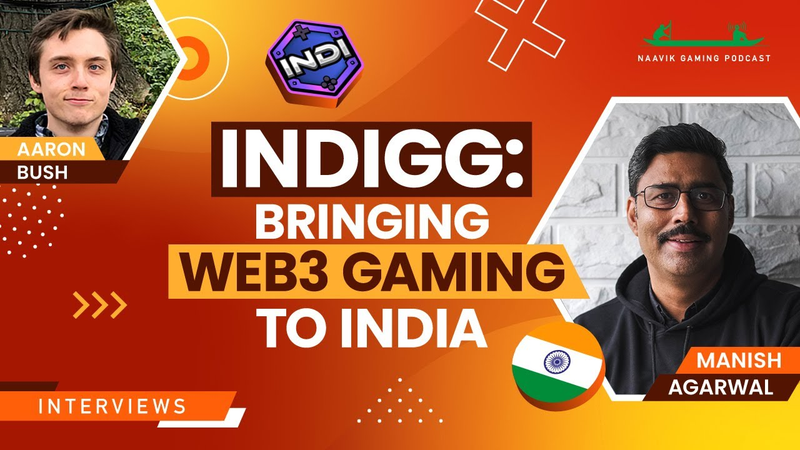
Manish Agarwal: India x Web3 Gaming
Key insights
6 takeaways- 01India’s gaming market, supported by a base of 500 million gamers, is evolving into a digital goods factory that connects global developers with local players through decentralized distribution networks.
- 02The Indian gaming industry is shifting from extractive play-to-earn models toward a 'Web 2.5' approach that prioritizes engaging gameplay and progression before integrating asset ownership.
- 03Developers are focusing on treating in-game spending as a long-term investment for players to foster genuine retention and sustainable ecosystem growth.
- 04Platforms are implementing quest-based economies that allow gamers to act as micro-entrepreneurs by performing tasks like quality assurance, tournament hosting, and user acquisition in exchange for economic rewards.
- 05Success in the Indian Web3 gaming sector is now measured by the growth of unique monthly earners rather than speculative participation or short-term asset volatility.
- 06The industry is transitioning toward decentralized autonomous organizations (DAOs) to improve transparency and community governance while simplifying mobile-based onboarding for users.
Ask AI about this video
Transcript
foreign [Music] gaming podcast where it is our mission to explore the business and future of video games we bring together the industry's brightest Builders investors and thinkers to keep a full sun current events dissect emerging Trends and games share Lessons Learned and have a great time this podcast is also part of novik's growing ecosystem which ranges from free and premium research to Consulting and advisory services for more information visit www.navic.com now let's jump into the episode hi everyone I'm your host Aaron Bush and I'm delighted to be joined by Manish agrawal founder of NDG which is a leading india-focused web 3 gaming guild Manish welcome to the podcast thanks Aaron lovely speaking to you look forward yeah I think it's going to be a fun conversation today because today in this
episode we're going to discuss how guilds are rapidly evolving the web 3 opportunity in India manisha's vision for NDG how guilds partner with both players and game companies and much more but let's go ahead and start with an introduction Manish can you tell us a bit about your previous role as CEO of nazara Technologies and then why you decided to leave that for NDG Aaron no I would love to this tell you that why did I decide because um I am I have a curiosity of a kid and um I get bored so when I have to do more and more of the same things I need some new toys new problems to solve and that's what I've been doing in last 20 years um five seven years spend look at a multi-dimensional problems and then solve them it was an amazing opportunity to work
with everyone in nazara especially the nazara founder nitesh I'll be working like a twin engine for eight years we took company public and it's been in it was an amazing fulfilling journey of being the only listed gaming company in India and uh after that frankly I was getting hugely uh envious of people of my friends globally who were in webto gaming now were moving in battery they were talking about how the fundamental blockchain can disrupt and I was kind of really running on treadmill from one quarter to another quarter and as a particular State Company CEO and I said Hey listen I need to kind of really get down in the trenches as a builder again and and kind of really get to some more butterflies in my stomach and that's why I'm here awesome uh yeah great to hear and being bored is often a much better reason than
people might think to move around so that's that's kind of that's fun to hear um I guess maybe let's also set the foundation on what NDG is for those who might be less familiar so I guess could you just describe what NDG looks like today and what its mission is so in dgg we when I spoke with Gabby and Sandeep or Sandeep a polygon gave you up IGG uh my only submission was that the guilt as it defined in 2020-21 maybe 22. that model this is a broken model and that model is something which has its own nuances and baggage that's why I don't even like to call ourselves a guild we are truly a Dao uh in in in its true steady state we would be a Gamers Nation Gamers Nation
from Emerging Market which are running its own organization in one country and they will have their own governance they will have their own voting and that's why it's a decentralized organization which I am imagining um I I see myself and my team today as the Catalyst to achieve that steady state as a custodian of this Gamers community and that's how we are envisaging and envisioning and closer home I will feel very fulfilled if he can really create a 10 million earners in India alone from the global gaming uh Publishers developers and if Indian Gamers could really become uh and party in making India the digital Goods Factory for the global games given that gaming is going to really create huge amount of uh asset creators the Pepsi gaming is all about ownership of those assets and with the 500 million plus
Gamers who have disposable time and skill we believe that India and other Emerging Markets could become a digital Goods Factory for the global games that's really interesting I want to go back to something you said towards the beginning of that answer which was that um I mean you don't view yourself really as a guild more as a Dao and you you came in recognizing that part of the early Guild system was broken you were saying um what what was broken and what what have you been trying to to fix there so Aaron I think all of us who have been in gaming for more than a decade and who have seen freemium growing we understand that you need to get a lot of users in the game funnel and then really create certain hooks which can lead to progression engagement retention and then monetization if your
whole business model is dependent on a front wave wall which in form of nft you want people to buy and then play and you are kind of really hoping to make quick work as a game developer or a publisher what you are missing out that if that nft is a publicly listed nft and if the prices go up the the friction for the new users to get into the game is too high and the new users will not come and if users don't come there is no demand and then the price of that listed will go down and your existing users will also leave so you can't really build a business model on a very short term uh initial paywall revenue and if that game design is not working Guild model which was based to be a a capital provider or a or an investor model in which you will kind of buy those nfts at cheap price give it to the community they may and from renting but
you will run we will make money from speculative earning that model will be broken because what you are building on is on a foundation which was weak uh so from a very simple perspective uh the what I truly believe the freemium way of game will continue to happen at certain juncture in the game progression you will introduce asset ownership and then you will introduce further the the marketplaces within the game for people to exchange those assets and that's how I call it web 2.5 and that's I've been saying in since 2021 in bull market people like me were not heard in a Winter Market there is some more resonance right um so I mean at novik we have argued that um clearly many of the early so-called play to earn games were unsustainable to begin with just in terms of how their economies were structured right because of many of the reasons that you just laid out
um and typically whenever you build another business on top of a business that is unsustainable that business is also going to be unsustainable too and we've seen that right a lot of guilds have been forced to evolve many are struggling many are going out of business and everyone else is trying to figure out you know what is the step forward to survival are the guilts of the future going to look anything like the Guilds of the past and so I thought it was interesting that you know you were in in saying your vision for NDG to really become a digital Factory um for the world in a lot of sense I just kind of want to tie that into another question which is um like what is your vision for play to earn in the future like like what is the sustainable model that makes sense if we even want to continue using that phrasing and then how does your vision for NDG to become you know like a
digital asset Factory fit into that vision of place earn so Aaron if you look at it any economy whether it's a virtual economy of a game or if it's a real world economy if it is net extractive in nature that economy is not going to really work as simple as that it's right if I'm in the game just to kind of extract from within the game then who's paying and if the game has to pay means investor have to pay and then the music will stop someday so that that model is not a circular economy model and it can't work in a real life in a country if India were to kind of really say all Indians are not paying taxes but they are just taking from the coffers of government a social security and there is no tax which government can really get from the economic activity which is happening how many governments Will Survive so it's the same thing so my view is that there has to be a subtler loop the in freemium we have a beautiful model we have roughly around 900 billion
dollar business which is happening on people wanting to really pay in the game for assets they want to pay for either competitive or for progression or for collaborative multiple psychological reasons they pay uh today the only thing is they don't own assets uh tomorrow they can own assets but the psychological Frameworks don't change now parent may be hugely skilled he has a time he can create a good some good manufacturer is not a developer good manufacturer is iron and Manish whom would love to kind of really get that large ammo box in an FPS may not have patience to grind or does not want to kind of really do it he may kind of Grant it from you and then he can really build on top of it whatever he needs to do it so in my opinion the basic principles don't change and I believe that the three things the more number of transactions the frequency of transactions of and the size of Revenue per thing will change because when you
look at ownership then your mind is looking at investment versus an expense today which is happening so this shift from an expense to investment is what will increase the overall economy in the game and hence even if the developers take rate goes down the developer would be net net more beneficial and the community will make money so that's what I believe and that's what uh the game design needs to First have fun there needs to have light progression hook what we used to say when we used to design games in 2012-13 when the freemium really started it's easy to pick up in place see it's seemingly easy to master but difficult to master and that game design principle doesn't change all you are saying is the role of the game developer is to kind of really create those infrastructure for workshop for people to build on it rather than building itself so that's my that's my thinking and that's why I said that if you're creating a Bookshop infrastructure there are millions of
Indians who really have time and skill to create new designs to create new assets and if those assets are with me belong to me and the key operating principle here is interoperability and that's the something which I keep harping that for this Vision to really fulfill interoperability across chains across games will happen otherwise you will end up having new sort of ecosystems and use new sort of landlords that interoperability has to be really built otherwise this is this this is between will remain on pipe dream of of really having an asset ownership which is truly yours um otherwise we all know the platforms like Facebook well fiduciary platforms became owners and if if the chains will replace uh Facebooks and Googles and apples that's what is going to happen if you don't really create interoperability right yeah that's really interesting um an interoperability of course is a is a big ask that's really complicated that's going to take time to to play out
but I know we see a lot of a lot of teams both on the infrastructure side and on the the gaming side start to take some initial steps in that direction um a couple questions more about NDG before we we kind of shift to some other topics the first off is I'm curious how all of what you just said um like practically manifest itself in a business model and if that business model is really showing yet or if you need more time for what you just said to play out for a an entity like Indie GG to to Really find its stride so what is the the business model of NDG today and are you thinking that that's going to change I suppose what we have looked at and done is we we are saying here what do we what do we have in a gamer fundamentally a disposable time
and a disposable skill today the Disposable time and disposable skill has no meaning in terms of economic benefit they come and play the game data is either captured by centralized ad exchanges or by the Publishers and when a developer is today spending anywhere between it's a 40 billion dollar expense which gaming companies do on consumer acquisition retention Esports Community all of that but that money is going to centralize companies and satellites platforms where it's not coming to a gamer our view is that one the old model was assets and earning from assets and ending from assets and that's where you will create Gamers we are saying that that is going to take time the quality of games needs to really really have those many Hooks and that would change over 18 24 36 months so it's not there today uh it will evolve in the time period how do we really leverage the need of a game developer publisher and a gamer what you
are doing is you are saying that Hey listen you have multiple things in which you want to do with the community you may want to really have Clan sheets you may need to have Community managers you may want to have people who are really player liquidity uh you might want to have tournament host you might want to have influencer streamers you might want to have 3D testers so these are all the things which you are really kind of spending money instead of giving to the companies why don't you really give it to the gamers which understand your genre and we can give you a cohort of FPS RDS SMG ccg whatever and these guys are already The Gamers which understand they love to discover new games while they are playing games they are having fun if they can do the quests which you are giving uh then they can make money so we are saying that while the earning from within the game economy may take time but outside the game economy there is a need which every game developer small or big has and there is a community which can really fulfill that
need why don't we create a direct connection between game developer and gamer for them to really create economic value which directly goes to economic value for the gamer directly funded by the gamecub network gotcha um that's the model which is kind of really working well to answer your second question uh it's not something which is thesis we have roughly around 15 odd games uh which are uh in January which have really attracted to the community directly uh we created 14 000 unique people which earned from these game developers uh we delivered roughly around 26 000 quests which the community did um so so it's already kind of a motion uh things in motion and we are getting more and more game developers excited now why are they excited I think that's a simple question when you start when you pay to a Facebook or Google you pay it for the top of the funnel the the progression risk is yours
um here in the quest you can design that uh I will give you for level 1 level 5 level 10 level 20 level 30 level 50 1100 and for each level if you complete now as you move as anybody who has done gaming understand as you grind up you just can't grind up by by putting time you need to have time and skill you need to start really knowing the game and that's why it's not that you are only at you are you are getting mercenaries but you are getting Gamers of that genre who are skill because then only they can really progress deep into the game and they can make fun and that's what The Gamers game developers are really liking it right uh yeah that's really interesting um one one final question before we we switch gears a little bit is I'm just curious what does it mean to be a member of Indie GG if you're part of the community if you're part of the Dao um what are you doing like like what are you doing what does that experience look like how do you interact with each other
so there's a very interesting model which we have followed in uh in years of age thriving micro Community culture you have games Club in colleges you have gaming cafes you have streamers who are really having their own micro community and these micro communities hang together they play tournaments they play land games they really do that and each of these micro Community has some kind of a clan Chief or leader and so what we are doing is we are kind of really attracting these Clan Chiefs we are saying that Hey listen this is a new Gamers Nation being built you can be the guys who are building this and you will have economic benefit you will have power and you will have Fame because these are the three drivers of human behavior earning power Fame so these Clan Chiefs are then kind of working with their Community to do so for an indie GG gamer it means that you can get access to quests access to tournaments access to indeed physical meetings and
that really creates a sense of belongingness sense of drive and that's what we are really driving and you are kind of really oscillating between the all aspects of Maslow when you are part of a micro combinator gotcha um and I want to to double click into the the India part of this and just talk about the focus on India um I guess first of all is there anything unique about the web 3 gaming opportunity in India compared to other parts of the world that listeners should know about so there are two aspects of India and why it is an unfair Advantage for an entrepreneur like me sitting in India it is the 500 million gamer base um spending 22 to 27 minutes per day and if you were to further kind of go second level you have 100 to 150 million multiplayer Gamers which are spending 60 to 90 minutes a day and they already have their teams and there they
already have Micro communities and clients and all that structure in place so for us any slice and dice you do of any pivot you'll still line up a large cohort which is attractive for a global game developer of that size so I think that's that's really the advantage which we have and that's why this could be the world's digital Factory because you have so much of cumulative time there but however what one needs to be very very cognizant of that in India there is a consumer behavior of let's say the biggest friction is that if you want to get 10 million people on chain you can't get them on metamask you need to simplify the onboarding friction and the dominant behavior is a mobile number OTP verification so that's what at ndag we have built our wallet which is just a pure mobile number OTP verification the second thing is the statutory conditions in India make it make the the crypto assets ownership somewhere people get scared and they
really don't want to kind of really own that and that's what again off-ramping conversion is what we are solving as an MDG so both on ramping as well as off ramping of of earnings is what we are really working together so that we can get more and more webto Gamers on web3 and then create huge amount of player liquidity for chains and games which are on those chains and that's why we are releasing a lot of chains working with us because that's where the mass adoption of web3 can be repeated interesting that's that's really well said um maybe to to um connect this to a structure related question why was NDG set up initially as a sub-dial of of yd ygg I'm curious like what what does this structure unlock for you and being able to to better tackle the Indian market
so Erin there is a history to it um Sandeep of polygon and ytg Gabby of IGG they really kind of thought that they should look at India as a great market and they should kind of really do that and this is uh 21 uh September time frame and that's when these guys were kind of really looking at how to do what to do and Sandeep is a close friend and we we discussed about it and their whole thing was that ygg model is working because it was a beautiful time period of of that and let's quickly learn something about indieg and leverage the the the familiarity of the of the people around the guild model rather than try to create a new model while people like me had reservations but we kind of really know and this is not something which I was kind of leading it and I was working with nazara and looking at my own Masada business but I
was working closely with Sandeep and and Gabby on this particular aspect uh I think by March April when the whole actually Infinity started coming down of 22 and then everybody was clear and it became clear that ygt model as I mentioned will not be the most optimal model and hence IGG NDG model is not an optimal model and by the time I'd kind of really Built My Own thesis which is a thesis I just articulated and I shared this with Sandeep and Gabi and I told them that this is my thesis on Way Forward of gaming Dows and communities and that's how we should really look at and I'm very keen to kind of really take it forward as an independent venture and uh given the relationship they said listen it's such a nascent space it's still evolving why don't we just work together rather than really you creating something new and for me uh my my belief is that uh Partnerships Goodwills are great way to kind of really build businesses and indieg was already kind
of there and that's how I what I've done is I've raised money separately and then I've acquired a dgg brand uh so that it really kind of fits in and we continue to have the Goodwill of the vector ecosystem and in BGG brand but build completely into thesis so practically if you see it it is not a sub down or by GG ygg has really built a beautiful network of Gamers across the world they have amazing capability and access to reach two Global games Global chains and that is something which is invaluable and Priceless and that's what we really dip into there is a beautiful sharing of ideas which happen this thesis is what Gabby loves and we are building a productive stack and what we call NDT stack and maybe that stack would be of use to ygg and other family members so it's good to be part of your family which is David passionate about communities but I think
that's where it is this the sub-dial thing is not something which we are really carrying it forward gotcha um I'm curious what you've learned about working in a dow structure which I imagine is very different from your your previous role where you were you know CEO of a publicly traded business um to you know now as we were we were briefly talking before recording you don't have cname titles um you know you have a very like Community First um ethos to how um you know being stewards for assets and the in the community um and so I'm curious just based on how different it is like what have you learned going from one world to to now this one I don't I think the first and foremost is that your mental framework has and that's what I was telling you before the call that you are the custodian of the community and at this juncture you are doing the heavy lifting of of of
building the foundation building the right springboards so that the Playbook can really evolve and and you are kind of also putting together the right team members right Community uh initial Believers in the community so that they become your spine and and then your spine is stronger it can grow I think that's fundamentally it's uh we don't own any equity in the company I think that's the first big thing like when you come from a public estate company you own investors own Equity you own Equity you you do that here there is no equity which I own yeah my my if if the community really gets creates wealth the investor will create wealth I'll create wealth right so I think that's the fundamental thing which we have put together that there is no corporate of interest in anybody's value creation across the chain um the second thing is constantly working with Community uh whether it's
about your design of your Esports IP Championship logo or working about new content ideas it's such beautiful experience you just put out to the community and then the communities daily picks it up in fact as we speak uh some of the community members wanted to work on our website design they settle simply want to revamp it go ahead do it so some of those things is what we are kind of really I'm learning and actually it's it's it's more freedom I'm feeling right because the degrees of freedom the the the ability to experiment without really worrying about the in the stakeholders which are closed or stakeholders is not there so I think a lot more transparency is what we are really I'm enjoying personally yeah that sounds great um I yeah being able to work with the community and have that Turbo Charge many many elements of your business versus you know being at an arm's length
and more of a corporation setting um that is a really cool unlock I think I think just one more point on that uh yeah yeah since you're working with community so closely uh your feedback loops are much faster that much as I and and your ability to kind of respond do things course correct or accelerate is much much much much faster and I think that's where I am coming from web 2 to web 3 when I was in webto I used to read and hear that a week is a year in web 3 and now I'm understanding why it is a week is a year because your community feedback and Loops are much faster gotcha I'm curious if there are any drawbacks that you've been experiencing in this Dow structure because you obviously get the benefits but given it's a completely new structure are there any challenges that you're you're trying to work through that you didn't anticipate or maybe that you did and I think one of the thing which I am very clear is that when you are building
you need agility and the decision making if you were to make it completely decentralized will paralyze you in all aspects so what you need to be clear is that it's a progressive decentralization it is not a full hundred percent decentralization and as long as that concept is clear that there are certain items which you will kind of put to the community certain items you will take actions whether your internal community of your community teams and certainly you will just kind of take it and run with it so those kind of decentral um uh the progressive decentralization is important otherwise there are so many unknowns and knowns in this space that you will not be able to tackle with them in a fully decentralized structure right that makes a lot of sense let's go ahead and and shift gears and talk about games some which is of course the backbone of uh much of this entire business um and you know one striking thing that I've quickly picked up on when when studying NDG and looking at all of the
the the orgs news flow is how many Partnerships you have struck over the past year um I'm curious Manish what do you typically aim for these Partnerships to look like and what are you hoping that they accomplish for in dgg so the good thing is that we have we are setting in a market which everybody is excited about um large Market uh high growth Market even in webto so we don't have to really kind of go and tell people why why India and the second thing is our team is a pretty kind of bunch of Kick-Ass guys who who have great relationship with multiple blockchains and game developers so our ability to kind of really have meaningful conversation and dialogue is good the third thing is we have built a lot of
programs which we are really working with global game developers just to help them on community feedback like one of our programmers we have from Community very strong testing team of 15 20 people which have structured feedback and they give it to different different games and that really kind of creates a very very kind of a feedback loop for the game developers which they love it because it's an invaluable feedback which they're getting without any encourage of cost or any kind of time so for us these kind of initiatives are helped in building relationships we have as of January 106 Partnerships with different games out of that maybe 40 44 have been live in Alpha Beta or launched and that we are working with these guys to kind of really figure out uh what do they need from the community for their life stage at which they are and different game studios at different live stage would have different needs and that's how we really work with them as a bridge
between the community and these game developers so that we can bring them the curated cohort and the right set of quests which the community and the game developer really needs so from our perspective we've really really are very bullish about the both the quality of games which are coming and the great teams which are working in next 12 to 18 months one thing which I have noticed and which to your earlier question what has been something which has been learning is that I come and last 11 12 years I've spent on mobile first mobile thinking uh and maybe the game pipeline of next 12 to 18 months or 24 months is more PC that mobile but the beauty of our Market is that it's such a large PC gaming Market also that we would be able to offer right cohorts to the game developers interesting I'm also curious how these Partnerships have changed over time so
for example I've I've noticed that you know obviously in the early Guild days it was treated very much as an investment where these guilds would you know they had a lot of money that was that was raised or earned from these play to earned games and they use that money to then you know buy tons of assets um invest in in games companies and of course part of the reason for that was to earn yield on those assets by giving them to community members a lot of that didn't work some of it was also just through owning you know nfts in games that weren't let yet live yet or land that wasn't yet live um and that asset allocation you know proved to be problematic um and so I I imagine most guilds have have changed course from from operating in that way but I'm curious how NDG how you've kind of viewed your asset allocation and how that has evolved over
the past year as the industry evolved is it mainly Partnerships do you invest I'm just curious if you could break that down a bit more for us you were absolute right there was a phase of last two years where every kid was acting as an investor whether in Native tokens or nfts or both and then depending upon the treasury functions you will kind of really generating your income I think that model uh has really gone right I am everybody is kind of really become more prudent in their Investments more conscious about their cash reserves and also really very very critical in their evaluation of what kind of games and what kind of game tips at NDG we changed it last six months back we stopped any investment uh because Visa said that you need to First Look at a very strong IC investment process driven by an IC and we are going
to really Drive our investment into very selective teams and also fitment of those teams with Indian Gamers and Indian market because we are not a financial investor we are a operating company which is looking at investing into games for the Strategic benefits and advantages right and just Financial gains so I think that has been a very very fundamental shift since August I started looking at into into into ddg and figuring it out uh from a perspective of how does a partnership look like as I mentioned our partnership today is more about uh what does the game developer needs does it need a player liquidity does it need a retention engagement through tournaments does it needs a huge awareness or does it need a Discord Community or does it need a huge amount of influencers so this is a very very simple discussion on game developers that what do you need from the community and can I can we be your help to build that Community locally in India so we are not really
focusing so much on the assets the games which are good which are which we really believe have a potential for assets and owning those assets we will be happy to invest we'll con we will we are looking and investing on them or games which are really giving those nfts to our Gamers going Gaming Community against their time and skill we are accepting that but with a lot of caution because we are the custodian of the gamers earnings and our Gamers community and we do not want them to really get burnt so that's our approach has been understood I'm also curious um what you now look for in these games I mean obviously team is important being aligned on on Mission and what you can bring to the table and opening up serving those developers as you were saying and opening up the Indian market to them that's important but I'm curious about like the actual game itself
um what you as an organization are now looking at or if you've narrowed in on any zones that you're particularly excited about so if you look at it there are there are two ways to look at it one is the game genre and for us what are the big game genres which Indians love let's confined let's first look at them whether it's a first person shooter whether it's a MOBA whether it's a real-time strategy game whether it's a racing game or whether it's a hyper casual game or a skill game so these are the 5056 categories which which Indian Gamers love uh where is the potential for these Gamers to ultimately become pairs so that ultimately the game can really benefit from Indian Gamers and store players so that's one criteria second criteria which is the most important criteria is is the game fun to play does the game have certain amount of progression and that's what our team really kind of plays and that's where the community
comes into picture the Dow comes into picture because now we have 1100 1300 people who kind of really play these games and they can really tell us why quickly that they would like to play it again or not so for us the community feedback is the feedback which you decide which game to take and which game not to take if the game is really kind of community is not excited uh then we kind of politely tell the game that this is the feedback which you've received from the game Gaming Community and we'd like to respectfully pass on it okay cool yeah it's so interesting to see how how rapidly the the type of game has shifted over the past year which I imagine makes it a pretty challenging um Opera like it's just a challenging space to to operate in to try to figure out um uh you know what what are the right economic structures what are the right you know game designs that kind of fit
into these forms of economies and like how does that fit for for your specific Market um just all of the changes going on um so rapidly I imagine it makes it tough I'm curious how have you um internally how do you try to keep on top of the the rapidly changing environment to help make good decisions around this I think the good thing in our business is we are a distribution platform if you were to kind of abstract out we are a distribution platform which is kind of really giving Global game developers access to Indian gamer community so for us um any further evaluation which is towards benefit of Gamers which is towards fun of Gamers which is towards engagement of community is a welcome thing and the process which I described are Endeavor is to find such games constantly because the more such games come the better the larger the community gets engaged and becomes large and we
can really keep building distribution dates so for us this is something is an evolution the pace of evolution is exciting because the faster it happens the better it is for us um so that's where we are and that's one of the reason why uh we are very clear that we are not a game developer we are not only developing game uh there are thousands of people better than us who are building games across the world let's kind of really give them uh amazing set of cohorts for them to access um makes sense um let's go ahead and shift towards our our wrap-up questions here um and my my first one which is sort of a final question about NDG is just as you look over the next couple years what do you what do you drill down into as like your top two or three objectives like what are what are like the very top guiding forces that you're looking to
navigate the future and then uh in the beginning of the conversation I said I like multi-dimensional problems right uh if you look at it this is not this is not a you know Venture just to kind of overnight Colliers of unicorn and be happy that's I think I've done this and I've I've led a company which had Peak was 1.2 billion dollars value so that's not something which is super super bucket list item for me what is important is that if we can really create social impact in Emerging Markets starting with India uh today the largest organizations which in India are kind of employing 1.2 1.3 million people if we could really kind of make a 10x or nurse from this when Dao and we can create fifty five hundred thousand micro entrepreneurs from this town I think that is something which would be an amazing outcome in five years which I
would be very very excited about so for us the North Star metrics is the unique earners per month and that's what we are kind of really going towards and we believe that the it's it's not something which is by in the sky up even just a four or five percent market share of current spreads of gaming companies if you are able to kind of give it to the gamers this number would happen very cool so that's that's something which is which is the core purpose for us to for me to write this thesis and and really kind of jump into it uh second thing is for this to Really Happen the enabling policy policy framework uh needs to really kind of improve in India today of clarity around virtual digital assets how does really kind of uh virtual traditional assets are different than the cryptocurrencies they are they're equilibriative and they
are they are they are not speculative or not have only speculative role that kind of a thing which I would love to kind of build this ecosystem and policy initiatives take three five seven years so you need to have patience and perseverance so to me solving that is an input to be able to achieve this vision of social outcome and creating so much of employment I think the third piece is I believe now with this kind of Market in India market growing a huge amount of in next three five seven years what happened to China and the content created for China was very domestic it was based on domestic themes I believe India with its amazing culture will have those kind of content but not today maybe five years but that's all by that time we should have amazing amount of community which is penetrated into small towns and we could support the local developer ecosystem to create amazing world of games and then
with the power of the domestic Market they could really become Global gaming companies awesome well I could talk about the details even more on all of this these these areas all day but we unfortunately do need to wrap up and so my final question to you Manish is that if anyone wants to follow you and follow and learn more about NDG where should they go md.ggr website and my Twitter handle is Manish teaser d-i-e-s-e-l great awesome well Manish it was an absolute pleasure talking with you today and learning um from you about all things um gaming web 3 and India uh really excited to see how both that entire side of the market as well as NDG specifically play out so so best of luck as you go and build out this future and thanks for
joining the novice gaming podcast thanks Aaron and I would love to have you in India very soon so that you can see all of this in action that'd be super fun um well until thenish thanks for joining if you enjoyed today's episode whether on YouTube or your favorite podcast app make sure to like subscribe comment or give a five star review and if you want to reach out or provide feedback shoot us a note at podcast navic dot Co or find us on Twitter and Linkedin plus if you want to learn more about what novik has to offer make sure to check out our website www.navik.com there you can sign up for the number one games industry newsletter navic digest level up your insights with our premium research platform novik Pro or contact us to learn about our wide-ranging Consulting and advisory Services again that is www.navic.com thanks for listening and we'll catch you in the next episode
Summary
The Indian Web3 gaming landscape is undergoing a fundamental shift, moving away from the unsustainable, extractive play-to-earn models that previously dominated the sector. The core thesis posits that long-term viability requires a Web 2.5 approach, where developers prioritize engaging gameplay loops and player progression before integrating asset ownership. By treating in-game spending as an investment rather than a sunk cost, the industry can transition toward sustainable, fun-first ecosystems that foster genuine player retention rather than speculative participation.
India serves as a critical hub for this evolution, leveraging a massive base of 500 million gamers to create a digital goods factory. Platforms are increasingly functioning as decentralized distribution networks that connect global developers directly with Indian players. Through quest-based economies, these platforms allow developers to outsource community tasks—such as quality assurance, tournament hosting, and user acquisition—to skilled gamers. This model empowers players to act as micro-entrepreneurs, earning direct economic rewards for their contributions while providing developers with essential liquidity and feedback.
The organizational structure supporting this ecosystem is also evolving, with a transition toward decentralized autonomous organizations that prioritize transparency and community governance. By simplifying mobile-based onboarding and navigating complex digital asset policy frameworks, these entities aim to bridge the gap between global gaming innovation and the local market. The ultimate objective is to cultivate a robust domestic development ecosystem in India, with success measured by the growth of unique monthly earners. This strategic pivot reflects a broader industry maturation, emphasizing social impact and long-term economic stability over the short-term volatility that characterized the early stages of blockchain gaming.











Comments