1 free read left. Create a free account for unlimited reading + AI research.
Create free account
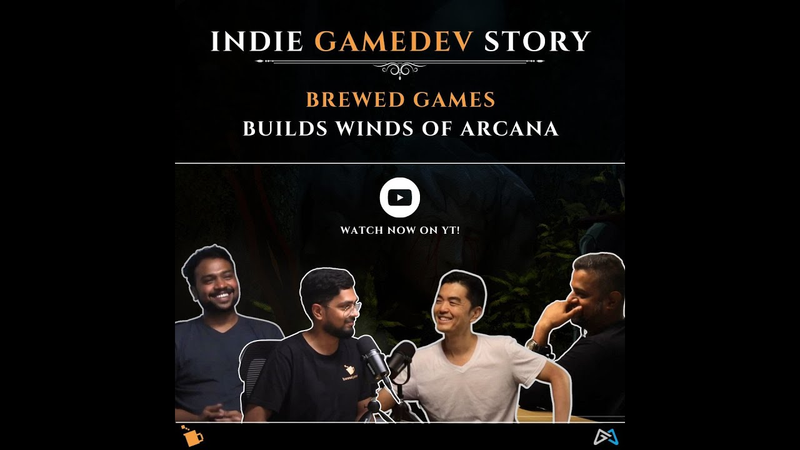
GameDev Story: Brewed Games builds a Souls-like Action RPG game Winds of Arcana for PC
Key insights
6 takeaways- 01Bangalore-based Brewed Games is developing 'Winds of Arcana: Ruination,' a 2.5D souls-like action platformer for PC, with a target launch date in early 2024.
- 02Brewed Games is intentionally shifting the focus of the Indian game development landscape away from casual mobile titles toward high-fidelity, premium-tier PC and console experiences.
- 03The eight-person studio secured pre-seed funding from Ventana Ventures to transition from self-funded bootstrapping to a structured production environment.
- 04The game features a 'Rune Shard' combat system and is designed to provide over 20 hours of gameplay with full voice acting and a narrative-heavy world.
- 05To overcome regional talent and mentorship gaps, the studio has optimized internal workflows to produce fully animated 3D assets in seven-day cycles.
- 06The studio is utilizing a vertical slice demo on Steam to incorporate player feedback into their iterative development process before the final release.
Ask AI about this video
Transcript
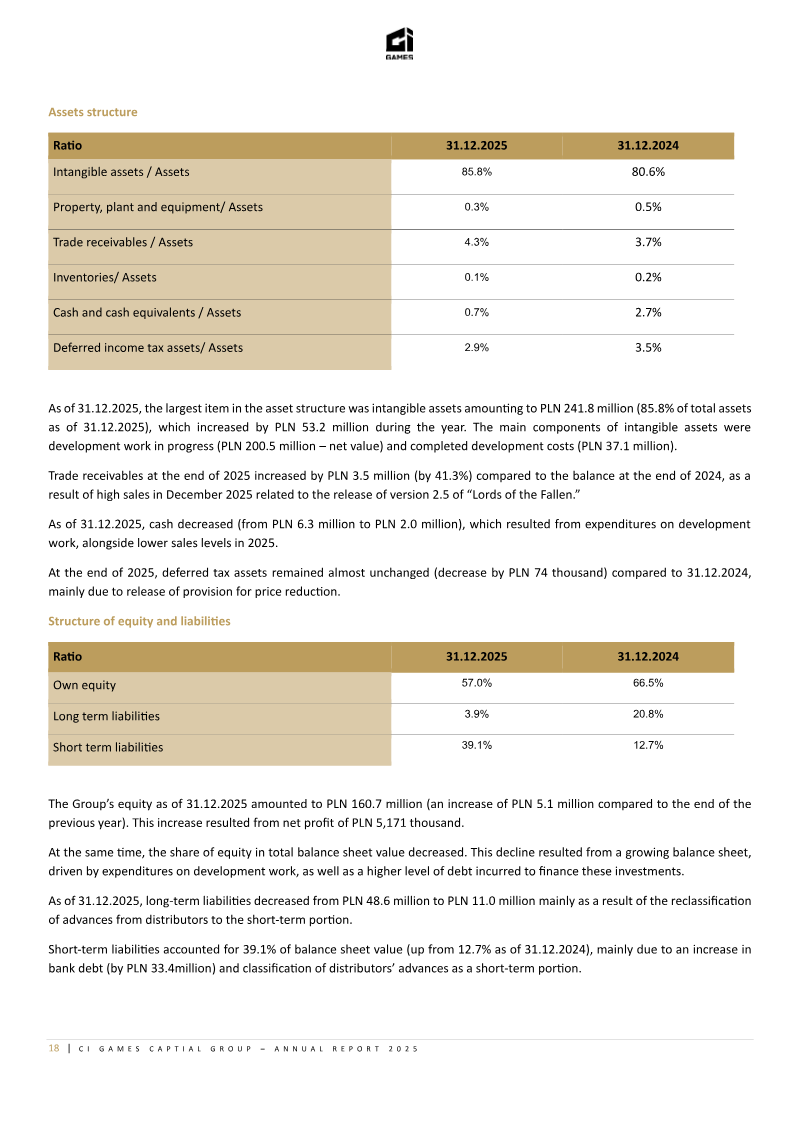
hello and welcome today I'm here with the three co-founders of brood games brood games has recently launched a souls-like action platformer game on Steam called Winds of Arcana ruination today we speak with the founders about one the history and origin of their game Studio secondly the challenges of building an indie game Studio out of India and third more about their game Winds of Arcana and the launch of their game [Music] welcome guys so I thought we could go ahead and jump right in and have you guys talk a little bit more about who is brood games and more about this game wins of Arcana ruination uh yeah happy to do so thank you for having us firstly um I'm Mahesh and uh we also have here Prashant and yashasvi uh we're three co-founders of four co-founders of root games and uh we're in Indie gaming
studio set up in Bangalore India we're an eight person team and we're currently working on our very first PC game uh called wins of Arcana ruination it's a 2.5 D so it's like action platformer uh it's out on Steam right now the demo is out and uh it's really fun and really difficult that's great to hear and maybe even just talking more about the origin of this game if we can kind of back up and have you guys talk about how did the game originate in terms of the idea how did you guys kind of come together and build the team it'd be great to hear more about that so it really uh the story is quite uh I mean it's quite a long story but I'll just keep it brief so me and Prashant we've been working together for 13 years or more and I'm not sure exactly but we started in a company called latman software before that I mean we just by happenstance we joined
this institute called Asian Institute of Design which is a it used to be called as Asian Institute of gaming and animation in Bangalore so there we uh we did game art uh course on Kmart so we became friends and we started working together in a company called admin software uh that was not a gaming studio but the the reason we joined like all of our colleagues were in a working in gaming Studios but I mean they joined gaming Studios but we wanted to join there because that was a company run by one person was only one of the only few people who had built a game engine made his own games and he's been doing for 25 years now so we wanted to be part of the journey so we thought okay his uh I mean the idea was you know we'll try to make something that will generate Revenue then make a game uh so Prashant worked there for I guess
three and a half years I worked there for six years then we moved on to a different company and again spent a couple of years and again we worked together in the same company then at the end of it uh three we always wanted to make games but we never really got that opportunity because we had already been in this panel industry and having worked in a different industry it uses the same Tech essentially but it's not making games right it's very difficult to get into mainstream gaming at that level right either you start fresh or you just don't get in it's very difficult so we found it a little too difficult to join a established Studio because of lack of experience making games and but we barely wanted to make games for a long time over a decade so that was the reason one day we decided hey let's just do it ourselves right this was just after covet I think after the first
wave so we put down our papers and we just all three of us you know not in the best uh you know space I guess where like what are we doing really you know how what projects should we work on where we get a positive reward from completing it because there were so many proof of Concepts or like demos but never we never got the experience of doing something from scratch and something finished that sees the light of day so that was our like our careers were always like they were getting stopped due to factors out of our control right and I think finally one day he got frustrated enough he was like no one is going to give me a job because I've not made a game before so I'll do it no matter how long it takes I'll I'll do it it's fine if you guys are interested you can join me regardless I'm going to make
a game so yeah since a lot of motivation was you wanted to see a private project come to fruition from start to end yeah and you guys have worked together before but what about the other two co-founders and then there you said there were I think there's eight people in the company right yeah so how do the other employees join the company okay uh but I remember this but the third co-founder who is not Mahesh but another one yeah so he also we worked together same 13 years so the same history blah blah blah uh so it was the three of us that initially they put on a table like you know yes my shot already moved on from the previous company he was also working in the same company but here left I think a few months yeah I left a year before you guys left yeah I think so it's working yeah uh so yeah I mean that and when we started it's not about you know starting games today it's just about making a
game no we had no clue what we wanted to do so I just put on our papers like you know we're starting in fact with the making The Ether filmmaker Mastery game yeah so you still have a video of that yeah and we're just discussing about you know what's the easiest thing we can do right it was either have some sort of casual or hyper casual game you started prototyping things you know started playing a lot of mobile games like a lot we are not mobile Gamers uh so we're mostly PC Gamers you know all sorts of PC games so once we got a few ideas I mean we played a lot of games we got a few ideas we started working on then I have this very early then Mahesh happened it's also interesting how he yeah yeah he was like I will do I just heard that these guys are doing this that they're starting a gaming related project yeah since I was five years old okay okay and as soon as I heard about this I'm like just let me do
anything I will write the menu I'll do anything social media posts just let me be a part of this and I just want to be part of this oh that's awesome sounds like there's a lot of cash in here yeah we were in an office slightly smaller than this okay uh room right here okay and when he joined we didn't have space so we literally got uh two feet and it was an end table Yeah and table and that's what he that's where he used to sit yeah awesome you guys are true entrepreneurs yeah we get a lot of folks who will come visit our office Indie developers things like that during some of our meetups and and they'll often ask me how do we get started and so from a you know you have eight people you guys need to I'm sure pay bills pay rent buy food things like that so from a funding perspective can you guys talk about you know did you guys raise any external Capital are you guys just self-funding this out of savings or how did you guys get started from a from the funding like the financial perspective sure uh so I think
just one word of Our advice to anyone out there who's thinking of doing it but don't do it don't do it whatsoever unless you want to like completely sacrifice a lot of things and I'm sure you know uh JK is also experiencing it himself as as of we have been but despite my warning if you still think you if this is what you're meant to do then you know that is what you're meant to do you know there's no one not nothing that can stop you uh I I guess like when we started it we didn't have a lot of savings we did have minimal but I think we were fortunate maybe we were privileged enough that we had families that were quite supportive and understanding yeah that they said fine you know okay you're cut back on your lifestyle and everything but we'll give you enough so that you can at least pay the rent uh and some of that mixed with the savings that we had so I think we were quite fortunate in that regard but uh definitely like it's been what two
and a half years since we started and we still haven't finished our game so there's been no Revenue right I think the first uh 15 to 16 months we were able to manage we thought it's just the four of us we'll build whatever we can we'll do the best we can considering it's just the four of us and once we built the Prototype uh same time last year uh at around March uh we did get some interest from VCS as well okay so we weren't expecting that uh our initial idea was we'll go to Publishers which fits the game or this is going to be like amazing but it's been so many reality checks I think it's great right that's what you want to learn is just don't give up that's the only thing that can make sure you're a success and we'll we're still halfway in that process of just don't give up uh so uh we did finally uh things did progress with one particular VC uh Ventana
ventures in Udupi nice and uh yeah they have gaming Heritage as well but in a different space uh they they have a lot of experience with uh casual games uh cooking games in particular for mobile so they know f2p a lot better and all of that but I think they saw something in us well they gave us their money so they did see some potential that okay you know these guys are going to do it regardless whether this happens or not they're still going to make it so we did get a pre-seed investment from them so that was enough to let us dream more uh get a little bit longer yeah last a little bit longer and that was I think uh really it came at a very important time for us because our savings again you know of course we were going to do it regardless but then we were able to hire four super talented passionate amazing guys so we can cut
that out they don't need it they're also as passionate as us and we've always had a culture saying it doesn't matter how experienced you are or what you've done in the past but if you can make a fair argument right or you can put your ideas forward and it makes sense for the game to be better then you know that's all that matters yeah and I think that's a really important part of developing the Indian game development ecosystem right it's just investors and we see more money flowing into India I think people see the opportunity and not just in terms of the Indian market but in terms of the ecosystem the people the Developers that's that's awesome to hear that you guys were able to raise some money and to you know scale up and get you guys past the finish line one question I wanted to ask you there's I was looking through your website there was a quote from your website that mentioned video games have played a significant role in shaping us throughout our lives
and what I hear you guys talk about the passion you have and why you want to start the project I I thought about this quote and wondering if you guys could elaborate a little bit more about you know about that so as the person who wrote that line okay I'll just start and then hand it off to you yes um so as I mentioned I've been playing games since I was five years old and the kind of games we play are mostly very story driven uh very immersive very impactful with meaningful themes and stories and sort of just an idea that uh that that there's a driving idea behind those stories and those those always resonated with us and um which is which is shaped the way we think our values in life the way we approach things and uh like and because of which is why we started this when we
started this gaming project we decided it was more of a passion project than a job okay and uh because all of us have our own history with how video games and the stories therein have kind of given us more of a reason to push on and been there during like difficult times it's it's given us joy it has moments of pure sadness rage everything we've I'm sure we've all rage quoted many times properly um the point I'm trying to make is it's uh it has Deep Side emotions within these games and we kind of resonated with that a lot and uh which is why it's kind of helped us become who we are and um it's I think I lose last night um yeah so um
because he has a very interesting story about how video games have influenced him oh well uh I'm quite old I'm nearly 40. okay so yeah similar story meaning uh games have had a huge impact on my life from the very like really early days I mean uh it was a clone of the Nintendo NES that I first experienced real games I don't know what it was it was a knockoff but you couldn't get the NES in India uh I don't even remember the games I just remember how they looked so I don't know the names those had a huge impact then I remember playing uh wolfensta in 3D first time my God that was like insane I couldn't I couldn't understand what is this 3D game it's very interesting early 90s then you know do then Half-Life had
a huge impact the half-life one when it came out then of course we had the warcraft Universe World of Warcraft and all that so those were like the important uh games that I had a huge impact on my uh on my career choice or whatever right yeah the things that I'm really passionate about uh the first and uh I used to play a lot of Counter-Strike uh holidays I used to be part of this uh so we participated in uh events like Words cyber games and uh back then we wanted to do something and a bunch of us right we want to do something uh on the lines of cyber athlete professional league in India I don't know whether it's still exists 90c Sports organization I don't know when it started but uh this was uh
in early 2000 there's 2003 sometime so the bunch of guys here I'm uh I got acquainted to they started this thing called Indian pro league IPL okay so that it didn't last you know very long but I think year year and a half which was a uh uh Esports uh Ventures so I just wanted to be part of it I just wanted to play games all my life I didn't want to do anything else uh so that's where it started but that didn't really work out and there's a gap of many years and after that uh we joined this place called iGo and no from there I I was wondering you know we talked about how there's more investors in India you guys were the beneficiaries of a venture investment I think that um if we look at the Indian game development
ecosystem I I was hoping we could touch upon that a little bit more so you guys are still relatively new kind of building your studio but when you think about the EDM game development ecosystem when you talk to other game developers how would you characterize the current state of game development here and what what do you where do you think the industry is headed or what what would you say you're looking forward to from the Indian game development ecosystem uh right I think uh within India because we skipped a whole generation of technology I think as soon as uh Geo came in and then mobile games and mobile data itself was a lot cheaper everyone could afford it suddenly the Indian population was accessible and I think with casual games and especially with mobile games I think India came in at the right moment and then there's so many like amazing Studios doing stuff for the whole world so they are in sync I suppose with what's going on with the rest of the industry but I think when it
comes to hardcore games that you know the type of games that we're we're trying to build and we're talking about it's still only a handful of companies at least it's better than four or five years ago when I think it was maybe one or two companies that really were trying it's great to see a lot more Studios that we regularly interact with it's amazing to see uh how they're trying to uh find a market and then try to find something new that they can build that will cater to that market yeah and I think in general we have all the access now uh due to the internet and due to you know a lot of people that are coming into the industry who have prior experience but are coming into the Indian industry to kind of help us with capital uh you know that support that attention is definitely coming through perhaps even through regulatory uh systems at a government level things are moving maybe not fast enough to help
someone like us today but I think for the new wave of uh Studios that are going to be formed in the next couple of years they're all going to be at the right place at the right time perhaps we still feel we're a little bit early but I think we got tired of waiting anyway uh we just thought okay fine we have to do it ourselves and I think there are 10 15 other Studios out there also who are like this is more passion driven because there is no guarantee of commercial stability or success but in the off chance that it does happen when well then you know you've kind of created a path for yourself right so I think what we are most looking forward to are these small teams one or two person teams that are you know also I guess optimistic like us and try to build that put the game out there if it fails learn from it if it succeeds build on it and then slowly over time perhaps you know maybe in five
to ten years we'll see in our studios here who also figure out because there's a very unique proposition I think I'm making Indian themed content because we couldn't wrap our head around how that would how can you take an international type of experience and then add it like you you have to um like you know mix it with the right Synergy so it shows up well but I'm sure there are other Studios out there that are trying to figure it out and we're definitely curious to see how that goes uh so I think there are some really cool interesting things that people are trying in India uh it's all headed in the right direction absolutely I think that is the great part I don't think there has ever been a time before where Indian Gamers were playing so many games from the world like around the world so it's great to see and hopefully you know there are more Studios that make games that people here can play and maybe if you would have like characterize more specifically when you think about an
Indian game development Studio in terms of specific challenges for for you as an Indian game developer and maybe also some of the the challenges and the strengths right and we were kind of talking before we started recording about how some of the Dust developers actually both they'll jump to like the us or Canada or whatever but it's and so like sometimes it's like retaining critical talent but from your perspective when it comes to this specific again challenges of Indian game development studio and then the strengths or what you would be looking forward to could you guys talk a little bit more about that uh sure I think uh Talent is one yes it's really difficult to find uh Talent especially if you are in Hindu Studio who's bootstrapped because you need a lot of money to hire good talent it's a non-problem so especially for us we have to make sure we fill the gaps first
and not yeah and we can't it is uh certain things like you know we need additional help with certain resource we can't do that unless you have more funding so we will we just we are trying to fill in the gaps that's what we're trying to do initial because even now even with funding it's limited funding it's not a lot sure so that is one funding and I think talent pool I think are the biggest uh issues that I see you know when you're trying to start a studio here uh then again there are the certain things which are good because you know you can have a really passionate talented people who will come in uh you know for a lesser pay check because they're really passionate they want to get they want they have the same uh passion as you or you want they want to make the same sorts of games so they will not look elsewhere they'll come in
and they'll you know be the driving force alongside you so that's a good part so I think the four employees that we have have that dream real passion right that that gives you that energy even though we're here for so many years this new energy that comes in kind of boosts and pushes the game a lot further I think yeah I think those are two main challenges I think the other challenge is the chicken or the egg problem is uh if we if there were studios in India that were making hardcore games perhaps people like us would have gotten a job worked there for a while and then we're like oh this is what it takes right to make a game for the world the depth of the systems uh how good does it have to be to succeed at that level yeah I I think you make a strong point I mean I think that's one of the challenges I faced as well with our studio is that some people join and they think they know what good is but you know I'm an old guy I've been
publishing I've visited 40 Studios at the minimum around the world so I kind of know what good looks like to be world class but I do think like more of that understanding of is how I'm doing things good enough or not I think that knowledge is not yet here but hopefully it can get here but um Esh did you have any thoughts um no uh apart from the fact that uh yeah it's um growing industry so there's still a lot of pain points um with respect like he already touched on Talent uh but in terms of the understanding of what it what a game Studio makes is kind of different in India as compared to let's say the global scene so people it's it's still more of like a casual hyper casual sort of environment the understanding of uh it being a game Studio rather than a gaming
corporate or a business is the definition is kind of like a little more creative uh yeah process than like a numbers yeah so people uh at least in the Indian scene seem to view gaming as more of a business offering and I think it would help the industry as a whole if people view it more as a sort of a creative sort of aspect I think for a company like us I think it's it's also a responsibility for us to create that ecosystem examine right I mean for newer guys who just don't see an opportunity here but they really want to like do you know work on some hardcore games we want to help create that ecosystem all right we are ourselves learning how to do it yeah especially when you look at games like you know small Studios out there like super giant games the amount of polish that goes into making a game like that is just incredible it's just I mean we have seen there no clip documentaries and you know their
interview is just incredible the amount of polish that goes we're trying our best to do whatever we can or demo so we're constantly patching you know adding more updates adding more polish but there's so much work don't go back to the point that you were making right what is good it has so many definitions yes when you say you want to be the best you really mean the best best or the acceptable best compromise best as a global best and then there's your version of the best so kind of have to and add to that point uh of the challenges that game studios and this industry in general faces is um visibility for example when I started out as a generally as a career I never even thought of going into gaming as a viable job option that's just they don't go to me uh because that's I I play while I played a lot of games it just didn't occur to me that this is a viable career
option because you don't hear about games Made in India or anything so you just assume that it's outside of the country but that I think is kind of changing now and uh that's a sort of a challenge that's we're still in the face of transition so uh I think that's probably the main challenge that we're overcoming at this point Okay so we've talked about kind of challenges more generally in terms of the Indian games ecosystem but I wanted to see about you guys specifically in terms of your challenges would you say they're the same as the challenges that we have been discussing or what were like the top you know one or two challenges for you guys specifically right so the one we spoke about earlier is the short-term version okay this is uh I think the main issue for all of us is that we've never made a game before everything starts from there uh it's most there are some good things but mostly it was a challenge uh I think
you know we had some 3D background and of course we had some uh experience with game engines right and we know what good games are that's it the rest of it I think has been try it it might work learn whatever you can online and then try to present it try to create this uh you know it's like a collective vision of the game so we don't have a game designer okay so we split the responsibility amongst you know the the team so that's something that is one of the things I think we've never done any of this I think game writing there's so many challenges even with building the systems uh how do you figure it out how do you figure out the technical challenges the optimization challenges uh how do you run as we are saying yes it's a creative studio and all that it's still what about the day-to-day operations right you know how is money going to be managed how do we prioritize where it has to be used I think we just we overload it
I think you have to be blindly optimistic right I think otherwise if you if you try to be logical I think yeah there's no way no there's no way yeah I mean where we started where we are is just incredible when you started all narrative content all designed you know sharing design and you know production programming and art the other courtroom right downloaded uh because we didn't know animation one of the key gaps that we had so we downloaded animations from a library like mix some more I purchase some packs blah blah blah then it was not it didn't really work out I mean we could do like create few enemies because they're all humanoid it's just to humanoids enemies and you know characters but it wasn't really
working right but once you got our animator everything changed I mean your vision changes drastically when you have that Gap at rest and I'm just talking about one Gap here so just because of that we could imagine really crazy bosses enemies and Designs right you could just push the boundaries when we look at our prototype which we are very happy when we showed people last year oh my God so this goes back to talking about that was our version of the best that we thought and then now when we look back we were like no oh my God the worst part is you know we send it out to publisher they're polite enough many of them to respond saying that novel not a white treat blah blah blah and we're like why so now we're like it make stories foreign talking back to uh challenges is we have
all played a lot of games like some of the best games we get our hands on it we know what makes like we know a good game or a great game when we play it but designing one right like we make so many mistakes while it's not the same it's not a transferable skill at no it does not that was uh that was the challenge definitely that we learned that just because we play great games and know what a great game look that doesn't mean that we can I think we can make yeah and I think one more thing uh We've actively done and we're not afraid to do is scrap everything okay even if it's months months of work if you do we have to do it from scratch we will do something I love it and we've done it and we've done it so many times we've done it a lot of times which is good I mean right now it's in a great shape at least we think so it's the current best I thought maybe we could also talk about sort of the company's strategy now
obviously when we generally think about India we think about a lot of mobile Gamers not necessarily many PC gamers you guys mentioned that you start off in match three and now you're a Souls like action platformer handling so could you walk us through like the like how did you guys wind up in terms of building for PC and then I assume you're going for a global market rather than focusing on the Indian market and then the specific genre and other parts of like when you think from a strategic perspective how did you kind of arrive at the different parts of the company strategy uh show so I think we are the eventual I think it started from what what did we want to be 10 years down the line I think that was always the driving force for what we should do today okay is what we want to be then uh of course eventually we want to be like the studio that maybe 50 60 percent Studio who can make a game that has 30 40 hours of content a lot of replayability uh it's
an action game but it also has a lot of the narrative flavor uh there's enough that a player can get lost in that was the whole idea and then we thought okay for us to be able to do that with the third or the fourth game what do we need to do before that what do we need to look before that because we needed to quickly learn make mistakes fail learn and then get better at it so that you can then learn something else we realized we had to learn a lot of different things so we just individually just kind of started to like figure that out uh so it started out as a match 3 then it was a side scroller thing with just one button input where it's just like a jetpack side scroller game and this I'm talking about in months everybody oh this is totally possible we can do that and then once you know we had Mahesh join uh we got more greedy so suddenly we have a guy who's passionate about games who loves fantasy fiction who wants to express who wants to build a world from his own mind that he's able
to like you know put it in a game that someone can like start absorbing it so yeah that reminds me so initially we each of us we used to write stories I mean what the game should be it used to be a one pager right then he comes now we have hundreds of pages I mean it's gone from like a one page or to like a novel I guess so it kind of sounds like the way that the game manifested is really around Discovery you guys iterating you guys also depending on who you have your people so we have these skills we have these capabilities let's see what we can do within the constraints of what we have is that the fair character position yeah absolutely okay I think that has always kept pushing us and as soon as we got the investment yeah suddenly you know we went up like degrees or right now your opportunities absolutely it gave a validation that we're not crazy people that okay there is a game here that could do something
well right we got the four people we moved into an actual office space uh that also put enough pressure on us saying now you've got to make sure the game is good it's not just the four of us right uh you know it doesn't work out whatever we can leave now we have people we need to think about right but at the same time how do we because we always felt we never got the chance when we were younger when we had started out where someone was looking out for us thinking you know this is what you should do you should push this to be the best that you can uh but I think we want to help in whatever way that we can to help shape other people's career and we know we benefit the more they grow the more ownership they take the more they contribute positively the studio is you know the strength of the studio is the people and the game is a lot better so more about the game itself wins or Canada you know Souls like action platform as we mentioned uh so when you guys think about the game you know what is the differentiation why do you think people
are going to play this game can you guys talk a little bit more about the game itself yeah sure um so a little bit of a preface is we decided to go with the souls like genre which was sort of a double-edged sword because it's a niche genre but the timing was sort of um convenient especially with the release of Alden ring which became such a huge critical success in the gaming sphere like the global gaming sphere in general which got the whole Souls name uh uh a bit more accessible and people who became a bit more um accepting of a difficult sort of game um so We we played it we we wanted to make something like that and um but then the question that you asked is what makes it differently we can't just make a difficult game and expect people to play it just because it's just because it's a source like and
just because it's trending so we play a lot of different games like uh I play a bunch of forexes strategy uh crpgs one of our concept artist places uh card collectible games so we have a diverse sort of um player base within our company itself right so uh so due to that we had like a knowledge pool of different kind of things that work in a gaming context so we try to understand what exactly Works to get people coming back to play a game so one thing is replayability if you can come back and play and still feels fresh then it's probably a good game and it's gonna work and the the trick was to find something that was replayable without it just being uh number exactly it shouldn't be predictable so um we decided to create something called this Rune Shard system to tie it to our
combat so basically you find these things called the Rune shards in the game and each one changes all your abilities right so it's basically like a deep play style customization item and we have like six or seven of these we can't design too many of those because they change everything about the way you play and uh so and we've only given enough resources in one playthrough to get only a few of them and uh we also have three different weapons which also change in accordance with the items so in that sort of permutation and combination it's uh it's still fresh enough that you can you can play the game again with like different weapons and shards and sort of have your own playstyle try different things and then uh launching a sort of what was that the Colosseum sort of thing like basically an arena so it's arena is uh is essentially like a place where you can
uh you can just go through content of challenges through uh boss fights and platforming and uh we found that we design enemies and bosses relatively fast faster than we thought at least so that kind of became a good place to like uh give more replayability for the player so we can as end game content and DLC content we can push in a lot of uh enemies and bosses and people can try out all their playstyles repeatedly so um in that sense we we wanted to have combat as the central tenet of our game keep that fresh and to keep the immersion intact we also have we want to we could have gone we have a very like story driven sort of game so we we and we could have gone with no voice acting but we thought for emergence sake again it all adds in it when there's a world that you can interact with and it interacts back with you so we went with
voice acting as well fully voice acted there's a lot of load you can find there's a bunch of secrets that you may discover in one playthrough or you may not ever Discover it no matter X number of playthroughs so um we try to create systems and design uh mechanics and levels and the the game itself so people can keep replaying it and I think that's is what we're hoping that we'll set our game apart just to add to that just taking a step back I think till till uh end of Jan we are a mobile game okay they were yeah and it was optimized really well for the mobile and you showed it at GDC igdc not me no yeah right and uh it was running smoothly at 60 frames per second on a mid-trails device you know with everything happening it was really
running well but that was that was because uh we are influenced by this game called Grim Valley on mobile so that was a source like game that did really well I mean compared to and for a premium game it did really well on the mobile so for us that wasn't was the main driving Factor apart from all the PC insiders we had that was the main driving factor I feel and we thought okay there's an opportunity we should do that but later we figure out it's better if we do PC first then then address mobile market for a game like this okay yeah even from away due to various pricing uh strategies all of that it's always easier to go down the platforms or do a simultaneous release than to try to do the other way around start the mobile and then try to Port it uh because I guess of PC Gamers and
console Gamers don't identify that much with mobile gamers most of mobile Gamers don't even identify themselves as Gamers which in itself is like you know that completely different audiences so we thought uh we'll do this it becomes easier and this helps us in the long term vision of becoming a PC console uh uh developer yes in in terms of marketing also it made sense because uh like you said mobile Gamers I don't necessarily consider themselves Gamers but PC Gamers or console Gamers do so um for example PCR console Gamers don't look at mobile games and think oh I hope that game comes to PC or console but mobile Gamers will look at a PC and console game and think oh yeah I really hope that game comes to reports to mobile or something and in many cases they play on the PCL console first and then they also like to play the port recently dead cells did a fantastic job right when they came to mobile they are huge and they're really they're a
premium game with no demo nothing and they recently uh successfully sold a 5 million copies just on mobile so we were like okay you know what maybe in terms of the current state of the game so there's a demo on Steam but could you talk about the launch plans where you guys are now in terms of development when a full launch will occur on the PC and then you mentioned you'll also go to Mobile so I mean you plan to run that as well uh yeah sure um so we are currently I guess in data what do you call this I think it's an advanced demo Advanced demo yes the demo is out on Steam so we essentially have a vertical slice that is there but and it's longer than uh I mean the amount of content is more than an average demo for an average player it will take at least four to five hours to finish the
demo I mean it's like for it's as big as many full games the demo itself yeah it's just one biome so now it's just uh there's one biome we plan to have six or seven okay so that you can multiply by three or four hours we thought if we do a 10 to 12 hour game that would be like a great achievement for a first game considering you've never done any of this before uh but I think as things stand if we do everything right perhaps it's going to easily exceed 20 to 22 hours for the first playthrough but everything we are designing keeping in mind if you enjoy playing the game once there should be enough books that you try new game plus but then you try different things so more than what meets the eye is what we we're going for in our content which is what has taken us so long to build the workflow he was mentioning about how you know for enemy like for enemies we are very fast I think the first enemy we created in the latest iteration I think it took us like
maybe two three weeks four weeks trying to get all the workflows uh in place but uh now I think uh within seven working days we're able to build from from an idea of an enemy to a playable version of the anime yeah idea to fully animated 3D model so workflows building these interpersonal workflows between different team members I think that was very key yeah and that was like a challenge for us as well and uh we missed pre-production right I mean because we are trying to figure out stuff on our own we didn't have the team okay and uh uh recently I was re-watching the documentaries of uh Super Saiyan games I think it was transistor they talk about they had a pre-production cycle of
18 to 20 months and production of just 12 months right I was like wow I mean and it's such a great game right I mean their games are just brilliant so like wow I mean I wish we could get there someday like where we have solid pre-production time and you can plan out stuff okay [Laughter] in terms of launch um so we're we're in demo now we're planning to go into this thing called stream next Fest which showcases demos of upcoming games in October this year and then maybe early access or if we'll learn soon after that so we're planning to go into like a 1.0 like order 1 2024 that's the plan for PC copies and then for console so that's
another thing is we're trying to constantly learn uh we are in the process of getting the dev kits for the other consoles which in itself is an entirely different new process but I think we've got a good handle on it and now we're soon going to start testing making sure all the workflows are in place we don't want to keep working on the PC version and once it's done once it's stable which is I don't know how long then we open up the dev kits and like how does this thing work yeah we want to do that as early as possible okay and then so around May or June of next year uh release all the ports uh we want to make all the mistakes with the PC launch and make sure everything is stable and then it's just a clean Port we wanted to we had people offering to do the ports for us but then internally it made more sense we learn how to do it ourselves so that for the next game we know how to build it right so that's that's just a better workflow than having to have someone else clean up
your message delete yourself so we're going to do that and after that we're going to have mobile and at the same time you also want to make sure the DLC like something we are committed to as a studio that has never made a game before is we are willing to take any and all feedback any and all constructive criticism and we are willing to put our uh you know we're ready to do whatever it takes to keep making it better it may not be there today but I think it's for us what we found is a constant cycle keep getting new feedback see how that makes sense keep trying to improve hopefully next time when we design things we get it right so that's that's okay so John I have one last question for you and really this is about for you guys and certainly I I think you had mentioned that the one thing you wanted to do is to see a game through from concept to on it sounds like you guys are going to get there but when you think about success for
yourself whether it's success for the game or success for the company whether it's financially or otherwise how would you define that success for brood games um they're both kind of hand in hand the success for the game would uh there is a way to quantify it but um qualitatively I think um if we make a game that basically if you want to make a game that we love to play that was always the Mantra when we started anyway and hopefully other players will also resonate with that um in terms of success I can just throw a number out there let's say if we do uh let's say 10 000 copies in only on PC I have sorry on PC and console for the lifetime of the game I think that would be a good metric for success for the first game when in these videos ever made a game before I think
that'll be a pretty good success metric could help keep the lights I think there's no I think yeah when you talk about uh success there's another way to look at it is make enough money to make your second game right with all the people and you know few additional resources if you make that minimum amount I think will be happy at least you know till we finish the second game is it consider it a success yeah definitely right yes like minimum if it can let us start making the next game thing that we can consider it a success well great well Prashant Mahesh ishashree thank you so much for sharing your story it's um great to see more Indie developers and the game development ecosystem flourishner in India so definitely appreciate your time and thank you again for sharing your story thank you for having us yeah thank you so much that was fun
Summary
Brewed Games, an eight-person independent studio based in Bangalore, India, is currently developing Winds of Arcana: Ruination, a 2.5D souls-like action platformer for PC. Founded by software industry veterans following the COVID-19 pandemic, the studio aims to shift the regional development focus away from casual mobile titles toward high-fidelity, story-driven experiences. By securing pre-seed funding from Ventana Ventures, the team has transitioned from self-funded bootstrapping to a structured production environment, prioritizing the creation of a sustainable, premium-tier studio capable of competing in the global PC and console markets.
The Indian game development landscape is currently characterized by a tension between a growing, passionate workforce and systemic barriers such as limited mentorship, talent shortages, and restricted access to capital. To navigate these challenges, Brewed Games utilizes an iterative development philosophy, frequently refining mechanics to ensure quality. The studio’s flagship title features a unique Rune Shard combat system designed to provide deep customization and replayability, supported by full voice acting and a narrative-heavy world. This approach serves as a strategic effort to establish technical expertise and production standards that are currently rare within the local ecosystem.
With a target launch for early 2024, the studio has optimized its internal workflows to produce fully animated 3D assets in seven-day cycles, aiming for a final product that offers over 20 hours of gameplay. Success is measured not only by commercial viability but by the ability to cultivate long-term technical proficiency and secure the financial runway necessary for future projects. By releasing a vertical slice demo on Steam, the team actively incorporates player feedback to refine the experience, signaling a commitment to quality that transcends the limitations of their emerging market environment.