1 free read left. Create a free account for unlimited reading + AI research.
Create free account
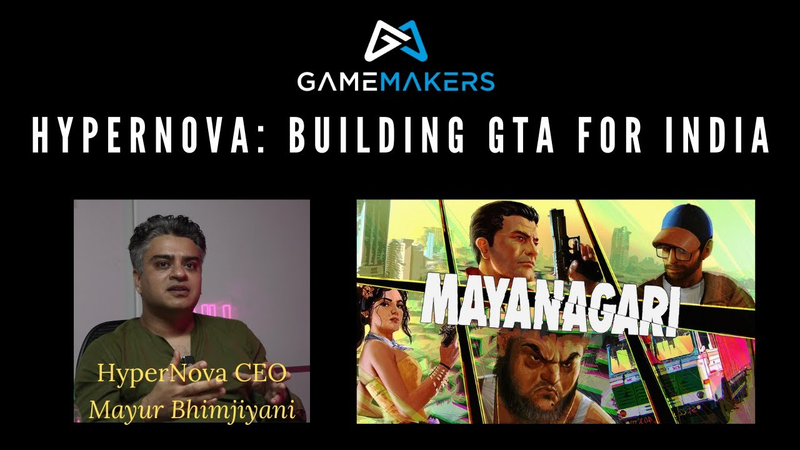
Hypernova: Overcoming Adversity & Building GTA for India!
Key insights
6 takeaways- 01Hypernova is developing 'Mayanagari,' an open-world sandbox game specifically tailored for the Indian mobile market to address the lack of high-fidelity, culturally authentic local content.
- 02The project aims to capitalize on the convergence of three key infrastructure trends in India: affordable high-speed data, widespread digital payment adoption, and increased hardware accessibility.
- 03The studio is shifting from a single-player focus to a multiplayer model to drive long-term monetization through community engagement and social proof.
- 04Marketing efforts are centered on a creator-led strategy, having already secured partnerships with influencers who command a combined reach of over 20 million subscribers.
- 05The studio is prioritizing player experience over predatory monetization models to build trust and overcome historical consumer reluctance toward in-app purchases.
- 06To overcome the regional talent gap in game design, the studio is importing international expertise to mentor local teams, a strategy modeled after China’s industrial scaling.
Ask AI about this video
Transcript
[Music] thank you [Music] hypernova has been described by many in the Indian game development scene as one of the most exciting game studios here in India CEO Maier Bim Gianni got his start at game studios such as Zynga and moon Cube before founding hypernova in 2015. today we discuss Meyer's Journey the founding of hypernova creating a GTA for India and the opportunities and challenges in game development here in India welcome my year so I've been told by a number of folks here in the Indian game development seeing that you guys hypernova are the ones to watch out for that you guys are doing great work I've seen the trailer for for your game which
looks very impressive but could we talk about this perception behind hypernova why do you think people have such a positive image of hypernova what's what do you what are you guys doing really well so firstly thank you so much for having me here Joseph no welcome uh and uh letting me talk about what we're doing and our game so we started hypanova as a small dream okay where uh we wanted to make Larger than Life games for mobile um and um that's what really helped you know driver Vision as well I started it with a very old friend of mine uh josefa way back when in 2015 so at that point uh we were probably one of the few companies in India that was started by two game designers uh you know generally it's product guys that you've seen in the Indian space
stats and companies or you know even engineering guys teaming up with few folks but you know we were a design Centric design first sort of a company okay and that just spoke through all of her work where whatever games we made we were very on point on we need to make sure that the fun for the player is put first okay and that trickle down all the way into our hiring where if you can't talk about your favorite game for a couple of hours we won't even consider you for an interview I say so we with very uh you know careful from Day Zero to think about you know Talent density and building a team that can deliver some great games first because yes you have to first make games and then sell them if you have a great game the selling becomes a lot easier so always the idea was you know player comes first you put the fun first and we
are an entertainment company sure so that's what we have to put first that's that's what our thinking has always been where we use technology to deliver entertainment and we are not a technology startup we are a entertainment startup right through and through and that's been our philosophy from Day Zero okay but in terms of like the the positive perception about hypernova do you think that comes because of maybe some of the strength in design that you're talking about or is it maybe because of the work you've done before at Zynga and people know you or why do you think there is such positive sentiment towards hypernova here in India I think it's largely to do with the consistency of her work okay and the constant level of quality of whatever work we've done with whatever Partners we've worked with wherever we've delivered the kind of games we've made so whenever we started making games it was very rare to see high quality uh you know high quality level of feedback games coming in because at the end of
the day half the fun in the game is all about feedback right like it's you know how different is say a ghost of tsushima where your slash of a sword uh feels a lot more satisfying versus a simple mobile game where you also just you know swing a sword with a 2d simple character right but it's all about feedback and how do you deliver that feedback when the player is trying to embody themselves in a virtual world so I think it's largely to do with the quality and consistency of her work and I've been blessed that I've been able to work with some phenomenal and very talented people for a very long time great so maybe we can talk about this game and hopefully I pronounced it correctly Maya nagari yeah it's called Miami close enough yeah yeah okay um so it's been described by a lot of people as GTA for India but could you talk about you know how did you come up with the
concept why this kind of a game for India kind of the the history behind you know the decision to make this kind of game so we really started taking the India market very seriously in 2020. when we saw the kind of numbers pubg was doing in India and we were like man we are like fish in the ocean you know yeah that can't notice the water around it because up to that point we are also largely focused towards the Western markets right uh because the India market was not mature enough at that but it's very small but then we had this insane trifecta in India of ah you know Geo when UPI and we what we call as production linked incentives or pli for people who don't know uh jio is the largest Telecom service provider now in the country and is responsible for India having I think the cheapest data rates in the world right
and then UPI I think everybody knows globally it's just changed the landscape of Indian finance and personal finance in India right for an average in in a very significant and impactful way in the last few years but for our industry the real upswing started coming in for the Indian market I think when the government introduced production-linked incentives for electronics Manufacturing in the country okay which allowed for a lot of the phone manufacturers and it incentivized them to build their phones in India because India has quite High import tariffs on electronics in general okay it's cheaper for you to go fly to Dubai buy an iPhone 14 pro Max and fly back than to buy an iPhone 14 pro Max in India so that's the kind of tariff structure we have in India but because the government incentivized lot of these Hardware manufacturers to come set up shop here yeah the phone prices dropped
significantly and which is why you saw this big upswing in large scale 3D games like pubg free fire and genshin impact also did I think decently well in India because now there are devices that can actually support 3D and immersive worlds in India and and that numbers still Rising very high as to what the threshold of the gpus and CPUs are on a 150 or 12 000 rupee phone here in the country right so that was a big turning point for us that okay you know the field is set yeah now what do we want to build there we had three main things we were looking at the you know whatever product we wanted to choose to build from that lens number one was you know the whatever format we go after because Indian audiences have not seen any Indian games right our first and
foremost Focus was that we built games for India and buy India great where think about it this way can you today imagine India's identity without Bollywood right you cannot right if there were only English movies in India how would India look like right right and I can't imagine in India like that but that is the story today in terms of where the games industry is in India where all the games we play are just from outside so we realized that you know there's a huge need for us to build something Larger than Life for Indian audiences and we then looked at it from Three core lenses one was has this game format already made a lot of money anywhere else right because the fun part is uh games are very different than other forms of my entertainment right like we
work like software we are extremely Analytical in terms of how we can predict how something is doing in a market versus not doing something in the market so and plus the other thing that we obviously understand as game creators is that games are language agnostic right they cross borders because they are all about agency right you're in a virtual world doing the actions you are the player and you are the one being powerful inside that virtual virtual world and that's the fantasy of entertainment that we are driving so we wanted to find a game that had already done very well in multiple geographies and had made a lot of money already right then we also then looked at what kind of traction this kind of game is getting in India so when we try and Define traction we try and look at three things one is the
volume of people who are interested in this meaning downloads then we look at engagement okay how much are those people engaging with this product on a given day or how long are they engaging it for and then we look at cultural relevance like stuff like how much volume does this genre or game have in streaming or what's the interest from game influencers and creators in this kind of game in the country so we found some crazy insights when we were looking at the GTA genre so we realized that just to give you some current numbers on how that genre is doing in India right in the last two years this genre has seen over 200 million downloads in India alone which is like wow insane yeah and all of these are like extremely low production value pretty you know once you look at them it look like you're playing a PS1 or maybe halfway between PS2 game
it's pretty low production value barely any content but insane number of downloads then we realized that the retention numbers are also off the charts where people on average uh we were seeing you know 35 minutes being spent by people in the uh in the game on average in this genre per day in India and extremely healthy like day one and day 90 retention numbers so for your audience who might not know what day when day 90 means basically how many people come after they've installed the game on the first day or the 90th day right so those were extremely healthy for us ah and then we finally looked at the cultural relevance of the game and we realized that after pubg and free fire GTA was like the most streamed game in the country in fact GTA is probably the largest game in India outside of pubg in terms of uh in terms of genre okay uh
right so we realized that people love talking about this stuff right and when you say GTA is is this all on PCS so it's PC as well as mobile okay there's a lot of mobile driven content uh that gets made on GTA style games as well when I say GTA I'm not just talking about the franchise sort of that kind of game yeah that kind of game right that genre of games okay so we realized okay there's phenomenal traction here and then the third and the most important thing we wanted to look at can we make this game truly Indian right where you're not just putting a skin on top and saying okay hey we're done right you don't make uh Candy Crush Saga and make it you don't take Candy Crush Saga and make it uh you know jalebi crushed salad is like a Indian sweet so that's not going to fly yeah we need something where
the stories can be Indian the places can be Indian the characters can be Indian the music the Vehicles you ride the weapons you shoot all of that everything has to be indeed nice and when we looked at these three things okay has it made money elsewhere how is it doing in India in terms of already interest from audience and what is the cultural relevance of this product right so all three was like check check and then it was a no-brainer for us that hey there is an opportunity here and it's been I think the dream of almost 90 percent of the people I've met in the gamedev industry in India at least have wanted to make an open world game in their life at some point of time sure so like it'll be a great talent magnet also for us as a product um so yeah it was clearly a no-brainer for uski this would be the game that we
want to go after right and the other big thing we realized when we were looking at making something like this was two other things where if you wanted to make a viable business out of it in India we would have needed games that are very sticky and make the player stay for three months or longer right the pattern we've seen in India is that people are still coming out slowly out of that hesitation of paying for virtual or digital Goods so far largely and historically games have only monetized through ads not so much from IAP and that trend has started to change in the last few days but our idea has been that if the player can stay with your game for longer they will start feeling like the game is a part of their life more and more and that hesitation for spending something that is virtual
that I cannot physically manifest in my life that you know you can ah nip away at it and if you if the player stays longer if the chance of them paying any money to your game even if it is 5 rupees 10 Rupees for something is much much higher right so we wanted something that was high shelf life where we could actually get people coming in and staying for a long time and the other thing when we're looking at the streaming data is when we realize that 90 percent of the content that you get that gets consumed on YouTube right now in India is non-english content okay and game streaming is the fastest growing category on YouTube for the last few years and it's I think this year it might it's inching closer towards almost 20 percent of content consumption in India wow
so those were phenomenal numbers and despite all of these things we realized that there isn't a single game that allows game influencers to use that as a vehicle to connect with their Desi janta uh even more right like that they see audience even more so quite a bit of factors right like but the idea is when you're spending three years of the prime of your life building something you better be damn sure it's going to work out right and so in terms of stage of development and maybe even rolling back a little bit earlier so you founded hypernova in 2015 yeah and you said you've been in development for three years is that yeah okay so can you speak a little bit about okay what did you initially do at hypernova and then after you've started your your three years in what is the current stage of development kind of launch plans things like that okay so hypernova was started with this
the classic first founder over ambitious dream of making and chewings you know way larger uh then you know you can swallow with the goal of building a DOTA style or a league of legend Style game for mobile because that's the background I also come from okay I used to be a Esports athlete during 2007 through 2009 okay yeah so we uh we had a team in Pune in Dota wow in Dota okay okay and for a phase we were like the top seeded team team in the country so we've always been very close to Esports and we understood that this is the future because at the end of the day the name of the game for all content is very simple right like you your content needs to
last and you need to be able to get users in to watch your content for as cheap as possible like cost per install versus lifetime value sure right Esports by their own nature the fact that they are multiplayer is that means endless content and because it's a game where it's a tournament and there's glamor and Glory there is viewership and there is audience and then there is endless content being created by streamers so that was our initial thought process and you will see a lot of the remnants of that thinking in Mayan agrees product Vision as well where we are looking at you know streaming data how much people are talking about stuff but unfortunately at that point India was very very nascent as a market we designed some crazy ass prototypes around the mobile genre this you know lying on a Dusty shelf somewhere inside my studio right now but we weren't able to raise Capital so we pivoted we made
some action games some casual action games for North American and Western European markets a couple of multiplayer games that did well that helped us read razor seed round at that point and we had a few million downloads we had some love from Google and apple uh we were featured most of our products were featured internationally by them so we're getting some love from them ah but in 2018 I went through literally like the most difficult phase of my life where I preferred a personal tragedy and we're just a small team at that point where we were just about seven people and I had mentally checked out of the business I know because it was just a most difficult thing I've ever faced in my life
where I lost my son who was just five days old so we ran out of money that was the hard truth and then we had a hard choice in front of us do you want to shut shop do you want to go home you want to keep taking shots at the goal what do you want to do so one thing we realized at that point that in games they are so multi-disciplinary the most important thing is going to be making sure your team stays together for longer only then you will have a chance of making something great because if you you however experienced a team might be you just put them together in a year nothing's going to happen in game development at least especially if you're trying to build some large-scale IP products which are larger than life so we we were sure that we wanted to
keep the team together so we started doing services and started doing Partnerships so it is a hard rebuild for us from scratch we did it in the same organization and that business grew well for us for almost three years we grew that 100 each year we worked with I think at least seven different unicorns unicorn startups to help with help them in games or gamified content so that business was quite good and all of the profits we made there report back into first party products and in 2020 we started building this out and in 2021 we realized okay we are at a stage where we can now do a hard pivot and go back to just building products and stop doing services so we went out there raised some money and thankfully some good people backed us and here we
are yeah no thanks for sharing also about your personal life that must have been really hard but yeah it shows yourself a good thing we've done yeah I've done that that's like a true entrepreneur Journey where you're going through a lot of hardships and able to overcome that but um maybe in in terms of uh my inauguri um in terms of the current stage and launch plans today could you talk a little bit more about that sure so we've been making this for almost three years now and we've just started uh the registration campaign for it on 16th of February okay and uh the kind of response we've gotten from people is just overwhelmingly humbling I have never seen so much positivity on any work I've ever done in my life so great uh I'm just so grateful that people have shown us so much love so the game is going to come out this year in
uh very soon in 2023 is all I'm going to say for now publicly yeah and the idea is right now we are starting with a single player sandbox where players will be able to experience a a great slice of our open world game and fairly soon after that we are going to be launching multiplayer as well right now since we started the registration campaign it's just been crazy our uh We've started a creative program inside uh where we've brought in a lot of game influencers and creators who talk about different types of games on their platform to come and cover the game talk about the game and there we've been able to grow that to over 10 million YouTube subscribers internally wow where it's it's a pure partnership we're not paying them any money because we don't want to pay any creators any money
to review our game we want whatever content we put out in front of our audience at least here especially if it's through an influencer or a Creator yeah to be you know transparent and honest and it's it's not a paid promotion we will just invite you to come and play if you like it if you like it you don't like it you don't like it just tell us what we should be improving okay just just to understand so you started your own YouTube channel and you invited no we have we haven't we didn't start our own YouTube channel we started a program where we've set up a Creator Council where we work with a select group of YouTube creators that have a reach of over 10 million YouTube subscribers okay cool great very cool yeah it seems like streamers are the new marketing now right absolutely absolutely and it's more about product love yeah right because for a streamer or a content creator also at the end of the day what they are looking for is great content for their channel
right right what Their audience might find relevant and Mr B says all YouTube cares about is the click-through rate and you know new finish percentage right right like what's the view duration percentage where you're dropping out at right like so that's all content creators really also want at the end of the day where they get content where people are engaging with it and it's exciting and interesting for them ah so we got a overwhelmingly uh positive response and another program we started last week so this Thursday on 16th of March we have a open Creator play test where we are inviting that it was an open application for YouTubers to come just try out our game and if they want to cover it they can cover it so what a thousand YouTubers have applied in the last six days where the top hundred YouTubers have I don't know around 21 million subscribers between them nice so
it's been it's been so overwhelmingly positive it's like I went for a lack of words okay so many of the folks in in the game makers audience are Executives investors product managers folks like that and so I think a lot of the questions that they probably would be interested in is around the monetization model and certainly I I think in the context not only of from a free-to-play monetization perspective but also for India you had mentioned monetization is changing I also believe that a lot of the Data Tracking Services have significantly under reported IAP spend in India but you know can you talk about your thinking about monetization in India and then the specific approach that you're taking for monetization right so it is definitely changing it's it's on a tear uh for the last few years and which which is what convinced hey just jump in with both your feet and it's going to be all fine and you learn how
to swim in the deep end it's okay so our philosophy is fairly simple where it's going to be difficult to monetize and grow just single player games at a very large scale in India and monetize them very well in India because what our insight has been that one of the things that still helps break that hesitation of spending on Virtual Goods is social proof or of that virtual item right like whatever you're owning and that's where IAP majority spent you're buying something virtually inside a game but the fact that whatever you are buying you can share it with your friends you can show it off or you can use it while fighting a friend or something along those line where it's used in a social setting that's the real uh you know key to unlocking player
purchase at scale in India okay so which is where our whole idea also was uh you know we start with a single player open World sandbox and then we morph it into multiplayer so our single player campaign is essentially my ad right because there are 200 other online multiplayer games out there why would you know players play one game versus another game right it's not just going to be about the theme but also it's going to be about how good your gameplay experience is so even if your gameplay experience is at the same level as other guys then what's separating you sure so that's how our thought process has been where uh we make sure our cost per install is dirt cheap right because that's what the equation is at the end of what is your cost per install versus what is your lifetime value so by making sure we have a great original Indian product
our cost per installs are dirt cheap and thankfully a lot of what creators are responding to right now is sort of pointing in that direction and in for your lifetime value you need multiplayer content for sure the player needs to stick around longer and there needs to be a way for them to express social proof of whatever their virtual assets are yeah that's going to drive uh the you know the purchase is a lot higher and the other thing we've now realized and this is an opportunity for our game specifically might not be relevant for some of the other ones is that a lot of brands are now more and more open to advertising inside virtual world especially after people have started talking about metaverse sure whatever that Mr first term May mean to people but the idea being that people are aware that there are Virtual Worlds where
people spend you know tons of hours each week and meaningfully connect with those worlds so it's a great place for advertisers to advertise right as well so we have great opportunities inside of our game where you know there are Holdings like a GTA game in May and agree we also have radio Insider car where we play Indian language music there are four languages right now Hindi Punjabi Telugu and uh the last one was Bengali so we have four languages right now where we have four different uh you know styles of music and we we can do audio ads there and we're also doing a bunch of brand placements you know it's like custom stuff we are doing it's more of a B2B effort at our end rather than uh you know a straightforward solution for people but the idea being there are definitely a lot of avenues for you to monetize you just have to pick the right way where you are going to be sure that okay this is the core of
our hypothesis and this is why this is going to work right like like for example you know some casual games in India are also doing phenomenally well in terms of download and engagement but the monetization levels at casuals is obviously much much lower okay great the genres we've seen monetize the highest in the last five six years ah you know action shooter games and strategy games have dominated like the top 10 grossing for the last six seven years in India consistently along with a couple of casual games making it now and then there so we were also plotting where the market is in terms of its maturity so we realized when we were looking at China that initially there was a phase where casual and casino was all that was making money then they moved on to more
shooter games and then all that's you know shooter or strategy sort of games and now all that's making the highest amount of money in China is RPG right so what we realized is the market also takes time to mature the average gamer also needs time to mature overall as a market where they are initially maybe spending more time on casual stuff that does not require so much commitment from them sure now we are at a stage where we specifically chose a shooter because we it follows a simple what you see is what you get design principle where you know it's a gun you pick up a gun you shoot a person right it's car you get inside a car you start driving a car right like you I don't need to teach you that you don't already know in your real life sure to be able to play the game like I'm going to cast a fireball that is going to be casted after three seconds
of Channel and going to damage this person for five seconds and he's then going to get you don't have to read two paragraphs right to understand what are you going to do with a gun and a car right so the market is at a phase where we see there is a big excitement around what you see what you get games and people are loving it and in a few years time it will mature and it will evolve because people will then get bored of Shooters and they'll be like give me something deeper okay and what what is that deeper is it more the GTA type games or how do you how else you need more be around RPG RPG right RPG are like the Pinnacle of depth you can go into Forex strategy there's so much more you can do where you're spending 10 hours a day maybe playing a game so RPG is what allows for that depth of experience to evolve from Shooters to RPG but I expect uh you know RPG games still in India will not have that kind of reach in the at least for the next
three to four years yeah now it's interesting because when you look at different countries different cultures different kinds of games are the most popular right so currently probably you know China mobas in the west the Western markets U.S is been dominated by shooter games Japan is all RPG right so yeah it's it's interesting to try and understand how I I totally agree with your thesis that there's probably going to be a maturation of the audience looking for potentially different genres that become the dominant genre but yeah not not knowing India well enough it'd be interesting to see you know is it more like the US where it's just to shooters or is it more like Japan where it's more RPG focused or things like that but I think it is so large there will be lots of space for both of them sure that's the fun part where uh you know one of the primary markets we are going to be promoting in a couple of months later which is uttar Pradesh the
largest population state in India okay so up is bigger than Russia in terms of population nice up is bigger than Brazil in terms of population so that's a fantastic market for a software right I mean I think the great thing about what you're doing and being in the Indian market and focusing on the Indian market is there's just so many Tailwinds behind the increase the growth of the GDP in India the rise of the middle class more manufacturing being shifted to India so there's all of these trends that you're going to be able to take advantage of yeah but I thought maybe another question I could ask you as a you know games startup you know founder CEO in having experience working for a big established company like Zynga but with an orientation at Zynga around liveops for example it's the live operations maintaining a game versus building a new game can you talk about maybe some of the things that you know were there
things that you brought from Zynga where their approaches or ways of thinking you had to change in order to focus on new game development I don't know if you have any thoughts on that great so dingo is quite fun it was almost like my University uh where when I joined they were barely a couple dozen companies in the country making something in the games industry and most of them were doing Services of some kind okay not product development so Zynga was almost like my University where the most important thing I learned there is design does not exist in vacuum it has to work with business to make things happen otherwise it's not design it's art right and uh that's the most important thing I brought in in hypanova but my core reason for you know sort of moving out of Zynga India at least at that point was that we were largely a live
operations unit here in India sure as a as we have quite a few International gaming companies doing the same thing here some of them have now recently started original Ip development in India as well but in 2015 there's barely any original Ip work happening in Zynga India so I told my boss at that time you know I am very tired of playing doctor I wouldn't try my hand at maybe playing a Creator now and see how that works out uh and uh the place where we were at at that point where at that point I was leading Farmville as its lead designer so the other big thing I learned at that point was don't put everything behind a paywall right like because Zinga and that in that phase of its life as an
organization was Infamous for its quote unquote monetization tactics uh and uh we were fortunate enough to work with a team where we reversed like a five-year trend of downward decline on engagement Revenue with almost like I think we're like about 600k 700k da we had at that point and uh after almost five years of declining we make that made the Game grow up and how did we do that by making sure people don't have to pay for everything and they can actually you know maybe unlock some stuff by progressing in the game and ah being able to just do more actions in the game and being able to unlock more rewards rather than just saying hey this is there you pay US dollars or you won't get access to this content right so you saw much much higher jump in engagement there so which is one big you know inner belief I anyways had that got confirmed for me where you have to put the player
experience and the player fun first because what you are building is entertainment and entertainment is essentially Escape right like he's just trying to forget about the hard day you had today uh or maybe you know someone's not well in your family or you have some you know other issues what are you doing you're trying to escape from something so that was our thinking that hey I want to make something new and try something building something new and that's why I sort of moved out of Zynga at that point and I think we use these two dreamers trying to build something too big for our shoes so it seemed like a challenge that uh 25 26 year old would form that time not anymore I think I would probably be a lot wiser and have a few words to say to my younger self right have you even thought about how much it is going to cost to build a MOBA on mobile have you really thought it through that's what I would say although
sometimes it's better not to know because otherwise you would just not do it right yeah the learning Kruger effect but maybe the other question I can ask you is if you were to kind of generalize to India in the Indian game development scene for new games not not live Ops but for for new game development is relatively Young and if you were to think about maybe some of the the both positive and maybe areas of improvement for the Indian game development ecosystem in order to become like you know at the level of being world-class competing against all the the top game studios the the you know Activision blizzards the you know the Timmy 10 cents of the world like where do you think from your perspective where do you think India game developers need to improve and um what are they doing well so I think there are a couple of things that are
working very well for India we have uh extremely good talent pools in engineering art as well as product but the other Central function for game development which is design we are lacking quite behind on and that's the number one challenge I think most companies who are trying to build something that is not just like a you know board game or like an app but something more large scale and immersive is is the number one challenge that they face that hey I have folks who can make great art I have folks who can write great code but what is the gameplay right right so that's where I think is the biggest bottleneck right now in the Indian talent pool and the other big sort of I think choke point right now for the Indian industry
to sort of break out is also availability of capital where uh a lot of the new guys that are coming in the games Industries model itself has changed in the last couple of years post idfa so everybody is sort of reevaluating playbooks right now and seeing okay what's going to work what's not going to work so capitals also very small amount of capital is being chased by a lot of startups so that's one uh you know bottleneck for us but I think what you are doing is the thing we need the most right now in the ecosystem okay what am I doing you're bringing in Talent uh from outside in India and having these interactions with talent in India that helps expedite learning right because the ecosystem on its own is not is only going to grow at so much space right if
you bring in people who've already been there done that and have solved you know problems I'm going to face for the next two years one hour of conversation is going to save me so much hassle you know like so there's a lot of such kind of things that happen where uh you know and that is the reason uh that games is also a knowledge driven economy right like the entire industry is knowledge driven economy where six people can do way more damage than 100 people if they know what they're doing rather than if they sort of know what they're doing right I think to your point there are sometimes critical pieces of information or knowledge that can be used to help drive a product to be successful yeah um and just just to elaborate on the point in terms of trying to bring more um specific experts to train India I I feel that that could be a great way of accelerating in the Indian game development scene that's what we did
when I worked at a company called fun plus we had what I call leads-based models bringing people to Beijing and you know Brendan the Koreans brought Brendan green over to make Pub G also there are rumors that um you know apple and matchington Mansion they brought folks from GM City to train that China Chinese team on match three so I do think that's a model hopefully that can work and yeah hopefully we can we can see more of that here but maybe another one last question about India would be what do you look forward to like when you think about the Indian game development Market or the ecosystem uh in terms of the future what are you looking forward to so the same way uh like I mentioned that you cannot today imagine in India without its Bollywood movies I dream of an India where you cannot imagine its Global identity without Indian games right and that's the dream for us okay so you want
to be RR for games inshallah maybe maybe not we just try to put our head down and do our work and listen to what our players say and that's a very simple tool we try and follow by so okay awesome well Meyer maybe the very last question is so far for folks in the audience who are interested in in finding out more information about mayanagri yeah um and maybe website or things like that or how can people get in touch with you how can people find out more about your game right so you can find out about our game on our website uh hypanova interactive or just search for Mayan agree on Google you will find everything you need and if you want to get in touch with me I'm most active on LinkedIn and Twitter just search for my name it's fairly unique links yeah it's fairly unique uh you'll find it awesome yeah all right well thank you very much for your time my
year and for our audience we'll catch you next time
Summary
Hypernova is spearheading the development of Mayanagari, an ambitious open-world sandbox game designed to capture the burgeoning Indian mobile gaming market. By capitalizing on the convergence of affordable high-speed data, widespread digital payment adoption, and increased hardware accessibility, the studio seeks to fill a significant void in the region. While the Indian market has historically favored intuitive shooters and strategy titles, there is a clear demand for high-fidelity, culturally authentic experiences. Rather than merely reskinning existing global titles, the project focuses on integrating local narratives, characters, and environments to foster deep resonance with domestic players.
To ensure long-term viability and monetization, the development strategy has evolved from a single-player focus to a multiplayer model that leverages social proof and community-driven content. This approach is supported by an aggressive creator-led marketing campaign, which has already engaged influencers with a combined reach of over 20 million subscribers. By prioritizing player experience over predatory monetization, the studio aims to overcome historical consumer reluctance toward in-app purchases and establish a sustainable ecosystem for original intellectual property.
Despite this momentum, the Indian gaming sector faces structural challenges, including a notable talent gap in game design and restricted access to venture capital. Addressing these hurdles requires a strategic shift toward knowledge transfer, specifically by importing international expertise to mentor local teams. This model, which mirrors the successful industrial scaling seen in China, is essential for elevating the quality of local production. Ultimately, the goal is to cultivate a distinct, world-class gaming identity for India, positioning domestic titles as a cultural force with the same global influence and recognition as the Indian film industry.