1 free read left. Create a free account for unlimited reading + AI research.
Create free account
Why games are all about the features
Key insights
6 takeaways- 01Developers should prioritize business-centric features that drive retention and monetization during the initial planning phase to secure funding and ensure commercial viability.
- 02Studios should treat value and risk as primary metrics throughout the production lifecycle to maintain predictability and manage development risks.
- 03Modular feature reuse across multiple projects can reduce total development costs by 30% to 60%.
- 04Adopting a top-down, feature-driven development strategy is three times more cost-effective than a bottom-up, mechanics-first approach.
- 05Focusing solely on mechanical complexity or critical acclaim often leads to failure in securing publishing deals compared to projects with structured, revenue-focused feature sets.
- 06Late-stage design changes are prohibitively expensive, making early definition of a scalable feature set essential for financial efficiency.
Ask AI about this video
Transcript
[Music] [Music] hi thanks for joining this session I hope you enjoy it and mostly we are going to focus to talk about something more critical more important that it should be happening in your heads when you are developing in a game and the first thing is how you are generating value effectively on your products because usually you're going to find a lot of these cases during the on any game is to you that they try to to to cut some deals and sadly they fail really bad and they don't figure out how they are not making enough value with
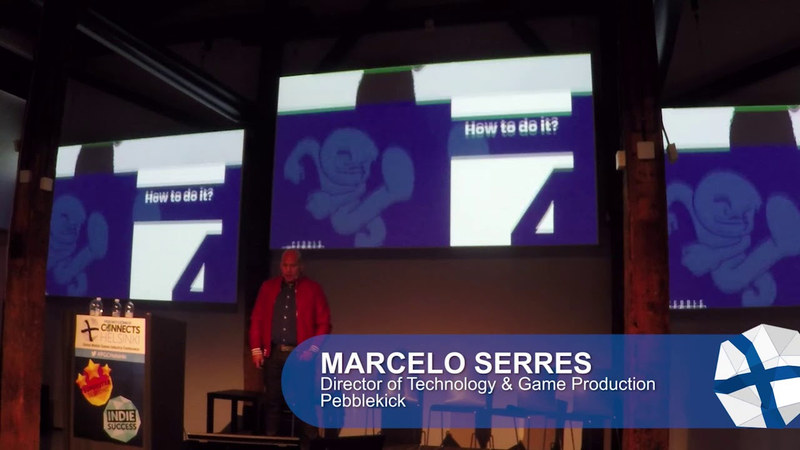
their product so let me go quickly through a few stuff so this is mostly a Yammer about what we are going to talk just a quick introduction about me I'm Marcelo Saurez I have been in the video game industry for temp last year I have been working in more than 100 projects in different platforms different teams I previously had my own video game company for seven years I have been providing consulting for outlets for unity and different governments worldwide mostly beside this the most important thing that I want to share with you is like I have been making sort of mistakes through those mistakes actually is where moles of the learning that I have been getting through the process of failing on some projects and being able to to
get back on your feet and trying to to actually resurrect the project and generate revenue for the projects is something that it should be one of the most valuable skills in this industry when you are producing games because at the end it's not just getting some critical acclaim on the projects actually you want to leap well through the on this industry and something during all these years that has been puzzling me it's how with this insane amount of talent and wonderful projects how they most of the indie developers are the small companies are struggling to survive at least in this industry actually something if you just go directly to the numbers it doesn't make any sense at all it's an insanely huge industry so I decide a few years ago not just to move in my career with my own interest and
also I wanted to give a hand to my fellow developers and designer and how they can succeed to the their projects so that's in part why why I moved to the current company where am i as a director of technology and game production and I'm working really closely with the developers helping them to copy dancing in funding their projects and also in color polishing some of those projects and sharing my experience with them in order to succeed so in case you want to know a little bit more about the company and the possibilities that we can work together on any project we can have a few minutes after the these presentation so what's the problem that I plan to talk about today before actually talking the problem one critical thing that I want to mention is like I hear few years ago that any talk any session should be
accomplished just one single thing and it's keep resonating long and loud enough in your minds to make you question about the process that you are doing related to the topic and is I don't want to provide any any answer or anything by myself it's just I want you to wonder and and start analyzed how you are developing or producing your projects and if if it's efficiently at all so I want to start with a minor earthquake to keep your attention and I will say right away that I don't care about gameplay mechanics anymore while at producing games there is several other things that I care most and I put gameplay mechanics at the bottom probably at this point you will be wondering what the hell is this guy talking about and probably you want to
bar me and I keep me out of the state but let me explain a little bit what I'm trying to tell you obviously as a gamer I should say that gameplay mechanics polish and content should be the foundation on any given project and that's right but when you are trying to generate value and then generate revenue for a project for a commercial commercial project the core gameplay mechanics are not the foundation at all there is several other things that you need to pay attention first if you want to proceed through the project successfully so and why I'm going to focus and talk about like a generic work talking about features it's because nothing and I mean nothing could be more elusive and expensive than trying to
stack up new features or defining gameplay mechanics on any given project belatedly so it's something that you need to be aware that it's not just having a nice core gameplay mechanic and Indiana start figuring out oh we can stock multiplayer we can put this feature this solar that's actually the work thing that you can do during the production so given that that potential problem the first thing that you need to wonder when you are working on any in any project is how you are generating value through all your decisions through the design the planning and then after the execution so yes always you start with a core gameplay mechanics so usually you are going to try to expand this core and if we try to define this as an arrow of value where you started with certain area and you want to expand it to a desired value the problem is that yeah
if you stretch the core gameplay a little bit too much it's not effective at all because at the end on the free-to-play at least on the free-to-play market it's not it's not having a real impact on the revenue that you could generate on the end and it's related to the retention so I'm going to talk about those so given these sorry didn't this question why you should be interested in in how you can generate value effectively most of them most of you could say no I have my own plan but let I'm trying to just provide my life I've sent from my experience so you should care because predictability when I mean about predictability is because I'm not talking about just having a roadmap with my stone or something that you are trying to simple plan ahead to
to work with a client or with your own team and usually it's one of the thing that most of the teams are failure miserably during the development the pre activity is mostly related in the way you are you are trying to manage your risk as a small team a small company it's directly related more but you can see further on the project on any decision that you can take less the risk is going to be two on the project so how that is going to be related with the game design or the planning or any game so right now we have two components value and risk how we can effectively work on that to try to improve so we're really finding that the problem has two major components who is value and who is
risk and it's always it's always when you are trying to polish your game by yourself and reach the final user low player so a b2c business or when you are trying to make a polishing deal with the polisher will be a b2b business it's about how much value you are able to bring to the table and in the same time what is the real cost of that so actually the risk so that's why we those two components should be always on a dashboard in your office or in any at any point with high visibility when you are working on the project so to make this a little bit more simpler to explain in this case I'm going to to provide an example with cats and I love cats so that's why it's pretty early trading so let's take a cut on example let's define a really simple core mechanic for this cat just walk him
so we have a cat a cat that can walk where we can go from that point to make it more interesting how we can get generate some sort of interaction something that add value to a potential pool because we are trying at the end getting user getting retention so you have usually two major dimensions where you can start growing the development on a product one it could cut could go through the mechanics and you can still continue adding mechanics to the game so the cat can tap roll happen or whatever other thing you want to add and usually what's that's one of the main risk that you can suffer on this on any given project and if your site is activities and it's how you're going to put in use the mechanics that you are designing or defining since the beginning of the project so usually the root needs to be
mostly for the activities than the the mechanics and I'm going to explain a little bit more on the following slides following slides so either way if you have them they make some some sort of initial mechanics define it and then after you have some sort of activities our features we are talking really unique for now I'm going to explain more you still need to have someone something to trigger those activities through the game mechanics in this case for the sake of the example we are going to use them create a playground for the cat so what you are going to have using all this all all this component for for any given project it's like a happy cat wanting more and in other words you are creating retention but in the way that you are creating retention in this simple example you started with the core
mechanics and then defined some activities and trying to to assemble everything on the run and that's usually one of the major risk on any project because you don't have a solid plan about where you are heading out and because you don't know that exactly you don't know this the number that you are going to need on budget at the end of the project so that is leaving a huge backdoor for any project that you can lose money at the end so given that let's try to do something really simple on this example let's remove the gut suppose that now we still have those activities that we design it for the gut we still have the playground but let's try to invite to put any other random animal on there too to try to get to use those those settings that we already defined it so for some of them yeah
there is some similarity similarities that could fit exactly or could fit on some percentage on the on the playground there so that's actually give us a tip on on most of this stuff that you can define on our top on the top strategy it's going to help you to simplify some of the process so sorry let me go here so usually what do you have been doing for some of the project most of the project and we have you seen around more than 70% of the developers that we talk on an event are presenting projects that are in this fine it with a button up strategy and usually bottom of study you start with a core gameplay mechanics and it's by numbers even three times more expensive
than using a top-down strategy the big difference between both is in one you start with the core gameplay mechanics and in the other one even if you have an idea of a core gameplay mechanics you start designing the feature set and while you're starting with the feature set because you are trying to define fears some sort of pipeline on features that you can reuse between similar projects on any given time because you don't need to develop I don't know two racing games on on the same quarter but just you can create a racing game and reuse part of what you developed back then at the end of the year for example so it's going to simplify and it's going to optimize a lot the the process on inside the company moving from the top-down strategy to the bottom up is going to increase the risk and it's going to increase the cost so given
the problem that we defined before more than a proposal what we saw internally and because we have studios in Santiago in Chile in Seoul in South Korea and we just open up an office in Shanghai in China we have been applying this type of strategy to try to be more effective on on our budget what we are doing is defining a feature set on the top of an ETL simple kora game mechanic for different games and we are trying to overlap in those features to try to foster the same gameplay mechanics through some similar activities so it's like the graphic that is on the right as much as you can overlap is the how optimize you can how well you can optimize your budget so given these the other thing that is
going to happen is going to allow you to plan ahead a full set of features not to be developer right away it could be in the future but you through the feature is a lot easier more than the core gameplay mechanics to understand and the free-to-play market with target user you are trying to to to read so you're going to find out through the numbers that most of the features apply for more than one group and that will help you a lot to define exactly what you need to produce during the development of the project and what not because then again those is one of the major issues that you find in any in any small or medium team that they develop top-top tons of wonderful things but most of those things are not adding value to the project at all so when they try to sit down and negotiate with us or any other company they think they have a way
better probe to negotiate and suddenly the product looks great probably to to achieve a some critical acclaim but it's not something that you can make too much money at all so at the end for any polisher it's not something that they will be interested at all to take it so so at the end try to apply this strategy it lead us to say between thirty and sixty percent on the cost of development on the difference two years and if you do the math and I can tell you that some projects have millions similar to millions you can see how much we can save mostly it's not just saving to keep it under or babe if we can reuse it in some other projects that's why we are always trying to optimize those cost so let me explain quickly two examples of what we have been doing with this study so most people turn know about in the USA the
Medici charity system allows some of the inmates and these patients to have their own tablet they have the toilet 24/7 they have plenty of time for playing and they have their own indeed Alistar to write content like music movies comic books books and since the last year video games so right now we are the major publisher of content for those platform in the United States even if they the the multi active user are between two and three million oscillates a lot because yeah I people people getting out and on depression of people getting in is happy proven for us really good business but most important there is some critical stuff about this platform that is obviously for legal stuff that leads to be totally offline
the device have not too powerful is just cortex a9 with mali-400 so it's the typical Chinese toilet that you can find so instead being able to take any wonderful game from all our developers we needed to start to develop our own games to try to get enough projects in so after seven months we found out another issue that we have a huge inventory of for small gains and the question was what we can do with those games because those games are so simple some of them that are gives are not going to work on a free-to-play market they don't have a high production value to work as a premium games so we decide to change our internal pipeline and we work something that I named it the the state features so what we are doing now is defining one specific type of game and we divided in three or more stages so for example on the right it's
like four okay for a racing game we are going to create a major racing game on the third state that is going to have all the features that are going to ensure enough retention to release it or in Google Play or Android store on any other public store but in between we are going to develop some minor games that are going to serve this offline platform in order to to recoup part of the other development cost and also it's going to allow us to produce more effectively these projects the other example that I want to provide this was a really small game from just three guys in two guys and one girl and euro I that we took for co-development is an active development and as you can see this is the first prototype that the made many years ago and yeah it's not
too good at all but something on this prototype back then cult or attention and it was that even with this simple simple game they really want to put a big focus on the features and not just the core gameplay mechanics and that was ensuring to have a really good multiplayer that allows to play allows the player to play us in Chronicle chronically so then after they continue working a little bit more on the game by themselves we meet them in in any and in an event like six months and after we saw the project with some some similar programs still the project at that point Princeton at least isn't good enough to be taken by a publisher because it will imply to to invest ton of money on the project but then again
they still focus it on the multiplayer and seeing how they can increase the retention through some features on the game so finally we best on the game we have been working with them for almost a year and the game is pretty close to to be finished and you can see where you can invest a ton of more money on the project and put all the experience how you can increase the production value actually we invest not just in the game itself we also invest on the IP we are exploring what we can do in the animation industry that's why we are located in in LA and not in our place it's something a wonderful experience and we have been trying to to to communicate this message with some other developers that at the end it's not that we don't care about the gameplay mechanics is because there is some other things that provide value in the end to make a good business behind the game
that you need to be aware when you are designing the game and you are inside on the planning stage of any project because usually when you try to to make some changes belatedly on the project is too expensive and if we need to jump in probably we are going to need to put tunnel for money that we initially thought and the problems that you are not going to have the power to negotiate over that because you are not the ones who have all the money to say no no I prefer to do these from that so and sadly at that point we have to say thank your watch yep thank you guys I think great job of Chao is showing us that getting the right features to go with that core game players is really important and particularly making sure that we got GUI keeps the simplicity I think that's really for me one of the key areas keeping that simplicity is really vital so thank you very much for that well thank you [Music]
[Music]
Summary
The primary thesis of this analysis is that game developers must prioritize a top-down, feature-driven development strategy over a bottom-up, mechanics-first approach to ensure commercial viability and financial efficiency. By focusing on a structured feature set early in the planning phase, studios can better manage development risks, improve player retention, and increase the likelihood of securing publishing deals. The core argument posits that while gameplay mechanics are foundational, they are insufficient on their own to generate sustained revenue or provide the predictability required for successful business operations.
Key findings indicate that bottom-up development—starting with core mechanics and adding features later—is approximately three times more expensive than a top-down strategy. A top-down approach allows for the modular reuse of features across multiple projects, which can reduce total development costs by 30% to 60%. The analysis emphasizes that developers should treat value and risk as primary metrics, maintaining high visibility on these components throughout the production lifecycle. By designing features that can be reused or adapted across different titles, studios can optimize their budgets and create more sustainable production pipelines.
The scope of this analysis covers the global independent game development sector, drawing on experience from over 100 projects across various platforms and regions, including studios in Chile, South Korea, and China. The methodology relies on professional consulting experience and internal production data from a publishing firm. The analysis concludes that developers often fail to secure funding because they prioritize critical acclaim or mechanical complexity over the business-centric features that drive retention and monetization. Ultimately, the most effective path to success involves defining a clear, scalable feature set during the initial planning stages to avoid the prohibitive costs of late-stage design changes.

















Comments