1 free read left. Create a free account for unlimited reading + AI research.
Create free account
Pitching is scary, networking is hard
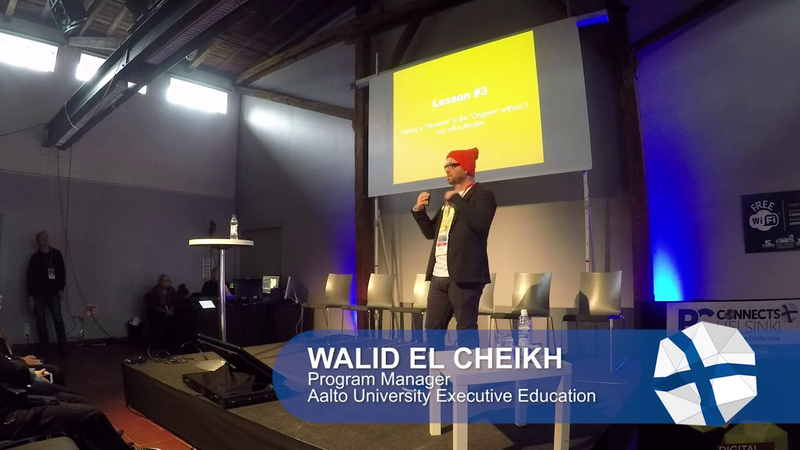
Key insights
6 takeaways- 01Pitching success depends on tailoring the message to the specific audience and context rather than relying on a single, universal presentation.
- 02A successful pitch must follow a structured progression: start with a concise punchline, define the problem, present the solution, explain the business model, highlight team strengths, and conclude with a clear, actionable request.
- 03Persistence is essential because rejection is a natural, expected component of the networking and investment process.
- 04Communication is a skill that must be honed through consistent practice and the strategic management of variables like timing, tone, and duration.
- 05Credibility is built by balancing technical project details, such as game mechanics, with market-focused value propositions and evidence of tangible traction.
- 06Effective communication requires brevity and clarity to overcome limited human attention spans, which are often compared to those of a goldfish.
Ask AI about this video
Transcript
[Music] [Music] hello hello everyone I see I have some friends here so it's it's good but most of you are not my friends so raise your hand if you think pitching is scary okay good how about the networking part okay so the reason I'm here is because I want to give you three lessons that will make it a little bit less scary and a little bit easier I always say that this is not the Bible this is not the only way to do it but I will give you those lessons and you can do whatever you want
with them I usually do these workshops from three hours to three weeks and I've done them for five-year-olds and seventy five year-olds I've done them it's true I've done them to designers businesspeople engineers military and well basically it's it's it's for everyone it's not only if you're raising money like somebody was talking it's also for example if you have a project and you want to pitch it to your manager and you want them to say yes if you have a wife and she's stubborn anyone hard to say yes it the structure will work I've been using it on my wife and she's a lawyer and she wins every argument but I feel like I had the best practice and I can give you something today so just to be on the clear side this is not the Bible but I hope that the structure will
inspire you to use it in a way that will help you one day and if it does buy me a beer okay so one thing to understand is that when you're pitching on or in any situation so now I'm here on the stage I'm trying to tell you something and by the way this is not a pitch I don't pitch like this this is a lesson so it's there's a difference but when you're pitching you usually do it to people you don't know or you people you just met and you're that guy you're throwing a ball into their face and if you know about baseball on the other side you have two people the other person who's receiving the ball and the other person who is hitting the ball and metaphorically he want to help your friend to win you want that person to be your friend and you want to avoid the other person to reject your ideas but the good thing to know is that you're that person you're your throwing something that could hurt the other person or Surprise them so it's very for
me philosophically it's it's one of the first steps who you are when you pitch that's important and networking is hard because there's all these elements so networking is a combination of so many pitches that you do it to so many people in so many different situations and some of you who know me and especially my friends they know I'm a networking machine because I always pitch and I don't always pitch for money or to sell something I pitch because I think it's fun and I network because I love people and I want to know you all I want to know what what what inspires you and so on but in order to do that there's so many elements so I cannot go into them all but that's why I think networking is hard because there's so many different people so many different variables to adjust to and so many different messages to those people because your mission when you're pitching is to maximize the opportunity for that person to say yes or to agree with you and it's so mostly about them but it's also about you how you level with them in your
communication and when I when I pitch I usually focus on these questions and this is where most people make mistakes even before the content so most people think that okay I'll do a perfect pitch and then I'll people will buy it and that's usually it doesn't go like that I've done so many exercises in the classroom about this question what is a pitch and I made people draw figures and and pictures together as a team just drawing one line then one team I told them what to draw a car and the other team I didn't tell them what to draw so the people who draw a car they did it together and they drew a basic car that was very clear and the other team they draw something like Mona Lisa picture so when you're pitching and you don't know what you're pitching it's very hard so if you're pitching Mona Lisa that's what usually most startups do especially in
games they're trying to pitch everything in the game they're trying to pitch everything in their startup and they don't know how to communicate that because it's too vague too complicated even for them and the other mistake about the what is that when you're pitching a car not all cars are the same so some cars you know have different power some cars have different colors some some cars have different price range so the pitch has to be clear and the second element that I think it's very important is why you're pitching and this is where most people I think it's difficult for them because when I pitch to someone to raise money that's an investor even there people are different different investors have different ways how they get confused convinced and that's very difficult science there's so much to do that I cannot cover today that how you study people how do you maximize the opportunity for them to believe you but
the most important thing about why you pitch is basically the reason you got on the stage the reason it went to the person so do you want to raise money do you want them to say yes to your project do you want to have co-founders do you want to do you want someone to kind of introduce you to someone else so there I the way I do it is that I first understand what I want to pitch why I want to pitch it and then I think what do I want to ask from them when we get to that later when to pitch and to whom to pitch they're related to why and what and today we're gonna focus on how to pitch it or what is the formula there so lesson number one hi I promised you three lessons so if you do those I promise you you won't fail a pitch it wouldn't be perfect but you won't fail a pitch so lesson number one pitching is persuasion so Google the word what persuasion means to me it means you you convince someone to say yes and there's so many ways how you can
do that I have articles for that amazing articles I can send you those and networking is about persistence so this is pitching to me you make someone eat a doughnut even if they don't want to just for the pandas and some people think it's manipulation some people think it's just an art how you phrase it for me I see it as how you phrase it because you shouldn't pitch something that will harm people or to me I am against that I'm against of selling something that is out of the scope and persuasion is is this I mean networking is this guy Kawasaki has it 10-20-30 rule I have 30 20 10 rule you need to have 30 seconds to raise awareness to someone so mostly in the 30 seconds you want them to meet you you want them to expect an email from you or to have more time with them then you prepare for the more time so you you prepare for 20 minutes of more like more with their time and you have to remember
that he cannot succeed from the first time if you think that your pitch is going to succeed from the first time you are delusional especially with my wife I had to watch nine chick flick movies to make her watch one Mad Max and to me it was a success because she's never got to watch the movie with me so this is what I think fiends are afraid of things are afraid of rejection they are afraid of trying sometime and not only finns i think everyone is afraid of rejection but if you have this mentality okay i go to this guy i get my message i tell him that i will try to meet me and if he says no it's fine you go to the next person and that's the that's the point where it's hard you have to believe in yourself that the tenth one will say yes lesson number two there are so many variables that you need to cover and those usually I spend at least one hour covering them but let's try to do them in two minutes
timing so timing means when you approach someone the best example now I hear is like a person in a bar if two people are talking and they are they seem like they're having fun you don't go talk to them if two people are so busy doing something you don't approach them if you approach someone when they are not ready for you that's the main message the this variable will affect you the tone is very important so I'm wearing a hat today I'm wearing a t-shirt so I'm not here as a I'm not here to sell something financial so tone can be how people look you how people understand your message or how you say it I want people to laugh at my jokes I want to be approachable I want to I want people to trust me in a way because if you're pitching something to an investor in the finance you need to wear suit you need to talk facts you need to convey kind of reliability trust and so on so
tone means how do you want the other person to hear you or feel you from the appearance and kind of tone and the other one and this is applicable to basically today and tomorrow time is how long is like how long you stay with the person so you're going to meet so many people today and tomorrow you're gonna have beers with them and the rule is to meet so many people so you can get something out of it usually people stay too long or too little if you stay too long they might you might lose the person because you worked so hard to get their attention their trust then you say something stupid I usually do that because I'm Lebanese I like to talk I like to make stupid jokes so staying too long can be really bad for you because you're not there to make friends with them you're not there I'm talking abyss context if you're with your friends this is this is a real level you're irrelevant you're not pitching to your friends but if you stay too little for example to me it's stupid
you've done all the work but you didn't say I say enough and you leave without conveying the real message or without leaving maybe a good impression you just maybe aggressively tried to sort to sell something and you didn't spray spend enough time so the balla the key here is to balance how long you stay not too much not too little the last one is content and this is something that I think the games people in the games they do really really really well physical content means the words technical are the the terminology so for example in chemistry you mentioned the particles and so on in the games you mentioned LTV and all these different abbreviations and the emotional part is how much they feel you when you talk something do they trust you do they think you're funny do they think you're going to deliver this project or the whatever you're trying to convey it has to have some sort of enthusiasm because it's supposed to be something that
you're passionate about so that's the main thing about that so all these are variables lesson number three there's a structure that you could use that could be applied to any situation including pitching for investment your wife your managers your troops if you're in military to inspire them and this structure always works for me at least and it works for people inside of so no we've been coaching them for ten years now and I've been doing these workshops I had just two last week so I've been doing this for a long time and usually people do to practice this for hours in the classroom we do some exercise and so on but today we don't have time to do the exercises but try to understand the philosophy of this structure because you can use it even today in the bar if you run out of words if you run out of ideas what to talk about we could use this don't use it on me because I know it so what do you say
first when you start a conversation or a pitch you start with the hi hi is very important for any pitch especially on the stage especially when you're afraid or nervous when you say hi it means you're ready it's like your jump in a cold ice-cold sea imagine that situation if you say hi it's like a signal to yourself that hey I'm ready usually say hi I'm Willy if you're in a bar in a social situation but remember when you're pitching train yourself that high is your key to start to release your nervousness I was really nervous in the beginning I'm always nervous in the beginning what comes after the high punch line wrong sorry so punch line and I I really want to stress the punch line
here because people have very short attention span and usually when you're pitching you have very short time three five minutes and what I found that really really works is that a punch line should be a very full sentence it can have something after that so let's say we have the latest in a multiplayer game that is going to reveal the revolutionize let's say eSport and we are focusing on China market it's going to be amazing I've never done a game pitch but I assume it goes like this why it has to be a full sentence because it's something that you have to learn and you have to repeat and it doesn't change it's like the main few sentences that you want to say everywhere you want to train your team to say it also so you'll have one message across all the everywhere you go and the logic behind that is science like people have eight seconds attention
span and the goldfish has nine seconds that's why I have this beautiful goldfish there so you will remember that you don't have that much time to say I didn't introduce myself well I don't need to because I didn't I don't have time to tell you everything about me but I will tell you later I told you just the important stuff so you can a little bit to listen to me a little bit more so after the punch line you talk about the problem because you want to tell people what is this pitch what is the situation about why is it important to you first and why is it important to the world and in the problem you mentioned a couple of couple of very interesting facts let's say in the game it's very difficult because the problem is is boredom or you know you want to spend time and so on and I will tell you later how you adjust that to the gaming industry but the problem here for example there's not enough something it's too expensive we don't find this or that and
X amount of people in the world don't have water for example like very concrete things that will relate to the person who's talking to you or who's listening to you and then you mentioned the solution and in the in the gaming industry the solution is actually the game so you show a little bit about the game but in let's say imagine a different pitch usually people complicate the solution and that's why most pitches fail because the solution is either too complicated irrelevant or a really bad solution so I'm sorry to say that sometimes the idea is not good but no matter how you communicate it people are not going to say yes so it's not about the pitch you might have a perfect pitch but the solution is not relevant and then you mentioned the values so these parts in blue are the part where you present your your solution so problem solution and values you present your solution in the gaming industry you substitute those three with
Jean and differentiator so Johnny means what kind of game you're making and how unique is this game or what is unique is it mechanics is it monetization is it something so that's how you adapt it to the gaming industry this pitch but usually if you're using if you're using this structure let's say in the bar you're sitting next to someone who's interesting and you want to talk about something pick a problem in the world talk about it so let's say some people in the world don't have water what do you think about that or pick your passions and try that especially fins I think fins are very bad at small talk right and if you talk about solutions you can talk like hey did you see this latest Tesla invention talk about that and one way to do it is to ask two questions so if someone says something to you about whatever topic you can ask them two questions what did you mean by about that hey what does how does it work so this is just a way how you convert a pitch or a situation into
a communication so after value is you talk about business models and that's also very particular in the gaming industry because the business model is like free-to-play and that's what people confuse for example if it's free-to-play there's so many other elements you can talk who are your publisher who are your customers who are your partners how are you gonna let's say market that thing so here I would think about the business model canvas in the situation where I pitched to my wife I could tell her that hey this I have three tickets I have the video get satellite or these vouchers from work and it's free for you so high let's go watch a movie NU'EST Bruce Willis movie they don't make any fun action movies anymore this movie is in the theater that's the solution by the way it's going to be fun that's the value it's free for us because we have the tickets so I'm trying to show you an example how you adapt this pitch to any situation this
is I'm telling my wife to go watch this Bruce Willis after business model you should talk about the team and that's very important also this is where you can present yourself more so hi my name is Waleed I'm the program manager I do this I do that but the most important thing about pitching and telling about your team like summary said team team team it's very important to say why you together going to succeed and remember there's not enough time to talk about individual backgrounds so hi I'm Wally I have a PhD and this this is Sarah she's been studying 15 years this and that and there's no time for that you have to say in few sentences why this team is very important after the team you talk about traction so milestones subtraction is everything you have invested in time money effort up to this date and maybe something in the future that you have for example a
contract or something you're working on so an example of this one is the best one like in games that we have 1 million user or we have an office we have a team we have we have this technology we we we have something very unique and we have been working on it for five years or two years or five months and so on and why is it important to mention the traction because from the business model to the team to the traction you get to the most important part which is the ask if you do a pitch and you don't ask I think it's wrong you have to always ask something I don't know if you remember somebody's he actually asked you for feedback and he's a problem he always asked for something and it's not always money you can ask for feedback support advice anything mostly when you pitch to investors people pitch for money but they forget that they can ask so much more so be creative what's the last thing you say in the end yes so I don't know if you
know this there's those green parts they are the world's smallest pitch ever hi I'm I'm making this game bla bla bla and it's going to be awesome and in my head I forgot everything thank you that's a pitch you're going to ask me questions if I have a good strong punch line that would be the world's smallest pitch so I maybe succeeded in telling you what is the world's smallest pitch but if you do all these elements you will succeed the orange parts are the business parts so the business model is important to raise money if you want to raise money and you don't do the the product one you can show a demo so you you kind of you can trick them you can show them a video about your game but if you don't do the orange parts well and especially the team which is I call it magic the pink one is magic you will fail you can take a picture of this if you
want so these are the three lessons if you're in a war your mission is to persuade persistently your strategies to conquer the variables and your weapon is the structure there's other structures why how what by simon Sinek you should watch that video and there's more videos you can share I will I I don't mind if they have the slides and here they take away is the lessons knowing the why adapting your page so answering what and and why and then practicing if you don't practice you won't succeed usually I do a lot of exercises to prove that practice is everything I was supposed to pitch this but I will forget it because there's five seconds left thank you guys [Music]
[Music]
Summary
Effective communication, whether for securing game industry funding or navigating personal interactions, relies on mastering the art of persuasion through structured, persistent, and adaptable messaging. Pitching is fundamentally a process of convincing others to agree with a specific viewpoint or objective. Because human attention spans are limited—often cited as being shorter than that of a goldfish—successful communication requires clarity, brevity, and a strategic approach to managing variables such as timing, tone, and duration.
The core methodology for a successful pitch involves a specific, repeatable structure that can be adapted to any scenario, from professional investment meetings to casual social interactions. This framework begins with a clear, concise punchline that captures the audience's attention immediately. This is followed by a logical progression: identifying a specific problem, presenting a relevant solution, articulating the value proposition, and outlining the business model. The final components—highlighting the team’s unique strengths and demonstrating tangible traction—are essential for building credibility. Crucially, every pitch must conclude with a clear, actionable request, whether seeking financial investment, professional feedback, or simple social agreement.
Success in networking and pitching is not instantaneous; it requires persistence and the willingness to embrace rejection as a natural part of the process. Rather than attempting to deliver a perfect, all-encompassing presentation, communicators should focus on tailoring their message to the specific audience and context. By balancing the emotional and technical aspects of a project—such as game mechanics and market differentiation—and maintaining a consistent, well-practiced narrative, individuals can significantly increase their chances of achieving their desired outcomes. Ultimately, the ability to communicate ideas effectively is a skill honed through consistent practice and the strategic application of these fundamental principles.





















Comments