1 free read left. Create a free account for unlimited reading + AI research.
Create free account
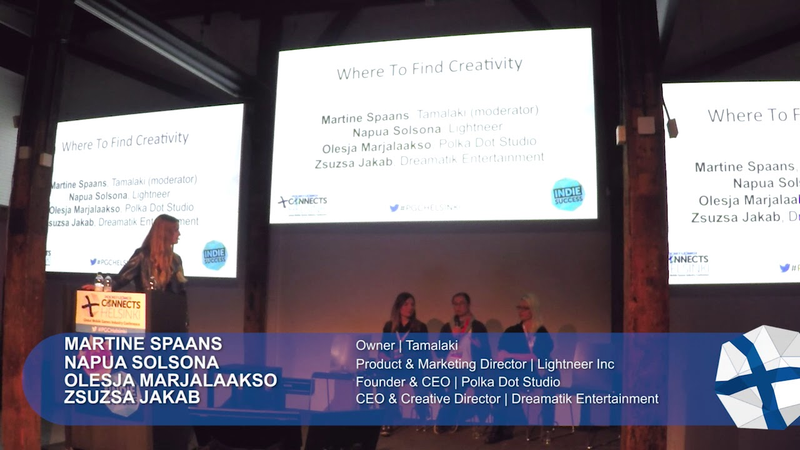
Where to find creativity
Key insights
6 takeaways- 01Developers should maintain a critical observation of external media and personal creative triggers to ensure product identity remains distinct from industry-standard mechanics.
- 02Long-term commercial success in mobile gaming requires a strategic balance between artistic ambition and rigorous, data-driven market validation.
- 03Over-reliance on benchmarking successful titles leads to derivative design, whereas true innovation stems from integrating unique creative risks with consistent player feedback.
- 04Rapid experimentation, when paired with a clear product vision, allows development teams to move beyond imitation and create titles that resonate with global audiences.
- 05Effective studio leadership must prioritize mission-driven decision-making to prevent the stagnation caused by overly calculated, safe design practices.
- 06Creative output is sustained by fostering individual workflows, such as mood boards and iterative feedback loops, alongside team-building informal rituals.
Ask AI about this video
Transcript
[Music] [Music] starts welcome everyone to this panel about finding creativity and I am going to start to pour you guys some water and in the meantime you can start introducing yourself who are you where are you from how did you get here thank you so this is creative what I'm going to start for the end and then nice one nice one okay so my name is Jacob and I my background is pretty worried I have done a lot of things from from concept design to game design to project management to marketing in in almost as
many industries from from the games industry of course through advertising and then educational techno and now I started my own games company mobile games company ok my name is Olesya marelok so I didn't really know my first years in in went working but what I want to do when I grow up now I tried some spangs but I never found anything that would fit me I was working a startups with something but I really enjoy it I mostly worked in startups mostly in admin or HR or something but I always wanted to be to do something more but couldn't find my spot III ended up at Digital Chocolate doing HR got into more mobile games and what was love at first sight so but I'm I want it this is my
place and I found it worked at up start making dress-up games for girls for one year and now I founded my own company polka dot studio and again we are making lifestyle games for female audience so my name is Nepal and I am actually from Barcelona and I started working the game company just like directly on development only like a year and a half and I come my background is more entertainment and advertizing I used to be an executive producer I did films and a lot of like video shoots and then from there I kind of entered to finish gaming industry with what I now know performance wise like one of the best I would say like startups at the moment which I still believe which is future play and that was a big like slap in my face it's like that's how you learn you learn hard you know they're all Bros and that was the only girl and you know I
was like with the top top men there were so I think and I learned a lot and then I moved on to Lightner and that's where I'm working right now and I keep pivoting between product and marketing and right now I'm like you know running the the production and it's it's hard it's challenging it's beautiful and I'm really happy and part of the gaming industry in Finland awesome and not to forget myself my name is Martina and I lead a company called Tamil hockey it's a mobile publishing company focused on mainly games for women so it's like hidden-object match three time management simulation games cetera I've been doing that for about four or five years and before that I was already in a Licensing Manager role always working with developers always on the publishing side kind of moved to you know started ten years ago in the in the flash game industry and then jump to mobile a couple years ago when I started
my company all right so let's dive into it I wanted to ask with a question about basically the last products or projects that you've worked on so please tell the audience briefly like what that game is about and how you came up with the idea of the game I'll start I was gonna throw it back at you so we haven't launched yet we're doing um we have big band legends which is our first and only four now game that we're developing it's a girl learning game studios so it's a bit out of the box and that's always challenging because you're trying to like break molds and you know not trying to be the next Angry Birds because that's quite you know the market is different it's over saturated in a way and if we want to keep like you know achieving that its it doesn't make a lot of sense creative wise and it was really it's really mission driven you
know teaching particle physics in a in a mini-golf mechanic and for now we started this off launching in like 20 different countries so that's also quite different than the usual way but again because it's really mission driven and we wanted also to have like high-value impact worldwide first and treat like a fan base that in that sense like it could generate you know then like a user base as well and players so that's what we're doing yep so our game is yeah it's it's actually we started thinking of making a dress-up game it was kind of a given for our first game but dress-up there's just one dress-up game at the market but this kind of any any good at the moment and that game has been already on the market almost four years it's it's a
constant in a top hundred grossing it's very for me it's it's it's hardcore PvP dress-up game for adult women so it's that's it so my idea was and also as another game for females Fair which is ultra casual and fun it's Kim Kardashian Hollywood so those are the two kind of for me the two different games that are targeted solely on females one is really casual one is really hardcore and I wanted to build something in between Kim Kardashian meets comet fashion something meat core but schedule enough to kind of attract a broader audience but has enough depth so we started doing that and it's interesting how it's morphed into more of uniting we first thought about the social media stimulation angle and now we ended we
ended up with the game that's in Instagram that has instead of taking a picture with your phone you have your own avatar you dress but you dress up at avatar and that's your selfie that you post in the game and you get likes and followers and whatever so it's an Instagram it's a dress-up mechanic yeah soft launching the game in about a month or two ago by the way I love that you call it sort of hardcore PvP and I just had a flashback the last time I was discussed seeing sort of a what would a hardcore game for women looked like and of course those guys could only come up with basically sort of a game like doom and instead of you know shooting people you were throwing lipstick which doesn't make sense at all anyway yeah and I realized that I didn't mention earlier that yes we are we are also making games for the female audience but we are a little bit too early stages for me to
talk too much about it so I would rather than just talk about the process as to I say sort of kind of how I because it really ultimately was was sort of you know my concept that I you know it's been brewing in my in my mind for for some time you know - that's kind of like whole creative process I think there's there's like two things that everyone wants and that's to work on something that you are super passionate about and the market wants or needs even better and so it's it's really sort of hard to find and somebody you know is willing to pay for it's like the ultimate Venn diagram and and so I think that one of the first things for me was that I realized that you know it came from the passion first it came from realizing that there was a type of game that I really wanted to play and I wasn't seeing it amongst you know in the existing and seeing the
offering and and I started digging into it a little bit more and and I realized that there was you know there was there was a sort of a huge opportunity to to be the first to tackle this and and there was there was really there was there was also a business case to it so that's thing it started from from the fact that I was super passionate about it and then it was a business case to it so to that I would say whoever is like sort of if you are now sort of starting to you know you're probably already working on the game but if you're thinking even on the next you know for the next project I can't tell you just how much defect that I I am into it fuels and and you know sort of like makes me you know get up in the morning and and you know have that smile on my face and want to talk to other people about it but at the end of the day also it's important to sort of have them you know have a purpose with you know is it gonna sell is it gonna be good but there's like so there's like so much to say also in terms of you know in terms of have a I had a very clear
vision of what I wanted the company to be as well what I wanted for us to be and this does tends to be sometimes that scary question where do you where you gonna be in two and five in ten years and I realized that I had a very clear vision for that firm from day one I know that nothing that everyone necessarily has that but it's going to help you so much in in narrowing down the number of ideas you know heads from from infinite essentially to to those few key ones that will really align with who you are what you want to make you know what is what is your company mission and vision and and they you know they're they're sort of cliches but this already sound cliches but they're very important because it it breathes through our entire creative process everything that we do everything that we any idea that comes up it has to go through that sort of filter does it align with what we are doing does it you know further the goal and yeah it's interesting because one of the things you're talking about like the
passion and then also like the balance don't you know you you finally partly we can all agree in that in the testing right and endured as a market and there's a purpose and how much of like the passion and division sorry that you have or a creative has and how much is it like given to the market that something's gonna work we were just discussing before that and it's like put yourself like if like an artist right and the difference between art and design so the artist is like you know you could be van Gogh it's like okay it didn't work but when I die I'll just be super successful or at the other end is like okay I'm just doing something there's like purely mechanic it's gonna work it's really performance driven and you know it's closer to banking then actually to gaming for my understanding and I come more from an entertainment background so I think like the balance between those two and and where to draw the line is a it's very it's a very creative decision you know like where you know just it's fair both are completely fair do you want to be more niche is that like you know your target audience something that is really defined is it really broad is are you in
for this like okay you know maybe not planning it but I want an exit like maybe in three or five years or you know and I'm and I'm here to make a bulk amount of money that I'm sure we're both all of us like one mind like paying our bills but still you know what's the balance between one thing and the other and I think that's where creativity as a process comes in as well right agree so just by the way just a side question that I that I kind of popped into my mind as you were talking do you get sleep with like a notebook next to your beds because those midnight moments when you have a Eureka idea that you absolutely have to write down yes I do I don't have them at at at night or mornings but I whenever I Drive a car or a bus those are the places like and I come to the office and I said oh my god I was in a bus and I had this great idea and our designer starts like sweating but oh my god let's not again huge like
idea and now we'll just change everything but they seem like it's public transport or driving it's it's that's where I get my most ideas that's actually a very very interesting one as well and it seems like I think everyone gets creative by different things you know everyone getting inspired by different things so you sort of have to learn yourself as well like you know understand yourself where when and and and where are you the most creative under what sort of circumstance and and the end conditions and you know try to sort of do that but but what this dis reminded me also is that I don't have the notebook mister but I have obviously we have the best notebook in the world I have this with me all the time compulsively unfortunately and so whenever I have an idea but in terms of like also when you you know we are making games but ever like you know the name of this panel is where to find creativity everywhere everywhere is the answer and I and I said that so so basically it's more
about how do you approach the world so watch you know when you watch movies listen to listen to as as much you know listen to music you know pop you see play video games a lot watch TV series read books and but but but do so critically and then you know try to to see is any of this and anything that you're that I'm experiencing right now applicable to do what I'm working on and this also applies to to business so I try to what I try what I mean my mantra is like they really never stop learning never stops I always be researching always be always be playing always be watching and always be you know trying to see you know is this relevant for me and so I'm always on you know on the industries there's a ton of awesome industry sites that you can you know you can research for business you know ideas and then there's a ton for creative and then the other thing is like creativity like you know I think it's really good
to start with some standards so like you know there's quite a lot of you know people that have been working in the industry for a long time and so there's even though it's a pretty new industry there's like you know because of repetition and you know learning and falling and failing and you know learning again there's some conclusions that you could get the things that actually work and some things don't work and then from the ones that work you could also be creative on top of it you know and and and recreate so pulling away from it you know is also a really good idea that sometimes when you're like locked and going around in circles in front of your desk it's not like the most creative environment of course you need the hours and and then just pull away from it and get some inspiration from from the world around you sometimes having a talk with somebody not only on slack it also helps you know taking breaks going and having coffee every now and then it's you know going to the bathroom I find creativity a lot when I'm like
actually in the toilet when I'm not playing let's admit we all play games in the toilet anyway might as well find creativity there exactly it could be anywhere and then you know thinking about it and testing it I mean I think testing is very important part and failing is a very important part and also find a creative answer it's not it doesn't mean that we always have to be acting the same or doing the same or getting to the same place in the same way and that means like from the process like the production process is it like you know daily you know dailies or weeklies or is it this way is that this tool is it that tool it was it like you know you have to find it within like the team and within yourself and what you feel more comfortable and getting it done and executing it I feel like creativity is also part of the process not only like as an art form but the process and what you're thinking you have to think out of the box and think what's best for you and your team and
just just one more points it's it I find it funny it's like video games industry it's it's considered one of the most creative and it's really likely a creating new entertainment new concepts but also like what I read I know what I learn on free-to-play model it's very much you you shouldn't be too creative in doing your free-to-play say they're all like standards and things with work and it's better to actually follow how like working models say this is kind of interesting on how to unite your own creativity and your own idea but also put it together with already proven and working free-to-play model so you actually get butter on your bread and that's what we have been also kind of struggling and working with so one if you make we're making a dress-up game with one prominent competitor out
where who sets the benchmark for every for every dress-up game and that's I see that we have been to much kind of benchmarking it and so it's it's been a tug of war between how creative and how kind of how much we want to create new and how much we want to follow what already works in the industry and how what already works for our benchmark game and that has been going on and on like in like the last five months and they started pretty close to covet fashion but now actually during this week we have finally embraced our own game our old standing and our own vision and we jumped all-in into vats and it made me so happy I'm finally kind of happy and free and I'm I kind of got my passion back with oh my god this game is
awesome and I've been so happy I was just so hyped pitching it like for everybody yesterday and yeah it's such a good point that what you brought up that it's you know that ultimately the benchmarking can be such a double-edged sword doesn't it that it's obviously it's important obvious it's important to know to know what's out there but at the end of the day you know you have to you have to find what makes you unique and again it's it's it's another you know it's another one of this those those cliches but again so very true you're gonna have to stand out you're gonna have to you know you you're gonna have to set yourself apart from from the crowd and I would also add to that don't compromise on that a lot of that is just so much to you know personal intuition as to like what what do you feel is the right thing and especially if you're creating something new you know whether
it's a genre first or you know game nobody's gonna be able to tell you is this the right thing you know they're just guessing as well and so you know you you have to trust your your your intuition as a creative as a creator and go for it and and test it actually test it in the wild see how it does benchmarking maybe to yourself like as a business plan at the beginning you know and and seeing okay what is what does success mean for me you know in our company you know what is what does that mean you know doesn't mean we have to be like you know candy crush is that success well that's quite a high bar you know so what is you know we don't there's a lot of that the market is is pretty big it's not all about you know Angry Birds candy crush clash of clans there's also other other directions other products other you know other people that are also playing other games though they say they only have about three to five games in each phone and you actually do play and maybe it's one or two that you actually play but you
could be a game that people play you know so just like defining that from the beginning and then following that that goal you know in achieving it I think that's also very important so within the creativity it's really important to have those boundaries and then when you want to clock but when you want to cross those boundaries then you're you know that you're doing it consciously it's like okay well now I'm taking this risk but I'm aware that I'm taking a risk but I'm doing it so big con you know be kind of conscious about what you're doing and not just like drive yourself to I think I believe this is gonna work well you don't know until you test it right and if you do want to take a risk assume the consequences for sure yeah yeah I think when we tend to look at the success of creativity of course an obvious one is looking at like the monetization how well the game do but especially when it comes to creativity I think it's also like really important like you know how is it the critique on the game is it doesn't win awards is it
recognized or you know is there is there more into the game as in can you then you know you your game might not be a financial success but the do sort of licensing opportunities roll out of it which then make it into a success for your studio and even beyond that is it adding something new today to the industry or is it adding is it you know pushing pushing the industry forward in any meaningful way you know and and yeah it's it's it's obviously you have a set of frameworks in which you work that is that is set whether it be in the platform that you are working with or the audience that you are you know working foreign and you know the kind of game that you're that you're making but I think really the most important framework and sort of goal choose base that what is the goal you know what do you want the game to achieve what do you want players to feel and that's there like that was at least my starting point and then from there on it was just so much easier to to like sort of do a
surgical strike I still like yes like this is what we want to do do you also take creativity from your from your audience you know as an input and maybe as ideas you know is there ever been a player who didn't set like what if you do this in the game and you went like actually that's a good idea we don't have an audience yet but I I just research but we don't have an audience it's oh me neither yeah yeah free to do whatever everyone's and what we feel yeah well we're it's interesting because we're like in different phases so in our case as I said we're like kind of hard soft launching in 20 countries and it's really I mean I think this is like a whole other theme but the customer support and taking I mean that's that for me would be like the core and any like you know kind of marketing as well you know and branding taking you take the feedback from the audience and the players is like super important so definitely yes now how much of that does
it penetrate into like the design and you know taking into account its ups also just like the team and you know adapting to the - if there's anything basically if there's anything to fix fix it if everything's okay that's like an added value kind of comment then take it into account but not like make drastic changes if something is working that would be like my general rule my five cents yeah and also like even though you know as I said we don't have an audience yet but but listening to the audience throughout the entire process is of course very important so I would rather say that I am at this point before we have anything you know launched I am keeping a very very close eye and on on you know visa forums and and and and talking to to you know potential customers and players as to what they want so trying to sort of gauge and and do that kind of early market testing you
know what we can and and really try to understand what they mean when they say certain things and then as soon as we have anything you know playable then put it in their hands and kind of like see see how they react so so yeah like throughout the whole process it's very important it's also like the quantity and if it's one person like I remember like you know some occasions like we've had like ads in our game and you know we started with like basically like zero filters and see what happens and of course we got one complain and then we got another complain and then when it's like a bunch of complains and it's like okay maybe we should like actually think about maybe adding some filters here you know maybe does it really resonate with your audience to have this sort of ads showing so then you make a case out of it when you have more than one person you know complaining more more feedback you know not based from one feedback to entire or or just like you know right so it becomes like a bunch like a segment and then you understand and you analyze it right so because we kind of already
sort of touched upon this point a little bit but you know creativity it's it's a team effort so however we you know when we're like five different people I'll try to push through their own opinion someone needs to be like you know the bad guy and make the decision otherwise you'll just go around in circles all the time so how do you sort of in your team's balón democracy and defective decision-making yeah it's it's an interesting challenge also in our studio and especially when you are kind of working with the whole team is founders at this point if you don't have employees everybody's invest together and everybody should have a say in the game it's more kind of having this culture but the ideas can come from anywhere everywhere and from any person but then also having clear kind of responsibilities that I have that's like four verse most problems with me on our
game designer because I'm full of ideas I've hired this this is my baby this was like my I'm the kind of the whole kind of the holder of a vision of our game and I have huge amounts of ideas and I get them every day and I'm not a friend to bring them when we have a poor game designer who needs to make sure that we have a concise game that's it make mechanics and the loops and everything works and he needs to kind of have a hold on my creativity to take the best things and kind of say we do it say that our designer has a last world word on kind of on what a certain feature in the game of how the game works what are like where and how it's built but I as producer and kind of vision holder I have the last say on
prioritization and kind of high in which order and how we do it in which order with tests and everything so this has been searching for balance and be still doing it yeah I think it's really important to have like the ownership of the product and you know and then somebody who's actually filtering all the inputs of the rest of the team you know so it's it's really good that we all kind of feel that we can like you know say or say but at the end of the day there is that those responsibilities and somebody who's owning the product and saying okay there is what we're and of course then as well saying well have you thought about this or have you thought about that and then again testing it and and putting it out in the market and seeing if that actually does work you know because sometimes we could have some ideas and intuition and until it's not you know into reality yeah like the little fish you know swimming around in the ocean open ocean then we can see okay that did work that
didn't work this needs a bit of refurbishing etc but it's really good to have the ownership at one point you know because if not you could just have like on and on like brainstorming ideas of what could be and how could it be done and you know it gets a bit like patchwork II and I think I mean that has happened a bit in our case you know like we've until we had a solid identity in rolls you know and and we have some fluctuations of like roles in the company which is also really healthy to find until it's like set you know it's like building a home or building a car you know so at this point you know having the ownership into like the design is very important because if not it could just get a bit confusing right yeah this was an interesting question because I know that different companies obviously have a very different approach to this and different sort of philosophies and and I think that the you know the jury is to some extent I
guess still out as to you know which one works I think it's it's all about also what works for you guys what works for for that particular that particular team in our case as I mentioned earlier because we have such a sort of again the clear clear kind of vision and and the mission for the company so everything gets filtered through that so all this sorted the decision making but we do have a very sort of clear demarcation of of roles although an entity of like you know that the buck to some extent stops with me where I you know I see myself that that you know I I basically sort of steer the ship I guess in in the right you know direction make sure we're not hitting the ice you know an iceberg and then within that you know everyone sort of knows what you know what what they're doing but everyone like I said it because everyone is a create everyone the ideas indeed can come from everywhere so so everyone brings forward their ideas which then you know get sort of you know filtered through that that very clear mission that we have and you
know how does that sort of work in and then you know would we have you know a sort of like a final final say in something it would you know it would probably come down to to me and but you know everyone sort of has their their areas because you know so you so often then end up seeing this kind of decision paralysis team sometimes so it's it's just at some point you have to make a decision and move on so yeah I definitely yeah by this idea of it's like you can discuss different features and try to think a different intuition so that could work or quad couldn't work but that's it's more important to actually make decisions and just kind of see okay if we make this one how did it work out okay but work out okay let's make the next one okay this didn't work out okay if you should probably change it but if you just kind of get on like discussing should we make this or VADs it just shouldn't discuss it too long just pick one it still guesswork before you know
you're five years in developments yeah and if the product owner you know or the designer feels that this is they're really passionate about something like do it you know like it's good to take some risk sometimes you know and and then test it and then you know continue working and just I mean you you have to kind of decide if you want to go in to save site or not and and for example it light near I think we're not on the safe side and that's you know that's really good you know we're taking risks we're trying to you know test how's like educational you know in a real game is is actually working and and that's that's the risk because we're thinking really much out of the box and then we're testing it and then what doesn't work we're changing it and what works we're not so it is good to take risks you know and to follow right and it's okay to take a risk and fail you learn even more it's kind of if you don't take risk of course you can't fail but you can't also succeed so I see if you're just kind of too much copying and avoiding risks
then you have just kept in your potential - but you can't really been big yeah I don't think any any game is made without some failure along the way right it's just party be like totally like over design and over thought like hmm am I gonna take a risk here or not you know it's not like you're investing your capital into like a you know less like risky option or another just do what you feel passionate about I mean I think that's like a conclusion you know what you feel urges you to do it right and then follow that and then test it test test test but if you're not passionate about it and you're kind of like I'm actually gonna make something that is like a really like a theme that is has been proven in a mechanic that has been proven and then I'll make a product out of this and you're kind of like designing and overthinking it then it just kind of like it doesn't really a creative way of thinking that's like more of a calculated way of exactly yeah since I see that we only have a few more minutes left I was wondering if there are any questions from the audience I'd be happy
to also just continue talking and asking the questions but if you have some just raise your hand I'll keep an eye out so well in that case I'll continue I was wondering are there I mean do you have any tips when it comes to like the creativity tools that you use you know is that like sticky notes all over to play so you do game jams on Fridays or you know no pizza parties whatever is it any like sort of tools or or rituals that you have in your work space that really like help to you know let the creative juices flow well we do a lot of like photoshopping so like the team gets like you know parts like assets of the game and then they print it out with their face on top of it and so like helium for instance is like you know our main character is this little green guy you've probably seen some hoodies around and so did like for instance a lady the designer puts his face on top of helium and then prints it out and puts it
everywhere or you know like little fun little quirky little things and then just like you know then we have like the non-related slack channel and that's a good place to vent but also a good place to you know shares stuff that's that's that's quite nice and then on Fridays we have our like company weekly meeting and first of all we started having it like pretty early like midday and that that kind of broke our days so then we decided to have it the team decided to have it more like at the end of the day and then if we want it we could have a beer with it or you know have a just more relaxed moment that to bring us all together and being able to talk about stuff so just different things that you know and it would try and then we change if we feel like doing that but yeah not to try to be a bad influence but I'd say alcohol helps yeah crazy ideas somebody did say that yesterday that where do you because I was telling you I'm gonna be in this for this panel and then where do you Frank you 8ot at the bottom of the glass yeah I have to admit that we
haven't done enough to kind of to spar with creativity and the team spirit and everything it's also being a studio of its limited resources and limited time because of because we have limited resources we have a deadline okay this is when we run out of money and visas when we should soft launch our game because that's our kind of targets and then if the clock is ticking in your mind it's easy to kind of go into the hole like how we put the most code out how we put most arts out of every people and just concentrate on doing and I have to admit that we have made this mistake of just kind of being purely productive team and not spending enough time together just drinking and I definitely
plan to change that yes Friday afternoon bits of it beer I don't drink so that's a bit hard I fall asleep if I drink so it's and we had one absolutist in our team so it was hard so we have some really hindrances to a creativity I'm sorry to say we don't drink enough I'll be the first yeah we don't have an office it either but my my co-founder has already said that we're definitely going to have board game nights so again like I think you know when you're trying to you know at the end of the day we're working in the entertainment industry you should have fun so trying to you know get together and do fun things together that are not necessarily directly related to video obviously playing video games is is you know it should be a no-brainer but outside of that as well you know play
other type of games you know played board games play card games play you know just go out and you know do things together and then on the other hand also it's sort of like harkens back to I said earlier in that everyone gets creative differently or like you know they get inspired by different things you know whether they listen to music or they're in the car or or or wherever so sort of like understanding that and and and enabling or creating those surroundings that sort of inspire them and puts them in that in that mood I for example really like mood boards I'm pretty visual in a sense that when I you know get some ideas obviously I write them down but then I start to okay how will this look like and then and then you know put them in and sort of like reference and it put them out and you know just kind of like imagine it visually and and then you know try to communicate it that way so so so just an enabling everyone to to be creative in the best you know in in their individual ways like whatever kind of like however
they like to do it whether it's unlike whether it's taking notes whether it's you know the whiteboard and they just sort of like need to write it out or a document or mood boards make that you know make that available as something we also do is that you know once we have like the bill before it goes out we also have like an internal review so it goes it's like a you know a Google form that goes out to everybody in the company while all of our 19 people we're not that huge but and then you know we have about a week or two to you know go through it and think about it and also add our feedback and that's quite you know part of the like it's process but also creative you know to to listen to everybody and not spend too much time in like doing so many meetings you know because that sometimes for me kills process and kills creativity as well you know kind of like another meeting and you know it's really easy to just have a lot of on line of its so it's just a balance of having time to actually talk to people it's not
only digital but also cutting a lot of slack and doing stuff like reviews and you know just digitally and find the balance with that I think that's also important all right good well it seems that we are just out of time I'd like to thank you very much for sharing your views and creativity and thanks so much thank you [Music] [Music] [Music]
Summary
Creativity in mobile game development functions as a dynamic practice rather than a static resource, requiring a strategic synthesis of personal passion, market viability, and organizational vision. The core challenge for developers lies in navigating the tension between industry-standard mechanics and the pursuit of original, differentiating concepts. While benchmarking against successful titles provides a necessary foundation for monetization and production, over-reliance on existing models often leads to derivative, patchwork design. True innovation emerges when developers trust their intuition to introduce unique elements, provided these creative risks are validated through rigorous market testing and consistent player feedback.
Sustaining this creative output demands a culture that prioritizes mission-driven decision-making over the paralysis of overly calculated, safe design. Effective leadership fosters this environment by enabling individual workflows, such as mood boards and iterative feedback loops, while simultaneously strengthening team cohesion through informal rituals. By encouraging rapid experimentation and maintaining a clear product identity, studios can avoid the pitfalls of stagnation.
Ultimately, long-term success in the mobile sector depends on balancing artistic ambition with data-driven insights. Creativity is fueled by continuous learning and a critical observation of external media, ensuring that developers remain attuned to their own creative triggers. By integrating these personal insights with a structured, risk-tolerant development process, teams can achieve both personal fulfillment and commercial sustainability, moving beyond mere imitation to create titles that resonate deeply with global audiences.






























Comments