Game Development reports and market data
Documents

Game Dev Mistakes Nobody Is Talking About
The discussion between indie developers Matt Dabrowski and Thomas Brush identifies critical pitfalls that often hinder the success of independent game studios.
- Prioritize a strong, immediate 'hook' that captures player interest within the first five seconds of a trailer to remain competitive in a saturated market.
- Avoid rigid, formal Game Design Documents in favor of flexible, living documents that evolve alongside the project's development.
- Allocate significant development time to essential but often underestimated tasks such as UI design, controller remapping, and platform-specific integrations like Steam.
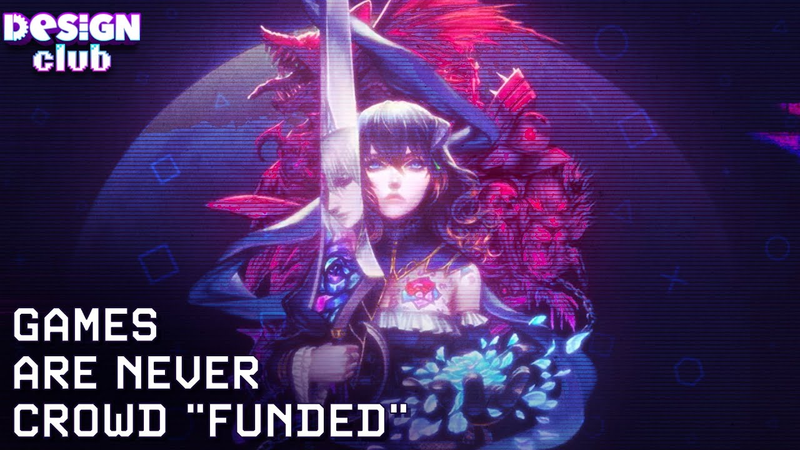
Why You Can't Crowdfund Video Games | Design Club
Crowdfunding serves as an ineffective and unsustainable primary model for financing modern video game development.
- Crowdfunding is not a viable primary funding model for modern video game development because the actual costs of production—often millions of dollars for a two-year project—far exceed what can realistically be raised through public campaigns.
- Over a 16-year period, only about 60 video game projects have successfully raised more than $1 million on Kickstarter, highlighting how rare high-level crowdfunding success is for the industry.
- Successful crowdfunding campaigns often function as pre-order platforms rather than development funding, requiring developers to already possess a playable alpha or significant concept art to attract backers.

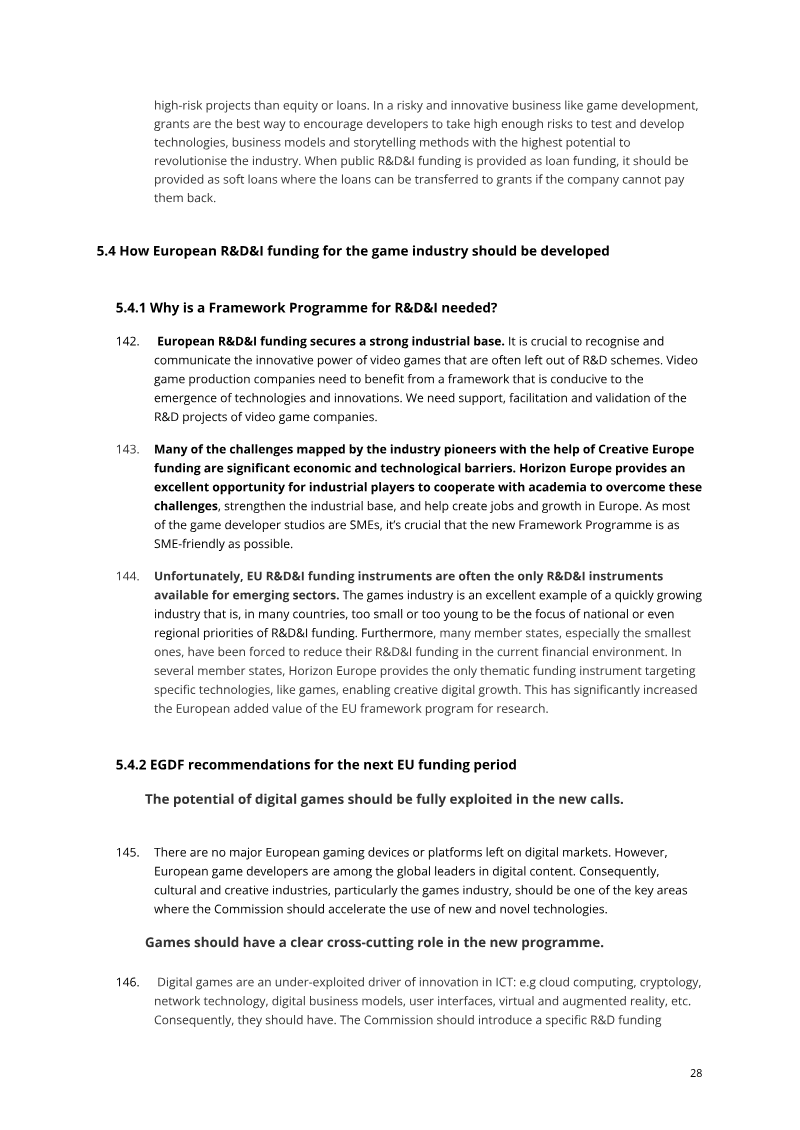
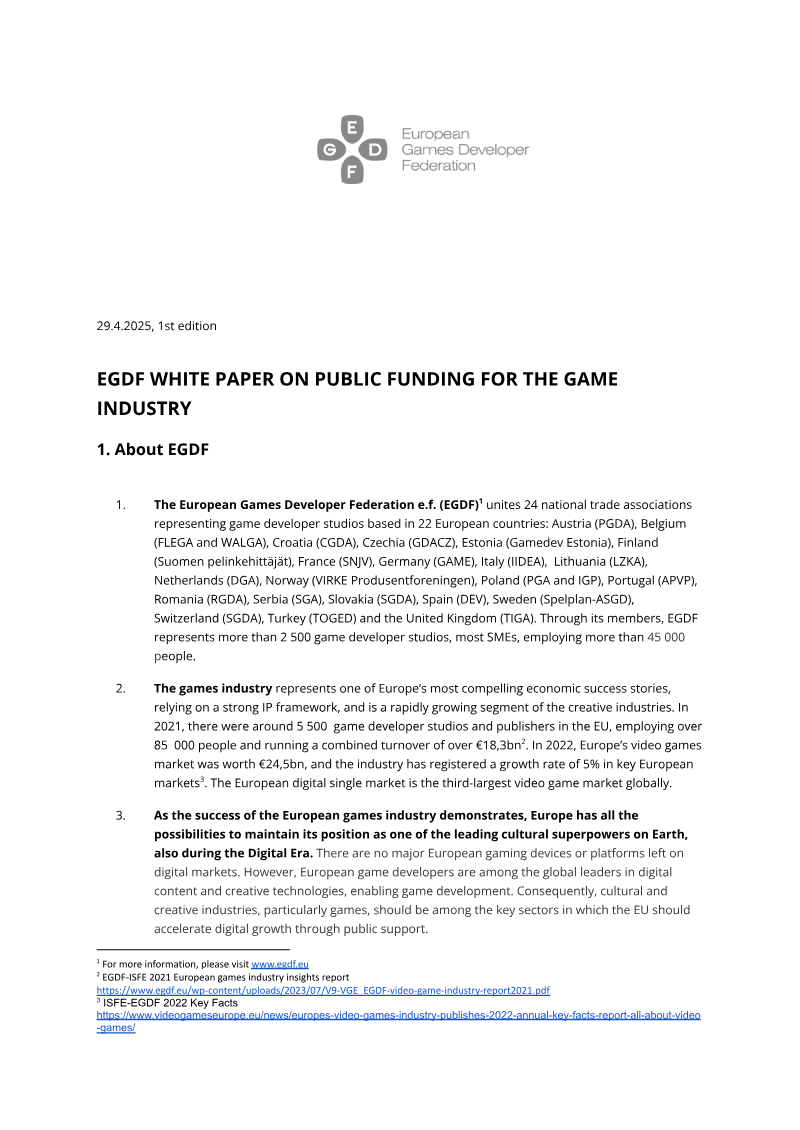
White Paper on Public Funding for the Game Industry
The "White Paper on Public Funding for the Game Industry" argues that robust public funding is essential for the European game industry to foster innovation, achieve technological and artistic sovereignty, and enhance global competitiveness.
- Public funding is a strategic necessity for the European game industry to maintain technological sovereignty and prevent the acquisition of independent SMEs by global conglomerates.
- Current regulatory frameworks are ineffective because they rely on film industry standards that impose administrative burdens and stifle the agility required for game development.
- The industry requires a modernized state aid framework that recognizes gaming as an autonomous sector, specifically by expanding the definition of research, development, and innovation to include business model and content evolution.
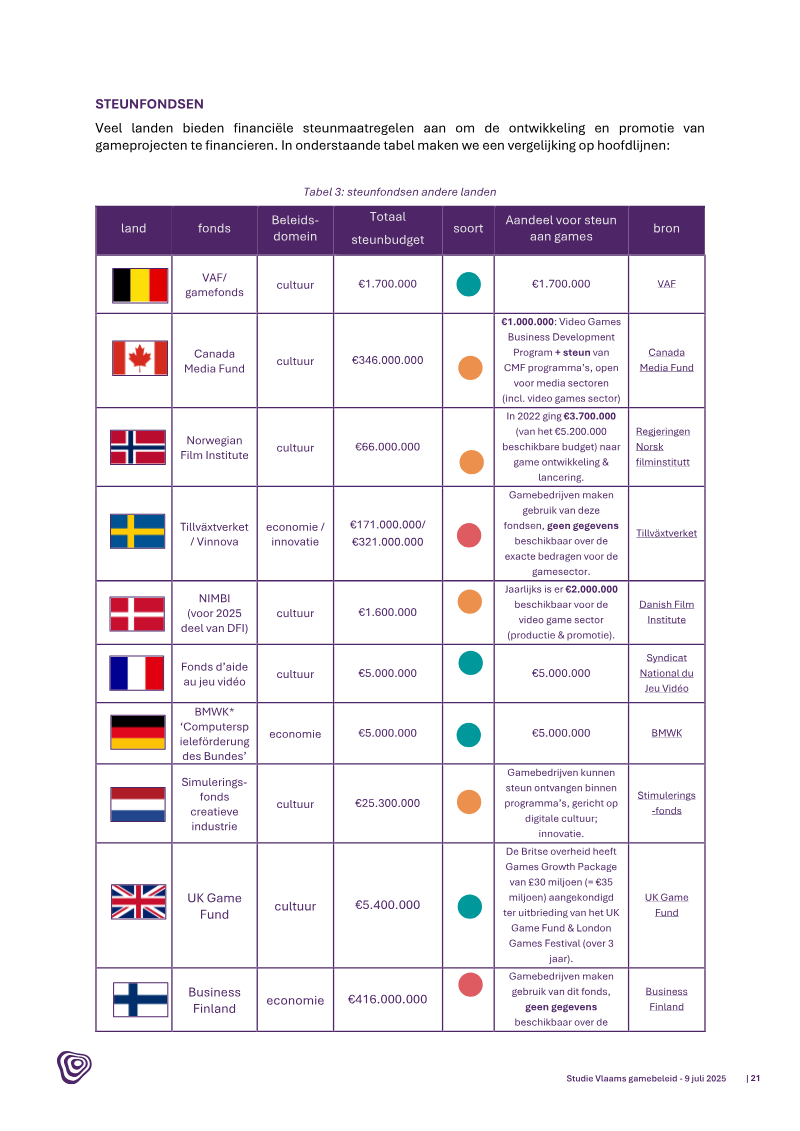
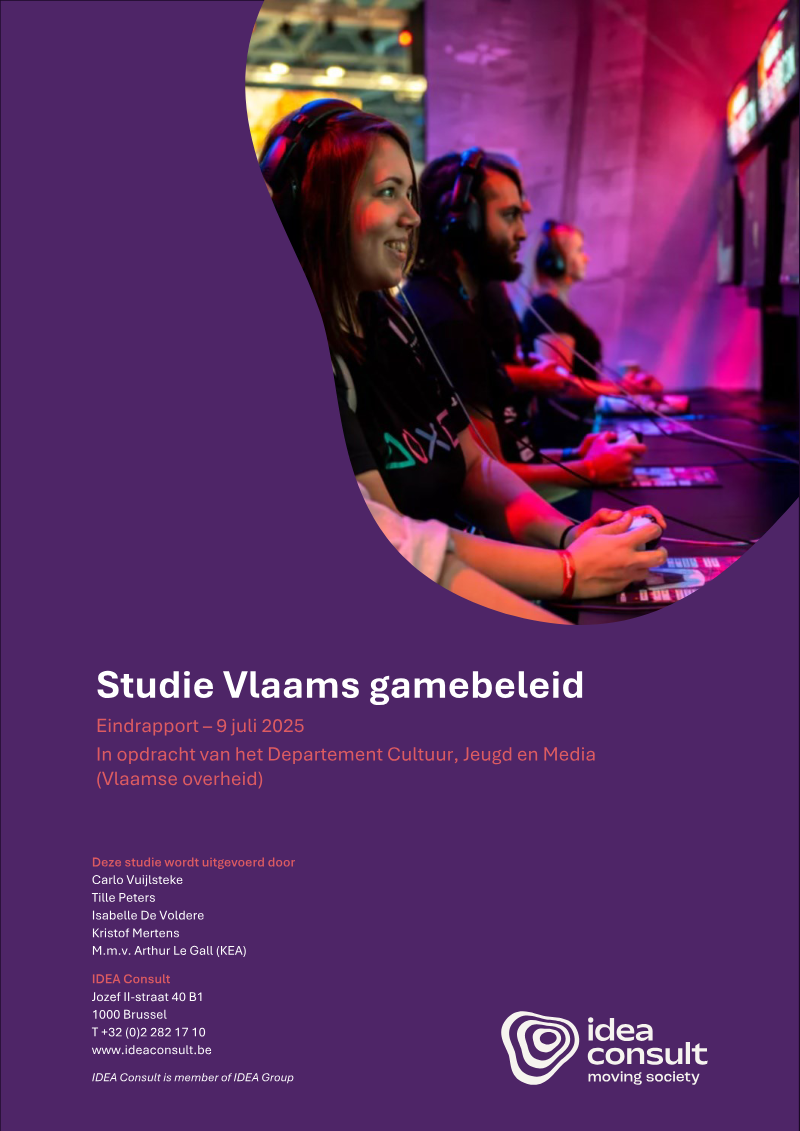
Studie Vlaams Gamebeleid: Eindrapport
This study, commissioned by the Flemish Department of Culture, Youth and Media, assesses the Flemish game sector's current state and proposes policy adjustments to enhance its international competitiveness and align with the "Level Up Flanders" vision (2022-2025).
- The Flemish game industry lacks a 'missing middle' of mid-sized companies, with growth concentrated among a few major players despite an increase in total studio numbers between 2020 and 2024.
- To compete in the $187.7 billion global market, Flemish policy must shift from project-based subsidies toward business scaling and private capital access for the 2026–2030 period.
- Existing support mechanisms like the VAF/Gamefonds and the Tax Shelter are currently insufficient to match the aggressive fiscal incentives offered by international competitors such as Canada and France.

Why Most New Games Still Face-Plant — and How Player Insight Can Flip the Script
High-budget game development frequently falters due to a reliance on late-stage quantitative data and a fundamental disconnect between internal creative visions and actual player experiences.
- Many modern game launches fail despite development and marketing costs exceeding $200 million, primarily due to a lack of consistent player feedback and validation during the development cycle.
- LiveAware addresses the 'echo-chamber' development problem by providing a platform that captures, analyzes, and organizes player feedback from sources like Discord, YouTube, and surveys into actionable insights.
- The platform utilizes AI to surface specific player comments and gameplay issues, automatically routing them to relevant departments like art, design, or engineering via Jira integration.

Sam Lake: "I had to take six months off after Alan Wake 2"
The development of Alan Wake 2 represents a pinnacle of interactive storytelling, characterized by the complex integration of live-action sequences, musical elements, and narrative-driven mechanics.
- The intense development of Alan Wake 2 required Sam Lake to take a six-month sabbatical to recover from the project's unsustainable production demands.
- Remedy Entertainment has transitioned to a co-creative director model to support the studio's growth and the management of multiple concurrent projects.
- The studio is scaling its intellectual properties through strategic partnerships, including a collaboration with Annapurna Pictures to develop film and television adaptations.
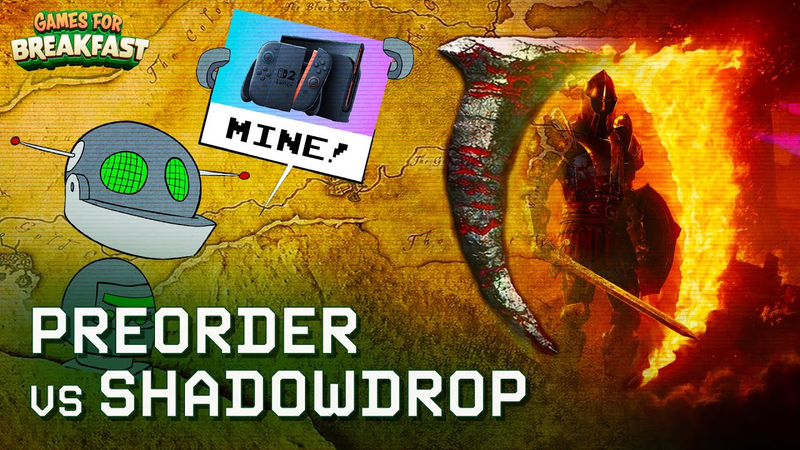
Oblivion’s Big Day, Switching 2 Better Preorders, and Healers On Strike! | Games For Breakfast
The gaming industry is currently navigating a period of significant structural and cultural transition, characterized by evolving monetization strategies, the complexities of intellectual property integration, and the persistent challenges of community management.
- Hardware manufacturers are implementing restrictive pre-order protocols, such as requiring long-term subscription histories, to mitigate the impact of automated scalping and retail infrastructure failures.
- The success of shadow-dropped remasters like Oblivion indicates that players currently prioritize nostalgic fidelity over significant mechanical overhauls.
- Integrating major external intellectual properties into established games like Magic: The Gathering creates a tension between attracting new demographics and risking the alienation of long-term players through lore dilution.
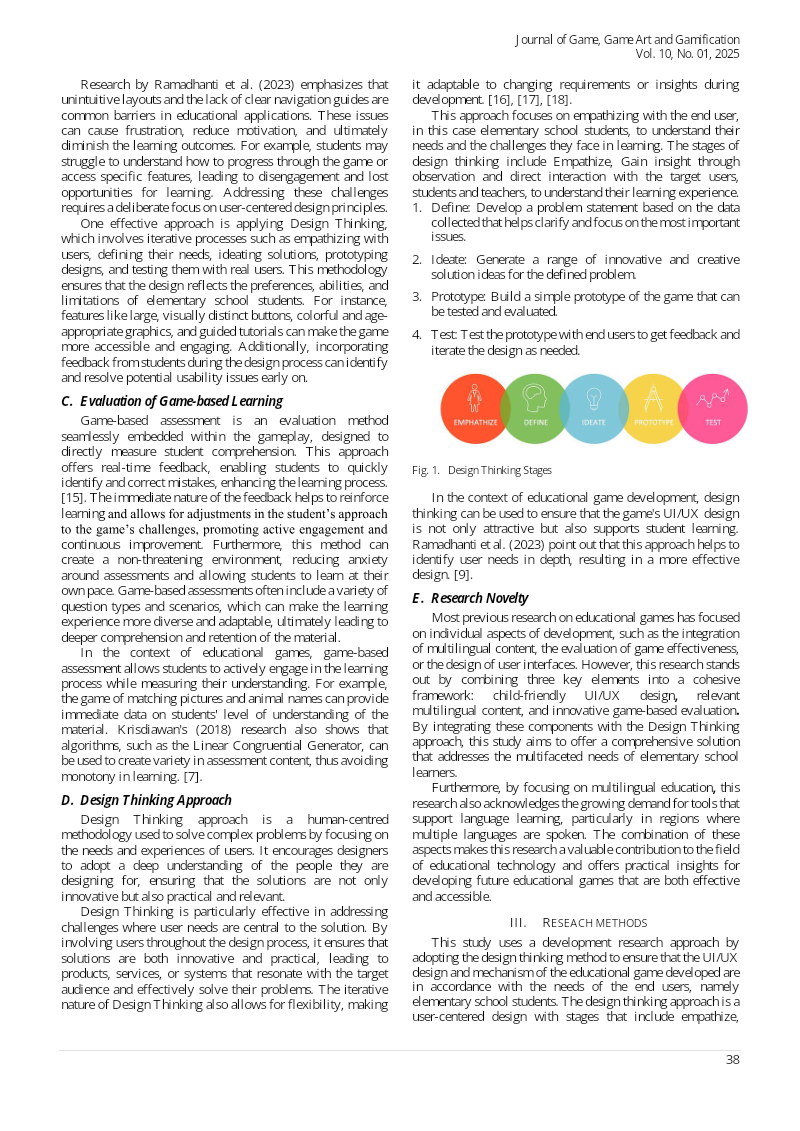
Development of Multilingual Educational Game UI/UX Design for Animal Introduction: Indonesia
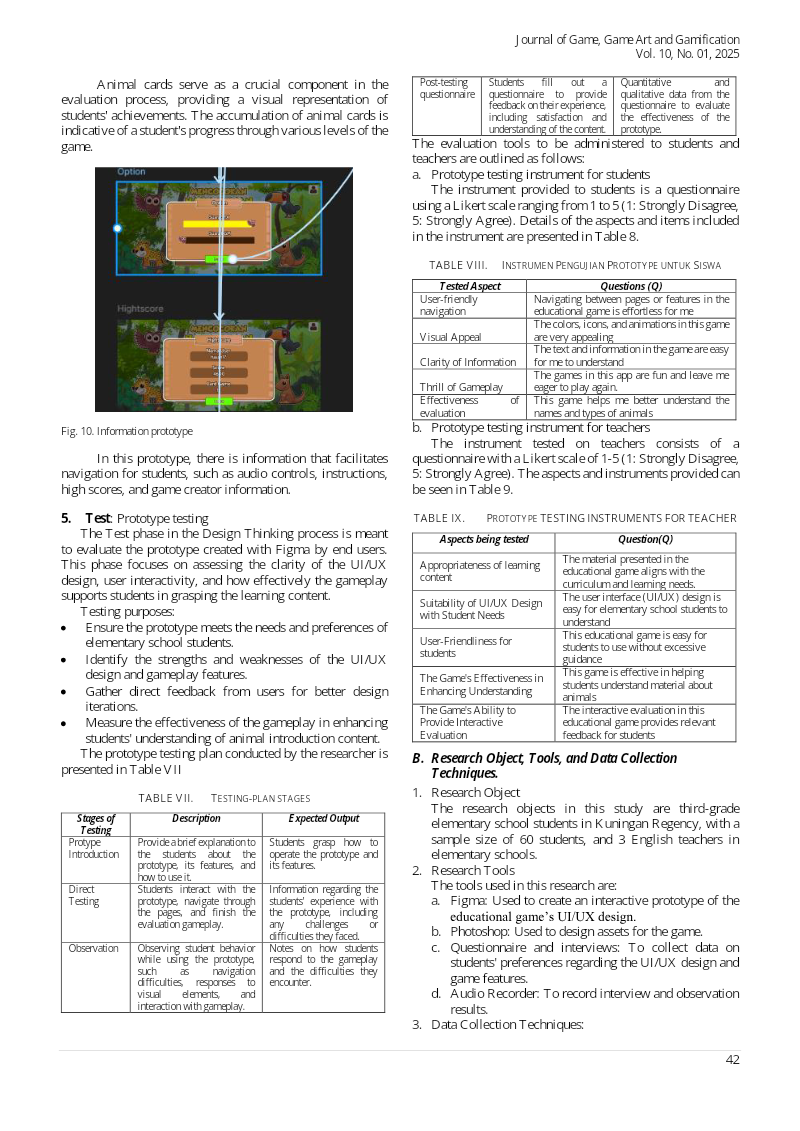
The integration of digital tools into primary education serves as a vital strategy for enhancing student engagement and overcoming the limitations inherent in traditional textbook-based learning.
- A study of 60 elementary students and three teachers confirmed that interactive digital games significantly improve student motivation and comprehension compared to traditional textbooks.
- The application of a Design Thinking framework and iterative prototyping in Figma successfully produced a bilingual English-Indonesian UI/UX for third-grade animal recognition.
- User testing revealed high levels of student satisfaction regarding the visual appeal and accessibility of the interface, validating the effectiveness of interactive digital media over static materials.
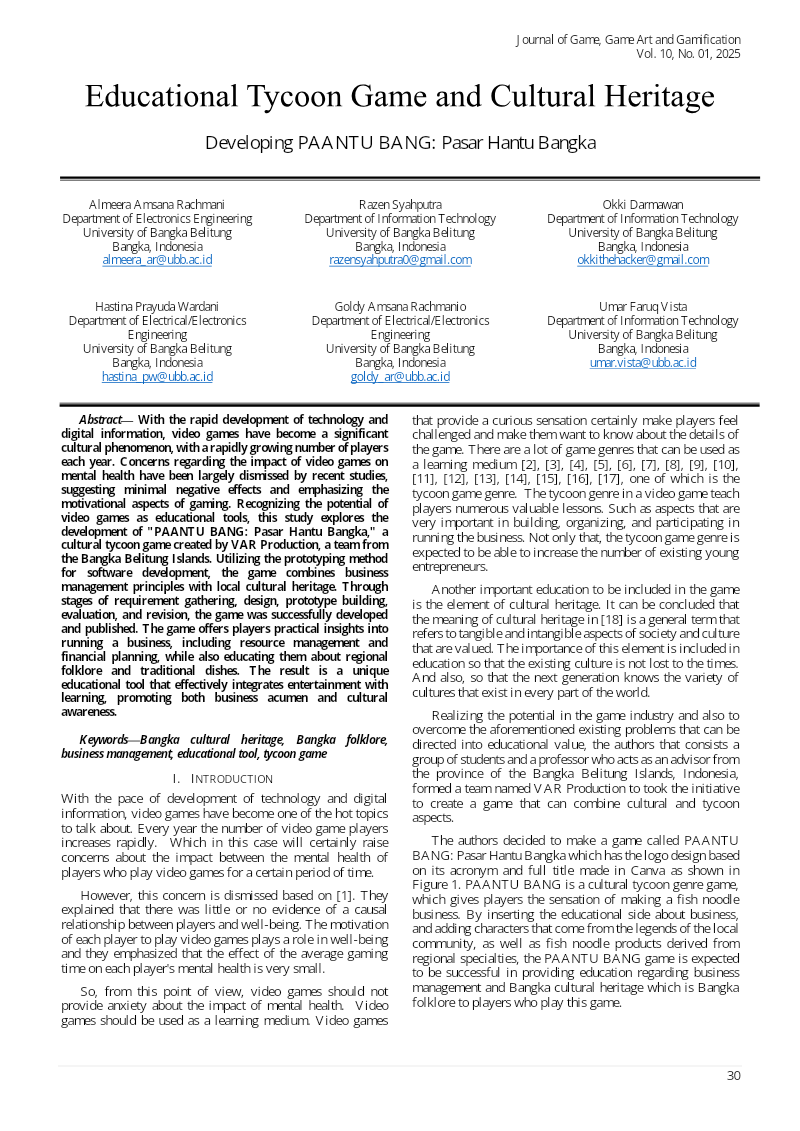
Educational Tycoon Game and Cultural Heritage: Developing PAANTU BANG
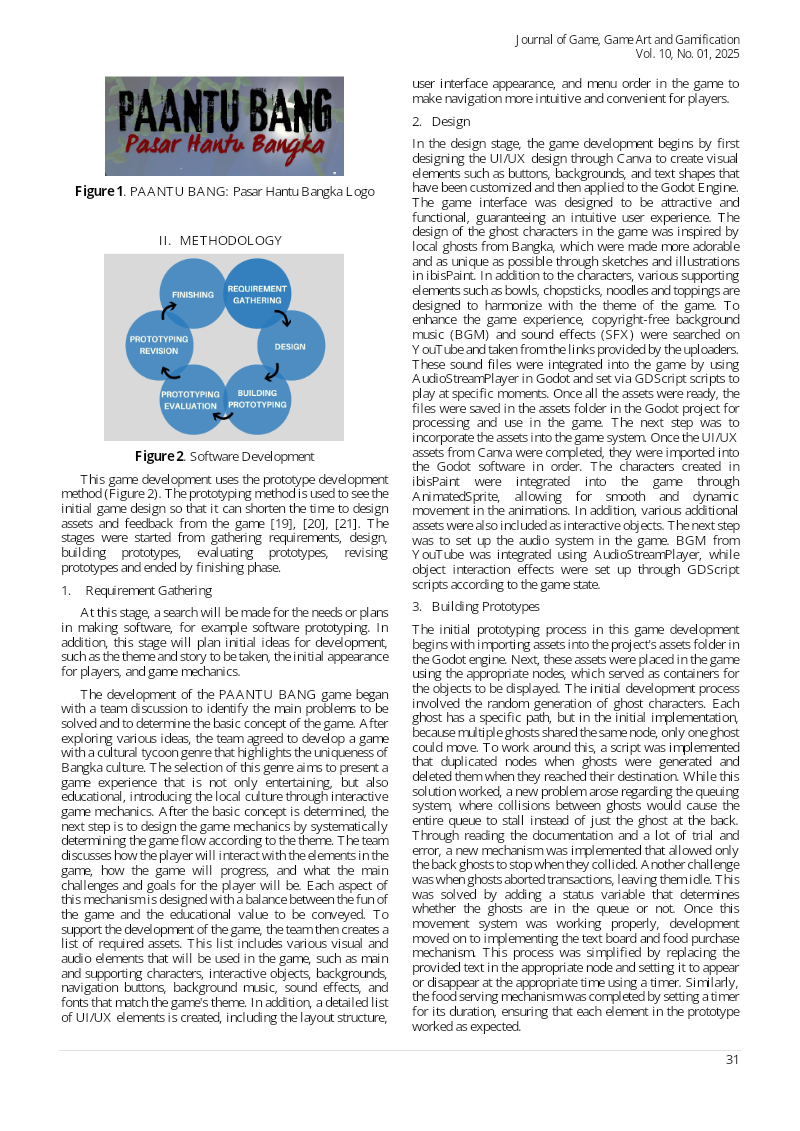
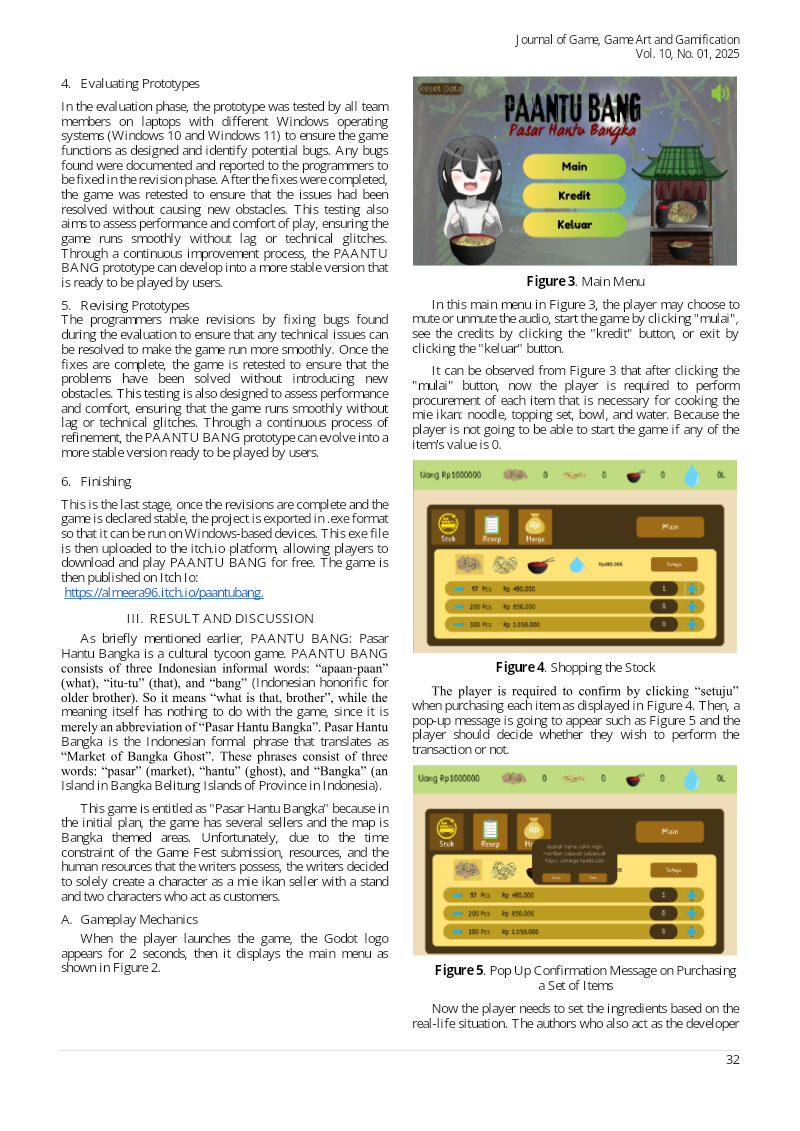
The development of PAANTU BANG: Pasar Hantu Bangka serves as a case study for integrating cultural heritage into the educational tycoon game genre.
- PAANTU BANG: Pasar Hantu Bangka serves as a model for integrating regional folklore and culinary traditions into the educational tycoon game genre.
- The game teaches core business management principles, specifically focusing on inventory procurement, financial planning, pricing strategies, and customer service simulations.
- The development team at the University of Bangka Belitung utilized an iterative prototyping methodology to refine game mechanics and resolve technical issues like queuing systems and character movement.

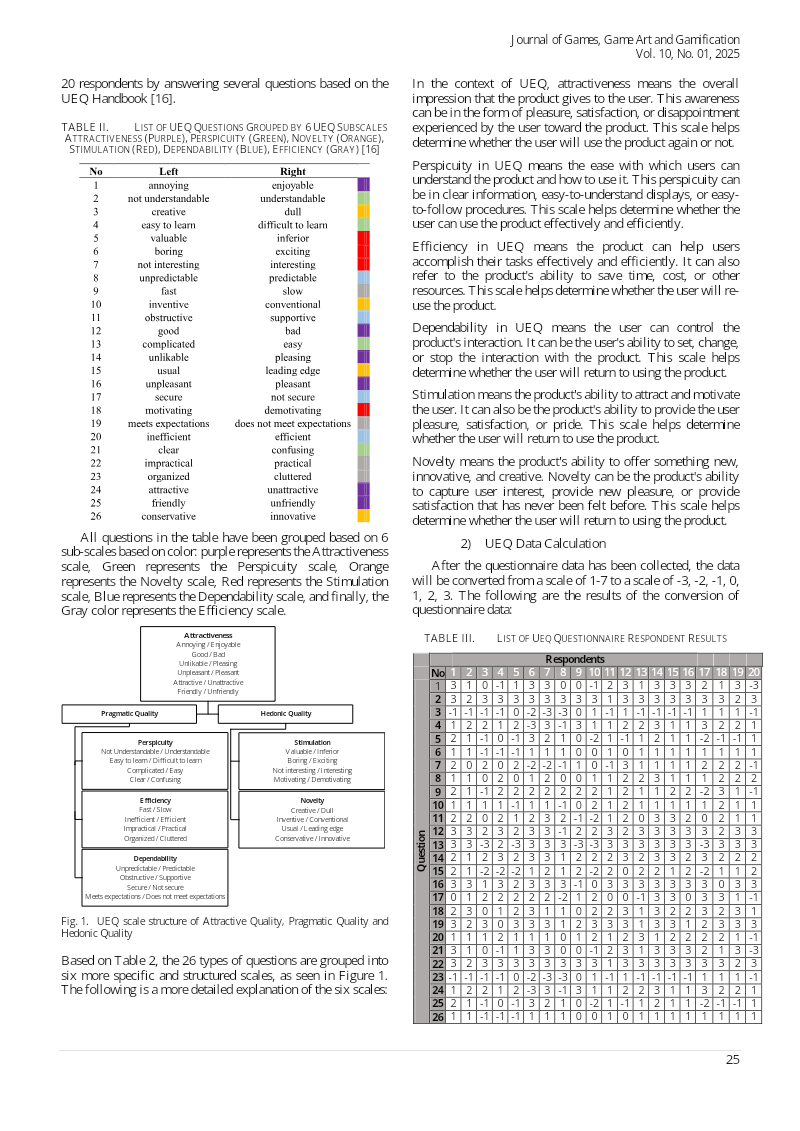
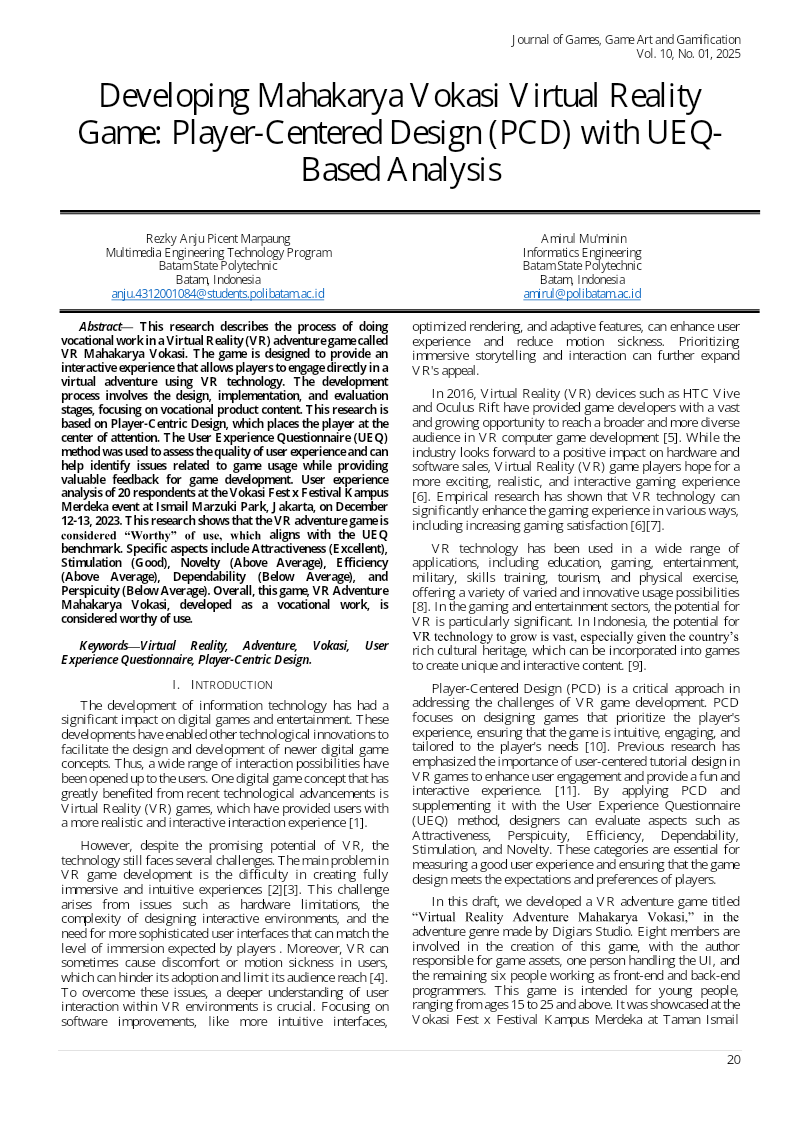
Developing Mahakarya Vokasi Virtual Reality Game: Player-Centered Design with UEQ-Based Analysis
The development of the virtual reality adventure game Mahakarya Vokasi centers on a Player-Centered Design approach intended to create an immersive, culturally resonant experience.
- The Mahakarya Vokasi VR game successfully achieved high performance metrics in attractiveness, stimulation, and novelty, validating its core immersive design.
- User Experience Questionnaire (UEQ) analysis of 20 participants identified perspicuity as the primary weakness, indicating that players struggled with narrative consistency and interface clarity.
- While efficiency and dependability scores were rated above average, the study highlights a critical need to refine UI design to improve immediate user comprehension.
How UGC Is Extending the Lifespan of Games with Uri Marchand, CEO of Overwolf
User-generated content (UGC) has transitioned from a niche hobbyist pursuit into a professionalized, essential component of the modern gaming industry.
- UGC has evolved into a professionalized, essential live-operations engine that allows developers to outsource content production and significantly extend the lifecycle of AAA titles.
- Standardized revenue-share models successfully incentivized the ecosystem, resulting in $240 million being distributed to independent creators in the previous year.
- The integration of AI is expected to further democratize game development by lowering technical barriers and increasing the efficiency of complex asset creation.


Ukie Access to Finance Guide: 2025
The UK video games industry's financing landscape has significantly diversified, moving beyond traditional publisher funding to encompass a broad spectrum of public and private capital sources.
- The Video Games Expenditure Credit (VGEC) provides a 20.4% effective tax relief on qualifying production costs, serving as a primary fiscal incentive for UK studios.
- Early-stage equity funding is supported by the Seed Enterprise Investment Scheme (SEIS) and Enterprise Investment Scheme (EIS), which incentivize individual investors through significant tax advantages.
- Studios must maintain investment readiness by ensuring organized legal documentation, clear intellectual property ownership, and a proven track record of market interest.
Writers
Games and companies
Games