Game Development reports and market data
Documents
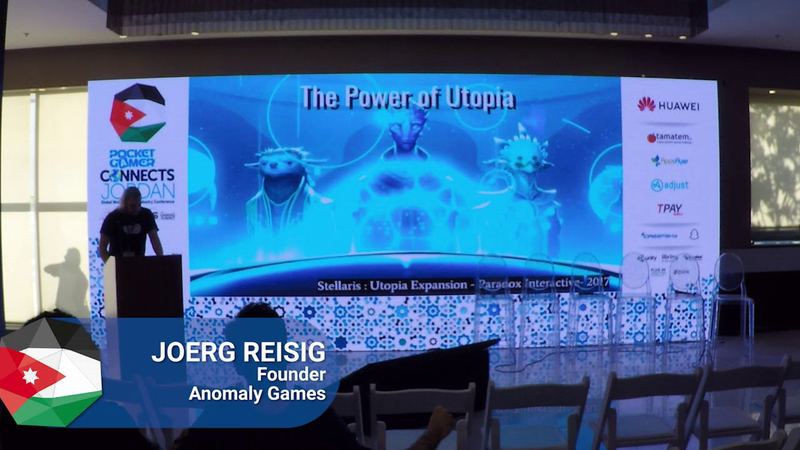
Climate Crisis and Video Games
Video games possess a unique capacity to model complex systems, making them an ideal medium for exploring the climate crisis.
- Video games are uniquely positioned to model the systemic nature of the climate crisis, allowing players to navigate complex political challenges and structural dependencies that traditional media struggles to convey.
- Modern commercial titles like Civilization VI: Gathering Storm effectively simulate the game theory problem of global cooperation, forcing players to balance individual factional gains against the collective necessity of emission reductions.
- Games such as Fate of the World utilize actual scientific models to teach players about the interconnectedness of climate issues, moving the medium beyond entertainment into the realm of educational simulation.
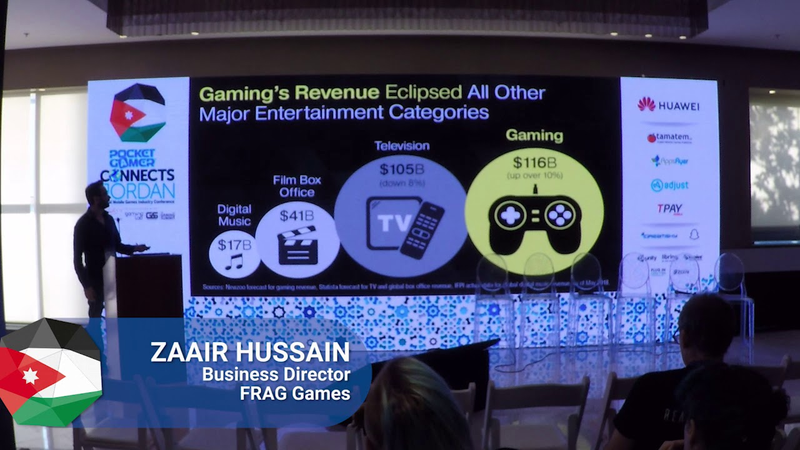
Aspirational Outsourcing or “Do External Developers Dream of Electric Success?”
The provided text explores the philosophy of professional development and partnership within the global game development industry, specifically focusing on the role of external development studios.
- External development is now a core industry pillar, with 86% of major game development companies utilizing outsourcing to support their operations.
- Long-term project success depends on 'aspiration'—a disciplined, daily pursuit of mastery and long-term goals—rather than opportunistic, short-term 'wishful thinking.'
- Prioritizing low costs and immediate availability over quality and relationship-building frequently results in project failure and the erosion of public trust.
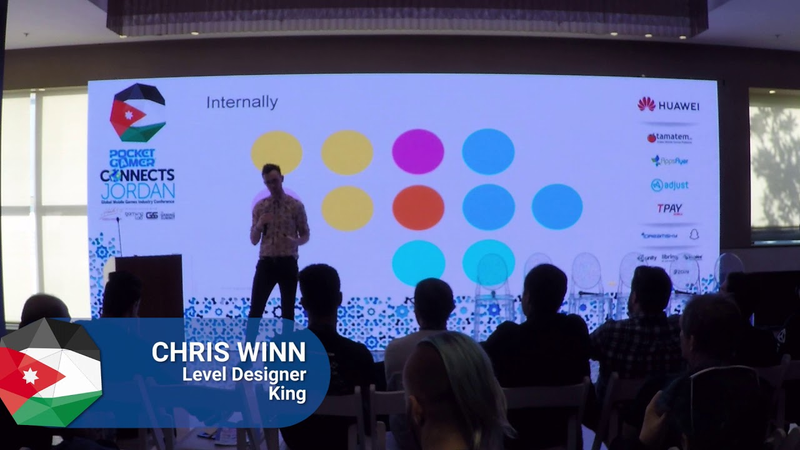
Prior Experience not Required
King maintains a high-performing game production environment by utilizing autonomous, cross-functional teams that integrate diverse roles such as level designers, data scientists, and CRM specialists.
- King utilizes autonomous, cross-functional teams that integrate level designers, data scientists, and CRM specialists to eliminate bottlenecks and decentralize decision-making.
- Hiring strategies prioritize cultural alignment over immediate technical proficiency, with the company actively training candidates who fit the culture but lack specific technical experience.
- Teams maintain high-quality production cycles by defining their own roadmaps and assuming full accountability for their specific content.
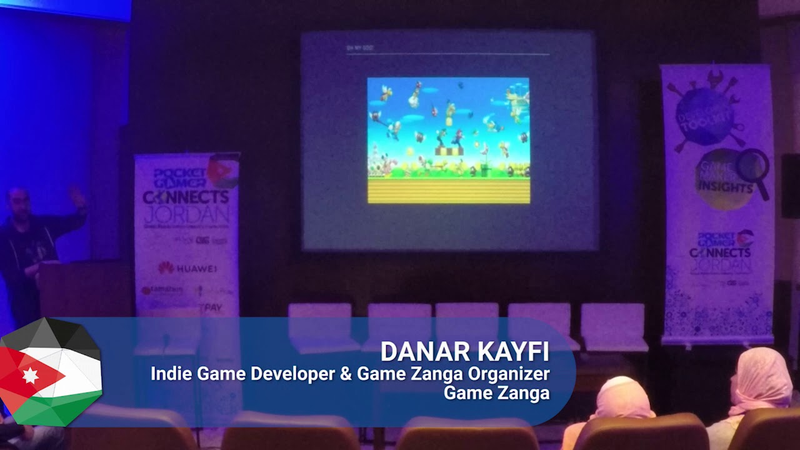
Start with a Game Jam
Game jams serve as a vital tool for both novice and experienced developers to compress the entire game development lifecycle—from concept and art to testing and publishing—into a condensed timeframe ranging from a few hours to several days.
- Game jams function as a high-efficiency testing ground for validating commercial game concepts and individual skill development within a compressed timeframe.
- To prevent scope creep and ensure project completion, developers should adhere to a 'one mechanic' rule and prioritize simplicity, as seen in successful titles like Thomas Was Alone and Crossy Road.
- Regional initiatives like Game Zanga demonstrate the scale of these events, with the ninth edition engaging over 350 participants across ten countries to produce more than 80 games.
Our story in Games Development
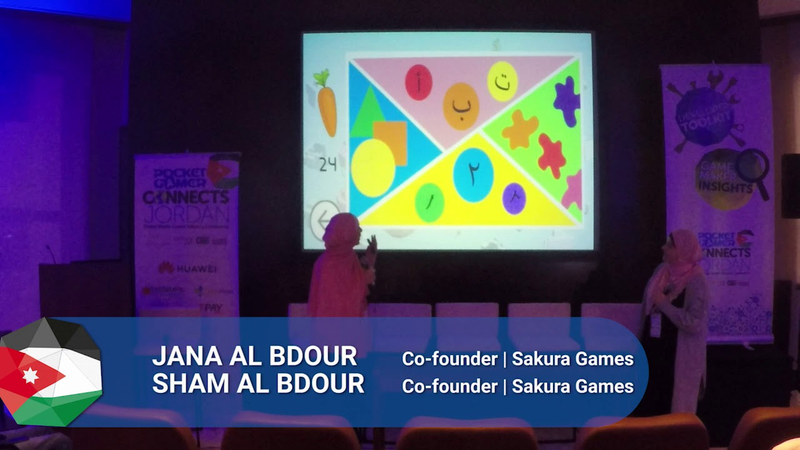
Sakura Games, founded by teenage developers Sham and Jana Al Bdour, focuses on the development of edutainment software designed to integrate interactive learning into school curricula.
- Sakura Games, founded by Sham and Jana Al Bdour in Jordan, develops edutainment software using the Unity engine and Autodesk Maya to integrate interactive learning into school curricula.
- The studio targets the underserved MENA market by creating specialized educational tools, such as the award-winning language-learning game Crimson, to address gaps in traditional schooling.
- The founders prioritize pedagogical value over standard gaming tropes by drawing design inspiration from the animation and film industries rather than traditional gaming sectors.
Soft Launch Planning and Risk Management
Soft launching serves as a vital risk mitigation strategy, allowing developers to refine technical stability, content depth, and user experience before committing to a global release.
- Soft launching acts as a primary risk mitigation strategy to validate core gameplay loops and technical stability before scaling to global markets.
- Development teams should prioritize core mechanics and technical performance over secondary features like monetization or social systems during the initial testing phase.
- Data analysis should be managed through a focused metrics framework, such as a single key performance indicator or a structured metrics pyramid, to prevent information overload.
Game Design for Competitive Gaming
The core thesis of this analysis is that competitive game design succeeds by prioritizing high skill ceilings and mastery over artificial complexity or financial incentives.
- Competitive viability is driven by high skill ceilings that allow for individual mastery, rather than artificial complexity or financial incentives like large prize pools.
- Games should follow the 'easy to learn, hard to master' philosophy to ensure broad accessibility without sacrificing the depth necessary for a sustainable competitive ecosystem.
- Design choices that remove the ability for individual players to become 'legends' or playmakers—such as those seen in Heroes of the Storm—undermine competitive value and long-term engagement.
Panel: When does Your Development End (Product vs Service)
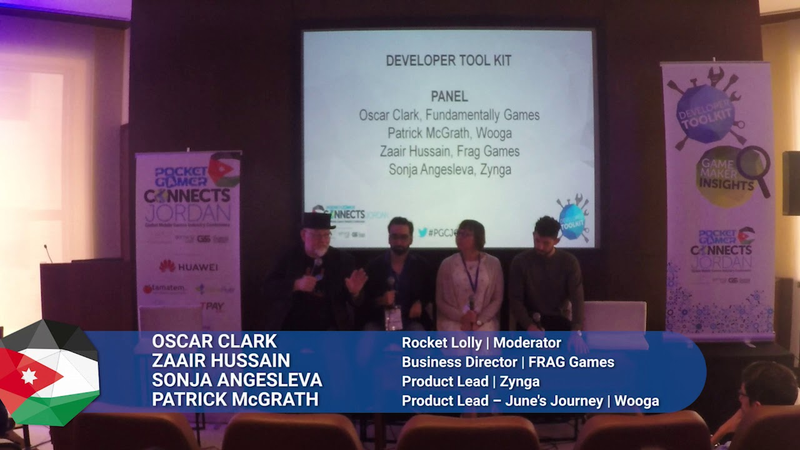
The panel discussion at Pocket Gamer Connects Jordan 2019 explores the evolving definition of "done" in game development, specifically contrasting traditional product-based models with the modern Games as a Service (GaaS) paradigm.
- In the Games as a Service (GaaS) model, the traditional concept of a 'finished' game is obsolete, requiring developers to treat development as a series of testable hypotheses rather than a singular product release.
- Studios must establish objective 'done' criteria—such as specific retention rates or revenue targets—before development begins to mitigate emotional bias and avoid the sunk cost fallacy.
- Live-ops considerations, including repeatable content systems and community management, must be integrated into the earliest design stages to ensure infrastructure can scale effectively.
Unreal Engine and the Epic Ecosystem
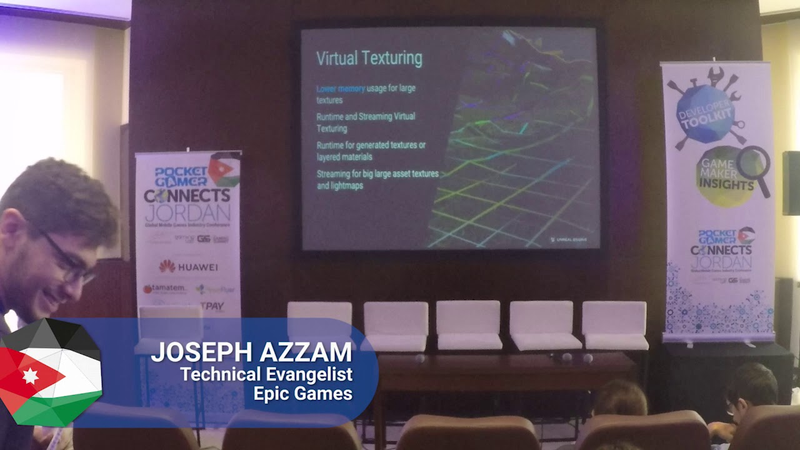
The Epic Games ecosystem centers on the philosophy that the company’s success is intrinsically linked to the success of its developers.
- Unreal Engine operates on a royalty-based business model where developers pay a 5% fee only after their projects achieve commercial success, following a shift to free access in 2015.
- The Epic Games Store supports the ecosystem by charging a reduced 12% commission, while the Unreal Marketplace provides a revenue stream for creators through a catalog of over 9,000 products.
- Epic Games uses Fortnite as a live testing ground to develop and refine engine features like the Chaos physics engine, real-time ray tracing, and virtual texturing.
Growtopia : Inspiring and Adapting from the Indie Mindset
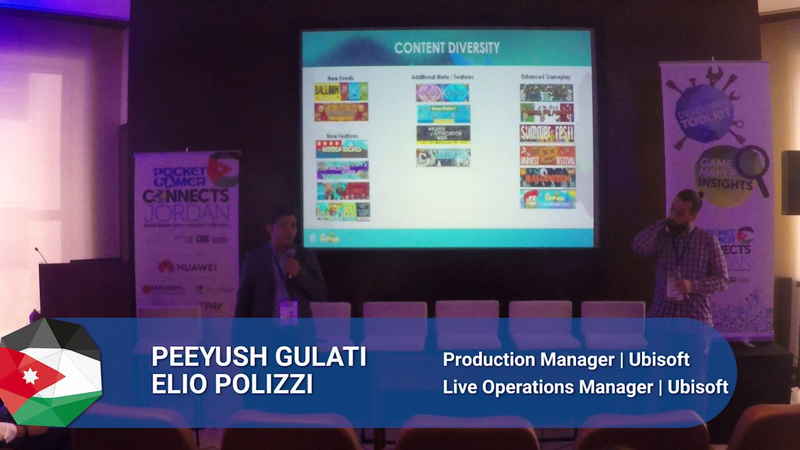
The transition of the sandbox MMO Growtopia from its original indie founders to the infrastructure of Ubisoft Abu Dhabi serves as a case study in balancing agile, indie-style development with the operational requirements of a major publisher.
- Ubisoft Abu Dhabi successfully transitioned Growtopia from an indie-founded title to a scaled live-service environment by adopting an 'indie-within-a-corporation' operational model.
- The studio maintains a rigorous four-week production cycle consisting of two-week development sprints, one week of testing, and one week for store submission to support a consistent monthly update cadence.
- Growtopia currently supports 400,000 daily active users and 2 million monthly active users, with the player base generating approximately 40,000 new worlds every day.
Business Strategies for Developers
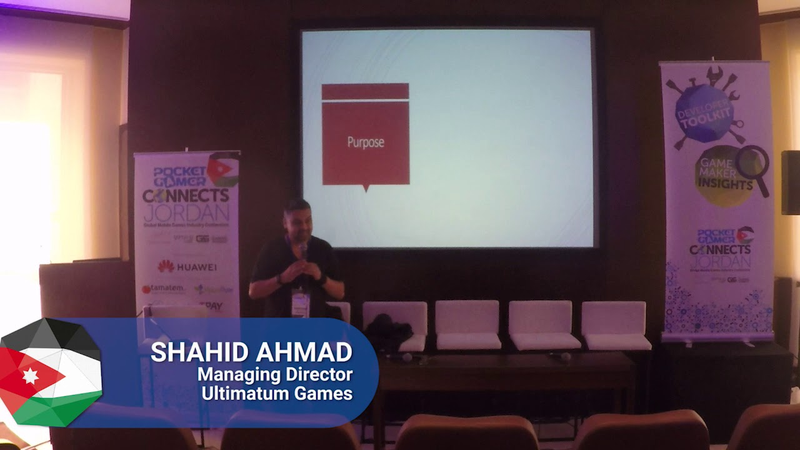
Sustainable business success in the gaming industry relies on a rigorous distinction between foundational organizational concepts.
- Long-term business stability requires a clear, rigorous distinction between an organization’s purpose, mission, vision, and strategy to prevent operational fragmentation.
- Strategic success is driven by compounding, sustainable habits rather than reactive decision-making, requiring leaders to resist abandoning long-term plans during periods of short-term market volatility.
- Organizational culture is a direct reflection of leadership behavior, making the alignment of core values and actions essential for maintaining institutional integrity.
Panel: What does Business Development mean in Games
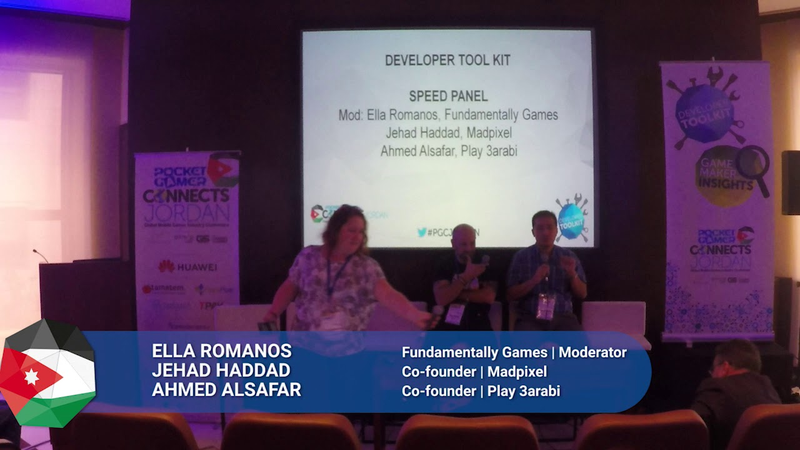
Business development in the gaming industry serves as a critical bridge between creative production and commercial viability.
- Business development functions as the essential link between creative production and commercial viability, focusing on securing resources and identifying market opportunities.
- Long-term professional relationships are prioritized over individual transactional wins, as reputation and trust are the primary drivers of future collaborative success.
- Effective outreach requires personalized communication based on research into the recipient's specific work, rather than generic or bulk messaging strategies.
Writers
Games and companies
Games