Game Development reports and market data
Documents
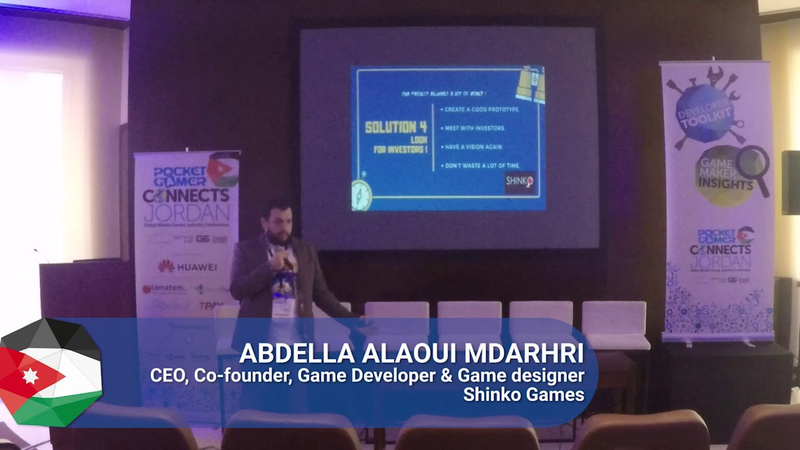
There Aren't Problems, Only Solutions
The primary thesis for game developers is that success is not a product of luck or chasing singular hits, but rather the result of building a sustainable, replicable business through disciplined processes, clear vision, and iterative development.
- Shift from a 'lottery' mentality of chasing viral hits to building a sustainable, replicable business model based on disciplined processes and iterative development.
- Prioritize small, manageable projects and early market testing to gather negative feedback, which allows for data-driven pivots before full-scale production.
- Build an audience throughout the entire development cycle using social media, email lists, and influencer partnerships rather than waiting until the project is complete.
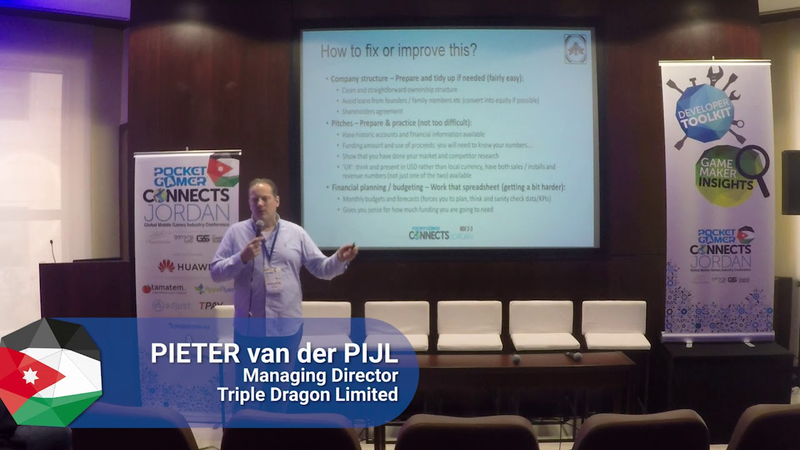
How to Organise a Business
This analysis outlines the essential requirements for game developers seeking investment, focusing on the necessity of professional business organization and data-driven decision-making.
- Securing investment requires transitioning from a creative-only mindset to a disciplined, analytical business model that prioritizes scalability and profitability.
- Studios must demonstrate financial rigor by maintaining clean legal entities, clear ownership structures, and comprehensive, month-by-month operational budgets.
- Investors evaluate project risk and scalability primarily through unit economics, specifically the relationship between Lifetime Value (LTV) and Cost Per Acquisition (CPA).
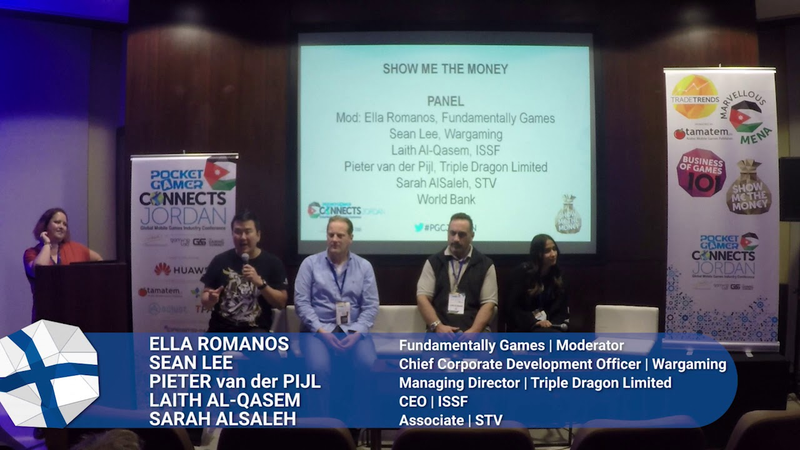
Panel: Inside the Dragons Den - How to Talk to Investors
Securing investment in the gaming industry requires a fundamental shift in perspective, moving away from a singular focus on game design toward the development of a scalable, institutionally managed business.
- Investors prioritize the founding team's management capability, cohesion, and commercial foresight over the specific merits of a single game design.
- To secure institutional funding, studios must transition from project-based entities into scalable, professionally managed businesses with robust organizational structures.
- Fundraising is a multi-month process that requires early engagement with investors well before capital reserves are depleted to ensure sufficient runway for prototyping.
Workshop: Pitch Perfect
Securing investment in the gaming industry requires a strategic shift in focus depending on the company’s maturity and the specific funding model pursued.
- Investors prioritize the management team’s execution capability and character over the specific game concept, looking for evidence of organizational tenacity and the ability to manage a title's full lifecycle.
- Fundraising must be treated as an iterative, multi-stage process where developers transition from project-based financing for early development to a long-term business vision for venture capital scaling.
- A successful pitch must balance creative vision with data-backed market viability, demonstrating a clear and sustainable path to generating significant financial returns.
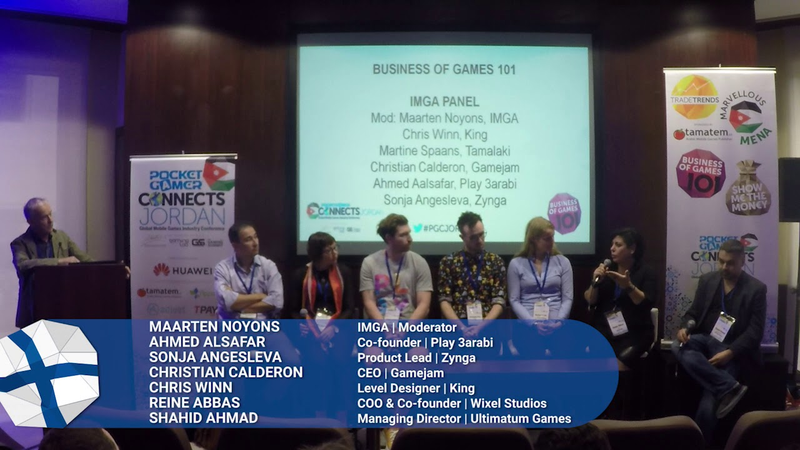
Panel: IMGA Judges Panel
The International Mobile Gaming Awards (IMGA) judging criteria prioritize design excellence, originality, and user experience over commercial viability or aggressive monetization strategies.
- The IMGA judging criteria prioritize design excellence, originality, and user experience, explicitly de-emphasizing commercial viability and aggressive monetization models.
- Developers are urged to move beyond generic Unity templates and Western title cloning, focusing instead on unique storytelling and rigorous playtesting to achieve global competitiveness.
- Common technical barriers hindering emerging market developers include poor device optimization, steep learning curves, and a failure to integrate engagement mechanics.
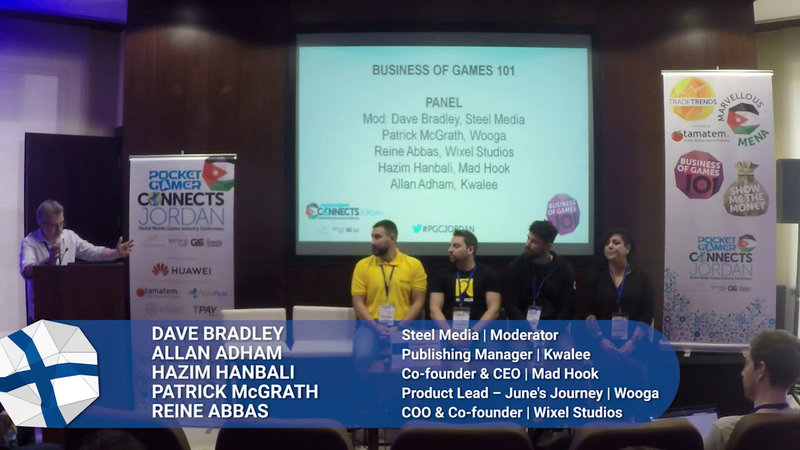
Panel: Game Developers Life Lessons
Breaking into the game industry requires a combination of technical proficiency and a proactive, research-driven approach to career development.
- Success in the modern gaming market requires balancing artistic vision with commercial viability by prioritizing core mechanics and data-driven decision-making over fleeting trends.
- Aspiring independent studio founders should first gain foundational experience at established companies to master operational best practices and mitigate the financial risks of entrepreneurship.
- Sustainable project management must replace unsustainable labor practices like crunch, which are typically the result of poor scheduling rather than creative necessity.
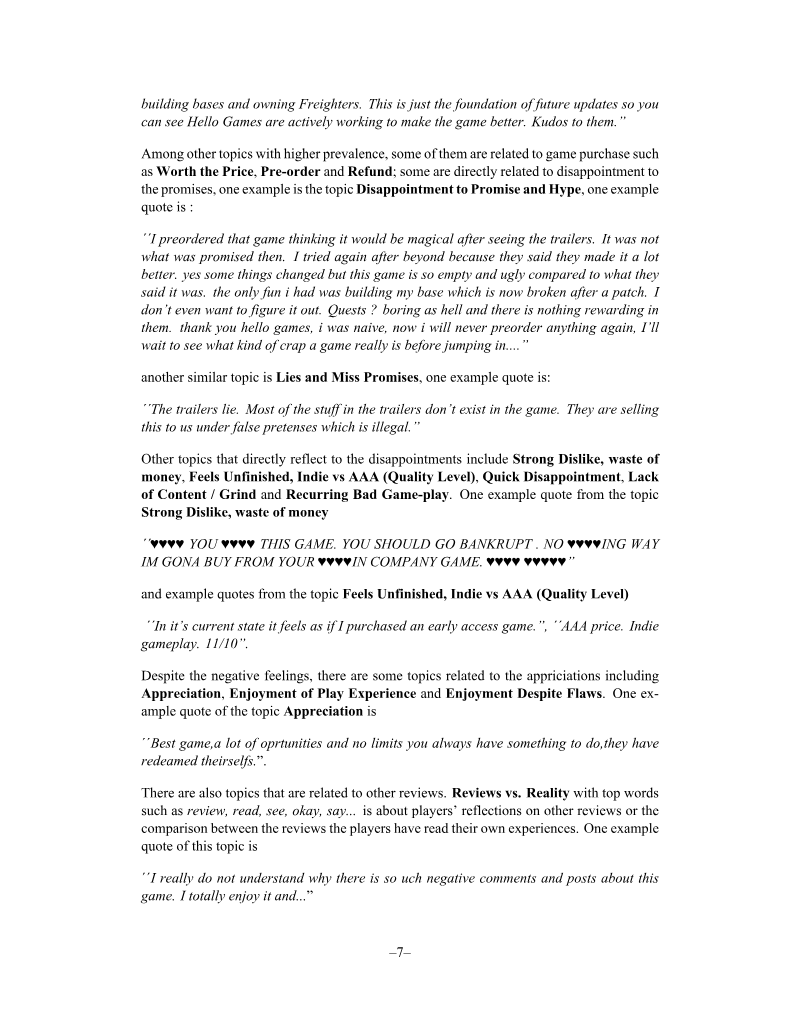
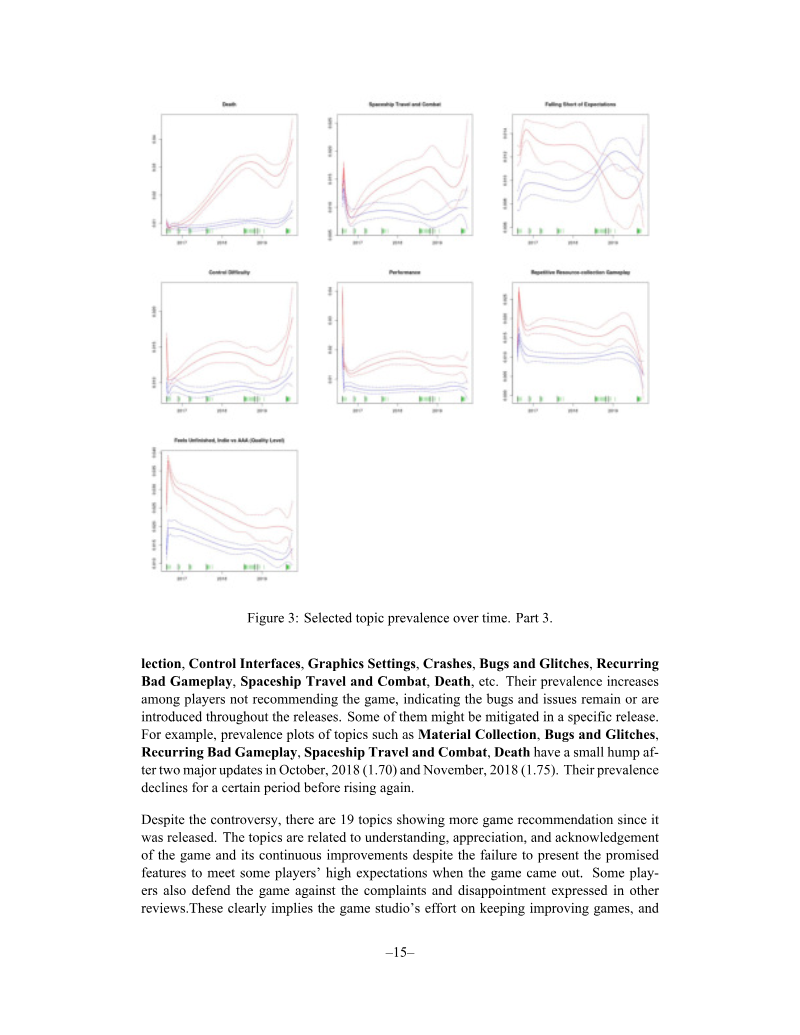
Patches and Player Community Perceptions: Analysis of No Man's Sky Steam Reviews
This paper by Chien Lu, Xiaozhou Li, Timo Nummenmaa, Zheying Zhang and Jaakko Peltonen of Tampere University analyzes player reviews of No Man's Sky on Steam.
- Over half of the 85,805 reviews were written in the first month after release, with 59.14% of those reviewers not recommending the game.
- The overall recommendation rate increased to 53.03% during the dataset's timespan.
- Disappointment-related topics peaked soon after release and declined after the Foundation update (1.10) on November 26, 2016, which the authors attribute to studio effort relieving dissatisfaction.

Reflection on a Design Process for an Educational Game on Mindful Drinking
The document describes the design process for an educational video game focused on "mindful drinking" for incoming first-year college students at a public state college in the United States.
- A public state college developed an educational video game on "mindful drinking" to teach incoming first-year students responsible alcohol use, with the goal of eventually replacing its current mandatory alcohol training.
- The game combines visual-novel-style branching narrative that folds back into a central storyline with skill-practice minigames, and learning objectives from campus stakeholders were sorted into narrative or minigame form using a learning mechanics framework.
- A standard-drinks minigame has players pour standard servings of various alcohols to show how hard it is to judge drink size in a 16-ounce red party cup.
Design Bleed: A Standpoint Methodology for Game Design
Ida Toft and Sabine Harrer, writing in the Proceedings of DiGRA 2020, develop the concept of "design bleed", a standpoint approach to game design that borrows the term "bleed" from the Nordic live-action role-playing (larp) community.
- The authors argue that game jams often impose four predefined skill roles, which can clash with participants' own practices and knowledge.
- The authors identify four priorities for design bleed: needs before roles, patience before outcome, skills before tools, and acknowledgment of power before comfort.
- The authors state that bleed cannot be guaranteed, and that even when priorities are followed the moment of bleed might never happen.
Patreon and Porn Games: Crowdfunding Games, Reward Categories and Backstage Passes
This paper by Petri Lankoski and Mikolaj Dymek, published in the Proceedings of DiGRA 2020, examines the effects of the Patreon crowdfunding model on videogame development.
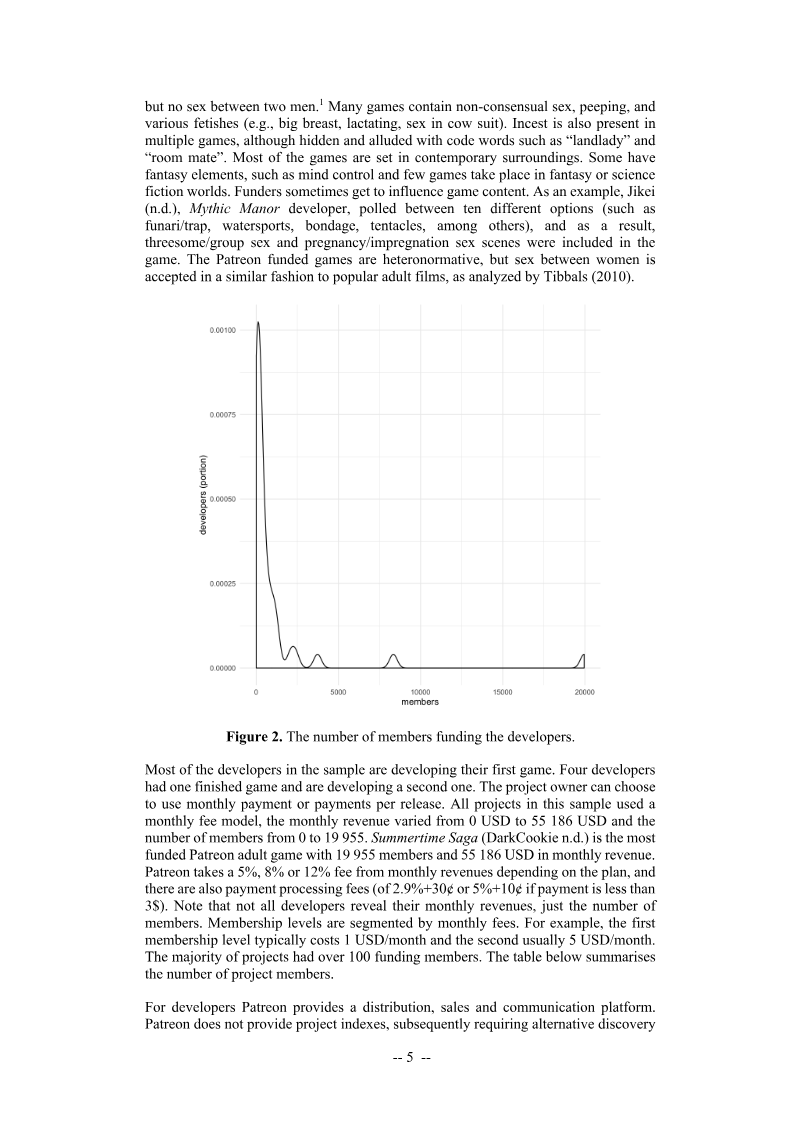
- Community rewards were the only reward category that significantly predicted the number of members in the authors' regression analysis.
- Content Access rewards were used in 95.2% of sampled projects, the highest prevalence of any reward category.
- Many projects make the latest game version available to everyone, with paying members receiving it earlier, such as ANNA Exciting Affection giving 10 USD members the game at release.
A Game Palette and Guidelines for Game Development for Minority Languages: Case Karelian Language
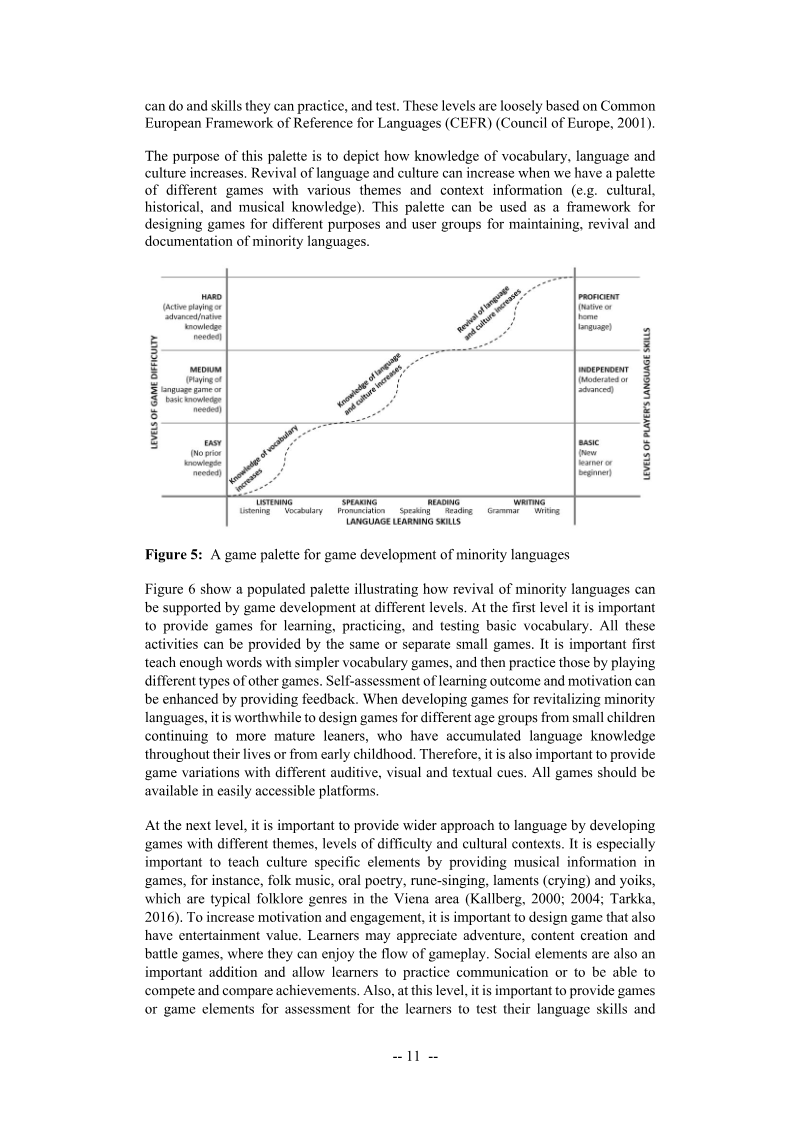
This paper, by Paula Alavesa and Leena Arhippainen of the University of Oulu, presents a palette of simple vocabulary games and design guidelines for teaching the Viena Karelian dialect, a minority language, to native Finnish speakers.
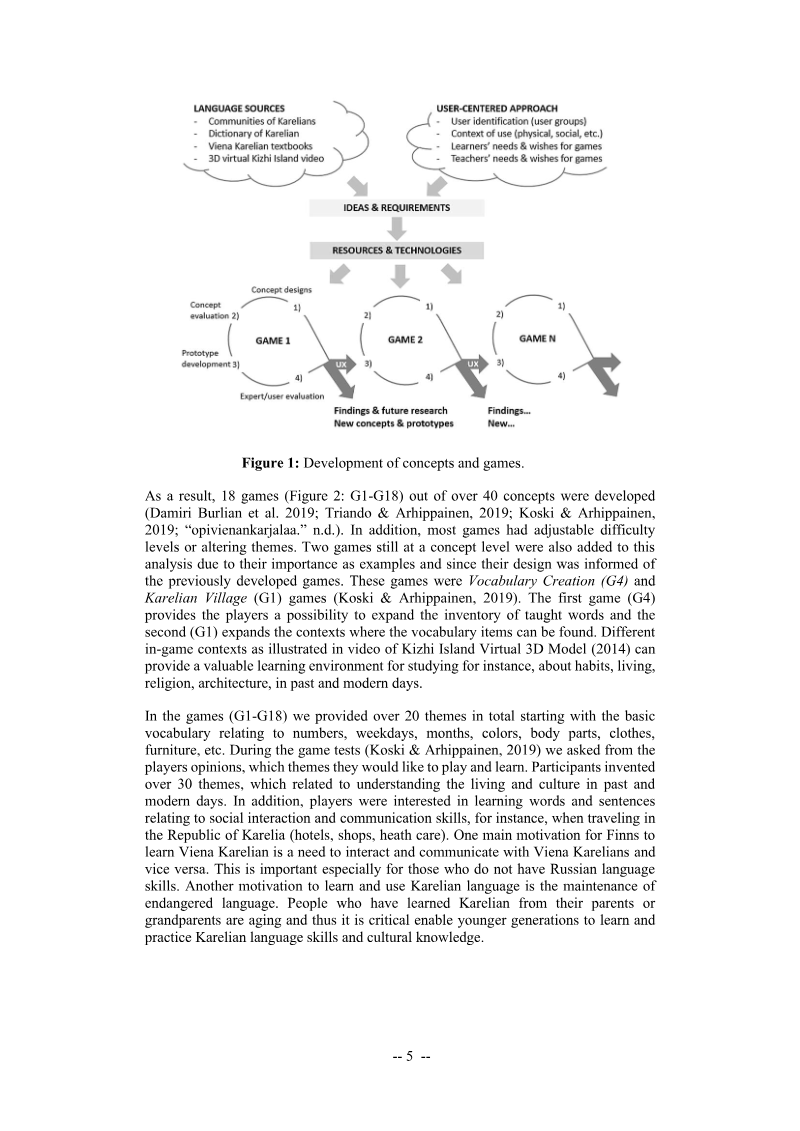
- The authors developed 18 games out of over 40 concepts, organised into a palette of simple vocabulary games for teaching Viena Karelian to Finnish speakers.
- Participants invented over 30 themes related to understanding living and culture in past and modern days, beyond the over 20 themes provided in the games.
- The authors note that Finnish and Viena Karelian are close cognates, but pseudo-synonyms can cause confusion.
"It's Just Part of Being a Person": Sincerity, Support & Self Expression in Vignette Games
This paper, by Thryn Henderson and Ioanna Iacovides of the University of York and published in the Proceedings of DiGRA 2020, examines personal vignette games, which are short, minimal-interaction games focused on aspects of lived experience and often made by under-represented creators.
- Creators frequently described free, simplified tools such as Bitsy, Twine and Flickgame as gateways into creation, with their use overlapping with a desire for positive constraints.
- The majority of games discussed were published for free or with a 'pay what you want' option, with itch.io mentioned numerous times.
- Creators sought to set their own terms of engagement, often curating audiences and sharing work with small circles of friends, family or interest groups.
Writers
Games and companies
Games