1 free read left. Create a free account for unlimited reading + AI research.
Create free account
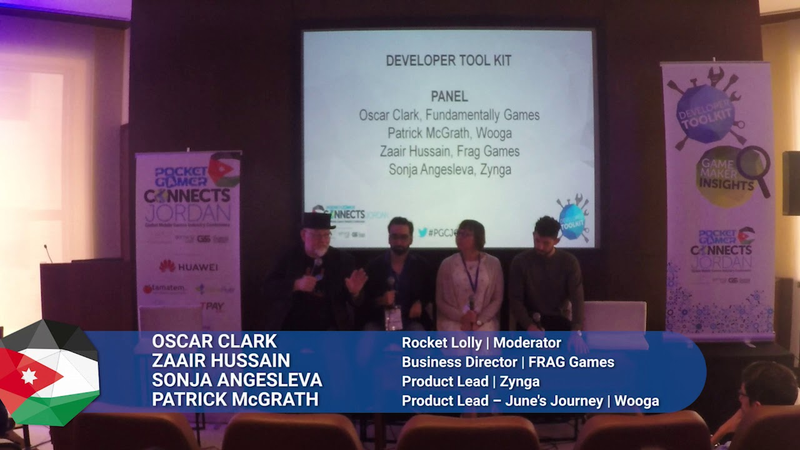
Panel: When does Your Development End (Product vs Service)
Key insights
6 takeaways- 01Successful GaaS titles like Fortnite and FarmVille demonstrate that indefinite longevity requires a holistic approach where development and live operations are managed as a single, cohesive process.
- 02Live-ops considerations, including repeatable content systems and community management, must be integrated into the earliest design stages to ensure infrastructure can scale effectively.
- 03In the Games as a Service (GaaS) model, the traditional concept of a 'finished' game is obsolete, requiring developers to treat development as a series of testable hypotheses rather than a singular product release.
- 04Defining clear endpoints for a project is a critical business strategy that allows studios to pivot resources away from underperforming titles and maintain the health of the broader portfolio.
- 05Rigorous milestone-based validation and an objective assessment of opportunity costs are essential to prevent the common pitfall of attempting to 'rescue' games that were not architected for long-term service.
- 06Studios must establish objective 'done' criteria—such as specific retention rates or revenue targets—before development begins to mitigate emotional bias and avoid the sunk cost fallacy.
Ask AI about this video
Transcript
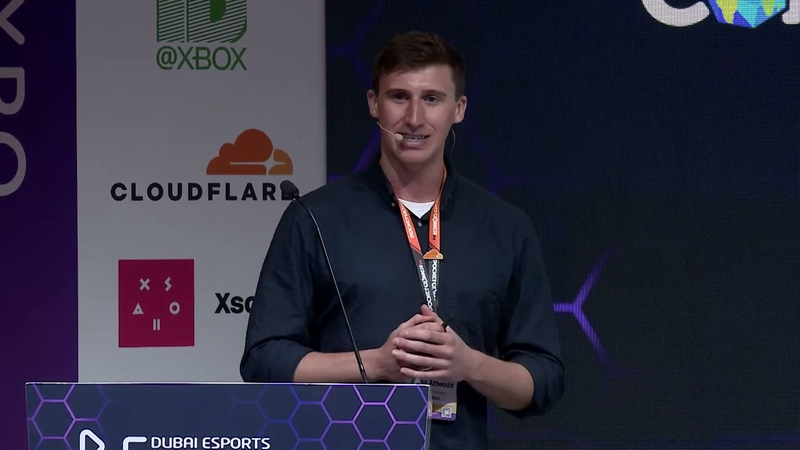
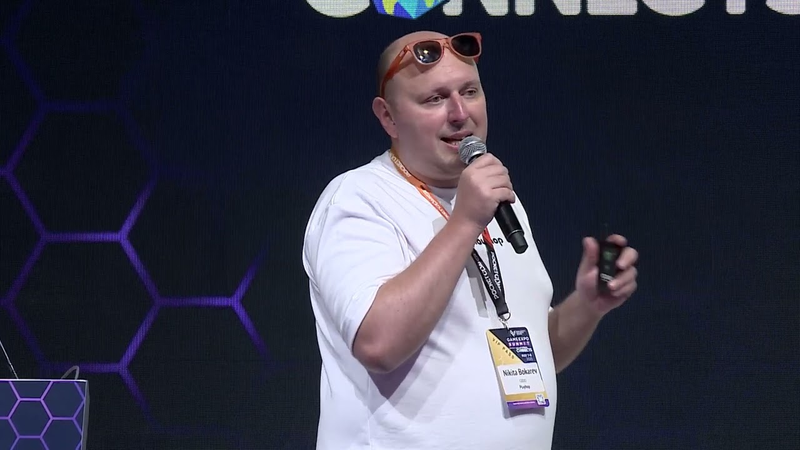
you we've talked a lot about the business of games we talked a lot about strategy we've talked a lot about you know how do we use the tools what we're gonna do now is just talk about when are we done when is it game done and I I made a quote earlier on with Tim Schafer said about games being done when they leave the designers cold dead hands but we're gonna try and seeing go a little bit more detail than we let's start off though and explain who you are and what you do sure my name is IRA sin I work with frag games we do a lot of external development and have started doing some of our own IDs my name is Sonya Hannah Slava I work for singles product and analytics lead working on the next phone will game on Patrick McGrath I'm a
product lead for Jim's journey and Wooga based in Berlin I probably should explain that I do actually do it I do have a job most of which is helping game developers make games but there are games like weave you may have seen the game reality clash talks about I was a designer on that you may have heard on PlayStation there was used to be a virtual world called PlayStation home I was home architect for PlayStation Home and I've also run the mobile operator 3 in the Java game days we were the most successful in terms of revenue per user in the world so I have a little experience running games and so I even wrote the book literally at you going to search on the book game as a service you'll find my book ok so let's go back to that Tim Schafer quote so games are only done when the leads of designers is that your experience I mean what do you think is done for you you know it honestly depends a lot on the game I don't think games are done when they
leave a designers hands not at all right like certainly that's not what the designer would have wanted even posthumously so you know it really depends are you talking about the business of games or the kind of photonic ideal of games because the Platonic ideal of games is never done just like any piece of art and it's Roger Ebert is that in every encounter the player each new player is adding something of life to that they're interacting in their own way like especially with competitive games if you have them think about meta games this is something like all she's saying a game dissolved on you I think our game is part of the art I think a lot of what like I was saying especially for multiplayer games where there's this competition and there is meta often the designers are not the people who are best at the game often they don't know where it's gonna go right like if you look at the metas for things like dota or hearthstone or anything like that the player base the player community hugely influences the path of the game what it stops being the developers it's been the place something is that where's
maybe so is it depends with you or is there more you're good at definitive balance that's gone I know that yeah so I could go with it yeah I agree with you but then again all the developers define you know when the game is done for release of course like if you are doing well the players are you will keep on playing the game and most likely they will run out of content you need to create more content but that doesn't mean that you know the game wasn't done the game was done but now you can extend the experience so I think already so much for using I was just saying instead of done the game is ready yeah that's pretty good I think in my head there is what's really fascinating about that is that it's actually if we don't have a stop points we don't know what we're doing yes well it is yeah you need to have milestones you need to have what criteria you know when to continue and when to you know redo and and when to
stop so it's about yeah yeah I think all game development is all about validation constant validation and with these milestones that Sonia is talking about these are the kind of do we continue making this game or do we stop like do players love it do we love it is there a business case for it like all these questions that you need to evaluate you know each game so so we've gone from game design to games as our hypothesis essentially no so I mean let's see that so let's think about you know in terms of where different genres affect this kind of decision making process different kinds of games is there anything kind of like and say that if it indicates the games that you've worked on in the way they're different and what done means already means for that you understand yeah without getting into the specifics off the games some and by the way just to respond to you guys I think I totally agree there's no such thing as done but there is done enough there is a point in which we have to make that decision and be like you know what this is it and
look like sometimes it breaks your heart and then you like it see it's a lot perfect is the enemy of domina rephrase yeah right so they're just some games there's some genres which work very well with games of service in fact I don't think they would exist without that like CCG we're working on what is the CCG without content updates right or even an LCD a living card game what would hearthstone be if the last thing that ever happened to it was just the classic set right how does with dota 2 we would like to take a less extreme example would dota 2 be the same game where it not for the 50 heroes added in the last two years probably not and on the other side of that spectrum is like it would inside be improved by being a service probably not right like would braid be improved by being a service so I think it's just like understanding what genre zit works with and making that decision during the design of the game but I do I would say that there is certainly a
trend and you see this in console the last couple of years like even starting out with like warframe and now fortnight is such like the classic example now is you know a console game being ran is a life service LiveOps updates I mean they just ran their big black out campaign I mean I think this is a trend that even in the old kind of console where I mean this kind of idea of done and let's move on and make another game idea kind of stems from you're starting to see games as a service and LiveOps kind of inch its way and into these kind of areas of gaming i also wonder if it's a decision if it's a you know I think we have had a history of you know physical product that requires a dumb because you can't distribute it and now we're in the situation we're realizing that we have a digital additional first concept you
know a game is a digital thing and therefore there is no need to necessarily have a finite end to it and so I'm not so sure it's a genre thing I think it's a it's a design choice I mean honey what do you think yeah well I was going to keep an example of Game Jam so I'm sure like some of you or many of you have joined Game Jam so I think Game Jam is a great example as you have only like limited amount of time and basically you know at the end of the weekend you might never see the team members again so so you basically have to be very but that clearly is like sort of done but that's also a nice way to store it you can basically you know try out things like there are a lot of great games that have actually started as a game jam project then it has been it was done but then you know it's just got a new life I think that's an interesting is that there are you can start out with the process of thinking okay this is an experience which we will continue to
maintain and adapt over time or you can say I have this vision of a experience and it may be a one-time experience but then even like a novel you want to live in that world again and so whether it's a sequel or if it episodic or whatever I think the the idea of Danny even in traditional media isn't necessarily done is that fair are you doing my greed boots I'm just gonna fair enough yeah yeah it's almost talking about doing The Princess Bride again so let's go Pat it so in that case actually I'm gonna challenge you that actually what I've done is more important what are we not giving enough importance to done and actually if what don't we need a situation that says this is done in order to be able to constrain what we build and to be able to successfully deliver isn't constraint good um they
are again I'm many agree with me that they are there are so many projects started but never finished so so it actually is good to be very clear with it with the definition of done at least in Enzo to certain points another one if you want because I'd okay let me think in on so hyper casual yeah isn't that the very definition of it has to be done I think yeah but this is one of the genres we're done I mean just the the incredibly quick cycles in which you go through stuff there's a speaker earlier today Christian where he's talking about prototype is five days then next five days you're testing real time in the market and then you have another five days to fix any issues so you're talking
about a life cycle of a game being fifteen days like this is crazy of course something like definition of done like there it is you have five days go make a mechanic and put it out and see real players interact with it yes so I think this is one of the problems with comparing games to traditional medium the type of game I mean you don't have to call it onerous but the types of games and game experiences are so vastly different right like it's not like oh so you have movies which are romantic comedies which are an hour and a half or you have like Marvel action thriller which are like three hours or whatever like the way you consume games could be a 30 minute experience it could be a hundred hour experience it could be thousands of hours legitimately thousands of hours not because not for any other reason which so yeah I said Guardian changes no man's sky I'm over 600 hours in no man's sky and any MOBA 200 hours just to even get good that's
tutorial but that's it I think that's about so maybe we need to shift our definitions is what I would hypothesize that what if we actually done is not a question of success what if it Donny is a question of moving on and I think this is where the hyper casual lessons so exciting what if it actually what we're talking about is the Lean Startup principles if you haven't read that book please do there idea that we need to fail early and then stop thinking about failures as a bad thing is that what done might mean or is your challenge that back to me challenge go go go on in yeah I rather with we actually think about the lifecycle management supports like you know depending on a genre you have and should have an understanding of like you know how many days or weeks or years you you plan to develop the game
and and that you know ties into like you know what's the team do you have resources again once the genre like does it make sense to invest in the game so so it's more about like you know how do you manage the appoint from conversion so when a player is actually you know convert to the game start playing the game - you know retention and in the end like of loyalty so are you saying that you think that it's not just a question of failure it's a question of giving yourself enough space to understand what it is you've done well I think so yeah yeah it's a bit of appetite for risk right like as we keep talking about these different genres but even different games within a genre you have to talk about like pipeline management how how often is your player base expecting updates right you know if you want to compete with fortnight like you you better have a lot of content and be updating all the time and also you had
good luck to you but I mean these are all things that you have to factor in very early in I've seen it I've experienced it where you come on to a very nice IP and they're trying to it's almost like being on a plane trying to configure the plane to continue flying and it's not the best situation you want to be in so with any type of foresight going into development setting up kind of the frameworks for you to continue doing these updates I think it's really important if this is kind of the the the game and business model you would want to go into now if you're doing hyper casual or more indie like a premium game like a Monument Valley where it's a great experience and it has an end I mean that's a it's these are all things that you have to just consider when going into developing a game so I'm wondering whether that's
kind of hinting at whether it's our my trainer my face am I actually hearing from you that it's not even a question of that the game maybe it's a question of your business and how your business operates so if you're going a hyper casual your your systems your deception of done is this is a life cycle across multiple games whereas something like a farm bill or the game itself has a life cycle essentially it's a where we focus our attention is that that's at a fair summary yeah I would assume that Sonya once farmville to last ten years right so you has already good start ten years yeah so I'd only wound is out is that do you recognize that idea that what the kind of content you're working on now is a longevity in itself whereas other other game companies need to think differently yeah of course yeah so it's a decision like we yeah many like larger studios have a term for
like these type of games that should last for four years we have a term called forever franchise and family'll is one of those the first one will was released ten years ago and it's still running we have been thinking of you know taking it offline but it has very strong fan base so it's it's still going strong but of course yeah it's a decision and it should be done in the beginning otherwise like it's it's it's impossible to scale from something you know like let's let's start with hyper casual but then maybe it evolves into something like sort of forever franchise well that that will not happen I think even a great example at Zynga is just look at CSR and CSR too and the differences that they implemented on CSR so in in total openness I worked on CSR
and and was at the studio for CSR too and the amount of thought that went into the live ops and kind of the new age way of running a game you can see the difference between these two games yeah I mean actually I remember when stron was working with the team before they launched the first one we were stuck in an airport one day and he was arguing with Bostonian guys about how it should look and it's amazing even then how much is transitioned from like you say the live management process and the frequency and the support and the pipeline of that is a massive undertaking but I think it's probably worth thinking about this ok what something Sonia said maybe really think something about Playstation home so we the reason I mention PlayStation home is there are four discord groups I've recently discovered all trying to rebuild it it was shut down in 2015 and
there's about a thousand people across these four discord groups all of which are highly technical taking packet you know big data to try to recreate it by hand this is you know four years after it was closed down so I'm wondering whether the lesson of that is that actually there's a relay race going on here so I have the concept I hand over to the team the team then build it with the team then complete that build I sign it off and it gets launched I'm now handing that off to live Ops teams to man maintain it and if I've done my job right this infrastructure is in place so that that can be managed as an efficient process but even those live ops people need to be able to have their own goals and targets and so it's that what we're saying is it a relay race I don't know if I'd call it a relay race but yep
everyone when games are a service because at that point we realized that the only time they're done by your definition is when they're a ghost town right and no one is playing them and therefore no one is developing them but yeah at that point any team who has who gets it right like usually you're right back in the day you had this idea of the product and the product was in a physical disk and the physical disk had to be shipped out so now what you kind of need is more sort of self-discipline of when are we done with it and think you've touched on that a little bit Patrick like have that plan up front and be like we will spend X months and X resources on this and then we are done so the next team that comes over yeah you're right they'll totally have their own set of goals instead of what what done means for them and yeah that's also a relatively new kind of phenomenon right like where multiple teams could be taking over a game over the course of its life and I think they all need to
have their own definitions and their own goals and the handover needs to be done in a very like that you need to know who you're handing it over to if you care at all about that product at the point which I know which most people do even when it doesn't make sense for them anymore so I mean do you see how much of the original team do you see staying on the project and moving with it to the live ops I think more and more it should be the majority of the team yeah just from I've seen a lot of growing pains on some very good products where we have had this like what we're calling a handoff where you know someone is really good at kind of designing a great core loop but they don't have live ops you know in mind for it so I mean there may make a great beautiful very fun game but how is the the product team gonna sell this and how are they gonna make any money right and so actually having a
lot of people early in the process I mean this is kind of reminding me of like how waterfall works versus how like even Lean Startup where it's just like hey everybody you know scrum team get together and then it's just fast iterations I think I personally would prefer more people up front maybe not full-time working but having a good you know discussion and making sure that all the bases are covered rather than pay as a designer or an artist I have my bases covered now it's someone else's problem to figure out how to monetize this or how to fix retention this one how do you avoid that somebody else's problem so well I'm not handing over anything so yeah I have actually I think quite sort of different take on on live up stand than most of the others and and this is a successful way of running it so but the thinking is that I think too many teams start too late and they yeah
forming another team to basically just maintain a game is maybe also not the wisest idea so yeah I believe in in in just developing different models in order for like Community Managers producers p.m. to basically be able by utilizing different templates and assets to actually generate the you know challenges or events or you know whatever it's like you talked about yeah actually thinking about repeatable processes yes and using them I mean that's crazy talk isn't that in the cave development why would we want to have a system that actually works I am from Finland and I mean I I think there's there's very good reason why Finland is called the kind of home of mobile games and I think in some ways to a certain extent larger than Rome of
service games that arguably as well but make me unbiased because based on you anyway so the key thing is for me we have this I think we've established that done is a relative thing and it's relative to the experience that we're trying to create I think we've established from that that we can time box we can have our own criteria for what done is and for now when done enough is and how we then decide the next set of criteria but at some point we're going to stop how do we decide to stop so I think it's always for the team it's a question about it basically yeah like resources either like money or or developers so if the team is has you know other games they are working on or
should be working or the author or the game is not making money so of course they in order for the for the company to if no I'm talking more about like smaller studios so of course it's always a decision like if if game a make game a is not making money so of course you need to shift the of resources to something else yeah it's certainly just opportunity costs and I think there's always factors into older games where okay you're making maybe even just a some money but there's an entire team here that obviously has a good amount of experience could they go make another game and and you know put that these resources to something that could develop into another hit title or another game that is another revenue source and so there's always the function of opportunity costs really I think you absolutely do not try to make that decision at the time I think you make it well in advance when
everyone's still excited about the game and is like this is gonna be create and whatever but at what point do we stop right and you planned that out like six months in advance or you know in advance or whatever like are there certain metrics that we would see where we'd be like you know what guys this isn't working let's do something else and when you set that plan down you will 100% ignore it when it comes time but it'll give you it'll be like a guide post right it'll be like guys we are so far over what we had decided where our thresholds like now we have to kill it or or continue right like but then you at least have that that map yeah I think that idea that we we have these various stages and each stage we try to predefined what good looks like and what not good looks like and if we can set in our goals what we are expecting to see only if we do that in advance can we actually know what the results are whether they are good or not and of course we can adjust them and adapt to that essentially the more the more we
can take the emotion out yeah of that decision in the moment that's very oh it's very hard I think I think your point as well as the opportunity cost it should form a key part of that I think unless you've got a good reason for that experience to continue but unfortunately often it does come down to emotion often it comes down to politics beyond the studio I mean home got shut down because they weren't really in a position where they could take it I think on to the next platform because there was too many dependencies on technology that's a No kana voiceover a lot of people but you have to plan then to close it out so we're running out of time so quickly I'm just going to ask you what's the one thing that you think the audience should take with them on this concept of like when a game is done or someone less and you think it's you creet game design in business decisions as holistic and understand that this is part of the entire process yeah so game development is about what
loving your product but then again you need to have clear criteria when to move on yes yeah I mean what everyone's said it's really making games is fun and you love it that's why it's why we're all here but there is the the business side to it there's a lot of planning a lot of just organization that goes behind this and kind of even just using like the scientific method of testing stuff like you try and like have hypotheses about you know what what is good what is bad when when do you say that you know this is done we should move on to another projects just lots of planning and just trying to have that foresight and understand what you're trying to build and who you're trying to build it for to me I often get called in
to try and rescue games and so in some ways I'm the worst person because I don't want to close down the game because I get paid to fix it so I have to have some criteria where I can start being honest with myself that this is done and it's hard and I need an external person to tell me and I need them to make me say this is what I expected result to be this is the result we got it didn't make it shut it down and sometimes it's the hardest thing to do but sometimes it's the best thing ever and you can see the relief on the eyes of the clients when they realized they've come to the end of that journey and now they can get startled and think they really want to do next with all of the lessons they got out of that process that's me Z is the key thing on that note thank you very much guys thank you thank you thank you you
Summary
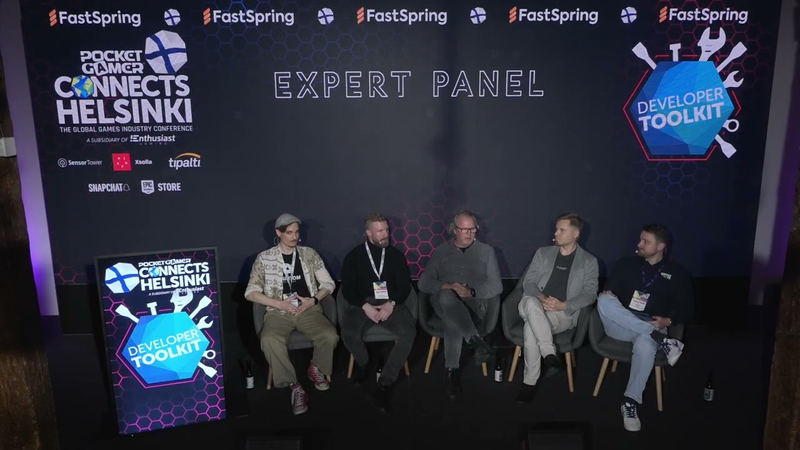
The panel discussion at Pocket Gamer Connects Jordan 2019 explores the evolving definition of "done" in game development, specifically contrasting traditional product-based models with the modern Games as a Service (GaaS) paradigm. The central thesis posits that while game design is an artistic endeavor, the lifecycle of a game must be managed through rigorous business strategy, clear milestone-based validation, and an objective assessment of opportunity costs.
Key findings emphasize that the concept of a "finished" game is increasingly obsolete in the GaaS era, where titles like Fortnite or FarmVille are designed for indefinite longevity. However, panelists argue that this does not negate the need for defined endpoints. Instead, developers should treat game development as a series of hypotheses. By establishing clear success metrics and "done" criteria—such as retention rates or revenue targets—before development begins, teams can remove emotional bias from the decision-making process. This foresight allows studios to pivot resources effectively, avoiding the "sunk cost" fallacy where teams continue to support underperforming titles due to emotional attachment or internal politics.
The discussion highlights that the transition from development to live operations should be viewed as a cohesive, holistic process rather than a disjointed relay race. Successful studios integrate live-ops considerations, such as repeatable content generation systems and community management, into the earliest stages of design. This approach ensures that the infrastructure is built to scale, preventing the common pitfall of "rescuing" games that were never architected for long-term service. Ultimately, the panel concludes that defining when to stop is as critical as the creative process itself, as it allows developers to apply lessons learned to new projects and maintain the health of the broader studio portfolio.














Comments