1 free read left. Create a free account for unlimited reading + AI research.
Create free account
Soft Launch Planning and Risk Management
Key insights
7 takeaways- 01Soft launching acts as a primary risk mitigation strategy to validate core gameplay loops and technical stability before scaling to global markets.
- 02Decision-making during the soft launch phase requires a disciplined, hierarchical leadership structure to maintain a consistent update cadence and avoid the inefficiencies of democratic processes.
- 03Validation efforts must combine quantitative data analysis with qualitative user experience testing to gain a holistic understanding of player behavior.
- 04When internal benchmarks are unavailable, developers must integrate public market data to establish realistic performance targets and identify potential growth bottlenecks.
- 05Development teams should prioritize core mechanics and technical performance over secondary features like monetization or social systems during the initial testing phase.
- 06Data analysis should be managed through a focused metrics framework, such as a single key performance indicator or a structured metrics pyramid, to prevent information overload.
- 07Launch territories should be selected strategically, using low-cost regions for infrastructure testing and markets that mirror the global audience for retention analysis.
Ask AI about this video
Transcript
you good afternoon everyone so now we are this is a quite a wild ride this afternoon so now from the gore to cute animals but that's how we're also this will be a bit longer session and I also hope that you have questions that you know at least like an you know give my opinion or experience how we solve some of the challenges with different protists I've been working on so maybe before getting into the topic very briefly about me so well as Oscar said currently I'm working for Zynga so a
lead of of product and analytics I've done games for about 20 years I started with all very well I started with SMS games and Java games back in the days I've done some online online multiplayer projects and for the plus the 10 years either working at unity providing tools for developers or working for smaller or bigger studios so before thing I also worked as an idol advisor for small giant games which was a small startup back then now that's also part of thing yeah so that's again like how how things go around I guess so I chose the topic as planning and and risk management as
you can do soft launch in in many ways or decide not to do it at all but I wanted to start with a few quite like obvious risks that if you do soft moss you most likely come across things like risks regarding the team and the sometimes lack of of leadership so leadership is super important when trying to get understanding of are you doing the right things or wrong thing things before publishing the game globally the other typical problem that actually too many studios or teams face is like a focus when you start to get data you start to get a bit confused like what actually is wrong and what is right and should we change so should we continue
so so all of those are basically team related problems then you have like development related problems like yeah you can treat the data you don't understand what is you know what should be the next steps and then typically one of the player related problem is that players run out of things to do in the game so they basically run out of content and then how can you try to understand if you are doing the right things or wrong things if players basically don't have enough things to do so they just lapse or turn from the game then although those were the risks then then we could talk about like I like but why do we bother like soft launching is expensive more or less you need to at least put
your team into it you might need to spend some money I would say that the biggest value is actually really really related to the risks I just mentioned mobile games business is a global as you know the marketplace is is global when you launch a game it will be on different or all around the world as as you as you wish that means that currently there are few key market places if you really want to monetize the game that you need to succeeding like North America like us in Canada like biggest European markets like South Korea or Japan and if you don't manage to or if you decided to skip soft-launched and go to you know your main markets for example USA and then you realize that oh we have
technical problems or our players are running out of content so they don't actually have anything to do so of course they will leave the game so what do you do you have basically already lost that crowd so South loss is important both in understanding how to improve the game technically as well as usability wise and content wise so having enough death in the game before moving to my three areas I want to cover and this is very like well practical focusing on examples focusing on process is a type of a talk so I wanted to highlight on the key messages I want to deliver with with this presentation they want one thing is that you need to be
very smart on understanding what you need to have ready before starting soft launch the other thing is that you need to understand that so floss is not a separate phase of the game development it's it's part of the continuum and then you have to understand that you need to find ways to validate either technical or content or usability issues if you really want to leverage the risks or minimize the risks when you actually go to any market yep okay maybe I'll pick it okay cool yeah so as I said I will basically just focus on three areas so I don't have
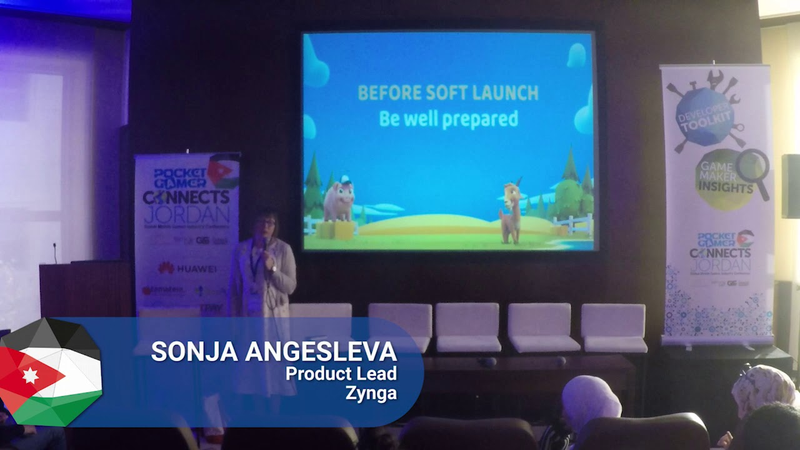
tons of slides I have few slides but I want to go a bit more in depth on on each of the topics as mentioned as one of the key points it is very important to understand that there is life and things to do before you actually go to soft-launched so I can't emphasize enough how important it is to do certain activities before starting soft-launched so okay that works cool thanks I'm sorry yeah and then they are so a different set of things you you are actually have to do doing doing soft-launched but that should be quite focused and relying on the things you actually do before going through that phase and then you have the decision at your hands you
know do you go B or do you decide to do something else but let's start with the before no wrong way before soft-launched why I think this is very important algo I think many developers do not emphasize it enough there are a lot of things that if you don't validate core loop of the game or the key functionality or basic like controls or user experience you will lose basically a lot of money when you go to soft launch and and realize those things not on till then so you need to be well prepared and how to do that number of things I will mention a couple of one and then give a few examples small more in depth but let's
start with the team so too often the development team are to democratic in decision-making or they don't they have a vision of creating something cool or something similar to another game but they don't really have a clear common understanding of what actually is the vision that you are trying to achieve all of these also ties into budget so you need to be very clear about like you know what you actually have in terms of resources like people or in terms of resources as money the second thing is I'm jumping first through the the x mark so the second thing is about validation you need to do you both like user testing focusing on
certain features certain functionality is in the game and you have to do longer-term play tests in understand in order for you to understand how the players progress in the game how long does it take to level to certain level are there some issues later on with relates to for example balancing or relates to the a variety of different features that you are providing but the players just for some reason do not get so that those are actually very very useful and also cost-efficient ways to test and validate key things before even starting soft-launched my suggestion would be that you know focus on the core loop or you know cool features if you don't you know consider the loop to be
relevant every game has what key features the key things you expect the players to do you should definitely validate those before going to the soft launch the other thing is about basic gameplay controls for example how the player is able to interact with the game or different features that you are providing when you do the validation before soft loans it means that you will do it before starting to scale the user base which means that smaller number of people are more well basically more inexpensive you don't have to spend that much money but you actually can get very valuable feedback to quantitative testing so focusing on smaller group of people like I typically do use a likely user experience or play tests with with
six people like group of six sometimes with group of fifteen that already gives you an understanding of these like different issues players might have when playing the game but with this small like for example with six people people playing playing the game for an hour that doesn't really keep an understanding what happens when they actually spend a bit longer in the game so that's why I would suggest that do different like shorter and longer user testing before going to soft launch how to do that there are tools online for example playtest cloudy's is relatively affordable tool but you can also do if you really want to put down the costs you can also collaborate with like local university for example or just find
random people that match to your target audience of course the challenge there is that oftentimes the tester has an impact to result see if you actually are doing like face to face so that's why I would recommend to prefer online testing over over face to face but of course like those are basically the options but with quality testing you can validate the key things that work or it doesn't work I don't work in in your game and you can improve that before starting - one way or another get more players in which again means higher risks of losing that golden cohort or even like the early players you might have or then postponing the discovery of problems too late the other two other things marked
with the green checkmark content depth is something that again when thinking of managing risks that is one of the key things what I mean with content depth is that players have to have enough repeated gameplay in order to really like stick around and start to explore other features that that are available so you need to have very deep core in a principled racing game it's it's slightly easier than and then in in a for example in in the builders but there has to be something that's engaging enough for players to come back to repeat again and again and again and then they have to be like supporting tasks like different features different other things players can do in the game which more just provide like variety to
the experience if you are not repeating the core actions there are other things you can do like for example social features can be such and then one thing you should have at least on some level before going to soft loans is some understanding of like you know how do you measure how do you define exit targets or or targets for for the validation few suggestions which I will actually get more in depth in in in a second so I'll just briefly mentioned so at least it's you get going I would suggest you to think of the targets like are you after like revenue or are you after reach or like scale so are you after eyeball so I of the players they are different motivations
to go one way or another if you are starting you know creating your first games you might actually it might actually make more sense to focus on on just you know getting visibility getting players to play your game instead of trying to make the multi million hitch game from the start then again if you are trying to make business of course you should be focusing at least on some level on on the monetary value or the monetization of the of the game how to do that I'll get into that in in a bit so when talking about data usually especially with smaller studios the problem is that you know if you're starting something new or you're starting your company you don't have any
data so how can you how can you know like you know what are the targets or what you should be you know trying to achieve my answer to that is that one way to start is to go with public data that's available online this is just the example of you know some estimates on you know depending on what what your game is about I but that sort of a selection of the different games understanding of like you know what would be like if you consider like for example creating certain gameplay or or a monetization like what actually are they put in show they're like how many players are you even like potentially reaching and what type of behave those players have like how long time they are spending in the game if you
have some some indications about like how much but money are they spending that might also help you to understand like is it even feasible to for you to set certain targets I want you to do more focus on that like you know hyper casual games you know certain things work differently than like you know the number of sessions or the lifespan of a user is very different from for example games like like Township like builder games so the point is that you can use and should be using market data that you know you don't have to collect yourself there is quite a bit of information available to even like its it sort of understanding of you know what what is reachable considering that you are doing a game similar to like coin master for example then when talking about metrics
I my suggestion is that well of course it's it's good to track different things in the game but I would recommend you to try to keep it focused so suggestion is to the om TM is one metric that matters or some some people call North Star metric as you know meaning the same thing at the point with the one metric that matters is that measuring gameplay or players behavior has basically two things that you should keep in mind one is communication with the team team should have a common understanding of you know what are we actually like are we on the right track or what actually is you know what is it a definition of good and also when you try to measure
too many things at the same time oftentimes you don't know basically what's the sort of the how of of details what you actually should be considering more relevant than another so the stuff I listed here are just an example typically if the technical performance of the game is bad it has an impact on basically all the other metrics so it doesn't make sense to track retention when the crash rate is like too high and yeah even like less than 2% it's actually quite high so I would suggest that I would actually suggest YouTube to go up it's a bit lower still another thing if you want to focus on engagement one option could be just to track the first session like including like tutorial or whatever you
have included for the new poll like new new players I think the first session being two times at least two times so an average session is a good way to understand is there enough what engaging content in the game and our player understanding the general like value proposition of the game but again it's it's more about like decision making like what do you think should and pay the face of the development what actually is the most important thing or metric to measure and of course like yeah then you can focus on retention metrics like ratios when players spend longer time in the game they are different instant install cohorts how do they stick around or you know laps or cheering from the game at some point you might want to focus more
on on the payers or then focusing on retention per installer or such metrics so it's it's more about decision making so you can always track like tons of things but in this case you need to have leadership you need to have decision what actually matters most at this phase of development time is running so I'll I'll hurry a bit to the soft launch so as I said like I think the before softness is very very very critical moment in time for your development if you want to manage the costs if you want to make sure that you know technically the game functions so the technical problems do not ruin the other metrics if you want to make sure that the core features are engaging to the players and interesting and you know captivating so they actually keep playing on the game then
if you have those boxes stick then you can start soft loans deciding like whatever deals you want to go with if you want to go with technical first of course the decision is quite different than if you want to for example focus more on the gameplay validation to me soft launch is nothing more than hunting bottlenecks and opportunities so you have the technical issues ticked or the box ticked you have core gameplay that's working so you don't have to bother about those anymore you should be more focusing on what actually is technically or like gameplay wise not working and or what are the growth opportunities like what have you missed what you are not providing to the players in order to make the game 2x Tori or 10x one tool for that is its matrix pyramids again
many of the tools are actually also communication tools because I'm coming back to the challenges with leadership I guess after like every every other slide but that's very very important to make sure that the whole team has a common understanding of what are you measuring how good are we are we on the right track should we be bothering with for example econo economy if we still struggle with the metric so issues regarding our technical performance and early progression and of course the answer is no you shouldn't bother with economy before you have the like stable foundation then it's fine to start building the superstructure to the pyramid and but by the way all these blocks are basically defined by the team so this is just an example but typically
I said technical issues always have an impact on all the metrics so then I wouldn't bother too much with spending a lot of time or money on validating engagement if the game is crashing if the game is not crashing and I feel I can see from the either like qualitative or quantitative user tests that players seem to be you know getting the idea of the game they seem to be excited about the core what value offer or the core features that we are offering then it's wise to focus on issues regarding for example engagement or or gameplay off of certain features or or economy as as you wish so it's basically a decision that you have to make but the nice thing about the pyramid is that this helps the communication within the team tremendously because this is quite sort
of easy to understand that you actually have to you know when the foundation is like again like you know we have the check mark that's basically perfect we can move on we don't have to focus on everything at the same time and we don't have to focus on things that we can't really have an impact on before certain other things are or in order this does not mean a lot of time spent or a lot of bureaucracy this means more about keep you know keep the communication clear within the team as well as have good understanding of of the data what actually is wrong when something is wrong if you have too many open questions it's very very hard from even from the earth well basically any type of data to understand that is the problem actually here or is it there as we would really are not sure as we haven't checked or
validate that things one by one all of these have also helped you to figure out the budget and resources like you know what what do you have how many developers do you have what what's the theme do you have money to put on the validation if you go with like just very minimum amount of sum of money to do the testing then of course you should consider like you know how much how much do you focus on on guessing and how much do you actually owe which parts you actually want to to validate with with players so bottlenecks and opportunities like what's what's holding you down or what's holding us down and what are the new growth opportunities basically two simple questions but with when following well when doing everything what basic
validation during the before going to soft loans face and then when following the pyramid this actually makes it brother well it's not it's never easy but it's easier to spot what actually are the issues that are not working in in gameplay technically maybe the progression will play a progression is too fast maybe they don't they're just missing like half of the features doing the reason of both you know whatever it could be or maybe you realized that actually because we are lacking what interaction between players like social features that has an impact on on the player progression or the engagement of the play player you if you don't have your own data you can always have well if you don't have big data you can always have
small data and you can always get market data even if ya the average is there actually quite good average cheese in the last section I want to focus on a couple of challenges because these are surprisingly often repeated in different game projects so as a word of warning when planning on a validation like the before soft loans and during soft loans phases so any point before actually launching the game playfully make sure that the end goal is not moving or you actually have clear understanding of like you know how do you how do you validate so use the pyramid or use other way to clearly communicate with the team and understand
what actually you know what's right and what's not working one of the challenge is that when there are problems there is no one making the hard decisions or there are a lot of if somebody's like it could be pissed or it could be that or but maybe if we do two more features everything will be perfect maybe that's the case but you know someone has to make the decision even if it's a if it turns to be a be a wrong one update planning a fox also means that again basically bad planning you need to have an understanding of how often are you able to update the game so depending on how do you validate between the updates how do you learn what actually is right and what's wrong or what should be improved do you need more time to fix
bigger bigger issues in the game or is it more about like tweaking features or or adjusting a balancing or or all the speed of progression fixing problems with new features is basically again like happening too often if you see a problem you think that you know it's its problem because you are just lacking something whereas you might or maybe you should focus more on what actually is wrong in the current set of features and lastly rushing conclusions with data so if you don't have a lot of data focus only on qualitative testing so doing play tests recorded play tests going through the videos going through the player feedback trying to understand from there if you have a bit more data
then be very critical about the reading of the data my suggestion with this one is that one thing that actually helps to understand what works and what doesn't is to do parallel analysis utilizing different methods of validation like for example first doing a quick UX test with six people getting the recordings and then doing put them so fixes if there are any fixes and maybe repeat the same method or utilize another method to validate the learnings so this was basically on I think I already spent yeah I know III wanted to leave time for like sort of chatting but I've already spent a bit too much time but let's do so that I'll
stop here and open the floor for questions if you have any if you don't I have my own set of questions to talk with you yeah oh wait there's yeah very useful presentation thank you um first question is you mentioned you can launch globally as a soft launch would you recommend picking one or two countries first and if so which ones yeah so it's it depends on the goal like what do you actually what do you actually try to achieve if you just want to make sure that you know you think you are able to scale so that it the game doesn't break when you have more players in so basically the servers are fine and all that of course you should just go to the like lower CPI countries like you know Thailand Philippines the usual suspects so that
would be the good way if you're a small studio I wouldn't recommend that because I think you should just like jump to a look-alike markets and and that's a bit more challenging like you know what actually is a look-alike market for your game usually one way to do it is just to go to like sensor tower or a penny if you don't have you know access to any more like in-depth data just to check out the grossing lists to see what type of titles are there like that are your key reference titles and and see like you know where what type of maybe life lifespan the games have had they're just jumping quickly because I would say I know a little bit about your situation Tony I think the advice has specifically changed over the last year or two yeah I think a year or two ago I think we were
looking more to exhaust launches in specific territories but I think we've moved away from that generally is that well yeah so it's it's a bit like sort of case-by-case like if you want to play it safe you basically scale you know one one more not born market at a time but basically one sort of validation focus at that time but yeah I think the biggest change that has happened like moving more quickly to more well as it was you US and Canada are the foremost of the developers that's these what one of the number well it's the number one market so for that the PC look-alike markets are for example like Australia in terms of like monetization and retention in for example builder games which well we are home farming the others but we are building thanks do you to tell people in the description that it's a soft launch I know why not I
don't see the we are not taking the game out of the store so it's more about like and we don't ruin their experience we don't take if they spend some money we don't like trust their experience so it's just sort of an evolution of the game from from that point onwards I've actually done that we with places in home we actually were launched as a beta and we were public telling people it was a beta in fact the game never came out of beta in the sort of well that was my next question how long is the soft launch well good question depends on well I think the whole whole decision of do your do or don't soft launch is depending on your budget but I'm more like data-driven so if like following steps and making sure that you have like the basic stuff actually validates it like you know the gameplay related
things validated before you can go if we put people going to soft loans and you don't have any like major for example technical issues you can basically go well with like four months then you have a good cohort like retention data from so on the retention and engagement returning because I've got only like a minute left okay I told it off - oh yeah thanks definitely please talk so much it's fantastic of this stuff I want to just give someone else a chance to ask one quick question just a very quick one if anyone wants to do I don't have a lot so in that case I will say thank you very much so thanks please go talk to Tony Tony's got a really great game I know that because I like working on it
Summary
Soft launching serves as a vital risk mitigation strategy, allowing developers to refine technical stability, content depth, and user experience before committing to a global release. The primary objective of this phase is to validate the core gameplay loop through rigorous testing with targeted user groups, ensuring the product is robust enough to compete in saturated international markets. By identifying and resolving foundational issues early, studios protect their initial player cohorts and avoid the costly pitfalls of scaling a flawed product.
Success during this period depends on a disciplined, hierarchical approach to data analysis. Teams should prioritize technical performance and core mechanics over secondary features like monetization or social systems. Utilizing a focused metrics framework, such as a single key performance indicator or a structured metrics pyramid, prevents teams from becoming overwhelmed by data. When internal benchmarks are insufficient, developers must integrate public market data to establish realistic performance targets and identify potential growth bottlenecks.
Effective execution requires decisive leadership and a structured update cadence that avoids the inefficiencies of democratic decision-making. Validation efforts should combine qualitative user experience testing with quantitative data analysis to provide a holistic view of player behavior. Furthermore, the selection of launch territories must be strategic, aligning specific geographic markets with distinct goals—such as testing technical infrastructure in low-cost regions or evaluating long-term retention in markets that mirror the intended global audience. This methodical approach ensures that features are fully vetted and optimized before the final transition to a worldwide launch.






















Comments