1 free read left. Create a free account for unlimited reading + AI research.
Create free account
Climate Crisis and Video Games
Key insights
6 takeaways- 01Games such as Fate of the World utilize actual scientific models to teach players about the interconnectedness of climate issues, moving the medium beyond entertainment into the realm of educational simulation.
- 02Modern commercial titles like Civilization VI: Gathering Storm effectively simulate the game theory problem of global cooperation, forcing players to balance individual factional gains against the collective necessity of emission reductions.
- 03Video games are uniquely positioned to model the systemic nature of the climate crisis, allowing players to navigate complex political challenges and structural dependencies that traditional media struggles to convey.
- 04Developers should shift away from 'technological deus ex machina' narratives and instead design scenarios that emphasize political and cultural solutions to the climate crisis.
- 05Dystopian and scarcity-focused titles like Frostpunk and This War of Mine are effective tools for evoking the emotional tragedy and societal shifts that result from environmental failure.
- 06Future-oriented game design must grapple with the reality of climate change by either depicting the consequences of inaction or modeling the necessary steps toward a viable, post-crisis society.
Ask AI about this video
Transcript
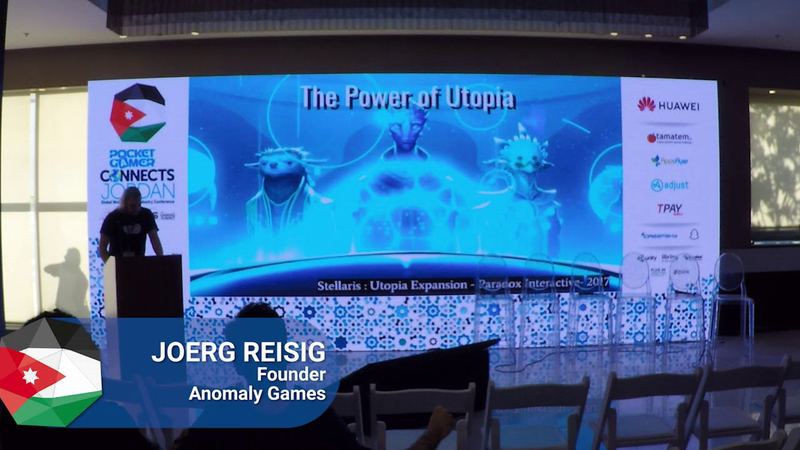
you hi hello I'm Jordana Thicke I'm indie game developer from Berlin and I want to talk about the climate crisis and video games and basically how the topic is handled by games and why you should treat this topic this much more passion than we actually do at the moment awesome introductional example it's a good thing to to show the current state of climate change video games is annual 2070 from Ubisoft it's a classical approach on a classical German city Island building same game where it's put
into the future and instead of islands you colonize former mountain ranges in the world that completely drowned by a climber by rising sea levels from the future climate crisis the problem is the climate crisis is just not I don't know thrilling backdrop to games but it's a real actual problem and that's why I made this talk so this is from SpecOps the line I worked on this game for many many years also at a burning studio at Yahara and it's it's set in the set in the region at certain in Dubai and and in a city that is completely destroyed by a sandstorm it's the Syrian military about military horrors and a relation that we have a
military shooter games and in the end in the game basically everybody dies of thirst because the sands don't just engulfs everybody that you actually wanted to save so it's kind of awkward for me to talk to be now yet now and in a land in the region that if you look at the prognosis of climate change at the moment will have really serious water shortage problems at some point and already is one of the driest countries in the world so it's a bit awkward because we made like this fictional product and it's even if it was very very extra a test is like huge permanent sandstorm and everything it still had like a tiny look into the future and that's scary but it also gives me hope that video games can tackle these topics and even if they go
for extreme measures like a complete flood a terrorist or something like this so who am I talking about long again primary climate crisis and video games at all I'm making myself a science fiction simulation game and it's it's a you it's a civilization building game you have like little if it's the start the early Stone Age and goals goes both become a huge spacefaring Society and a challenge to meet challenge in the game is to before you can build spaceships you have to overcome like the expectation that your civilization does on industrial level on your planet so if your planet gets destroyed and gets consumed by your own greed of your own society you won't be able to fly to the stars or if you fly to the stars you
maybe leave behind a dying planet and additionally I'm game from game design consultant for the company that makes the sequel to fate of the world probably one of the most famous climate crisis simulators I'm I'm not the most best part you need to educate your bottle timer crisis they're much more much much more efficient and better people for that but if you for some reason aren't sure why this topic is important or what the impact of climate change actually is come after me to the torque and I or write me online and I can like hope I can educate your own and send you some information ok let's talk let's go but
back for a second and talk about the history of video games and climate because it's as old as nearly as old as video games themselves the the first time I actually played what Rainbow Warrior was on the Commodore 64 it wasn't a game made by brick Greenpeace and it had a very dedicated in the game where you have to have to destroy this like little happy airport instead try to destroy the ozone layer and you have to try to prevent that and it was a very simple mechanic to show the problem of the hole and also data back in the days but the most prominent example is Sid Meier's Civilization really earlier on they had a climate change feature in the game in the end game where I had like this strategy game with like Manufacturing's competing against each
other and if just one faction polluted the world too much then it change the climate crisis event and fertile land turned to desert the coasts got flooded and it didn't matter which faction did and that was like a very powerful tool to learn about a climates climate climate change problems through play but the game of instruments influence need the most was fate of the world from Rapid Action that's really a trauma crisis simulator it's a simple card game but it has it's based on scientific models and you play around with this you relation and this playing around the player learns a lot about the really complicated connection of all the climate change issues that can really when I was working on my game I would
look up a bit on future trance on current trends and just pick three things that I see at the moment how this topic is handled by video games more commercial video games I'm not looking so much at educational and in the art game moment one saying what which I see more more often is kind of simulation strategy in the lair where we have like more complex simulation mechanics as an example I put here imagine us for my friends in bed in the serious brothers and they introduced in a science-fiction planet building game complicated topics like carbon trading which I never understood and through play I could like now understand how these mechanics actually work that I found very interesting otherwise we have we have
like kind of a bit more arty metaphorical approach where we have games like your solitude also from the being and post all the games from my friends say I'm sorry where you have like this kind of sunken city aesthetics we have a sunken civilization drowned city that we're like you have a little person in the board start subscribing driving to the city and it shows you more art level the lost of civilization and that will happen if if you don't the biggest commercial saying which we should mention and the child goes in very interesting direction the multiplayer direction is civilization 6 his inner Saturn gathering storm many players have to compete with each other
but also kind of cooperate with each other to prevent climate change and that's what the current global problem actually is it's a game theory problem everybody in the world has to reduce their emissions but if some people don't reduce their emissions they can have an advantage of other people and that is really that was really shown in that game and that is a really interesting approach to show the current problems that we are facing yeah that was a really short overview over like the tech games that we are billed and are currently I want to like put apart of things out there how game developers today can look at this really serious topic and try to to to bring this more
into an interactive medium the first thing which i think is really important as games are excellent tools to teach systems and the climate crisis is primary the systemics the systemic problem so not everybody knows the structural dependencies of the climate crisis and also not the side effects that the solutions that are actually on the table will have so sorry so I will really encourage everybody to make make a game that engages player and really show the structural problems that we have and we can in games we can have a playful and experimental way play with Travis these issues and see how they play art and that works also with really
realistic situations good example here is mini Metro from dinosaur Polo Club okay the second approach and that's like I would say the classic approach that many video game developers do is the dystopian approach so just let's just show how what will happen when we don't do anything against climate change let's show world that that is kind of basically gone to hell and where dystopia where we have like a kind of a post-apocalyptic setting the problem with this post-apocalyptic setting is they are often kind of handled as cool and edgy so you add mutants into it and giant
robots and whatever and it does not really explore the theme of like the despair and emotional tragedy what happens if we lose our civilization or most parts of it a good example here is the really depressed laying city building game Frost and that is build a complete set an incomplete frozen world we have like one of the last cities there that that tries to survive there and you have to do a lot of bad and worst decision to to handle this but they I come to my last point is doesn't matter then then we come to the last point is that I'm a me as a science fiction game developer always saying
that science fiction has the power to show us scenario where we actually found the solution and their humanity survived and games we and our children can can come out of this global crisis but also that's a problem of science fiction you are game developers of many then imagine food future societies take the easy way out they invent some miraculous technology that will save everybody and that is in my opinion not the best way to tackle the situation because this wondrous invention is like not on sight and we're kind of running out of time and have to find like a political solution so we need to design a future where global society managed to stop
trying to change we are political or cultural means and not by like some technological deus ex machina okay then I do the quote without the slide I want to end this the start with this quote by game developer pre-code about how games are good tools for imagining a better future she sat in her article the future I want to defend she said we can design futures that leverage all our unique and individual strengths and talents worldwide where do we start our corner of the world is video games and video games we can create create worlds that we actually want to live in so that denim at the end of my talk so please
contact me online please look up our game and yeah do you have any questions yep no that's a quite recent was like the Bosnian boss yeah yep and it's ended the ballgame for Saul to cool off stuff so like there's no soldiers and whatever that's just surviving yeah yeah yeah
that that this war of the mind would be another really really good example for this so sure sure and sometimes I see the term scarcity Park so you scarcity Punk so you really embrace the setting of a world that is less that just has less people that just has less stuff has like there has less less resources and show how people struggle by it and what are all lost and whatever table forgot and have how will they blame the ancestors and like said okay you that up and now we have to live in this this world and so and sometimes you can also like go the way the other way and go like I don't know cozy castle strophe and everything is like okay the world is ending and we're having a big party anyway and you practice up but we have like our little
corner where this is for sometimes zombie games too so like the world is overrun by zombies I don't have to go to work anymore yay but I think the the series of the topic you can with with this this like light-hearted approach also still touch people I just recently played flotsam which is a super silly game where the entire world flooded and you you just build a city out of trash so like the plastic trash on the world survived in churches yeah and you built these trash islands and funny people running on these trash islands and you have like cute seagulls worth like see trash around them and you collect them as path and it's it is super funny and it's like horrible at the same time and if you find that edge but I think this is really hard to do and many games like fail in that direction so and many
people don't try to trust this because it's it's not fun frost Park is a really good game and lost and the last of the last the last of not know the the war of the war of mine this war of mine it's also it's a really good game it's really not fun but it's engaging and that's what we're looking for but yeah I think strangely that topic I don't see that often so like hey let's show a show world where we source to solve the climate crisis where we had we had issue very soft issues but we had to put in political means we had to restrict some things we have to have like a huge carbon tax how that how to do this affect people how the society looks after discharge 30 years afterwards and that that is an interesting part and that's I don't see much in videogames and I think now when you do a science fiction game or a game that this in the future it is you can't imagine the game
result climate change anymore so either you'll have to show a game where the solution has happened all you have to show a game where stuff goes really bad and you don't you can't just all be in the future and somehow order for solved I think you can't do that anymore and I see it 1-1 games you see it even as simple in military solutions if you played ARMA 3 yeah yeah it's it's not a pure military solution and they this really was this military game mindset where they put everything so in detail that show they're Islands how because they are certain in your future how they have like wind machines solar panels and everything because they want to show they don't want to show post-apocalyptic world I want to show modern current world so they have to show how climate change was was was one it was avoided and that I found super
fascinating because that even in such a jar of people have to think about it now and yeah that was
Summary
Video games possess a unique capacity to model complex systems, making them an ideal medium for exploring the climate crisis. While traditional media often struggles to convey the systemic nature of environmental collapse, interactive media allows players to engage with the structural dependencies, political challenges, and difficult trade-offs inherent in climate change. By simulating these dynamics, games can move beyond simple entertainment to serve as educational tools that foster a deeper understanding of global sustainability.
Historical and contemporary examples demonstrate various approaches to this theme. Early titles like the Rainbow Warrior game and Sid Meier’s Civilization introduced basic environmental consequences, while more recent simulations like Fate of the World utilize scientific models to teach players about the interconnectedness of climate issues. Modern commercial titles, such as Civilization VI: Gathering Storm, effectively illustrate the game theory problem of global cooperation, where individual factions must balance personal gain against the collective necessity of reducing emissions. Other games, such as Frostpunk or This War of Mine, utilize dystopian or scarcity-focused settings to evoke the emotional tragedy and societal shifts resulting from environmental failure.
Developers are encouraged to move away from relying on technological deus ex machina—the idea that a miraculous invention will solve the crisis—and instead design scenarios that emphasize political and cultural solutions. There is a significant opportunity to create narratives that depict a future where humanity has successfully navigated the climate crisis through systemic change. By designing worlds that leverage human strengths and address the reality of a changing planet, the industry can help players imagine and work toward a more sustainable future. Ultimately, any future-oriented game must now grapple with the reality of climate change, either by depicting the consequences of inaction or by modeling the difficult, necessary steps toward a viable, post-crisis society.