Game Development reports and market data
Documents
Designing Engaging VR & AR Games PG Connects Digital #2
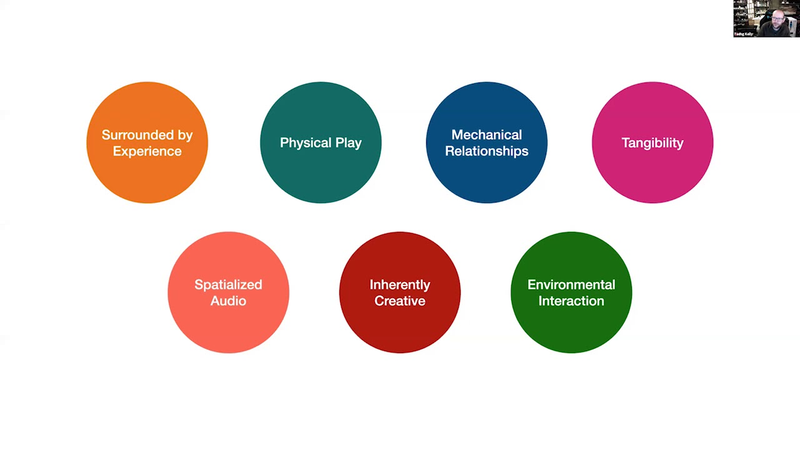
Spatial computing, encompassing virtual, augmented, and mixed reality, represents a transformative shift in game design that prioritizes physical interaction and environmental awareness over traditional screen-based mechanics.
- Successful spatial computing design requires creating bespoke, tactile interactions rather than porting traditional screen-based game mechanics.
- Developers must prioritize user comfort by implementing mitigation strategies for motion sickness, such as short-hop teleportation, dynamic blinders, and cockpit-style anchoring.
- The lack of a standardized input method remains the primary barrier to mainstream adoption, necessitating a focus on intuitive, arm-based controls and clear spatial anchoring.
Multiplayer - Demystifying the Development of Games we Play Together PG Connects Digital #2
Successful multiplayer mobile game development hinges on the strategic application of intuitive design, social engineering, and balanced progression systems.
- Successful multiplayer design relies on grounding core mechanics in familiar real-world mental models, such as racing or culinary tasks, to lower the barrier to entry.
- Developers must conduct rigorous playtesting that replicates real-world conditions, specifically testing remote play scenarios without voice communication to ensure design goals match actual player behavior.
- Long-term retention and monetization are driven by social dynamics, utilizing psychological frameworks like emotion mapping to identify friction points and implement triggers such as reciprocation.
Panel: What are the Best Ways to use Tools to Bring Data into Design? PG Connects Digital #2
Data serves as a critical instrument for informing game design, functioning as a catalyst for collaborative problem-solving rather than a replacement for creative intuition.
- Data should be used as a tool to inform and validate creative intuition rather than as a replacement for the designer's vision.
- Effective design analysis requires synthesizing quantitative metrics, such as heat maps and player flow data, with qualitative insights gathered from direct playtesting.
- Studios must foster a culture of cross-disciplinary communication where designers, artists, and product managers collectively interpret data to solve engagement problems.
Working Smart - Machine Learning in Art Asset Creation for the Games Industry PG Connects Digital #2
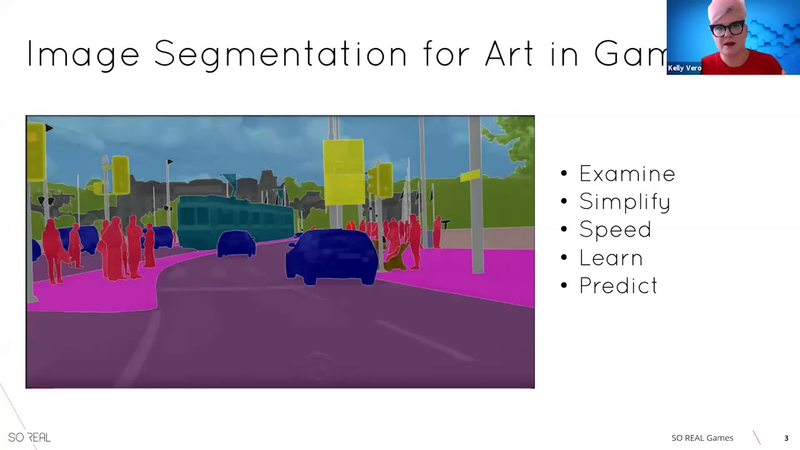
The integration of machine learning into art asset creation offers a transformative approach to game development, primarily by accelerating production timelines and automating complex workflows.
- Digital twinning utilizes CT scanning and automated platforms to convert physical objects into game-ready assets, bypassing traditional manual modeling and CAD-based workflows.
- Machine learning algorithms use image segmentation techniques—including thresholding, histogram analysis, and the Otsu method—to automate the reconstruction of complex objects by clustering vertices and structural data.
- Automating the art pipeline through algorithmic checks for vertex counts and file storage significantly reduces the need for human intervention in quality assurance and project management.
Panel: Workflow Tricks for Growing Teams:Working with Freelancers & Outsource Development Agencies
Scaling game development teams requires a fundamental shift from rigid, top-down management toward agile, output-oriented workflows.
- Shift from top-down management to output-oriented workflows to maintain creative vision while scaling distributed teams.
- Replace lengthy design documents with concise, single-page feature summaries and annotated visual aids to prevent misinterpretation and design stagnation.
- Measure team performance based on the quality and completion of deliverables rather than hours logged to foster autonomy and self-management.
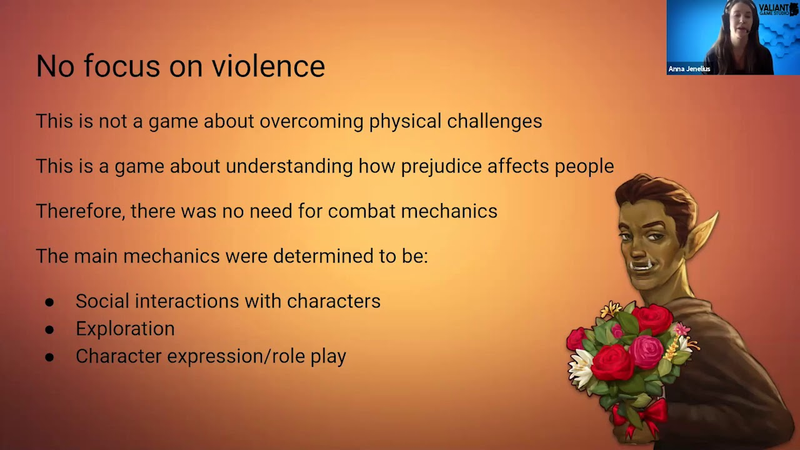
When Gameplay met Narrative - A Love Story on a Budget PG Connects #2
Establishing a cohesive guiding idea at the onset of production is essential for ensuring that gameplay mechanics and narrative themes remain unified.
- Establish a single, cohesive guiding idea at the start of production to ensure all gameplay mechanics, UI design, and narrative themes remain unified.
- Anchor development in a central thematic message to prioritize core systems, which helps small studios manage budget constraints by eliminating extraneous or disconnected features.
- Utilize a modular, episodic development model to maintain financial viability while allowing for iterative content expansion.
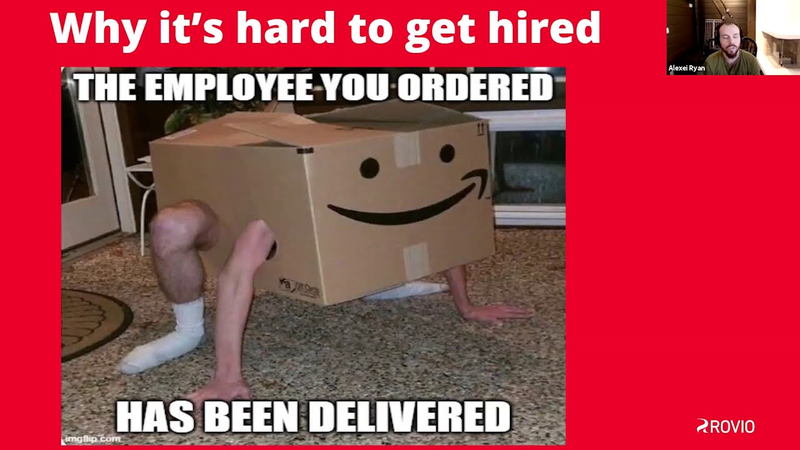
Keynote: How to "Break-in" to the Games Industry: Why it’s Both Hard to Hire & get Hired PGCD#2
The games industry faces a systemic recruitment paradox characterized by an over-reliance on pedigree and rigid hiring criteria, which frequently overlooks high-potential talent.
- The games industry suffers from a high-turnover labor market where fewer than 17 percent of professionals possess more than seven years of experience.
- Hiring managers frequently rely on inefficient, costly poaching of passive candidates from established firms rather than developing internal talent.
- Prospective candidates should bypass traditional application methods by using tailored outreach and portfolios that frame non-industry experience as transferable, problem-solving competencies.
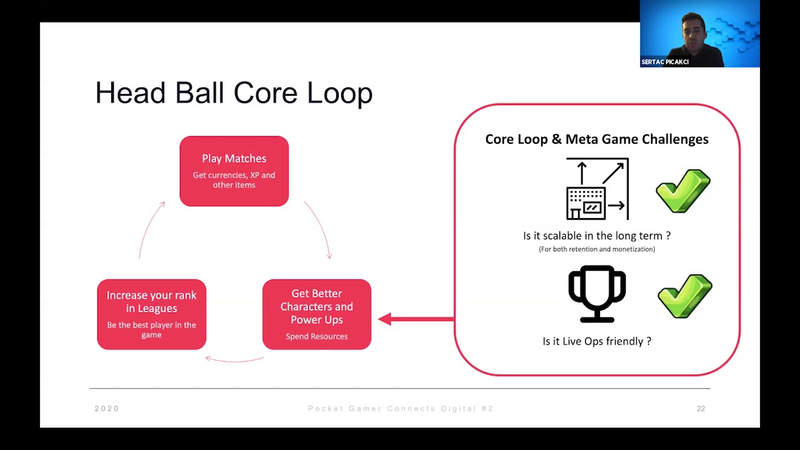
From Head Ball 1 to Head Ball 2: How it Became a Multi-million Dollar Game PG Connects Digital #2
The transition from Head Ball 1 to Head Ball 2 represents a strategic evolution in mobile game design, shifting from a simple direct-purchase model to a sophisticated Gacha-based system.
- The transition from a direct-purchase model to a Gacha-based system in Head Ball 2 drove a fivefold increase in lifetime value (LTV) and a 45% improvement in the DAU/MAU ratio.
- Implementing an in-house LiveOps infrastructure allows for real-time adjustments to matchmaking, progression, and pricing without requiring client-side updates.
- The shift to a more complex core loop and character upgrade depth was specifically designed to overcome stagnant LTV and facilitate growth in competitive tier-one markets.
Capturing Great Footage for Game Trailers
Game trailers serve as the primary vehicle for audience engagement, necessitating a shift from standard gameplay recording to a deliberate, filmmaking-oriented approach.
- Effective game capture requires tailoring the performance to the game's intent: character-driven games should be played to reflect the protagonist's personality, while competitive games should showcase the player's actual inputs and skill.
- To ensure high-quality, professional-looking footage, developers should provide debug tools such as free-roaming cameras, toggles for HUDs and music, time-of-day controls, and the ability to disable head-bob in first-person titles.
- Maintain consistent and aesthetically pleasing shot composition by using the rule of thirds, which can be easily implemented by placing a 3x3 grid overlay on your monitor using tape or digital guides.
Starting a New Game Studio | 3 CEOs Talk Funding!
The current landscape for launching a game studio is exceptionally favorable, driven by a rapidly expanding global market, the democratization of development tools, and a surge in venture capital interest.
- Founders must align their long-term business strategy with their chosen funding model early, choosing between bootstrapping for creative independence or seeking venture capital for mass-market scaling.
- Financial planning for new studios requires a 50 percent capital buffer to effectively mitigate risks associated with development delays.
- Investors prioritize teams that demonstrate concrete progress through playable prototypes, making the fundraising process a relationship-driven and time-intensive endeavor.
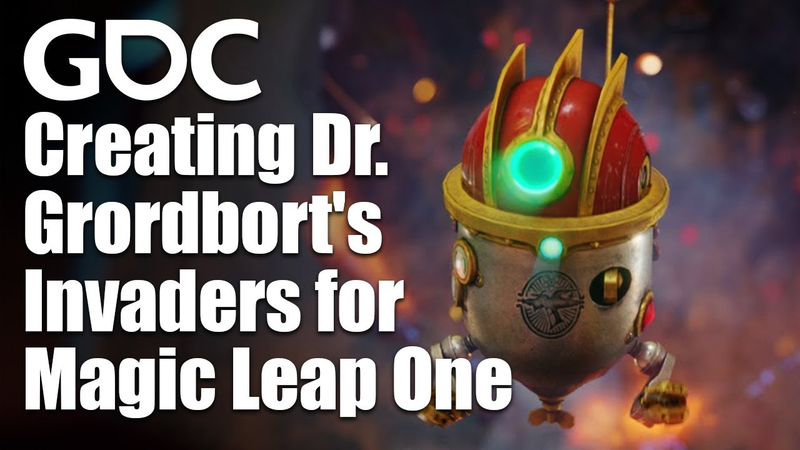
Creating Dr. Grordbort's Invaders for Magic Leap One
Dr. Grordbort’s Invaders serves as a foundational case study for spatial computing, illustrating how developers can leverage mixed reality to create immersive, systemic experiences on the Magic Leap One.
- To prevent immersion-breaking object interpenetration, implement a 'smoosh' physics system where virtual objects bounce and react physically when colliding with one another.
- Design for physical comfort by limiting intense gameplay sessions to 2–5 minutes, using a 'home base' hub to allow players to take breaks and manage fatigue.
- Use a priority-based visual system, such as subtle screen-edge 'glints,' to guide player attention toward critical objectives without overwhelming the field of view.
Implementing Pixar's Brain Trust Model at King and How It All Went Wrong
King, the developer behind the Candy Crush franchise, attempted to implement a centralized advisory model modeled after Pixar’s Brain Trust to improve game quality across its global studios.
- King failed to implement a centralized 'Brain Trust' model because teams perceived the static group of senior experts as intimidating gatekeepers, leading to the group being labeled the 'Angels of Death.'
- The initial centralized model collapsed due to a lack of clear goals, conflicting management feedback, and cultural misunderstandings regarding the role of 'champions' in the development process.
- King successfully pivoted to a decentralized governance model that separates project support from formal evaluation, utilizing a flexible network of senior creative talent instead of a fixed panel.
Writers
Games and companies
Games