1 free read left. Create a free account for unlimited reading + AI research.
Create free account
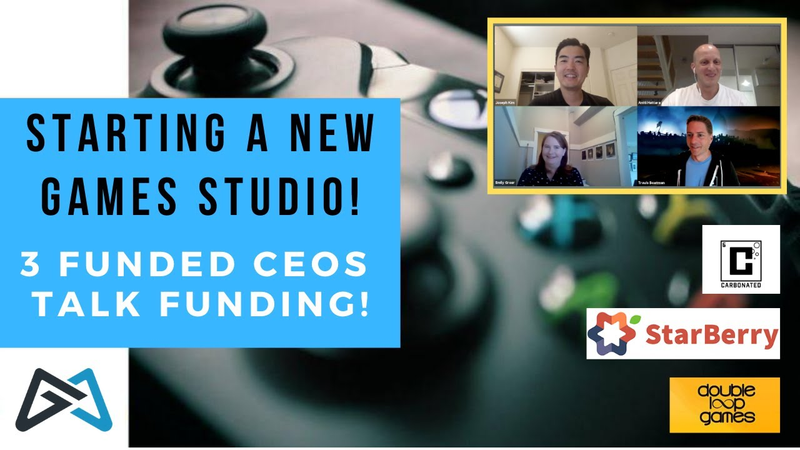
Starting a New Game Studio | 3 CEOs Talk Funding!
Key insights
6 takeaways- 01Financial planning for new studios requires a 50 percent capital buffer to effectively mitigate risks associated with development delays.
- 02The current market environment is favorable for new studios due to the democratization of development tools, increased digital consumption, and the widespread adoption of remote work.
- 03Success in the current market requires a clear, niche-focused thesis supported by veteran experience to stand out in an intensely competitive landscape.
- 04Founders must align their long-term business strategy with their chosen funding model early, choosing between bootstrapping for creative independence or seeking venture capital for mass-market scaling.
- 05Investors prioritize teams that demonstrate concrete progress through playable prototypes, making the fundraising process a relationship-driven and time-intensive endeavor.
- 06Studio leaders must transition from product-focused development to sales-oriented management while maintaining the analytical rigor to pivot based on performance data.
Ask AI about this video
Transcript
hey everybody today we'll be talking about starting and getting funding for a new game studio and with us to discuss this are the very recent founders of three game studios all of whom have recently raised venture capital rounds of funding first we have auntie hitara from starbury second emily greer from double loop and third travis boatman from carbonated inc so today what we're going to be talking about is what it takes to start a game studio and how to get funding for the studio and more specifically one what is the current environment for starting a game studio two what are the key opportunities to pursue three what does the funding environment look like for what are key challenges and five advice for new founders before we get started i'd like to just kind of hand it over to our three founders here for a brief introduction and some context about your backgrounds and maybe starting with you auntie
sure yeah hi all i'm antheatra ceo and founder of starberry games in berlin i've been working in casual mobile games for the past 15 years i started my career at digital chocolate in helsinki with product management and after seven years then moved on to berlin and hugo where i was building and running one of the internal studios where we did matching games jelly splash among others and in 2017 i co-founded chatterbox games in berlin we jumped early on to the messenger games market we then pivoted after one and a half years and then rebranded the starberry we then shipped idle coffee corp last year with the publisher boom bit and uh you know we've raised a seed round of 1.2 million dollars in q1 to expand the team and uh and to ship even bigger and better mobile games emily yeah uh so uh my previous uh experience in the game industry is i was co-founder
and uh first ceo and ceo of congregate so back in 2006 i spent 13 years there and went through the whole cycle there from when it was just me and my brother um to raising first and angel round and then adventure around in 2006 2007 selling to gamestop um built a platform and then a mobile publisher and then uh you know as in recent years uh started buying studios and that made me realize that i really wanted to run a studio that uh after all these years and games i i wanted to get to the dance and actually make games and i wanted to uh to make games uh for myself which is uh you know a mobile mobile player um and uh who's looking for relaxation so uh started double loop games last year around uh q3 and then raised uh uh two and a half million from lvp one up
and angels um uh uh back in december great trust cool so much fun talking to you guys um yeah so i've been doing games since i started in the late 80s um and uh i went switch to mobile in the latest in the late 90s so started mobile around 1997.98 um big fan of mobile games uh for found my passion found my love so i love love working in the mobile game space um i joined a company called jam that in around 2000 um and we are sort of a pure play mobile publisher um sort of head of studios working under one of the founders there the very beginning uh we took the company public i think in 2004 and then sold to 2006 to electronic arts um and we became what is now ea mobile um and i stayed around a lot of folks left but i stuck around because i was passionate about i think where mobile was going and when we sold the a this is prior to the iphone showing up so it's a little bit of a belief in betting on fate um but
fortunately the iphone showed up and then shortly thereafter android and app stores and you know purchase and freedom and all the rest of that stuff so had a really fun ride uh sort of riding the wave of the new smartphone market um for the next bunch of years at ea mobile made lots of great titles and had studios all over um and then with the rise of freemium and sort of live ops and data driven design kind of coming from the east but really being pioneered a lot by zynga i wanted to follow the learnings and so i ended up leaving electronic arts and going to zynga um as svp of mobile and uh had a bunch of great years at synga same thing sort of building uh the next uh next part of the zynga platform not just facebook and social but actually getting out of mobile and spent a bunch of years doing that with great folks at zynga um and i think a lot like emily i i miss getting close to games and making making stuff and it's vaping at these big companies that have great reach but you sort of miss the passion about building games and getting close to customers and close to that so i decided to start my own company um found amazing a bunch of founders and teammates and
we found out the company together um and we've been kind of working on carbonated for about four and a half years we actually are a little bit different journey we had a couple years of work for higher which i can talk about later uh but more recently uh we raised a pretty large seed round uh from andreessen golden and bitcraft at about 8.5 million and uh we're kind of off off to the races now um but a big definitely a shift for us from being a work for higher service company to to going to venture and i can talk about that more in a bit right so maybe just diving right in let's talk about the current environment in terms of the landscape why is now a good time to start a game studio or maybe it's not maybe are you guys starting a game studio despite a challenging environment what do you guys think sure yeah i think there's a few things i think it's always a good time uh so so that depends on a few things but for for now there's a couple of things to look at opportunity i think games uh space still evolves and uh so fast
and constantly that there's these new opportunities coming up i think one of the recent ones that's quite interesting is hyper casual kind of new audiences new way of ua and and and that then of course funding if you're not bootstrapping is kind of one of the things there's been quite a few uh kind of new gaming focused early stage vcs that's popped up in a couple of years so there's definitely a lot of audience to listen to your pitch and maybe also a chance to get funding um and and definitely a lot of angel investors in the space as well with a lot of exits in the past 10 years so it's a vc fundable opportunity small teams can get big results and then i think yeah competition or barriers to entries is one of the other aspects but and that's maybe a bit tougher there's quite a bit of competition for talent [Music] getting a self-publishing organization and learning the ropes of ua and everything is going to be a challenge for any company but
there's also good things on on maybe that aspect like the ability to use some services uh tech platforms so you don't have to build everything yourself that you maybe had to do in the past five years so that's that's kind of my take that it's definitely a good time there's all these uh kind of classical analysis of worst opportunity and uh barriers to entry and the chance for funding so yeah i mean i think it's always uh both a bad time and a good time to start something in games because it's been growing so consistently so strongly for for decades that there's always opportunity and it's the you know it's such a huge market that uh there's a lot of different ways to to to carve out um a good business or a great business there um that being said it's also really competitive um on all the platforms now so uh you know that it's much i think it's much harder in mobile for example to uh you know to bootstrap something
versus what it was on the other hand you know i uh we raised for congregate in 2006 2007 and we got funded because we were a platform there was huge resistance to funding content um that faded a little bit during the mobile social gold rush and then kicked back in very strongly for years and that is relaxed so there's a lot uh the number of vcs that are open and interested um talking about games let alone the ones that are focused on games is much larger than it has ever been and that definitely for a certain kind of uh studio creates a great opportunity yeah um yeah i basically agree um i think that it's it's sort of the golden age of gaming and from my experience um there's no better time to start games and now granted i'm a hyper optimist so just all sort of categorize that with everything that i say and i'm very optimistic all the time i think that's important
yeah yeah you got to be optimistic i sort of joke look at price fighters like professional fighters ask any of them before they go into the fight if they think they're going to lose right every prize fighter is like i'm going to beat that you know they're always going confident and excited and ready ready to win so you sort of have to so i'm very much that way so just sort of categorizing that but that said you know i think there's a lot of data to back up particularly now um you know the market is vast and growing what emily said um there are if you're if you're a startup then and you're usually you're doing something you're passionate about or have experience and you can make games on any platform a mobile pc console web free to play paid there's there's services now from apple where you can be part of their subscription service if you don't want to do free you can do paid now you know there's multiple stores all over there's funding coming from epic and publishers as well as venture and there's service money out there i mean it is just one of the best times to make games the other thing too is if you're a startup you know it used to be that you had to have incredibly and i'm not saying you don't one of my thesis is great technology um but you you couldn't start a studio unless you had great technologists
now you can be a content creator and leverage technology tools that come off the shelf whether that's unreal unity game lift you know there's so much tech that you can take off the shelf for free and not have to have depth of experience in those technologies like like an engine builder for example you could just grab unity um so i think that's that's uh uh leveling the playing field allowing more people to come into the space um of course the downside of all that is it just means more competition uh and so again echo sort of what emily said about look you know it's one of the best times to do it it's one of the easiest times to do it the market's vast and growing there's money flowing in but it just means there's lots and lots of competition um so if you're going to get the space you got to be ready to work extremely hard and compete very aggressively simply because you're competing with everybody on planet earth in every market with every piece of technology um but uh but it is a really exciting time to be in the space and compete so i think it's actually one of the easiest times to get into games that i've ever seen in my career and like i said i started in the late 80s um but it is competitive in terms
of like the shelter and plays current pandemic has that impacted the current environment for starting a studio in terms of whether it's funding or raising financing uh travis it kind of seems like you're indicating that it's actually not a bad time and then what about hiring how's that impacted hiring for you guys uh i'll jump in and i'll bail out again um yeah i mean i think i think it's one again one of the best times to raise i mean it's terrible what's going on around but if there's a beneficiary of people being sheltered in place it's people you know streaming tv and shows on on their televisions although it's hard to film those shows those shows are drying up uh people love playing games sort of endless content with games and you can keep making content if you're working from home most digital practitioners like us can work just fine from home where i think if you're tv filming it's hard to go out with the crew in the film on location so games both do extremely well during this time because everyone's sort of playing them both in hd and in mobile games as well as the ability to make more content and make more games so you're seeing kind of a pretty good boom
in mobile and hd gaming today and i think the venture folks are quite aware of that and i think you're seeing uh many of the announcements that you're seeing about fundraising are happening during the middle of the pandemic i mean we raised and announced during the middle of the pandemic so i can speak from personal experience that it is very doable during these times uh it's it's you know scary to say that we're one of the few few sort of businesses that does really well now um but it is it is uh um you know digital games are beneficiary of these times sadly um but i think they're the the effects are not totally even um it always matters for any individual firm is what's the situation with their lps and can they make capital calls because that can have some downstream effects in terms of you know one one vc may be fine and totally aggressive and one may need to pull back a little bit just because they can't make quite as many investments but definitely uh games are sort of showing at the head of the line um my feeling was like there was a you know kind of a six weeks two months where people were
figuring things out and things paused a little bit and then they they they've opened quite a quite a bit back up and you can just judge by you know am i being called on reference checks am i being am i getting inbound from from people and that's that's definitely opened up and you you can feel that the interest and excitement for games yeah i think uh i think i heard it on some panel with actually vcs and the same question being asked so i think their answer was uh basically then uh it slowed down uh a bit and then that's what i would kind of think as well that it's just that spontaneous meetings at conferences the hype is a bit tougher to get so i i'll need to figure out how that's going to work with all the calls and all of that and how to kind of get the momentum going during these these times and i think it's the same same thing with hiring that it's it's uh across borders especially in europe uh it's just a bit slower i don't think it's impossible but
you're kind of more restricted to looking at local local markets for quick hires and uh and yeah we've got smaller countries than kind of compared to the united states where i think you can switch between states still uh much easier than here between countries yeah though also um uh you know we had planned to be uh distributed from the start so it essentially going to uh um to shelter in place didn't change our situation that much um but that was partly because you know my co-founder and i are based in san francisco which is you know one of the most difficult and expensive markets to hire and so we were like let's let's let's open it up um we uh actually doubled our team size um in pandemic including hiring you know several people that we'd known before but also people that we um never got a chance to meet in person and onboarding them and i i was much more worried about it and it's turned out just fine and um you know people people are um
especially again once you got past those first few weeks people are are open and looking and the um the fact that everybody's worked from home now does make some some things a little bit easier at least in the us i would say i thought we could shift to talking about opportunities and maybe digging into the motivation behind each of you starting your own studios and if you could tell us a little bit about you know what was the thesis that convinced investors to invest in your startups it'd be great to hear sort of what what your stories are the truth is with seed rounds um a lot of it is um it's a little bit thesis but a lot of it is um team and experience and do they think you can really do something so um you know i think it's not a it's not a coincidence that all of us are are pretty that veteran um so just you know having that experience really makes a huge difference in terms of my overall thesis um for me i you know i still think you know
mobile is now 50 of all game revenue and the people who don't think of themselves as gamers i actually hate the phrase casual and try to avoid saying it um are about 70 of the market and i feel like if there's any part of the game market that's underserved it's that and as a very specific consumer of it i feel that the that there aren't there are a lot of people making games for it but not a lot of people making it with who are the audience and who um really understand the motivations and so i wanted um to jump in on that are my two i jumped i'm coming in from the point of view of why do i play games um and i play them for relaxation and i play them for connection so those are our two pillars are you know making truly relaxing games and um improving uh community and social and mobile for people who don't think of themselves as gamers
uh so maybe like all the way back into the kind of a deeper motivation so for me it kind of uh the spark came from a like a philosophical thought from from future play founder yami who kind of boils it down to a single question and is finding a company something you want to to get done in your career or in your life when you kind of get older uh and then you then he kind of pulls up this question oh yeah that's that's a well well put so that kind of uh is the spark because when that's a yes then you kind of start having more open eyes and then start to look at these opportunities and uh and uh yeah so that was kind of a yes for personally uh for myself and then i kind of figured that yeah i want that learning experience of finding a company and getting yeah the learnings everything that comes with entrepreneurship and uh and then kind of getting back to small teams hands-on work or and kind of building something without process too much of that big company
process and high risk high reward is exciting and uh yeah for us the opportunity came with an uh facebook messenger games platform it was kind of a that's an easy one for early stage because it was a new platform a potential disruption and and that was kind of the pre-seed round we did now for the seed round then then we already i would say that still because it was wasn't that sizeable seed round so i think that was still based on a lot of the team and and for us we then had kind of the uh the results with idle coffee corp to show so i think we kind of grinded our way way there yeah i think for me i've always had a very sort of similar career path lens and also sort of linked that to how that became a startup world but i've always reason i joined the games industry is i love the idea of sort of entertaining large audiences with technology and that's sort of why i got into business in the first place and i typically grabbed uh gravitated to publishers because they had access to the audience that's sort of why i went
to jam that sort of why i went to ea is why i went to zynga they had the audience and what's interesting of these days is more and more traditional publishing technologies are getting commoditized and what that does is it allows you to get close to customers without necessarily having to go to a big publisher um and so i saw that happening over time at ea and zynga and it got to the place now where i thought well i really want to follow my passion and i want to be able to entertain large audiences and get as close to them as i can you don't need to go to a publisher in fact it's actually uh detrimental to go to a publisher you want to get really close to your customer you want to be in the studio level you want to be on the team that is making the content and delivering the content directly to customers um and so for me that's sort of always been my path in the industry and commoditizing tech sort of led me to smaller studios uh in terms of what carbonate is doing it is sort of a link of that we wanted to make a very high-speed live ops platform so that we could talk to customers directly and give them content so part of carbonate is it has a platform attached to it which we call carbine but that is about getting customer
feedback and giving them content really quickly the second part is very personal experience i liked i grew up playing hard sort of hardcore console games you know grand theft auto and call of duty and you know all those those great games but i also love mobile and so we said well look at some point you know moore's law is not dead uh mobile devices are gonna keep getting faster and eventually these kind of hardcore games are gonna start to appear on mobile phones more and more and they're gonna be hard to control because typically you see they port these kind of console games over and the big tell you can see that console game sort of ported over is when they have digital d-pads that's sort of my favorite tell they're not natively designed for for touch screens and so we started to think about that and said well what what's a way that you could take these very mature beautiful amazing high-end games and play them natively on a mobile phone so we spent a fair amount of time thinking about that and came up with this thesis which is you could solve that with an ai layer so you have an ai layer that essentially i won't get all the details of that be a long talk but it basically removes
the need for all those buttons uh it removes the digital d-pad it removes all those buttons um and so we spent a fair amount of time thinking about that and and figuring out how we would solve it and we basically came with a pretty good solve we think uh and then uh and we got excited about doing and that's ultimately where carbonated came from but it really is those kind of hardcore games making them easy to play by using an ai layer and attaching to it a live ops platform so that we can respond quickly to customers and for some of the folks in our audience who might be thinking about starting a game studio in terms of other opportunities auntie i know you mentioned a few opportunities you saw in in your introduction and whether it's ai like you're talking about travis do you guys have any thoughts on other opportunities out there that you think might be attractive i mean i think ultimately you're going to do the best job at something that you're passionate about so think about the part of games and that you are really attracted to and that you have something to say about because
uh you know coming into a competitive part of the industry and just you know kind of copying and because you want to be there you're not going to make anything really great and the things that are really great are what inspiring the thing is is that almost all parts of games are growing so you know if you really really love you know console games or pc games or or something like that there is room there um it might look it might look different it might be less likely to be a vc back company um i think in mobile you pretty you know it's as i said it's hard to bootstrap but there's opportunities all over and it's just really important that you be uh be tackling something that you're passionate on and have a strong point of view got it yeah i guess there's a few kind of all the way from incremental opportunities to to something wild that that you might want to look at hyper casual and how is that the question is really where it where does it go how does it evolve is there an opportunity in in the casual space
and uh or or i'm still fascinated by multiplayer casual games like the io and trivia royales and the kinds uh but uh but maybe the the wild one is kind of influencers new audiences that come from this kind of a hybrid of streaming and uh and uh like influencer how they they are part of the whole media package nowadays so i think there might be some bigger opportunities for new platforms and complete new new type of stuff okay yeah and i'll sort of bridge off i love emily's answer sort of bridge off out of it yeah i think passion is one of the most important things again because this business is so competitive um i sort of have a lens that i use personally so i'll sort of explain my lens and then link it to the answer but um i sort of always think games are three parts they're one part technology they're one part business and they're one part sort of creative and i think uh the founders and teams that have passion uh and and really are dedicated to their craft typically are good at the
different parts of those those things um and i think there are great engineering houses out there that that uh come at games from a technology perspective and can very much win that way i think there's game teams that come at it from a business perspective and can be very good at that craft and win that way i think there's some teams that come at it purely from a creative standpoint and create amazing creative games and can win at it from from that standpoint um i think what's neat about all the the founders out there hopefully a lot of young folks um is they don't necessarily listen to us and they they follow their passion and they think about how the business is structured whether they're technologists or artists or business folks all those passions can lead to great wins in this space um and i'm just frankly excited to see what the young folks do out there i i sort of scrape the app store and i look at what's popular and what's cool all the time and there's so much amazing stuff that pops up um but i think there's again i'm an optimist but i think there's lots of different ways that that you can win um but it is it is it is competitive and so you have to be very very good at something
whatever that craft is i think is wide open but you do have to be kind of good at it and chase it with a lot of passion because you're competing with so many folks out there right and so talking now about funding and the funding process there's been a lot of comments around large competition could you talk about when it comes to whether it's fundraising or bootstrapping you know is is because of the competition is now not possible to bootstrap are we in an environment where you have to raise a large amount of capital in order to compete in the environment and then for each of you when you when you're coming up with the amount of money to raise and so only for you 2.5 and travis whether it was 8 or 8.5 how did you come up with that number and you know and the specific milestone you're you're going after i mean i think it's absolutely possible to bootstrap i think in uh it's you just have to understand what parts of the market are going to work with that kind of strategy i think
bootstrapping is totally feasible in sort of indie pc market and is in fact the norm where you you get enough through to have a demo to get a publisher to go through that kind of process um i think hyper casual where you can make games very quickly again um and then work with a publisher is a great opportunity for um uh you know for for a small team starting out um for me the kind of game that i wanted to to make and the kind of ambition i had which was top you know kind of you know top 20 top 50 grossing on mobile you know something really big and meaningful i you know i very seriously considered bootstrapping and then was like no you know to do that kind of thing you need marketing you need that capital and what i want is aligned with vcs um in terms of you know the the big thing and so that's um uh the direction i'm going in terms of the amount um the two and a half is just a just a start um um i have a sort of an
overall plan of how much i'm gonna need and i split it okay you know i'm gonna do you know two at the up you know two at the seed but it was over subscribed so i let it get a little bit bigger and then i'm gonna do you know kind of eight to ten at series a and then have it have a whole plan you know there's not just a fundraising is not a one-part event it's a multi-part event especially if you're going for a larger company so you should think about how your st your your staging and sequencing what will you have proved with that first amount of capital before you go for the next how is your how is your runway going to going to work from from from round around so you think of it as a process and not just like one amount that sounds like a season like experts because that's uh it feels like that's what i i learned uh as we go kind of the first round uh founder so so it's um and definitely i would also agree that bootstrapping is is kind of what you
probably will have to somehow start with your own savings in in any ways like no one's a recruiter is not gonna come and get you off linkedin to say that you're gonna find a company it's uh you'll actually have to do it yourself and then you'll be without the job for a while unless you somehow manage to pull it off as a side project but that's not going to be easy uh so i yeah you'll you'll somehow need to bootstrap to get either a very stellar team together because for the funding in our environment at the moment you meet those co-founders it's it's either going to be a stellar team lined up and that's going to help you get the credibility for for raising or then you're going to be just like getting hands down hands-on and actually building something a prototype or a demo to uh to do that or or work for hire we did a few gigs in in our first year when we bootstrapped the whole year uh so those definitely helped but uh yeah i think i learned a few on the process of like trying to skip the seed round or the angel round uh pitching for for bigger numbers at
the very early stage when i don't think we had that much of the team together that would justify for it so i think for yeah first-time founders and maybe uh smaller teams or a few individuals uh then kind of thinking thinking through the angel round they're gonna help you justify that might help you put the team together and uh and then you kind of go from there so kind of a step-by-step plan absolutely good good two good points for both congregate and then for double loop um my brother and i had a little bit of money that we saved that we put in that our father um matched and we used that to get to a demo and it was we had been talking to vcs for for for several months but at the moment that they could see the live alpha that was when term sheets started flooding in so when you especially when you're a first-time entrepreneur you need to show a little bit more as a sec you know second time entrepreneur you
you you get a pass and so you can kind of essentially you know skip that skip that round but i also you know for for double loop i started it with um some of the money that i had from the from the congregate sale so um that that's a you know a very very common uh common pattern and you should expect um to need to to show something and to show something concrete unless it's your second or third startup or you or you were the lead designer on a billion dollar game that's the other one [Laughter] totally true um yeah i think for us it was interesting because we when we started out we had a particular thesis for these kind of high-end games and this sort of problem we're solving but early folks that we talked to actually sort of said we don't see any of those games in the market so that's not really a problem and we said no no these hardcore games are coming they're coming and this is again before fortnight for pubg on mobile before call
of duty on mobile and so we got a fair amount of resistance early on and so part of our path uh was going to work for high was because it was actually hard for us to raise early on to be totally honest um so we it ended up being a blessing in disguise because it was relatively easy for us to do to get work for higher work um out of the gate and it was great for us in in the sense that it allowed us to over the next i guess almost three years of doing that uh to build our platform to refine our thesis uh to have a team that knows how to work together um we had a little bit of hubris communities that we're all these experienced people doing games forever we know how to do this and then we had some good advice from a venture person who said well yeah you've done this independently you've never worked together as a team that makes us nervous and i said i will figure it out and we did um but to be fair uh i understand now why some of those venture folks said yeah you're all really experienced but you've never actually worked together so that's high risk and the venture folks are always looking to reduce risk and so i think for us the the service work that we did eliminated a tremendous
amount of risk so by the time that we raised you know our platform that we had sort of theorized was up running demonstratable and was sort of i would say best in class but but quite good um our ai tech and our partnerships that we had built at that point was fully playable worked was demonstratable so our thesis wasn't theoretical anymore we could actually show it to them and play it so much to entities and emily's point was demonstratable and then lastly we did you know kind of a fun partnership with amazon so we actually were at the amazon booth at gdc and we showed this stuff live not just investors but sort of to the world said hey look what our tech can actually do uh and i got to throw some uh some some heavy traffic at it um and i think you know we also throw our work for hire a little again sort of linking to emily's point uh we you know we had uh we're able to use those dollars to build up a lot of what our company is today um and again that's a form of reducing risk so by the time that we raised we had so many sort of uh great tools that were mature uh that it made a lot of sense for our investors to
to bet on us or at least that's how it turned out um the the other thing i think also to sort of uh double down on emily's point is it depends on what you're building and if you're building a really small game you don't need to raise that much they're going to want to see a proof of concept very very quickly and even even metrics um for a much bigger much more complex game it has some advantages in that it removes a lot of competition so the bigger of a game that you make or the more expensive it is the less competition you're going to have however it means it's more risky and investors are going to push it harder for how do we reduce risk if we're going to give you this much capital to build a larger game you've got to figure out how to reduce that risk um and so the game that we're building is a big game it has real-time multiplayer it has all the the you know the social systems and all the content systems that you'd expect from a best-in-class uh mobile freemium game uh but that stuff's large and expensive so it requires the capital but we had to reduce all that risk uh in advance before we went out there so for us the service work uh was sort of a replacement for those early rounds is
the way to think about it yeah you you call it your your eight and a half million a seed round but based on you know both the amount and like how much you had to show for it i i in my head it's an a and one of you guys talk about the process from like intro to you know getting the money in the bank what does that process look like and then also just in terms of like how much of your time that it takes i was reading that some entrepreneurs are spending like 50 of their time or in some cases all of their time just actively fundraising so i'm not sure what that actually means like what do you do when you actively fundraise but it's hard for me to understand what that what all that where all that time is going to you talk you're you're talking a lot um you're having you're having lots of calls and it's um you know sometimes you're talking to ddcs but a lot of especially when you when you don't yet have connections you are talking to your friend who who raised before and getting their advice and then
getting an intro to the next person getting an intro to the next person so you're you're chaining introductions until you're you're pitching and then there's early conversations and then there's you know proper pitches where you're bringing in more of the team and have a deck and then there's you know partner meetings now this is a little bit different in covid because um you know they're not having you drive down to sandhill road and and meet with uh you know 15 people in the same way um but i think that's still that process of kind of warming up conversations and you know the an investment is is not as much about a pitch as it is about a relationship and usually relationships get built up over time so you know the easiest way to get to yes is if they already know you um or they saw you um six months ago and you said i'm gonna do this and then you come back in six months and you show them what you did and then as travis was talking about that reduces risk you've proved that you can do what you're gonna you can do what you say you're gonna do
so actively raising is about kind of building up those steps and then there's also just so many vcs out there right now that are interested in gangs as there's a lot of people to potentially talk to got it and i agree with the the 50 to when you're actively raising that 50 to 100 is um i think is right on and that's one thing i as a warning to studio founders if you are the creative director and the development director and fundraising that is really hard and really problematic um in my studio my co-founder shelby she's the creative director so i can disappear for a month and not be part of the process and the game keeps on trucking no problem but i i have friends who are both the creative director and the ceo and they they really struggle in the fundraising period and then in terms of the process steps does it look something like you get your intros you're doing all your pitching you get a term sheet you negotiate the term sheet and then
there's you know and then it closes and you get the money in the bank is that basically the process uh there's a long form of whether you're raising are you raising on a safe um or some or some kind of like convertible thing um which is which is going to be easier and faster if you're doing a price round then there's term term sheet then there's long form um and each of those takes uh quite a bit of back and forth and um you know just it's always going to take much all of these steps are going to take much longer than you think so have you know give it a lot of time and prepare for people to be to be slow sorry yeah my theory on kind of like your active fundraising is that you kind of all the visas are always going to ask you that like who else have you talked to what did they say who's interested so you actually you need to create that that moment the momentum and the kind of a situation
where you're able to tell that yeah actually i've spoken to these guys and everyone's interested so that's the active part you've created your deck and you decide that unless you're kind of running out of money by the end of the year and you know that okay q4 if it does this doesn't happen we're out of money and then so that's probably 100 of your time if it's q4 you're gonna run out of run out of money unless you make it happen then you probably do everything to to make it happen but if you're kind of a if you've got the runway and you think that now is there's a good opportunity for fun fundraising in terms of market the progress you've made then my advice would be that you kind of get your deck together you schedule in like i'm going to contact all of these guys over the next month and then you start talking and that's going to help you so that you're able to tell these other guys that yeah there's competition because i've been talking to all of these guys and yeah it's it's probably gonna happen next month and and so on and because that's i think the the closing is gonna be the the kind of most exciting and uh thrilling part of this roller coaster
once you've gotten the term sheets then then of course it's about negotiation and it's kind of a little bit nicer part of the journey unless you've gotten bad papers but uh but i would say in games and the vcs that that are typical uh i would expect that no one's gonna kind of uh you're not gonna get bad term sheets you're gonna get pretty nice terms and stuff so so yeah the hype and the momentum is gonna be your active fundraising and it definitely will take a lot of your time but you want to kind of cap it into into some sort of like a time period and auntie in terms of your point about sharing information once let's say you get a term sheet like what is the protocol is it cool to share the valuation do you not tell the valuation to the other investors interested in in your in your studio and you know one of the things i learned is that you're apparently not supposed to tell another investor who the investor is that has given you a term sheet but i don't know if you guys have any thoughts on that yeah i think there's some courtesy probably
i'd also be asking this question off from my vcs from from play to get kind of an idea so i think these guys might know a little bit better my perspective i you know i think those are two parts one is a good idea i've been very honest uh sort of super super straight shooter with all of our investors so i would just ask them and this was my first time raising so you know for me for what it's worth you know i've been in business a long time but i'm a total newbie when it comes to raising in the entrepreneurial path um so i just was very honest uh i wouldn't say childlike but i would go out there and just say hey i don't know what i'm doing how do you do this and when and i asked investor hey can i share this with with the other guys like uh we'd prefer if you don't okay cool so i was just very honest very open i asked lots of people for advice i tapped on every door i could in the industry and said hey this guy said this is that okay like well that seems weird and i'll reach out to them you know so i just was very open talk to everybody honestly uh share as much information as i could i'm a big believer that that you know
these sort of secrets that don't really help you it's more about going fast and finding the right partners and working hard so we really didn't keep a lot super secret we weren't oh i gotta hide this we're just open honest went as fast as we could and then the other thing i'll say about the story in the process was i i can't at least from my perspective again i'm do with this but from my perspective um when the story's right and i can't sort of or say how important the story is when the story is right if it clicks it goes really fast when the story's wrong you'll sort of go oh nobody likes my thing it's their it's their problem so early for us our story didn't quite click so we had a hard time raising later on when we got our story right it clicked and we had a lot of attention really fast and you can see the difference you can see when you're pitching to somebody and they're like yeah oh my god i gotta be part of that you know versus like huh um and so we we figured that out and we had some good advice and some people around us that helped us refine our story um and once we got it right boy it was a whole world of difference
um so what that's worth the story and refining that really matters you can do that through iteration and just keep throwing it at investors and seeing if they stick or you can get good good advice and good help to people who've been through this before to kind of nudge you along and i think we were fortunate that we had those advisors to help us refine that story and once we did it worked really well um i mean and i think it it it's both like getting as much advice and like doing practice pitches with friends and getting getting other people to to look over your deck but there's just no replacement for having those conversations and getting the feel of it and but i completely agree with travis like in terms of when it clicks you you really get it when we were raising for congregate we'd been doing it you know the thesis hadn't changed but we've been talking for you know four or six weeks and then suddenly my we figured out my brother figured out how to articulate the emotional story and the player journey behind it and you could just just feel it like when it when it's
right you can feel the emotion coming off of people that's actually the thing that makes me most nervous about raising for uh for for series a in covet times is that it's going to be over zoom and i'm am i going to feel it the same way when i can't just see every if i'm not in the same room if i can't see everybody's faces like how is that going to feel and i'm um i will you know we'll we'll see but that you when it's right when it's connecting you totally feel it and then emily in your case it sounded like you had a couple of situations where you had a competitive investment situation and so and the question for all of you in this case when you've got multiple investors you know trying to invest in your company how do you select the best partner how do you evaluate the different investors out there so you know for uh i for me valuation is actually a little bit like a lot of people go in and think valuation evaluation and that matters
but like mostly it's going to be in the same range and so for me it's about the relationship with a person and how are we gonna work together because you're gonna you know in a success situation you're gonna work together this is gonna be in a way your boss for four years seven years how how are you gonna talk about things and how are you going to talk about things as the business change changes so kind of their integrity and your ability to communicate with each other is really really important um then what are you know what background do they have what you know what what else have they invested in that they've seen that could be helpful to you do they have an operational background um are they gonna really understand um what what you're doing i definitely prefer people who have some operational background because it gives them more insight into what you're going through and i was very deliberately hoping you know for our seed round um we were
talking to both general vcs and game specific theses and i wanted a game specific vc because i want you know i want somebody at the table who really knows games and really understands that and so that was absolutely a priority for me so my priorities were nose games integrity um uh and then kind of uh terms and valuation together um and that's that's that's you know that's how how i was thinking about it yeah definitely uh if you've got multiple you you'd want to look at the the kind of contribution that they can do outside of the evaluation so as emily mentioned portfolio that can help you like the other companies and contacts and maybe other aspects can they can they help you hiring uh in your local market or or or with other things in like skill sets sales marketing and so on uh but yeah i think you probably
i'd think that you get your game specific visas at a fairly early round into your company and they're kind of then you then you've got them checked in your board they're they're in there and then i don't know then for for the future rounds of strawberry then how how i would value evaluate the different things when when we've got kind of a game specific easy already around and because i i think then there's going to be if you have too many voices and chefs in the in the kitchen that that might get interesting so uh yeah and that's that's how i was thinking is see seed round is where i get the game specific voice then the then a round is where you can have the more more more general boys who have you know knowledge of maybe about you know marketing or um or you know company scaling and my personal experience of from the from congregate was the point that our vc added the most value was when we were selling and going through the m a process because they've gone you know they're hopefully going through
it on on all of their portfolio and they really helped us um through that that period and that's where they added the most value and the other question i want to ask is emily you had mentioned that when you were coming up and kind of going back to the amount to raise against the specific development milestone you had mentioned that you know there's a certain amount that you need to raise to get the game to market and then you kind of pick some spots in between so how did you come up like what are those spots or what are the how should you know entrepreneurs think about what spot to pick to determine the amount of money that they need uh i mean first of all what however much you think you need um you probably need more so you know come up with your first number and then you know up it 50 or something uh because yeah everything everything takes longer uh and everything is more difficult like being experienced i have a lot of experience forecasting costs but um your first time through there's gonna be way way more unknowns in terms of
um um how thing things will will go around um i worked backwards a little bit from um what the total i wanted for um for the company and then also thinking through both success scenarios and failure scenarios you need to be realistic that your first game um is not necessarily going to be a success so i was doing it from a perspective of okay here's what i need if i have a i have a success here's what i need if we have like sort of a middling type of game here's what i need if we get to soft launch and the game just is not coming together like thinking through all three of those as it happens the numbers were not very different between those three scenarios because you know you have revenue coming in versus marketing and then um you know talking to friends here at vcs i backed it into okay what are typical rounds and round sizes and split it there so you know one one to two
on a seed round um you know uh eight to ten on a and and walk back from from there and then i thought okay um you know what do i need to prove um at each stage um so for for us we wanted we didn't want to raise on metrics vcs are always going to say we want you know come back when you have metrics um i didn't want to raise on metrics because that's like that's pushing it to me too late and the in in the process i wanted to do it based on you know a validated um game prototype however again like if you're a newer developer who hasn't had as much success in the past then you probably will need to plan to get to metrics and to get that larger amount you're going to need to show a little bit more and so i would i would plan it there so it's this combination where it's partly about what the game needs but it's also thinking through what is the what does the vc need what are typical round sizes and one comment i'll make there is that
um i'm in san francisco in the heart of silicon valley um and the atmosphere is different here than it is in some place like europe round sizes and um valuations are at a different are are sort of lower there but also the costs of doing a startup are lower so so those things can can work together so i guess the uh the other question i have is based upon what you're saying emily so it sounds like you're already planning for the next round of financing so for each of you how are you thinking about your next round if you're not going to have enough to launch the product are you guys kind of thinking well six months before we need money we're gonna you know have another pitch and then how are you preparing for that next round of financing i guess one kind of a leading thought you might want to have is kind of how do you get uh to the kind of a in game with the fewest rounds raised so the least amount of dilution in a way
so so i i think that's that's kind of yeah one thought for it so the money you've raised that kind of as emily said you kind of need to have something for if it if the plan doesn't and when it probably doesn't work as you planned you kind of need that fallback uh plan and a bit of extra there so so yeah i think then when you push the uh next wrong thinking you're kind of finding that timing that okay if actually things are working we're kind of thinking okay milestone metrics that's going to be kind of a trigger for for the next round and and yeah i think yeah fewest rounds and raise as much as you can with kind of you probably anyways want to have a limited amount of dilution set in mind let's say anywhere around 20 so kind of you should go for how much you can get with that dilution at that next round it's yeah just push it yeah um i think there's two ways to think about one is like when are you gonna need money but also another way to think about it is when are you gonna shown something
and how long is it gonna be until you have something that's meaningfully different right like um you know for us getting to a prototype and showing it the the next big milestone which would change people's opinions of our valuation is metrics and but that was going to be too close to us running out of money so there's no point waiting so we're probably going to raise when we still have you know a year plus um of runway um so uh but also you know just expect your um your competitive processes give you a lot of leverage but just not needing the money also gives you a lot of leverage so um try to avoid negotiating in a situation where you um you need to have it in you know two months or three months because again with contracts things take a while um you wanna you wanna be coming from a position where you can say no okay so i thought we could shift to
challenges and so for each of you i was wondering if you could talk to to me about you know some of the key challenges that you faced during the the early stages just getting the company off the ground whether it was with financing or just getting started and then now that you have funding what are your key challenges right now sure yeah so so i think in the beginning because we started with bootstrapping as well i don't i didn't think right away that okay it's gonna be a vc funded company we thought okay actually in europe you're in a nice position that actually you've got quite a bit of runway uh to survive uh with savings and with support systems grants all kind of things so so you can kind of dream of trying to kind of get the revenue by bootstrapping and that would kind of that's what i initially thought uh so we just kind of got going and but quite quickly then for us the market facebook games market the messenger like the hype started building around like in three months and okay this is a lot of companies that
will get funded now so it's a good time to start talk about it uh back then i think kind of the the challenge was i was very practical very product driven thinking of very detailed things whereas yeah you should be drinking thinking of the bigger dreams and the vision and how they communicate and how to sell a pitch of a company and a bigger thing so it was that's just kind of a i guess uh things you learn in the process to become a sales guy i've never been a sales guy and and yeah ceo and then yeah a startup founder you definitely need to be a sales guy and i'm going to learn the ropes there so so that definitely was one of the challenges back then and you know i think now that we're funded i think the company building questions come around like we're forming a culture we're 10 people so these you should pay attention to these that's kind of my thinking how to how to kind of keep things from in in check and in the right path for something that kind of works out then
for the longer term yeah uh so [Music] for the the early stage of starting the studio i'd say actually the main thing we're figuring out is because i was coming from from congregate and was looking for a co-founder who had the the game development um experience and the creative lead um and uh um was paired up with um my friend shelby who i've been friends known for a long time but we've never worked together and a co-founder relationship is a really really tight bond i mean i previously i did it with my brother uh so which had you know 30 years of practice you know uh fighting and resolving things um so i think for me and for us at the early part was really getting to know each other and how we work together and understanding okay who's going to own what and how are we going to make decisions um and how we're going to make decisions about about the game and um
you know and we we figured that out there wasn't it wasn't a huge challenge but that was i think the biggest things that we were we were working on that were were unfamiliar um in early stage now now we're almost a year in and that's all all figured out and um it's more we are in the okay we're we're not prototyping anymore we're building building to scale we're building you know doubling the team size and the whole environment is changing it is about kind of hiring and building a remote culture with um when we can't even see each other for for an offsite and so that's that's the challenge and then um you know what's it gonna be like to raise series a um you know i have uh i i am optimistic or i wouldn't be an entrepreneur so i think it'll it'll go just fine but it is definitely going to be a learning experience wait travis uh yeah i think for and i think everyone's entrepreneurial
journey i'm learning is is very different from each other um so again just speaking from my my personal experience for us uh our bet was a very technology driven bet to be honest so games is really hard to make any game so i'm not knocking game building because that's hard enough uh but we weren't just sort of saying we're building a game we wanted to build some technology to make games in a different way and so because of that uh the founding partners that i needed around me and now sort of you know scream to how great some of my founders are but um i didn't start the company until i had a great technical co-founder because our thesis was technology driven and so i found a guy named lloyd toulouse who's one of my co-founders he's amazing but i wouldn't start the company until i had that partner and so i waited looking for the right person i chat with him and a few others but when he and i sort of really started to to to gel on the idea and what we wanted to do that was really what what projected us forward so finding the right co-founders based on your your thesis is really important so for me that took some time but i found uh lloyd and he's amazing so we sort of got that going
um second thing was because of the technology that we were using there's a bit of an arc to it we didn't want to use technology that existed today we wanted to shoot for the future a little bit not crazy far but you know in the future sort of skate where the puck is going idea um and uh that took some time so we had to wait a little bit and part of our service work was wait until some of this technology matured which is always scary because they're waiting for something to happen uh and meanwhile we're working really hard so there's sort of a timing component to this and then um i think the the the last part is that because of what we're doing was technology driven and knew there was a lot of r d we were doing we couldn't just look to another game and say we'll do it like that game because there's some stuff we're doing that doesn't exist in the market so we really were spending a lot of time been in r d land trying to crack that crack that nut and once we cracked it you know the confidence jumped up we were ready to go and then for us uh those are all of our big challenges and we had to knock you know find the great co-founders uh knock that challenge down uh wait till the technology matured for our
company that was a unique challenge we had to get that right and then we had to do the r d on that technology now that it was mature to make it work and then once we got that challenge out of the way we then sort of rushed out to raise um and then the raising for us was about going faster um and i think that really resonated with a lot of the folks that we talked to but those were kind of our big challenges okay great ways i should have mentioned that hiring tech director was one of our biggest challenges and and you know making being able to that was one of our sort of triggers of we wouldn't go out for series a until we really um felt we had that leadership which we which we hired postcoded in april yeah great okay so last question and sorry for we're running a little late but in terms of any advice that you would have for new founders out there trying to start a company right now what advice would you have and then also if you have a final message for your for our audience or if you're looking to hire any specific roles it'd be great to hear about that as well uh maybe starting with you auntie
sure yeah i think as i mentioned in my previous answer the kind of key decision between bootstrapping and the kind of vc fundable company that that path is something to think quite early on uh so that you don't kind of don't just uh kind of float into it uh so that kind of makes you think more of a building a company versus a product as well so that's uh something to keep in mind um yeah for anyone you're building entertainment products so like you need to be kind of very passionate and obsessed about the kind of experience you're building and i think the ultimate advice is to do it in your style because there's so many so much advice and so many examples and all that but yeah you kind of need to have that benchmark that i'm going to do with my style and set the benchmark for something else so so it's it's not worth uh trying to be someone else in in that now yeah we're we're we're definitely looking to grow strawberry and yeah you can check out strawberry.games for
for anything interesting there okay emily yeah i my advice is to really think about what your your goals are um and also your co-founders goals are because there's a lot of people who want to make games and you know what they really want is an indie darling that has great reviews and everybody loves that maybe isn't mass market and isn't you know going to make a billion dollars and that is a great path but you uh you make different choices for that path um then you do if you want to make you know the biggest mobile game ever and make a ton of money so really think about okay what are my goals and also make sure that your your and your co-founders goals are either the same or really aligned and then work backwards um to think through okay what does that mean in terms of the type of business i i build the type of funding i get and the um and and how how we build it uh um uh tanya um short from kit fox wrote a
really great series of medium posts recently about thinking through the founding process and i recommend everybody check that out oh man uh giving advice to other founders terrifies me um yeah i i think i think being passionate about a product or services is sort of the root of it all but what's going to get you up every morning what's going to drive you to work hard uh building a team of great folks around that product or service um you know for me again start with my technical co-founder and then bring in other great people and and i'm fortunate to be here with you guys but i have a great team of folks behind me um who are amazing uh and it took a long time to find those folks but but but being passionate about a direction and then finding the right people for it and then you know if you're a founder you've got to be passionate about raising money um somebody once told me you know the kind of ceo job is sort of set a direction so product or service uh always be getting the money because you got to pay for everybody and then hiring great folks and so i've been pretty disciplined about those things um and i think that tends to resonate uh across most of the startups that i've
talked to um and then beyond that uh just go fast uh you know go as quickly as you can to metrics uh use commoditized tech where you can if you need tech you know beware you're building it because it takes a lot of time sort of emily's point things take longer than you think um but if you can use commoditized tech off the shelf tech you know definitely do it um if you can't then be wary about building it because it takes time and it's expensive but it is valuable i think the last thing is you know do something different take risk um you know we're trying to do something different and take risk and i love seeing other entrepreneurs out there doing something different and taking risks so my only advice is uh do those things and and i'm i'm hoping to meet a lot of great co-founders are doing the same kind of exciting stuff yeah one quick thing to add to travis is that um be decisive um you know the it's better to make a mistake quickly than to agonize over a decision for six months or nine months um and so uh if you are having trouble making decision just do your do it get it over with and go forward and but
indecision kills all right yeah i totally agree with that that somebody told me if you guys ever heard that the tarzan analogy of swinging into the jungle and you already as a startup you you have to keep your momentum up you just have to grab whatever vine is next if you don't keep grabbing the next vine you're going to lose your momentum and you'll follow the jungle and get eaten by an animal um and that always resonated with me in our entrepreneurial experience we had a lot of those moments where we sort of we had this idea of where we wanted to go but but there was nothing to grab onto so we grabbed the nearest thing which oftentimes was service work um but that ultimately led us to where we are today but emily's absolutely right that making decisions not waiting uh and grabbing the nearest the nearest vine to you oftentimes will keep keep the company alive and that sort of perseverance uh and willing to make fast decisions uh often separates the the startups that succeed from the startups that fail but the correlation to that is that you need to be very honest about did you make a bad decision um and correct it quickly um so that that is important as well because a lot
of times once you make a decision you you you've got the glow that it must be the best decision because you made it but you need to be rigorous about that yeah there's like what's that phrase it's something like uh great thinkers uh have strong beliefs loosely held and that's sort of that same thing sort of make a decision you believe it until you get any data that's a bad decision then you drop it move to the next one so yeah totally agree separate startups and the kind of big corporation political uh work where yeah don't admit failure yeah okay well again thank you very much for your time auntie emily travis uh you know thank you so much a lot of great insights and um yeah that's that's it thank you very much thank you thanks joe awesome as always good job [Music]
[Music] me
Summary
The current landscape for launching a game studio is exceptionally favorable, driven by a rapidly expanding global market, the democratization of development tools, and a surge in venture capital interest. While the industry remains intensely competitive and faces significant hurdles in talent acquisition, the widespread adoption of remote work and increased digital consumption have created a unique window of opportunity. Founders argue that the ideal time to enter the market is now, provided that entrepreneurs leverage these technological advancements to accelerate development and reach performance metrics with greater efficiency.
Success in this environment requires a disciplined approach to business strategy, where founders must align their long-term goals with their funding model early on. Whether a studio chooses to bootstrap for creative independence or pursue venture capital for mass-market scaling, the core requirement is a clear, niche-focused thesis backed by veteran experience. For those seeking external investment, the process is inherently relationship-driven and time-intensive. Investors prioritize teams that can demonstrate concrete progress through playable prototypes, and founders are encouraged to build momentum by refining their narrative and leveraging competitive interest to secure favorable terms.
Operational excellence is the final pillar of a sustainable studio. Beyond securing capital, leaders must navigate the complexities of co-founder dynamics, culture scaling, and the transition from product development to sales-oriented management. Maintaining financial leverage is critical, necessitating a 50 percent buffer in capital planning to account for development delays. Ultimately, the most successful studios are those that remain deeply passionate about their creative vision while maintaining the analytical rigor to pivot quickly when data suggests a change in direction. By balancing creative innovation with strategic financial management, new studios can effectively mitigate risk and establish a long-term presence in the gaming sector.