Loading the document
1 free read left. Create a free account for unlimited reading + AI research.
Create free account
Panel: Workflow Tricks for Growing Teams:Working with Freelancers & Outsource Development Agencies
Key insights
6 takeaways- 01Replace lengthy design documents with concise, single-page feature summaries and annotated visual aids to prevent misinterpretation and design stagnation.
- 02Mitigate cross-timezone bottlenecks by focusing on critical path tracking and streamlining handoffs to ensure dependencies are managed effectively.
- 03Implement structured onboarding through buddy systems and daily progress reports to integrate new personnel rapidly while maintaining project alignment.
- 04Measure team performance based on the quality and completion of deliverables rather than hours logged to foster autonomy and self-management.
- 05Shift from top-down management to output-oriented workflows to maintain creative vision while scaling distributed teams.
- 06Maintain a single point of contact for the project vision and use simplified language to bridge communication gaps in cross-cultural teams.
Ask AI about this video
Transcript
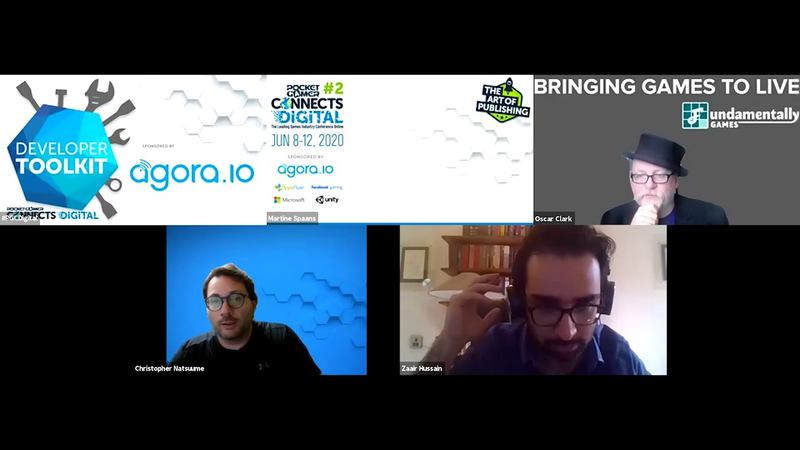
it is right now time to jump straight into the next session um which is a panel about workflow tricks for growing teams um i'm not gonna uh name all the people on the panel because i'm going to leave that to the lovely oscar clark of fundamentally games who will be moderating this track so oscar feel free to pop in here um as we're ah there he is all right just joining in how are you doing haven't seen you for so long oh my god i know i know it's usually i see you more often than my family but yeah exactly exactly well it's been um it's a
it's been a fun uh day or so on doing pokemon digital i was hosting the um trends track yesterday and so today it's light work i just host a couple of panels just a couple of panels yeah always so involved with these conferences well i'm obsessed with it you know just when you get a panel like we just had so i talked about we just had about about narrative and then we're going to now talk about workflow and hopefully we'll get the arrest of the panelists joining us um in a second or two i know james is going to be organizing all of that um you know and i'll let those guys introduce themselves but i mean the key thing is that this track particularly is all about helping developers understand how they can do their job better and so having examples of people trying to do things which may be slightly out from what most people think of as kind of mainstream gaming um you know and actually you know the heart of the power of games is a narrative exercise i think is you know crucially important um so we're
worried for david at the moment who should be joining us uh shortly um but also i think hopefully uh zaheer and chris uh are gonna come on board i'm just waiting for uh james will hopefully um come um well in the meantime um i can just uh kind of quickly also mention that this developer toolkit track is sponsored by agora io so thanks to them for for making this morning full of great talks possible um also uh yeah people can drop questions into the uh the qa in into this zoom interface um and then uh at the end of the panel um uh we'll be uh picking up those questions uh for the for the panelists um and also besides stats there's also a discord channel where everyone can just like pop in and um share their thoughts and ask more follow-up questions or um uh come in with uh what's in the help
you know if they need help or anything um i do see some panelists who are being added to yes hopefully they'll be joining us now all right so i think this will be the moment where i will shut up and here we go hey chris how he jose how are you doing uh right so thank you martin and we're going to kick off um i have a feeling that david isn't going to be able to join us but i'm sure between the three of us we can uh we can carry this topic through um so let's start off um obviously just to explain to anyone who's listening this is going to be about talking about workflow tricks so how do we make it so that we as a business as a game developer studio can be as effective as possible and in particularly how we can bring on uh freelancers and any outsourced teams to make sure that we can get the best possible uh success for our development process so christopher um uh could you you know explain who you are and what you do for boomsap
sure yeah um i've been in the game industry since uh i think i shipped my first game in 1992 93 something like that you've been around for a while um i did triple a development for quite a while and about 15 years ago i started with my business partner allen a company called boobstep entertainment and for the last 15 years we've been a totally virtual studio so we've had up to i think the largest we ever got was 97 people working on about 12 projects simultaneously we had people in at that time i think 14 countries right now we're about 35 people and we're predominantly in southeast asia we've got people in indonesia malaysia the philippines singapore and i'm actually here in yokohama japan and so that's that's sort of what we do we mostly have made casual games but we've also done console games uh mobile pc mac et cetera so a pretty broad spectrum i think in the last 15 years we've shipped i stopped counting games at 50. so i'm not sure how many we've made but more
than 50. more than 50 sounds like a good number and i i totally get you on the remote working bit i've been working remotely for like the last nine years so i'll never go back oh yeah no exactly there so you explain who you are and what you do please all right well i'm a neophyte compared to christopher but i've been in the industry for about seven years now i'm the business director of an external development team mostly external development team called frag games and like you're saying uh worked on all sorts of genres worked on mobile a little bit of consoles some pc and uniquely as a business director i tend to see projects as they start as they end and if anyone on either side has any complaints in between so i spend a lot of time thinking about workflow so hopefully no one contacts you in between because everything's working smoothly that's what i hope every time oscar every time every time i promise you there's a world in which that happens we just don't live in it yes exactly i'm sure that's true so i
mean let's let's talk about this issue so obviously the first thing is you know um yeah quite often i mean when i'm a con when i have been this consultant uh or when we're bringing a team in to support uh a game we're an extension of that team um how do we make sure that we kind of um how do you make sure you set up the right uh communication the kind of common sense of um direction a common understanding of what's expected um you know so chris and you know do you want to start i mean what do you think is the kind of key thing that gets the whole process started there's a there's a very deep question and the answer to that is extremely long i'll try to give a very short version of it um the shortest version i can give of it is you need to make sure everybody's making the same product and you have to start from the very beginning making sure that everybody understands what it is you're making and this isn't just the people who are in your core team when you and this is one of the biggest mistakes i see people do when they bring in outsourcers and freelancers and that sort of thing they'll cut off one little
piece of the project and they'll say this is what we need you to do but they won't put it in context and they won't take and i promise you taking that that time up front the project to explain to somebody to have the meeting to talk through the whole project this is the context of what you're building this is where what your building fits in this is how it's going to work and and this is most important to explain to them what it's not and i think this is where a lot of people really mess up is they'll say you know we're going to be an rpg and it's going to be anime style and it's going to be this and that and when you start putting out those sort of positive uh this is what we're going to be comments they're going to put in their mind an assessment of what that is and you have no idea what that assessment in their mind is until you walk through by the way we're not bleach and we're not one piece and here's why we're not bleaching why we're not one piece uh you have to be very clear on what you're going to be and what you're not going to be and you need to get that clear in the beginning um and and you need to make sure and this is i think one of the big problems is you're not just like expressing this it's not like you can write a document
and say did you read the document okay we're good to go you need to walk through that you need to hear their input you need to hear their ideas up front you need to make sure that the people that you're working with understand what you're working with now there's a lot of technical details i could get into about how you document that blah blah blah i can go as deep down that rabbit hole as you want to go but at the very highest level that's probably the most important thing i i can't agree with that we've um again i could go down that technical rabbit hole we've become more and more formal oddly about gdds um but that doesn't mean that i don't agree with you entirely um and actually the the point about the gdp is not actually for me sorry it's not for the not for the team it's actually for me to know what i want the game to be generally or whether i'm leading it or not um i think your point you're saying is absolutely key which is a common shared understanding of what it is and what it isn't is something i think is really hard to achieve i mean so with you when you're working with teams um and it's not your
your core vision it's someone else's how do you sustain that kind of common understanding and like christopher says the the game isn't yeah uh i mean to a large extent i agree with christopher i only this is a process we developed or a practice we developed over the years of experience and i've only just recently actually funnily enough i was exposed to a form of therapy which i thought was a great analogy right i forget what i think it's cognitive analytical therapy or something where the first several sessions you're just talking to the therapist like normal and he or she is building an understanding of who you are as a person and they kind of like ask you to talk through a lot of things and at the end of like four or five sessions he or she will write you a letter which is like this is what i understand about you right to me that's the gdd and it comes those four or five sessions later where you both teams come together and one of them writes it and the other one is like and writes it in great detail right it's
like do you is like is this it like is this close to your vision the first thing i absolutely agree with christopher that there needs to be a lot of communication up front in fact a couple years ago i just started telling people look you're gonna get sick of me and my team the first couple of weeks you're gonna hate us you're gonna wish we stopped calling you that we stopped emailing you that we you know why do we have to get on call three times a week whatever like you're gonna get sick of us that's the process working because we are just going to bombard you with questions until you can never inhabit someone else's mind right but you can get pretty damn close you can get the more questions you ask the closer you get and the trick is both people both sides have this kind of instinctive feeling that they don't want to ask questions because it's like oh they get me and it's a good feeling right like uh if you're just as you're saying it's like hey anime rpg it's gonna be awesome and you know i'm i know anime rpg yeah
and they're thinking attack on titan and someone else is thinking uh avatar if that counts i think it does but whatever but you're right like and they're all excited like both sides are excited it's like yes anime rpg that's what we want and it's kind of the human mind tends to not quite ask questions it doesn't want to hear answers to right so almost people will hesitate from asking questions or uh inviting questions because they're like oh like my head space is so good right now because i feel these guys totally get me let's not ruin that and that's a very subconscious thing but the way i've found around it is just be like look the first couple weeks gonna be grueling unpleasant amounts of communication are gonna happen right like you're gonna answer questions that you thought were obvious and that's the problem because different things are obvious to different people and at the end of that you come up with the gdd and then sorry no no i think you know
you i think that governor everybody so no what i was going to say is i agree with everything you just said but i think there's something important that needs to be brought up which is nobody knows what your game is on on day one there's there's a really famous uh quote jerry seinfeld is one of my favorite people in the entertainment industry aurora right jerry seinfeld once uh did in his comedians in cars with coffee special he was talking about the absolute best moment of a project is in the meetings at the beginning right hollywood is not about making movies it's about meetings because nothing is ever going to be as good as the meeting when everybody gets together and this is what it's going to be and i'm just going to be this amazing thing and then you start building it and all of the crap that you thought you were going to do all these great ideas you had and all this wonderful stuff once it hits the the pavement of you know we don't have enough memory to do that or the coders can't make that or the tools don't support this or you know and there's all of these things that come in and invade into your dream right and as those things invade into
your dream whatever it is you thought you were making when you made that original gdd you're not making that i've never seen anything that leaving looks close to the original gdd get shipped unless it was like a a quick port or a clone or something like that nothing creative and amazing gets made in a gdd it gets made during that process and a big part of i think what we need to resolve when we're talking about how do we work with teams and stuff is not just how do i get them on the same page with me at the beginning of the process when i put the gdd together it's also how do i get them to come along this journey with me because three weeks ago we had this meeting and we all knew what we were going to build it was going to be this anime and it wasn't going to be bleach and it was going to be whatever we had a good idea what we were going to make but now we're six weeks into the process and a bunch of the stuff that we said we were gonna do isn't happening but there might still be some people on your team that are still six weeks ago they still think they're building that thing that you made six weeks ago but you can't because you you hit in the realities that that stopped you from making that and so
there has to be a process not just for this is how we make the gdd but a process for how do we disseminate this information as we go through building the product how do we make sure that as we go through this journey of change how does everyone know not only what we're changing but why we changed it and the why is critically important because otherwise you're going to constantly hit barriers you're going to hit people saying but no no it was supposed to be like this why isn't it like this if they don't understand why these changes were made and if that wasn't communicated then you're constantly going to have this it's almost like a like a shackle holding you back as you're trying to move forward of this past idea that you had that people are still keyed onto and that i think is if making the original idea is you know 20 this is the other 80 of how you have to do this kind of communication and again i can go down a very deep rabbit hole of how we do that in documentation and stuff but the quick answer i would give you to that is one you keep your documentation really slim because the chances of you going
and updating a hundred page design doc is slim to nothing and even if you did the chances that every three or four weeks your whole team is going to go re-read your 100 page to dinar not happening you're lucky if they read it the first time right yeah so you keep your documentation as concise as you can possibly get it you use a lot of pictures as you build the game you take screenshots of where you are in the game right now and you replace all those concepts with your current this is how it is right now and you mark those up your little arrows and stuff and say well this is going to change and this is what we're going to do you have to keep that current and to keep that current and to keep people looking at it current it has to be as minimal as it can get a lot of our design docks for you know relatively big games never get bigger than about 25 powerpoint slides oh really wow that is tight i mean we work on the principle about a one one pager per major feature um so it depends on how big something like that yeah yeah most of our games are casual games and plus you have to remember there is a lot of
sort of shared knowledge in the kind of stuff that we do we do a lot of hidden object games my team knows what hidden object game looks like a lot of that that'll happen important thing actually because i i am because we do so many different types of projects uh the biggest problem we have is that um i cannot tell you how easy it is for somebody to misinterpret the most obvious thing yes yeah and you know i am absolutely 100 clear on what this is and and yet somehow something completely and utterly different gets presented back to me and i think this goes back to zer's kind of comment earlier getting the person at the other end to write back what they understood before you bring it is really over communicate always over communicating like if you think you're over communicating you're probably still under communicating so a lot of this feels to me like the kind of classical kind of business uh kind of group forming process the team that is performing the norming the storming the reforming uh kind of process that they talk about
in business school and do you think that's true or is this is there something unique about games and game development that means that the way that we work um we need to think differently about how we manage a team ongoing i i think we have to be cognizant that we're entertainment and i i don't think that games are unique i think entertainment is unique if we were building bridges i could tell you up front look this bridge has got to go from here to there it's got to carry this much weight and it's got to not fall over when the wind blows on it right quick time event in a bridge yeah and there's never going to be a point when you're building the bridge where somebody gets on the bridge and says like i don't know i'm just not feeling this bridge that's i you know could it be happier you know like that happened in entertainment you're going to constantly run into this okay we thought it was going to be cool and we built it and it wasn't as cool as it was supposed to be and now we have to figure out why and figure out how to fix it and that loop and i you know and i think
if you were making movies or if you were making music or any other kind of entertainment that's if you're writing books this is where you have many many drafts of books so i don't think we're we're not that different from other entertainment industries i think what makes us a little more different than other entertainment industries is the reasons why something is not fun come up against technical limitations more often than not right um i i think if you are if you're a rock and roll band maybe you're limited by i don't know john can't play guitar that fast but the the the constant limitations in video games of we want to do this but the api that we need to work with doesn't do this or blah blah blah there's so many technical hurdles that you have to fulfill while still fulfilling the is it fun or not goals i think that's maybe a little bit harsher for us than a lot of other industries but i don't know i mean if you're working on a star wars movie you're going to hit those limitations with your visual effects and blah blah so i think maybe it's not as different as i think it is well i don't know i think there is something about i mean i entirely agree with you but i think it's also we have the added
quality nowadays where data has become such a pivotal part of what we do yes and particularly those teams which are failing early doing that kind of lean startup model where you know modeling from say the way however casual games are working and applying that to other games you know to be able to make something small fast test it and then bring it into the design is i think another level of burden above the technical where we have to really be you know yeah pinpoint on the communication of why is this not working well look at this audience the audience isn't enjoying it or isn't or isn't playing the next level so we have to fix that problem do you think that's kind of a increasingly important factor well i think it's just another way of getting feedback right i don't think it's a it's yeah it's a factor but it's not a problem it's just every industry especially entertainment industries especially it goes by whatever feedback you can get whether it's sales or ticket sales or merchandise or whatever it is this just gives us more
granular data i think there is a there is a concern that you might be or some people in the industry might be a little too fast to like jump to whatever the data says and try to like design it by outside committee essentially be like oh this feature is getting full for like two days so let's let's focus resources on that i think you need to understand how to interpret it i'm not saying we do i'm saying everyone has to come to their own kind of understanding of how to interpret the data and how quickly to react to it and all of that that interpretive part is the bit everyone misses we've become so data driven in games and everyone wants to talk about we've got all these data analysts and all this data and all this stuff but you still sit down and you know i've done the same thing everyone else has done you know look at the funnel and look here it is and level four while we have a 20 drop off of users you still have to figure out why right there's still a creative process there to figure out
what is happening here everyone would make only one game per genre right the data is available yeah it's uh and i i think in our world of being data driven we've forgotten that the data is it it doesn't give you the full answer it just gives you some information but there's also this other huge part of okay you have to like watch people play and you have to play it yourself and you have to have your gut feeling of things there's a lot of there's a lot more to it than just reading the data i think we i'll be honest i believe as an industry we have become too data-driven and i think available right it's like when you've got a hammer everything looks like a nail i'm not sure i agree i agree with two data i think it's it's uh data only tells you what has happened it can't tell you what will happen exactly i'll give you a perfect example we were working with big fish right yeah and we were making a game and we had a sub game where you it was a web and you clicked on spiders and it was a fun sub game and the spiders looked cute and i liked it and we got a note back from big fish we have to drop this sub game we've tested four or five different
games that that have spiders in them our users hate spiders we can't have spiders in games you need to drop the spider sub game because nobody likes spiders all right fine so we went we read the subgame we made it flowers or something i forget what right and the week that we launched we were we launched at number two and the number one game was wrath of the spider queen and i i remember just looking at that like god damn it you know but you know that's what the data said the data said they don't like spiders no the data said they didn't like spiders in those four games that had spiders in them and i don't think we had done a clear analysis of is it that they don't like spiders or they didn't like the way those spiders were used or maybe they didn't like those sub games there was an analysis that was wrong there because it was totally clear our users were totally cool with spiders if used to be the literalization of the data you know that that's not right in fact marcus uh uh uh turnin uh who's seen the message in the chat he just said if you do things according to the data you get the results of the data
that's right i'd actually say it's worse than that you kind of get a derivative of the data and therefore end up with worse but uh but i have a data nut i absolutely love data and i like to be informed by data but like you said chris it's about managing it so i mean what we're kind of trying to do here is like talking about different things that influence the way we start working with a team and how teamworking operates but let's bring it back to the whole workflow issue so what's the most common once you've established the communication once you've established the working processes what's the most common workflow issue that you guys see um particularly when you're working with a another team people don't know when other people can't work i would say if i look if i wanted to say like where do we lose our most time right i got three people they're all working on what they think is important but none of them know that there's a fourth person that's waiting for this thing that those three people need to do and and you know we work in a remote studio where our communication is a little bit more
a little bit more distant and so unless you're very on top of it a lot of people they log in for the morning and they got their task list and they're ready to go through their test list and they think they've had a great productive day and they don't know that somewhere on the other side of an ocean there's somebody who couldn't work all day because they're waiting for something and if that communication doesn't happen you can lose a huge amount of time i would say that's the number one place we lose time yeah i mean we we found this when um uh when i was working at playstation home uh we had a whole bunch so we had teams in in san francisco we had teams in the uk and teams in in japan if i couldn't get the japanese team to make the decision in the morning yep that's 24 hours lost yep because i can't then get everyone else we actually make a point we don't hire a lot of people radically out of our time zone most people if you're north south everyone's in a similar time zone we're all working at a reasonably same time but the minute we start working with a european publisher you throw that out the window because now okay you're doing this work and you need this answer from your publisher in amsterdam and okay
we get that information about five or six o'clock in the afternoon great we'll work on that tomorrow i guess you know and that that can be quite problematic i mean don't get me wrong though it can be quite helpful at some time so if you can work it that way yeah if the uk teams can work on a particular piece and they can hand it off to the us team and then hand that off to the japanese team then by the time they wake up in the morning the problem may be even solved we get that sometimes in good in good situations uh it it's more problematic when people are working on the the same sort of i guess level of task right if it's you know if i've got two animators that are both working on the same video and they're working on different animations for that video it's way better if they're around and they can ask each other questions in real time and that sort of thing but if they're working on you know one guy's working on the video and one person's working on i don't know the the front end uh ui okay yeah they can do that in sort of more different times and plug it all into the same project in the end so i think this is where you know it's not
an unsolvable problem it's something that we've you know fought and dealt with for 15 years there are solutions to it but i will tell you those solutions mostly come from a really good product manager who is is doing that checking every single day and going through people because you're really going to have a hard time getting random artist x to wake up in the morning and ask the whole team hey everybody i'm going to work on this dragon animation is that the right thing to do are you sure nobody else needs me to do something it you know you can sure you can say that you want to do that but she's not going to do that every day right you're going to have to have somebody go poker and say hey what are you working on today you know what this other guy's working on this thing and they need this thing from you that's the thing that someone's got to do exactly i think people complete i mean i think in games we mostly understand the role of a producer but i think we're trying to explain to some clients the relevant producer has been an absolute nightmare um you know because you know like as ourselves description oh well but even like you said earlier the the
best producer is the one who doesn't do anything for most the time because they've already got everything lined up now i'm not entirely serious but you know if the producer does their job they're basically going to have a nice easy ride a bit the reality is that it's never quite like that because obviously things happen i mean we're at the moment trying to hire a new producer uh for our live ops functions but the key thing is just it's really hard to get to people to understand that critical path analysis doesn't just happen in fact in some ways i'd argue one of the weaknesses of the agile approach is that we don't do what we used to do in the waterfall model which was to work out what the critical path was um so you know knowing that somebody your artist can't do that work until the concept guy is done there in fairness it never worked out in the waterfall model well in fairness we've made i made my waterfall plans too they never actually worked they've never worked it felt good in the beginning though but then again it looks good man those excel sheets look great
they look amazing i like gantt charts i love gantt chart but what was that what was that terrible there was that microsoft product that was like a project oh my god remember when everyone was still using that thing and we believed in it yeah i feel good though i feel like a kid that found out there was something in santa claus like the day that i realized that microsoft project and all the time i spent on it was completely wasted was like the day i realized there was no god it was an absolute epiphany to me i was like oh my god i can't believe how much time i've spent making more because it's not just about the tool right like that entire system of belief came coming down it was like this was the perfect tool for a thing that doesn't exist like a way of understanding the world that was wrong it was like we all sacrificed a goat before we started a project or something else okay have we done the waterfall chart great now we can actually do the real work and ignore that never mind rituals are important we should probably just do waterfall and not follow it it'll just like steam up i i still have nightmares of a um
of a network infrastructure deployment tool we were forced to use uh for games when i was a telco you have no idea the pain you for me project was a delight in comparison um anyway um moving on for that so so wait a minute if i could but there was a there was a note over in the q a about uh somebody made a joke about it so i always ask people to share their screens all day so that i can see what they're working on it was just a joke obviously but i will say one of the ways that we we fight this is shockingly similar to this i do this with all of our artists if there's any artist in my studio working on anything i ask that twice a day they take a screenshot of what they're up to and they post it in slack right and i don't do that because i want to like make sure they're working i do that because i want to make sure they're not doing something wrong right and that ability to see okay it's at lunch and oh it looks like marley's been working on this piece of art oh wait no that that house is totally in the wrong place because of some
information that she doesn't have i don't want her working on that house for the rest of the day with that misinformation and so it you know it as a joke somebody might say i want to see over there you know that that being able to walk over the back of somebody's shoulder and look at what they're up to that producers do in brick and mortar studios my version of that is twice a day i want you to show me a work in progress of what you're up to just so i can be like yep that's cool and or or not yeah and most of the time it's yep that's cool but that's actually a really great moment for our artists because they can kind of be like oh good what i'm doing is right i don't have to worry about redoing this again i like that actually that's a good i mean we do the classic stand up uh daily stand-up thing where you tell people what you're doing and what your blockers are and that kind of thing and as we're growing as a team that's become increasingly important um but of course you get to a scale where you can't have everybody in the same room and so how you make sure that you still keep that communication going so what we do in replace of those stand-ups actually and this is something we developed over 15 years of working
virtually is uh i have a very specific process everybody first thing in the morning when they log in in the morning and they're ready to start working they they say this is what i'm doing today just a quick little boom boom boom look this is what i'm up to today right and that's not to me that's in the the channel for the project that they're working on so everybody on the project knows this is what marley's working on today right twice a day she sends me a work in progress this is how things are going at the end of the day she puts another little daily report up the daily report it's not a big thing it's just a couple bullet points today i worked on this and whatever it is you worked on there has to be a link to whatever it is you did right so if you worked on animation here's a link to the animation in dropbox or whatever right and that is a religious process in our studio like if you don't do that three days in a row you're gonna get a call from chris where you're going to be talking about whether or not you want a job here or not right that's a very very strict piece of our studio yeah and at the end of every single day we do a daily build and everybody gets the daily build you wake up in the morning all of the work that everybody did yesterday is there in the daily build
you can work even if i unplug your internet you can work all day because you've got a copy of the daily build and off you go that thing is probably if i if i have to say one thing about how do i work with people and processing that thing that heartbeat of our studio that's why we've been here 15 years yeah i think that's actually really interesting thing that you're saying uh if i may ask her because i think you just described the difference between processes which people are obsessed by and culture right culture is process by example culture is it's i've heard this a lot of times and we've actually done it with a few projects the whole thing of you know you post work and progress things and you have the daily stand ups as oscar's saying as uh you have kind of the virtual stand-ups instead and i think all of those processes are fine it's like diets right like everyone works as long as it is religiously as you say enforced it almost doesn't matter what process you have it's like what is going to happen if i don't follow it what's going to happen if i do follow it
and i think that is what makes a difference between great teams and teams which just have read up on great processes i could google great processes right now and i'd get the top five in the world in the world you you couldn't be more right and actually there's a lot that we do in our studio if you are a brand new member of our studio right the first thing i'm gonna do is there's a there's a wiki that we put together it has our whole process in it go read that right second thing i'm going to do is i'm going to assign you a mentor everyone who comes into our studio gets a buddy we don't call them mentors we call them buddies right so you get a buddy and your buddy is not your manager it's not somebody who has any sort of rollover or anything like that it's the person that's going to teach you the culture it's the person that's going to tell you look this is how we do stuff here right and it's the person that for a couple weeks their job is to make sure that you are religiously doing everything that you're supposed to be doing the way it's supposed to be doing not as a manager not as somebody who can come and say you did bad and you're getting fired but as a buddy as a friend if somebody's like dude if you do it like that you're going to get in trouble with chris don't do that right yep yep or more senior college trouble
is it it's also you know this is a better way to do it and this is how we've been doing it and that yeah this is how we do it i think that's probably the most important thing right because you can have any process you want if somebody walks in somewhere people are people are pretty smart human beings are pretty smart about picking up these cues if there's something in the process book which clearly nobody is following they're going to forget about it in a day right and now they're part of that culture whereas if everyone is following it no matter if everyone is always in on time all the time if everyone takes lunch at a certain point every time it doesn't matter where they're coming from they're going to adapt to that culture almost like 100 of the time it's processed by example right i would also say it's the same as when i was talking about design keep it simple right like you now know all the rules of my studio there aren't any more right so so like you don't have to it doesn't take a week to learn what we do it literally takes somebody explaining it to you for about
five minutes and then you're doing it for a couple days and being like oh okay i get it and then that's it i don't have to come and be like well you didn't fill out your form xb and triple click and send it to five years yeah for sure like don't over engineer simple yeah keep it simple i think to me part of that is about recruitment as well so we recruit people who we know are are self managing you know where they they they have a stake in you know the success of the outcome of the company as a whole there might be kind of graduate level trying to learn but our aim then is to get them ready so they can be hired by someone to do the job they want to do and it might be us it might be someone else but we want to grow them similarly we hire someone who's more of a veteran we want them to be somebody who wants to be taking the whole company forward and you know we don't care about um you know how what hours they keep as long as they do their hours and as long as they understand when we need somebody there um that they're there but i don't care if they're up at six a.m and and finish you know work on the thursday or if they they spread it out and do
work over the week it doesn't doesn't matter to me what matters to me is the job is done to a professional standard and i don't have to chase them because they know what is needed to be delivered absolutely that's one of the questions we get most when i tell people that we've been virtual for our whole time is they say well how do you know if people are working and that that to me is such a ridiculous question i know that they're working because the work gets done what gets done yep right i mean there's no there's no other metric i care about right how long did they sit in front of their desk how long i don't care i gave them what i believe to be a reasonable week's worth of work and at the end of the week if it's done then if it wasn't and if it wasn't reasonable you'll find out in three weeks when no team can do the work you're saying exactly actually like going by what you said earlier actually by what both of you said we had this situation about a year and a half ago where we were and so in pakistan right it's quite uncommon to have this but we wanted to move to a pure productivity point system right where it's just like you just try
to measure someone's productivity and it's different when it's an artist and it's different when it's an engineer but we were that's what we were trying to do and we realized we could not both do that and have things like diamonds and whatever because it's too complicated don't tell someone like well you got to be in before this time but you have this is how you get productivity points and this is how you what you've got to pick what's important to you and i think you're right like what's important has to be that the work got done right like if the work is not getting done and this is something i tell my team first thing as well like i don't care how you get results the day that it's been two weeks and you're not getting results then we're gonna have a conversation about your process right until then like it's none of my business right like i will obviously try to guide you i'll try and help you with all of those things and in my case the team doesn't integrate too much for all the other teams so it doesn't affect them that much but that's generally my philosophy of
work is like i totally agree keep it simple be like here is what we are targeting right like you this needs to be produced and if you don't produce it then we're going to talk about process i mean for me i i i've got i'm looking at the guy who wants more all the time i'll do this do this do this and i'm i'm doing it myself to myself which is terrible i'm not good for mental health oh except but you know the key thing is it comes to a point where you kind of make sure that the other person knows they need to push back yes actually i think in a dynamic where you give you empower people to take responsibility and that they push back in a an understanding that that's going to be listened to yep i think that's part of culture we we do you know we don't again we don't do stand-ups but you know at the beginning of the week i assign work right um you know as a project manager i say okay this is we've talked about what we're building this is what i think you need to do today zarif and this is what you need to
do today uh e jewel and i assign out that work and that's the moment at which they can be like uh chris how soon do you think that's going to be done and well i think that's going to take about a week i don't know man that's a lot of work for a week i could probably do this and this and that we have that discussion early in the week and you know one thing i think a lot of studios get wrong is just what you said you know people they got project managers that always want more they always want more and what happens is it creates a really perverse incentive you take two people right one person is really good at their job they're gonna get everything done really quickly another person sucks at their job they're screwing around they're playing warcraft all day right the guy is screwing around playing warcraft all day doesn't finish his stuff now you as a project manager you still need that stuff done right you're probably not going to fire him because he still gets some work done sometimes right so what you do is you take the work he didn't do and you hand it to the person who did a bunch of work because she's got some free time because she got all her stuff done right and so what ends up happening is the reward for one person being a real go-getter
and getting a bunch of stuff done is they're going to be constantly loaded down with work and they're going to feel like wow i never get a break and the the punishment for getting your stuff done really slow is we're going to give you less stuff to do so you have more time to play warcraft right and it's it's a really perverse incentive and one of the really nice things about running a virtual studio for me has been i don't really know what anybody's doing at home they could be playing world of warcraft half of the week and you know what if they are i'm happy because that means that they're rewarding themselves with what they want to do with the spare time that they bought by finishing their job early yay everybody wins right um that way of thinking about stuff it's really hard to get people into that mindset that idea of it really doesn't matter how long they work i know what a week's worth of work for a skilled animator is i know what that is i'll sign that out every week if i'm wrong the animator will let me know right and as long as that gets done if they spent thursday and friday playing world of warcraft or hanging out with their cousin i don't care have at it do it why should you right like why should you care
like there's this problem that studio heads especially and i guess uh bosses all over the world get into this like dangerous mode of thinking where it's like this person owes me this time nobody owes you time they may they owe you work yeah right and uh the more you can kind of get out of the way of that and the more you can empower and enable that the better it is for everyone everyone and the thing that happens when you become a more skilled worker whether a skilled animator or a skilled artist or a skilled programmer is i mean maybe your code is a little bit cleaner but what you really do is you get your code done faster right that's the number one thing that happens as you get better as a coder or as you get better as an artist is you're going to just get stuff done faster and so and you may the reward for that should be that you get more time now something i will say that we have moved to lately in the studio and this is recent this is only in the last couple years is we've actually shifted a number of our artists uh who were doing the same work over and over again again we make hidden object games and so i had a bunch of artists that were making hidden object scenes
and i knew for the next six months you're making hidden object scenes right pretty straightforward piece of work and so instead of saying i'm going to pay you by the month i just said look i know how big a scene is i'll pay by the scene i know how much i know how long that's going to take i know what that should cost now they're still full time working with me but i'm paying them by scene right and now the reward is even greater you know what if you finish early in the week and you want more money by all means start another scene and our more successful artists earn more money and are less successful artists earn less money and the guy that plays world of warcraft that guy earns a lot less money and i don't have to worry about getting on people's backs and saying hey work faster work faster you want the money you work faster anyway i've actually been it's we're in the middle of this experiment uh where we're sort of outsourcing to our own team i guess i should say um and it's been a very successful experiment i'll show you here sorry yeah it's basically it's basically a built-in bonus system yeah yeah
so uh we're running out of time so i'm going to uh obviously invite anyone who wants to ask questions to do so um i mean personally um the one thing we found really useful uh we started using tools like notion of mirror but particularly notion is taken over from trello for us because it means we've got everything in one place i can track what's going i can allocate people tasks whenever i need to and they can manage their own time and i can see what's going on are there is there one kind of piece of advice or one set of tools that you would recommend to anyone who's going to work with both internal and external people the the big thing that we do uh we i've used both notion and trello and i find them largely interchangeable depending on how your team works either one can work we use trello but but i would actually not talk about a project management tool the tool i would suggest is stop doing your word documents right any any word document or google or google docs i guess it's called stop just stop that right move to a much more
visual way of showing your design and talking to your team all of our uh almost all of our work when we're doing creative work and explaining stuff we said it's done in google slides and it has a lot of value one of the things is it's right there it's it's a pretty little image and it forces you to be concise because you've only got that one slide and you've got to put your information in that slide unless you're making it really tiny and hard to read you're gonna have to be concise it forces you to be concise but the other thing is we can actually work on that collaboratively and a lot of times what we'll do is we'll get into you know we never do i don't know what any of my team looks like we never look at each other's faces we always share the screen when we work right and so what we'll do is we'll get in the slack chat we'll share the screen in the slack chat and the screen will be the the google slides and we'll actually walk through what we're going to do and people are drawing on the screen people are moving things adding stuff adding notes that's we actually build a lot of our design together collaboratively as part of a working meeting it becomes our whiteboard
and i would say more than any other tool in our studio that gets a lot of use try mirror mirrors awesome it's basically literally a collaborative white uh whiteboard i played with it it had too many features actually i love it it was it was i got i got blown away by so many features and the thing i like about google slides is at the end it's got the you know export as powerpoint and i can or i can send that to my publisher it's a it's a it's a really nice way to you you end up with a document you know like a real live honest-to-god slide document which is nice fair enough for me it's not so much the tools because uh as an external development team we often we've used a bunch of different tools on algeria pivotal all of that depending kind of on the client for me it's much more important that so i read this once by chet holmes and i'm kind of paraphrasing here uh the attitude towards scaling your team up right whether that's us or we're working with other teams or whatever whatever our processes are whatever our culture is
it's a really interesting mental exercise to be like okay if i had to add 10 people from a different team every week to this project would the workflow collapse right would the processes collapse and that little like it's just a mental trick but it's helped a lot in being like okay like you're saying keep it concise keep it really simple uh misunderstanding should be like very minimal everyone who is currently on the project whatever tool they're using needs to have the same culture like is it a culture of asking a lot of questions is it a culture of uh every day at 2 pm is there like a work in progress report and i found that once you've gotten that then you can kind of at least theoretically just keep adding people every week if you had to and it wouldn't collapse and there's a lot of like google docs being one of them by the way we're like if we had to add 10 people to google docs every week what would happen it was like well nothing would get done ever right like it's so it forces us to be
more concise and to be a little more precise i guess in these communications like can you have 40 people on a call like well if 38 of them are muted yeah right like it's it was that uh those things actually ended up helping us a lot because it's things like uh yeah in that call example everyone can be a part of it and you have usually two like single points of contact talking but all the team the whole team or in some cases both teams are listening in and understanding why the decisions are being made right especially if something has to be changed that was great thank you very much i mean there's so many areas we wanted to cover there are a couple of questions that just popped up we have literally three minutes to answer them i'm going to pick the first one uh if you had four art directors and 20 projects would you assign one art director per project or do you see advantages in signing uh two or more to a single project uh this is for an art outsourcing studio
anyone won't pick up on that i would say unless there's a compelling reason not to you would you would want one art director per project uh having a single point having a single point of communication with the publisher or the client and a single vision holder uh the only reason the only compelling reason i would see not to do that is if you've got somebody who's a really good manager but they don't have the right art style then you might say hey this is the person who's going to manage the projects and talk to the client but actually internally this is the person who's going to manage the art style and talk internally with people to make sure that we keep the same art style that's the only compelling reason i can see to put two art directors on something yeah i think in that scenario i would say only one yeah um so another question now again we've got so little time but um did the artists move the trello cards or only the project manager only the project manager next question yep i i share a slight difference we have an extra column for the uh the artist or the or the coder to move you're ready for
review that's the only way we let them change it you know i we we did that for a while but i actually like the action of one of the people on my project telling the project manager hey i'm done with this thing that thing to make them move the card inspires a conversation that i like so i don't really want them moving the card yeah that makes sense cool and um i think i thought i'm gonna sneak this last one in how important are the language non-coding skills of your team to your virtual team you know how important is verbal language um for your virtual team game designers and project manager is extremely important and for everyone else less so but it should still uh there should be some level of understanding because we usually the documents and management is done across one language we work in a lot of different language regions uh the studio is english only um i think a better answer to that
question is i agree that project managers and what's not are really critical to be in the key language whatever language your studio works in but i think that person also has to be very cognizant that everyone in the studio is maybe not a first language speaker in that language and to at risk of saying it dumb down the language a little bit use simpler words use simpler phrases make sure that the people in your studio who aren't speaking in a first language definitely got it and didn't just kind of nod at you and say they got it because they're embarrassed that they didn't understand that phrase is usually a good idea yeah even if it is everyone's first language simpler phrases usually a good idea yeah and on that note i am martin's uh looking at me like what's up people we must go now let's go now crazy thoughts i know you guys will be able to continue talking for three days at least uh all your inputs on this great panel uh i believe i'll be seeing oscar a little bit later for another panel uh
guys i gotta run to my next battle thank you so much i'm gonna go have dinner bye-bye see you later
Summary
Scaling game development teams requires a fundamental shift from rigid, top-down management toward agile, output-oriented workflows. The primary objective is to maintain a unified creative vision while navigating the complexities of distributed workforces and external partnerships. Success hinges on front-loading communication to align expectations early, while remaining flexible enough to adapt as technical and creative requirements evolve throughout the production cycle. By prioritizing transparency regarding project goals, studios can prevent the common pitfall of team members working toward outdated or misaligned objectives.
Operational efficiency is best achieved through lean documentation practices. Lengthy design documents often become obsolete, so teams should favor concise alternatives like single-page feature summaries and annotated visual aids. This approach minimizes the risk of misinterpretation and prevents the stagnation often associated with design-by-committee processes. Furthermore, active project management is essential to mitigate bottlenecks, particularly when coordinating across time zones. By focusing on critical path tracking and streamlining handoffs, studios ensure that dependencies are managed effectively and that team members remain productive rather than idle.
Accountability should be measured by the quality and completion of deliverables rather than hours logged. Implementing consistent communication rituals, such as daily progress reports and structured onboarding through buddy systems, fosters a culture of autonomy. This shift empowers individuals to self-manage their schedules, which is particularly vital when scaling rapidly. To ensure these workflows remain resilient, studios must maintain a single point of contact for the project vision and utilize simplified, clear language to bridge potential gaps in cross-cultural teams. Ultimately, the most effective scaling strategies rely on collaborative, lightweight tools that allow for rapid integration of new personnel without compromising the integrity of the development process.


Comments