China reports and market data
Documents
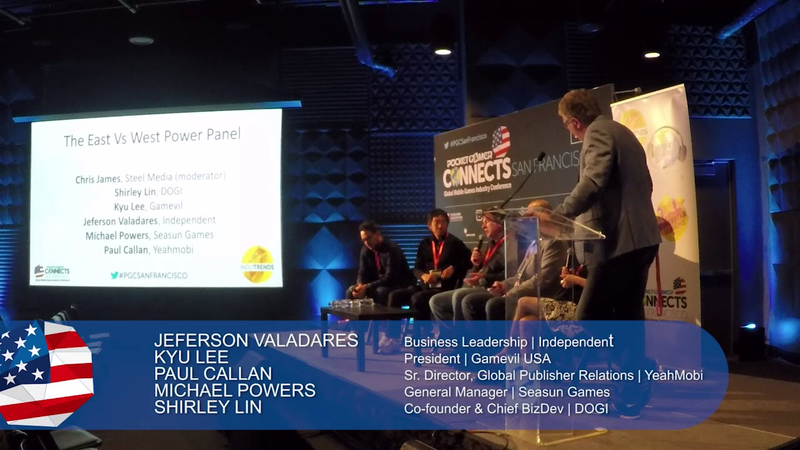
Mobile gaming: The East versus West power panel
The global mobile gaming landscape is currently defined by a strategic tension between the mature, high-barrier markets of East Asia and the expansive, growth-oriented opportunities in the West.
- The Asia-Pacific region, led by China, Japan, and South Korea, remains the primary driver of global mobile gaming innovation and revenue despite extreme market saturation and complex regulatory barriers.
- Chinese gaming giants Tencent and NetEase maintain dominant control over their domestic market, requiring foreign developers to secure strong local partnerships for successful entry.
- Asian conglomerates are actively acquiring Western intellectual property and talent to offset domestic growth plateaus, with Chinese firms favoring autonomous studio management while Korean firms prefer integrated, hands-on structures.
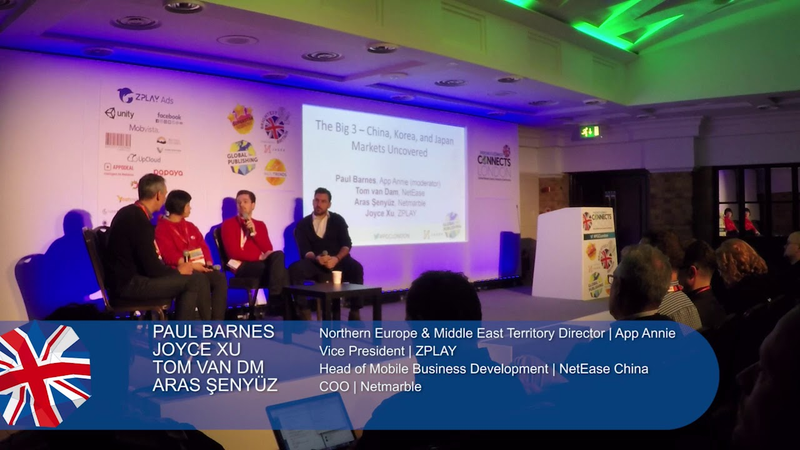
The big three – China, Korea, and Japan Markets Uncovered
The mobile gaming markets in China, South Korea, and Japan represent the most significant revenue drivers in the global industry, accounting for every mobile game that generated over $1 billion in revenue during 2017.
- The Chinese mobile gaming market is the world's largest, with over 550 million users and annual revenue exceeding $100 billion as of 2017.
- Asian gaming markets exhibit significantly higher engagement, with average daily play times reaching six hours compared to 1.5 hours in Western markets.
- Successful entry into Asian markets requires high content intensity; developers should have at least three months of content ready at launch to support rapid updates every two weeks.
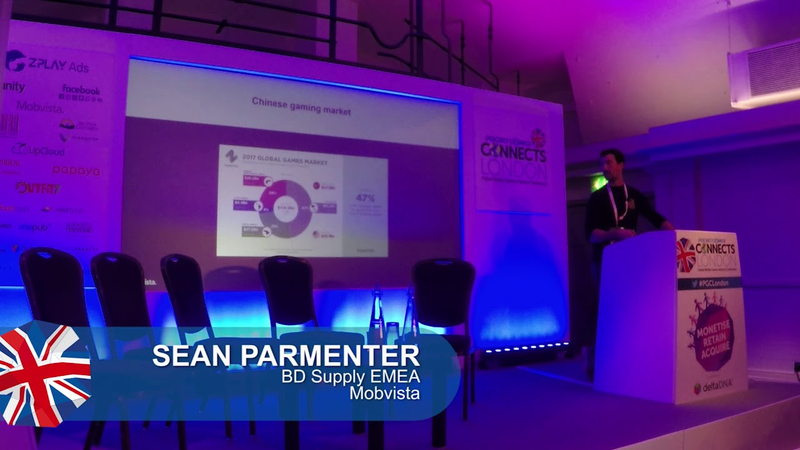
The rise and rise of the Chinese mobile gaming market
The Chinese mobile gaming market represents a significant and rapidly expanding opportunity for global app developers, currently serving as a primary growth engine for the industry.
- The Chinese mobile gaming market has surpassed North America in total gaming revenue, generating $27.5 billion with mobile gaming accounting for over 50% of that total.
- The market currently supports approximately 500 million mobile gamers, and the average revenue per user has increased tenfold since 2014.
- Strategic and adventure-based games featuring long-term progression are currently the strongest performers, driven by high engagement rates and word-of-mouth growth.
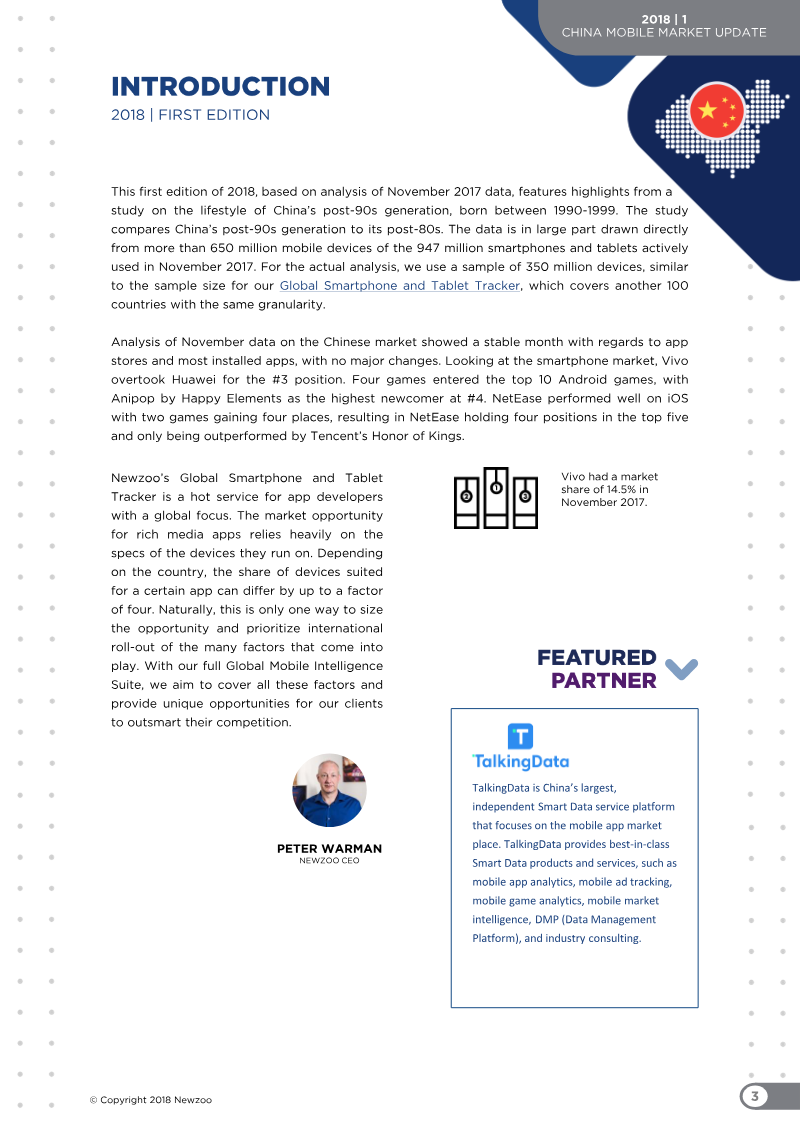
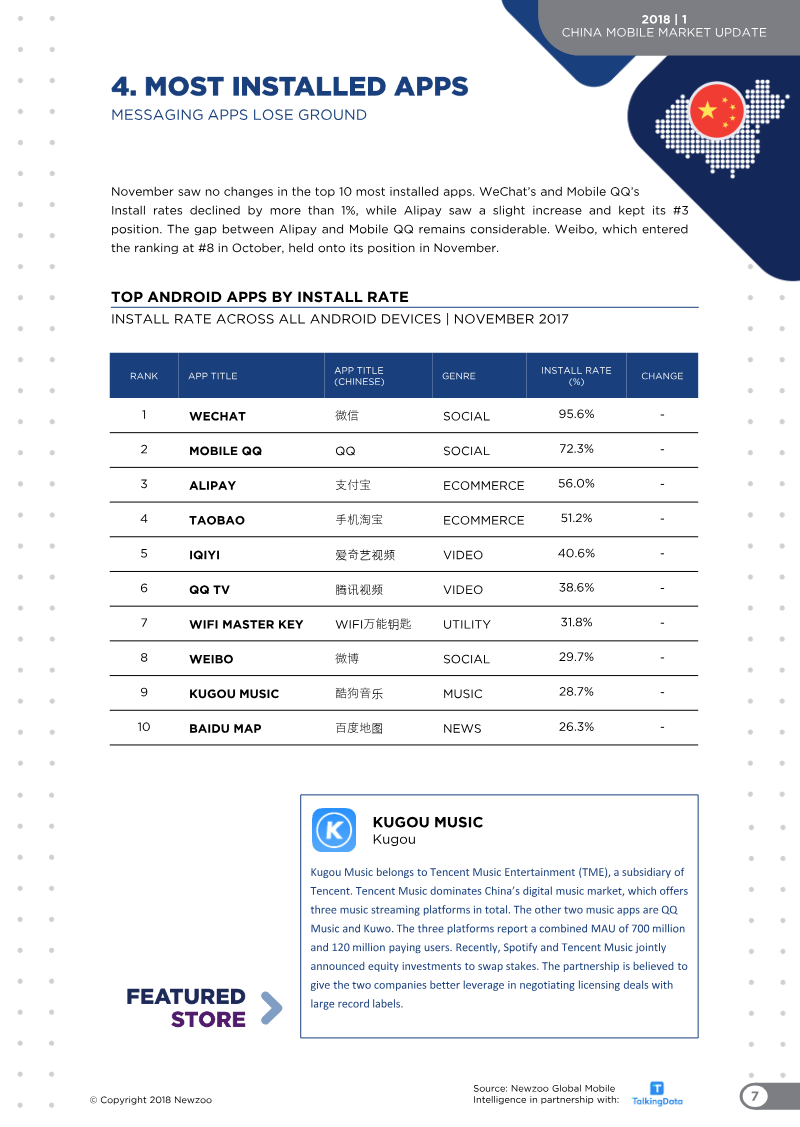
China Mobile Market Update: January 2018
This market update provides a comprehensive analysis of the Chinese mobile landscape as of November 2017.
- Apple leads the Chinese mobile market with a 25.7% share, while Vivo overtook Huawei to become the third-largest brand at 14.5%.
- Tencent’s MyApp remains the dominant Android app store with 25.1% coverage, though 360 Mobile Assistant is currently the fastest-growing platform.
- NetEase dominates the iOS grossing charts, holding four of the top five positions, with Tencent’s Honor of Kings occupying the remaining spot.
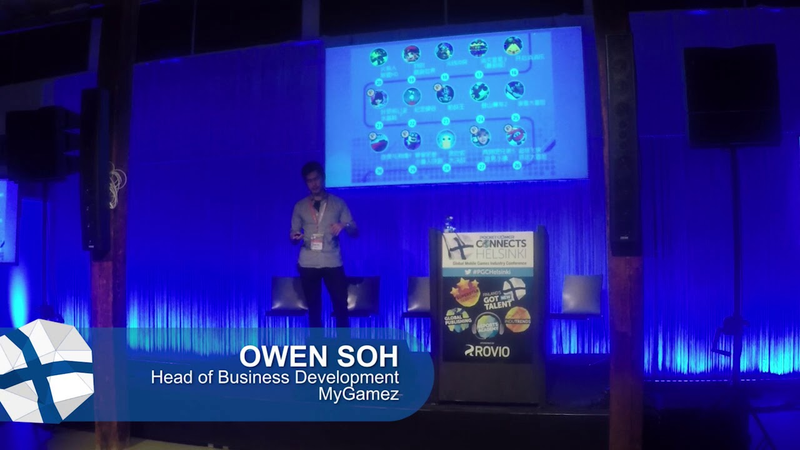
The myth and reality of the China games market
The Chinese mobile gaming market represents the world’s largest sector, boasting approximately 570 million gamers and generating $28 billion in annual revenue.
- The Chinese mobile gaming market is the world's largest, with 570 million gamers generating $28 billion in annual revenue.
- Western developers face high barriers to entry but find success by focusing on casual genres like racing, puzzle, and simulation games, rather than the RPG and strategy titles dominated by local firms.
- The Android ecosystem is highly fragmented, with handset manufacturers (Huawei, Oppo, Vivo, and Xiaomi) now controlling approximately 50% of the market share.
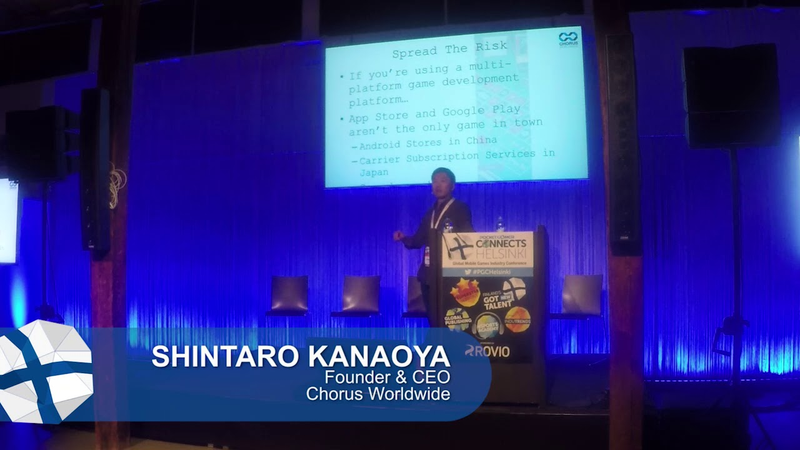
Lessons from Asia for mobile games developers
The mobile gaming market in Asia, particularly in Japan, China, and South Korea, represents a critical growth opportunity for independent developers.
- Asia represents a massive, high-growth opportunity for mobile developers, with Japan having been identified as the world's largest app store by revenue as early as 2013.
- Avoid 'over-localization' by using native-language game experts rather than literal translation, as direct translation can result in incorrect terminology, such as using outdated phrasing or failing to use established genre-specific terms.
- Developers should budget an additional 5–10% of their total development costs upfront to account for Asian market requirements, such as text display adjustments and cultural content considerations, to avoid costly post-development fixes.
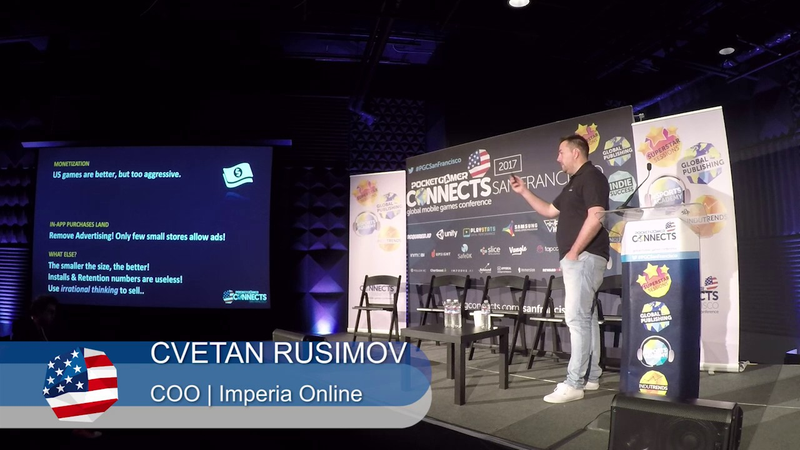
Why US games can't copy their own success in China – And how to fix this
Western game developers often struggle to replicate their success in China because they attempt to export identical products to a market with fundamentally different cultural, regulatory, and design expectations.
- Successful entry into the Chinese market requires deep cultural adaptation rather than simple localization, as the region demands high-intensity gameplay, complex UI, and extensive content volume that contrasts with Western minimalist design.
- Monetization strategies must shift from Western fairness models to aggressive systems that embrace 'pay-to-win' mechanics, as Chinese players frequently view high spending as a status-based badge of honor.
- Regulatory compliance is mandatory and requires partnering with a local Chinese entity to secure a publication number and provide source code for integration across hundreds of fragmented local app stores.
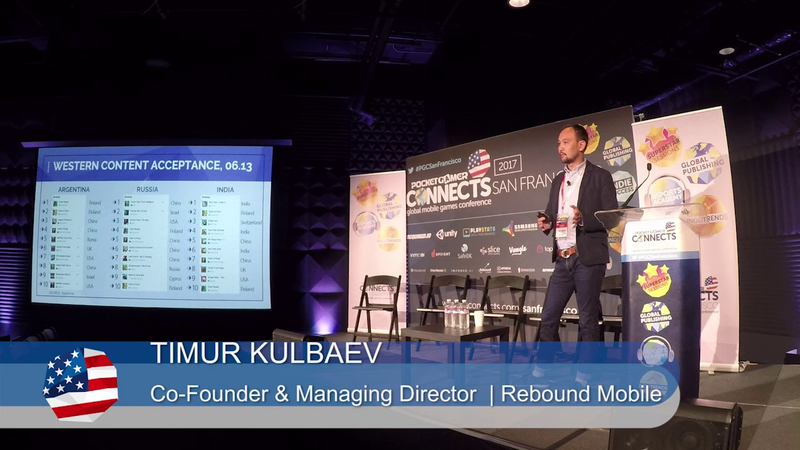
Where to tap next? Unlocking global potential for your mobile game
Mobile game developers face increasing saturation and rising user acquisition costs in Western markets, necessitating a strategic approach to global expansion.
- Developers should prioritize market selection by synthesizing macro-level indicators with game-specific ROI metrics, specifically the ratio of lifetime value (LTV) to cost per install (CPI).
- Western markets are experiencing high saturation and rising user acquisition costs, necessitating a shift toward emerging regions like Indonesia, which offer higher projected growth potential.
- Competitive density should be measured by calculating advertising spend per smartphone, which identifies Turkey, India, and Vietnam as markets with lower barriers to entry compared to the United States.
Localization Shenanigans in the Chinese Speaking World
High-quality localization is a fundamental requirement for successfully entering the Chinese-speaking gaming market, which stands as a massive and rapidly expanding segment of the global industry.
- Localization must be integrated into the core development process rather than treated as a secondary task to prevent narrative degradation and cultural alienation in the Chinese market.
- Automated conversion between simplified and traditional Chinese is unreliable due to many-to-many character mappings, necessitating the use of professional, dedicated translators for each specific regional variant.
- Developers must navigate a complex regulatory landscape by securing local partnerships to manage mandatory approvals for game titles, music, and credits.
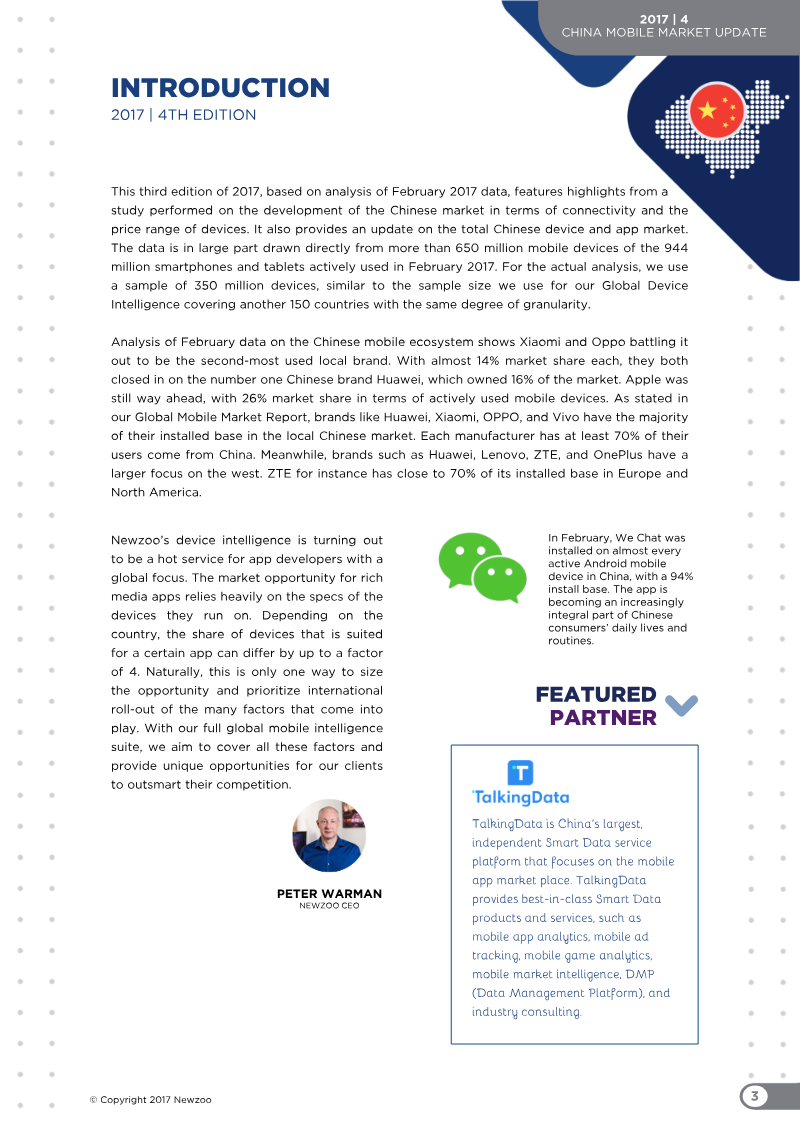
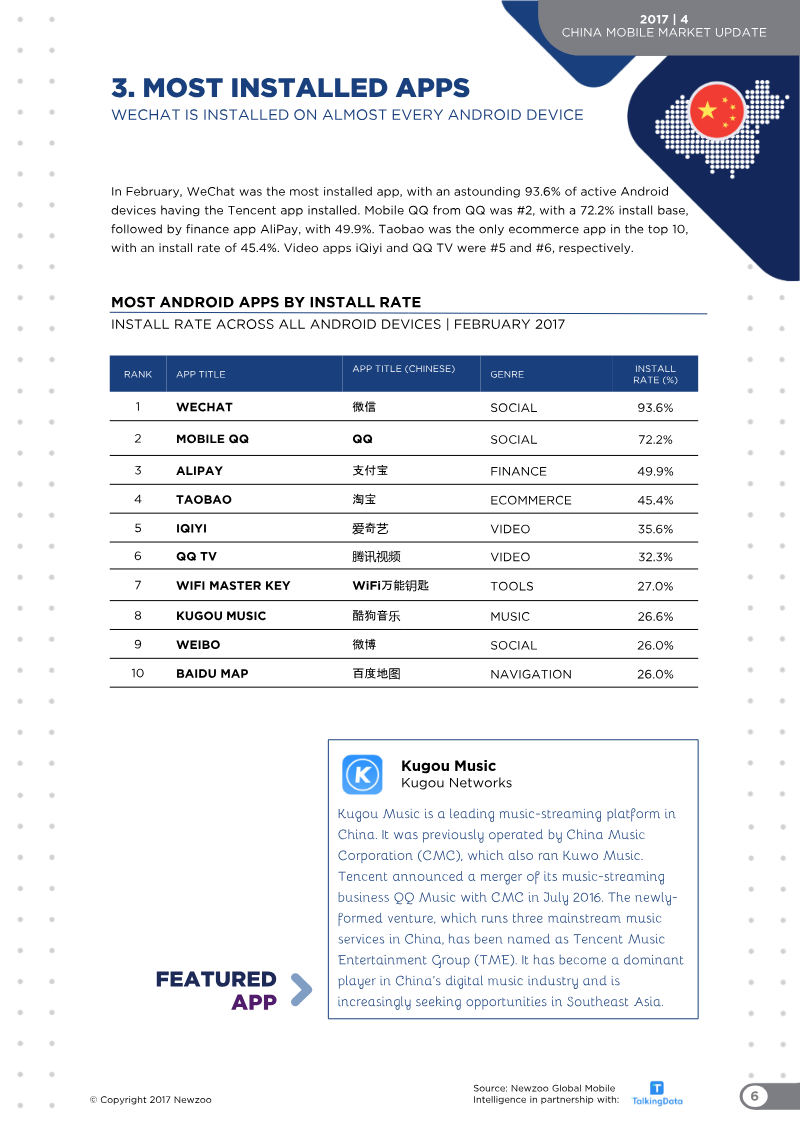

China Mobile Market Update: April 2017
This analysis of the Chinese mobile market, based on February 2017 data, examines the landscape of device usage, app store penetration, and consumer connectivity trends.
- Apple leads the Chinese mobile market with a 26.3% share of active devices, followed by Huawei at 15.6% and Xiaomi and Oppo at 13.8% each.
- 4G connectivity has become the standard, with 57.9% of active devices using the network in February 2017 compared to 31.6% in 2015.
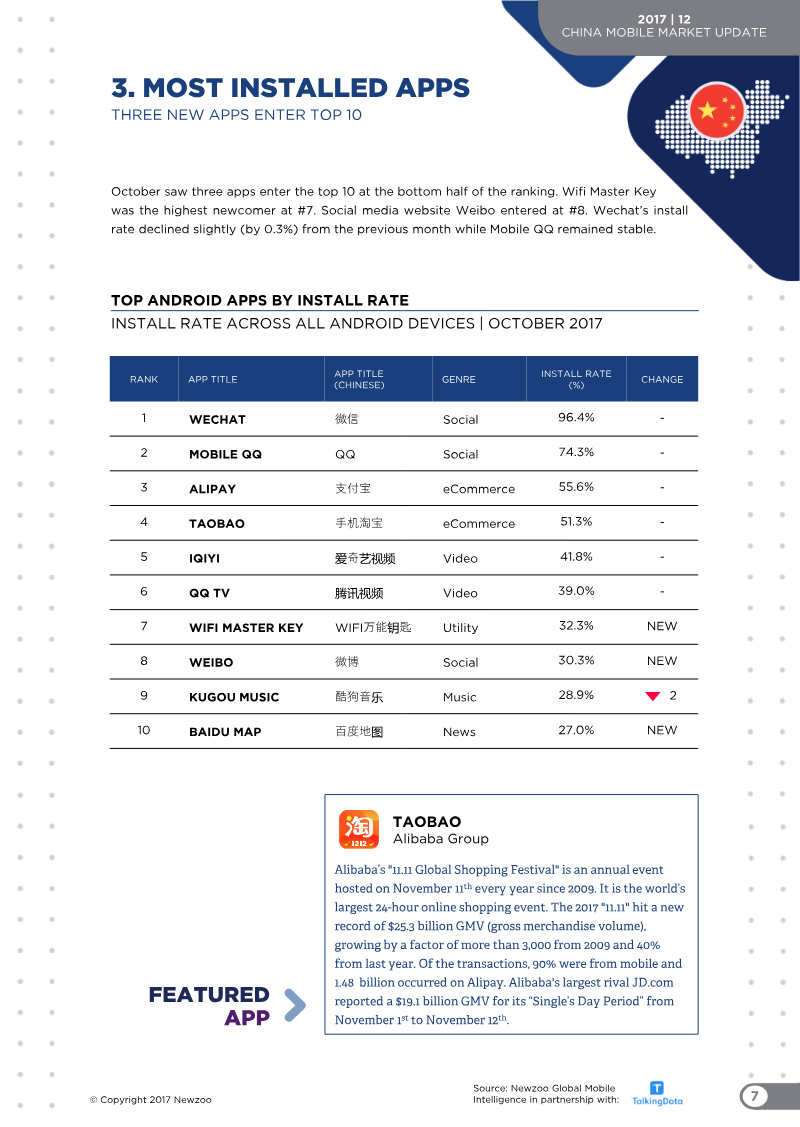
- WeChat maintains near-universal dominance in the Android ecosystem, installed on 93.6% of active devices.
Casual Games Sector Report: 2017
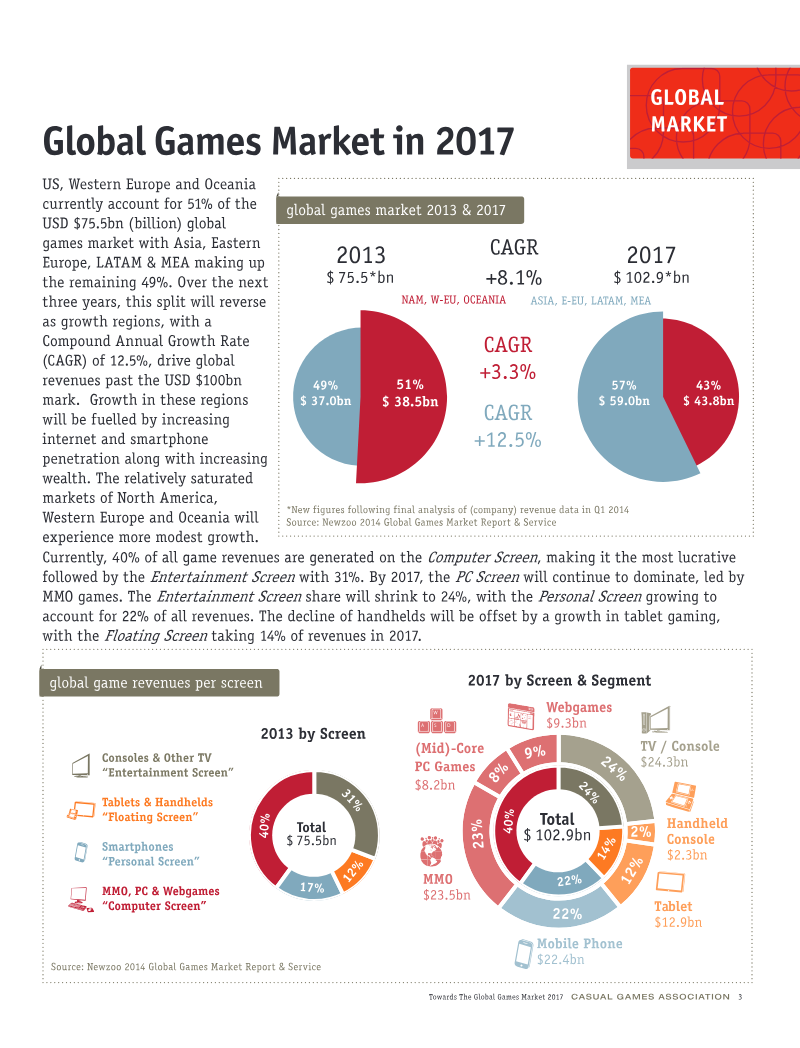
The global games market is undergoing a period of rapid expansion and structural transformation, with total revenues projected to exceed $100 billion by 2017.
- The global games market is projected to grow at a 12.5% CAGR, exceeding $100 billion in revenue by 2017, with growth driven by emerging regions including Asia, Eastern Europe, Latin America, and the Middle East/Africa.
- Mobile gaming is the fastest-growing segment, with revenues expected to rise from over $17 billion in 2013 (23% of the market) to over $35 billion by 2017 (34% of the market).
- The number of mobile gamers is forecast to increase from 1.33 billion in 2013 to 1.82 billion by 2017, with significant growth occurring in both mature and emerging markets.

China Mobile Market Update: December 2017
The Chinese mobile market remained stable throughout October 2017, characterized by consistent brand rankings and steady adoption rates.
- Apple maintained a 25.6% market share in China as of October 2017, with the iPhone X showing significantly higher adoption rates among high-end users compared to the iPhone 8 and 8 Plus.
- Domestic manufacturers OPPO, Huawei, Vivo, and Xiaomi continued to dominate the remainder of the 947 million device market, primarily focusing on mid-to-low-end segments.
- Tencent and NetEase dominated the gaming sector, with Honor of Kings leading Android revenue while both companies aggressively pivoted toward mobile battle royale titles.