China reports and market data
Documents

Hyper-casual in China: Games, players and lessons learned
The hyper-casual gaming market in China represents a significant, albeit distinct, opportunity for international developers.
- China represents a massive market opportunity with 242 million iOS devices, a figure comparable to the entire U.S. smartphone market across both iOS and Android platforms.
- While Day 1 retention should serve as a baseline metric of at least 40% to validate core gameplay, increasing Day 7 retention by just 1% yields 10 times the impact on long-term lifetime value.
- The Chinese hyper-casual market is distinct from the West, as it evolved from a core-gaming-first culture; consequently, games require more than simple mechanics to succeed and must incorporate socially-minded, competitive, or culturally relatable elements.

Tips on how to make creative ads for the Asian market
Successful entry into the Chinese mobile gaming market requires a sophisticated approach to creative advertising that prioritizes deep localization, high-quality video production, and interactive formats.
- Localization in China requires more than translation; it necessitates adapting font designs, layout, and character aesthetics to match local preferences, such as the strong demand for fine art styles among female users.
- Cultural nuances significantly impact conversion rates; for example, adjusting game visuals to align with local preferences for cleanliness and specific character aesthetics in Japan resulted in a 70% increase in click-through rates.
- Standard gameplay recordings are no longer sufficient to capture attention in China's information-overloaded market; advertisers should instead use creative storytelling, real-life integration, and local trends like popular BGM and memes.
Tips on making your hyper-casual game a success in China
The hyper-casual gaming market in China represents a significant growth opportunity for international developers, driven by a massive mobile user base and evolving consumer habits.
- China is the world's largest mobile game market, with projections estimating 120 billion downloads and $62.4 billion in consumer spending by 2022.
- The Chinese market is shifting from hardcore games to hyper-casual titles, driven by users with fragmented leisure time and a growing female gaming demographic.
- Publishing on Android in China is highly complex and generally discouraged for foreign developers due to licensing requirements (ISBN) and a lengthy approval process that can take one to two years.

NetEase Games Strategy: 2019
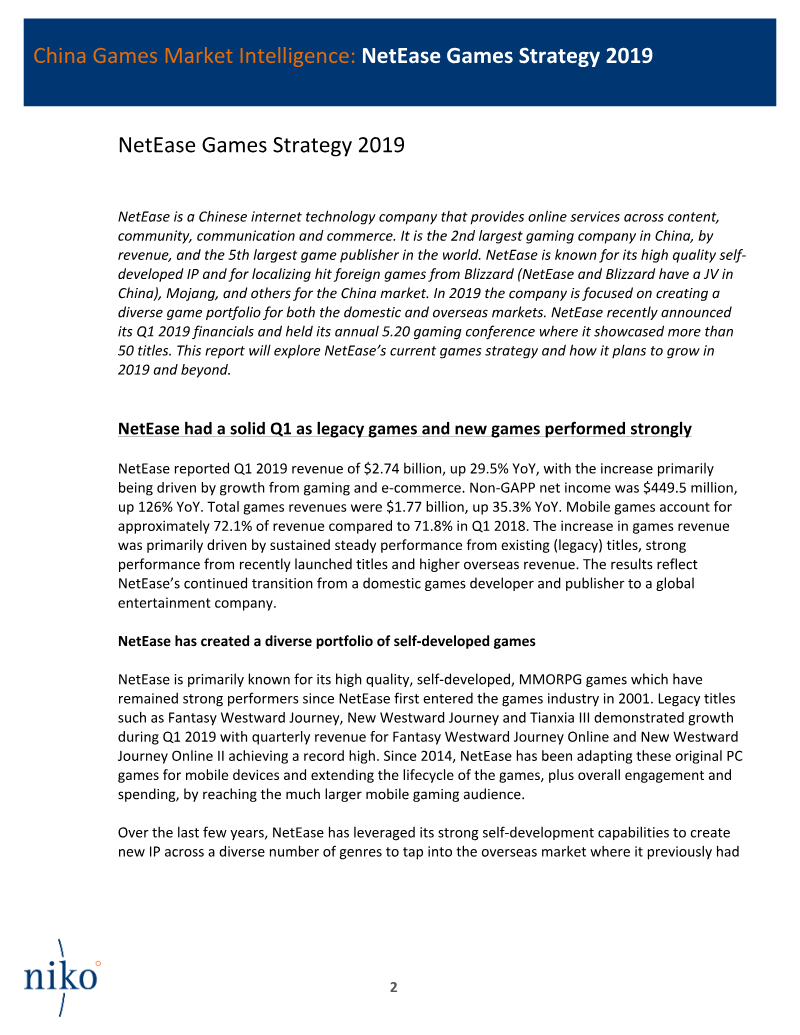
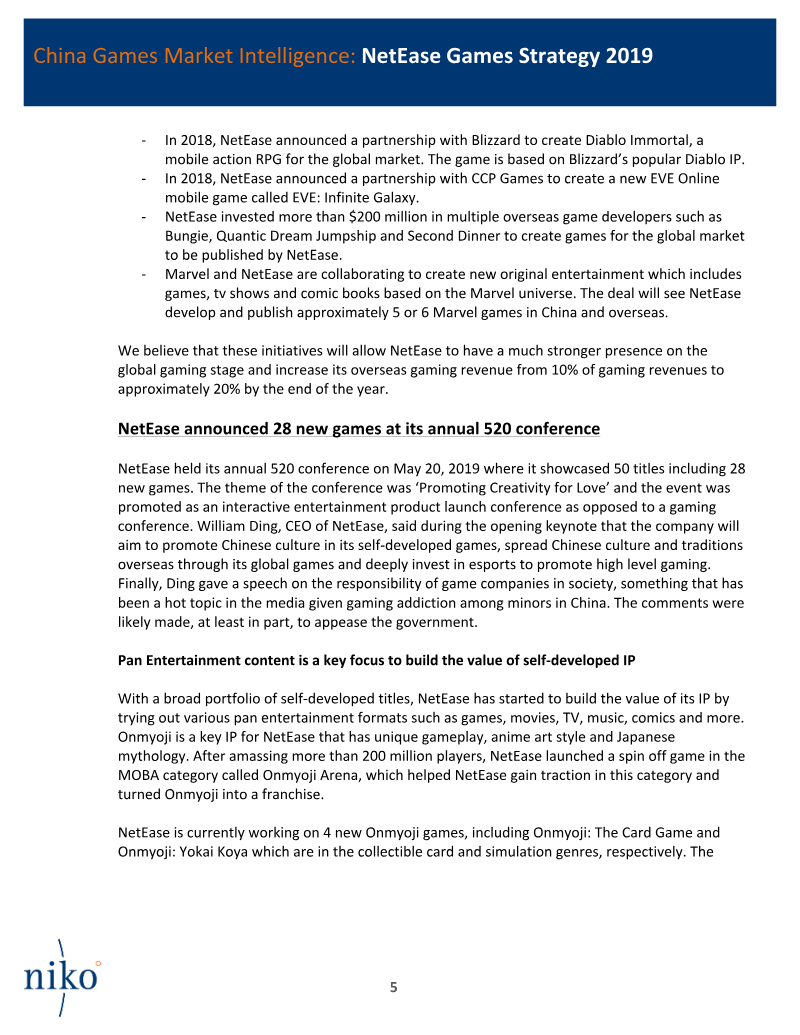
NetEase is executing a strategic transition from a domestic-focused MMORPG developer to a global entertainment powerhouse.
- NetEase generated $2.74 billion in total revenue in early 2019, marking a 29.5% year-over-year increase, with gaming revenue contributing $1.77 billion.
- Mobile platforms are the company's primary financial engine, accounting for 72.1% of total gaming income.
- The company is executing a strategic shift from a domestic-focused MMORPG developer to a global entertainment powerhouse to mitigate risks from slowing growth in China.

The year of hyper-casual in China
The mobile gaming landscape in China is undergoing a significant shift as the hyper-casual genre, which has dominated Western markets, begins to gain substantial traction in the region.
- Hyper-casual games offer a significant cost advantage in China, with player acquisition costs estimated to be seven to 13 times lower than those for traditional core gaming titles.
- Western developers have a strategic entry opportunity because Chinese studios currently lack the specialized infrastructure and expertise required to produce high-quality casual games.
- Hyper-casual titles face lower regulatory risk than core games because their revenue models rely on advertising rather than loot boxes or heavy in-app purchases.
Digital marketing in Asia (China, Japan and South Korea)
The digital marketing landscape in Asia—specifically China, Japan, and South Korea—requires a multifaceted strategy that balances paid performance-based advertising with organic engagement.
- In the Chinese market, companies should prioritize organic search and social strategies alongside paid media, specifically leveraging Baidu SEO and WeChat subscription accounts to build community engagement.
- WeChat is the dominant platform for interactive marketing in China, offering superior functionality compared to Western social media for gathering user feedback and managing direct communication through subscription accounts.
- For successful market entry in Japan, utilize pre-order platforms one month before product launch to capture feedback from the country's highly penetrated gamer demographic.
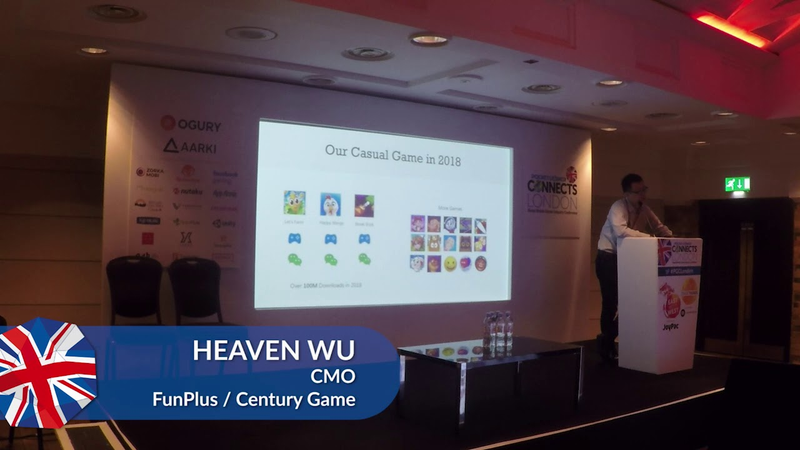
A new opportunity for casual game success in the West and China
The casual gaming market presents distinct challenges and opportunities when comparing Western distribution models to the Chinese landscape.
- WeChat Mini-games have become the primary distribution channel for casual games in China, effectively bypassing the country's fragmented Android ecosystem.
- WeChat Mini-games achieve a day-one retention rate of approximately 25 percent by leveraging social features like invitation sharing and 'moments' updates.
- Monetization on WeChat is primarily driven by rewarded video ads and banner placements, which benefit from high advertiser demand and competitive CPMs.
User analysis for premium games in China
The premium games market in China has experienced significant growth, driven by an increasingly affluent young generation and a robust digital ecosystem.
- As of 2018, China’s Steam user base reached approximately 40 million, with active engagement levels currently exceeding those of the United States and Russia.
- Social players represent the largest market segment at 38%, prioritizing games that are trending within their peer groups to maintain social relevance.
- Streaming platforms are the primary discovery tool for Chinese gamers, functioning as a critical risk-mitigation step for evaluating gameplay before purchase.
The games industry scenario in China – And the value a local publisher can provide
The Chinese gaming market represents a massive, high-growth opportunity characterized by a dual-sided reality.
- The Chinese gaming market generates over $37 billion in annual revenue with a player base exceeding 600 million, making it a high-growth but hyper-competitive landscape.
- Foreign firms must utilize local partners to navigate regulatory requirements, as Chinese law mandates that any entity operating in the region must be locally owned.
- Local publishers are essential for managing the fragmented Android ecosystem, which consists of over 200 distinct app stores, and integrating localized payment systems like WeChat Pay and Alipay.
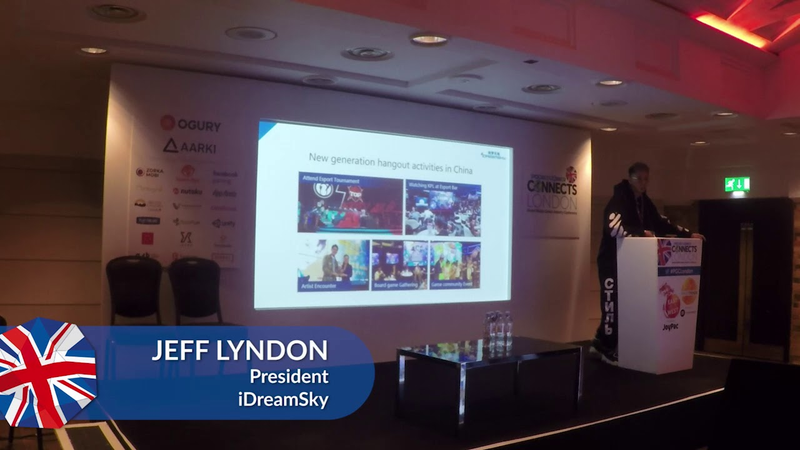
The future of the Chinese mobile games industry
The Chinese mobile games industry is currently undergoing a significant transition characterized by a maturing user base of 600 million players and a shift toward high-quality, experience-driven titles.
- The Chinese mobile gaming market has matured to a base of 600 million players, shifting from data-driven titles toward high-quality, narrative-heavy, and experience-focused content.
- Regulatory hurdles remain significant, requiring developers to adhere to strict ethical and cultural standards and navigate a rigorous, government-controlled licensing process.
- To mitigate domestic regulatory risks and navigate complex licensing requirements, Chinese developers are increasingly prioritizing expansion into global markets.



Tencent Games Strategy 2019
Tencent’s strategic pivot in 2019 marks a recovery from the previous year’s regulatory freeze on game licenses, which had triggered the company’s first-ever profit decline.
- Tencent successfully recovered from a 2018 regulatory freeze by migrating 150 million monthly active users from PUBG Mobile to the compliant, self-developed title Peacekeeper Elite, resulting in $5.2 billion in quarterly gaming revenue.
- The company is mitigating domestic regulatory risks through aggressive international expansion, including the acquisition of Western studios like Sharkmob and licensing major IP such as Call of Duty and Street Fighter.
- Tencent is diversifying beyond mobile free-to-play models by growing its WeGame platform to 70 million monthly active users and securing an exclusive partnership to distribute the Nintendo Switch in China.
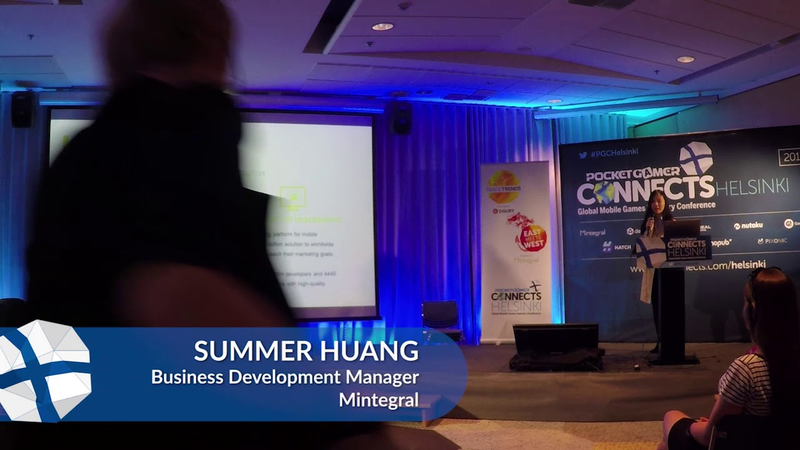
How to promote your games in the ever-changing Chinese market
The Chinese mobile gaming market represents a massive, high-growth landscape characterized by unique regulatory, cultural, and technical complexities.
- The Chinese mobile market is massive, reaching 788 million mobile users in 2018, with iOS users significantly outspending Android users in average in-app purchases despite Android holding an 87% market share.
- Navigating the Chinese Android ecosystem is complex, requiring distribution across third-party stores like Tencent's My Apps and 360, as well as mobile manufacturer stores such as Huawei, Xiaomi, Oppo, and Vivo.
- Western App Store Optimization (ASO) tools are ineffective for the Chinese market; developers should partner with local experts to handle localization and secure the full certifications necessary to increase the chances of being featured.