China reports and market data
Documents
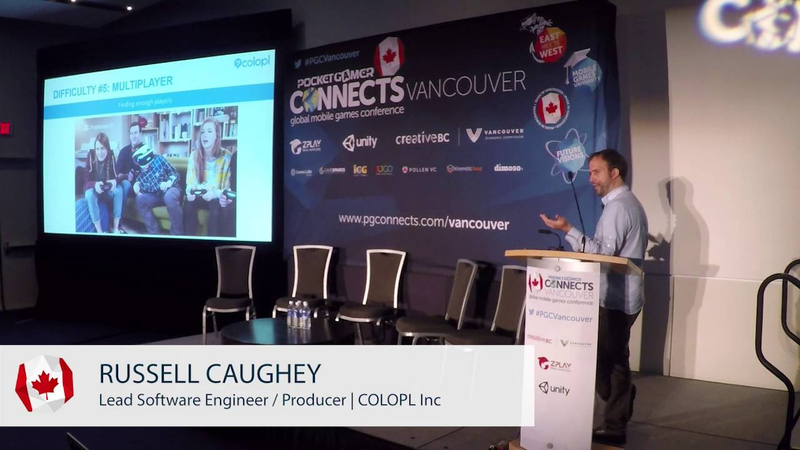
How COLOPL is bringing virtual reality gaming to Chinese arcades
The rapid emergence of virtual reality (VR) in 2016 presents significant barriers to household adoption, necessitating a strategic shift toward public VR arcades and internet cafes, particularly in markets like China.
- High-end VR hardware costs exceeding $1,500, combined with physical space requirements and motion sickness, currently hinder widespread household adoption.
- VR arcades and internet cafes serve as the primary strategic solution to overcome systemic barriers to entry by centralizing expensive equipment and providing dedicated physical space.
- The Chinese market is demonstrating strong consumer demand for out-of-home VR experiences, particularly through pay-per-minute models located in shopping malls.
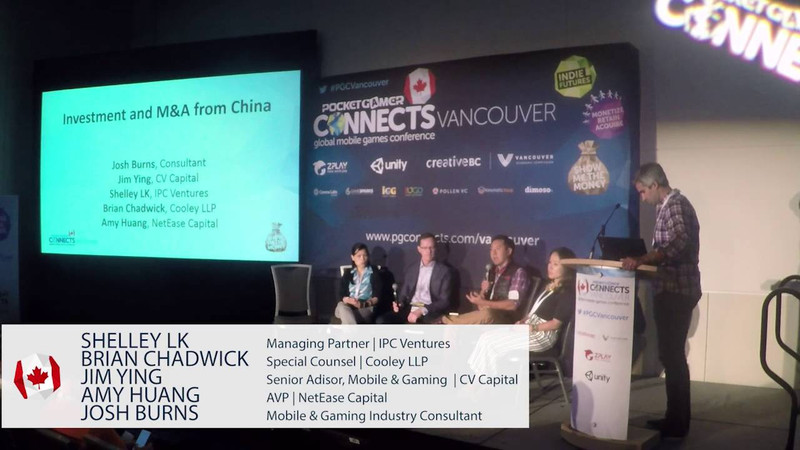
How to raise funds from Chinese investors
Chinese investment in Western mobile gaming is primarily motivated by the pursuit of strategic synergies, the acquisition of specialized talent, and the exploitation of financial arbitrage opportunities.
- Chinese investors primarily target mid-to-growth stage studios that demonstrate consistent profitability and a proven track record to facilitate regulatory approval for international transactions.
- Acquisition deals typically feature an upfront cash payment of approximately 30 percent, with the remaining balance structured as earnouts and share-based incentives to align management with long-term growth.
- Due to a lack of local Western expertise, Chinese firms generally adopt a hands-off management approach, preferring to retain existing leadership to operate the business independently.
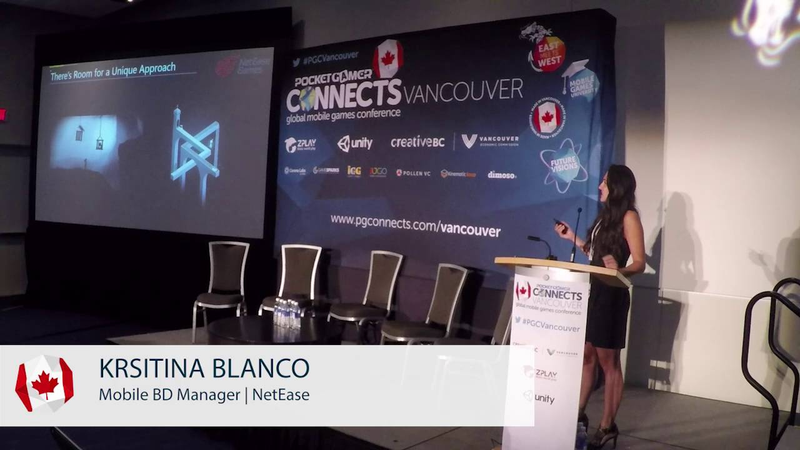
NetEase on how to break into the Chinese mobile market
The Chinese mobile gaming market represents a massive, high-growth opportunity for Western developers, though it requires a specialized approach to navigate its unique cultural, regulatory, and distribution landscape.
- Securing a local partner is essential for navigating China's complex regulatory audits, fragmented distribution channels, and rapid trend shifts.
- The Chinese market is highly concentrated, with the top ten titles capturing over 50% of total industry revenue.
- Successful entry requires deep adaptation of game design, including a shift toward hardcore RPGs and MMOs that support long play sessions and complex social economies.
China Mobile Games Market 2016: Opportunities for Western Developers
The Chinese mobile gaming market stands as the world’s largest and most dynamic sector, offering immense scale for Western developers despite significant structural and regulatory barriers.
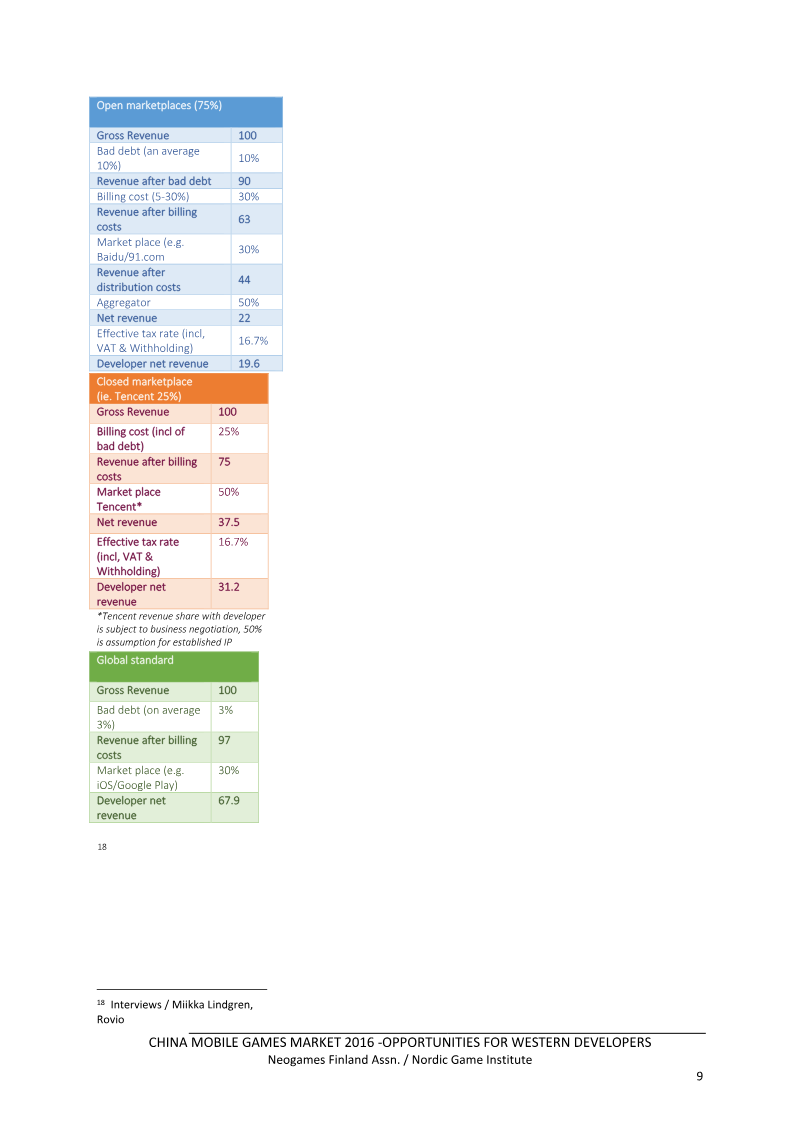
- Western developers face a significantly lower revenue share in China, typically receiving only 20% to 30% of earnings compared to the 70% standard in Western markets.
- The Chinese mobile gaming market is a duopoly dominated by Tencent and NetEase, who leverage massive cross-media ecosystems and aggressive monetization to control the sector.
- Successful market entry requires deep cultural localization, including the adoption of VIP systems, pay-to-win mechanics, and specialized anti-cheating measures rather than simple translation.

FTUE: Tome of the Sun
Tome of the Sun, an MMORPG developed by NetEase, exemplifies the design conventions prevalent in the Chinese mobile gaming market.
- NetEase’s Tome of the Sun utilizes a high-density UI and automated gameplay mechanics, including auto-attack and guided movement, to cater to mobile player demand for efficiency.
- The game architecture prioritizes long-term retention through traditional MMORPG loops, specifically focusing on character leveling, equipment upgrades, pet systems, and competitive PvP modes.
- The onboarding process rapidly transitions players from high-intensity boss combat into a central hub that serves as the primary nexus for social interaction, inventory management, and monetization.

FTUE: War and Order
War and Order, developed by Camel Games, serves as a prominent example of the mobile strategy genre, heavily influenced by the mechanics popularized by titles like Game of War.
- War and Order by Camel Games utilizes a prescriptive, high-speed onboarding tutorial to rapidly immerse players in base-building and resource management mechanics.
- The game prioritizes aggressive early-game alliance integration as a primary strategy for long-term player retention and monetization.
- The development strategy focuses on bridging Chinese technical expertise with Western market preferences, utilizing a portrait-mode interface for global accessibility.
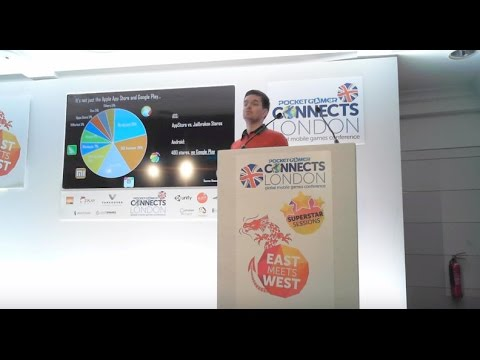
NetEase explains the Chinese mobile games market
The Chinese mobile gaming market has undergone a significant transformation between 2010 and 2015, evolving from a nascent sector into a multi-billion dollar industry.
- The Chinese mobile games market is highly concentrated, with the top 10 companies capturing approximately 50% of the total revenue.
- Market trends show a significant shift toward MMO-style games, which grew from a 14% market share in 2014 to one-third of the market by Q4 2015.
- Android distribution in China is extremely fragmented, with no Google Play presence and a reliance on various third-party stores that often charge 50% to 60% of revenue, though direct downloads via QR codes can bypass these fees.
How to engage with Asian mobile publishers (Tencent, Gamevil, Nexon)
Engaging with major Asian mobile publishers—such as Tencent, Gamevil, and Nexon—requires a strategic approach that prioritizes long-term relationship building, deep market research, and a sophisticated understanding of free-to-play mechanics.
- Asian publishers prioritize developers who demonstrate a deep understanding of free-to-play mechanics, as this is the primary monetization model in markets like China.
- Publishers look for unique, innovative concepts rather than clones of existing hits; for example, Tencent evaluated over 6,200 games in a year but only a small fraction met their criteria for publishing.
- When pitching, developers must provide concrete, honest data, such as retention rates (e.g., Day 1, Day 7) and payment rates, rather than relying on best-case scenarios or anecdotal success.
FTUE: Clash of Gods
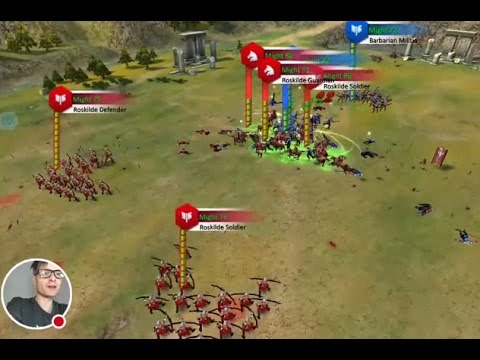
Clash of Gods serves as a Westernized adaptation of the Chinese mobile title Papa Three Kingdoms.
- Clash of Gods is a Westernized adaptation of the Chinese mobile title Papa Three Kingdoms, replacing original aesthetic themes with Western and Egyptian mythology to target global markets.
- The game’s FTUE suffers from significant friction, including a confusing tutorial and an initial battle that results in an unexpected defeat for new players.
- The core gameplay mechanics—featuring card-based systems, complex formation management, and automated combat—are rooted in hardcore Chinese design philosophies that conflict with Western preferences for intuitive, streamlined onboarding.
FTUE: Rush of Heroes
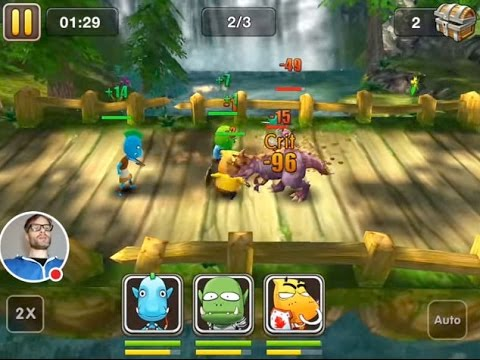
Rush of Heroes, a Western adaptation of the highly successful Chinese mobile title I AM MT, represents a strategic attempt to export established Asian free-to-play mechanics to global markets.
- Rush of Heroes is a Western adaptation of the Chinese mobile title I AM MT, which achieved over 70 million players between 2014 and 2015.
- The game utilizes a card-based battle system centered on character collection, shard-based upgrades, and gacha-style hero acquisition mechanics.
- Core gameplay is defined by high-density automation, featuring two-speed battle toggles, rage-mode triggers, and a progression loop gated by a standard energy system.

China Mobile Market Update: November 2016
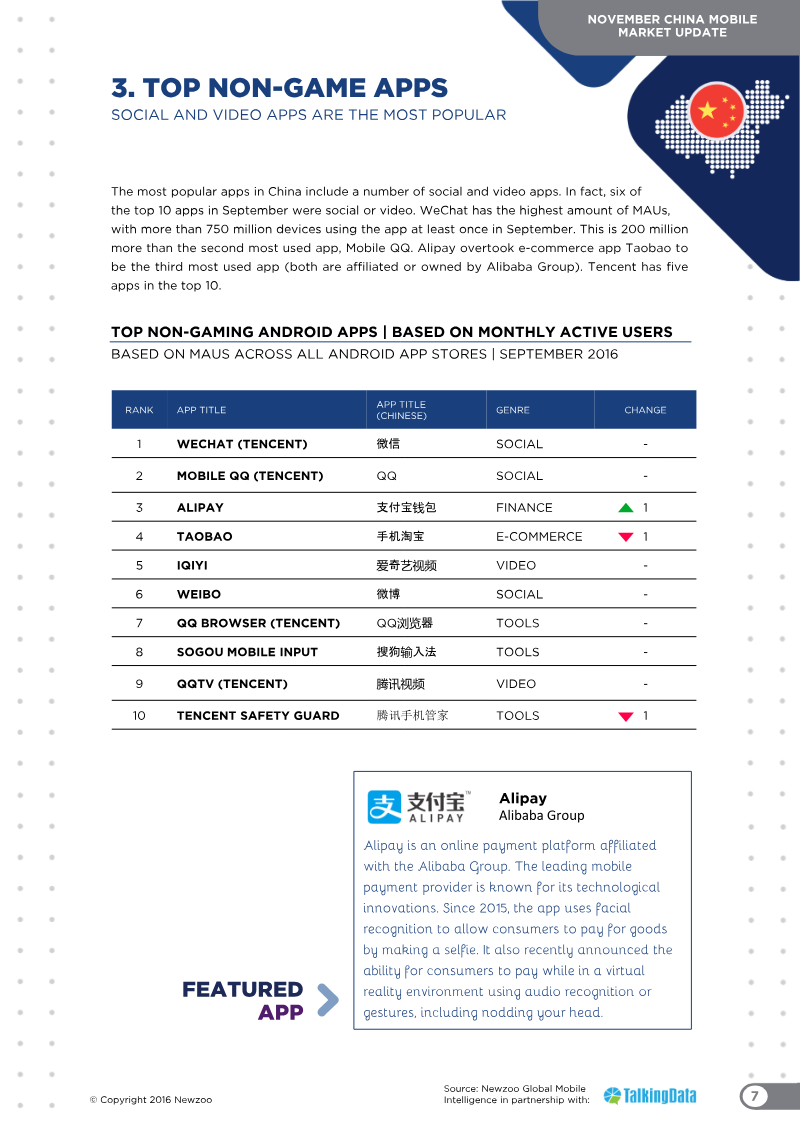
The November 2016 China Mobile Market Update provides a comprehensive analysis of the Chinese mobile ecosystem, focusing on device market share, app store performance, and top-grossing applications for September 2016.
- Tencent and NetEase dominate the Chinese mobile gaming revenue landscape, with Tencent’s 'King of Glory' leading Android and NetEase’s 'Onmyoji' achieving top-grossing status on iOS shortly after its release.
- Apple remains the leading mobile brand in China with a 23.6% market share, while OPPO has displaced Samsung to become the fourth-largest manufacturer behind Huawei and Xiaomi.
- Tencent’s Myapp holds 24% coverage of the Android app store market, while Alibaba’s acquisition of Wandoujia has driven significant growth in that platform's user base.
2016 Global Mobile Market Report: Q4 2016
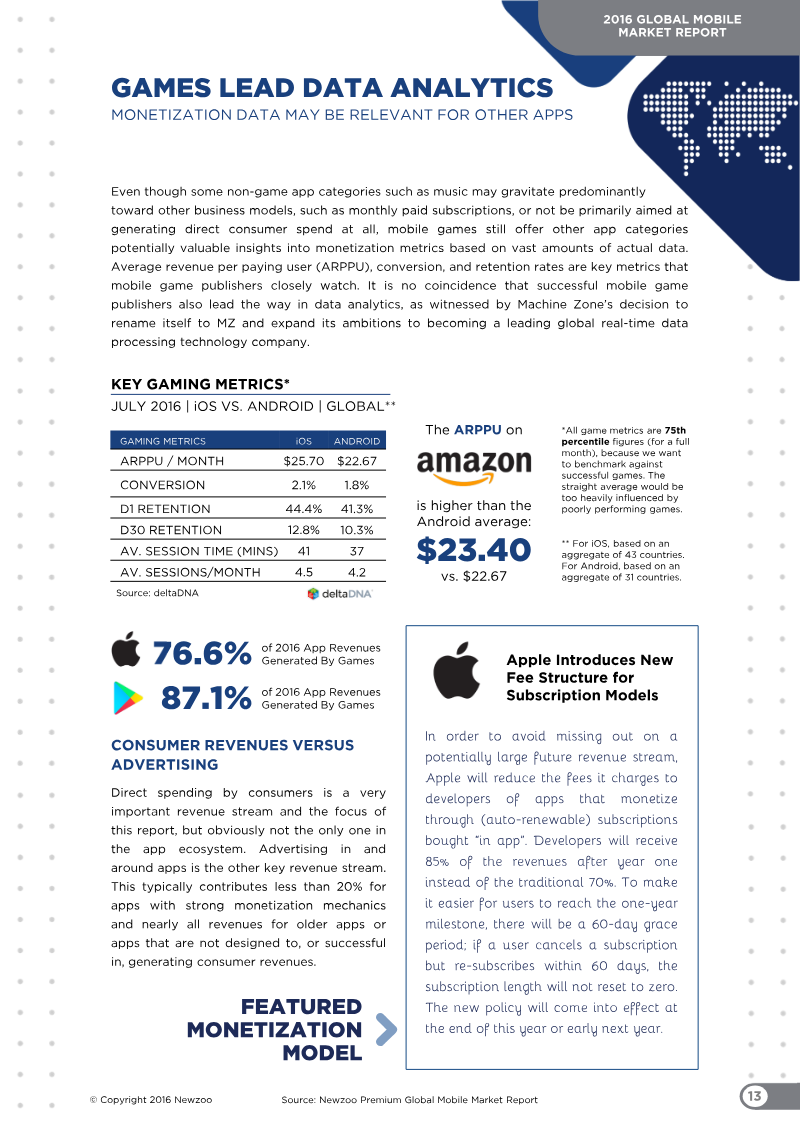
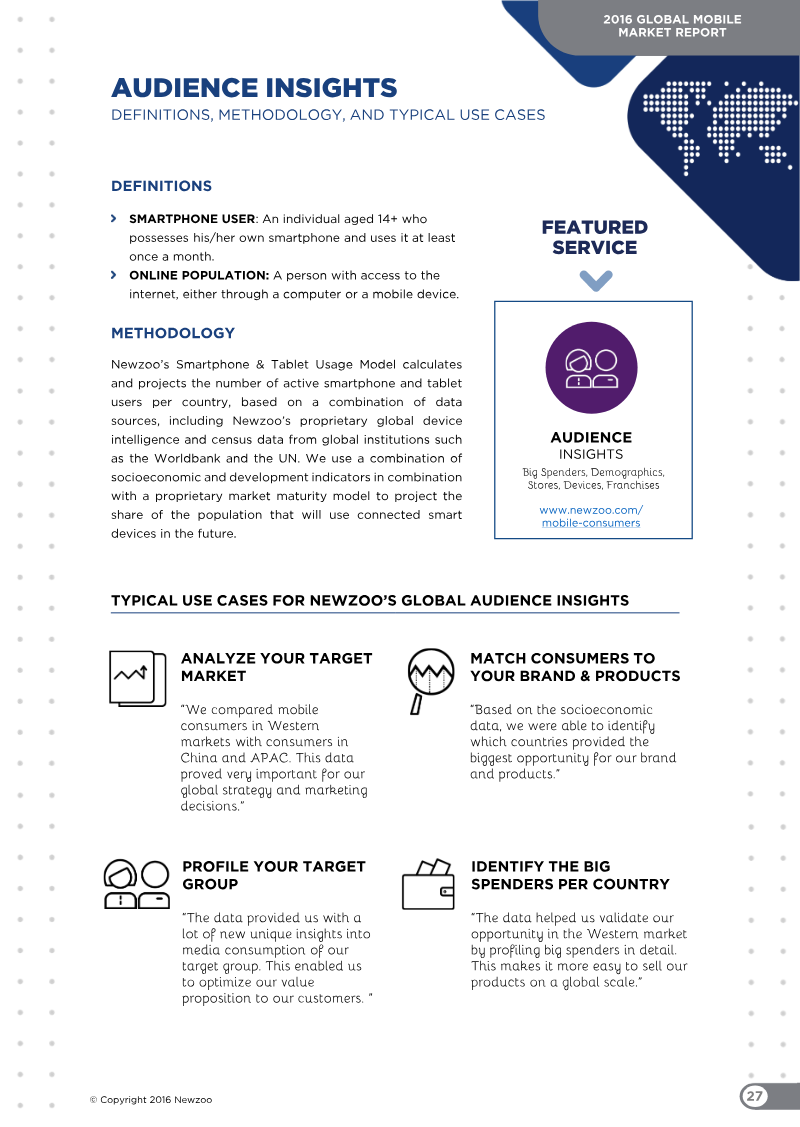
The global mobile market is undergoing a period of rapid expansion, with consumer spending on applications projected to nearly double from $44.8 billion in 2016 to $80.6 billion by 2020.
- Global consumer spending on mobile applications is projected to grow from $44.8 billion in 2016 to $80.6 billion by 2020.
- China has overtaken the United States as the world's largest app market, characterized by a dominant Android presence and a reliance on third-party app stores.
- The Middle East and Africa are projected to experience a compound annual growth rate of 42.6% through 2020, while India is positioned to become the second-largest mobile market globally.