1 free read left. Create a free account for unlimited reading + AI research.
Create free account
Lessons from Asia for mobile games developers
Key insights
7 takeaways- 01Avoid 'over-localization' by using native-language game experts rather than literal translation, as direct translation can result in incorrect terminology, such as using outdated phrasing or failing to use established genre-specific terms.
- 02Success in Asia does not require reaching the top 10 grossing charts; developers should set realistic expectations and focus on whether the return on investment justifies the effort, even if they only reach the top 100.
- 03When entering complex markets like China, partner with local publishers who understand the fragmented Android ecosystem rather than attempting to manage distribution independently.
- 04Developers should budget an additional 5–10% of their total development costs upfront to account for Asian market requirements, such as text display adjustments and cultural content considerations, to avoid costly post-development fixes.
- 05Asia represents a massive, high-growth opportunity for mobile developers, with Japan having been identified as the world's largest app store by revenue as early as 2013.
- 06Beyond standard app stores, developers can monetize in markets like Japan through carrier subscription services from providers like DoCoMo, Softbank, and au, which offer alternative revenue streams based on user playtime.
- 07Minimize localization complexity by designing games with limited text, as seen in the success of 'The Room' series, which relies on intuitive mechanics rather than heavy narrative content.
Ask AI about this video
Transcript
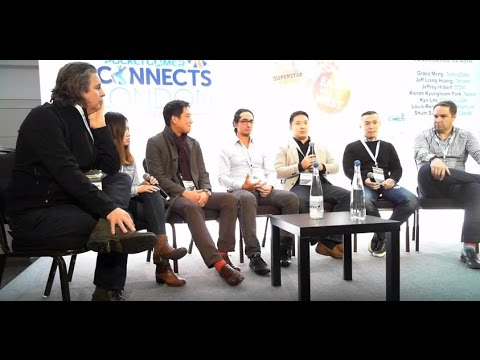
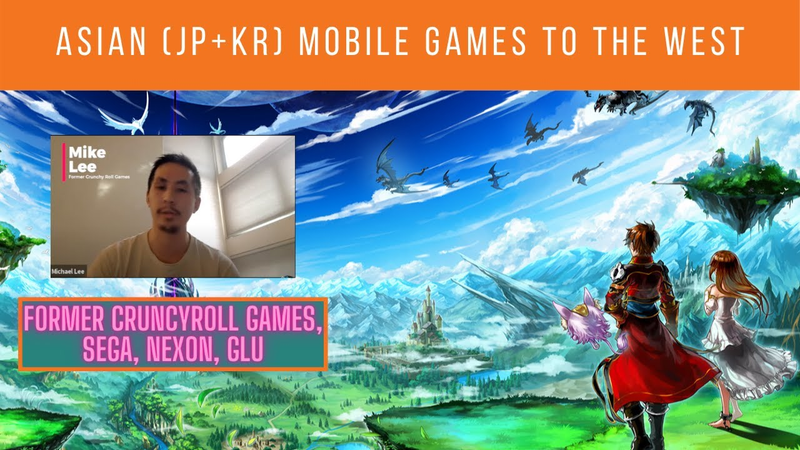
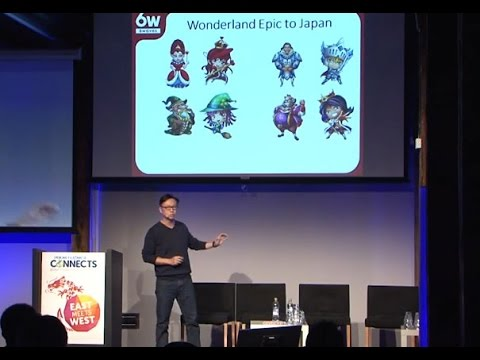
[Music] I started a company called chorus hang on there's a site about this yeah I started a company called chorus three years ago and throwin just gave a a 30,000 foot talk about China then I guess this is gonna be like a stratospheric view of Asia because I'm badly too way this is gone completely wrong so supposed to go here okay so this is the company we've done thirteen mobile games we primarily help indie developers reach Asia so we focused mainly on Japan China Korea Taiwan Hong Kong and Singapore I said we've done 13 mobile games we've done one Nintendo switch game as a publisher and then we've also
worked with some of these other guys on the right hand side as a as a consultant basically helping edit everything from business development to localization to making sure that their App Store pages look right that kind of stuff and so the the point of the next Simpsons slide was supposed to be what have I learned about Asia which is absolutely nothing because the one thing I've learned about Asia is that it changes all the time so to say that I've got an amount of knowledge about Asia over the last three years that I can impart to you it's kind of because I know in three years time is gonna change again so that said that's what my talks about so I guess I have to come up with something so a quick reminder about Asia it's still massive and as of the three years I was doing and one of the one of the things that made me start the business in the first place was a fanny releasing a report back in 2013 saying Japan had become the biggest app store by revenue
and then not long after that China took over so but whichever way you cut it Japan and China are in the top three if not the top two across the world followed by South Korea so three countries in China form the top five I like this slide from a pani mobile gaming revenue iOS App Store and Google Play the green hockey stick is is China the thing I like about this is that it says excluding China Android so this excludes all the stuff that Owen was just talking about so that's just I owe s and the non-existing Google Play it already takes them beyond the US if you added Google Android to that it would be what the scale would be wrong you'd be having more numbers on the left hand side so it's kind of crazy so the reason that you know I like to talk about this is because it's so when
people are making games in the West and I could mostly work with developers from the UK and Germany and Russia when I talk to them and they say the help I don't really know what they want to do in Asia it's kind of like saying we're going to ignore the US if you were making a game but worse because you're ignoring markets that are bigger than the US and growing faster than the US so you kind of have some idea of what you want to do anyway it's just a reminder Asia is kind of a big deal I don't know why but these pictures anyway so there's five things that I kind of wanted to talk to you about and I've tried to represent them in these pictures and I don't know why it seemed like a good idea at the time so the first one is translation so that was the lost in translation Bill Murray thing if you remember that so the first thing I really want to talk about is don't just translate if you send your text file somewhere when you get the text files back and you put it in and you think you've done localization you haven't and
for other things but I'm going to cover each of those so as I said translation versus localization we do this obviously for our own titles all the translators that we use our native language game people which is hugely important one of the things that we come across quite a lot is when people have tried to do their own translations or own localizations from their native language into Japanese or Chinese is over localization they'll go because what the process is usually here's a bunch of text we'll send it to someone that translator will go this word is this and they will just translate everything into Japanese because that's the age the problem is that's not necessarily the right thing to do so there is a game in Japan that has been on the top grossing charts for a few years now the first thing you see in the game it says tap to starts and so if you would just if you'd sent that to a localization company they would have come back with
that top boost again will has a meadow or something along those lines the game itself is Disney Stimson it's just in English and the reason that's important is because if you had this horrific sentence in there a the button would be huge and B it wouldn't make any sense tap to start is so easily understandable so words some words you just don't bother translating but you only know that if you're from that language there's also other mistakes that the people have made that we've seen we recently did some work proofreading a game it was a fantasy RPG game and they had translated the word dwarf so you know barbarian dwarf etc but the localization this company had got back had used the word the Japanese word for dwarf kobito which is taboo these days is effectively the same as using like the word it's a very it's a word
you don't use anymore but that's the word they'd used and not only is that wrong it's wrong on two levels it's wrong a because you don't use that word and B it's also wrong because you don't translate the word dwarf dwarfing Japanese in a fantasy RPG game is door alpha because that's what it is so again unless you know that stuff you run the massive risk of over localizing and again that's why it's just important to know each market what you're doing and making sure that you don't make mistakes like that and if you did that in China then presumably you'd be banned so even worse goals wow this is not sliders not work well that's the Japanese goal keeper by the way that was the idea of that picture so I'm sure you've heard a lot of talks and things about and I I mention it a few slides back about how massive Asia is for Indies it's super tough and I
think having spoken to a few other indie developers who come to these kind of talks they'll go it's great to hear about these phenomenal successes and how to get into the top cranked grossing top ten grossing it's kind of irrelevant when you're a team of five to ten people and you don't you're just trying to make games as best you can does that mean you should forget about Asia because you don't stand the chance my answer to that is is no you just understand what you're trying to achieve by going to Asia and same with any market really just have really thick expectations the main thing is knowing that you need to have obviously a local expert in support so you know what's going on in there and you're not probably gonna make it into the top 10 you might not even make it top 50 or top hundred but is the amount of money you're gonna put into making something work in Asia gonna be profitable are you gonna get some ROI back for for that investment if it is then you should actually why wouldn't you consider it
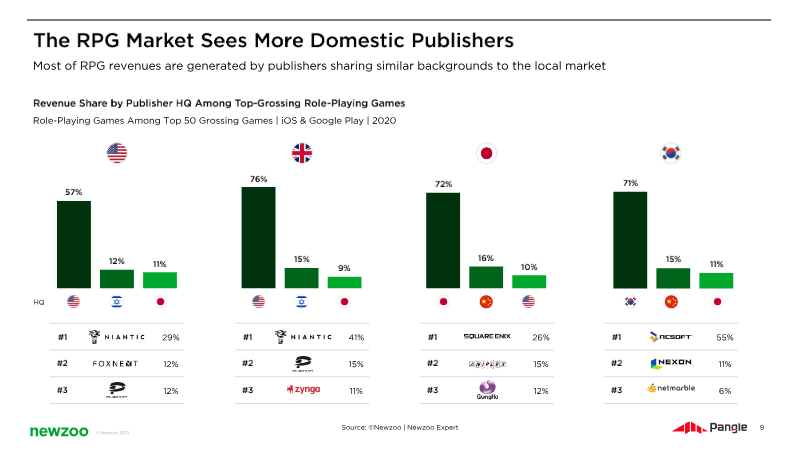
and there's always the off chance that it will do well what else buy written here oh yeah that's what Westing developers actually making excited I've worked in the games industry so 22 years or something like that and I was working in EA Japan in 2000 2001 permit so at the time released a list of the top 100 games that had sold that year in this these are all console games there wasn't a single non Japanese developed title and I was working a and we had FIFA and that wasn't anywhere near the top 100 hasn't gotten much better so even if you look at something like supercell games obviously there there's a lot of there are western games in the top 100 they're not troubling the top 20 and it's getting more and more locally focused and I think it is in other markets but again you there is life beyond the top 100 and again if your main market isn't gonna be Japan or China that doesn't mean ignore it there's
still profit an opportunity there so partner how was the tango seen from Rouge so the idea is again it comes back to any anything you do any territory going but I think especially with Asian territories knowing knowing what to do and what not to do is is really really critical going back to that dwarf example going back to overload localization just translating just doing that stuff is going to get you some of the way there but you could also fall foul of a bunch of different things having someone that can help you that understands it is it's really critical and I think there are lots of Chinese publishers that can get you onto Android app stores but beyond that look for ad providers that are have good networks in Japan or wherever because that's again those are very becoming more and more local these days and so it's worth partnering just accept that there are some things you're not gonna know and that you need to work with other people
to achieve them oh yeah so this is about just spreading on her so if you are developer chances are you're focused on one market or the Western market or english-speaking market which isn't culturally homogeneous but its kind of broadly I guess similar most of your development budget is going to be going into making this one game for this one culture upfront think about what additional cost you could spend just to focused to do that on Asia just to take it into Asia it's going to be five to ten percent additional budget but it's absolutely worth doing to many developers that I've seen have just not not worried about it they will worry about that later and then they get to the end and they've there's a whole host of issues usually localization issues usually text displays use those kinds of things use
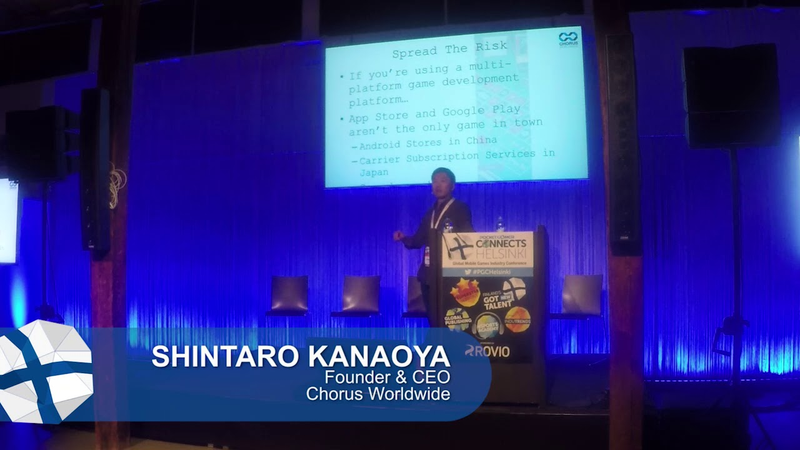
some content issues that you just haven't thought about upfront it literally takes a little bit of time upfront say okay if we do eventually take this to Japan or China or Korea just a reminder three of the five biggest market in the world maybe we should have a think about should we include this character should we have this much text in it that kind of stuff and also remember you know we tend to focus on the west about on the App Store and Google Play in China obviously you've got a lot more Android stores but in Japan you've also got opportunities like carrier subscription services and from the major players like DoCoMo Softbank and au which is like the Amazon underground I think it was which is now gone but basically you get the game onto a service and they paid developers a percentage of however much time people have played from a user point of view they pay 15 bucks a month and they get unlimited use to a bunch of apps so again it's another way you can monetize and increase the investment into the
original development you've already made there is a last point I can't see it but whatever I'm sure it was really interesting finally there's rain with Asia in mind God really so many developers approach this I think with like it's a poem they want to be a poet and they want to create the funniest best thing ever every single word you write and for their whatever just think about the additional low-cost that's going to incur do you really need to get all of that in there the best the most successful game we've done is the room in the room - from fireproof it's got very little text it's got just enough to get players through the game it's got a great hint system and we did I think we did a good job of localizing that but it doesn't go into doesn't do any more than that and too many times we've localized things that are have tens 50,000 words
of text short novels which are great when you're writing them and it's kind of fun but you just need to think about what does that mean further down the road what when I have to localize all this how much is it actually going to cost me and is it really worth getting that extra joke in there as much as I say keep Asia in mind I would say don't pander to Asian tastes make what you're making but don't don't try and be I want to appeal to Asia so I'm gonna have this anime style because if you're not of that culture and you don't have like Japanese or Chinese or Korean artists working on your stuff but you try to implement that style chances are you're gonna be found out the Japanese consumer can tell the difference between a character drawn in obviously Japan versus one in China versus one in career and certainly one done by someone in Liverpool for example it just they can just tell the style and it's fine so
don't try and be Asian if you're not make your game but just think about how can you then take your original cultural thing and make it easily I enterable as a game for a foreign audience and the fur the last point I'd like to make this point is good I think it's another pitfall that I've seen a lot of Indies fall for is ultimately think about what is the project you're doing is it the game you're making or is it the business that you're building so many times again I think I've seen developers that are so focused on the game and they put everything into just the game they forget about how am I gonna fund making the next game what's going to happen after this one and you know we've worked with and we publish games from developers that no longer exist because they didn't think beyond that first first game and it's it's always a tragedy to me when you see great
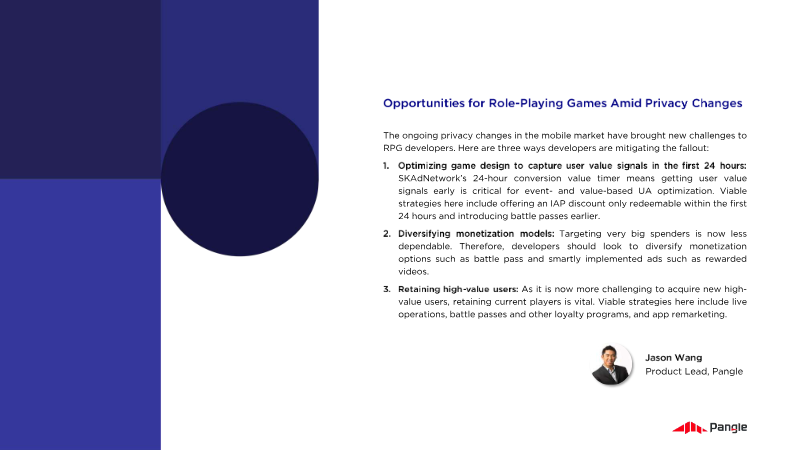
developers go out of business because they haven't thought about what happens further down the line wow I'm really but I'm really ahead of time this is good so yeah really all I was gonna say I think for me I spent three years bringing games Asia we've had some really great hits we've had some average ones and we've had some absolute flops and it's hard to immediately tell which ones are gonna be great but I think that's just like anywhere else [Music] the main lesson that I've had is we've China Android as soon as that became a big thing and we wanted to do stuff there we knew that we couldn't do it ourselves so even though we we call ourselves an Asian publisher which we are we partner with Chinese Android publishers and we've had great relationships with them and they've done a great job for us so I think the main thing if you are thinking about going
and taking your game to Asia and I repeat I think you should because it's got that much install base and money scrooge mcduck picture you really need to think about it but just you know don't don't try and make the next puzzle and Dragons or monster strike for Japan because you're not going to if you want to have a top ten grossing game in Japan go and work for big Japanese games publisher that's the only way you're gonna do it otherwise make your game and just think about how you can translate that localize that and work and find good partners so that you can have some kind of success over there I think that's it I'm done thank you very much thank you very much inter oh and from from chorus world we we have maybe have a time for a question perhaps before we move on to our next speaker if there is anyone like to ask surely it's
lunch no no there's more talk okay does anyone have a question there we go there's a question here in the how do you think is it possible to attack Asian markets from the distance or you have to leave physically in Japan or other Asian country for the time we are trying to enter Asian markets I I guess all right I don't live in Japan but I have guys working for me in Japan so no you don't need to be there but obviously if you want to have the best understanding obviously it's more helpful to be there but if you've been there for six months or a year and you think you know a culture then you're going to be mistaken so it's always it's better to try and
find someone that you can trust and work with and focus on what you need to do on the game where you are then then try and learn a whole new culture as complex as Japan or China or Korea and think you can have success I think just focus on what you're doing where you are right now I think it's probably more important thanks and welcome right [Music] [Music]
Summary
The mobile gaming market in Asia, particularly in Japan, China, and South Korea, represents a critical growth opportunity for independent developers. These regions consistently rank among the top global markets by revenue, often surpassing the United States. Despite the high barrier to entry and the dominance of locally developed titles in top-grossing charts, the market offers significant potential for developers who approach expansion with realistic expectations, strategic partnerships, and a focus on long-term business sustainability rather than immediate top-ten chart success.
Effective market entry requires moving beyond simple text translation to nuanced localization. Developers must avoid over-localization, which can lead to unnatural phrasing or cultural errors, such as using outdated or offensive terminology. Utilizing native-language experts is essential to ensure that content remains culturally appropriate and contextually accurate. Furthermore, developers should consider the implications of their design choices early in the development cycle, such as minimizing excessive text to reduce localization costs and complexity.
Success in Asia is rarely achieved in isolation. Because the landscape is complex and constantly evolving, developers are encouraged to seek local partners for business development, distribution, and navigating regional nuances, such as the fragmented Android ecosystem in China or carrier-specific subscription services in Japan. While developers should not attempt to mimic local art styles or pander to perceived regional tastes—as consumers can easily distinguish between authentic and imitated cultural aesthetics—they should design their games with international accessibility in mind. Ultimately, viewing Asian expansion as a strategic business investment rather than a creative experiment allows developers to diversify their revenue streams and build more resilient, long-term game studios.