1 free read left. Create a free account for unlimited reading + AI research.
Create free account
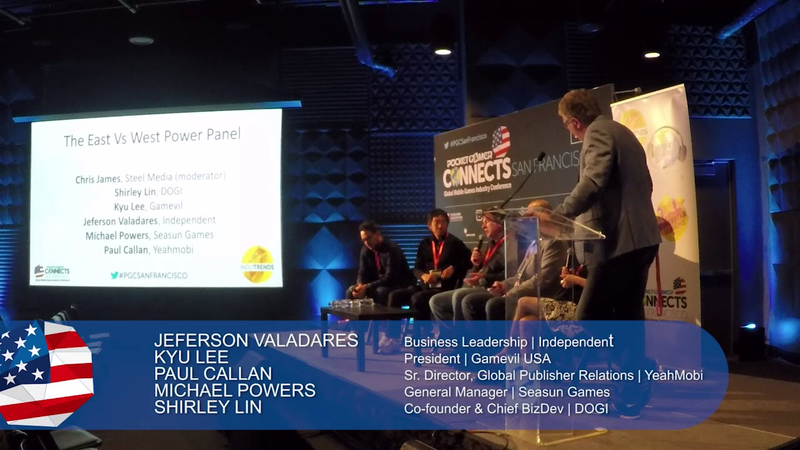
Mobile gaming: The East versus West power panel
Key insights
6 takeaways- 01The industry is shifting away from traditional MMORPG frameworks toward real-time multiplayer experiences and blockchain-integrated gaming.
- 02Successful global expansion requires moving beyond superficial localization in favor of authentic, original content that aligns with the specific engagement patterns and cultural nuances of regional audiences.
- 03The Asia-Pacific region, led by China, Japan, and South Korea, remains the primary driver of global mobile gaming innovation and revenue despite extreme market saturation and complex regulatory barriers.
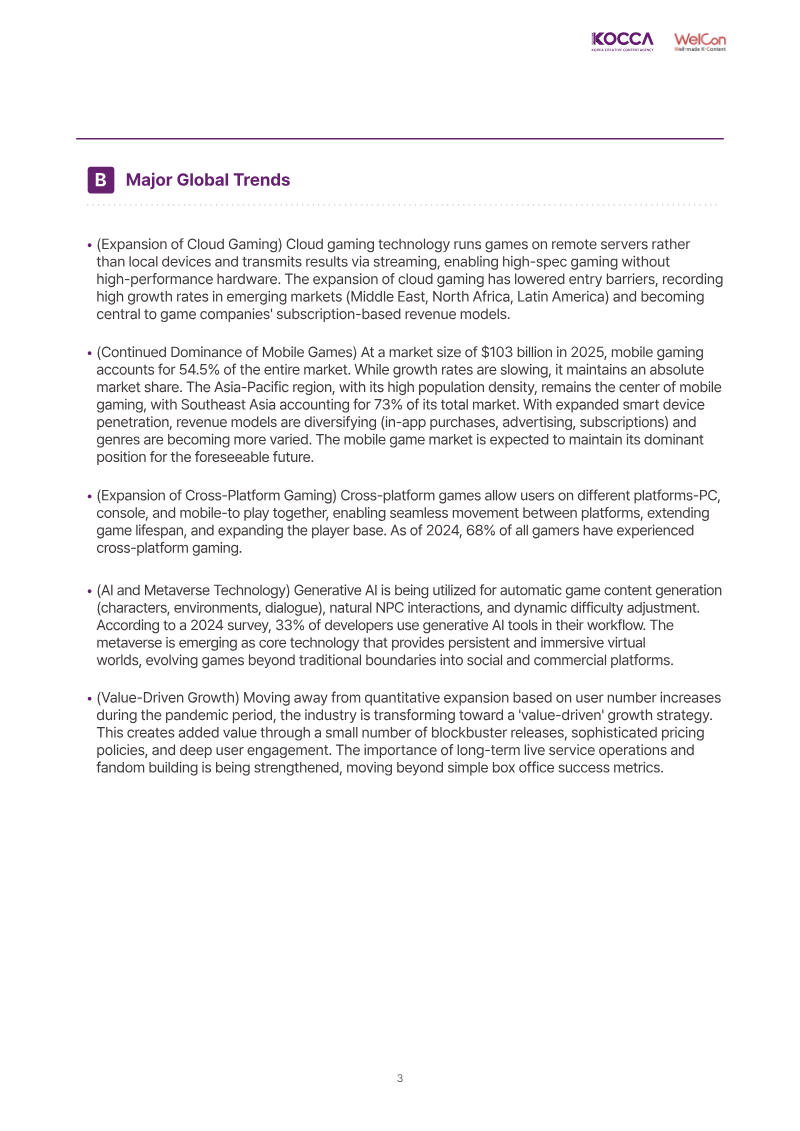
- 04Emerging markets in Indonesia and Vietnam are becoming the new frontier for growth, where advertising-based monetization models are currently outperforming traditional revenue strategies.
- 05Chinese gaming giants Tencent and NetEase maintain dominant control over their domestic market, requiring foreign developers to secure strong local partnerships for successful entry.
- 06Asian conglomerates are actively acquiring Western intellectual property and talent to offset domestic growth plateaus, with Chinese firms favoring autonomous studio management while Korean firms prefer integrated, hands-on structures.
Ask AI about this video
Transcript
[Music] [Music] so when I turn into power session where we look at it will go global you've looked at particular themes early on stage new people are coming in now it's good we look at the Asian markets and the specific trends and opportunities they're in we started doing PTC five years ago the East meets West was all about explaining why you should be interested in China and Korea and Japan everybody seems to know about it which is probably why it's not a massive hoarding today but but asia-pacific is the dominant driver now the dominant driver of the market so China Korea and Japan represent three of the top five markets for mobile games and if you add
in Southeast Asia we can combine that together into one mark even though isn't I think that particularly take one of the other slots as well so the question is kind of less whether you should pay attention and how you can take advantage of these markets kind of changing this so let's kick things off I'd like to introduce others there's a lot of you so and just quickly talk about your experience of different Asian markets and how you're working either now or previously so sorry right my experience with yeah well first there was a you know a you know a couple of Western companies including yeah where I remember the year when jck became a thing like we had all of our games had to be jck so you know like it at some point it became a thing that we watched for him and then the last three years I was at the 9m Co so I got to see the Japanese side of this so I wouldn't you know pretend to know anything about China and Korea but at least Japan I was
able to you know work for a Japanese company go to Japan and see how the market works there and also like running but I was running kind of like the American mobile operation so it's kind of be able to see you know how Japanese companies work and you know how to bring stuff to the west you know so at least that part of it I can talk about I'm Keely from Gainesville come to us we started mobile very early since 2000 and back then I was based out of South Korea and in 2006 we moved out to set up our us office so it's been around more than a decade now being here in the US you know we also open the office in Europe and also in Southeast Asia too so I think I could provide a balanced view on how the East works and the West works and I'm Paul Callan I'm currently a llamo B which is a Chinese data tech companies are very much involved in a lot of the China market but I started with my time at Yahoo from 2005 to 10
actually working with all of the mobile OMS you remember the day when the OEMs and the carriers were ruling everything I switched from that to Zynga did business development of Zynga and Kabam it was really Kabam where I started working more with with companies out of Seoul we also of course had offices in Beijing as well so that's really where everything started ramped up as far as my view Michael powers can I work for a company called CSUN games it's a Chinese developer and tenten's invested in CSUN so we're working with them closely in China besides Chinese companies I've also worked with companies in South Korea bringing games over to the West I'm Shirley Shirley Lin I'm currently working for a company it's called doggie it has nothing to do with dogs okay it's a discovery of gamma innovation and it's a blockchain based equipped platform for crypto games this is my second blockchain related project in four months I previously work a young mobi
and I worked for a Italian company French company working in Asia Pacific and Europe a lot and I also read the Chinese of all kinds of stuff going on WeChat I read a lot of report as well and pretty much in the trains I got a lot of stories and if we are recorded today I gotta be careful some of the stories I'd be happy to show ya we've got amazing partly I'm let's let's start with China then obviously it's pretty undeniably being the engine of kind of growth for the whole global mobile games business and domestically it's quite hard to get accurate forecasting but a lot of people differ on what a much money it makes exactly but domestically the market was with in between so of eleven and fifteen sort of billion mobile games markers part when t five to plus billion dollar ball games market and that's focus to keep growing and growing I guess the first question I've
got is can you afford so I'm not used to being up here can you afford not to be in in the Chinese market right now can you afford not to be playing in that market or if you're not already in there is it almost kind of too late to be there that's two concept side of the same coin yeah from you know perspective like the he was a big bet to go into Japan so the company went there a few years ago a start an office in Shanghai but also make a huge partnership attention yes I think pretty much you know also Japan and China have like similar like the Japanese IP kind of works in China like in similar kind of works in Korea so it has like some sort of affinity like culture affinity for IP and you know but the neck was mostly an IP company and so I think that kind of made sense and but I was seen inside a company as like I must do even though what I mean China wasn't that huge few years ago and when we went there but it was definitely seen like it just has to
happen and of course he has to happen with a partnership enemy we did it with tents and it was just like we couldn't couldn't be out you know my point of view I think we're kind of like semi blocked from China because of the regulations that have been happening I think the key thing is how the if you really have something unique to provide to the market otherwise I think there's there's pretty much all sorts of games in China and if you're prying trying to do a plus one strategy there's going to be plus two and threes already out there in the market so I think you won't be competitive at all I think unless you have a very unique product or unless you have a strong IP I'm I'm not sure if you can really stand out from the competition right now and so it's it's it's it's already become very mature that even for Korean companies it's very hard to break through because the ten
cent and the Nettie's already have everything there okay unless you've got something particular like it's too late but you have to be careful about it so be very data-driven take your approach cautiously $0.10 Nettie's it's true look at the top-grossing that's you know eight or nine out of ten is one of those guys but the top 200 grossing has a lot of potential yeah however you've you know because it's almost the exception to do well when you're coming in from the outside but if you do it data-driven you're carefully choose right partners I think you could do well yeah okay you have to have tempered expectations when approaching China you're not gonna just be able to go in and have your game work and be a hit as it is you're gonna have to localize it on a deep level so you know please expect to do a lot of work for free to make your game work in China okay I think the other side of the questions that can you afford to go into
China a lot of indie developers I always advise what stands out and like you mentioned you know it's expensive to go into China you have to find the right partner as you go to different trade show I always advise just do your games well make it happen do it well in the Western world in Europe in Brazil whatever and if you're doing well they're gonna come after chase after your butt okay so but for larger game companies they can afford to go over there and also the regulation in China is order it's also getting more and more scrutinizing yeah and you have to find the partners that really they will say yeah yeah come to China but you know do they have the license to get approval approval process is anywhere between two months to nine months every revision of your game so it's not that easy to go to China if you cannot afford a concentrate on your game make it go well in glass the world and
then think about it sure enough okay now it's very good complete yeah so I'm just can't you one more question related to China I guess um I've been going to China for about eight years for two it's conferences and events and seeing things and it feels to me that there's been a real evolution of the appetite consumer appetite in the market where it was dominated at one point it felt by JRPGs and three Kingdom strategy games is like facing a few Western titles that hit through whereas now there seems to be like a taste for indie games sort casual games time to hit there it's much more kind of broad so I was going to question whether that means an opportunity for Western developers and also whether on the flip side does that mean a potential threat because obviously China you know China has massive resources developers there's always been a conception that they can't make Western games over there but they are making similar games now so is the appetite changing and I guess second question are Chinese companies
and developers going to be coming making games closest the ones that we're kind of playing in the West but specifically well it's a sin I'll take the step on that it's a similar thing so Chinese games I have seen indie games in China actually arising and a lot of them VR game McCaw rock or they want to focus on Western also simply because domestic markets is very much occupied or dominated by the big players so they actually wanted to go Western I've met a lot of indie developers in China they say always say they focus on the American market or European market but they are getting better and better so this kind of creativity and innovation original is getting more and more however the other part of the story the darker side is also very large it is dominated by you know everybody knows tents and nannies
and they're different they have different strategies and going bring Chinese games up to the Western that just doesn't work very well the style the the creation and so on so for us but the strategy have been changing so that's why tension and that ease those and and season go do and you to do a lot of M&A with the Western indie developers and cuz they for two purposes want to bring the creativity innovation back to China but the biggest biggest strategy purpose it's so that they can reach out to this broader base that these successful Western games have already got that basically paved the way for the user acquisition for other Chinese games for example $0.10 I published what was it Emily you probably know and pub G they use tremendous tremendous financial power to pop their games influencer
marketing which is extremely expensive on Facebook is the same thing but they have the financial power to do that so to them it's export cool any views on that in terms of the changing tastes of Chinese players or yeah I think you know the top-tier companies will continue their investment into the western territories I think second-tier companies in China since they're facing so much competition in their local market I think they might but they have like great development talents so I think they're gonna start looking more and more towards the west and yeah I I feel like more there's gonna be more Chinese advancement coming out to the West but right now I think they've been so focused on their local battles yeah is what we're seeing right now also going to Southeast Asia but yeah I think we want to toast change can be saving going abroad it's often they mean to you know overseas they mean
Southeast Asia detention Keter to you know the mark you know more about than anyone here probably I mean ignore the big five markets and I think historically again from the time we've been in the space has always been sort of trailblazers really they had their earliest kind of penetration the smartphone's we kind of their more advanced earlier and innovation so I guess what are the latest trends that you see coming off career and is there it's something that we should be watching and kind of learning from at the moment becoming a very very tough market all the traditional PC gaming game developers they fully transitioned into mobile now and if you look at the top charts there are all PC game developers we're one of the pure mobile developer I think that's still barely surviving in our local market and right
now our for us you know it's that's why I mentioned like the second-tier companies you know like for us our revenue source have has been more focused come on coming from the West rather than from our local market there's there's there's also been a lot of consolidation towards the top companies in Korea and so it's it's basically the top companies and indie developers that are surviving who operate on on big bets or lope a little bit middle middles been squeezed so middle has disappeared right now and so I think there's gonna be more Korean developers who are willing to work in in the West otherwise they're there they're gonna be trying to find new markets you know I think that's why there's a lot of attention towards like the new messenger games the new blockchain technology that's been happening in in Korea
specifically in the Korean well just reflexively and it has a little bit to do with a former founder to Kabam that I worked with their bigoted sports and based a team out of Seoul so that's one area that I think you just genetically hero Thea create his eSports and I know it's much more net but I'm curious to see how that is going to progress yeah I was at another conference I think the stat was if you look at professional sports teams like NFL they monetize on a regular basis they just put a number out there each fan is monetized at about $50 whereas eSports is about $5 so that's why there's a lot of money moving into eSports yeah view in live events and see everything go and I think creates a big part of it yeah it's definitely being ahead of the game and multiplayer and any sports there's I think it's interesting talking about Instant Messenger and social Germany Kakao a couple of years ago was you know the model for these kind of social platforms could could you know dispute and control
sort of gaming I think at one point like nine out of ten games were Kakao versions of the same game was charge is that is that still the same other they and we were those games you know where do they stand compared to like facebooking semesters now they're doing something similar or so I think when they first started the market was still early so there are a lot of first-time gamers on the platform however the gaming business is is much more dependent on return returning customers nowadays and I think the power of cacao has diminished significantly these days I think they might try another entry into the market maybe in to new market forms or new new HTML type of forms but I think the current business model isn't it hasn't been successful in the past year so to give you an update on what's happening
okay that's cool pretty commence charm switch acosta to Japan for a second I don't have any buddies well I know Jefferson obviously have some experience officer working in Japan strategies company it remains very strong market arguably the strongest in terms of kind of revenue still and it's continuing to grow its lifting outgrew the US market and both iOS and Android last year and users are very engaged I was a reading stat that the app set access twice as much almost twice as much and certainly more than twice as long than then pull the players in in the West it's quite unique space is there an opportunity for Western companies in Japan or is it pretty much the kind of close shot because it's it's a very that culturally certainly it feels harder to it to access them maybe Korea as it stands I don't know yeah I mean it I think like front of us like we often look at the Japan and like what right so I think that there's that sense for sure
you know in terms of like what works I think you know each company that this success has success in in Japan does it a little differently but you know like panenka was always about IP and you know just all the anime and like manga and stuff and like I think that's one of the game the strengths of the company where the company is built around those IP and it's built to get the new ones as they grow like they can get them and then you know make them into game so I think it was all built around that kind of culture and that's why it's so successful like and that's why I like many of the games don't work outside of Japan you know with the exception of like Dragon Ball and thanks so many other games like do our part it's it's a it's a very you know local strategy that works really well there but you know that's why I like when when going outside to Japan or sorry to China and US and Korea like the VIP helps in the beginning because you know Gundam is huge and you know Southeast Asia etc but it doesn't work here I mean ok it wasn't
ready player one I guess but then I'm sure it's gonna get bigger over time but it's not the same advantage as it is there yeah yeah they're nice like something else needs to happen for it to go outside but it going into Japan I mean you gotta understand because it's such a crazy I mean you can do things there it's so dense like it's a it's a small country with so many people like you know it's the only place where I seen where you know like you can literally drive a truck with your ad from now and actually hits it's ten million people right you can you can give out like I was those you know learning best practices with the team in Japan they they're like oh yeah we hand out flyers in Shibuya and I'm like what it actually works because it's like ten million people right it's like it's the things that like we would never work anywhere else but so that's why I think it's so unique like there's a lot of things about about it which are different so if you want to be successful there you really gotta understand anyway if you can find some IP even the
western IP the works it's like you know avatar when came out was Hebert in Japan but I think it was mostly because it was a tech like a 3d thing that's kind of there also very kind of early adopters of stuff so they looked at it ojos it looks cool and you know but you know the next movies I don't think they're gonna do the well compared to the first one so I think it's hard it's hard to kind of really nice LC different different houses looking right at the charts in in Japan and this might be true again for our access approaches to Asian markets is that hyper casual kind of games really you know I kind of the kind of mini clip or catch happier doing seems to be working there you know they seem to be kind of getting three we look at the charts it's all Japanese brands but then if you look at the kind of casual can't download charts you see things like kind of slither IO and and cooking fever us or rolling sky candy cuz there's games there which seem to be breaking through and is that is that true for all those kind of hyper casual titles got a better chance of hitting in
agent you know because you don't and maybe don't least do as much culturalization you don't need yeah the one thing I think that Japan has that makes it easy for like those films to happen is that they're very much like trend people so like when some when some explain a game like the whole countries playing that game so like a so when we want something catches it really catches yeah so I think those games are more just get your game to catch that should say exactly it's so easy that's pretty easy then will they know we can do that okay things are easier to catch on fire so I think the for that point of view like you know it's it's it's easier for them to like be be a thing than if they were like a more involved game yeah so either IP or something that you know it's very accessible on but it really depends on like you know people playing because you know they really like you know everybody's playing the same thing on the train and you know they talk about it and it was right they saved their money and they could have like this monthly stipend that they spend on games and you know they always put on the game of the month so I think there's this a fact where there's a particular like everybody's aiming their promotions
for the day when people get the money and is that is there anything particularly from Japan or China or create any of the markets can looking at so far that but we really should be looking at as a Western Game Developers and can learn from I mean things you know Japan is kind of given us so much in terms of current trends and kind of you know sort of gotcha and crazy-amazing kind of characters and and and and you know I think the way that the Chinese lives ops is really interesting and multiplayer to eSports evolve and career is there anything that's going on the moment right now that Westar Dobbs needs to look at go right this is something that's gonna just gonna break over here this is something that you should start trying to implement in your games crypto games crypto games these people love to make money make money even if you have to ease room or one Bitcoin or epic coin trick you can play crypto game it gives people the whole that you may get money
instead of your money being sucked by in the traditional other okay so that's why next towards wrap is that we say crypto is the thing okay well interesting very different game design at the moment I always been banned in China and Korea you don't have to do a seal no okay crypto games don't need to go I see oh okay you don't necessarily take you there well I was going to mention MMORPGs which are huge in all Asian territories right now I think in the West right now besides clash royale and a couple of other games I still haven't seen a lot of real-time based gaming yeah I think which is gonna become mainstream for sure oh if if it isn't and MMORPGs with hundreds of
people on a single server playing simultaneously has been a huge thing so people shooting each other a hundred people shooting each other at the moment is quite popular it seems to be the new black right now in the are you talking about mobile or a PC or mobile yes mobile anymore yes mobile MMORPGs okay gotta be also try another yeah question about car localization a lot of people say you know obviously you gotta localize your game for if you're trying to hit the mark yes pretty obvious but what does that actually kind of mean it's an easy word to throw around obviously you know you've got to have the you know the language needs people are under you know the grammar spelling the visual style I I guess you need to take cues and cultural references you know how deep how deep does it into needs to do G I mean can you localize the Western game and kind of push out there was that that ship kind of sailed a little bit okay just jump in I used to
be that you had to localize it you had to be very very much tuned to the market I can shine if you weren't if you weren't going in it almost as a Chinese game it was challenging but now you looked at traveling frog you look at the rise of casual games there's a real opportunity there so it's not necessarily localizing down I mean obviously language everything else have to get right oh the Charlie frog didn't but then you you you look at like our model right now as we'll take in a game for our China publishing program we'll do some very subjective rigorous testing and if it passes that we thank god this is a good bet we'll then do a free soft launch on it just to really look at the metrics and become more data-driven on it you know that all works how it lines up really well then then it's it's useful for the partner user field for us can't be free soft phones that's yeah it's it's pretty nice because you get to get the data you can't be at real data and once you have that then you know all right this has promised let's start making the changes and let's dive into it and fully okay I would say if you're gonna work with a very large publisher in China you're gonna have to expect to localize you
know on a deeper level talking about like reward frequency changing your monetization maybe even adding additional game systems yes and you might be expected to do this for free before they're willing to work with you so you got to keep that in mind also thing yeah but certainly how we release our game is in China we have a separate office like we send the games there and then they work on it then they go out later like we don't like we don't even try to do it from here like we just keep it to them your list of things you just don't touch okay no violence no not too much blood no porn a politically correct and plus a game play also because it's a very different game play in China and you have to do something on the server so you don't get happy on the client side yeah that's a great point okay it's very hard to talk about it but I think it's in like Southeast Asia is massive and diverse it's if you like go like Europe which is very well known but you know it's not one place but it isn't together
as a market is huge I guess it broad brush brush strokes within you know looking at current from Singapore and Vietnam Thailand in each year where where the kind of the big opportunities there I know where are the lowest hanging fruit is it other particular market particular games particular niches that you know are open right now in that space because it's is very rapidly growing it hasn't been as oversaturated as other markets perhaps that's why the Chinese and then Indonesia Philippines yeah they are the first one specially Indonesia they love social games from first for Darian but these as Southeast Asia their payment is not that good yeah you know this it's an under development sort of developing countries however you can get a huge amount of places that you can do a good tape test and monetize who is the advertising you know especially for mobile games you're not gonna pay for a
lot of the ingame virtual goods kind of thing but advertising advertising advertising because they don't really mind watching a lot of advertising video specially playable so that they can get points to advance so that's pretty much the casual so it's like kind of casual that's funded games working quite well I mean that works are same thing in Southeast Asia Brazil and in Africa you know or any of these developing countries okay Kabam we used the Philippines Indonesia a lot for soft launches you you won't track the IP percent it'd be really contract all the other KPIs the retention in the overall engagement then of course yeahmobi yeah I fully agree surely the advertising opportunity is really good you can drive the skill and didn't get a lot of money through advertising so I think it's a worthy area to go into you said is not over saturated and even the bigger guys will use it just to test out the games yeah I think for us the revenue is coming from Singapore and Thailand has always
been the biggest I think in terms of market maturity and how well cool cool play and iOS App Store is penetrating I think those two markets are the I think closest to the Singapore is probably going to look the closest to the Western charts that you're seeing in terms of potential I think if you go by the population I think Indonesia and Vietnam would also have a great potential however as Charlie mentioned I think the pet the payments are not there so I think you're just scratching a small part of the market if you want to go all-in there so I would I would expect Vietnam to grow quicker than Indonesia right now and so my my choice would be focus on Singapore first and then if you have the resources to localize to title type and maybe go to Thailand Taiwan awesome
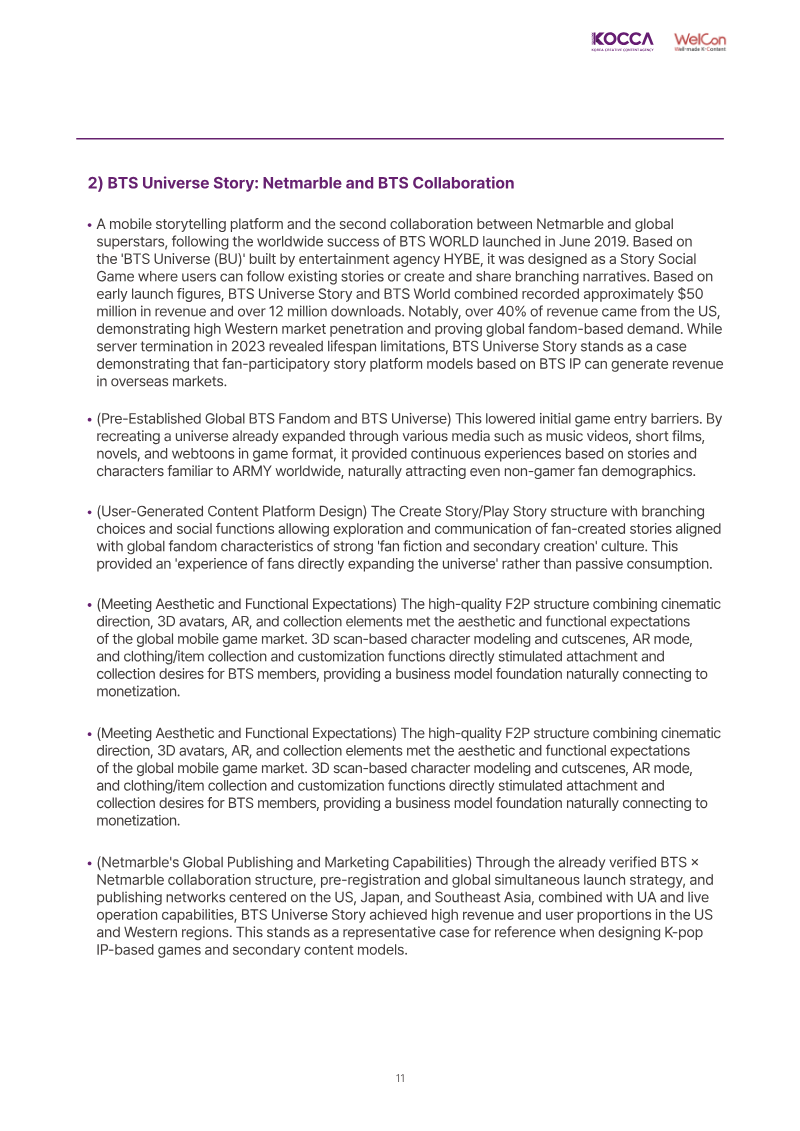
Taiwan is very huge so I wasn't considering our company we categorize Taiwan separate from Southeast Asia sorry about that yeah yeah okey-dokey spinning things around and despite the massive domestic growth or perhaps but because of the domestic competition the big Asian companies seem very keenly interested in in the West and Western market Western companies I think in the last year Tencent particularly was responsible for like that ten four dollars out of every ten spent on our game investment and then you've got entities yuzu netmarble host of other companies do you think that's going to continue you think that trends are going to continues that you know it's that's certainly for the last just be pretty consistent to the last year and do you think ice continued and also do you think there's going more companies looking to be truly kind of global it's something a couple of times can be reached where global company now is that
is that a trend we should we should look for and going for I'll just go with Chinese like to make money throwing that one out there I mean I think you'll see that trend continue there's there's big conglomerates who weren't even in gaming that's suddenly by gaming because they want the profitability from it but I think the the smarter ones are looking at what the opportunities are globally and what moves they can make in being in charge of some of the in many cases and I think a Chinese company do have a lot of problems integrating when they acquire Western companies Tenzin's been doing pretty good but they have learned hard lessons so they're pretty much hands-free because they acquires so many anyway I think in between 2016 to 2017 they do average of five per week's equity or they don't have time they just have to let go free but otherwise I don't want to mention to them they have problems integrating so they're still
learning to be global and they want to be gova but they are still learning hard ways okay I would say also that you know all large Chinese companies want to be large worldwide companies so they feel like they have a mandate to expand in M&A is their best way and also M&A is their best way of making games that might appeal to the global audience because of how games are made in China you know they kind of maybe rush into something before planning it out as much so they have some problems on the creative side so they might think it's easier oh we can just acquire this other company and that can give us the creativity we need to expand internationally penetrate the markets there the user base yeah same in Korea I don't think any entrepreneur in Korea says I'm gonna be the best company in Korea and they all want to be the best company globally so they have huge ambitions I think compared to the
Chinese hands-off approach I think most Korean companies would want to be very hands-on also and globally integrated is the difference that I I may see ok nice company hands-on that's just 10 cent not the rest to close I guess I just like a quick one recommendation from issue for if you're a western developer a midsize indie maybe and considering the chart and consuming looking Asia thinking you want to do something there what would be what is it focusing a specific region is it a particular strategies or something else I mean what is that will be a one kind of sort of piece of advice I guess my advice would be try to be yourself as much as possible don't try to be Asian um I think it's the other way around too so if you get lucky like as Asian um you might be successful and make a
California roll but I think bringing out sushi is the best way to approach this market so yeah I think it works the other way too trying to be yourself and trying to be original works is a best strategy to to penetrate the East in my opinion cool I would say if you're gonna work with a Chinese partner and you take their money you're gonna be working for them so keep that in mind so you know coming to China or Asia it's not a magic pill it's a lot of hard work but if you if you're willing to put the work in you know you can make a lot of money yeah the the speeding China entrepreneur especially in gaming anything VR or crypto gaming I give a new term it's co-ceos it's Chinese entrepreneur speed it's so fast comparing to the Western speed so when you work with them except when they do MMA sometimes they kind of drag on their
feet but you know like you know you said to beYOU the relation you might do me to some of the Chinese companies through their relationship even though you're not forming the partnership right now still but be tolerant about their English level that kind of things and continue building that relationship and work with partners who know how to penetrate in the China market and give you good advices although that can be you know a little bit tougher challenge but you know again if you work on your own do pretty well in the Western market they'll come after you okay yeah I'm gonna add on to that I would say building the relationship is very important so it look for the relationship people are actually going to work with you if you're mid-sized India I think here's your example then you also want to make sure you're getting the right data you find a path where you're not just going to throw money or accept accept you know someone buying you and giving you mg you're gonna have to work hard at that if you're not if it's not panning out you may be ignored at that point you're being told you a lot but just ignored not giving a lot of marketing love so
find the right partner find the people are gonna work with you on the relationship side and definitely watch you know let data driver you're gonna go excellent jeferson any final thought yeah I think you know I just tried to come back to like what Q said like it's basically you know try to stand out and I think that's the only your best shot like I mean the yeah I mean if you just try to follow the formulas or whatever and you might end up in the middle of the other hundreds unless you have the power of you know being a big company or have like a big backer or something but if you're small then probably your best bet is just try to stand out what about the art style or you know the whatever you're trying to do like try to be different cool well thank you very much Kevin applause placed my amazing panel [Applause] [Music]
[Music]
Summary
The global mobile gaming landscape is currently defined by a strategic tension between the mature, high-barrier markets of East Asia and the expansive, growth-oriented opportunities in the West. The Asia-Pacific region, anchored by China, Japan, and South Korea, serves as the primary engine of industry innovation and revenue. However, these markets are characterized by extreme saturation and complex regulatory environments, necessitating deep localization and robust local partnerships for any foreign entity attempting entry. Conversely, Western developers are advised to solidify their domestic footing before navigating the complexities of the Chinese market, where industry giants like Tencent and NetEase maintain significant dominance.
As domestic growth plateaus in Asia, major conglomerates are increasingly utilizing mergers and acquisitions to secure Western intellectual property and creative talent. This expansion strategy reveals distinct management philosophies, with Chinese firms often favoring autonomous operations for acquired studios, while Korean companies typically implement more integrated, hands-on management structures. Despite these efforts, the integration of Western creative cultures into Asian corporate frameworks remains a persistent operational challenge.
Future growth is shifting toward emerging territories such as Indonesia and Vietnam, where advertising-based monetization models are proving highly effective. While traditional live-ops and MMORPG frameworks continue to command significant market share, the industry is pivoting toward real-time multiplayer experiences and blockchain-integrated gaming. Success in this globalized environment requires a departure from superficial localization in favor of authentic, original content that resonates with local user preferences. Ultimately, the most successful developers are those who leverage data-driven insights to navigate the distinct cultural nuances of both Eastern and Western audiences, ensuring that product development aligns with the specific engagement patterns of each region.





















Comments