Super Mario Bros.
Documents about Super Mario Bros.
Nintendo Financial Results: Fiscal Year Ended March 31, 2024
Nintendo’s financial results for the fiscal year ending March 31, 2024, reflect a period of moderate growth that is now transitioning into a projected downturn.
- Nintendo projects a significant downturn for the 2025 fiscal year, forecasting a 19.3% decline in net sales and a 38.9% drop in net profit.
- Management confirmed that an announcement regarding a successor to the Nintendo Switch console will occur within the current fiscal year ending March 31, 2025.
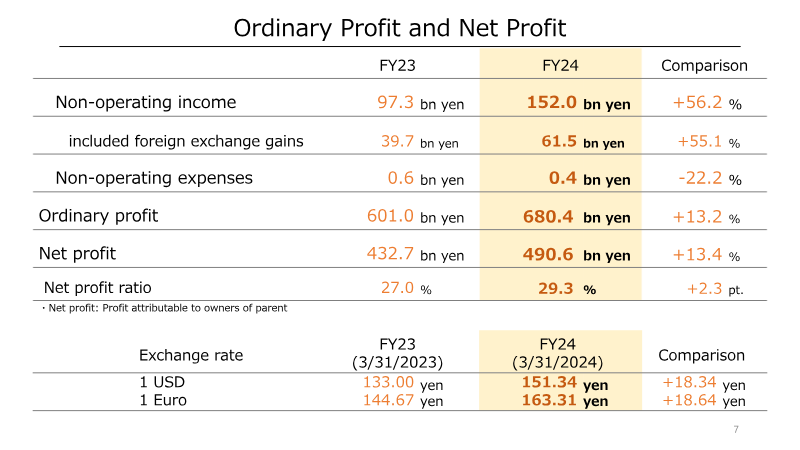
- For the fiscal year ended March 31, 2024, Nintendo reported net revenue of ¥1.67 trillion, a 4.4% year-over-year increase, and a net profit of ¥490.6 billion, up 13.4%.
Nintendo Financial Results Explanatory Material: Fiscal Year Ended March 2024
The financial results for the fiscal year ending March 31, 2024, demonstrate a period of sustained growth for Nintendo, characterized by increased net sales and profitability despite a decline in hardware unit volume.
- Nintendo reported net sales of 1,671.8 billion yen (up 4.4%) and an operating profit of 528.9 billion yen (up 4.9%) for the fiscal year ending March 31, 2024.
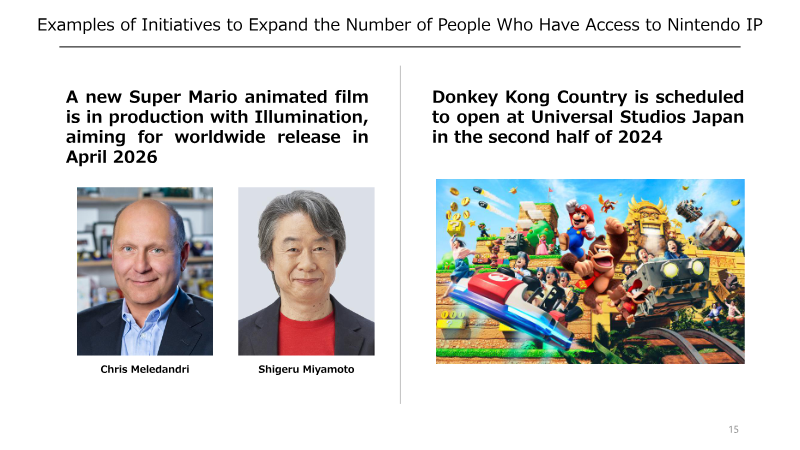
- Mobile and intellectual property-related income surged by 81.6%, providing a significant boost to overall profitability.
- Nintendo Switch hardware sales declined 12.6% to 15.70 million units, while software sales reached 199.67 million units driven by titles like The Legend of Zelda: Tears of the Kingdom and Super Mario Bros. Wonder.

GMTK Reading List: April 2024
The April 2024 edition of the Game Maker’s Toolkit reading list serves as a curated digest of industry insights, focusing on the intersection of game design philosophy and technical development practices.
- The development of Super Mario Bros. Wonder required a rigorous filtering process that narrowed down 2,000 distinct environmental effect ideas into the final game.
- Modern game design discourse increasingly emphasizes the value of mechanical friction and imperfection, as highlighted by the design inefficiencies found in Dragon’s Dogma 2.
- Game developers are facing challenges where gameplay economics can inadvertently undermine or conflict with the core narrative themes of a title, as observed in SOMA.

A Mario Movie Sequel / Activision's New Union / Apple's EU Troubles / Toys x Games
The gaming industry is currently undergoing a period of structural transformation characterized by the aggressive expansion of intellectual property, shifting labor relations, and evolving regulatory pressures.
- Microsoft has officially recognized a 600-person union representing quality assurance staff, marking a significant shift toward collective bargaining in the North American gaming sector.
- The EU's Digital Markets Act now mandates that Apple permit third-party app stores and alternative payment methods, though restrictive compliance requirements continue to limit the practical benefits for developers.
- Major toy manufacturers like Mattel are shifting from traditional licensing to internal co-development and self-publishing to capture more value from digital-first younger demographics.

Games: Once Upon Now in Hollywood
The entertainment industry is undergoing a fundamental shift as video games emerge as the primary source of intellectual property for Hollywood.
- Hollywood is shifting its primary source of intellectual property from comic books to video game franchises, following the commercial success of titles like The Super Mario Bros. Movie and The Last of Us.
- Game developers are increasingly retaining significant creative control, including script and director approval rights, to ensure adaptations remain faithful to their established canon.
- Upfront royalty payments for game-to-film adaptations currently range from $1 million to $20 million per project.

Betting the Kingdom: Disney's $1.5 Billion Push into Gaming and the Future of Entertainment
This analysis explores the strategic realignment of major entertainment and gaming entities, centered on Disney’s $1.5 billion equity stake in Epic Games.
- Disney is investing $1.5 billion in Epic Games to build a persistent 'digital theme park' within Fortnite, marking a strategic shift from a licensing-only model to direct participation in interactive digital environments.
- Microsoft is considering porting major first-party titles like Starfield and Indiana Jones to PlayStation and Nintendo platforms to maximize returns on its ZeniMax and Activision Blizzard acquisitions, despite potential risks to the Xbox hardware ecosystem.
- Roblox reached a record $1.127 billion in quarterly bookings, demonstrating the financial viability of business models centered on user-generated content.
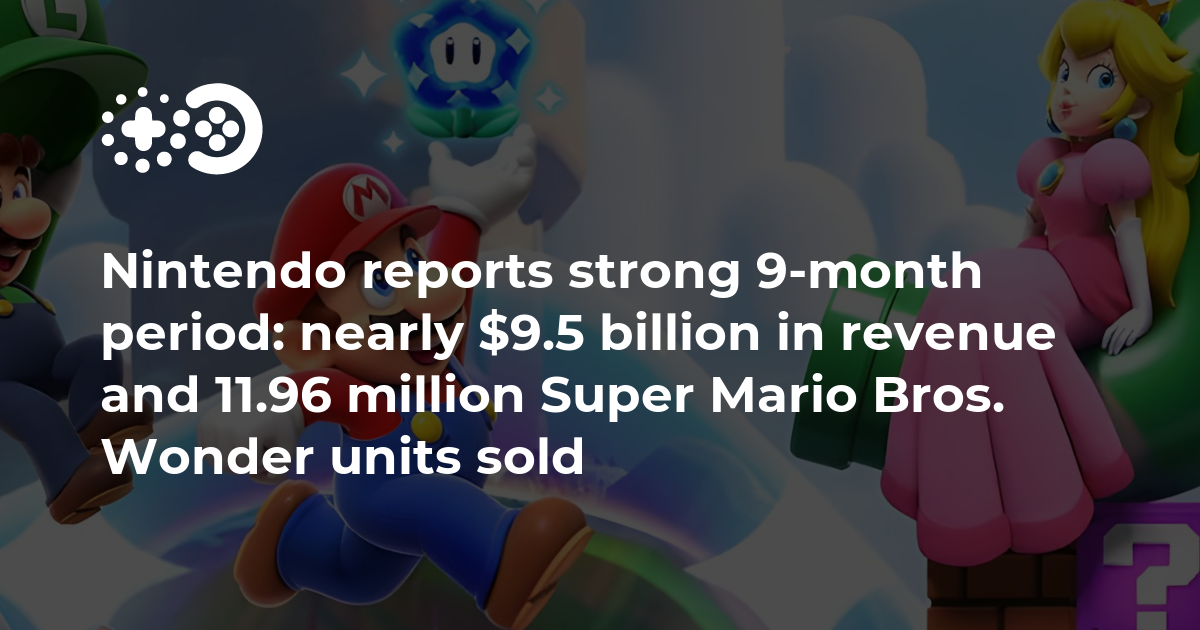
Nintendo Q3 Financial Results
Nintendo’s financial results for the first nine months of fiscal year 2024, covering the period from April 1 to December 31, 2023, demonstrate sustained growth in revenue and profitability.
- Nintendo reported strong financial growth for the first nine months of fiscal year 2024, with revenue reaching $9.4 billion (up 7.7%) and net profit rising 17.9% to $2.74 billion.
- The Nintendo Switch reached 139.3 million lifetime units sold, remaining the third best-selling console in history despite a 7.8% year-over-year decline in hardware sales to 13.74 million units.
- Digital sales are a growing revenue pillar, increasing 11.7% year-over-year to account for 48.1% of total revenue, supported by an ecosystem of 122 million annual paying users.
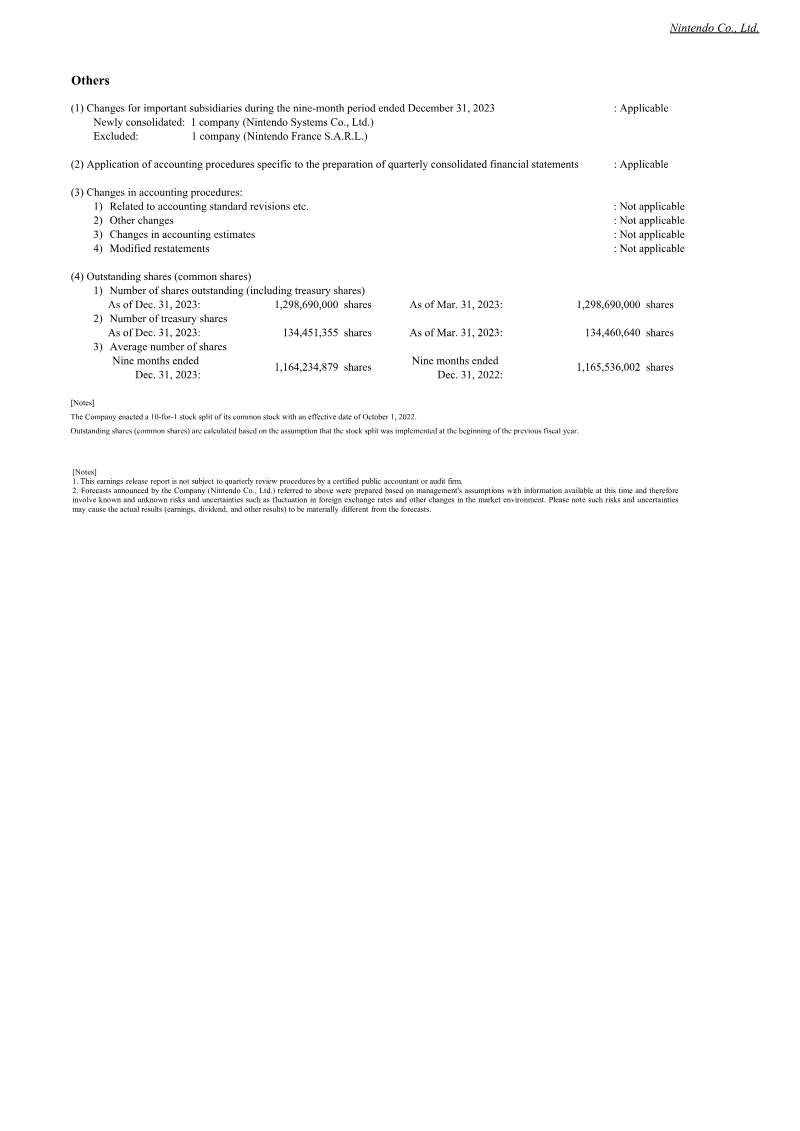
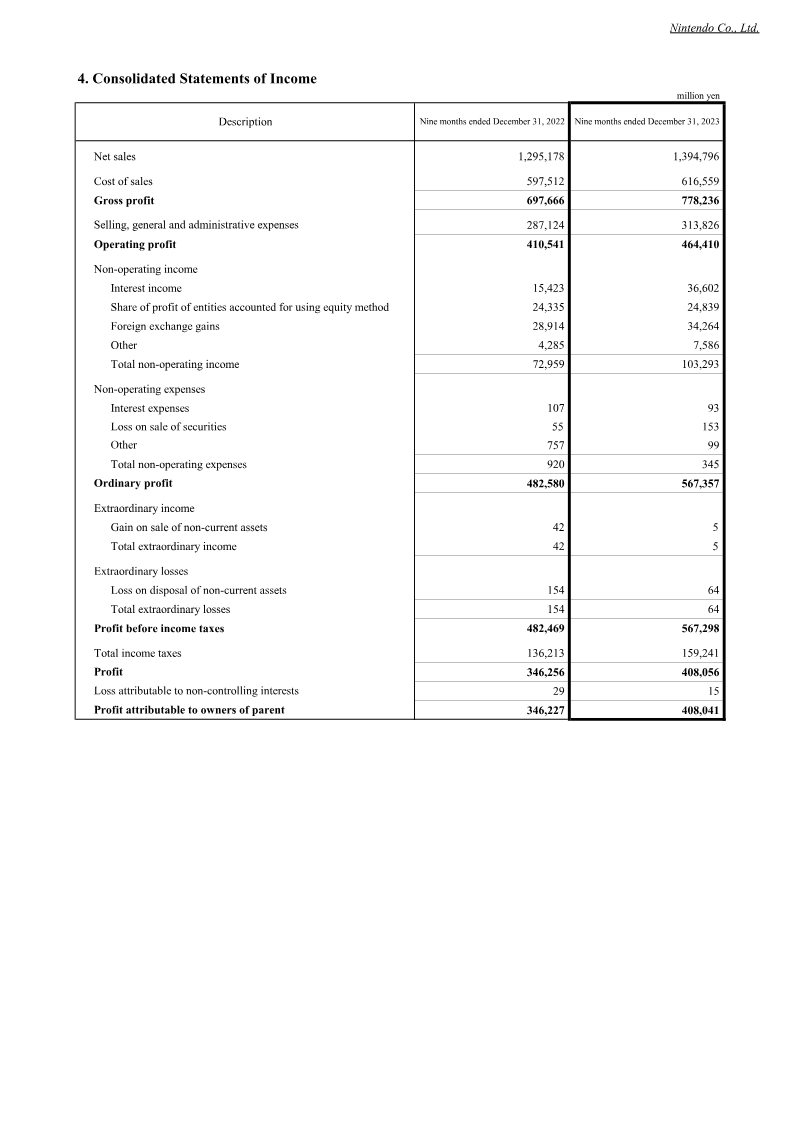
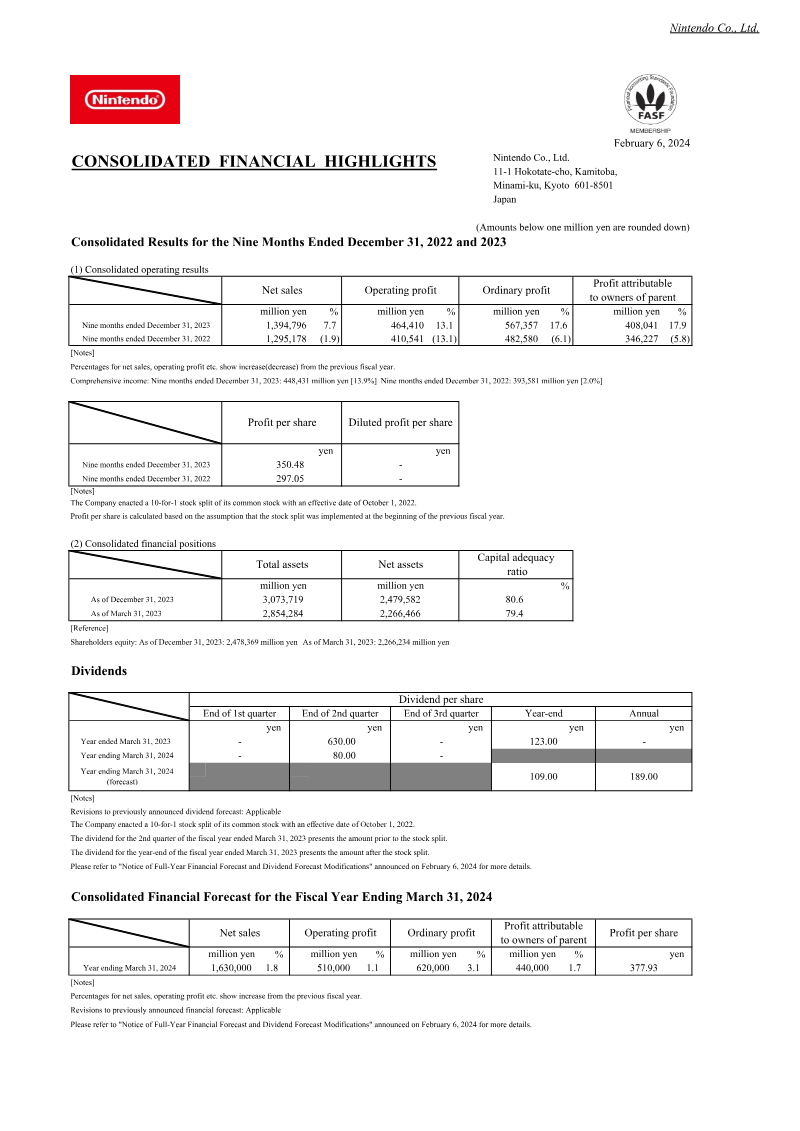
Nintendo Consolidated Financial Highlights: Nine Months Ended December 2023
Nintendo’s consolidated financial results for the nine months ended December 31, 2023, demonstrate sustained profitability and growth in the seventh year of the Nintendo Switch platform’s lifecycle.
- Nintendo achieved strong growth for the nine months ending December 31, 2023, with net sales rising 7.7% to 1,394.7 billion yen and operating profit increasing 13.1% to 464.4 billion yen.
- The mobile and IP-related segment saw a 93.4% year-on-year revenue surge to 75.2 billion yen, driven significantly by the success of The Super Mario Bros. Movie.
- Software performance remained a primary driver, led by Super Mario Bros. Wonder with 11.96 million units sold, alongside sustained sales for The Legend of Zelda: Tears of the Kingdom and Pikmin 4.
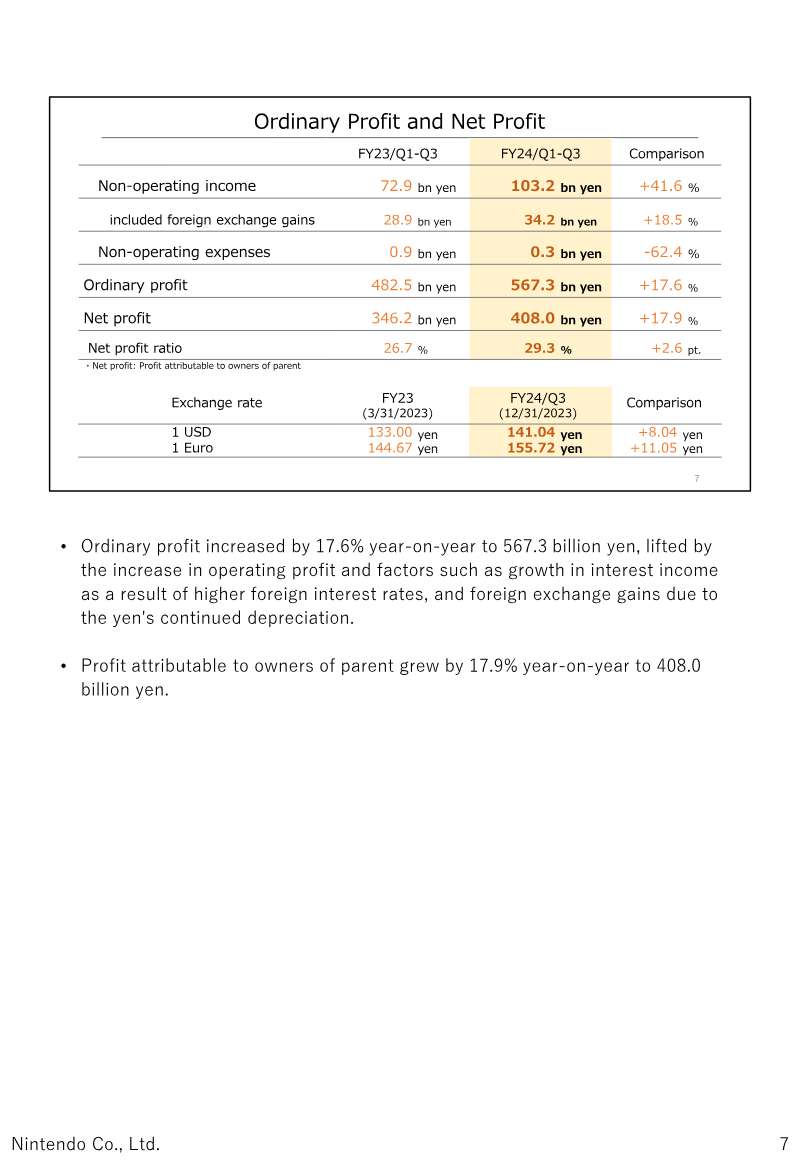
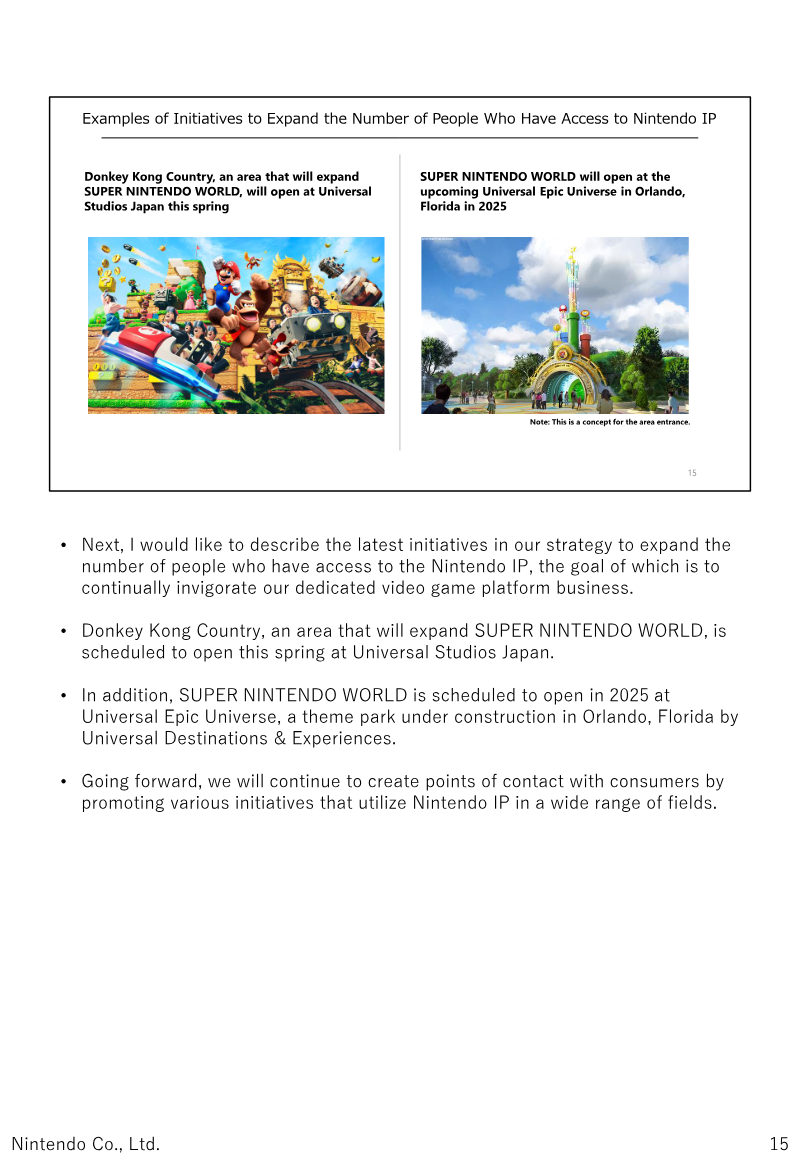
Nintendo Financial Results Explanatory Material: 3rd Quarter of Fiscal Year Ending March 2024
The financial results for the first nine months of the fiscal year ending March 2024 demonstrate robust growth for Nintendo, characterized by increased profitability despite a decline in hardware unit sales.
- Nintendo reported strong financial growth for the first nine months of FY2024, with net sales rising 7.7% to 1,394.7 billion yen and operating profit increasing 13.1% to 464.4 billion yen.
- The company upwardly revised its full-year earnings forecast to 1,630.0 billion yen in net sales and 510.0 billion yen in operating profit, alongside increased annual sales targets of 15.50 million hardware units and 190.00 million software units.
- Mobile and intellectual property-related revenue surged by 93.4%, serving as a major driver for overall profitability alongside favorable yen depreciation and high-margin first-party software sales.

What Were the Top New PC & Console Games of 2023?
This analysis identifies the top-performing new video game releases of 2023 across major PC and console platforms, including Steam, Xbox, PlayStation, and Nintendo Switch.
- Steam's market shows a clear bifurcation where independent titles like Sons Of The Forest lead in unit sales, while high-priced AAA releases like Hogwarts Legacy capture the majority of gross revenue.
- Console markets on PlayStation and Xbox remain heavily reliant on established intellectual properties and sequels, with Call of Duty: Modern Warfare III, EA Sports FC 24, and Spider-Man 2 serving as the primary revenue drivers.
- Consumer behavior differs significantly by platform, as Steam players demonstrate a high appetite for mid-priced indie games, whereas console users prioritize premium AAA experiences or subscription-based access.
Games Industry Finance Cheat Sheet: Autumn 2023
The Autumn 2023 Games Industry Finance Cheat Sheet provides a consolidated overview of financial performance for major publicly traded video game companies.
- Ubisoft reported a 36.6% year-on-year growth in net bookings, driven by a strong release slate.
- Tencent achieved a 10% revenue increase as Chinese regulatory conditions for the gaming sector softened.
- Electronic Arts successfully rebranded its football franchise to EA Sports FC, securing 14.5 million accounts at launch.

Playing, Fast and Slow: Patient Publishers Surprise as the Biggest Innovators
The global gaming industry is currently navigating a period of intense contradiction, characterized by a surge in high-profile content releases alongside widespread labor instability and structural contraction.
- Long-term brand building is outperforming short-term cost-cutting, as evidenced by Nintendo’s successful cross-media strategy, which includes the $1.4 billion Super Mario Bros. Movie and 20 million units sold for Tears of the Kingdom.
- The gaming industry is experiencing a structural contradiction where high-profile releases like Marvel’s Spider-Man 2 coexist with widespread labor instability and mass layoffs at major studios including Epic Games and Bungie.
- Esports is facing a significant market correction, highlighted by the dissolution of the Overwatch League at a $120 million cost and a 75% decline in the enterprise value of major esports firms since 2021.