Key insights
5 slides
The digest
April 2024 GMTK list curates game design and development insights.
The collection highlights articles, video essays, and documentaries on creative constraints, economic systems, and iterative processes.
Key number
Super Mario Bros. Wonder narrowed 2,000 environmental effect ideas into the final game.
The development process involved a rigorous filtering of distinct environmental effects. This illustrates how iterative processes and creative constraints shape the final player experience.
Design friction
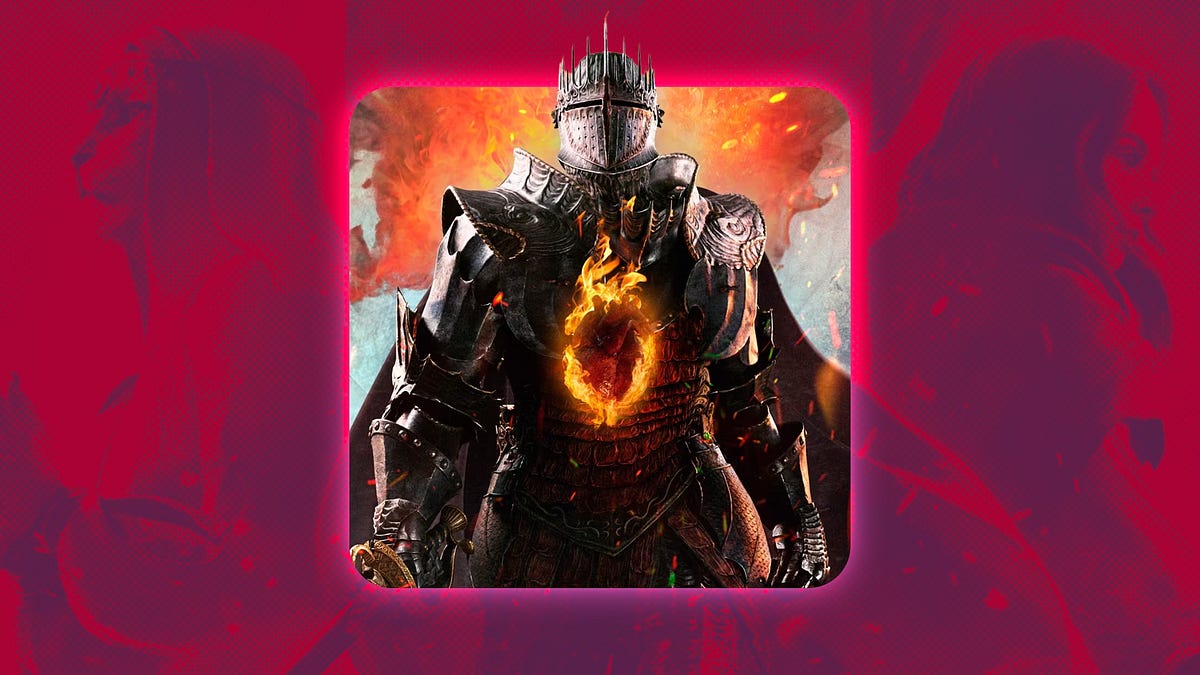
Dragon’s Dogma 2 highlights the value of mechanical friction and imperfection.
Modern game design discourse increasingly emphasizes the value of mechanical friction and imperfection.
Narrative conflict
SOMA shows gameplay economics can conflict with core narrative themes.
Game developers face challenges where gameplay economics can inadvertently undermine or conflict with core narrative themes. This is observed in the title SOMA.
Small teams
Pentiment serves as a case study for small-team game development.
The production of the historical role-playing game Pentiment provides a comprehensive look at collaborative realities. It serves as a primary case study for understanding the constraints of small-team game development.
1 / 5
Ask AI about this report