Game File
Media115 documents
Documents
Article
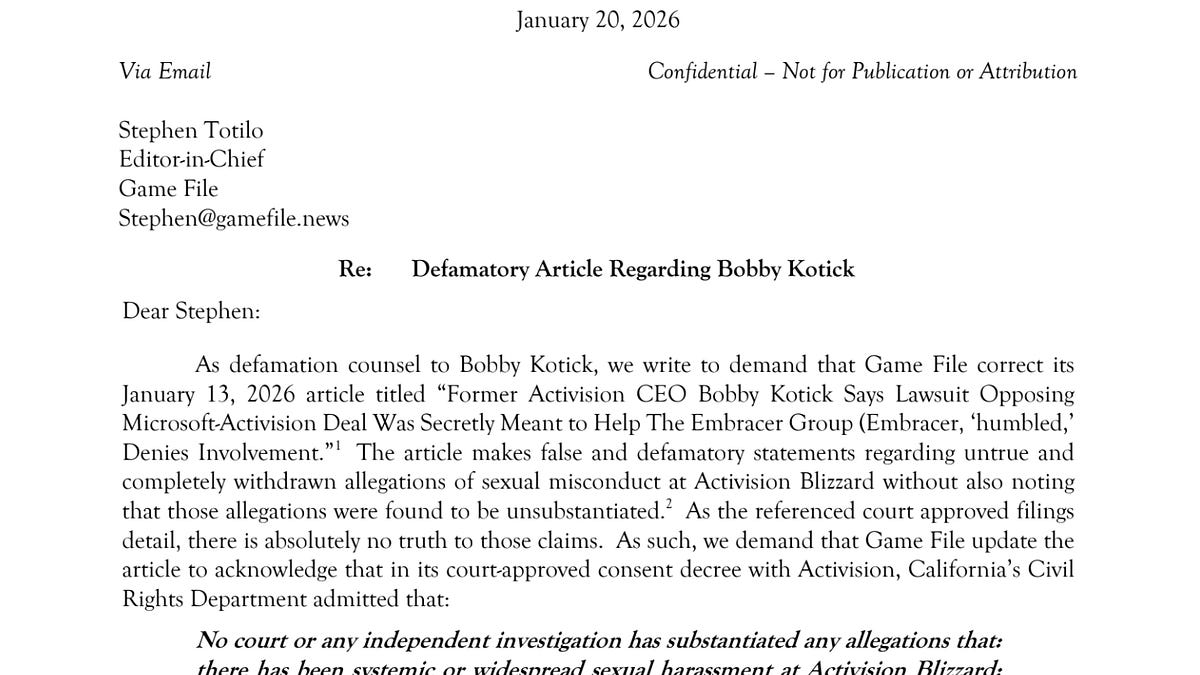
Bobby Kotick’s Lawyers Sent Me a Bad Email (and Later Apologized)
This account details a recurring strategy employed by former Activision Blizzard CEO Bobby Kotick and his legal counsel, the firm Clare Locke, to influence media coverage regarding his tenure. The primary thesis highlights a pattern of aggressive legal correspondence sent to journalists, demanding the inclusion of specific language from a 2023 California civil rights settlement to mitigate reports concerning past workplace misconduct allegations. These legal threats often allege that failure to comply constitutes actual malice, a standard for libel, even when the requested information is already present in the original reporting.
The narrative centers on a specific incident from January 2026, where the author received a four-page legal demand regarding an article that already contained the requested disclaimer. The firm subsequently apologized, citing a review of an incomplete version of the text. This experience serves as a case study for the broader pressure tactics used against independent and mainstream media outlets, some of which have opted to append statements to their articles or remove content entirely under legal duress.
The scope of these activities spans the period following the 2021 workplace scandals at Activision Blizzard through 2026. The methodology relies on personal testimony, direct correspondence with legal counsel, and observations of industry-wide trends in media compliance. By documenting these interactions, the analysis emphasizes the challenges independent journalists face when navigating legal intimidation from high-profile figures. It concludes that such threats are a systemic cost of independent industry reporting, underscoring the necessity for editorial independence and robust legal support for journalists covering the video game sector.
- Former Activision CEO Bobby Kotick has employed the law firm Clare Locke to pressure media outlets into adding specific language from a 2023 California civil rights settlement to their reporting on his tenure.
- The requested legal language asserts that no court or independent investigation has substantiated claims of systemic sexual harassment or executive misconduct at Activision Blizzard.
- Journalist Stephen Totilo received a legal threat from Clare Locke regarding a January 2026 article, despite the fact that the requested language was already included in his original reporting.
- Clare Locke apologized for the confusion after Totilo challenged the demand, suggesting the firm had reviewed an incomplete version of the article.
- The effort to shape press coverage is part of a broader strategy by Kotick to influence public perception regarding his leadership and the 2021 workplace misconduct allegations.
Game FileSept 2026

Article
Six Resident Evil Games Sold Over Three Million Copies: Capcom Epiphanies
The primary objective of this analysis is to evaluate the sustained commercial performance of the Resident Evil franchise by examining Capcom’s internal sales data. The central thesis posits that Capcom’s strategic combination of aggressive discounting on legacy titles, consistent marketing, and a robust remake initiative has created a long-tail sales phenomenon, allowing older entries to remain highly profitable years after their initial release.
The data covers the period from July 1, 2025, to June 30, 2026, focusing on global sales performance across the Resident Evil portfolio. A key finding is that six distinct titles—Resident Evil 2 remake, Resident Evil 3 remake, Resident Evil 4 remake, Resident Evil 7 biohazard, Resident Evil Village, and the new Resident Evil Requiem—each achieved over three million units sold within this single 12-month window. Notably, Resident Evil Requiem reached eight million copies within four months of its February 2026 launch, while older titles like the 2023 Resident Evil 4 remake continued to move five million units during the same period.
The methodology relies on an longitudinal analysis of Capcom’s official investor relations sales data, which tracks cumulative unit sales for million-selling titles over the past two decades. By aggregating sales across various ports and remakes, the analysis demonstrates that the franchise maintains a consistent revenue stream regardless of a game's age. This evidence of enduring demand serves as a primary driver for Capcom’s ongoing development strategy, which includes the prioritization of high-profile remakes for classic entries in the series.
- Between July 1, 2025, and June 30, 2026, six distinct Resident Evil titles each sold over three million copies: Resident Evil 2 remake, Resident Evil 3 remake, Resident Evil 4 remake, Resident Evil 7, Resident Evil Village, and Resident Evil Requiem.
- The newest entry, Resident Evil Requiem, achieved eight million copies sold within four months of its late-February 2026 release.
- The 2023 remake of Resident Evil 4 maintained strong momentum by selling over five million copies during the 2025–2026 fiscal period.
- Older titles continue to demonstrate significant sales longevity, with 2021’s Resident Evil Village selling 3.6 million copies and 2017’s Resident Evil 7 selling 3 million copies between mid-2025 and mid-2026.
- Capcom’s strategy of aggressive discounting on older back-catalog titles and consistent franchise marketing is credited for the sustained sales performance of the Resident Evil series.
+4
Game FileSept 2026
Article
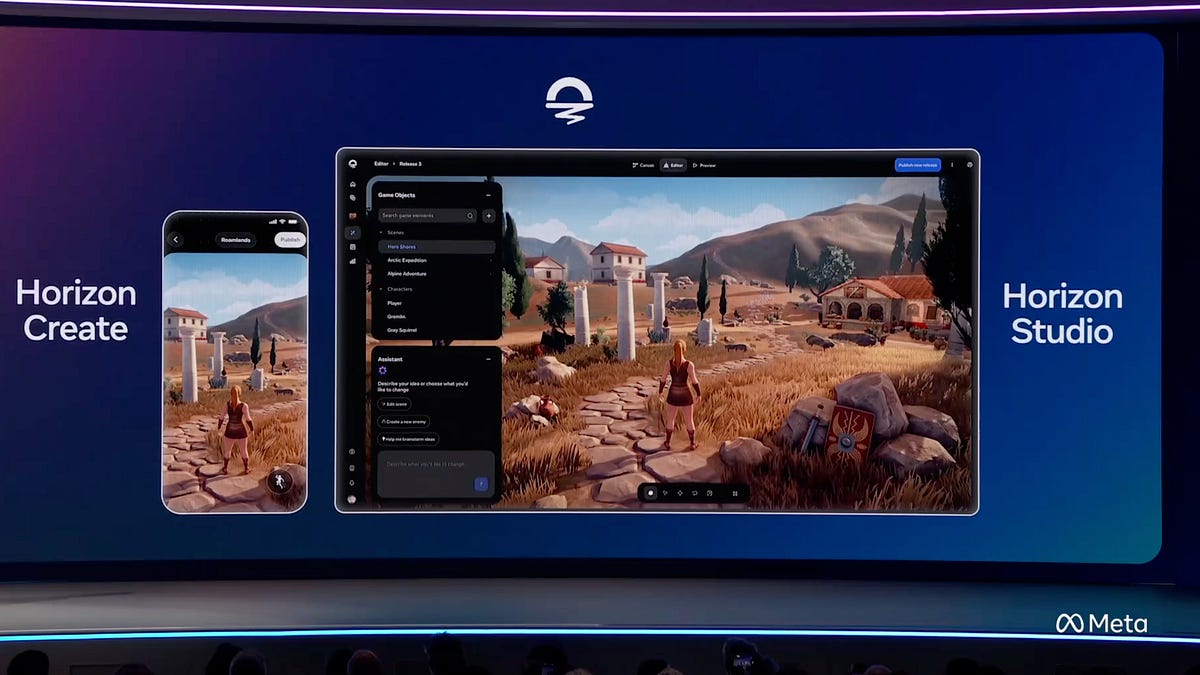
Meta's AI-Driven Plans for Game Development
Meta is pivoting its gaming strategy away from virtual reality toward AI-driven development tools, aiming to democratize game creation through its new Horizon Create platform. The company’s thesis posits that users should be able to build playable 2D and 3D games using natural language prompts, eliminating the need for traditional coding or artistic expertise. By leveraging AI agents, Meta intends to allow creators to iterate on game environments, mechanics, and quests in real time, with the ultimate goal of fostering a collaborative, sandbox-style development environment accessible via mobile and web interfaces.
The proposed ecosystem, which includes a web-based version called Horizon Studio, is designed to integrate directly with Meta’s social platforms, such as Instagram and Facebook, allowing games to be surfaced and played without requiring separate app downloads. Meta’s approach emphasizes player retention, with AI agents tasked with analyzing engagement metrics to suggest iterative improvements. This strategy positions Meta as a direct competitor to platforms like Roblox, focusing on a low-barrier, prompt-based workflow that enables users to remix existing games or build new ones from scratch.
While the initiative represents a significant shift in Meta’s long-term gaming roadmap, several industry challenges remain. Key concerns include the potential for AI-generated content to lack originality or infringe on intellectual property, the economic viability of high-cost AI processing, and the environmental impact of large-scale computational demands. Furthermore, the industry is currently debating whether such automated tools will meaningfully enhance game design or merely saturate the market with low-quality content, leaving the long-term impact on professional game development studios uncertain.
- Meta is shifting its gaming strategy away from VR toward AI-driven development, launching 'Horizon Create' to allow users to build 2D and 3D games via text prompts without coding or art skills.
- The Horizon Create platform enables users to build games from scratch or 'remix' existing games found within the app, aiming to compete directly with platforms like Roblox.
- Meta’s vision for the future of game development involves real-time, collaborative environments where multiple creators use AI 'agents' to simultaneously modify shared virtual worlds.
- Games created through these AI tools are designed to be playable within the Horizon app or surfaced directly on Instagram and Facebook without requiring a separate app download.
- Xbox is also actively building a team focused on developing 'agentic' tools for game creation and distribution, signaling a broader industry trend toward AI-assisted development.
+2
Game FileSept 2026
Article
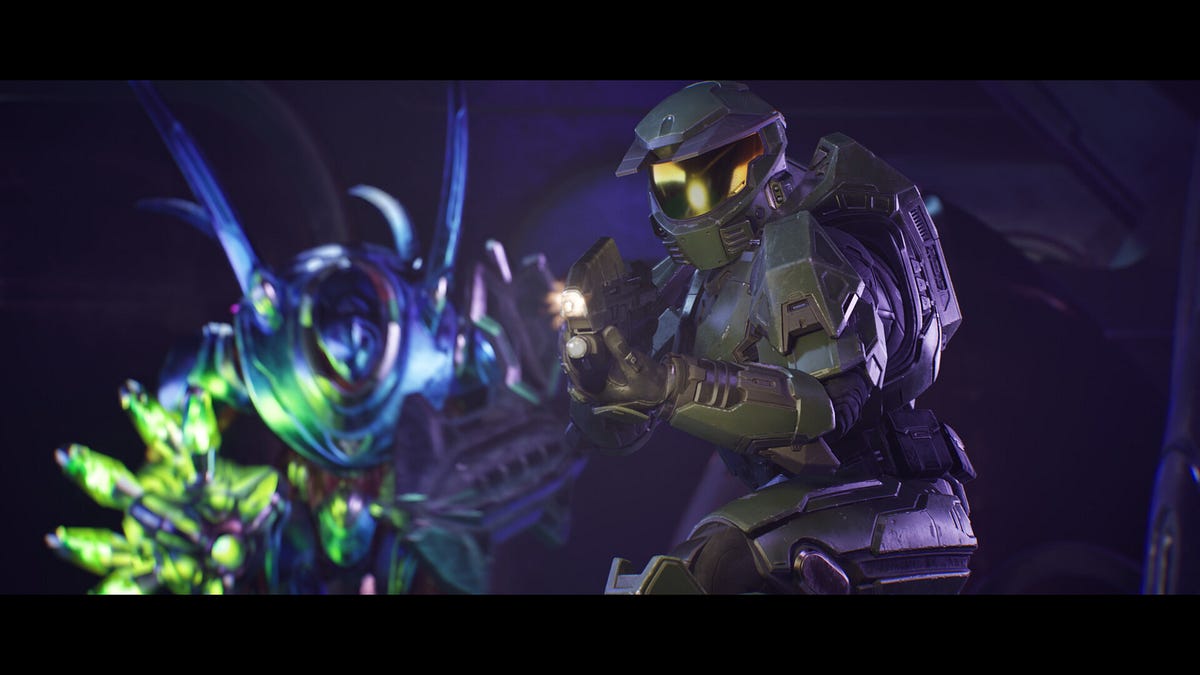
Microsoft Makes Big Cuts at Halo Studios, Shifts Franchise to Activision
Microsoft is undergoing a significant restructuring of its gaming division as of September 2026, characterized by workforce reductions, studio reassignments, and a fundamental shift in the management of its flagship intellectual property. The company has initiated a new wave of 268 layoffs, primarily impacting Halo Studios and Xbox Games Studio management, as part of a broader reduction plan totaling 3,200 positions.
A central component of this reorganization is the transfer of the Halo franchise from Halo Studios to Activision. Under this new structure, Halo Studios will transition to a support and caretaker role, while a newly assembled team within Activision will assume responsibility for the development and publication of future titles. This move aligns with a wider effort to consolidate various studios under specialized internal umbrellas; for instance, Rare and World’s Edge are moving under Activision, Obsidian is shifting to Bethesda, and Microsoft Casual Games is being integrated into King.
The restructuring also highlights instability within the company’s studio portfolio. A previously planned sale of the UK-based studio Ninja Theory has collapsed, leaving the developer at risk of closure as Microsoft begins a formal consultation process. Additionally, the company is divesting from Undead Labs by returning the studio to its management and is currently evaluating the future of Arkane Lyon. These developments reflect a strategic pivot toward centralizing development resources and streamlining operations across Microsoft’s global gaming assets.
- Microsoft is laying off 268 employees, primarily from Halo Studios (formerly 343 Industries) and Xbox Games Studio management, as part of a broader 3,200-person workforce reduction announced in July.
- Development of the next Halo game is moving to Activision, where a newly assembled team will lead production and publishing, while Halo Studios shifts to a caretaker and support role.
- The potential sale of Ninja Theory has fallen through, leaving the studio at risk of closure and subject to a formal consultation process.
- Microsoft is restructuring its internal organization by moving several studios: Rare and World’s Edge will report to Activision, Obsidian will report to Bethesda, and Microsoft Casual Games will report to King.
- Turn 10 (Forza) is merging with Playground Games (Forza Horizon, Fable) as part of the ongoing consolidation of Microsoft's gaming business.
+3
Game FileSept 2026

Article
Facing Theft Lawsuit, 2K Exec Argues Against Virtual Currency Transfers
Newly unsealed legal documents from a 2023 class-action lawsuit against Take-Two Interactive reveal the publisher's internal justifications for prohibiting the transfer of virtual currency (VC) between annual iterations of the NBA 2K franchise. The litigation, initiated by a minor and his mother, centers on allegations that the company effectively steals from consumers by shutting down game servers approximately 2.5 years after release, thereby rendering any remaining purchased currency balances inaccessible and non-refundable.
During a deposition, Take-Two’s vice president of product management, Michael O’Dwyer, cited two primary reasons for the lack of transferability. First, he claimed that no technical solution currently exists to facilitate the migration of currency across different game titles. Second, he argued that the company intentionally designs each annual release as a "fresh start" to ensure that all players, whether returning or new, begin with an equal competitive footing. O’Dwyer also noted that the company does not distinguish between purchased VC and currency earned through gameplay, suggesting that attempting to separate these balances would not provide a meaningful benefit to the user base.
Beyond the specific arguments regarding currency, the legal filings highlight the extensive data collection practices employed by Take-Two. The company maintains granular, day-by-day tracking of individual player behavior, including session duration, specific game modes played, and total spending habits. These insights into the publisher’s operational philosophy and data management capabilities provide a rare look at the mechanics behind the monetization strategies of one of the industry's most prominent sports simulation franchises.
- Take-Two Interactive is currently defending a 2023 class-action lawsuit alleging that the company effectively steals from players by shutting down servers for older NBA 2K titles roughly 2.5 years after release, rendering any remaining purchased virtual currency (VC) inaccessible.
- Take-Two maintains that players do not legally own the virtual currency they purchase, justifying the lack of refunds or transfer options when game servers are sunsetted.
- Michael O’Dwyer, VP of product management for NBA 2K, testified that there is no technical solution to enable the transfer of virtual currency between annual game editions.
- The publisher argues that preventing currency transfers is necessary to ensure a 'fresh start' for every user, providing an equal competitive opportunity for both new and returning players in each annual release.
- Unsealed legal documents reveal that Take-Two tracks granular player data, including daily activity logs, specific game modes played, session duration, and individual spending habits.
+2
Game FileSept 2026
Article
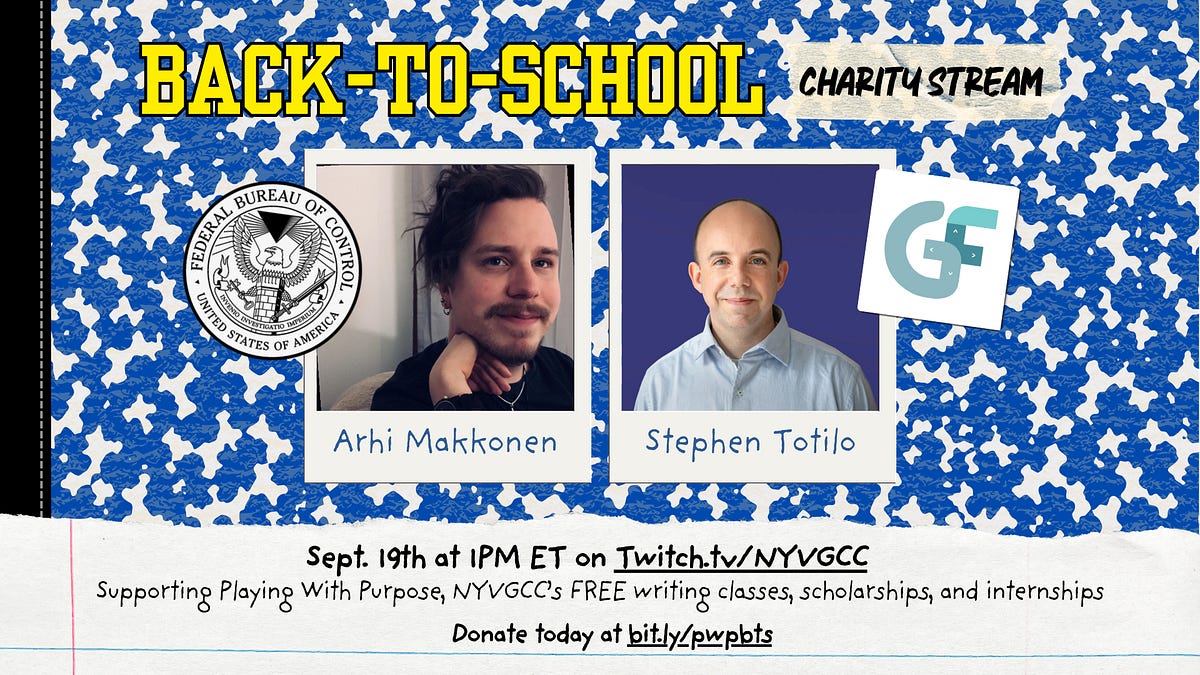
Programming Alert: I Interviewed a Control Resonant Developer
The New York Videogame Critics Circle is hosting a Playing With Purpose charity livestream on September 19, 2026, to support educational initiatives for underserved New York City high school students. The event aims to raise $2,500 to fund free writing courses, scholarships, and internships for youth interested in pursuing careers within the video game industry and games journalism.
The broadcast features a variety of industry figures, including a pre-recorded interview with Arhi Makkonen, a senior level designer at Remedy Entertainment. The discussion focuses on Makkonen’s professional trajectory, his contributions to the original Control, and his current work on the upcoming title, Control Resonant. The conversation serves as a human-interest profile, highlighting the career path of a developer at a prominent studio rather than focusing on marketing or promotional hype for the new game.
The event includes appearances from other notable industry professionals, such as Cliff Bleszinski and Abubakar Salim. The livestream is scheduled to begin at 1:00 PM, with the interview segment slated for the 6:00 PM hour. This initiative underscores the ongoing efforts of industry organizations to foster professional development and provide pathways for the next generation of talent through charitable programming.
- The New York Videogame Critics Circle is hosting a 'Playing With Purpose' charity livestream on September 19, 2026, to raise $2,500 for educational programs benefiting underserved New York City youth.
- The charity event features a pre-recorded interview with Arhi Makkonen, a senior level designer at Remedy Entertainment, scheduled to air during the 6 p.m. hour.
- The interview with Makkonen covers his career trajectory, his previous work on the original Control, and design shifts implemented for the upcoming title, Control Resonant.
- The 'Playing With Purpose' stream begins at 1 p.m. on September 19 and includes appearances from industry figures such as Cliff Bleszinski and Abubakar Salim.
- Proceeds from the fundraiser support the New York Videogame Critics Circle’s initiatives, which include free writing courses, internships, and scholarships for students pursuing careers in the video game industry.
Game FileSept 2026
Article
Game File: News Round-up
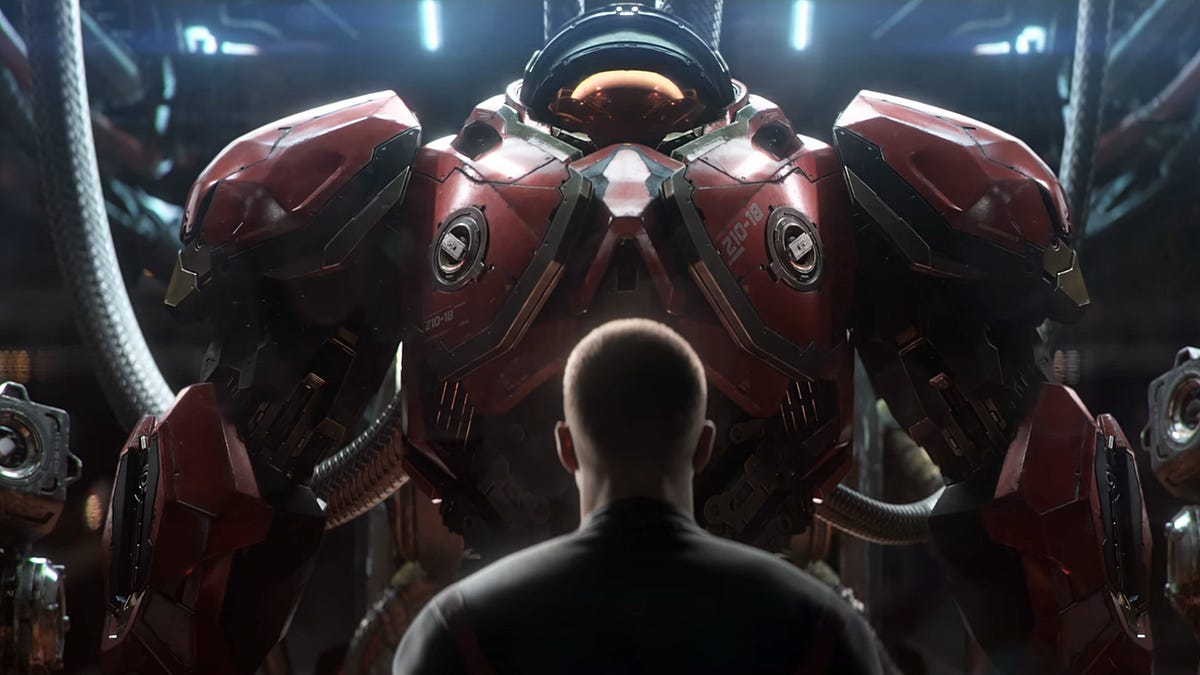
The gaming industry is currently experiencing a shift in long-term development transparency, highlighted by Blizzard Entertainment’s recent announcement of Diablo V and a new StarCraft title for 2029 and 2030, respectively. While studios frequently announce projects years in advance to facilitate recruitment, attaching specific release years to titles so far in the future remains an uncommon practice. Industry data indicates that while 2027 remains heavily populated with upcoming releases, the pipeline for 2029 and 2030 is currently sparse, consisting primarily of these high-profile announcements and a limited number of independent projects.
Beyond release scheduling, the industry is navigating significant labor and technological challenges. Workers at Microsoft-owned King have signaled a potential strike over collective bargaining demands, reflecting ongoing tensions regarding workplace influence. Simultaneously, the integration of generative AI remains a contentious issue; while nearly 86% of Japanese game developers now report using the technology—a sharp increase from 51% the previous year—studios like Level 5 have faced public backlash over its implementation. These developments occur alongside broader platform shifts, such as Roblox’s initiative to expand its games into standalone applications, and continued cross-media expansion, with Netflix deepening its partnerships with Sega and other major publishers for film and television adaptations.
These trends underscore a period of strategic recalibration across the global gaming sector. As studios balance the need for long-term confidence with the risks of public scrutiny regarding AI and labor relations, the industry continues to prioritize brand expansion through transmedia projects and platform diversification to capture a larger share of the global market.
- Nearly 86% of Japanese game developers now use generative AI in their work, a significant increase from 51% in 2025.
- Roblox is launching a 'Play Roblox Everywhere' initiative to allow its games to run as standalone apps on PC, mobile, and consoles, as well as in web browsers, to capture 10% of the global gaming market.
- Indie studio closures and layoffs continue, with Heart Machine laying off nearly its entire staff after funding was pulled and Polyarc announcing its closure after 12 years.
- Major publishers have begun announcing titles for 2029 and 2030, including Blizzard's StarCraft and Diablo V, though the long-term release pipeline remains sparse compared to 2027.
- Netflix is aggressively expanding its gaming-related media footprint through partnerships with Sega for a Crazy Taxi adaptation and with Ubisoft and Microsoft for Assassin's Creed, Splinter Cell, Gears of War, and Minecraft projects.
+1
Game FileSept 2026
Article
Nintendo's System Closers
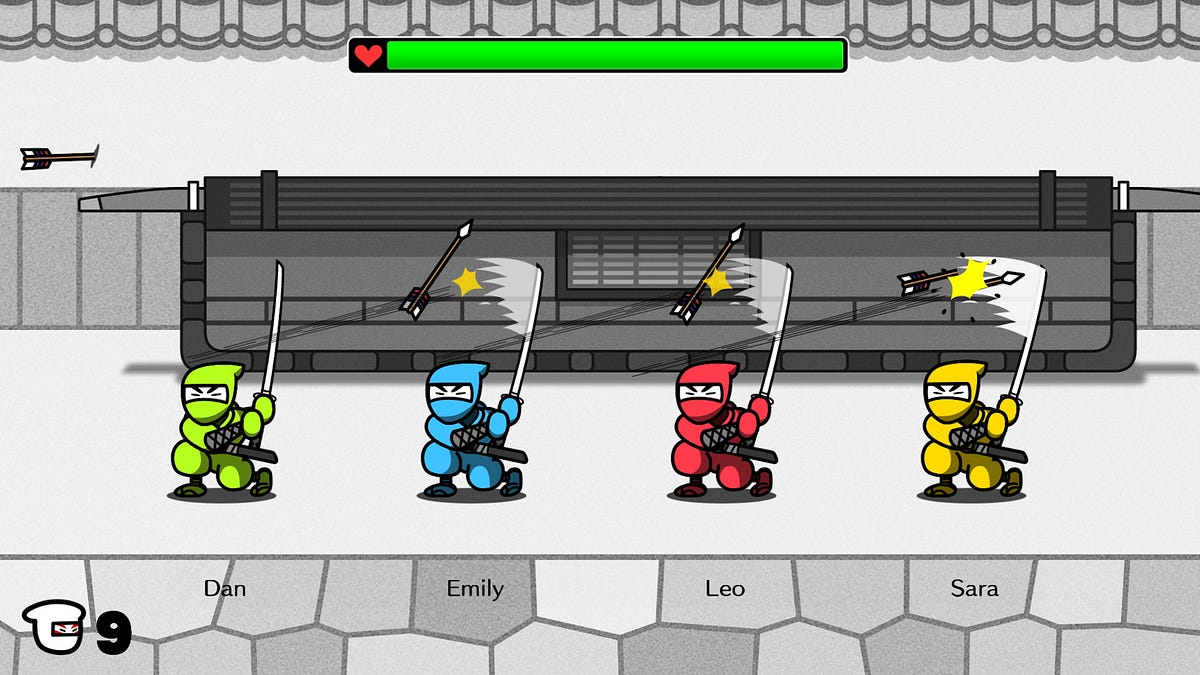
The recent absence of original Nintendo Switch software announcements during a major Nintendo Direct presentation suggests that the company has concluded its first-party development cycle for the platform. While Nintendo has not issued a formal statement regarding the cessation of software support, the lack of new titles or upcoming projects since March 2025 indicates a strategic shift toward the successor hardware. The final Nintendo-published title for the original Switch, Rhythm Heaven Groove, was released on July 2, 2026.
This transition reflects standard industry practices where platform holders eventually pivot resources away from legacy hardware to focus on newer systems. Historically, Nintendo has maintained a flexible approach to software support, occasionally releasing titles for older consoles long after their primary lifecycle ended, such as the 2017 release of Star Fox 2 for the Super Nintendo. However, the current evidence points to a definitive end for the original Switch’s active development phase.
The analysis contextualizes this potential conclusion by examining the historical lifespans of previous Nintendo consoles and handhelds. By comparing the duration of first-party support across generations—ranging from the NES to the 3DS—the findings highlight the typical trajectory of Nintendo’s hardware transitions. This assessment serves as a retrospective on the company’s platform management, noting that while hardware production is often officially discontinued, the timeline for final software releases remains less predictable and subject to internal strategic decisions.
- Nintendo has released no new first-party games for the original Switch since July 2, 2026, and has made no announcements for future titles on the platform.
- The most recent Nintendo-published game for the original Switch was 'Rhythm Heaven Groove,' which launched on July 2, 2026.
- A recent 45-minute Nintendo Direct presentation focused exclusively on upcoming Switch 2 software, signaling a shift in development focus away from the original hardware.
- The last Nintendo-backed announcements for the original Switch occurred in March 2025, when the company revealed 'Rhythm Heaven Groove' and 'Tomodachi Life Living the Dream.'
- While Nintendo has historically discontinued hardware—such as the Wii in 2013 and the 3DS in 2020—the company does not formally announce when it ceases software development for a specific platform.
+1
Game FileSept 2026
Article
22 Occasionally Romantic Hours with Marvel’s Wolverine
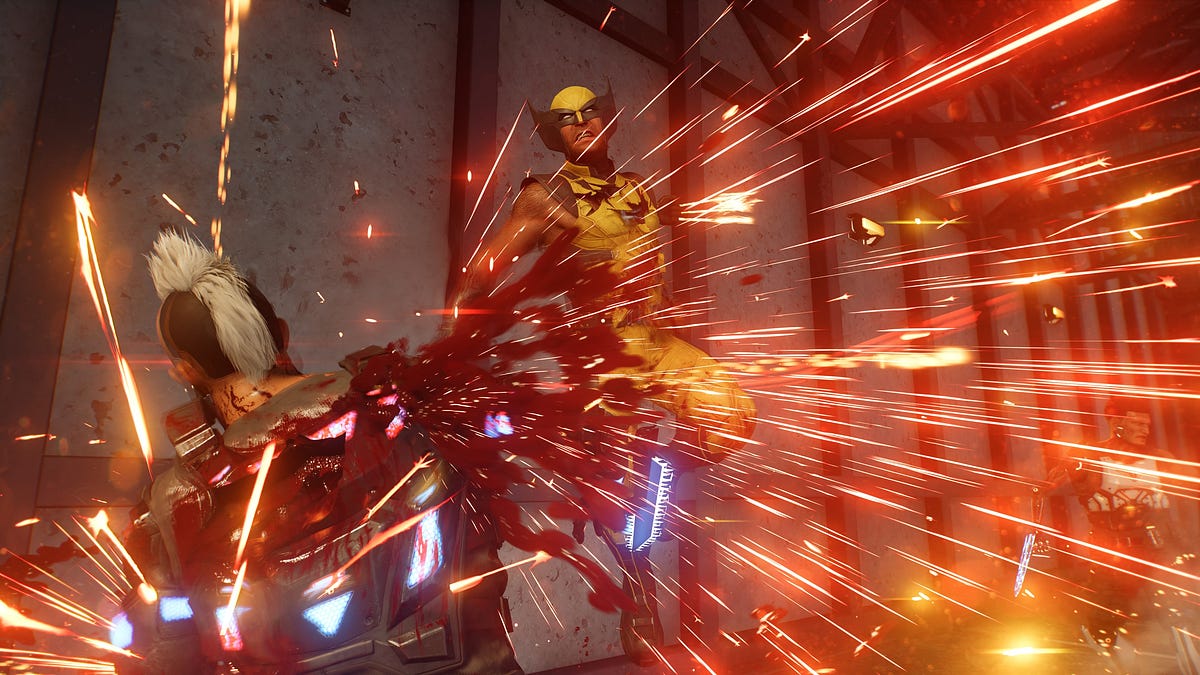
The review of Marvel’s Wolverine, a major PlayStation 5 exclusive released in September 2026, evaluates the title as a technically impressive but structurally conventional action game. The core thesis posits that while the game suffers from repetitive, formulaic level design typical of modern blockbuster "rage quests," its narrative focus on the romantic tension between Logan and Jean Grey provides its most compelling and refreshing element.
The game spans approximately 22 hours of gameplay, characterized by linear progression, straightforward combat mechanics, and standard exploration tasks such as locating currency chests and unlocking character outfits. Despite the high production values and technical polish expected of an Insomniac Games project, the combat is described as accessible and lacking significant challenge. The narrative experience relies heavily on the dynamic between the protagonist, Logan, and Jean Grey, who appears primarily through cutscenes and combat dialogue.
The development history of the title is noted for its extended timeline, spanning five years from its initial announcement to release. This period was marked by significant industry challenges, including a high-profile data theft and a change in creative leadership. Ultimately, the game is characterized as a solid, if predictable, entry in the superhero genre that succeeds more through its character-driven storytelling than through innovation in its core gameplay loop.
- Insomniac Games released Marvel’s Wolverine on September 10, 2026, as a major PlayStation 5 exclusive.
- The game features a linear, third-person action structure centered on combat, with gameplay lasting approximately 22 hours.
- Development of the title spanned five years following its initial announcement and included a change in creative directors two years prior to launch.
- The production process faced external challenges, including a significant data theft incident three years before release that resulted in the leak of early development footage.
- While the game is noted for its high-end technical performance, the core level design is described as conventional and the combat difficulty as notably low.
+1
Game FileSept 2026

Article
Two of Gaming’s Biggest Names Are Making a Big Investment in Gaming’s Future
The Nova Games Foundation, a newly established philanthropic initiative, aims to support the next generation of game designers through a university-affiliated fellowship program. Founded by industry figures Mark Cerny and Geoff Keighley, the organization is designed as a standalone, non-commercial project intended to foster artistic, literary, and societal value in video games. By providing financial resources and mentorship, the founders seek to help emerging creators navigate the transition from academic environments to professional development without the immediate pressure of commercial viability.
The program will award $100,000 grants to 20 fellows annually, with approximately 25% of recipients eligible for an additional $500,000 in project-based funding. These grants are provided without equity requirements, allowing developers to retain ownership of their intellectual property. The initiative is open to graduates from 13 affiliated universities across eight countries, including institutions in the United States, Scotland, France, Germany, and Australia. Applications for the inaugural cohort open in December 2026, with the first fellows to be announced in March 2027.
The foundation is supported by multi-million-dollar personal contributions from Cerny and Keighley, who intend to build a lasting endowment through industry-wide participation. The program emphasizes a "no-strings-attached" approach, offering mentorship from established industry leaders to assist fellows in honing their craft and leadership skills. By facilitating connections between young talent and the broader industry, the founders hope to establish a sustainable model for nurturing creative visionaries, with the ultimate goal of ensuring the program persists for decades to come.
- Mark Cerny and Geoff Keighley have launched the Nova Games Foundation, a philanthropic fellowship program designed to provide financial support and mentorship to young game designers.
- The foundation will award six-figure, no-strings-attached grants to 20 game design graduates annually, with the goal of fostering projects with artistic, literary, and societal value.
- Cerny and Keighley have personally provided multi-million-dollar initial donations to establish the foundation and intend to continue contributing to the endowment.
- The program is a standalone, non-profit entity that will not take equity in the projects it funds, distinguishing it from traditional commercial investments.
- The foundation has appointed John Maconga as executive director and former GDC director Ashley Corrigan as head of grants to manage operations.
+2
Game FileSept 2026
Article
15 Discouraging Hours With the New Onimusha, and 10 Brilliant Ones With He Who Watches
This analysis examines the contrasting experiences of engaging with two distinct video game titles, Onimusha: Way of the Sword and He Who Watches, while providing broader industry updates as of September 2026. The primary thesis posits that game design choices regarding difficulty, progression, and checkpointing significantly impact player retention and satisfaction, even when a title is technically proficient.
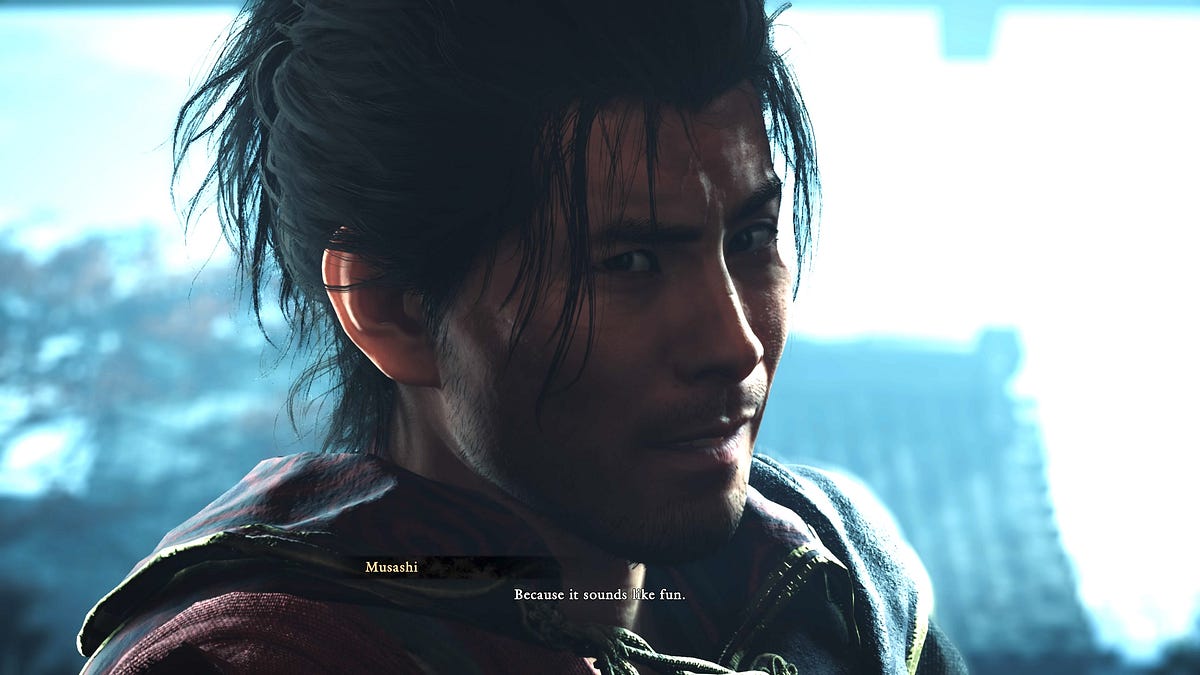
Onimusha: Way of the Sword is characterized as a punishing experience due to a severe difficulty curve, particularly during boss encounters that lack mid-fight checkpoints. Despite an explorable hub world, the game’s upgrade systems are described as inconsequential, failing to provide meaningful character progression to mitigate the challenge. Conversely, He Who Watches is presented as a successful, albeit difficult, first-person puzzle game. Its design relies on layered mechanics and gravity-shifting puzzles that reward patience and logical deduction. The developer’s approach to providing subtle, pedagogical hints rather than direct solutions fosters a sense of accomplishment, contrasting sharply with the frustration induced by the lack of structural support in the former title.
Beyond these specific reviews, the industry landscape reflects significant shifts. Notable leadership changes include the departure of Housemarque co-founder Ilari Kuittinen and Savvy Games Group CEO Brian Ward. Furthermore, Microsoft has implemented new usage caps for cloud gaming, transitioning from an unlimited model to a 15-hour monthly limit for Game Pass Ultimate subscribers. Additionally, Square Enix has confirmed that the final installment of its Final Fantasy VII remake trilogy will require a digital download despite a physical release, highlighting ongoing cost-saving measures in physical media production. These developments underscore a period of transition in both game design philosophy and corporate business strategies across the global gaming sector.
- Microsoft is capping Xbox Cloud Gaming usage for Game Pass Ultimate subscribers at 15 hours per month, a change affecting approximately 4% of its user base.
- Square Enix will ship the physical edition of Final Fantasy VII: Revelation on a single disc, requiring a mandatory data download for the remainder of the game to save on production costs.
- Brian Ward is stepping down as CEO of the Saudi-government-backed Savvy Games Group, with no immediate successor named following the recent acquisition of Electronic Arts by a Saudi-led consortium.
- Square Enix has officially denied reports that the company is planning to transition into a private entity.
- Nintendo has scheduled two major Nintendo Direct events for September 8 and 9, 2026, covering the 40th anniversary of The Legend of Zelda and upcoming titles for the Switch 2.
+1
Game FileSept 2026

Article
Sony and Microsoft Say They’re Not Obligated to Pass U.S. Tariff Refunds to Consumers
Major console manufacturers Sony and Microsoft are currently contesting class-action lawsuits that seek to compel them to pass U.S. government tariff refunds on to consumers. Following a 2026 Supreme Court ruling that invalidated tariffs imposed on imported game consoles in 2025, companies like Sony—which expects to recoup approximately $508 million—have faced legal challenges from gamers. Plaintiffs argue that console price increases implemented during the tariff period were directly tied to these costs and that retaining the refunds constitutes unjust enrichment.
In their defense, Sony and Microsoft maintain that they have no legal obligation to reimburse customers. Both companies argue that consumers purchased hardware at advertised prices and received the expected value, regardless of the manufacturers' internal cost structures. Furthermore, the companies contend that the plaintiffs have failed to prove that the tariffs were the sole or primary driver of price hikes, citing other market variables such as inflation, component costs, and competitive dynamics. Sony specifically noted that it continued to raise prices even after the tariffs were ruled illegal, suggesting that pricing is determined by a complex set of factors rather than a direct pass-through of tariff costs.
These legal battles, which also involve Nintendo, remain ongoing in federal courts across California and Washington. To date, the only hardware manufacturer to commit to passing tariff refunds to consumers is Panic, the maker of the Playdate handheld. The current litigation highlights a broader industry debate regarding corporate pricing transparency and the extent to which manufacturers are responsible for adjusting consumer costs based on fluctuating regulatory and economic burdens.
- Sony and Microsoft are defending against class-action lawsuits seeking to force the distribution of U.S. government tariff refunds to consumers following a 2026 Supreme Court ruling that invalidated 2025 console import tariffs.
- Sony expects to recoup approximately $508 million in tariff refunds and argues that it has no legal obligation to reimburse customers who purchased hardware at agreed-upon retail prices.
- Manufacturers contend that pricing is driven by complex variables like inflation, component costs, and competitive dynamics rather than a direct pass-through of tariff expenses.
- Sony cited its continued price increases after the tariffs were ruled illegal as evidence that pricing strategies are not solely dependent on regulatory costs.
- Legal battles involving Sony, Microsoft, and Nintendo are currently ongoing in federal courts across California and Washington.
+1
Game FileSept 2026