
ArticleSuperJoost
Playing, Fast and Slow: Patient Publishers Surprise as the Biggest Innovators
9 Nov 2023~10 min full read
The global gaming industry is currently navigating a period of intense contradiction, characterized by a surge in high-profile content releases alongside widespread labor instability and structural contraction. While major titles like Marvel’s Spider-Man 2 and Super Mario Bros. Wonder drive significant consumer engagement, the sector is simultaneously grappling with mass layoffs at studios such as Epic Games and Bungie. These cost-cutting measures are often short-sighted attempts to show immediate profitability, potentially undermining long-term value and product quality.
A primary thesis emerges regarding the success of "patient" publishers who prioritize long-term brand building over rapid iteration. Nintendo serves as the leading example of this "slow" innovation, successfully transitioning into a cross-media powerhouse. Following the $1.4 billion box office success of the Super Mario Bros. Movie, Nintendo’s strategy now includes annual film releases, such as the newly announced live-action Legend of Zelda. This flywheel effect, supported by 20 million units sold for Tears of the Kingdom and a 20% growth in Roblox’s daily active users (reaching 70.2 million), suggests that enduring intellectual property is the industry's most stable currency.
The analysis also highlights significant shifts in the competitive and legal landscape during late 2023. The esports sector continues to struggle, evidenced by the dissolution of the Overwatch League at a cost of $120 million and a 75% decline in the enterprise value of major esports firms since 2021. Simultaneously, the legal battle between Epic Games and Google underscores ongoing tensions regarding mobile platform dominance. While publishers like Take-Two Interactive maintain high market expectations—driven by the massive social media footprint of Grand Theft Auto 6—the broader industry must reconcile its creative ambitions with a volatile economic environment and shifting media consumption habits.
SuperJoost · 2026

SuperJoost · 2026
SuperJoost · 2026
SuperJoost · 2026
SuperJoost · 2026
SuperJoost · 2026
SuperJoost · 2026

SuperJoost · 2026
SuperJoost · 2026
SuperJoost · 2026
SuperJoost · 2026
SuperJoost · 2026
IGN Entertainment · 2026
Everplay Group · 2026
Capcom · 2026
Square Enix · 2026
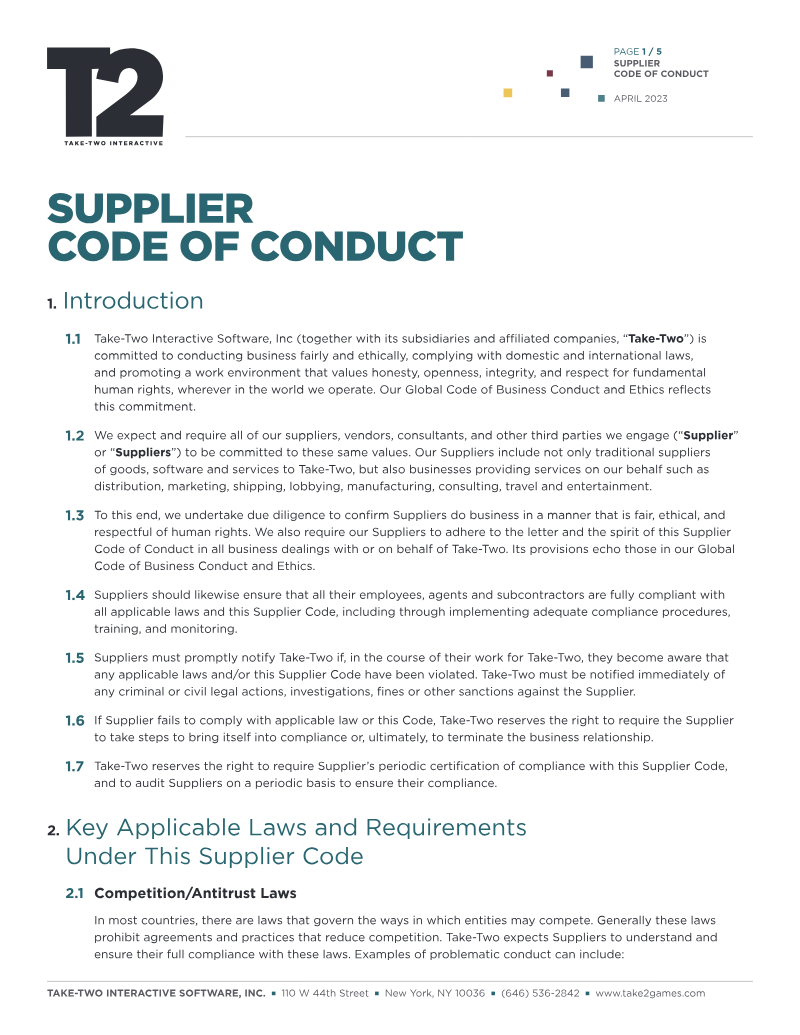
Take-Two Interactive · 2026

Coda · 2026
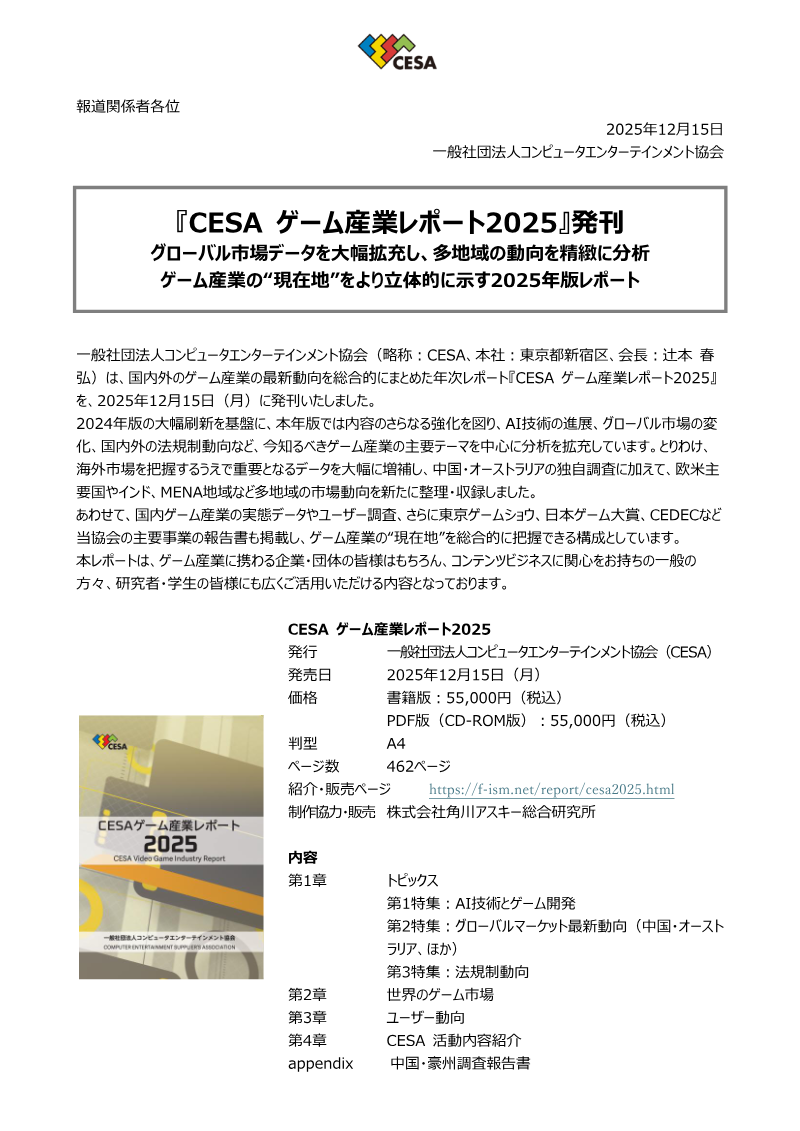
CESA – Computer Entertainment Supplier's Association · 2025
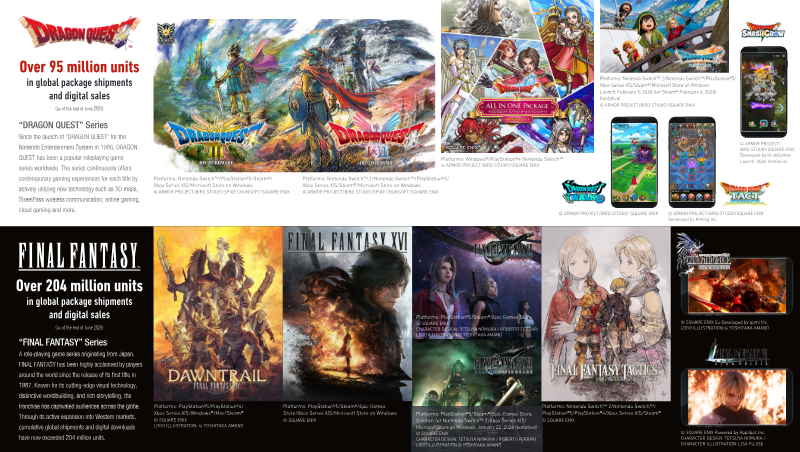
Square Enix · 2025
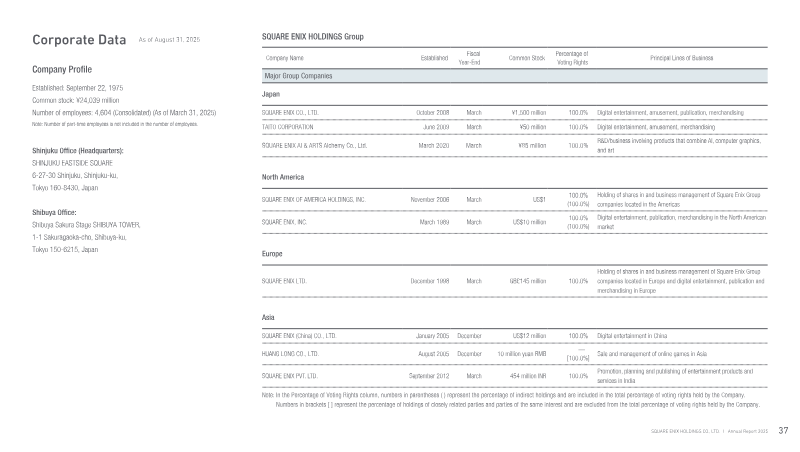
Square Enix · 2025
Rokky · 2025
CD Projekt · 2025
Konvoy · 2025