Super Mario Bros.
Documents about Super Mario Bros.
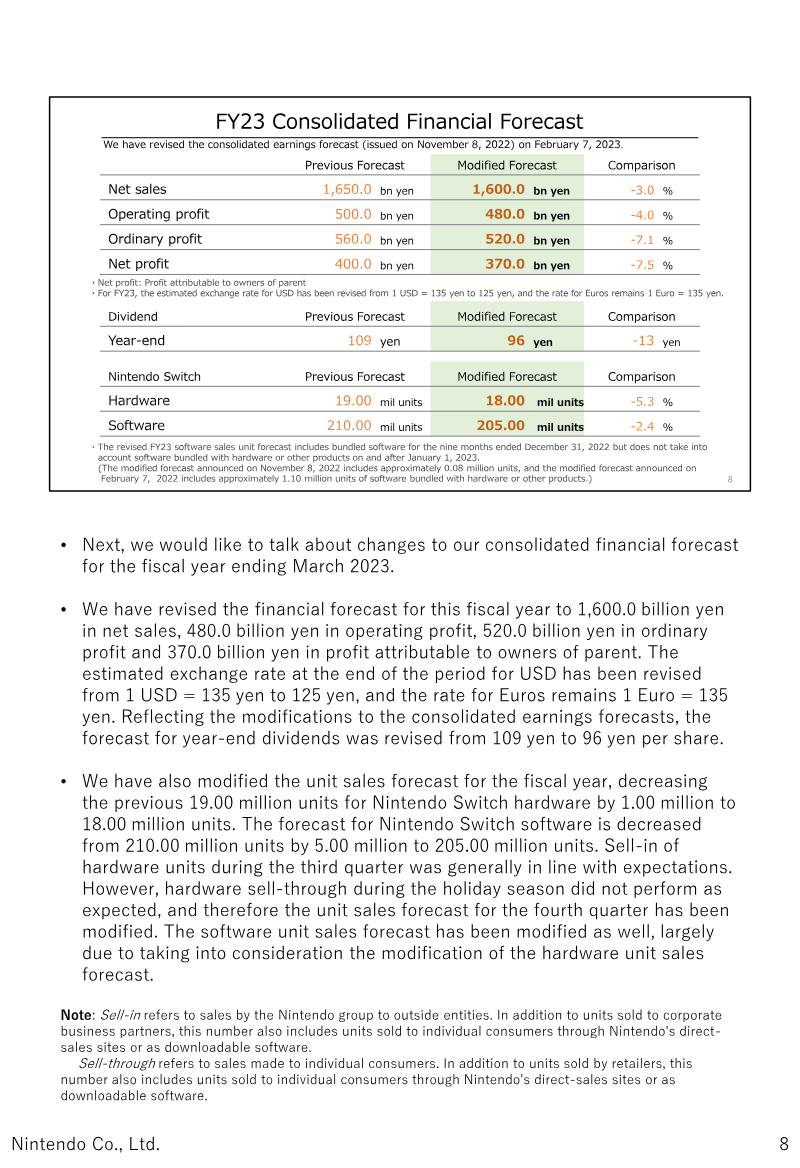
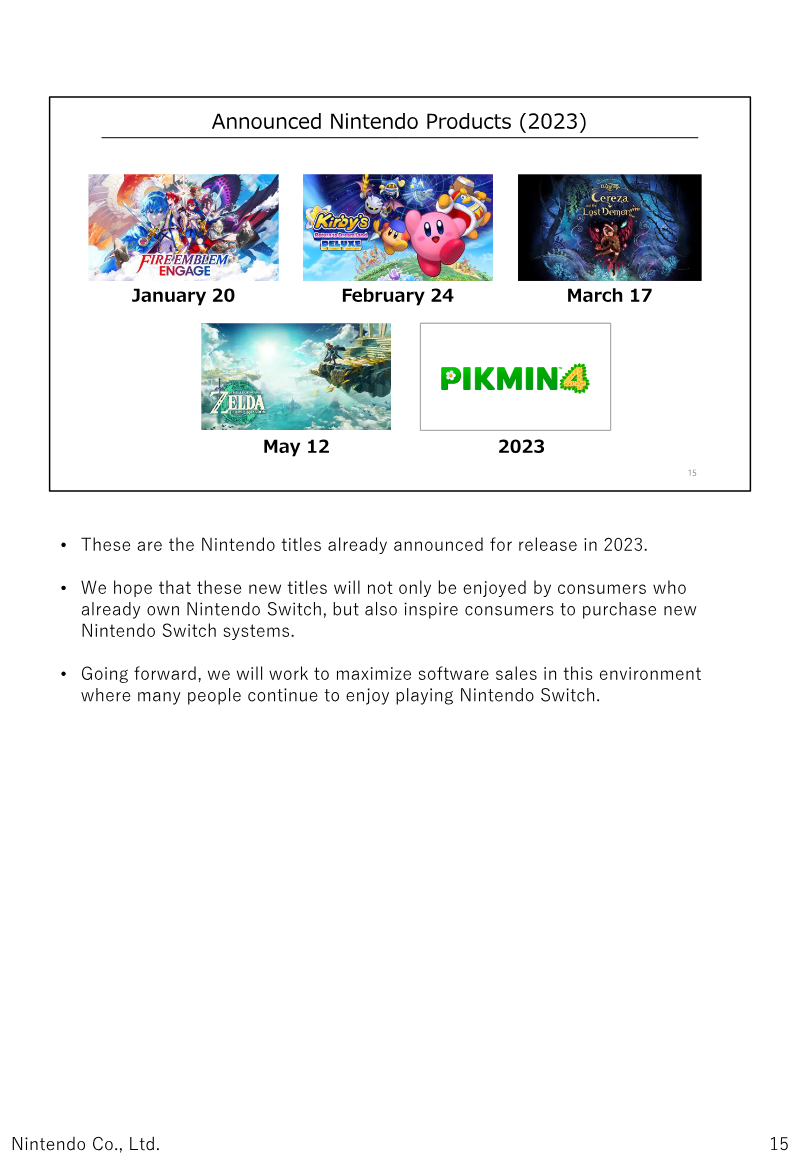

Nintendo Financial Results: 3rd Quarter of Fiscal Year Ending March 2023
Nintendo’s financial results for the first nine months of the fiscal year ending March 2023 reflect a period of contraction compared to the previous year.
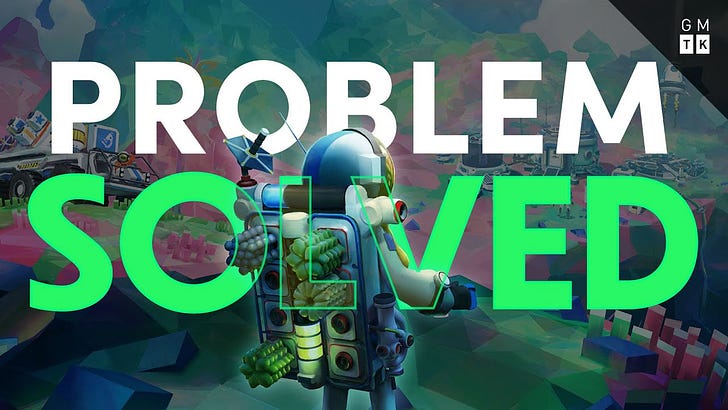
How Game Designers Solved These 11 Problems
Game design is fundamentally an exercise in iterative problem-solving, where the primary challenge lies in accurately identifying root causes before implementing solutions.
- Effective game design requires diagnosing root causes through empirical playtesting rather than merely addressing surface-level symptoms.
- Designers should isolate adjustable 'levers' within game systems to implement solutions that preserve the core identity of the title.
- Successful mechanics often resolve multiple issues simultaneously, such as the respawn bubble in New Super Mario Bros. Wii, which improved both accessibility and multiplayer flow.

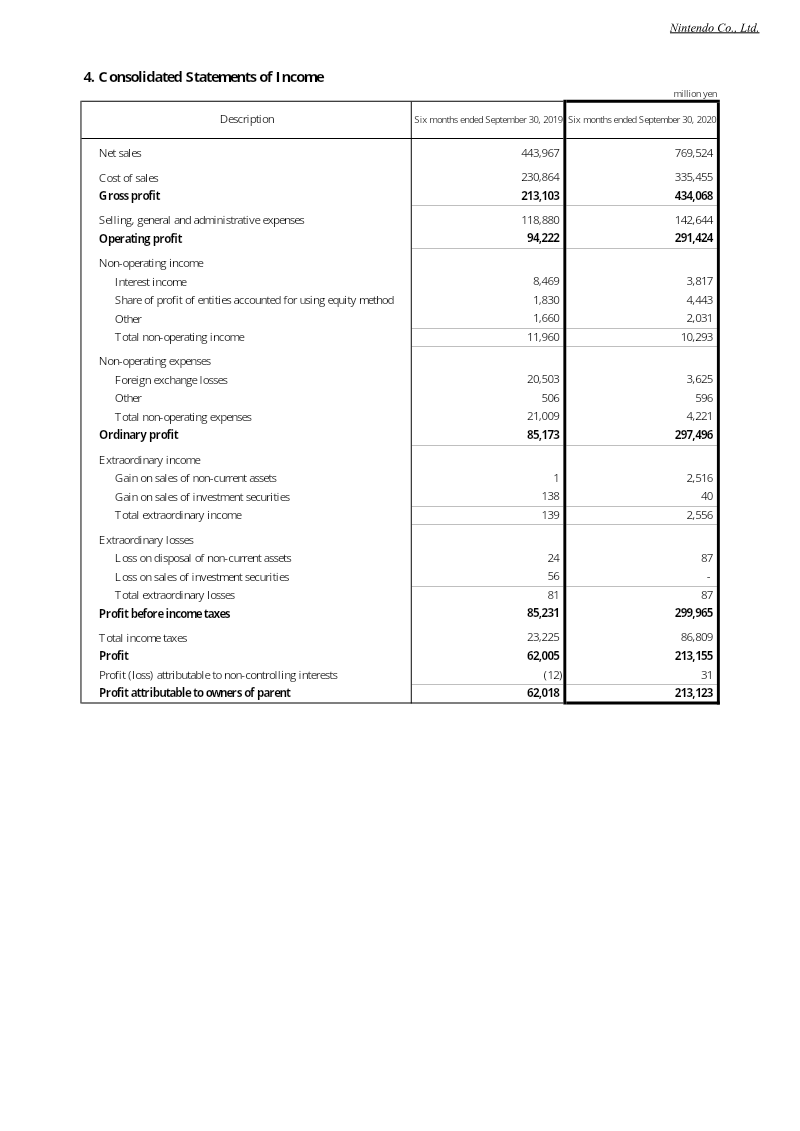
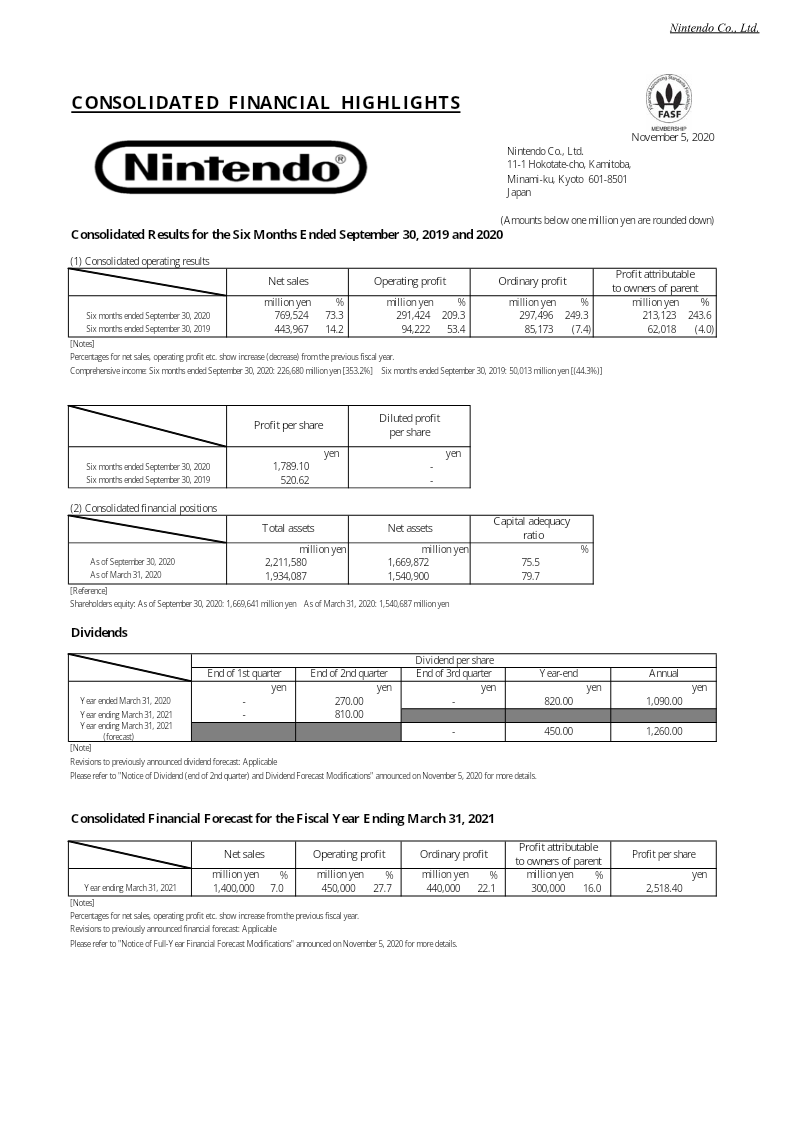
Consolidated Financial Highlights: Six Months Ended September 30, 2020
Nintendo Co., Ltd. experienced significant financial growth during the six months ended September 30, 2020, driven primarily by the strong performance of the Nintendo Switch platform.

Why Sound Design is Crucial for Your Game
Sound design serves as a fundamental pillar in game development, acting as a primary driver for player immersion, emotional resonance, and functional feedback.
- Sound design is a primary driver of player immersion and emotional resonance, often proving more effective than visual fidelity at creating a sense of presence within a game world.
- Auditory cues serve as essential functional feedback, signaling critical gameplay mechanics such as menu navigation, item collection, and combat interactions.
- High-quality ambient sound and sound effects can construct a compelling atmosphere even in projects with limited graphical resources, demonstrating that melodic content is not a requirement for deep engagement.
Building Mario Levels with Machine Learning
Procedural content generation in the Super Mario Bros. franchise has evolved significantly between 2012 and 2019, transitioning from rigid, hand-crafted rule systems to sophisticated machine learning models capable of autonomous design.
- Researchers have moved beyond simple procedural generation to using machine learning models—including Markov Chains, LSTMs, and GANs—to infer the design logic and tile-grouping patterns of Super Mario levels.
- Dr. Steve Dahlskog’s research utilized evolutionary computation to generate levels based on 200 vertical slices, though early iterations struggled to replicate the natural pacing and flow of human-designed levels.
- Adam Summerville improved level generation by combining Markov Chains with Monte Carlo Tree Search (MCTS) to ensure that generated levels are not only structurally sound but also playable.
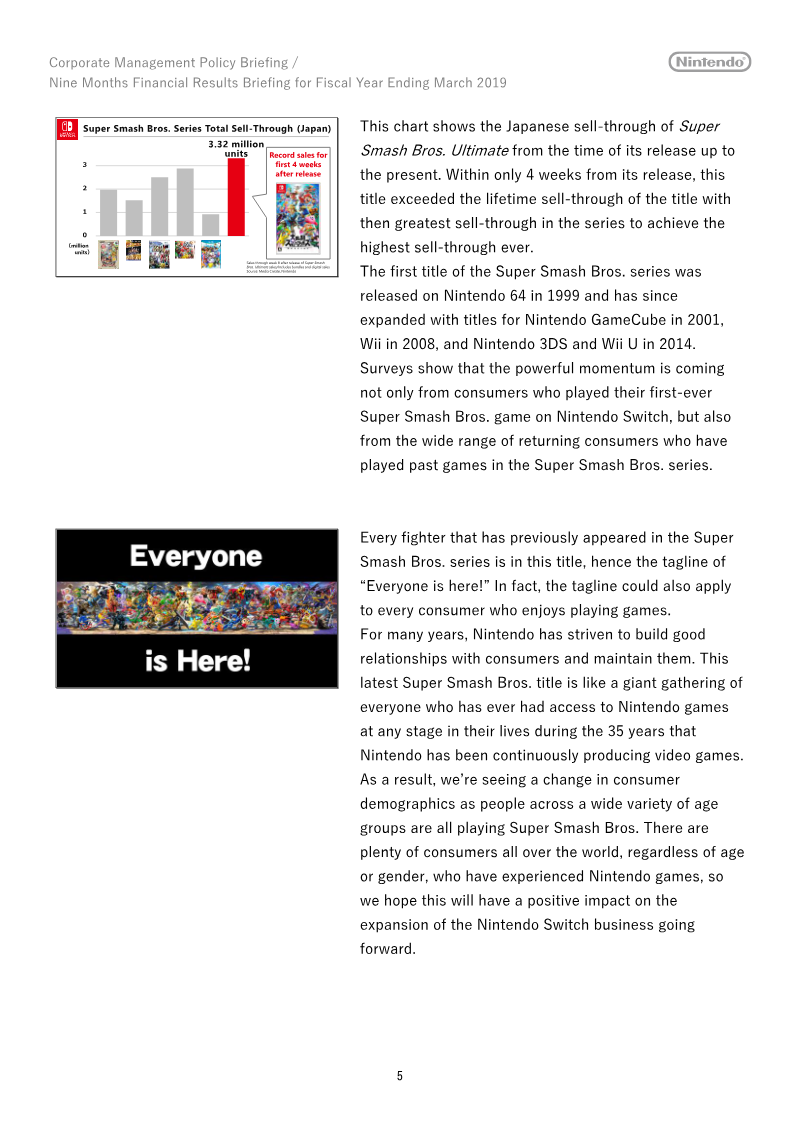
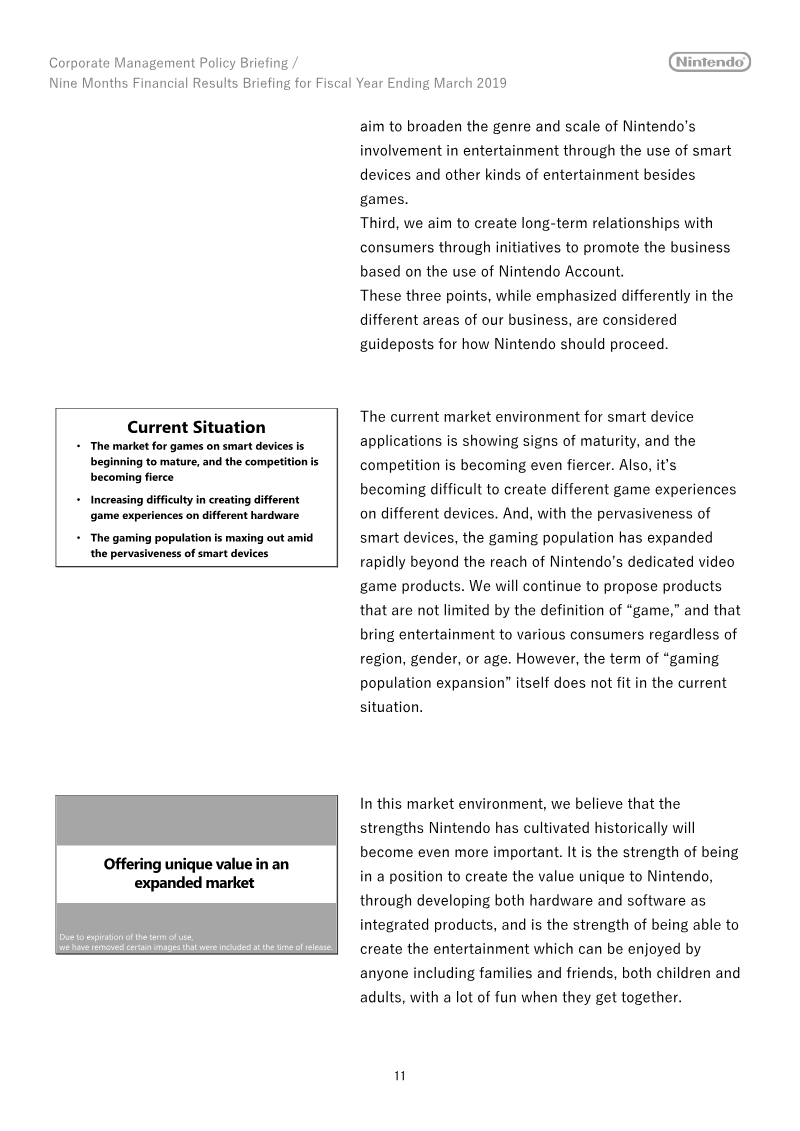

Corporate Management Policy Briefing: 3rd Quarter Results for Fiscal Year Ending March 2019
Nintendo is navigating a transitional period in the fiscal year ending March 2019, prioritizing the long-term expansion of its intellectual property and the strengthening of its digital ecosystem.
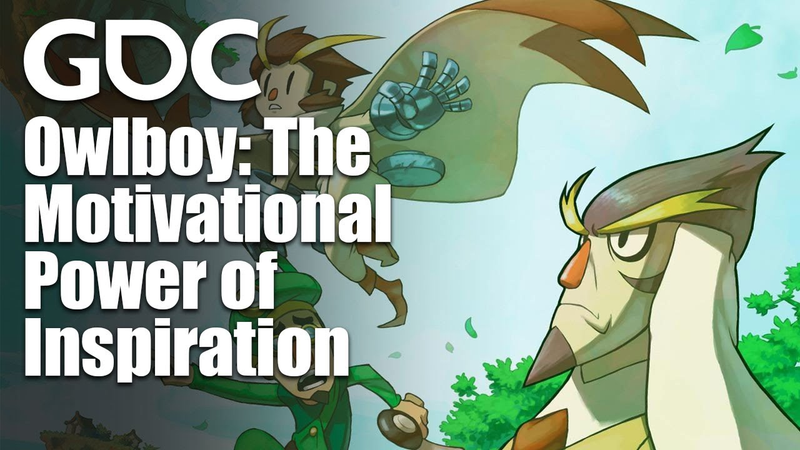
Owlboy: The Motivational Power of Inspiration
The nine-year development cycle of the indie title Owlboy serves as a case study for the critical role of sustained creative inspiration in long-term game production.
- Maintaining long-term motivation over a 9-year development cycle requires a team-wide commitment to a core vision, even when faced with significant financial hurdles and the need for secondary employment.
- Design inspiration can be sourced by internalizing experiences from other media, such as architectural elements observed during travel, and by allowing the mind to wander during periods of boredom.
- Iterative design is more effective when moving from small, rough sketches to pixel art sprites, which helps developers focus on essential shapes and silhouettes rather than getting stuck on minute details.
GungHo Online Entertainment FY2014 Financial Results Briefing Session
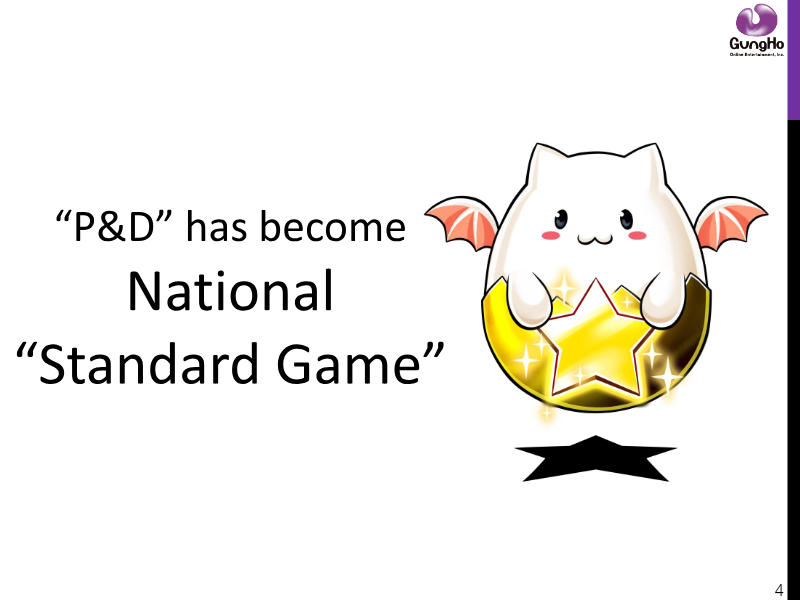
GungHo Online Entertainment’s fiscal year 2014 financial results demonstrate the sustained commercial success of its flagship mobile title, Puzzle & Dragons (P&D).
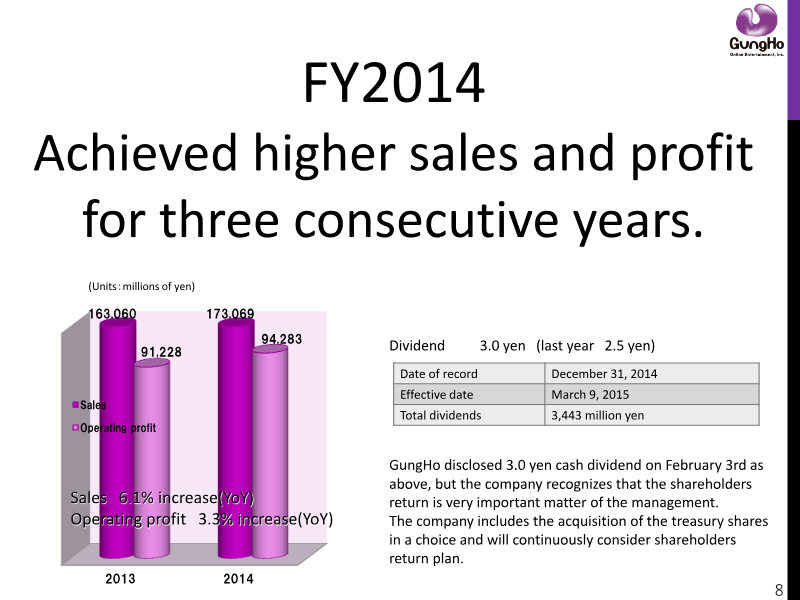
- GungHo Online Entertainment achieved its third consecutive year of growth in FY2014, reporting 173.07 billion yen in sales and 94.28 billion yen in operating profit, up 6.1% and 3.3% respectively.
- The flagship mobile title Puzzle & Dragons remains the company's primary revenue driver, reaching 33 million domestic downloads and 10 million international downloads by early 2015.
- The company is prioritizing international expansion for 2015, including a partnership with Tencent to launch Puzzle & Dragons in China and further pushes into U.S. and European markets.

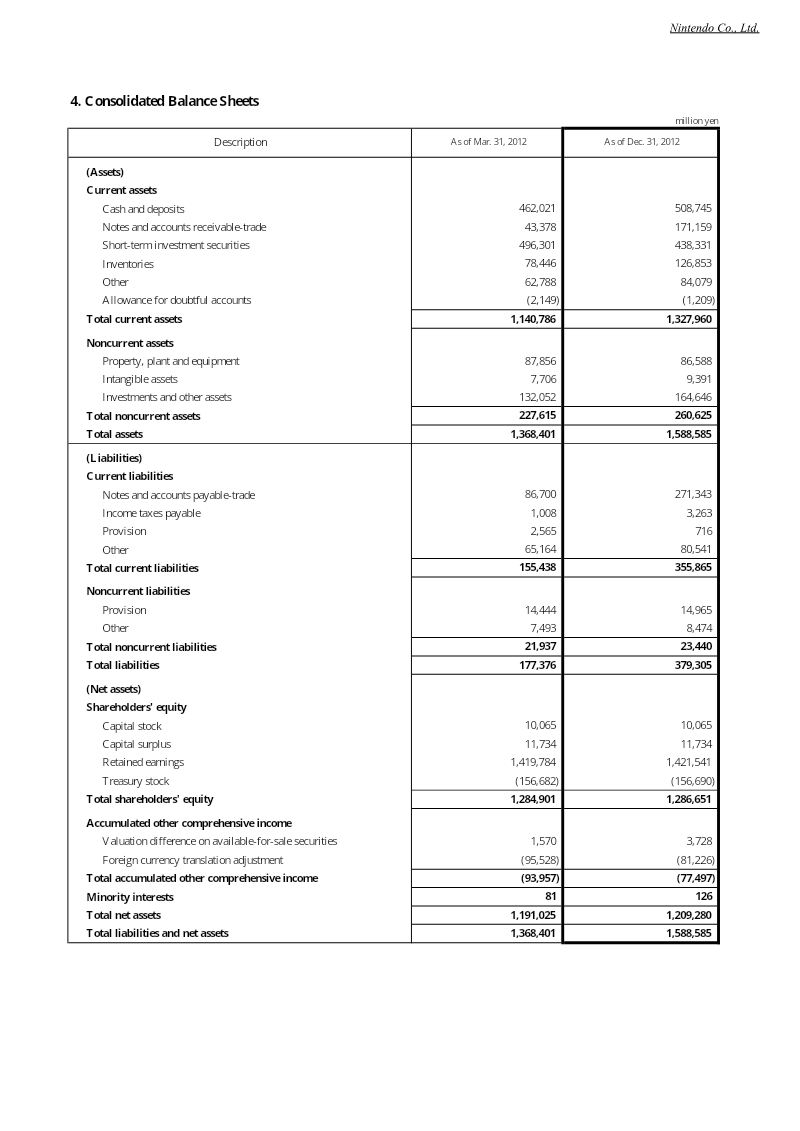
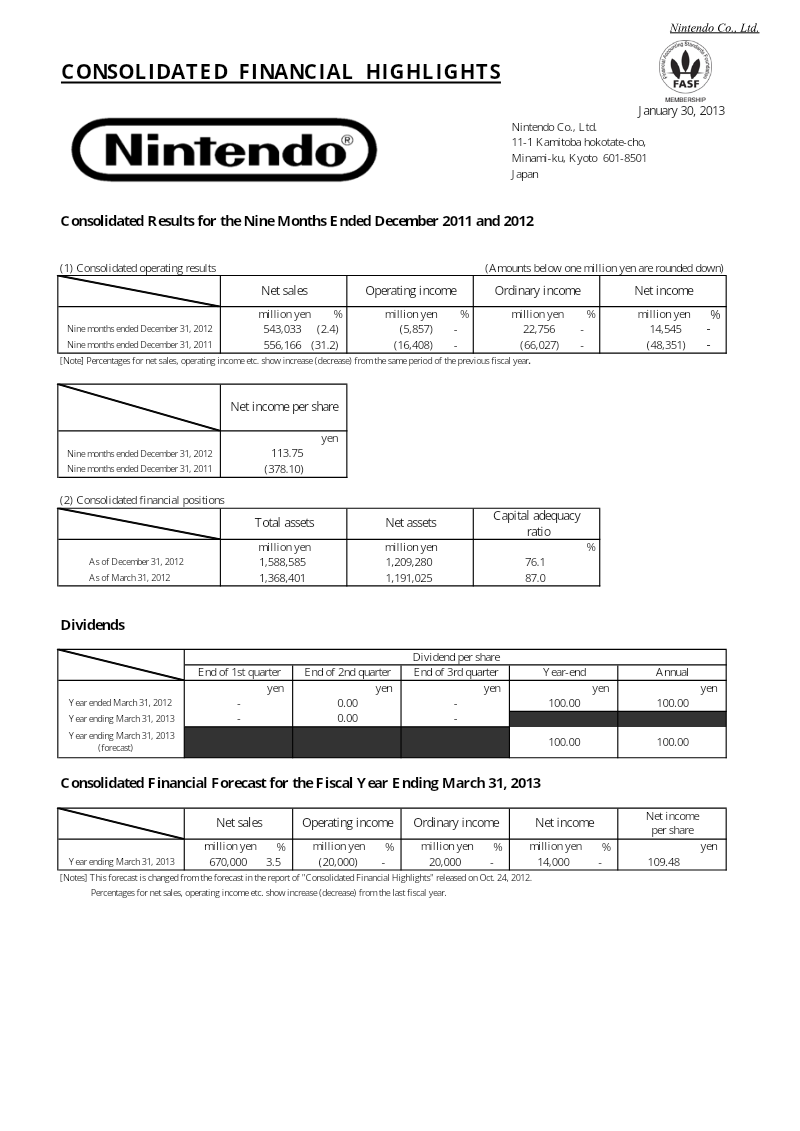
Consolidated Results for the Nine Months Ended December 2011 and 2012
Nintendo’s consolidated financial results for the nine-month period ending December 31, 2012, reflect a transitional phase characterized by the launch of the Wii U home console and the continued expansion of the Nintendo 3DS handheld platform.
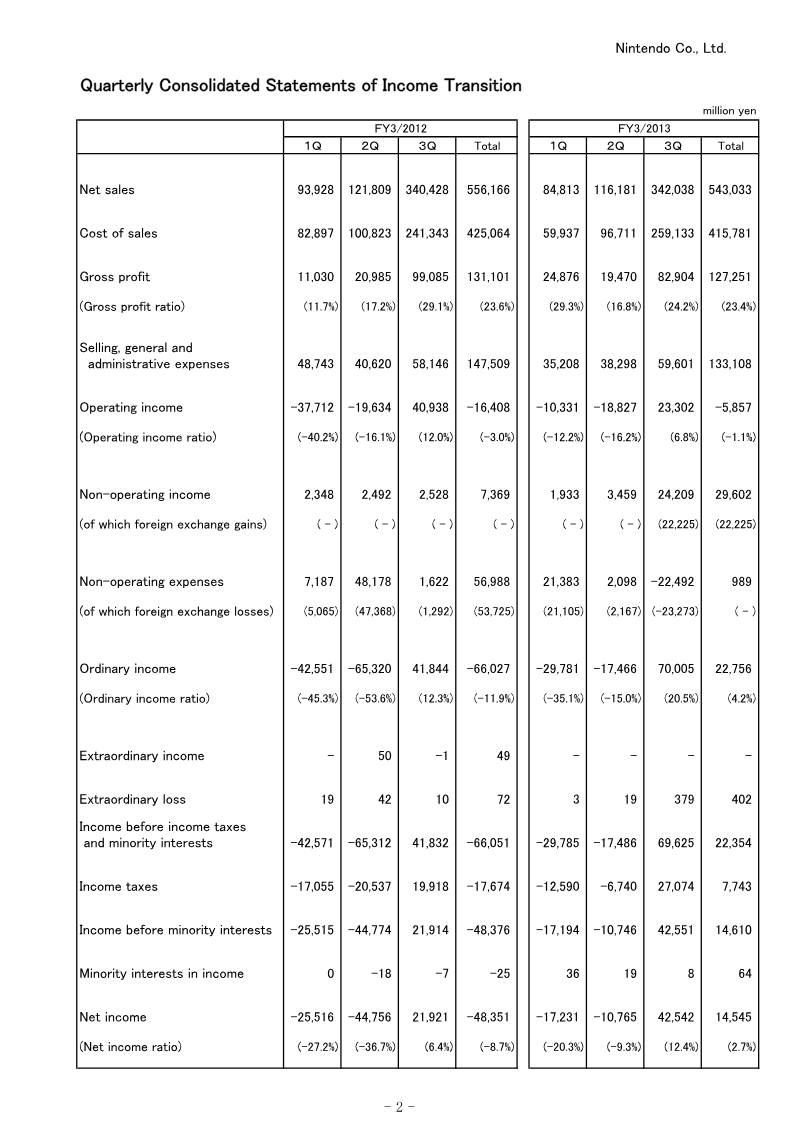
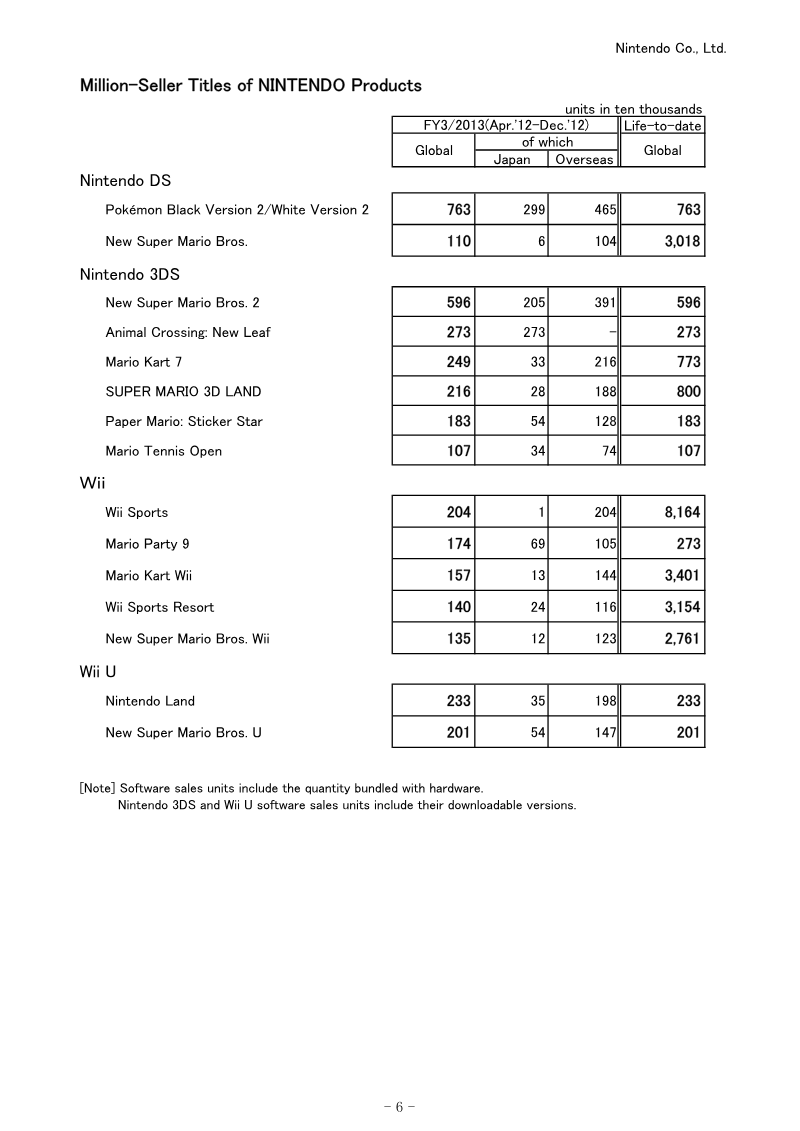

Nintendo Financial Results Briefing: Nine-Month Period Ended December 2012
The financial results for the nine-month period ending December 2012 reflect a transitional phase for Nintendo as the company navigated a shift in its hardware portfolio.

Nintendo Consolidated Results for the Six Months Ended September 2012
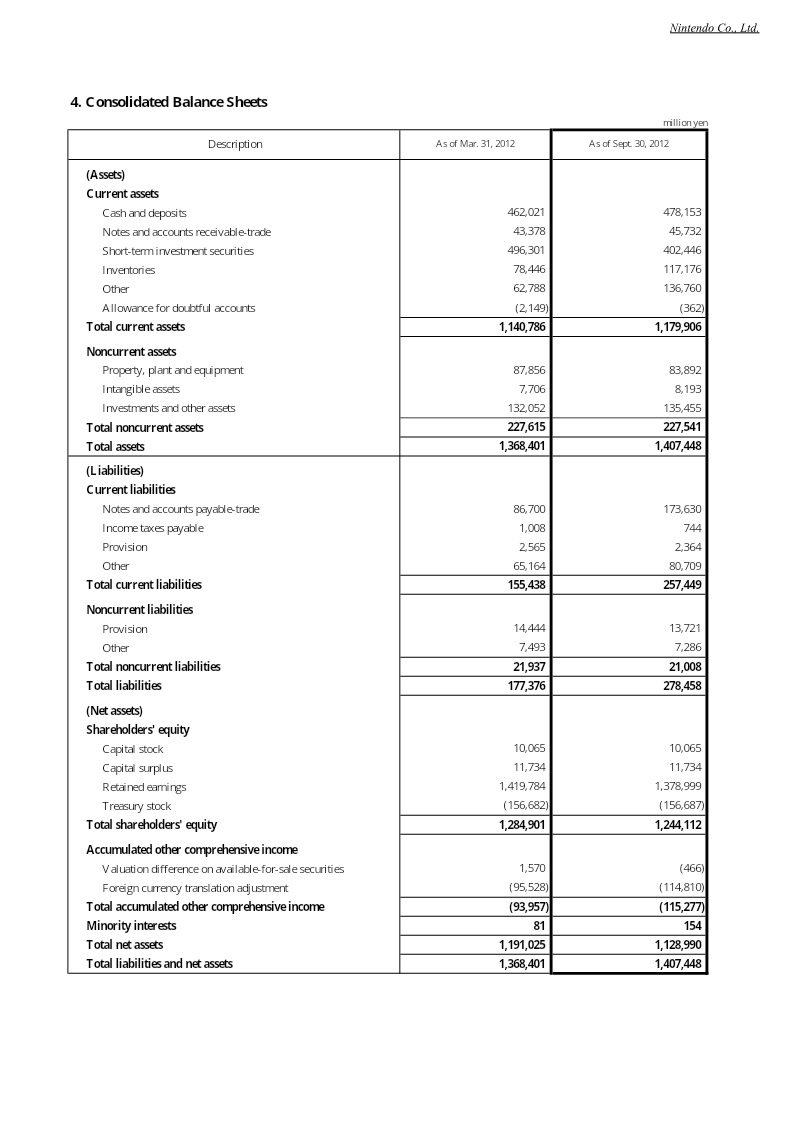
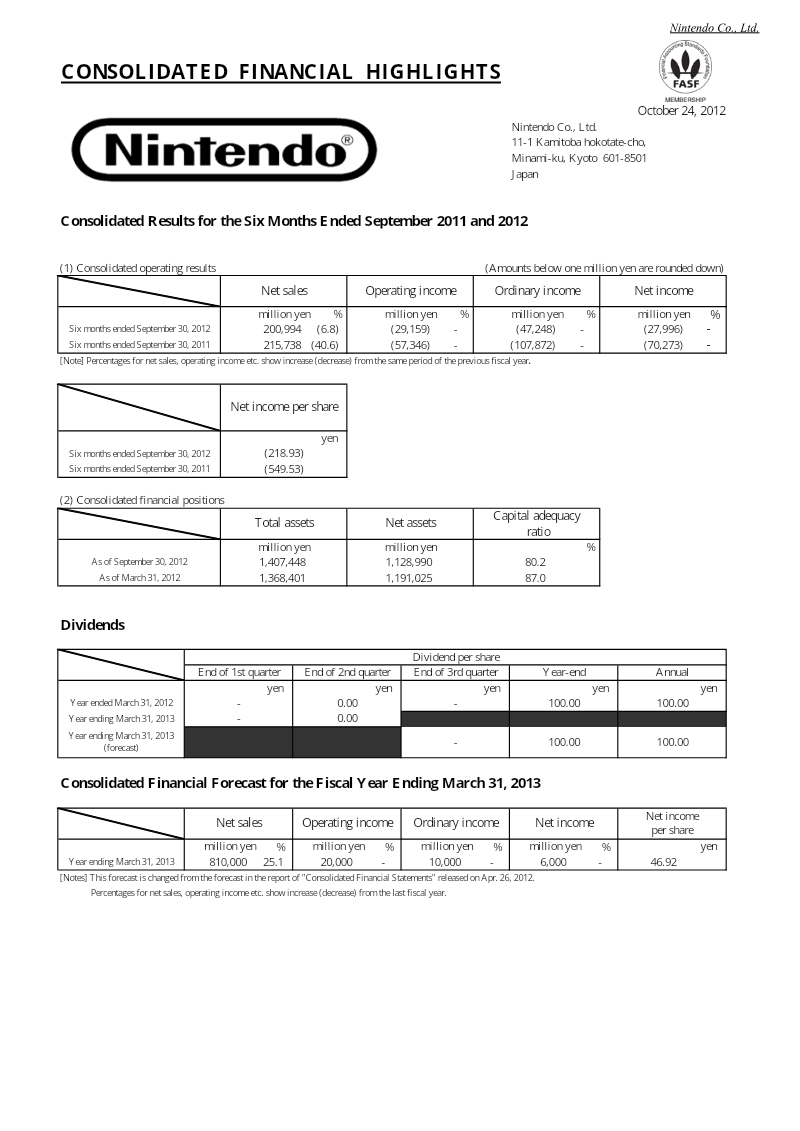
Nintendo’s consolidated financial results for the six months ended September 30, 2012, reflect a period of significant transition and financial challenge.

Financial Results Briefing for the Six-Month Period Ended September 2012: Supplementary Information
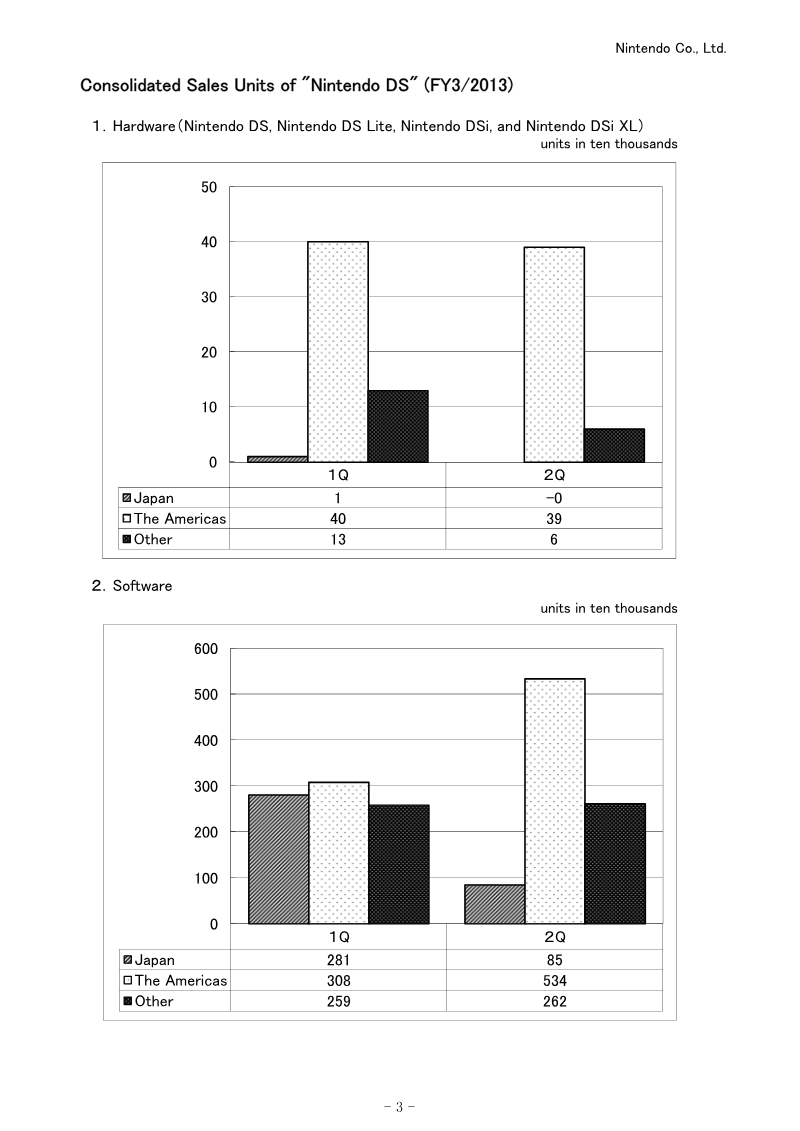
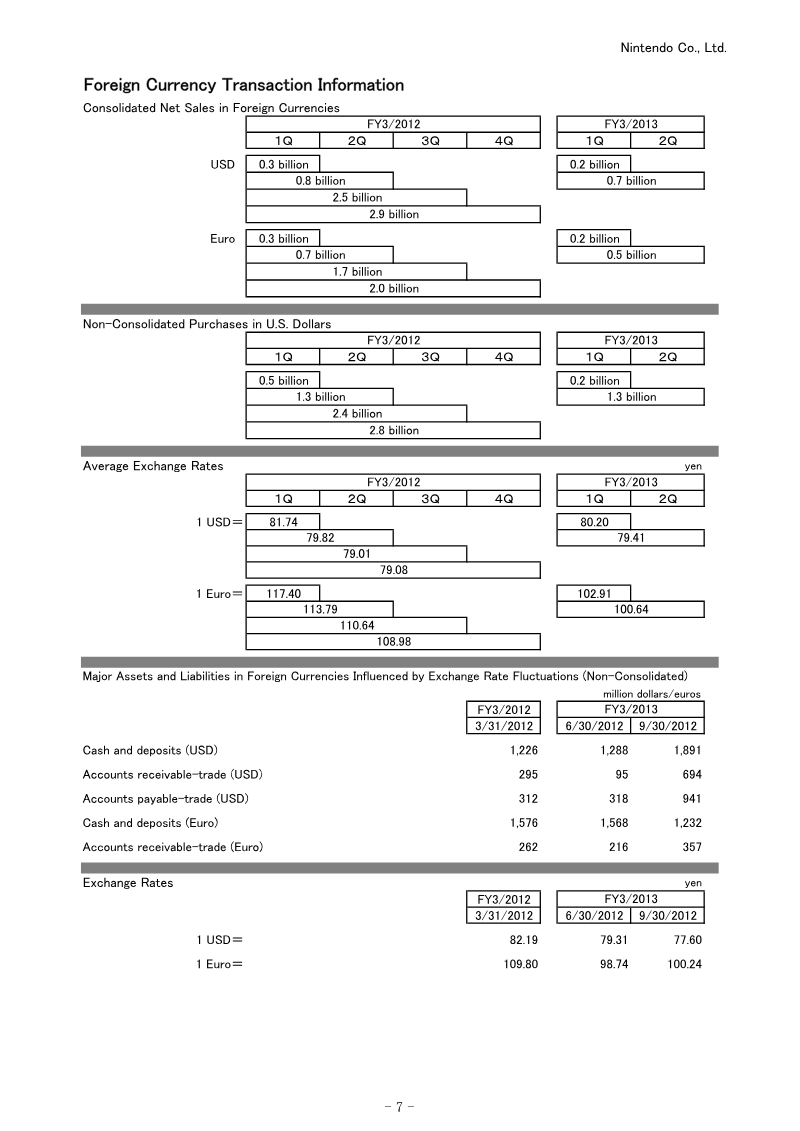
This financial briefing outlines Nintendo’s performance for the six-month period ending September 30, 2012, detailing a challenging fiscal environment characterized by declining net sales and ongoing operating losses.