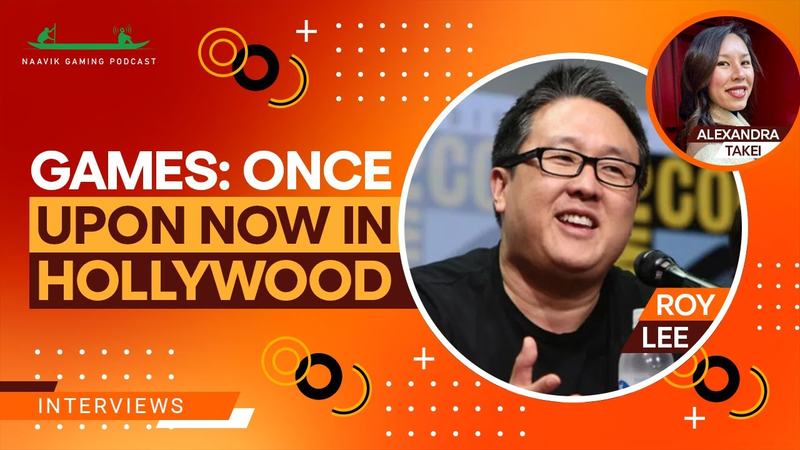
Transcript
[Music] welcome to the novit gaming podcast where it is our mission to explore the business and future of video games we bring together the industry's brightest Builders investors and thinkers to keep a pulse on current events dissect emerging Trends and games share Lessons Learned and have a great time this podcast is also part of novic growing ecosystem which ranges from free and premium research to Consulting and advice services for more information visit [Music] www.nic.edu or marketing expertise doing so can be a challenge nexus's Creator program in a box makes it easy for game Debs to build and manage world class class Creator
programs driving significant growth in conversion arpo retention and LTV Nexus has partnered with Incredible live service Publishers like Capcom grinding gear games hres ninjak kiwi and more and would love to help you our novic gaming podcast listeners do the same if interested in learning more simply head to nexus. g/ novic there you can learn more about the efficacy of support of Creator programs and discover how to easily build your own again that's nexus. g/ novic or check out the link in the show notes and with that let's jump into the episode what's up everyone and welcome to the novic gaming podcast I'm your host Alex deay and this of course is the interview and insight segment so games as of late have taken Hollywood by storm it used to be that game Publishers had to beg Hollywood to make a movie out of their IP but oh how the times have changed the Super Mario Brothers movie
made 1.36 billion at the box office this past year and was the highest grossing film based on a video game just one week after release in the past two to three years especially as gaming has claimed its Throne as one of our globe's leading entertainment Industries a number of video game intellectual properties have been adapted for the big screen some of which include um sega's Sonic the Hedgehog which made around 400 million Naughty Dogs Uncharted also around 400 million capcom's Mortal Kombat Resident Evil and Monster Hunter at 83 38 and 42 million respectively and of course Nintendo's detective Pikachu at 450 million at the box office across TV there's even more of course CD projects Witcher series on Netflix and cyber Punk's Edge Runners HBO's roaring success with Naughty Dogs The Last of Us League of Legends Arcane series and a myriad of others some of my favorites being Castlevania and I have some very high anticipation for the Devil May Cry series it's a huge part of AAA Studios evolving strategy for for example Sega
in its 2024 goals has spoken openly about reinvigorating Sonic with a new movie a new season of Sonic Prime on Netflix um for their series as well as a spin-off Knuckles TV series so today's episode is going to be focused on bringing video game IP to the big screen how when and for how much and also what a successful adaptation even means and of course as per usual I'm not the expert here I have a guest who has a lot of experience building this adaptation for real on air with me today I could not be more honored to welcome Roy Lee a vertical entertainment producer on titles like The Lego Movie Lego Batman it the death the Death Note live action film nimona which is one of my favorites on Netflix um Roy is slated to produce 2025 Minecraft movie A Bioshock film a God of War film a shadow Colossus film and more uh so welcome to the podcast Roy it's a pleasure to have you thanks for having me um so I'm super excited this is a big trend in our industry um
it's new and old all at the same time uh but one of the first steps towards creating a truly trans media property uh so before we get started you're a bit different than the most of the guests that we have um at novic who are more whose backgrounds are more in the gaming industry um and so I'd love for you to tell um me and our audience a little bit more about you and your journey into film making yeah I was um formerly a corporate lawyer in at a DC law firm and uh was there for about less than a year decided it wasn't for me and wanted to get into film TV or music and uh came out to Los Angeles from DC and uh got a job at a film production company that uh had a deal at Universal Pictures and from there I was there for four years learned how they put together movies and thought that it was something that I could do myself and uh left there and set up a couple movies the first one being the ring and Then followed up with The Grudge a lot of them were Asian horror remakes um but not all of them
some were like a cop Thriller like The Departed or a romance like The Lakehouse or a family adventure like e belel so there those are all based on Asian properties and after doing about uh developing about 25 different uh Asian titles making 18 of them I branched off into other areas in terms of different IPS starting off with the Lego property and uh Stephen King books and uh being it and The Lego Movie and uh since then I've recently been focused on trying to find um great IP in the Video Game World starting with Minecraft and uh the the God of War was actually it's gonna be a TV series ordered by Amazon and uh then uh things like shadow of Colossus and that's a movie but various properties that uh just in the stages of developing so it's uh right now it's it's definitely been something that all the Studios have been focused on more so than than uh than in the past just
because of uh the the comic book movies are primarily with Disney and Warner Brothers with DC and Marvel but all the other Studios want to build out their universes and in video games are the best fertile ground to uh find uh this type of IP I see yeah and that makes a lot of sense and I love the opening of you know your your work on the ring and you were saying The Departed and a below um I'm not a huge horror movie person but I've definitely seen The Departed and love The Departed um and AO uh so it's very cool to see like where Hollywood is tapping into GA gathering its stories from and you know especially in the Korean film making space um some bringing some of that to the West has been also a really big Trend that we've seen obviously with G things like squid game and a bunch of other things um but you know to game speaking to games specifically it's been this just mive ma major Awakening of all of this like you know like you were saying untapped intellectual property um and I would love to talk about what games um are
good for adaptation but before we kind of go there I would love to understand a little bit about your background in games specifically um and also as a producer so uh just for our audience tell us a little bit about what a film producer does and then also tell us a little bit about why you feel particularly compelled to bring video game IP to the screen maybe you as an individual versus the market well as a film and producer it's it's more like um the the architect of of a film Project like each each film being sort of like a mini building because if they're self-contained and you just have to find the the the I guess the source material and then put together the financing to find the screenwriter and then the director and then once you have that you put together the budget and make the film I I typically work in studios as opposed to independent film film making so I work with like Warner Brothers
Netflix or um places like that and uh they just looked to me to find the the the type of films and TV that can appeal to a wide audience and so for me it's it can come from anywhere from video games or or books or articles or just original screenplays from people so it's just my job is to find something that can uh just be attract a great director and a great cast and put together the movie or TV show that uh the studio is willing to make and so that my days are just either looking for new material assessing them or developing the material that we have and trying to put it together yeah I think from my classic uh Cinema School teachings um because I had some background in 35 millimeter film production at n Film Academy in USC I was told that the producers role um was the overseeing of the creative triangle of the director and the uh cinematographer and the PD so the
production design is that the way that you still think about your job today or is that just incredibly outdated perspective that you have to think of lots of other things in terms of even just like getting the movie Green L like thinking of like the marketing approach of them of what you're trying to put together at least appealing to the marketing side of the finance year of the studios because in order to get a movie made that it has to appeal to two sides of the studio system it's like the marketing and the creative because the creative is the one that we actually the story and then the marketing is like how they're going to be able to sell it to the audience got it okay so it's like trying to to find the projects that can Feld to those and then find the projects that get the actors and so it's not just like the film making process of like the DP and the director that that's one aspect but it's also if you don't have a big star or somebody recognizable or something that marketing side there just like a lots of different factors that that go into getting a movie made okay got it so tldr are you have to convince
people that this thing is going to make money and you also have to assemble the actual how of the movie itself in the film making process got it all right so you're perfectly equipped to tell us all about the bringing a video game IP to to the to the big screen or to the television screen um you know big screen being kind of a silly way to say um I guess movies versus uh TV but um you know I think uh you know we talked a little bit about this fertile ground for new IP in video games and I think a way I want to start discussing that um is that you know what games are have good potential for the big screen um in the same way that readers and writers like might remark that not all books are meant to be movies I think many people in our industry uh don't think all games are meant to be movies or television series and so when you're analyzing a gaming IP um Are there specific criteria that you're looking for and do you think that every every game can become a movie
or a TV show well in some ways I think any game could be adapted it's just a matter of like what the inspiration of what the writer and the director have that can convey that story or uh just uh tell it in a way that is different or sometimes the same because so Minecraft has no story and so it's sort of like it creating a story within that world whereas like the last of us had a story that they followed that you could add on things so it's just like um most things as long as you have a great screenplay and and a director that that sees a vision in it anything can be adapted but it's just whether or not uh it's faithful or just sort of inspired by the IP or the video game itself so um I it's just like the book I don't know an example of that is like the book adaptation of the the Orchid Thief I mean that was a totally it wasn't the book but it was its own thing but it was still the the uh adapted from it so the
same way that a video game can have some sort of different story told like or like a Side Story told of it or just like straight adaptation so it's hard to say it's sort of like the more popular the game is the more likely that Studios would want to try or somebody would want to try because it's tapping into an audience that already exists to give them something that they may want to see after they play the game or just like just it's hard to say exactly what can or cannot be but most things can you could try right right right yeah and you mentioned this uh you gave two examples Minecraft having no story and the last of us have an incredibly robust story um and to me those are like almost like these like binary aspects right where a movie like you know Mario movie and we may have talked about this earlier in our kickoff call but like the the Mario movie has like very limited story and so therefore you're kind of the filmmakers are kind of left on their own to make a story out of a game that's doesn't have
one right and the last of us they're like following a pretty close narrative script um and trying to be quote faithful to the game um and so the way that I think I think about games that there's sometimes stories that are directly being told in the game and there are stories that are not being told so directly they're either discovered or pieced together or left honestly entirely to the fanfiction imagination of a player and so when you're hunting for a story to tell in a video game um you know how do you I guess you know you said it's hard to know but how do you are there certain signals that you look for like hooks into World building or the characters that signal that this could potentially be successful and when that person writes that screenplay right are you collaborating very closely with them on changing it or are you more going through scripts that other people write if that makes sense well every Project's different but just in general like when we're at least when I start to develop
something with a fil like a screenwriter on based on a video game property I try to pull myself out of like the video game itself and just like not think of it as a video game and like let the writer do it as much or as little of the game to adapt as possible they want as long as they love it and they they want to still um adhere to the cannon of it and not just uh use the title just to write whatever they want to write but just like follow some sort of storyline that or at least that that's faithful to it while I'm trying to look at it as like the audience member who doesn't know anything about the game and just wants to see a great movie or TV show and so like if you have somebody that loves it and is trying to do as close as possible to it and is somebody like myself who's just analyzing it from just like a general audience point that we could probably the hope is to make something that appeals to both sides yeah yeah and that's a really good point it's like when you're you're too close to a property sometimes you get your head
like stuck in the sand and it's almost like the idea that you can't remove yourself from being knowledgeable about the backstory about the characters and I think you can see that in some films you know I might spent some time at a long time at blizzard and we made the Warcraft movie and let me tell you like that movie is a little bit indecipherable unless you have some background on the warcraft franchise beforehand and you know working with someone like you you'd be like well hey I have no idea why this character is doing any of this what am I missing here and that kind of like makes it appealing to a broader audience like you I felt that way with like Assassin's Creed as well like I hadn't played the game and it's like I was having a hard time understanding some of the things that were happening in the movie yeah yeah makes total sense um and you know I don't want to get too much into like characters and detail and things like that because I want to really talk about the process of making a video game adaptation but um I know that you mentioned that you might be working on a Bioshock title and I found that to be really interesting because without without going into too much detail um
the majority of the gameplay know gameplay um or Gamers will know that there's a lot of challenges or it's a common thing in games to have a silent protagonist and games where the character fills that protagonist by taking particular actions and acting as that as that character and so how do you think about character development for a property whose main protagonist is largely being scoped by how a player behaves and not something that's already pre-ordained or pre written into the game well that one specifically we did have he's not silent in the movie and he is real character and they did take some um Liberties that were being made choices that were made to make the story work and uh but there it does deviate a little bit so it's just one of these things where we try to follow the story as much as possible and give our main character enough to there to just be a real character in this type of movie movie yeah yeah and I guess like the
Bioshock was just an example because I think there's like a lot of there's choices right and I think like The Witcher is the same where there's choices in the game that indicate the character that geralt is um and actually in in a lot of Japanese games for example there are completely silent protagonists like Persona 5 has a silent protagonist named Joker and so it's like how do you create a character out of that that is owned almost by the player and then they're seeing it kind of you know Rewritten in a way that they wouldn't have been yes yes I mean it's a balance that you have to make and and give the the main character enough of of just like dialogue and and actions that that you'll still have the the characters that the side characters that bounce off he bounces ideas off of and talks to but it's it's definitely not the same experience is playing the game but it will follow the story as much as possible with some Liberties taken to make it a work as a movie and and a lot
of times like the the game companies understand that you can't just follow that nobody wants to just see the game recreated uh in a just a movie form they want to see something that that makes sense and works as a different in a different medum yeah makes sense um and so maybe that's a perfect segue to start getting and talking about uh video game adaptations and the how and so we're going to break this into two parts you know the first is how do the deals come together and two what is the actual production process like in terms of tech and the working relationship between the filmhouse and the game developer um so the the first point on how deals come together you know in the past as we had mentioned in the beginning of the episode mostly from the Tria perspective five to 10 years ago game developers approached and paid film studios to turn their IP into a movie for marketing um and I know that today it's the reverse uh you know we got connected through one of my Stanford classmates and he is like what movie
should I what game should I go after to make into movies right and so first kind of confirm or deny do you guys feel like it's a bit of a flip where Hollywood is really approaching a lot of Studios or is that just something that we're seeing in like an outer layer text that's actually not true in terms of how deals are coming together oh no it it is absolutely the studio is chasing and producers chasing the video game properties to try to get them to agree to doing it most times with the triaa games like gr Grand Theft Auto they just have no interest in doing anything in another meeting because they make so much on the games there's no reason to jeopardize that by making a movie that could fail and hurt the IP and so a lot of the bigger games they they don't want to or it's like they have to be convinced in doing it like a lot of times the the the corporate heads don't want the the the developers distracted because they want them focused on the games and so like the the up side for a
movie is is pal as in comparison to the upside of like a huge hit on in the video game platform so a lot of times actually when you say that the game companies would approach the studios to make a movie I've actually never heard that before I've always known being approach the studios approaching them a lot of times just like not in the early days not giving great deals not giving enough controls or uh approvals from the video game company but now it's definitely reversed where the game companies have a lot of approvals we get Bibles or or like like things that we can or cannot do and and some of them are really long like 50 pages and just like these are the the the things that you have to adhere to or and uh and yeah it's also different from each game Studio that sometimes the the developers want to be involved they want to know everything others they was like just we we'd like to get the headlines of like this is the outline and we'd like to comment but that that's your expertise our expertise is game so we'll tell you
when something is completely off that we think doesn't work but it it's different for each one depending because just like the personalities of each developer sure sure yeah and I love the Bible thing I mean blizzard was like that right we also uh was just like uh with Diablo right they're like so protective of the characters and Lilith and the story and it's like oh you can't make you can't budge an inch without knowing blizzard knowing what it is that you're doing um and you're kind of receiving this like Mickey mous level guide book on what Mickey can do what can Mickey can wear what Mickey where Mickey can step or where he can walk um and so I would I actually would love to talk a little bit of more that about that um later in the episode in terms of the working relationship between um film producers on the studio um but to go back to your other point around the distraction around Focus right uh that's definitely a huge thing it's like we're game makers we don't want to be distracted by making a film can you tell me a little bit about the process of approaching a game studio and maybe we can use one of the
movies that you're slated for as an example to walk through um well yeah the the approach is basically calling up the the the company and saying like would you be interested in uh developing your your game into a film and TV some sometimes you just get a no right away other times like yeah let's talk about it and like and uh just I'll just use an example what I'm in right now I'm not going to say the game itself because it's a huge game but they're like yeah we've been approached but uh we just haven't heard heard a good take that we've liked and we've been over the years we've just heard it and and uh so what I would do is like well okay fine let me let me just come to you with a take and if you like it we could have more of a conversation if you don't then we'll just walk away and so that was the approach I took and brought them a filmmaker and pitched them a take and they're like wow that was completely different than what we've been pitched in the past we've heard 25 different takes from other writers and this is the first time we've heard something that we actually can see what the movie work and
it actually works for us and so we want to move forward and so then that process is now they the the the game developers are coming to LA and the the writer and director come and meet with them to hone the pitch to be exactly what they would approve because it wasn't exactly what they wanted um and uh also wanted to help guide the future versions of the game and so then we would then work on the pitch we haven't gone out with it yet but then a few weeks we then take that that pitch to all the different Studios to see what type of deal structure we can get it with each one because each time you go to a studio if if you just go with one place you may not get the best deal possible but if you have multiple bids you could get the terms that you want because a lot of the the deals fall apart have fallen apart in the past because a non-starter or at least a important deal point that everyone wants is like any type of new IP that created in the movie or television show has to be able to be
used by the game company in future versions of the game royalty as opposed to having to pay a license for each one because the studios we made the movie so and we own that IP so you have to pay us to use it in the game and so um that was a big hurdle that had to be overcome um even with like Bioshock like that's the same thing Netflix if they didn't agree to saying anything new created in the Bioshock movie can ED in BioShock for Bioshock 5 the deal would have been dead and so right it took a while but that was the last deal point that uh we had so that's just the process of developing the pitch well first getting the permission to come together with a take and working with the the developers to do something that they really loved and then pitching out to the different possible Studios meaning like the Warner Brothers Sony and Netflix and Amazon and so we we will know in the past it's worked out very well where there's multiple biders and you can get the deal
terms they want and uh it's uh it's I don't know I just have a fun time doing that it's the one that I'm in the middle of right now is for Outlast where it's like the uh we we have a script and we're just like ready to just shopping around wow that's awesome and I think that's that's super interesting that that specific deal point right because I think from the video game standpoint and the developer you'd say well okay like if I'm trying to make a truly trans media property I should be able to take what's in these things should connect to one another right so like if the movie is in between Bioshock 3 and four there we it could be useful to recall and point to something that happened in a film to create to make sure that these things are actually symbiotic and they connect um and so that's a really interesting uh deal point that I hadn't actually really thought of um and so it sounds like the process is you go out you find a script and and a writer and then you go and you pitch yourself to a game developer and then they and you decide okay we're in this we're in this
horse and buggy together and then you go pitch to Studios and so speciically how I work right now but like it's other people producers do it differently but that was the approach that I tell people the the the game companies that that it worked out really well so actually at this point I get approached by game companies with their IP saying can you want to try to do something like that for me and and find a writer and uh come together and develop the pitch and then we take it out together because like for a lot of times in the past the uh the game companies would sell the rights and then the studio or the producer would work on their own write the script do the movie or do do the whole process with giving limited access to the game company of like what the movie or TV show is going to be which has been disastrous in the past and so now it's like I just tell people it's like it's so much easier if you work hand inand and if they especially if they want to do something or they're open to it and like and I tell them sometimes if I'm
approaching the game company and they're they're the ones that are a little bit resistant I was like you could be involved as little or as much and you could actually gauge how much you want to be involved based on like the process of seeing the outlines and seeing the script and you could you could give notes or you could just say limited notes or you give detailed notes so it's it's just the the process I for yeah yeah and it and it sounds like we've we've kind of uh started talking a little bit about the working relationship and so maybe what I'm going to do is we're going to we're going to jump there we're going to go back because I really would also love to understand uh premium price point you guys are willing to pay for these IPS and also how some of the secondhand Revenue um splits are being done down the line and maybe you can obviously talk about those at a high level but speaking to the working relationship it sounds like in the past games video game movies were made in a pretty non-collaborative way the filmmaker took it and the game developers weren't involved right and so you know right now for example you're working on on a Minecraft film slated for 2025 you know
what is the day-to-day working relationship with Microsoft like are you working with yeah they are completely involved like the the executives had a say like they actually had director approval the script approval so it was just like all across the board the everything was approved by Microsoft and uh the Mojang team and okay so that was that that's an example of of place where like they've nixed directors that the studio wants so was uh um it it took a long time to get to something that everyone agreed upon to make that movie I see and so basically like it sounds like you almost have like a daily relationship with the Microsoft team they watching every Everything eyes everywhere okay interesting and are do you feel that there are specific aspects that you want them to be involved in um maybe that it sounds like you said they had um final call on the script um do they have Final Cut for example do they have fin cut they just have the director
approvals and and um that's where i' see deals fall apart actually is when they want final approval over everything in incling and Greenlight Authority it's just like once like the reason why is like that a studio could spend millions of dollars in development and like if like a a game company could say oh we don't want you to make it and then that's just all money down the drain but as long as they've approved the process process and it gets to a place where it it's like all this Money's been spent that like they can't shut the whole thing down just because they don't like a certain thing that happens right right um want the game companies happy because there's no benefit to having a game company not want to support the movie or TV show but with how it's uh marketed to the public yeah well it sounds like it's um it's very much like they don't NE necessarily they want key players a director or such and such or Visionaries
people right to be involved in the process but they aren't necessarily involved in the film making production process so for example when you guys go to you know shoot the Minecraft film will there be a Microsoft person with you on set for example there will be but one of because one of the some of the Mojang executives are producers on the movie too so they will be I see okay got it they'll be that's instance very specific but the some other times it's not I mean it's it's it just varies from Project to project depending on like whether or not the studio wants the the game Studio wants to devote their Executives to spend that much time on it but Minecraft being a a huge property in a video game that makes like as opposed to like a smaller title that's just being developed sure sure yeah and I think we often make this statement like in games right um that you know the Hollywood companies don't know how to make games and the art form is so meaningfully different different skills different creative Minds like you shouldn't even try right and we've seen a lot of Hollywood Studios attempt to
make games um to mebe like meager or middling success right like you know Warner Brothers they obviously actually they just had their very big hit with Harry Potter but um you know in the past Disney and Warner Brothers have struggled to make games that are as colossal as like an Activision Blizzard or you know a take two um and you know the best case scenario that you know we've always said is oh license your IP to a true DNA game maker and let them run with it right and from my point of view I think that you know from the gaming side we should probably give the same leniency to the filmmakers right like oh we don't know we're game making Studio we definitely don't know how to make movies let's work in collaboration but like this is your road show um and here's here's the IP and move out of the way um because otherwise you're kind of just bogging down the process uh but it sounds like you actually enjoy really collaborating with these Studios depending on the kind of project because you know you want to make sure that things that they've hold they're holding sacred or respected um and you want to
make sure that the company is excited about where the project is going well also because no one knows the game property better and the fan base better than the game company so the developers so it's essential to know what works but sometimes they could get a little bit too in the reads on things that don't really make that much difference and yet those are the times where you have longer discussions as to why things have to be different than what the game U Can or the game qualities are that are changing yeah um I mean that makes a lot of sense I bet like I know things that come to mind would be like actor selection where you're like this doesn't really matter but they're like really into which actor it is um yes um and okay so I want to repipe back to uh you know the process of of getting this done right you found the screenwriter you found the story you're going around and you're and when you approach that
game studio and you're like hey like you have an IP that I would love to make a movie off of what kind of Premium price are you guys willing to pay for these IPS and how do you come to the conclusion on the number uh for what you're willing that's where it it's the market dictates it because sometimes um the there'll be reasons why they would want to go in one place over another and it's it's like there's no just like every house has a different price and it's just like what the market will bear it's it's uh um like for example sometimes like Sony would have an upper hand in getting some deals for for adaptation because they have PlayStation they have the PlayStation Network they could guarantee when the movie comes out that it'll get like Prime placement on the PlayStation homepage and to increase the sales which is very important to the game company and so then they would have more of reason to make that deal with Sony than with uh say paramont that
doesn't have anything like that where paramont may have to offer more money for the deal as opposed to son being like we'll guarantee you this and we'll give you this much money for the rights and like the revenue sharing of of the uh the movie or TV show and uh um and although I've also seen a lot of times the the game companies have are now seeing what Nintendo did with the Super Mario movie where they co-finance the movie that now a lot of the deals that are coming through on the the the the game company side is like we want the option to co-finance these movies and uh they uh just saw how much Nintendo made but it does come with the risks like not every movie is gonna be as successful as the Mario Brothers movie and uh if you uh invest a lot of money and it doesn't work you're going to not see any Returns on that so but that's why a lot of time the game compies the option to do that but uh yeah um and and also like you
know you talk about Nintendo but like Sony's a little bit of a unique Beast because they also own so many gaming properties themselves so like you know to God of War for example PlayStation exclusive one would presume that when you would approach a studio you're approaching Sony and you're not approaching Paramount well yes and no because they don't have any um um TV Network itself and or just like a streaming platform so it was that's going to Amazon but it's still Sony uh being the the studio underneath it as the as the production company or the production entity but Amazon is where it's going distribution right okay yeah and I guess I forgot that Bioshock you were saying is um it's gonna be a TV series not Netflix but it it's the talk is potentially branching off and that's also why a lot of the games are are um appealing to the the streamers or the other Studios that
don't have like the big universes of like DC or Marvel that the games you can create a universe where you could do film TV animation on just like the game itself that are all sort of intermixed with each other basically creating a universe for each game yeah yeah yeah um and actually that brings up a good question um you know how do you decide whether or not something should be animation or live action it's like the preference for me is always just live action but uh um that's mainly just because I currently come from more of a live action background but it's uh a lot of times the animation could go quicker and they could just do like a TV series that uh um that just goes a lot faster once you make the decision to go that way and so a lot of times you'll see I've been seeing a lot of deals like even cyberp Punk or um soon to be Dave the diver where they'll make an animation deal uh prior to a bigger deal but they'll hold back the liveaction
rights to be able to shop them because there are going to be major differences between an animated series and a liveaction movie oh I see I got it so they're making an animation film I think the game companies see the the Animated Series being marketing or helping in terms of marketing of them of whatever game they have I see okay yeah and that makes a lot of sense um and I guess I guess that was my question right for something like David diver or something like um Zelda right where it's the itself is a little bit more into the ACG so like a cartoony art style you know maybe a studio themselves might say hey like I don't want this I want my I want our film to be animated not to be liveaction and they would choose a certain script over another because of that preference have you seen that happen yeah yes absolutely everyone every Project's different I mean each being compan like like inside was one that I was thinking of trying to do but we can never crack that one and it was like do we make it do an animated version or yeah it's it's
it's just nothing is the same in terms of like how each process goes got it got it yeah and I was about to ask you questions going back to licensing fees you know I was like let's play a fun game like if you had to rank from low to High um okay so like low being like it would cost a not a lot um or you'd have to play not a premium price point and high being okay premium you know how much would you have to pay for the following titles that I believe don't have films or TV shows in the works but I obviously might not know but like something like an apex legends that low or high I will know I that's in the process now so I it's it's right it's too early to say um depending on whether it goes film or TV it's it's it's different I mean I can just tell you like the low-end deals go from like a royalty payment of a million dollars and some sort of Revenue share
of the movie which is like maybe a few percentage points on the the after breaking even to like one deal even though it fell apart was a a royalty payment of $130 million and but that was on what you would consider the highest level game but uh um I see it just varies that was also during the peak of the streaming Wars where all the streamers were sort of compeed against to get the biggest projects which it probably at this point would not be close that i' probably maybe 20 million for a royalty payment to adapt it and then a revenue share but uh yeah I'd say one to 20 would be the range one 20 would be the range yeah and I bet it also is a lot very much impacted by the success of the and virality of the game as it is now because I was gonna ask you a little bit about what like what about Monopoly go right which is just like you know the biggest mobile game right now now almost right and a monopoly is obviously a property that's owned by Hasbro but you
know would you approach scopely and Hasbro and make a monopoly Go game and how much you know would that be premium based on the possible to do that just because they've been developing it as a feature based on the board game for the past decade I think it was Ridley Scott was the last director that has attach to it but I I could be mistaken but there it's already in development somewhere because it's just before the actual video game itself got it so T all we're learning is that everything is in development somewhere by somebody um I have a question for you at the end of this episode that I'm now realizing might be impossible for you to answer um but you know you talked about the revenue me me and mg upfront being one to 20 million uh but you know a question that I might have before that is actually the option it's sort of like an option payment then if they green like the movie okay the option payment option would be like for like an 18mon period for them to develop it and if they
Greenlight it within that time period Then they pay the royalty the the the license fee and then got it once it's released or once it goes on TV and they have some sort of knowledge of what a backend would be and then sort of a a payment there I see okay so you have the incubating period for 18 months the option to green light green light then you're paying some sort of like upfront minimum guarantee and then there's a backend structure to the deal and I think that's where my next question was kind of going which is you know how much secondhand re-engagement do you guys incorporate into the deals um an example that we saw with The Witcher for was that you know an explosive TV series can drive box sales unit engagement for the mainline game right and so do you guys as filmmakers ever strike deals where you see a cut of that it sounds like you go the other way around where a game maker is going to see a cut of the movie profits but do you guys ever take profits back from the in-game microt transactions or the Box sales of the main game I've seen that be a deal point
that the Studios have tried to latch on to in terms of added sales of the game and that was shot down very quickly and it was a nonstarter that could kill a deal that that like they would agree I've seen it where they agreed to merchandising based on the movie being a revenue share but not the actual game itself because that is okay their their area and which is actually a very interesting situation where the the the TV series actually had nothing to do with the game because that was based on a book and so Netflix got the rights to the book and bypassing the game company so the game company only benefited from the increase sales but it had nothing to do with the TV show oh right interesting oh I actually didn't know that um and I guess that does make sense because the Witcher is based off of a book um there's too many there's too many properties here it's too there's a board game and the bookmaker and the game maker and the movie maker and the TV series maker there too many things to keep track of but I was just wondering
because I think like that's a lot of the way that we talk about trans media being for games is driving back re-engagement to the main product right and the same goes for Arcane you know right where it's um and I think you had some experience and exposure working on Arcane as well but the idea being let's expand the League of Legends universe and potentially maybe some of those people will become League of Legends players right and as the animation studio or the film making Studio do you try to you know wrap your arms around that profitability which it sounds like you struggle to do yes no it's it's difficult like yeah Arcane is like they made it mostly for the fans and the fact that like that was different situation where their the Netflix deal was was uh yeah just a platform for them to get a wider audience that turned out to be much bigger but like that all their short films they make those are just for the fans that I guess that they use that
technique to make Arcane and uh planning to do more but I guess later this year the second season will be on or next year yeah I'm very excited so I'm a big fan um but okay so we talked a little bit about uh you know how an adaptation comes together the process of creating the deal the structure of the economics of the deal and the working relationship between uh the producer the game developer ER and even then the film studio itself the production um you know and I want to ask actually ask a little bit about some of the technology that you'll plan to use um in making movies uh especially for video games given the 3D Realms and power of a of an engine like unreal 5 um and you know we talk we know that you know the Mandalorian for example had some film making that was done in ue5 on the volume stage um can you tell me a little bit about how the film industry is thinking about using gaming technology at to create film
making properties the the technology changes so rapidly that it's hard to say like this is what they're going to do I know that they use this as tools to to uh to visualize what the like how they're going to shoot movies and but it's like using as a tool that's constantly evolving but at this point I don't see them using the actual game engine for the movie itself but they it's but it at some point it will be possible but it's it's it's just constantly changing so the filmmakers themselves also have their own way of wanting to shoot with some directors like to use film and some is digital so it's everything's different in terms of like the the taste of the the filmmaker and the studio itself and like some Studios have more tech-based things like Sony would because they have their own Electronics division where Paramount wouldn't and it's so it's it's just different each time do you is there anything you individually are very excited about in
some of the technology that you're seeing for your own films that you might make in the future well it's it's the okay like for using the assets that were already for it with Bioshock it's almost like we we're saying that the the video game was like the 1.0 version and the movie is g to be the 2.0 version of like when you see it in real life so it's like being able to take the assets and just like enhance them and and make them look more of a liveaction movie so it's um things like that is is I find appealing just because you could see something just like that you're really impressed when you saw in the video game but you'll be and I guess Minecraft the same way it's it's you people have their mind blockiness and then when you see it in fully realized live action it's going to be like a I can't wait to see the kids when they first see the trailer what this what it's going to look wow yeah I mean even I'm really excited I hi I am definitely been wondering in my mind what liveaction blocks look like um so I
think that that's uh that's that's really cool about how you're able to start with something that was already in a 3D World and like you said enhance it um and I guess maybe that's helpful from the visualization standpoint do you actually see there's any like cost benefit to that so are is is the film that you're making less expensive because you're starting there or does it not really have anything to do with the actual budget of a f because I mean you still have the VFX artists in the VFX houses that have extremely high costs that like I mean maybe AI is going to help offset some of those costs in the future but it's not there yet okay yeah and you said the AI word um how about AI is that impacting your ability um the film making process today across the lens of you know you said VFX but all the way to writing I know that there's been a huge um you know uh I guess outlash or backlash from uh writers in the community saying that AI is now writing their scripts and kind
of taking away from the innate creativity of the of the original creators um not I haven't seen it in terms of any writing Because unless the writers do it themselves without telling me that's their thing but I just based it on the scripts that were handed to me by by the writers themselves but on the VFX and uh that technology I I've been seeing demos of things that are coming up that are going to do huge savings and and it's like the thing to watch for I think in the next few weeks you'll see a trailer for a Tom Hanks movie directed by Robert smus that is fully AI generated versions of Tom Hanks from a teenager to an old man that's wow incredible and uh it's G it's possible that that could change a way of of of doing the VFX on movies especially with people and being able to adjust their looks and their just like their abilities and just like just change the way that they
reacted to something if you wanted to using AI um with the actor's permission of course I they have to know everything approval from them and uh what else was there and just like it not that it matters I mean in terms of Technology it's I mean in terms of what you're talking about it's like for for um storyboards and when we storyboard movies I I've seen now the the the programs where the we put the script into a program and get works of art for each storyboard that can be adjusted by the director that is going to totally affect the way the storyboard industry is going to work yeah and and probably even again their speed of production on the storyboarding process right in having seconds as opposed to like a person spending a lot of time making yeah I'm like picturing the Walt Disney Factory of everybody drawing everything um in that just being like okay done in three seconds um yeah
wow I think that some of that stuff proba affect the video game industry too because I I imagine that it's going to help speed things up some people it will I think it will impact us whether or not we like it or not um so uh okay so we talked a lot about the how um and now I do want to talk a little bit about the route to success and what success in the adaptation World means to you um so first is more of a question and you know we talked about the working relationship between a filmhouse and a game studio and the Production Studio for you it seems like it's incredibly collaborative but would you ever recommend that a game Studio make their own movies in house so like just basically say hey we're gonna go and make our own thing in-house kind of maybe what Riot did where they bought a studio and they made Arcane in house I I mean if they could afford it and I I don't know I mean distribution wise no I mean yes if they if they could afford in they
could yeah I would say like maybe like if they wanted to which has actually happened with some where they would commission their own scripts and then come back with a script that they want to shop that absolutely I mean that guarantees the the the idea of like what movie they want or TV show they want is what their what they present to the potential Distributors with the studios or streamers that's a great way to do it um but a lot it's it's still could be very costly and development Wise It's I wouldn't I wouldn't say that's the best course it's like working with a studio is probably one of the better ways because studio incurs all the risk and uh um has the expertise on that and uh the but the actual film making itself I yeah I would I would not S suggest that to many video game companies to make their own movies just because there's so much that goes into it and like the studio system and the like the the everything is built for it and there's experts in
every area and it's just um the same way that you said before you wouldn't suggest a a movie studio just making their own video games yeah tldr stay in your lane you can write the script but after that give it to somebody who has domain expertise and can go shoot it um in terms of like the way that you'd recommend the most successful way to making adaptation um and then I guess you know you know right now you're obviously slated to make Minecraft and a Litany of other titles right you know what do you think is going to be success for you in these um what criteria do you look for in either the partners or your audience or the internal Production Studio um obviously a big indicator of that is box office dollars but are there other things that you're looking for that indicate that this was a success yeah to me it's just like the I I don't know if the Rotten Tomato score would be it's like audience score is what is as long as a high audience score and like what I
want is like something where people 25 years later would be like I I saw that movie and I loved it and I still remember it and uh it's like I hope that's the case with like movies like The Lego Movie or or the ring or or or The Departed where it's just like they they they just have because you every there's so much content being made movies TV shows short forms and and this is like you at the end of the year after digesting all of it you only remember a small thing portion of those and and like a decade after it's even less and so I just want to create something that has a lasting impact on on things and a lot of times if it's a successful movie you'll see sequels but it's just like something that has Stained power yeah and one thing that struck me is you know in and you mentioned this earlier in the episode is that your audience isn't only the hardcore fan base of the game itself but something way broader um and do you think about the success of the film being you know making even like the the
hardcore fans happy and also making the broader audience happy right because I think what what could potentially happen is is that and again example to the warcraft film was incredibly successful in China amongst hardcore Warcraft fans but sat terribly with critics in the west um and the general audience who was confused Almost 100% of the time uh I admittedly was also in confused and so how do you kind of grock those two things where like one thing could be very service to a very hardcore Niche group versus the broader audience yeah I I for me it's like a balance between both just appealing to both audiences and um so that you have enough there for for the hardcore fans to be like yes that that that worked for me and then for the wider audience so like that as a movie itself without even having any notion of what the game was that I enjoy enjoyed that and so that that's that success for me yeah awesome so
faithfulness a combination of box office success faithfulness and audience score kind of some sort of triangle there got it got it um and you know as we're wrapping up and and to the top of the hour um I want to ask you a couple final questions here um you know first being is there a video game IP that you aren't bringing to screen that you would like to and the other constraint is that no one else is either uh and so that's why I was saying there's a question I was just going to ask you at the end that may be unanswerable since apparently everything is in the works uh but basically is there a video game IP that you would like to work on that you don't know of is currently being worked on well I know it's not it's uh Red Dead Redemption is the oh like to do the most and uh or the Grand Theft Auto would be the them too but I I think Red Dead would be a just an amazing movie or TV
series to be done yeah that would be awesome actually um and uh yeah that and also like I think again talking to what makes a good what lends itself to being a good live action adaptation I feel like that one would actually be awesome I'm picturing something like uh oh my gosh uh hateful eight kind of Vibes that could be really fun um but uh and then I guess a final conclusion question for you would be you know do you have any goals for the gaming for the Hollywood Gaming IP films like such as Oscar or something like that when do you think that you know just like we talk about or at least I feel that Hollywood talks about there's this almost like these two levels between the Hollywood Blockbusters of like Marvel and that that's one pocket of movies and then there's like Oscar level movies there's Oppenheimer um and do you think that video games video game films could ever like crack that barrier um and be in that like top tier like considered
Cinema I guess is the way that the um the elitists might film elitists might say absolutely I mean I I think an example even though it's not a video game is Barbie I mean that was something that is nominated for Best Picture maybe not Best Director or best actor but it's still best picture nomination that I think five years ago or went before it got made You' think that if I said Barbie's going to be a best picture Contender you'd be like that's not possibility so it's possible for video games to hit that too there's no yeah there's just a matter of the who the filmmaker is and the quality of the film so it's uh and it could it could work for any anything could H that so yeah I mean you're well you're working on a lot of games that were game of the year um so you got some big I guess there's that there's that kind of like the the game award part part of like God of War and shadow of Colossus Etc and Horizon right that are you know are these big Mega
franchises that you know have awesome and amazingly powerful stories that I think we'll be really exciting to see on the big screen and so maybe like Emy and Oscars are on the way for the video game industry it's all helping us move up in the world um yes you know it's been awesome having this video game Awakening that now all of you guys are like looking for video game properties and you know we're over here just being like Oh we make G games um and we don't even want to make movies but it would be cool uh so I think it's a really exciting New Frontier for the game Space to kind of be branching out you know very laterally and helping expose um you know the world of the video video game lore to the general public um but Roy wow this was such a pleasure um there's clearly so much opportunity and exciting things that are happening in bringing games to the big screen um I learned a lot today about the film making production process and how these deals come together and so I'm sure that our audience did too um we
usually conclude our Episode by you know in the case that there's any reason that someone in the audience an investor a game maker who has a film making IP wants to reach out to you you know how can they get in touch uh they could uh reach out to me directly or call CA and uh they represent me and they would put together everything awesome okay well Roy this was so fantastic um thank you for being on air today um and as always friends if you've got feedback or ideas uh please hit me up at alexandr nvic.org [Music] a note at podcast.co or find us on Twitter and Linkedin plus if you want to learn more
about what novic has to offer make sure to check out our website www.nic.edu and advisory Services again that is www.nic.edu [Music]
Auto-generated captions from YouTube — names and numbers may be misheard.



















Comments