The games industry is undergoing a significant structural transformation characterized by increasing consolidation and the rise of an oligopolistic market. Driven by the escalating costs of game production and a strategic pursuit of economies of scale, the industry has moved away from the fragmented landscape of the previous decade. While market concentration dipped between 2010 and 2020 due to the proliferation of mobile and digital distribution, the trend has reversed sharply, with the top ten publishers now controlling 56 percent of all publishing revenue.
Analysis of 153 game companies—comprising 109 public and 44 private firms—reveals that the largest entities are growing significantly faster than the rest of the market. The top four publishers currently hold 39 percent of the market, placing the industry in a concentration bracket comparable to airlines and telecommunications. This consolidation is evident across all device segments: console gaming is highly concentrated, with the top five firms capturing 74 percent of revenue, while both PC and mobile sectors are trending toward higher concentration levels despite their historical fragmentation.
Although mergers and acquisitions, such as the Microsoft-Activision Blizzard deal, have contributed to this shift, they account for only about one-sixth of the rise in concentration since 2020. The primary driver remains the necessity of scale in a high-cost environment. Looking forward, the industry is expected to continue this trajectory, with the top ten publishers projected to control two-thirds of total publishing revenue by 2030. While emerging technologies like AI may temporarily lower entry barriers and foster a brief period of fragmentation, historical patterns suggest that the industry will ultimately reconsolidate, leaving the largest firms with even greater market dominance.
The industry analysis examines the shifting operational strategies of major gaming corporations, specifically focusing on Xbox’s recent organizational restructuring and the broader implications for intellectual property management. The core thesis posits that large-scale, vertically integrated companies are increasingly pivoting toward specialized, decentralized development models to maximize the value of their flagship assets.
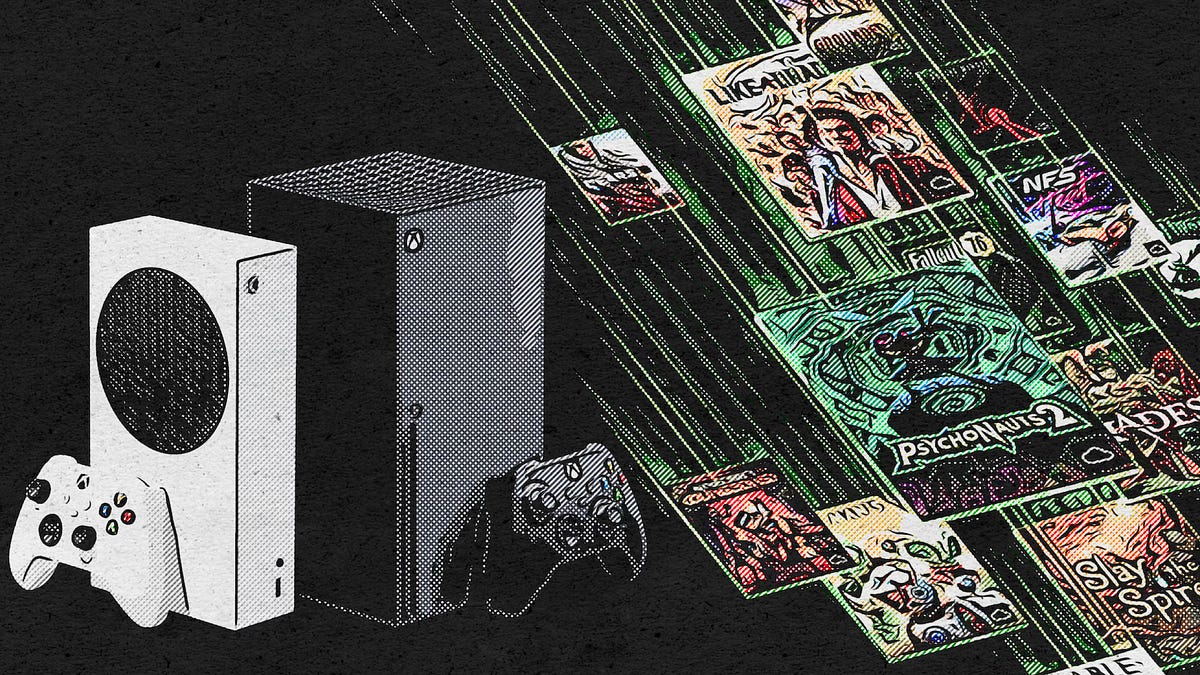
A primary finding involves the ongoing organizational contraction at Xbox, which has implemented 3,200 job cuts since July, including a recent reduction of 268 staff members. This restructuring is characterized as a reverse acquisition, where the company is delegating the development of its most significant first-party intellectual property, such as the Halo franchise, to external studios—specifically those previously acquired through the Activision Blizzard merger. This transition suggests a strategic move away from internal, centralized production toward leveraging the specialized expertise of established, independent-minded development teams.
The analysis frames these developments within the context of the Play Pendulum, a concept suggesting that market value is more effectively captured by focused, specialized entities rather than sprawling, vertically integrated conglomerates. By shifting high-profile development responsibilities to studios with proven track records in specific genres, the company aims to recapture the agility and creative success that defined earlier, smaller-scale iterations of its core franchises. This trend reflects a broader industry shift where major publishers are re-evaluating the efficiency of their internal structures in favor of more targeted, collaborative production models.
The recent restructuring at Xbox, which includes 268 additional layoffs and a significant reorganization of its internal studio structure, signals a fundamental shift in the company’s operational strategy. By consolidating long-standing first-party franchises—such as Halo—under the management of recently acquired publishers like Activision, Microsoft is effectively executing a reverse acquisition. This transition suggests that the company’s primary motivation for its massive acquisitions was to secure experienced managerial talent capable of running its internal studios, rather than merely acquiring intellectual property.
Data indicates that Xbox’s previous strategy of aggressive vertical integration has become a financial and creative liability. While first-party content revenue surged to $13.7 billion by 2025 following the Activision Blizzard acquisition, the company has struggled to maintain the efficiency of pure-play publishers. The shift toward distribution-focused models, coupled with the cannibalization of retail sales by subscription services like Game Pass, has forced a move toward leaner operations. This is further evidenced by the ongoing difficulties in divesting studios like Ninja Theory, where the transition to subscription-based models has negatively impacted standalone unit sales.
The broader industry landscape reflects a changing center of gravity, with China now serving as the largest source of traffic for Steam as of the first half of 2026. While Western publishers are currently shrinking production capacity to navigate a slower-growth market, Chinese firms are expanding with significant scale and ambition. This divergence highlights a global market inversion where Western conglomerates are retreating into efficiency-driven models, while international competitors are aggressively scaling their presence in the global gaming ecosystem.
The video game industry relies heavily on accurate market data to inform high-stakes investment and development decisions. Historically, traditional market research firms like NPD, GfK, and Nielsen were limited by their reliance on physical retail receipts. As the industry shifted toward digital distribution, these legacy firms struggled to capture the full scope of consumer behavior, creating a significant information gap that necessitated the emergence of specialized digital-first research organizations.
Newzoo, a prominent firm with nearly two decades of experience and a workforce of approximately 90 employees, represents this evolution in market intelligence. By focusing on digital metrics, such firms provide the granular audience insights required to justify massive capital expenditures, such as the multi-million dollar budgets common in modern AAA game development. This analytical shift mirrors practices in the film industry, where rigorous audience measurement is a prerequisite for greenlighting major projects.
The current landscape of games research emphasizes the necessity of tracking digital engagement to mitigate risk. As the industry continues to mature, the ability to synthesize complex data points into actionable insights remains a critical competitive advantage for developers and publishers. This ongoing transition from retail-centric tracking to comprehensive digital analytics defines the next generation of industry research, ensuring that stakeholders can navigate an increasingly complex and data-driven global market.
Wall Street’s recent shift in sentiment toward Roblox highlights a disconnect between traditional financial metrics and the company’s long-term strategic vision. Despite a challenging 2026 characterized by flat bookings, declining profits, and market saturation within its core demographic, Roblox experienced an 11 percent surge in share price following its developer conference. This rally occurred even as the company abandoned annual revenue guidance, a move that typically invites investor skepticism. Analysts, however, responded by raising target prices, signaling confidence in the platform's future growth levers rather than its immediate financial performance.
The company’s strategic pivot focuses on three primary pillars: expanding accessibility through browser-based distribution, aggressively targeting the 18+ demographic, and integrating generative AI tools for content creation. The older user segment has emerged as a significant growth driver, with the 18-to-34 age group showing a 42 percent year-over-year increase in users and a 37 percent rise in playtime. Furthermore, the introduction of prompt-based development tools aims to lower barriers for creators, effectively scaling the platform's content supply.
While these initiatives do not provide an immediate boost to 2026 revenue, they successfully address investor concerns regarding the company’s long-term scalability. By moving away from rigid annual guidance and focusing on a robust creator economy and broader user base, Roblox has managed to maintain market support. This transition underscores a broader industry trend where investors are increasingly prioritizing platform engagement and ecosystem expansion over short-term financial predictability, even as the company navigates the complexities of maintaining a safe environment for its younger user base.
The provided text serves as an analytical commentary on current shifts within the video game industry as of September 2026. The primary focus is on Microsoft’s strategic decision to implement usage caps on its cloud gaming services, a move that suggests a deliberate rationing of infrastructure resources. This development highlights the ongoing challenges major platforms face in balancing the high operational costs of cloud-based gaming with the need for sustainable service delivery.
Beyond the cloud gaming sector, the analysis touches upon broader hardware and software trends. The introduction of the iPhone Duo is identified as a potential catalyst for mobile gaming, with the new form factor offering a chance to revitalize a category that has recently suffered from stagnation. However, the lack of a robust launch library for the device leaves its immediate impact on the gaming ecosystem uncertain. Additionally, the analysis notes Nintendo’s reliance on established intellectual property, specifically a 40th-anniversary remake of a classic title, as a low-risk strategy designed to ensure consistent market performance.
These observations reflect a period of transition where hardware innovation and service management are being recalibrated to meet shifting consumer expectations. By examining these disparate developments—ranging from infrastructure constraints at Xbox to new hardware form factors at Apple and legacy IP strategies at Nintendo—the analysis provides a snapshot of the industry's current efforts to navigate both technical limitations and the need for creative renewal.
The gaming industry is experiencing a fundamental shift in unit economics as the era of cheap, abundant cloud computing comes to an end. Driven by the massive resource demands of artificial intelligence, hardware components and data center capacity have become increasingly scarce and expensive. This competition for infrastructure has forced platforms like Xbox to move away from unlimited cloud gaming models toward metered, capped services to maintain operational profitability.
The transition is marked by a departure from the traditional software-as-a-service model, where marginal costs were near zero. Real-time cloud workloads now incur significant expenses related to electricity, hardware depreciation, and compute time. With the cost of a single streaming hour estimated at approximately $0.45 against an average revenue of $0.22, cloud gaming services are currently operating at a net loss. This financial pressure is compounded by stagnant subscription growth, as evidenced by flat sign-up trends in the United States between August 2025 and July 2026, despite various pricing adjustments.
The industry’s response to these ballooning costs involves rationing access through usage caps and shifting toward alternative monetization strategies, such as in-game advertising. As high-fidelity titles like the upcoming Grand Theft Auto VI push the limits of local hardware, consumers are increasingly funneled toward cloud-based solutions that are simultaneously being prioritized for more lucrative AI applications. This trend suggests a broader industry realignment where the scarcity of compute resources will likely necessitate metered pricing across various digital entertainment sectors, effectively ending the long-standing assumption that cloud-based delivery would remain an inexpensive, scalable utility.
The recent decision by Take-Two Interactive to premiere a 26-minute preview of Grand Theft Auto VI exclusively on Netflix signals a fundamental shift in the gaming industry’s marketing and distribution landscape. After years of struggling to establish itself as a successful game developer through various studio acquisitions and internal projects, Netflix is pivoting toward a role as a high-profile discovery and marketing hub for major interactive entertainment titles. This transition reflects a broader industry trend where traditional brick-and-mortar retail has largely collapsed, forcing publishers to seek new, effective channels to reach mass audiences.
The collaboration highlights the strategic necessity for publishers to utilize established distribution partners to maintain visibility in a saturated market. By leveraging Netflix’s massive reach—which generated 31.1 million views for the preview in just four days—Take-Two successfully bypassed traditional marketing bottlenecks. This move aligns with a "windowing" strategy, where blockbuster content is strategically placed to maximize engagement beyond the core console-owning demographic. Netflix’s expertise in recommendation algorithms and content promotion positions it as a powerful intermediary capable of driving discovery, even as its own internal game production efforts have largely been curtailed.
The industry is currently witnessing a transition where the value of a platform lies in its ability to aggregate and present content rather than solely producing it. With the decline of physical retail and the increasing difficulty of reaching players through conventional means, companies like Netflix are uniquely positioned to fill the vacuum. Future developments may see Netflix further solidify its standing as a digital gaming platform, potentially through the acquisition of established publishers, to cement its role as a central node in the modern entertainment ecosystem.
Venture money is back in interactive entertainment, but it's flowing to companies building tools, not games. A conversation with former Take-Two CEO Ben Feder
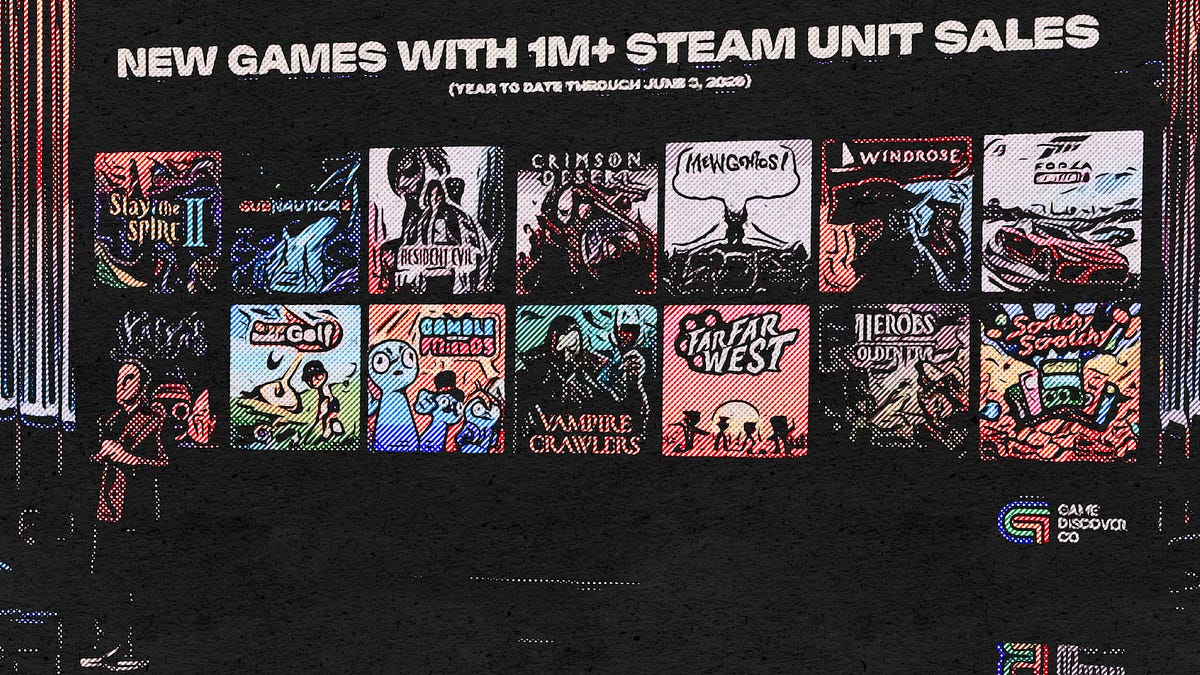
The gaming industry is currently experiencing a significant shift in consumer spending patterns on Steam, where growth is driven almost exclusively by back-catalog titles rather than new releases. While the platform saw a $1.41 billion increase in total revenue during the first half of 2026, new game launches actually experienced a net decline of $0.39 billion. This trend challenges the traditional blockbuster-focused business model, as the share of revenue generated by existing titles rose from 71 percent to 78 percent in a single year.
Data indicates that the industry's top-tier blockbusters are losing their dominance. The revenue share of Steam’s top 10 titles has fallen from a 2019 peak of 41 percent to 28 percent by 2025. Conversely, the mid-market segment—defined as titles ranked 101 to 1,000—has quadrupled in value, growing from $1.1 billion in 2019 to $4.5 billion in 2025. This suggests that while blockbuster strategies were once considered a reliable hedge against market volatility, their efficacy is diminishing as consumers increasingly favor a broader range of mid-tier and older content.
This phenomenon is characterized as backlog inflation rather than a simple catalog renaissance. Analysis of a same-game panel of over 16,000 titles reveals that while spending on older games increased by 26 percent, average daily player counts for those same titles fell by 10 percent. Consumers are purchasing older games at discounted prices but are not necessarily playing them, effectively creating a massive, stagnant backlog. Consequently, new releases now face a highly competitive environment where they must contend with a vast, discounted library of established titles, raising the risk profile for developers and publishers who rely on high-cost, long-timeline production cycles.
The gaming industry is currently experiencing a profound transformation in its information ecosystem, characterized by a sharp decline in traditional editorial journalism and a simultaneous shift toward independent, personality-driven reporting. The central thesis posits that while corporate consolidation and technological shifts have rendered legacy game journalism anemic, a new vanguard of expert-led media is emerging to fill the void, providing the critical curation necessary for consumers to navigate an increasingly complex and algorithm-dominated market.
Data highlights the severity of this contraction. According to ICO Partners, the number of European video game websites plummeted from 1,511 in 2021 to 406 in 2023, representing a 73 percent decline. Furthermore, PressEngine reports that the industry lost a net of 203 specialist journalists in the first half of 2026 alone, following a loss of approximately 600 reporters in 2024. This decline is attributed to three primary factors: widespread industry layoffs, the overwhelming influence of platform operators—whose revenue grew 191 percent to $41 billion between 2015 and 2025—and the proliferation of AI-generated content, which has devalued human-led research and reporting.
The industry is responding to this crisis through a structural inversion where individual authority is superseding institutional branding. Established journalists are increasingly migrating to independent platforms, such as newsletters and YouTube channels, to maintain editorial independence and direct relationships with their audiences. This shift mirrors historical patterns in news media, where periods of information abundance and distrust necessitated the rise of trusted, expert intermediaries. Ultimately, the survival of high-quality game journalism depends on these independent voices, who provide the essential scrutiny required to hold powerful industry entities accountable in an era where discovery is increasingly dictated by corporate algorithms rather than critical acclaim.
This analysis examines the Q2 2026 earnings performance of major gaming entities Roblox, Xbox, and Sony, highlighting a broader industry shift toward platform maturity and the challenges of sustaining hyper-growth. The primary thesis suggests that while major industry players are aggressively pursuing a "billion daily active user" strategy, the focus is transitioning from raw headcount to the quality and sustainability of user engagement.
Roblox reported 8% year-over-year growth in bookings, reaching $1,557 million, yet faced investor skepticism as this figure hit the low end of guidance. While daily active users rose nearly 10% to 123 million, spending per user declined by 1.6%. This trend reflects a maturing platform where the volatility of viral hits is being replaced by more consistent, albeit slower, growth. The company is increasingly prioritizing its creator economy, which, while essential for long-term sustainability, is currently compressing margins as creator payouts increase.
Xbox and Sony face distinct structural pressures. Xbox reported a revenue decline to $21.8 billion, down from $23.5 billion the previous year, with operating margins falling to 21%. These results, compounded by severance and impairment charges, underscore the difficulty of scaling massive gaming ecosystems. Meanwhile, Sony is accelerating its transition away from physical media. Management maintains that the discontinuation of physical discs will not negatively impact the business, citing the high degree of existing digitization, despite ongoing consumer pushback.
Ultimately, the industry is moving away from the pursuit of sheer scale toward a more nuanced definition of success. As the novelty of massive user counts wanes, companies are under pressure to provide more meaningful, engrossing experiences to retain users. This shift marks a departure from the "big tech" growth models of the past two years, signaling a period of consolidation and strategic recalibration across the gaming sector.