
ArticleSuperJoost
Betting the Kingdom: Disney's $1.5 Billion Push into Gaming and the Future of Entertainment
8 Feb 2024~11 min full read
This analysis explores the strategic realignment of major entertainment and gaming entities, centered on Disney’s $1.5 billion equity stake in Epic Games. This investment marks a pivotal shift for Disney as it moves from a licensing-heavy model toward a direct presence in digital environments. By partnering with Epic, Disney aims to create a persistent "digital theme park" within the Fortnite ecosystem, leveraging existing infrastructure to avoid the high costs and technical hurdles that led to the 2016 closure of Disney Infinity. This move is framed as a response to declining traditional entertainment revenues and the need to engage younger audiences on interactive platforms.
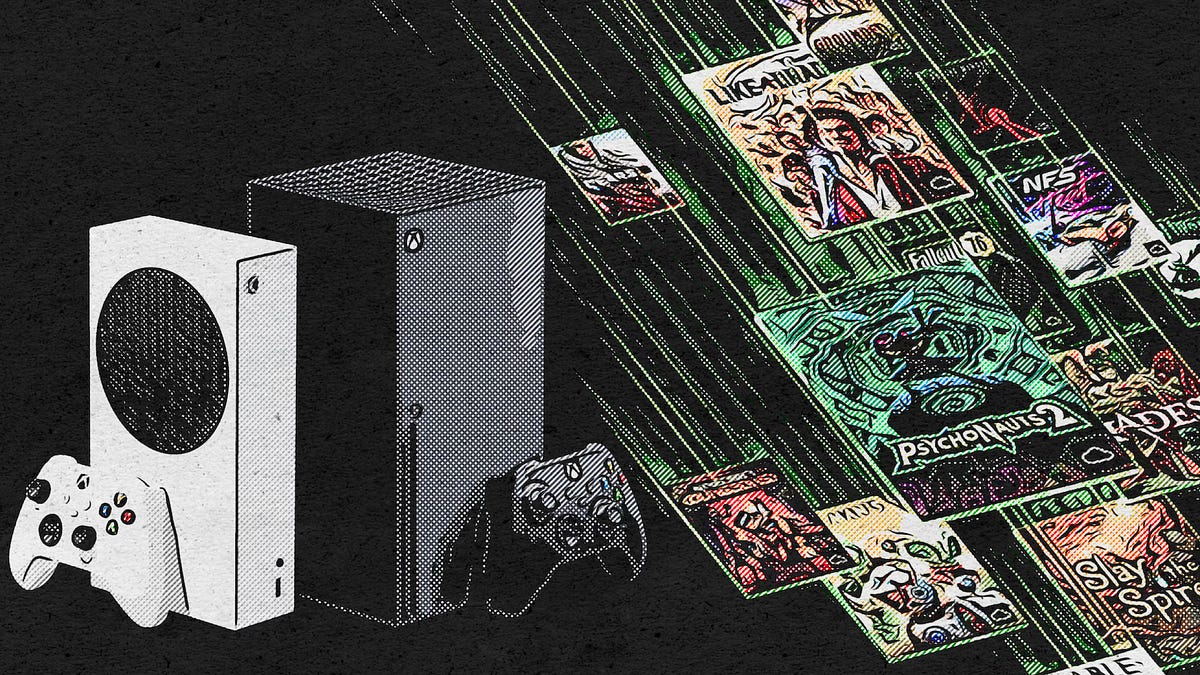
The scope of the analysis extends to broader industry trends in early 2024, covering major players like Microsoft, Nintendo, and Roblox. It highlights a period of transition characterized by market consolidation and shifting distribution strategies. For instance, Microsoft is reportedly considering porting first-party Xbox titles like Starfield and Indiana Jones to rival platforms such as PlayStation and Nintendo. This potential shift suggests internal pressure to maximize returns on massive acquisitions like ZeniMax and Activision Blizzard, even if it risks diluting the value of the Xbox hardware ecosystem and Game Pass subscriptions.
Financial data underscores the varying health of these industry leaders. Nintendo remains profitable with $4 billion in quarterly revenue, bolstered by the success of The Super Mario Bros. Movie, even as Switch hardware sales naturally decline late in the console's lifecycle. Meanwhile, Roblox achieved record quarterly bookings of $1.127 billion, reflecting a successful transition toward user-generated content. The analysis concludes that the blurring lines between physical and digital entertainment, combined with the rising costs of content creation, are forcing legacy media and gaming firms to adopt more collaborative, multi-platform business models to maintain growth.
SuperJoost · 2026

SuperJoost · 2026
SuperJoost · 2026
SuperJoost · 2026
SuperJoost · 2026
SuperJoost · 2026
SuperJoost · 2026

SuperJoost · 2026
SuperJoost · 2026
SuperJoost · 2026
SuperJoost · 2026
SuperJoost · 2026
Aream & Co · 2026
Drake Star Partners · 2026
Modern Times Group · 2026
Drake Star Partners · 2025
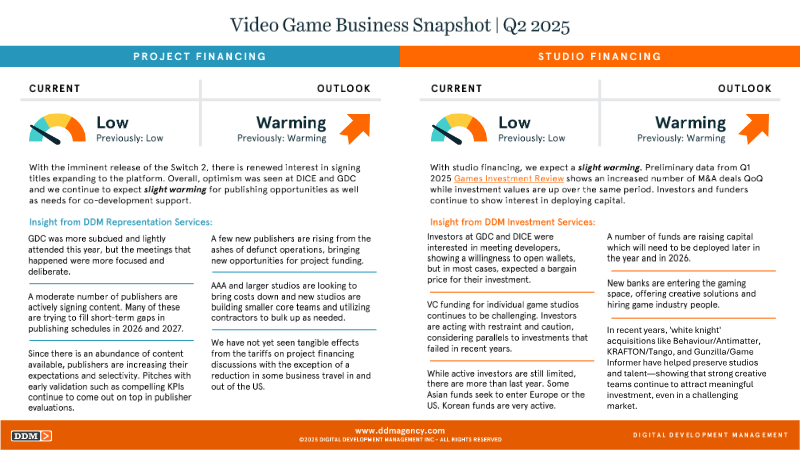
DDM · 2025
Drake Star Partners · 2025
Drake Star Partners · 2025
Digital Development Management · 2025
Thunderful · 2025
DDM · 2025
DDM · 2025
Aream & Co · 2025