This analysis examines the performance of video games on Steam and major consoles throughout August 2026, utilizing proprietary data to track unit sales, gross revenue, and audience engagement. The report serves as a monthly performance benchmark for the industry, highlighting the disparity between high-volume, lower-priced titles and premium-priced releases.
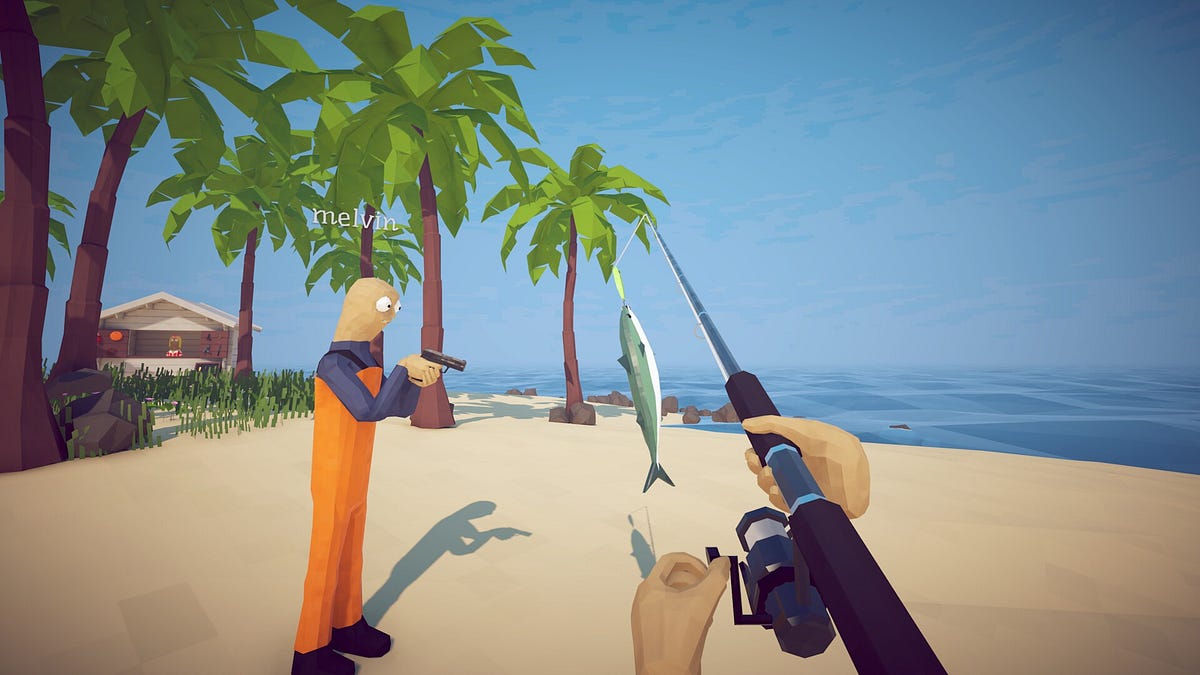
The data reveals that How To Fish dominated the Steam charts by volume, selling 6.39 million copies at a lower price point. Conversely, Star Wars: Zero Company led in gross revenue with $28.21 million, driven by a higher price bracket despite lower unit sales. Other notable performers included Big Walk, which generated $20.96 million, and Mortal Shell II, which earned $16.94 million. Overall, six new releases surpassed the $10 million revenue threshold during the month. On the console front, EA Sports Madden NFL 27 emerged as the top new release, with significant sales volume on PlayStation and Xbox, while Big Walk saw high engagement on PlayStation through its inclusion in the PS Plus service.
The analysis also tracks long-term market trends, noting that established titles like Counter-Strike 2, Apex Legends, and Dota 2 continue to lead in total revenue and Twitch viewership. While August saw a relatively quiet release schedule, pre-orders for upcoming October titles, such as Phantom Blade Zero and Call of Duty: Modern Warfare 4, are already showing strong financial momentum. The findings underscore a shift in consumer behavior where niche titles and simulators, such as ReStory and Grain Rot, continue to find success alongside traditional AA and AAA releases, though console performance remains highly variable depending on the specific platform and regional audience demographics.
The July 2026 gaming market analysis provides a comprehensive overview of top-performing titles across Steam, PlayStation, Xbox, and Nintendo Switch. The data, derived from GameDiscoverCo estimates, highlights a month dominated by high-profile remasters and established free-to-play titles, while also identifying viral indie successes. The analysis focuses on unit sales, gross revenue, and audience engagement metrics, including Twitch viewership, to gauge the commercial health of the industry during this period.
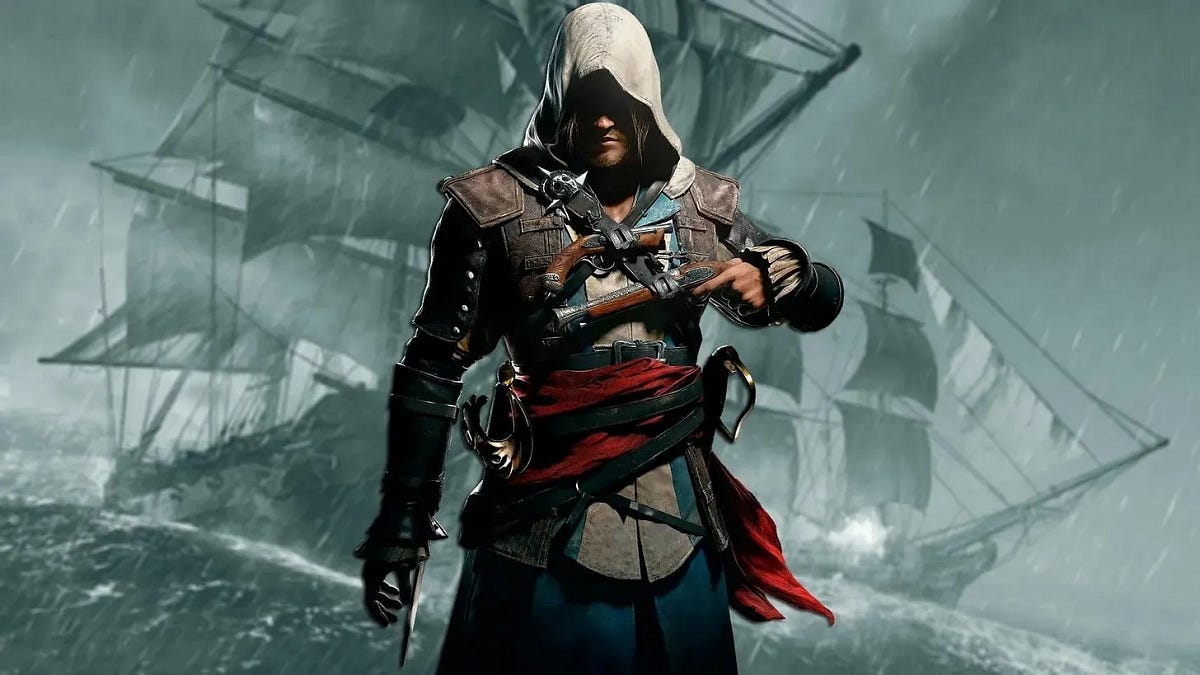
Assassin’s Creed Black Flag Resynced emerged as the standout performer, leading both unit sales and revenue charts on Steam while maintaining strong momentum on consoles with over 1.4 million copies sold on PlayStation and 650,000 on Xbox. Conversely, Halo: Campaign Evolved experienced a lukewarm reception, characterized by mixed reviews and lower-than-expected sales, despite its availability on Game Pass. Other notable releases included the viral hit Shift At Midnight, which achieved 953,000 unit sales, and EA Sports College Football 27, which saw significant traction on both PlayStation and Xbox.
The broader Steam ecosystem remained anchored by long-standing titles such as Counter-Strike 2 and Dota 2, which continued to lead in monthly revenue. Palworld also saw a resurgence following its 1.0 release, contributing to a strong month for both premium and free-to-play models. On the Nintendo Switch, first-party titles like Splatoon Raiders and Rhythm Heaven Groove maintained their dominance in the Western eShop. Twitch viewership data further underscored the disparity between high-engagement competitive titles like League of Legends and the limited streaming reach of most new releases, with only a few titles successfully capturing significant audience attention.
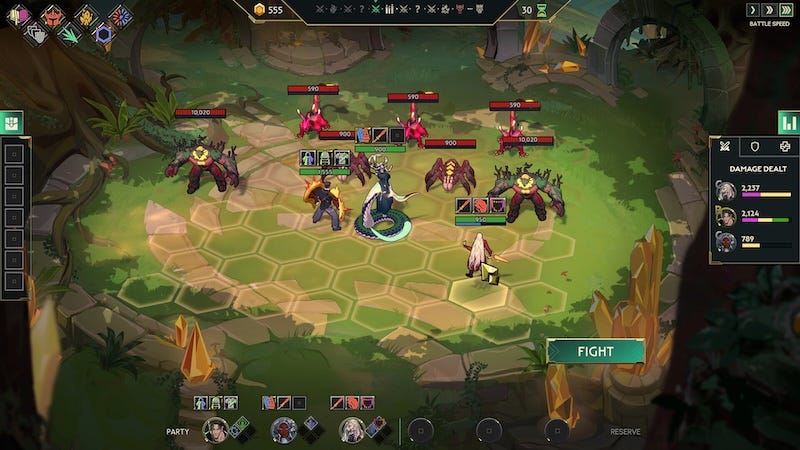
The success of the PC game Guildrun serves as a case study for effective game discovery through strategic genre-mashing and community-focused development. By blending the mechanics of PvE autobattlers with a roguelike structure, the developers successfully captured significant market interest, resulting in approximately 300,000 demo players within ten days of its July 2026 release. This performance was bolstered by high engagement metrics, including a median playtime of nearly four hours and a quarter of the player base exceeding ten hours of gameplay.
The project’s rapid growth is attributed to several key factors, most notably the decision to launch a highly polished demo simultaneously with the game's reveal. This strategy allowed the team to concentrate marketing efforts and drive traffic effectively. Furthermore, the developers cultivated a dedicated community months in advance, utilizing Reddit and Discord to gather feedback and iterate on the game’s meta-balance weekly. This proactive approach to community management, combined with organic influencer outreach within the roguelike and autobattler niches, proved more effective than paid acquisition strategies.
The game’s appeal is further enhanced by high-fidelity UI and character design, which mirror the production values of major industry titles. By removing PvP elements, the developers avoided common technical and social hurdles, allowing for a more accessible yet deep experience. While the United States remains the primary market, the game also saw unexpected traction in Japan, driven by the resonance of its art style. Ultimately, the success of Guildrun highlights the potential for mid-sized indie teams to achieve significant visibility by combining established genre loops with high-quality execution and a disciplined, community-led release strategy.
The rapid accumulation of one million wishlists for the upcoming title Dear Passengers serves as a case study for the current market viability of "friendslop" games—multiplayer, social-focused titles characterized by chaotic, shared-world gameplay. This trend highlights a growing consumer appetite for low-cost, highly social experiences that allow players to rotate between different titles frequently. The success of Dear Passengers is attributed to a highly effective marketing hook, specifically a trailer designed for virality through "clippable" gameplay moments, relatable avatar-based humor, and internet-native meme references.
The developer, Flexus, leverages its extensive background in mobile user acquisition to drive this initial interest. However, the disparity between Dear Passengers and similar, less successful clones underscores that while the barrier to entry for this genre is low, the requirement for precise execution is exceptionally high. Data indicates a significant difference in audience quality between such viral hits and more traditional titles; for instance, Dear Passengers maintains a 35x follower-to-wishlist multiplier, suggesting a high volume of casual interest, whereas niche titles like Rogue Carrier exhibit a more stable 11.8x multiplier, indicating a more dedicated core audience.
The broader gaming landscape reflects a shift toward fragmented attention and stagnant time spent with media. While "friendslop" games may effectively fulfill the original promise of the metaverse by facilitating social interaction through shared tasks, they represent a high-risk, high-reward market segment. Developers must balance the pursuit of massive, viral wishlist numbers against the challenges of expectation management and the necessity of delivering polished, functional gameplay to convert casual interest into long-term engagement.
The life simulation game Paralives achieved significant commercial success by selling one million copies within its first month of Early Access on Steam. This performance highlights the viability of long-term community-funded development, as the title was supported by a Patreon campaign that generated approximately $3 million over several years prior to its release. The game’s success is attributed to a combination of sustained community trust, a commitment to free expansions rather than paid downloadable content, and a robust, rapidly growing modding scene that produced nearly 25,000 items in the first month alone.
Key performance metrics underscore the game's strong market reception. The title maintained a 6.5% refund rate, which is notably lower than the industry median, and achieved a median playtime of five and a half hours. Despite entering a genre with high barriers to entry and established competition, the game secured 78,000 concurrent users on launch day and continues to see a strong long-tail effect, with approximately 25,000 new wishlist additions per day weeks after its debut.
The analysis, published in July 2026, draws on Steam platform data and direct insights from the 15-person development team. The findings suggest that while the market for new titles remains challenging, particularly on consoles, PC platforms have seen a growth in revenue share for new games. The case of Paralives demonstrates that transparency, consistent communication, and delivering a product that meets player expectations for depth can effectively navigate the competitive landscape of the 2020s, even when challenging entrenched industry incumbents.
The gaming industry experienced a notable shift in June 2026, characterized by the emergence of breakout indie hits and a broader trend toward aggressive pricing strategies for new releases. The primary objective is to analyze market performance across Steam and major console platforms, utilizing proprietary sales data and engagement metrics to identify top-performing titles and shifting consumer behaviors.
The standout performer for the month was the solo-developed title Meccha Chameleon, which achieved an extraordinary 11.5 million units sold on Steam. Other notable releases included the Gothic remake, which saw 575,000 units sold on Steam compared to 80,000 on consoles, and the Chinese FMV sequel Road To Empress II, which moved 627,000 copies. A recurring theme among top-tier new releases is a downward pressure on pricing, exemplified by 33 Immortals, which launched on Steam for under $10 to capture a wider audience. Revenue generation for new releases was relatively quiet compared to May, with only two titles exceeding $10 million in revenue, as many developers strategically adjusted release windows around industry events like Next Fest and the Summer Sale.
Long-standing titles continue to anchor the market, with Counter-Strike 2 maintaining its dominance in revenue. Forza Horizon 6 remains a significant performer, having surpassed 15 million players across PC and Xbox, while 007 First Light has reached 3 million total units sold at a premium $70 price point. Console engagement was highlighted by strong performance on subscription services, with Grounded: Fully Yoked Edition attracting over 2 million new players on PlayStation Plus. Twitch viewership data further underscores these trends, with established giants like League of Legends and GTA V remaining at the top, while new releases like Meccha Chameleon and Fears To Fathom: Scratch Creek demonstrated significant immediate traction in streaming hours.
The recent emergence of the multiplayer title Meccha Chameleon serves as a primary case study for analyzing unpredictable viral success in the modern video game industry. Released on June 9, 2026, the $6 hide-and-seek game achieved significant market penetration, selling over 10 million copies and grossing more than $50 million within weeks. The analysis suggests that the game’s success stems from its role as a framework for player-generated humor and social interaction rather than traditional, rigid game design. By facilitating "playful novelty" and creating memorable, streamable situations, the title effectively captured a massive audience on platforms like Twitch, where it reached the third-highest viewership during its peak week.
The developers utilized a lean production strategy, leveraging existing Unreal Engine assets and free matchmaking services to minimize costs and development time. While this approach allowed for rapid iteration, the analysis emphasizes that such outcomes remain largely stochastic, akin to being struck by lightning. The game’s design philosophy aligns with the concept of "friendslop," where the value lies in the social experience and the ability for players to create their own entertainment, effectively functioning more like a reality television format than a conventional game.
Beyond this specific case, the broader industry landscape reflects ongoing shifts in discovery and monetization. Data from May 2026 indicates a 3% year-over-year increase in the U.S. game market, reaching $4.2 billion, though hardware sales face headwinds due to rising component costs and pricing adjustments. Furthermore, platform-specific developments—such as changes to Steam’s discount display requirements in Poland, evolving UGC economies on Roblox, and aggressive promotional strategies for major titles like Grand Theft Auto VI—continue to reshape how developers and publishers navigate the global marketplace.
The analysis focuses on the commercial trajectory of the Steam title Small Spaces, a cozy interior‑design game released in early access in May 2025. By comparing its first‑week performance to its year‑end results, the study demonstrates a 14.3× revenue multiplier and a similar unit multiplier, far exceeding the industry median of 2.7× for titles that sell over 1,000 units in week one. Initial data show 9,980 units and $97 k gross in the first week, growing to 141,000 units and $1.4 m by year’s end—an outcome attributed to a combination of genre fit, low barrier to entry, and sustained content updates.
The report details the game’s development context: a small team that expanded to five members, regular community engagement through Discord and playtests, and a strategic “Unpacking Mode” update that coincided with a Steam Daily Deal. Marketing efforts included outreach to 700 new creators, short‑form influencer campaigns that generated over a million views on TikTok and Instagram, and cross‑promotion with titles such as The Sims 4, which shows a >5× play overlap. Geographic sales data reveal 25% from the U.S., 13% from China, and notable penetration in Germany (10%).
Methodologically, the analysis draws on Steam sales logs, publisher‑provided monthly figures, and GameDiscoverCo Pro affinity metrics. The findings underscore that niche, non‑goal‑driven games can achieve sustained growth when paired with targeted community building and cross‑platform influencer outreach.
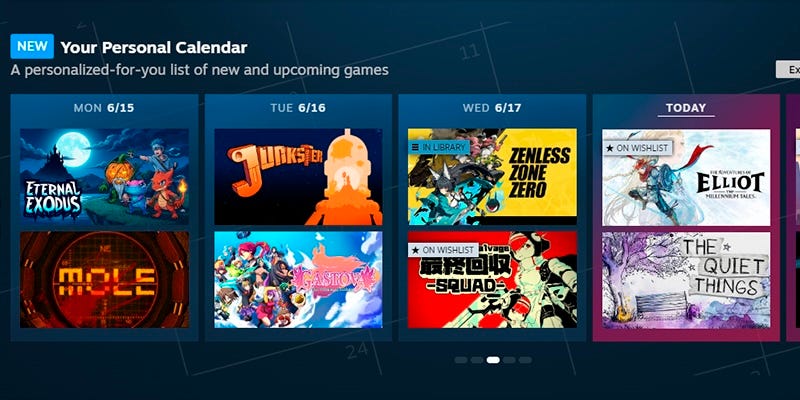
Steam’s recent homepage redesign has introduced a Personal Calendar feature that aggregates users’ wishlists and recommended titles into a 30‑day view, positioned prominently on the main page. The feature’s algorithm prioritizes playtime similarity and recent wishlist activity, delivering daily “re‑training” of recommendations. Early adopters report dramatic spikes in wishlist additions for titles within the 30‑day pre‑launch window. Solarpunk saw a rise from 14,000 to 35,000 daily wishlists over two days; Vampire Syndicate added 2,000–3,000 new entries after the update; and the indie horror title Karjala doubled its 1,000 wishlists in two days. A case study of a mid‑tier game showed daily wishlist growth jump from 300–500 to 5,000–6,000 immediately after the redesign, peaking at 10,000 once front‑page inclusion was achieved. These increases translate into roughly 100,000 additional wishlists and a 1,900 follower boost for the example title. While many new wishlists may be casual and less likely to convert on launch day, the calendar’s visibility offers a low‑effort discovery channel that can sustain interest through pre‑ and post‑release periods. The feature’s impact appears proportional to existing public interest; titles with modest baseline engagement still benefit, but the magnitude of lift correlates with pre‑existing wishlist strength. Overall, Steam’s Personal Calendar emerges as a potent discovery enhancer that reshapes pre‑launch visibility dynamics without guaranteeing conversion.
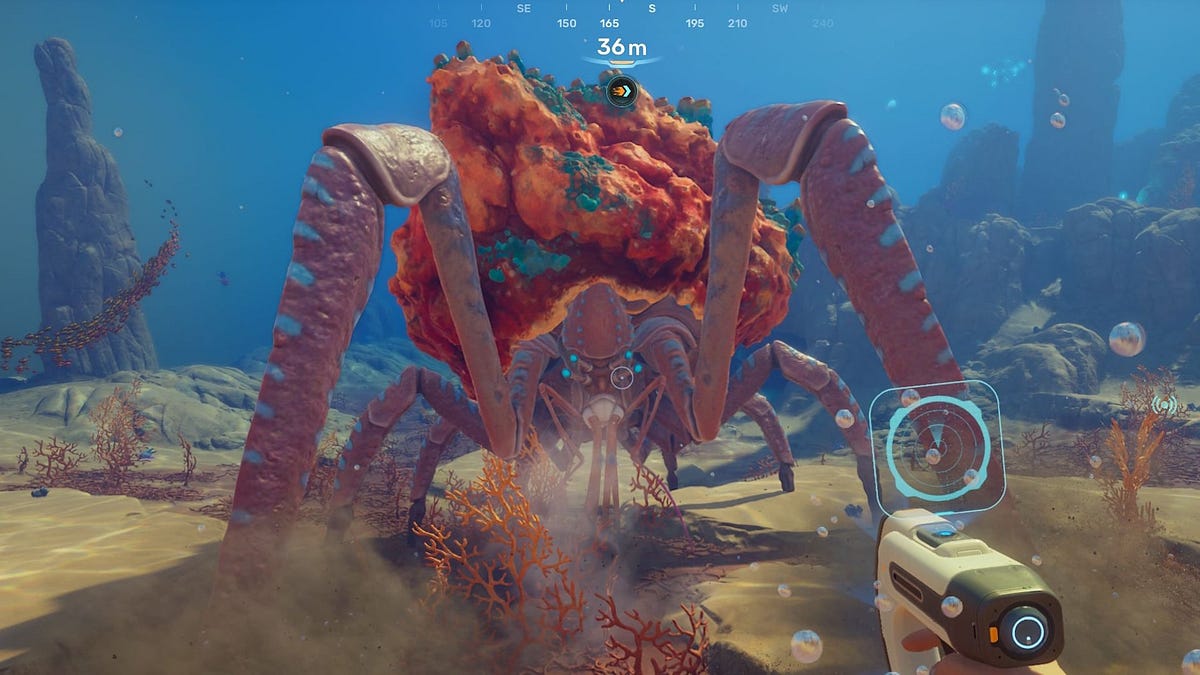
The week of June 8–12, 2026 saw Subnautica 2 and Forza Horizon 6 dominate global PC sales, with 4.35 million copies sold for Subnautica 2 and a peak concurrent user count of 462,000, while Forza Horizon 6 achieved 2.58 million Steam purchases and $152 million in revenue, topping new‑release charts. In China, the PC gaming market reached $51.8 billion with 683 million players; Steam accounts for 87% of monthly active users, and client‑based PC titles generate roughly $11–12 billion—about 22.3% of the market. Turkish mobile and console segments also feature prominently, illustrating regional disparities in platform penetration and pricing strategies.
Distribution and marketing dynamics in China emphasize a multi‑platform approach. Heybox remains the dominant distribution channel, complemented by TapTap and Sonkwo, while marketing success is driven through Heybox, Bilibili, Douyin, Xiaohongshu (RED), and Weibo. No single platform offers comprehensive functionality; Bilibili’s gaming audience, in particular, remains highly engaged and essential for reach.
Turkish game developers have attracted significant capital, raising over $3.6 billion since 2009 and experiencing a 32‑fold increase in 2025 funding to $234 million. Major studios such as Grand Games, Dream Games, Spyke Games, and Good Job Games report multi‑billion in‑app purchase revenues—Dream Games’ titles surpass $5.2 billion, while Grand Games achieved over $115 million in 16 months. The ecosystem continues to thrive with high‑profile M&A activity, exemplified by Peak Games’ $1.9 billion acquisition by Zynga and Loom Games’ rapid $1 billion valuation, supported by investors like Arcadia Gaming Partners and Bogazici Ventures.
Across platforms, revenue models diverge sharply. Roblox’s top 100 developers earn multi‑million annual revenues, yet the median creator payout remains below $1.5 k per year, highlighting a steep earnings distribution. Gulf markets exhibit strong average revenue per user and present localization opportunities, while Ampere’s 2025 analysis notes the influence of GTA VI’s delayed release on market dynamics and modern content strategies. These insights underscore the necessity of regionally tailored monetization approaches in an increasingly fragmented gaming landscape.
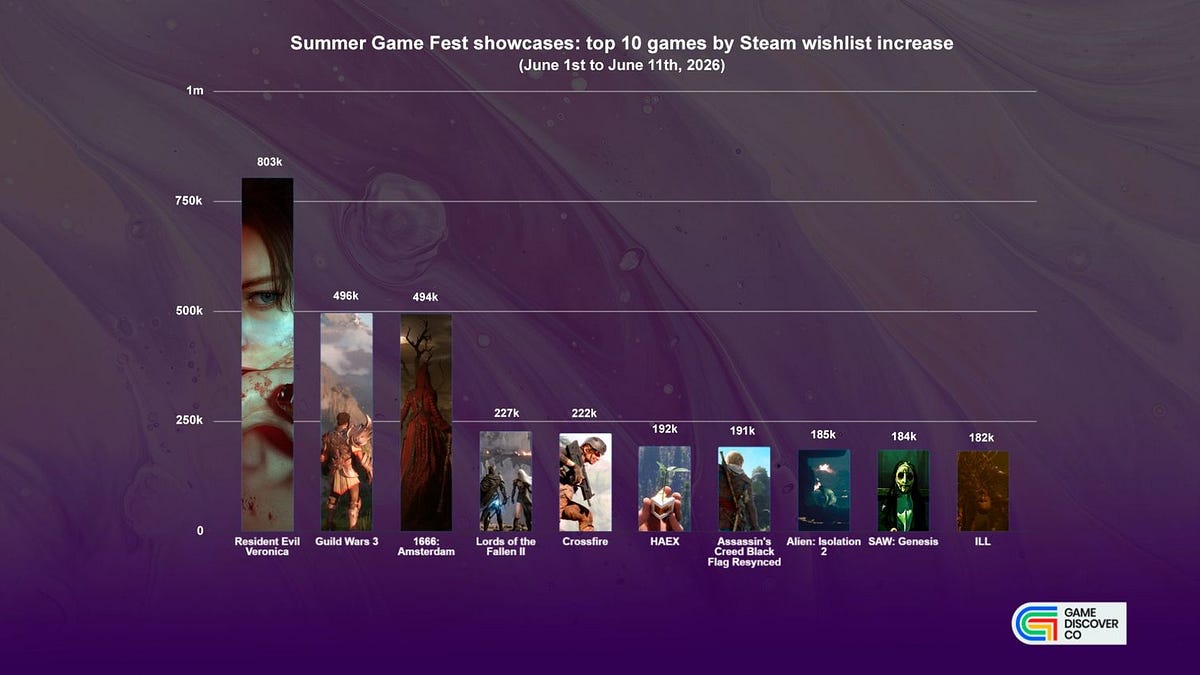
The article examines the impact of Summer Game Fest 2026 on game discovery, focusing on livestream viewership, wishlist activity, and platform coverage. It aggregates data from over 20 showcases—including the main SGF event, PlayStation State of Play, Xbox Games Showcase, PC Gaming Show, and Day of the Devs—tracking 800+ titles. SGF’s livestream drew 62 million viewers, a 23 % year‑over‑year increase, with co‑streaming accounting for nearly two‑thirds of viewership. Steam wishlist data reveal that Resident Evil: Veronica tops the list with 803 k new wishlists, followed by Guild Wars 3 (496 k), Assassin’s Creed 1666: Amsterdam (494 k), Lords of the Fallen II (227 k), and Crossfire (222 k). Nine of the top ten titles were SGF‑showcased, underscoring the festival’s influence on consumer interest. Steam follower gains mirror wishlist trends but favor core strategy titles such as Guild Wars 3, Stronghold 4, and Persona 4. Platform analysis shows Steam listed 96 % of titles, PlayStation 27 %, and Xbox 26 %. Switch 2 appears in 13 % of SKUs, while mobile representation fell from ~5.5 % to ~2.5 %. The median wishlist increase per showcase ranks SGF (+72 k) highest, followed by PlayStation State of Play (+52 k), Xbox Games Showcase (+46 k), PC Gaming Show (+21 k), and Day of the Devs (+20 k). Engine usage among the most wishlisted games shows Unreal at 52 %, Unity 14 %, with custom engines and Godot lower. The piece contextualizes these metrics within broader industry trends, noting heightened interest in gritty AAA action, historical or post‑apocalyptic themes, and franchise continuity.
The analysis focuses on May 2026 sales performance across Steam and major console platforms, drawing data from GameDiscoverCo Pro. For new releases on Steam, Subnautica 2 led with 4.35 million copies sold and a peak concurrent user count of 462,000, while Forza Horizon 6 achieved 2.58 million purchases and $152.2 million in revenue, supported by a median playtime of 23 hours and 165,000 concurrent users. Indie title Gamble With Your Friends sold just over 2 million copies, and 007 First Light added 851,000 units after a late‑month launch. Revenue rankings mirrored copies sold: Forza Horizon 6 topped the chart with $152.2 million, followed by Subnautica 2 at $105.9 million; 007 First Light generated $39.9 million on Steam alone, with total May revenue exceeding $110 million across platforms.
Among all Steam titles, Forza Horizon 6 displaced Counter‑Strike 2 as the highest‑earning game ($131.6 million estimated for CS2). Apex Legends, PUBG: Battlegrounds, and Diablo IV followed with $43.1 million, $34.85 million, and $26.11 million respectively, the latter buoyed by a new DLC launch.
Console sales data highlight Forza Horizon 6’s 2.2 million Xbox purchases, expanding to over 10 million Game Pass users, and Subnautica 2’s 2.7 million Game Pass downloads. PlayStation Plus added 4.5 million new players to EA Sports FC 26, while titles such as Wuchang: Fallen Feathers and Nine Sols reached 1 million and 650,000 downloads respectively. The Nintendo eShop saw Yoshi and the Mysterious Book sell 150,000 copies, with Mina the Hollower achieving similar digital sales.
Overall, May 2026 saw a concentration of high‑volume titles across PC and console ecosystems, with Forza Horizon 6 emerging as the dominant revenue generator on both Steam and Xbox.