Riot
Company
Documents about Riot

2021 Predictions: Contenders Throwdown for Supercell's Mid-Core Crown
The mobile strategy gaming sector experienced a significant transformation in 2020, generating $5 billion in net revenue and achieving a 21% increase in in-app purchase growth.
- Lilith is positioned to surpass Supercell in global mid-core revenue by the end of Q1 2021, driven by strong performance in its strategy portfolio and upcoming title launches.
- Supercell has experienced five consecutive years of revenue decline, with its 2020 growth largely dependent on the China launch of Brawl Stars, which saw a 90% drop in monthly run-rate shortly after release.
- The 4X strategy sub-genre remains the largest in the mid-core category, generating $3.3 billion in revenue with 31% year-over-year growth and accounting for one-third of the total mid-core market.
How to Go from Good to Great
The transition from a mediocre creative team to a high-performing unit requires a fundamental shift from hyper-competitive individualism to a culture rooted in vulnerability and collective growth.
- Riot Games transitioned its visual effects department from a toxic, ego-driven environment to a high-performing unit by replacing scapegoating with a culture of vulnerability and collective growth.
- The implementation of 'campfires'—structured, informal gatherings—was the primary mechanism used to dismantle interpersonal barriers and foster open communication among artists.
- Long-term creative success is driven more by soft skills like adaptability and openness to feedback than by immediate technical proficiency.
League of Legends | Product Lessons from 10 Years of Operations (Paul Bellezza Riot Games)
Operating a global title like League of Legends requires a fundamental shift away from Western-centric development toward a model that respects diverse international cultural standards.
- Long-term product sustainability requires the discipline to prioritize high-impact initiatives while strategically declining lower-value requests to protect the development roadmap.
- Developers must balance community feedback with core gameplay integrity, as evidenced by the failure of the Dynamic Queue system, which eroded competitive foundations by prioritizing convenience over skill.
- Global scaling requires moving away from Western-centric development in favor of rigorous research into regional aesthetics, heroism, and color palettes to ensure content maintains perceived value across diverse markets.

Vacation-Based Dividends: Time Off in the Games Industry
The games industry operates on a seasonal cadence driven by major events and product deliverables, yet many organizations fail to align their labor practices with these natural fluctuations.
- Institutionalizing time off as a predictable dividend rather than a reactive measure is essential for retaining the highly specialized talent whose departure can cause eighteen-month recruitment and training setbacks.
- Major publishers like Riot Games and Epic Games have historically implemented company-wide breaks only as reactive responses to intense expansion or public scrutiny regarding crunch culture.
- Rapid valuation growth, such as Epic Games tripling its value to nearly $18 billion in two years, frequently leads to management errors that prioritize scale over employee well-being.
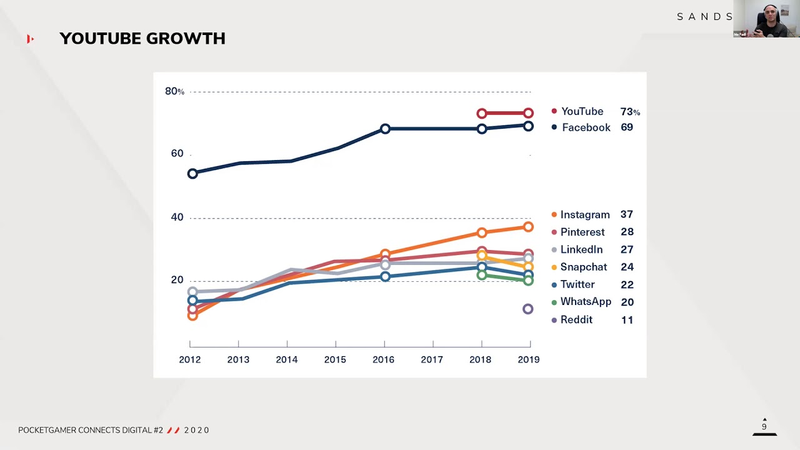
Esports, Influencers and New Media Changing the World PG Connects Digital #2
The presentation explores the evolving landscape of esports, influencer marketing, and new media, emphasizing how these elements function as critical drivers for the modern gaming ecosystem.
- Developers must shift from top-down advertising to integrating influencers as core partners, as traditional marketing strategies are becoming increasingly obsolete.
- Mid-tier (B and C-level) influencers frequently generate higher audience loyalty and more effective engagement compared to high-profile superstars.
- The gaming industry is transitioning toward 'active entertainment,' where viewers prioritize interactive experiences, such as community-driven events and real-time participation, over passive consumption.

Big Tech Sucks at Gaming: Can Amazon, Google, Facebook, and Apple Disrupt the Video Games Market?
The global video games market, valued at $130 billion with over two billion active players, has become a primary target for expansion by major technology firms including Amazon, Google, Facebook, and Apple.
- Big Tech firms (Amazon, Google, Facebook, and Apple) generate $20 billion in gaming revenue, capturing only 3% of their total operations and trailing incumbents Sony and Microsoft, who command $31 billion in the sector.
- The gaming industry’s reliance on complex multiplayer ecosystems and network effects renders the traditional Big Tech strategy of buying platform exclusivity less effective than it was for music or film.
- Amazon has faced significant setbacks, including the failure of its major title Crucible and stagnant growth at Twitch, while Google’s Stadia lost its first-mover advantage in the cloud gaming market.
Building the Amazon of Game Companies | Long Term Defensibility!
Video game companies face unique challenges in achieving the long-term defensibility characteristic of major technology firms because their success is tethered to the volatile, hit-driven nature of creative content rather than static infrastructure.
- Long-term defensibility in gaming requires transitioning from a hit-driven model to an institutionalized portfolio approach that balances short-term financial survival with long-term strategic investment.
- Resilient industry leaders like Nintendo, Epic Games, and Riot Games maintain market relevance by prioritizing deep genre expertise and high talent density over purely data-driven decision-making.
- Sustainable growth is achieved by building scalable infrastructure that supports IP expansion across multiple platforms and geographic markets, rather than relying solely on capital or aggressive acquisitions.
How Riot Can Turn Teamfight Tactics Into a Billion Dollar Game
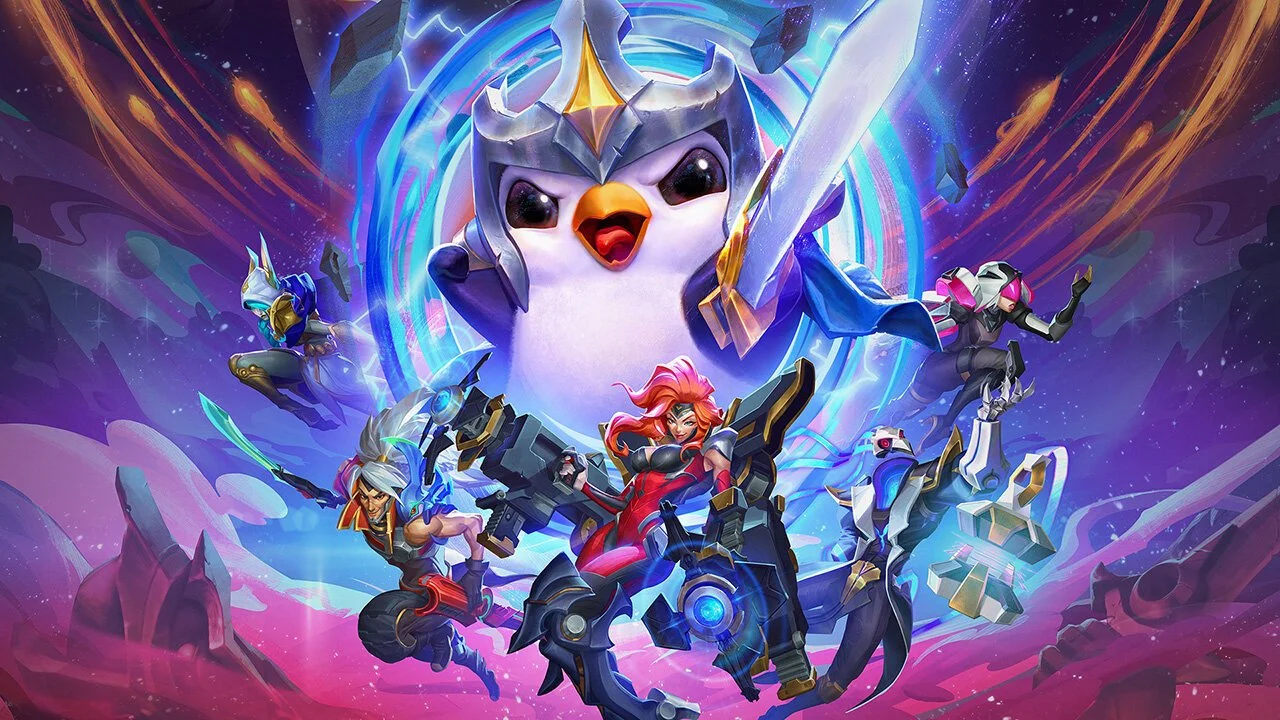
Teamfight Tactics (TFT) faces a significant monetization challenge, as its current revenue performance is considered underwhelming relative to its player base.
- As of July 2020, Team Fight Tactics (TFT) had reached 11 million installs, with 20% from Korea and 15% from the US, but generated only $0.43 in revenue per download.
- Riot’s commitment to a 'player-first' brand that avoids pay-to-win mechanics and excessive monetization creates a significant challenge for scaling revenue in a game that requires heavy investment.
- The game's high level of complexity, driven by randomness and deep metagame mechanics like Class and Origin set bonuses, makes it difficult to monetize through traditional stat-based progression without alienating the core player base.

Video Game Industry Impact: California
The video game industry serves as a significant economic engine within California, fostering a robust ecosystem of development, innovation, and employment.
- California’s video game industry generates over $51.7 billion in annual economic output for the state.
- The local video game ecosystem in California supports a total of 218,090 jobs.
- There are more than 619 video game company locations operating within California.
Does Tencent Hate Riot?
Tencent’s internal development strategy is defined by a competitive, Darwinian model often described as a shark womb, where internal studios are encouraged to compete against one another to produce the most successful titles.
- Tencent operates with a 'shark womb' strategy, where internal studios like TiMi and Quantum/Lightspeed compete directly against each other, and Tencent prioritizes the success of the overall portfolio over the protection of individual franchises.
- Tencent’s internal rivalry strategy was exemplified by the launch of two competing mobile versions of PUBG, where the company released both to market and allowed real-world data to determine the winner.
- TiMi’s Honor of Kings has remained China’s top-grossing app for nearly five years, despite initial internal conflict with Riot Games over the use of League of Legends branding in marketing materials.

Forging Your Path - Standing out from the Crowd | PGC Digital #1
The primary objective of this presentation is to provide game developers with actionable strategies for establishing a distinct professional identity to attract publishers and investors.
- To secure partnerships, studios must define a unique value proposition by identifying a specific specialization in genres, narrative styles, or technical expertise.
- A studio’s 'creative DNA'—the intersection of design, narrative, and art—is the primary differentiator required to stand out in a crowded marketplace.
- Quality is defined by a studio's ability to consistently deliver products within the constraints of their specific budget and resources, rather than chasing universal critical acclaim.
In-Game Banner Ads 2.0: Democratization of an Art Form, or a Poor Player's Tax?
This analysis examines the strategic challenges and emerging monetization trends within the global video game industry during the second quarter of 2020.
- Tencent has committed to a $70 billion infrastructure investment plan, while Huya reported a 48% year-over-year revenue growth to $341 million in Q2 2020.
- Riot Games is professionalizing in-game advertising by integrating sponsored banners into League of Legends esports broadcasts to capture brand demand.
- Large tech conglomerates like Amazon and ByteDance face significant challenges in gaming, evidenced by the failure of Amazon’s Crucible, which highlights the difficulty of substituting distribution power for creative culture.