1 free read left. Create a free account for unlimited reading + AI research.
Create free accountArticle Deconstructor of Fun
1 free read left. Create a free account for unlimited reading + AI research.
Create free accountArticleDeconstructor of Fun
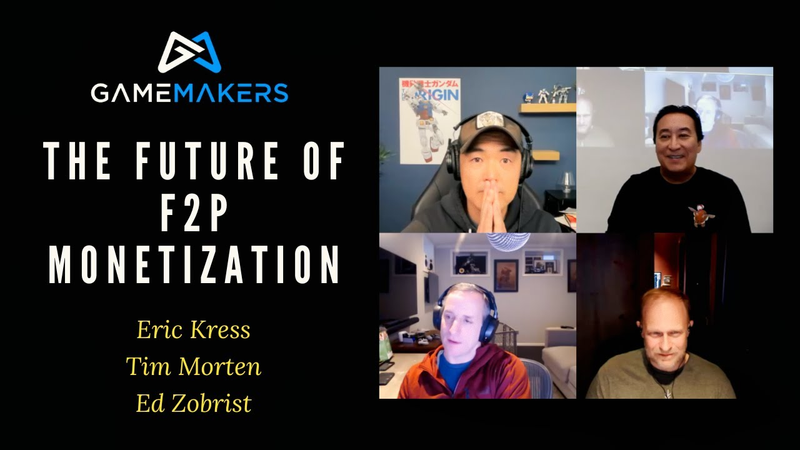
As of July 2020, Teamfight Tactics (TFT) had 11 million installs but generated only $0.43 in revenue per download.
Teamfight Tactics (TFT) faces a significant monetization challenge, as its current revenue performance is considered underwhelming relative to its player base. With approximately 11 million installs and only $4 million in net revenue as of mid-2020, the game struggles with a low revenue-per-download metric. The primary thesis is that Riot Games can scale TFT into a billion-dollar title by implementing deeper, engagement-driven monetization systems that respect the company’s core philosophy of avoiding pay-to-win mechanics while rewarding player skill and long-term commitment.
The analysis highlights that the game’s inherent complexity—driven by randomness, item crafting, and strategic synergy—makes traditional aggressive monetization difficult. To address this, the proposed strategy focuses on three pillars. First, a Champion Mastery system would allow players to incrementally improve champion stats through gameplay, creating a foundation for monetized progression via subscriptions and daily mini-games. Second, the introduction of competitive, time-limited tournaments would leverage artificial scarcity and entry fees to drive revenue spikes. Finally, daily events featuring rotating restrictions on champion origins and classes would provide fresh engagement loops that encourage consistent spending on event-specific tokens.
The scope of this analysis covers the global mobile auto-chess market as of July 2020, with specific data sourced from Sensor Tower. The findings emphasize that Riot’s brand equity is built on player trust, necessitating a delicate balance where monetization must feel additive to the experience rather than extractive. By shifting the focus toward systems that reward engagement and skill, the game can transition from its current low-monetization state toward a sustainable, high-revenue model that aligns with the expectations of its dedicated community.
Deconstructor of Fun · 2026

Deconstructor of Fun · 2026
Deconstructor of Fun · 2026

Deconstructor of Fun · 2026

Deconstructor of Fun · 2026
Deconstructor of Fun · 2026

Deconstructor of Fun · 2026
Deconstructor of Fun · 2026
Deconstructor of Fun · 2026
Deconstructor of Fun · 2026
Deconstructor of Fun · 2026
Deconstructor of Fun · 2026
Two & a Half Gamers · 2026