Riot
Company
Documents about Riot
TWIG #406: What if Roblox Goes Private and Which Games Get Kicked by GTA VI
The global gaming industry is currently navigating a period of intense structural adjustment, characterized by a shift toward sustainable development models and the challenges of balancing creative ambition with public market expectations.
- Grand Theft Auto VI poses a significant market threat, with 69% of adult gamers intending to play the title at launch, likely displacing competitive shooters and sports games.
- Roblox may need to transition to a private company to escape quarterly earnings pressure and resolve the conflict between its low-fidelity content model and public market demands for AAA-quality experiences.
- The gaming industry is shifting away from high-frequency content models toward system-driven designs to improve player retention and operational efficiency.

How Riot Went From One Game to Five Hits | Mark Sottosanti, Riot Games
Riot Games has successfully transitioned from a single-title developer into a diversified, multi-platform publisher by prioritizing long-term ecosystem health over short-term financial gains.
- Riot Games transitioned from a single-title developer to a multi-platform publisher by prioritizing long-term ecosystem health and player mastery over short-term financial gains.
- The company maintains a global operational footprint of approximately 20 regional offices to ensure cultural relevance and balanced revenue distribution across North America, Europe, China, and Korea.
- Riot avoids inorganic growth, choosing to retain strict internal stewardship over its intellectual property rather than pursuing acquisitions or third-party licensing.
Why Video Game Studios By Big-Name Developers Fail So Often
The frequent failure of independent game studios founded by veterans from major AAA companies stems from a disconnect between the resources of large organizations and the realities of smaller, independent operations.
- New studios founded by AAA veterans often fail because they lack the specialized infrastructure—such as dedicated marketing, cinematic teams, and administrative support—that large companies like Blizzard or Rockstar provide by default.
- Founders frequently struggle to adapt to modern market realities, such as the necessity of Early Access, community building via Discord, and iterative beta testing, instead relying on outdated 'surprise launch' strategies that are no longer effective.
- Excessive venture capital funding, common during the 2021–2022 zero-interest-rate period, often leads to 'scope creep,' where studios artificially inflate project size and headcount to match their inflated budgets, resulting in complacency and unmanageable complexity.

Tencent’s bid to create the next FromSoftware and Larian
Tencent Games, through its Interactive Entertainment and Game Global (IEG) division, is actively pursuing a long-term strategy to cultivate category-leading game studios capable of achieving the global success seen by developers like FromSoftware and Larian.
- Tencent is shifting its global strategy to cultivate category-leading studios capable of producing high-quality console and PC titles, modeled after the success of FromSoftware and Larian.
- The company currently manages approximately 20 studios worldwide, utilizing a 'long game' approach that prioritizes creative autonomy and operational support over rigid corporate oversight.
- Tencent is leveraging the global success of Chinese-developed titles like Black Myth: Wukong to bridge the gap between its traditional mobile-centric expertise and the high-end console market.

The ex-Riot producer betting mini-games will be China's next big export
The Chinese gaming industry is undergoing a significant shift, characterized by increased confidence and a strategic focus on global expansion.
- The mini-game market is a significant emerging export for China, with global revenue projected to reach $9 billion in 2025, up from $7.6 billion in 2024.
- Major Western platforms including YouTube, Discord, Telegram, and LinkedIn are already integrating mini-game ecosystems, signaling a global shift toward this format.
- Chinese developers are increasingly successful because they integrate monetization strategies—such as hybrid IAP/IAA models and reward structures—early in the product design phase rather than treating them as post-development additions.
🚨📢BREAKING NEWS: Clash Royale Drama, Layoffs, Applovin Q4, Unity Reshuffle 🤯
The current state of the gaming industry is defined by a sharp divergence between companies undergoing painful structural restructuring and those achieving significant growth through product-market clarity.
- AppLovin reported a 70% year-over-year revenue increase to approximately $5.5 billion, highlighting a stark contrast to the 30% stock decline and leadership reshuffle currently impacting Unity.
- Nexon achieved a 6.5% revenue increase to $3.1 billion, driven by the strong performance of titles like ARK Raiders.
- Supercell’s recent Clash Royale revenue spike was temporary, with data indicating that performance has already regressed to previous baselines despite influencer-led marketing efforts.
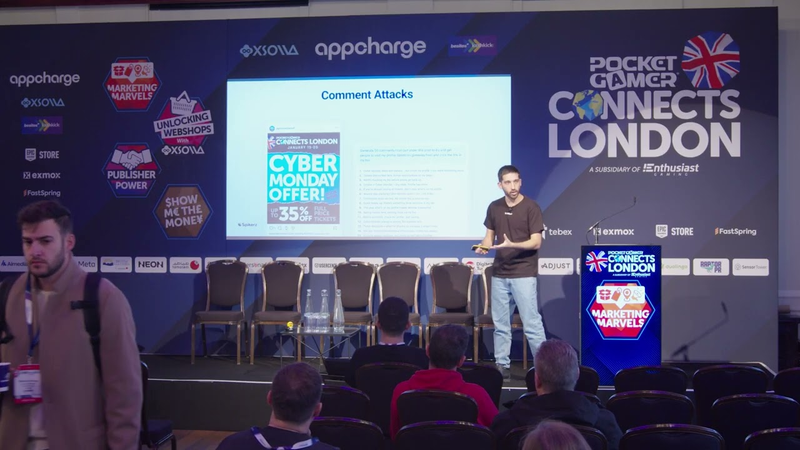
Session: AI vs. Your Game: The New Era Of Social Media Attacks - Naveh Ben Dror, Spikerz
The rapid advancement of artificial intelligence has fundamentally altered the threat landscape for gaming studios, shifting the nature of social media attacks from manual, labor-intensive efforts to automated, scalable, and highly sophisticated operations.
- One in five gaming studios will experience a security breach, as AI-driven threats have shifted from manual efforts to automated, scalable operations.
- Major industry players including Riot Games, Activision Blizzard, and Xbox have already been targeted by sophisticated AI-enabled attacks.
- Attackers are using AI to scrape professional networks for employee data and generate hyper-personalized phishing content in any language to bypass traditional security.
Minecraft’s Spin-off Hytale Makes Waves, Meta Layoffs, and Metacritic’s Best Game Ever
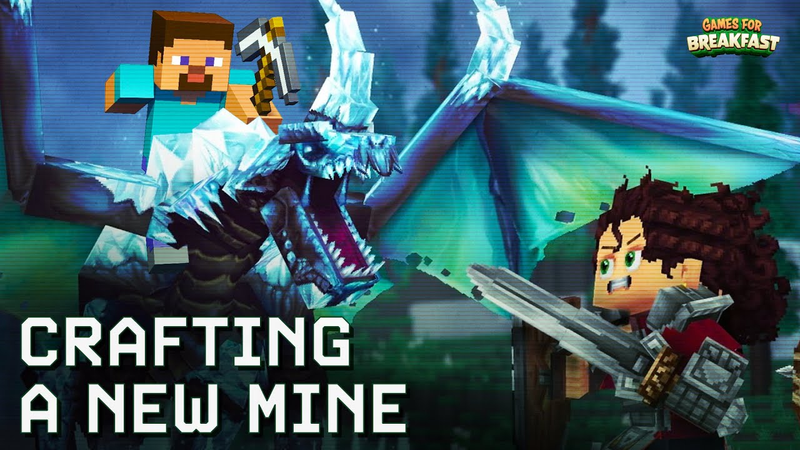
The sandbox title Hytale has emerged as a significant industry development, successfully transitioning into early access after the developers reclaimed the project from Riot Games.
- Hytale has transitioned to early access as an independent project after reclaiming development from Riot Games, securing two years of operational funding through independent sales.
- Meta is shifting its strategic focus away from metaverse and gaming initiatives to prioritize investments in artificial intelligence and wearable hardware.
- Amazon Games is sunsetting the MMO New World, underscoring the difficulty of community-led preservation due to proprietary server code and legal restrictions.

EA Wins, Xbox Bleeds, and VCs Get Roasted | Golden Twig Awards 2025
The Golden Twig Awards 2025 serves as an industry retrospective, evaluating the most significant news, strategic failures, and notable performances across the global gaming sector over the past year.
- The acquisition of Electronic Arts (EA) by Saudi interests stands as the most significant industry event of 2025, signaling a major shift in global capital structures and market consolidation.
- Xbox is facing systemic criticism for studio closures, a struggling subscription model, and a declining competitive position in the console market.
- Venture capital firms are experiencing a collapse of the 'Riot 2.0' investment thesis, with high-profile, unproven studios like Forte failing to meet their valuations.
TWIG #365 Golden Twig Awards: The Best, Worst, and Weirdest Moves in Games This Year
The gaming industry in 2025 is defined by a volatile landscape of high-stakes acquisitions, structural instability, and a fundamental misalignment between venture capital expectations and studio performance.
- The 2025 gaming industry is shifting away from venture capital-backed models toward funding led by established publishers, following the failure of numerous studios that attempted to replicate the success of giants like Riot or Blizzard.
- Companies are increasingly bypassing traditional distribution channels by launching direct-to-consumer web stores to mitigate structural instability and high-stakes acquisition volatility.
- Audience growth has stagnated, forcing publishers to pivot from acquisition to optimizing existing user bases through new advertising models, such as Roblox’s programmatic integration with Amazon DSP.
League’s New Control Scheme is a Gamble | Design Club
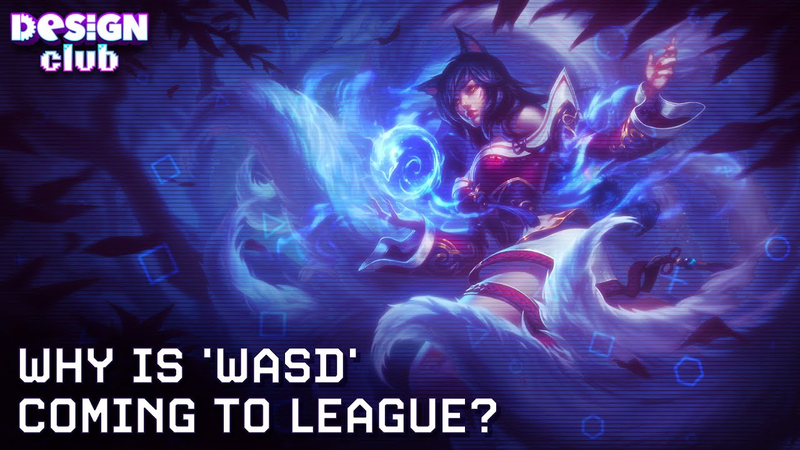
Riot Games is initiating a fundamental shift in League of Legends by introducing an optional WASD movement scheme, moving away from the traditional click-to-move interface that has defined the title for 16 years.
- Riot Games is introducing a WASD movement control scheme to League of Legends, marking a significant departure from the game's traditional 16-year-old click-to-move interface.
- The shift to WASD movement effectively divorces character movement from target selection, a change that could lower the game's skill floor and alter the competitive landscape.
- Riot is testing this feature on the Public Beta Environment (PBE) with a methodical, long-term rollout strategy to mitigate risks to the game's established competitive ecosystem.
TWIG #337 Supercell's AI Ruse and Microsoft’s Muddled Xbox Strategy
The global gaming industry is currently navigating a period of significant structural instability, characterized by widespread layoffs and a strategic pivot among major players.
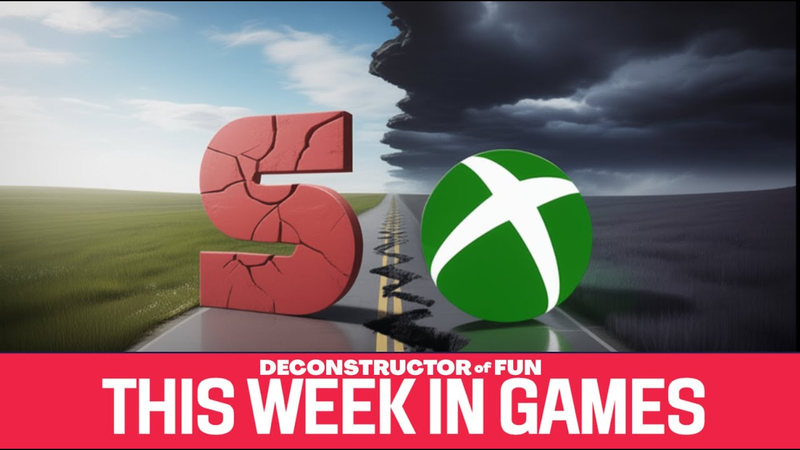
- Microsoft’s Xbox division faces a critical strategic impasse characterized by stagnant Game Pass subscriptions, declining hardware market share, and shrinking software margins.
- Supercell is experiencing revenue declines in flagship titles like Brawl Stars and Clash of Clans, leading to concerns that its pivot toward AI-driven innovation is a distraction from core operational challenges ahead of a potential IPO.
- Netflix is pivoting away from high-budget gaming ambitions to adopt a casual, low-engagement model similar to Apple Arcade.