ArticleSuperJoost
Vacation-Based Dividends: Time Off in the Games Industry
13 Aug 2020~2 min full read
The games industry operates on a seasonal cadence driven by major events and product deliverables, yet many organizations fail to align their labor practices with these natural fluctuations. In a knowledge-based economy where human capital is the primary asset, the loss of a single skilled analyst can result in an eighteen-month setback for recruitment and training. Despite this, sustainable time-off policies are often treated as reactive measures rather than proactive institutional standards. High-profile examples from major publishers like Riot Games and Epic Games demonstrate a trend where significant downtime or company-wide breaks are only implemented following periods of intense expansion or public scrutiny regarding workplace "crunch" culture.
The rapid valuation growth seen in the sector, such as Epic Games tripling its value to nearly eighteen billion dollars in two years, often leads to organizational management errors where employee well-being is sacrificed for scale. However, as the industry expands and converges with other entertainment sectors, the ability to attract and retain seasoned talent becomes a critical competitive advantage. Creative firms must move toward a model of predictable returns for their staff, treating time off as a necessary dividend paid to the workforce to maintain morale and prevent burnout.
Ultimately, the long-term health of the games industry depends on shifting away from ego-driven management toward professional discipline that prioritizes the health of the team. Implementing institutionalized breaks, such as biannual company shutdowns during low-productivity months like August and December, serves as a vital tool for retention. By viewing vacation as a dividend rather than a luxury, firms can ensure that their most valuable assets remain productive, healthy, and committed to the organization’s long-term success.
SuperJoost · 2026

SuperJoost · 2026
SuperJoost · 2026
SuperJoost · 2026
SuperJoost · 2026
SuperJoost · 2026
SuperJoost · 2026

SuperJoost · 2026

SuperJoost · 2026
SuperJoost · 2026

SuperJoost · 2026
SuperJoost · 2026
Square Enix · 2025
International Game Developers' Association · 2024
80 Level · 2024

Skillsearch · 2023
Skillsearch · 2023
80 Level · 2023
Take-Two Interactive · 2022
PCF Group · 2021
8Bit · 2026
Values Value · 2026
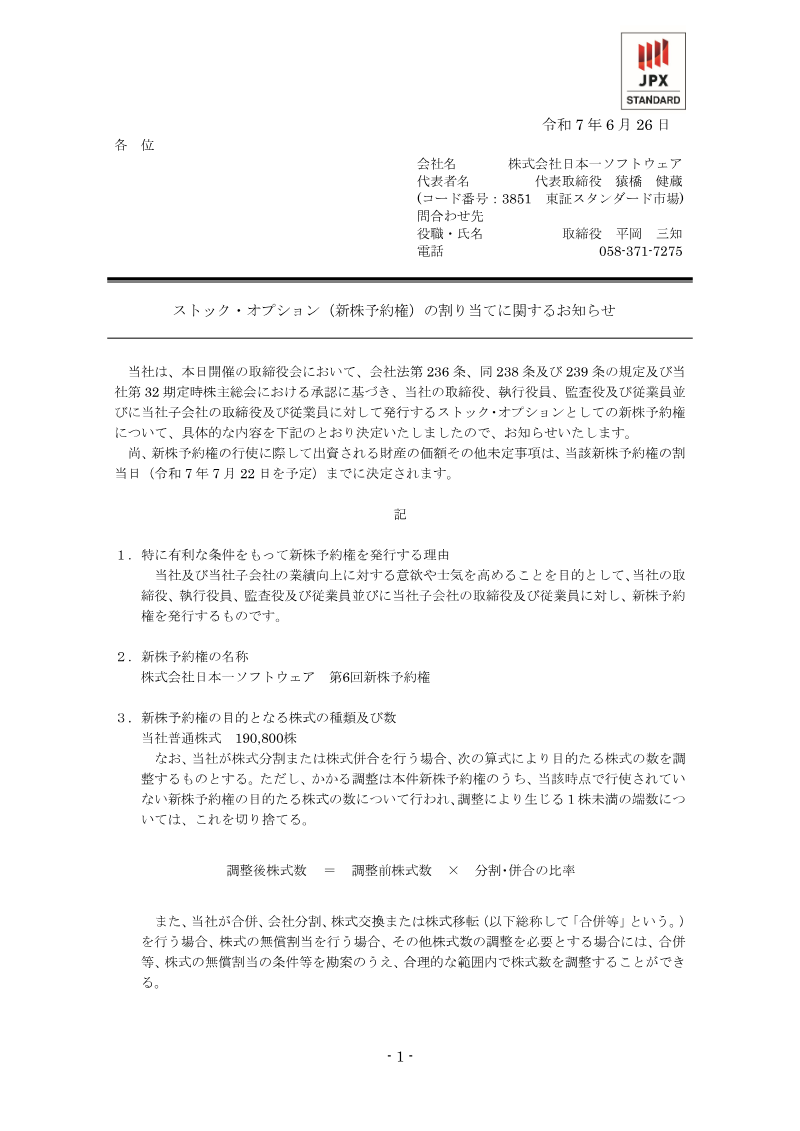
Nippon Ichi Software · 2026
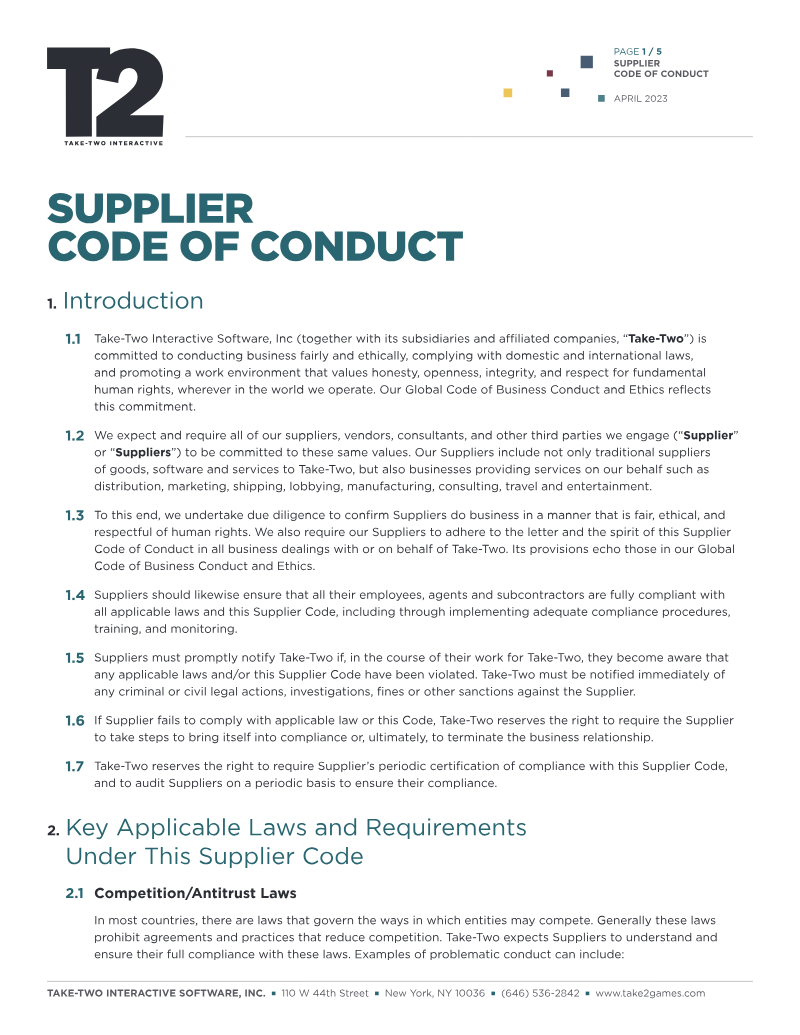
Take-Two Interactive · 2026