
ArticleSuperJoost
Big Tech Sucks at Gaming: Can Amazon, Google, Facebook, and Apple Disrupt the Video Games Market?
28 Jul 2020~7 min full read
The global video games market, valued at $130 billion with over two billion active players, has become a primary target for expansion by major technology firms including Amazon, Google, Facebook, and Apple. Despite their dominance in other digital sectors, these companies have struggled to disrupt the gaming landscape effectively. Combined, these four entities control approximately $20 billion in gaming revenue, representing only 3% of their total operations and falling significantly behind incumbents like Sony and Microsoft, who together command $31 billion in the sector.
Analysis of individual firm performance reveals a series of strategic missteps and cultural misalignments. Amazon’s efforts have been hampered by the high-profile failure of its first major title, Crucible, and stagnant growth at Twitch. Google’s Stadia has lost its first-mover advantage in cloud gaming, while YouTube Gaming remains secondary to Twitch due to monetization and algorithm issues. Facebook has struggled to replicate its early success with social gaming, finding that its ad-based revenue model integrates poorly with modern gaming trends. Even Apple, which generates significant revenue through the App Store, is viewed as a passive participant that treats games as a means to an end rather than a core passion, evidenced by the lukewarm reception of Apple Arcade.
The central thesis suggests that the unique nature of the gaming industry—which relies heavily on network effects and multiplayer ecosystems—makes the traditional "Big Tech" strategy of buying platform exclusivity less effective than it was for music or film. While Chinese titan Tencent has successfully navigated the space through aggressive acquisitions of established studios like Riot Games and Supercell, Western tech giants remain on the defensive. To achieve meaningful disruption, these firms must transition from treating gaming as a secondary service to making a deep, content-focused commitment that rivals the expertise of established industry leaders.

SuperJoost · 2026

SuperJoost · 2026

SuperJoost · 2026

SuperJoost · 2026

SuperJoost · 2026

SuperJoost · 2026
SuperJoost · 2026

SuperJoost · 2026

SuperJoost · 2026
SuperJoost · 2026

SuperJoost · 2026
SuperJoost · 2026

Almedia · 2026
Gamesight · 2026
Sensor Tower · 2026

Sensor Tower · 2026

AppLovin · 2026

Sensor Tower · 2026
Newzoo · 2026
Modern Times Group · 2026

InvestGame · 2026
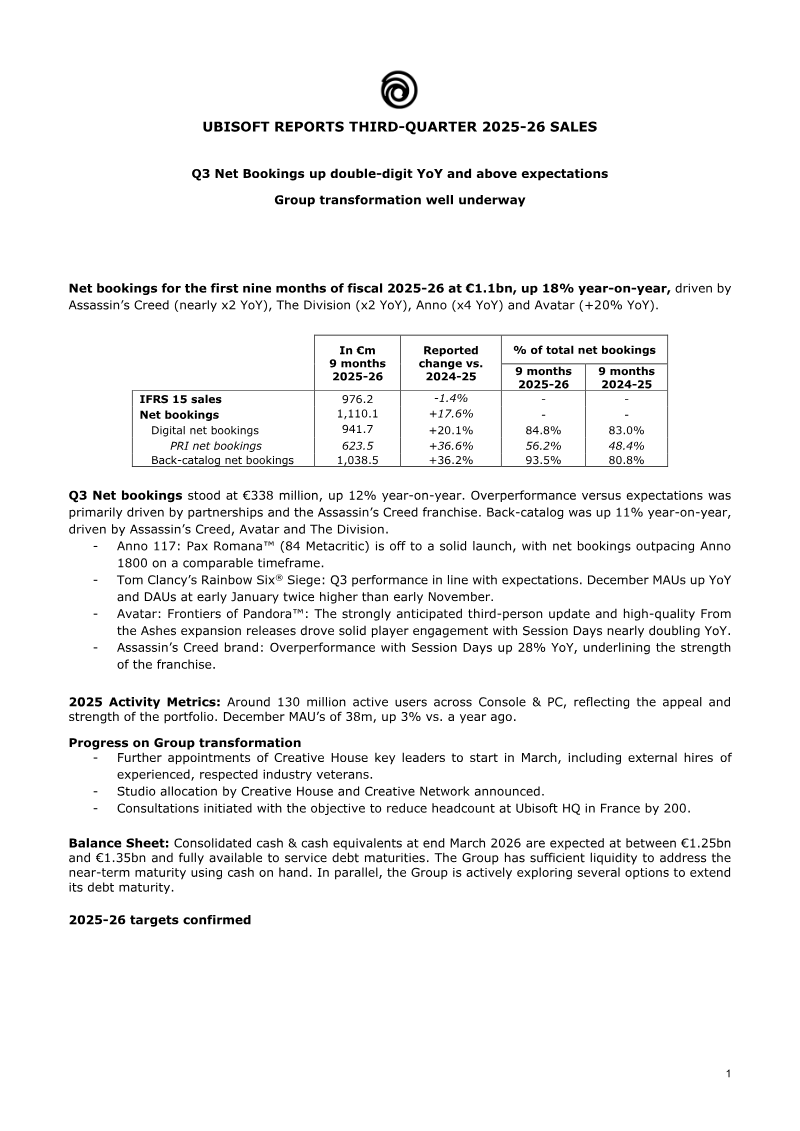
Ubisoft · 2026
AppMagic · 2026
InvestGame · 2026