Riot
Company
Documents about Riot

Video Game Cannibalization: What the Experts Get Wrong
The prevailing industry belief that launching new titles within an existing portfolio inevitably cannibalizes the revenue of established hits is often flawed and lacks necessary situational context.
- Industry experts often incorrectly assume that new games using existing IP or lower monetization models will automatically cannibalize the revenue of a studio's successful flagship titles.
- Cannibalization analysis must distinguish between short-term revenue shifts and long-term portfolio sustainability, such as player retention, brand expansion, and blocking competitors.
- Historical data suggests Clash Royale did not cause a net negative impact on Clash of Clans revenue, as the latter was already in decline due to external competition and market shifts prior to the 2016 launch.
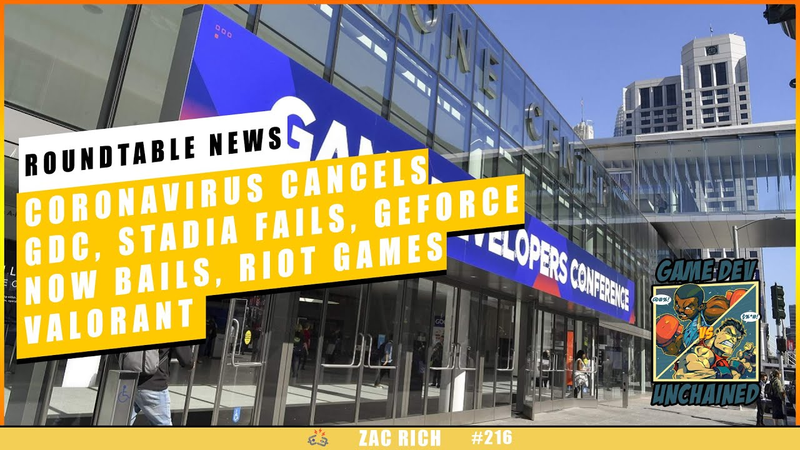
Coronavirus Ruins GDC, Stadia and Geforce Now Deflated, Riot Games Valorant | Roundtable News
The global game industry is currently navigating a period of significant structural transition, marked by the disruption of traditional networking events like GDC and a broader shift toward digital-first engagement.
- Riot Games is diversifying its portfolio beyond League of Legends by launching Valorant and Legends of Runeterra to capture market share in the tactical shooter and card game genres.
- Cloud gaming platforms face significant viability challenges, as Google Stadia struggles with a lack of exclusive content and publisher incentives, while Nvidia’s GeForce Now deals with major publishers withdrawing IP to protect their own monetization strategies.
- The cancellation of GDC and other industry events is accelerating a permanent shift toward remote collaboration models and digital-first engagement within the game development sector.

Riot Games Starts Second Act with Valorant: Can One of the Biggest Game Makers Catch Lightning Again
Riot Games is attempting to transition from a single-title developer into a multi-franchise publisher, a move that represents a significant shift for a company that has historically relied almost exclusively on League of Legends.
- Riot Games is shifting from a single-title developer to a multi-franchise publisher to diversify its portfolio, which currently accounts for approximately 10% of Tencent’s total gaming revenue.
- The pivot to titles like Valorant is a reactive strategy to address cooling monthly active user numbers for its flagship game, League of Legends.
- Riot’s current strategy prioritizes scale and volume by entering established, saturated genres, a departure from the secretive and deliberate development models used by competitors like Supercell.
Transition Writ Large: How the Coming Console Generation Will Differ From the Last
The global games industry is entering a pivotal transition year as it prepares for a new console generation defined by a more diversified audience and shifting business models.
- The console industry is shifting from a hardware-centric model to one defined by digital services, subscription-based access, and tiered pricing strategies similar to the mobile sector.
- Non-endemic tech giants including Google, Facebook, and Amazon are entering the cloud gaming market, intensifying competition for traditional platform holders.
- Major third-party publishers are pursuing vertical integration strategies to bypass traditional retail channels and capture more value.
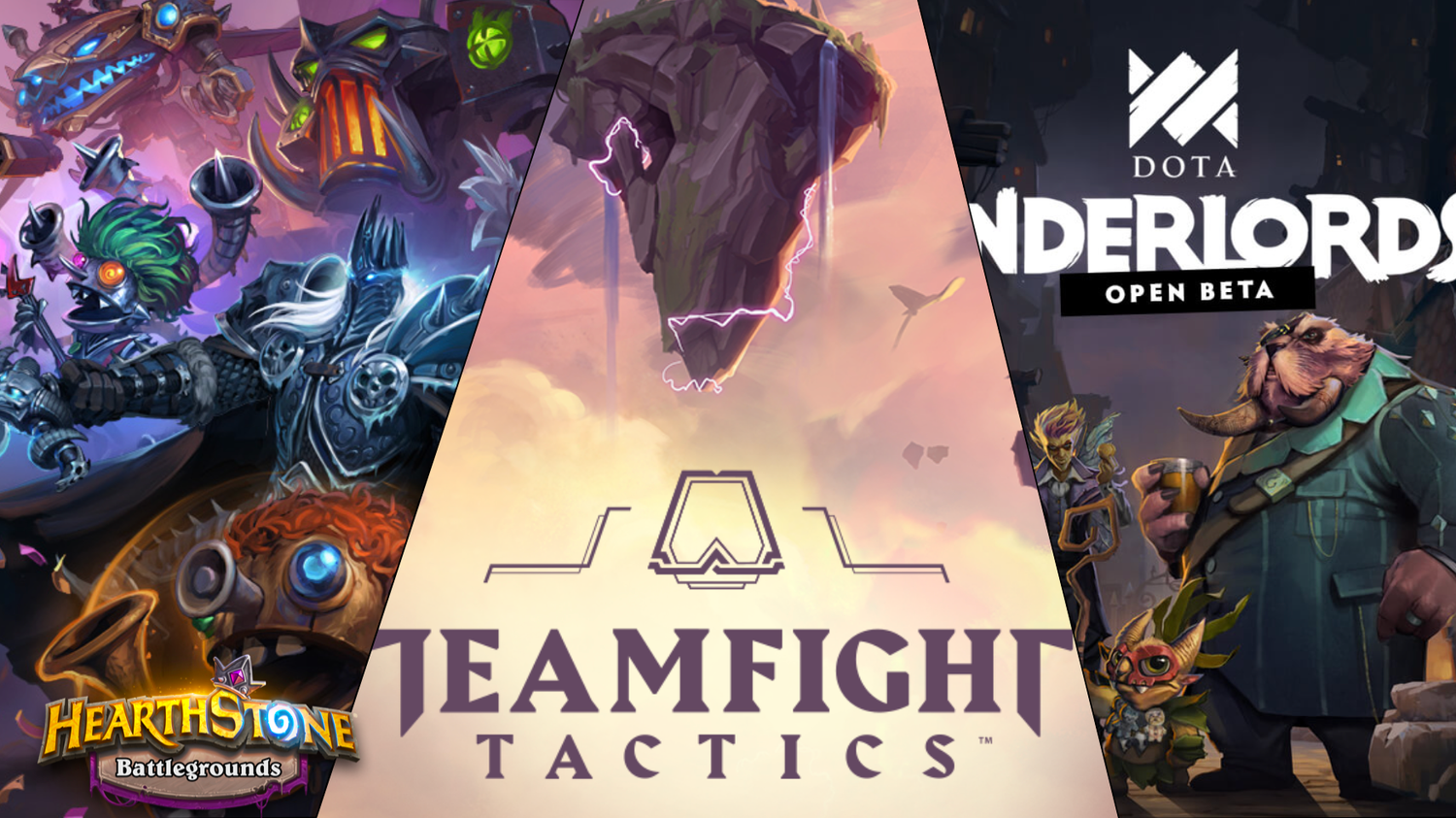
2020 Predictions #7: Why Auto-Chess Games Can't Monetize and How to Fix That
The auto-chess genre, which emerged as a viral trend in 2019, faces significant commercial hurdles that prevent it from achieving widespread financial success.
- Auto-chess games struggle to monetize because their core design relies on an 'even playing field' that prohibits pay-to-win mechanics, leaving developers with limited options beyond low-conversion vanity items.
- The genre faces significant long-term retention issues, as evidenced by fading player interest in Riot’s Teamfight Tactics following its 2019 launch despite the introduction of new character sets.
- Major publishers like Riot, Valve, and Blizzard risk cannibalizing their own established titles (League of Legends, Dota 2, and Hearthstone) if auto-chess modes fail to generate sufficient revenue from their existing player bases.
Indie Dev with Family | Game Dev Unchained Episode 213
Independent game development requires a strategic synthesis of professional management frameworks and personal flexibility, particularly when operating within a family-based studio structure.
- Independent studios can achieve sustainability by balancing creative projects with part-time consulting work for major industry players like Blizzard and Riot, which provides the financial stability to avoid premature commercialization.
- Transitioning from rigid, top-down AAA hierarchies to a bottom-up design philosophy fosters a more resilient production cycle and encourages creative flexibility within small teams.
- Organizational psychology tools, such as the DISC personality assessment, should be used to tailor management styles and mitigate interpersonal friction during the forming, storming, and norming phases of development.

Riot Pays Out $10 Million Dollars to Women | Games ReCAP
Riot Games has reached a $10 million settlement to resolve a class-action lawsuit filed by female employees regarding systemic gender discrimination and a toxic workplace culture.
- Riot Games reached a $10 million settlement to resolve a class-action lawsuit concerning systemic gender discrimination and a toxic workplace culture.
- The settlement provides financial compensation to women employed at Riot Games over the five-year period preceding the legal action.
- The lawsuit followed investigative reports that exposed widespread professional misconduct and pay inequity, implicating high-level leadership at the studio.
Riot's Runeterra Challenges Blizzard's Hearthstone: Cross-Platform Card Battle Supremacy
Legends of Runeterra enters the digital collectible card game market as a direct challenger to Hearthstone, seeking to disrupt the genre by prioritizing skill-based mechanics over the traditional reliance on randomness.
- Riot Games is launching Legends of Runeterra with a restrictive monetization model that caps weekly content acquisition at 18 cards, including a maximum of three champion cards, costing approximately $13 per week.
- The game features a 40-card deck limit with a maximum of six champions per deck, diverging from Hearthstone’s 30-card deck structure and different rarity-based card limits.
- Riot aims to combat metagame stagnation and high costs common in the genre by limiting card purchasing, reducing in-game randomness, and committing to frequent balance updates.
Microsoft Xbox: All Technology Ultimately Becomes a Toaster
The video game industry is undergoing a fundamental transition from hardware-centric business models to service-oriented ecosystems.
- The gaming industry is shifting from hardware-centric sales to service-oriented ecosystems, where dedicated consoles are increasingly treated as commoditized 'toasters' rather than primary drivers of value.
- Microsoft is transitioning the Xbox business model toward recurring revenue and subscription-based access, utilizing lease-style programs like Xbox All Access to lower entry barriers and ensure long-term consumer commitment.
- Microsoft is pivoting its exclusivity strategy away from software titles toward human talent, specifically recruiting high-profile streamers to anchor its platform and drive user engagement.
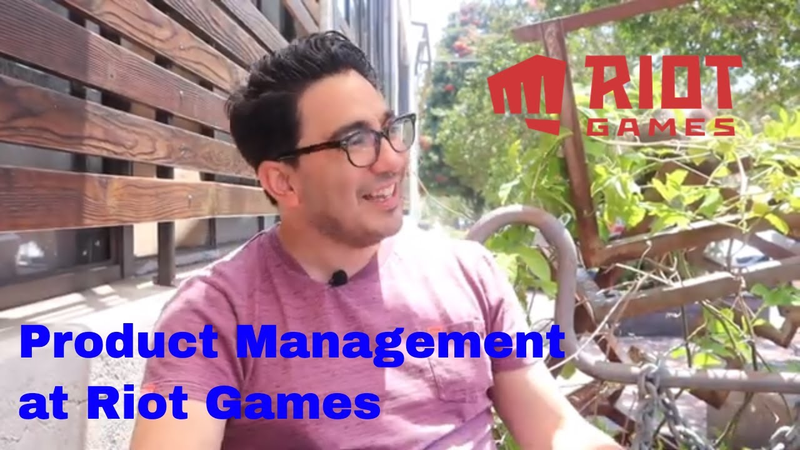
Product Management at Riot Games | Paul Belezza
Riot Games maintains a player-centric philosophy that prioritizes long-term user experience and community engagement over immediate monetization.
- Riot Games prioritizes long-term player engagement and personalization over pay-to-win mechanics to maintain a sustainable free-to-play business model.
- Product management at Riot functions as a hybrid role, requiring close collaboration between development managers, researchers, and revenue strategists to balance creative and business goals.
- The company has shifted to a holistic operational model that integrates live operations and infrastructure planning into the initial research and development phase.
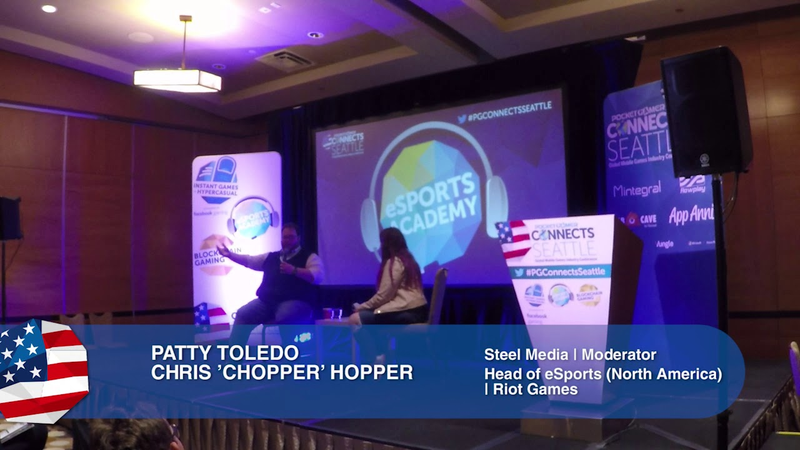
Creating a multi-generational esport in North America
Riot Games’ approach to building a sustainable esports ecosystem in North America centers on professionalizing the industry by emulating the structures of traditional sports.
- Riot Games is institutionalizing the League Championship Series (LCS) by emulating traditional sports structures, including franchising, revenue-sharing, and the creation of a Players Association.
- To ensure long-term viability, Riot is building a competitive pyramid that integrates League of Legends into collegiate and high school athletic systems to foster multi-generational engagement.
- Despite 85% of esports viewership being concentrated in the 18–34 demographic, Riot must actively educate advertisers to overcome the industry-wide hesitation to shift budgets from linear television to digital platforms.
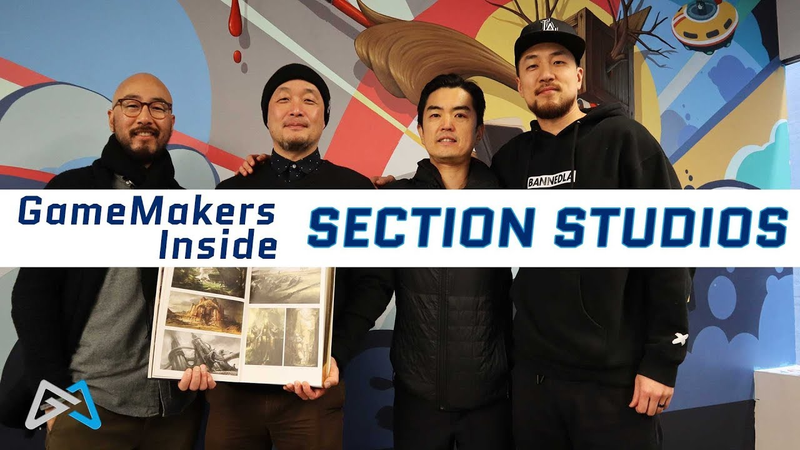
The Business of a Video Game Concept Art Studio: Section Studios Tour
Section Studios, a Los Angeles-based art services firm, specializes in visual development, concept art, and pre-visualization for the video game and entertainment industries.
- Section Studios operates as a full-service production house providing visual development, concept art, and pre-visualization for major franchises including Riot Games' League of Legends, Activision's Call of Duty, and the God of War series.
- The studio is scaling its production capacity by shifting from a centralized Los Angeles model to a hybrid structure that utilizes satellite operations in the Philippines and Korea to improve cost-effectiveness.
- The firm manages a fluctuating headcount of 30 to 70 employees, allowing it to scale resources dynamically to meet the specific demands of large-scale game development and marketing projects.