2015
Company
Documents about 2015

The Games Sector in Ireland: An Action Plan for Growth
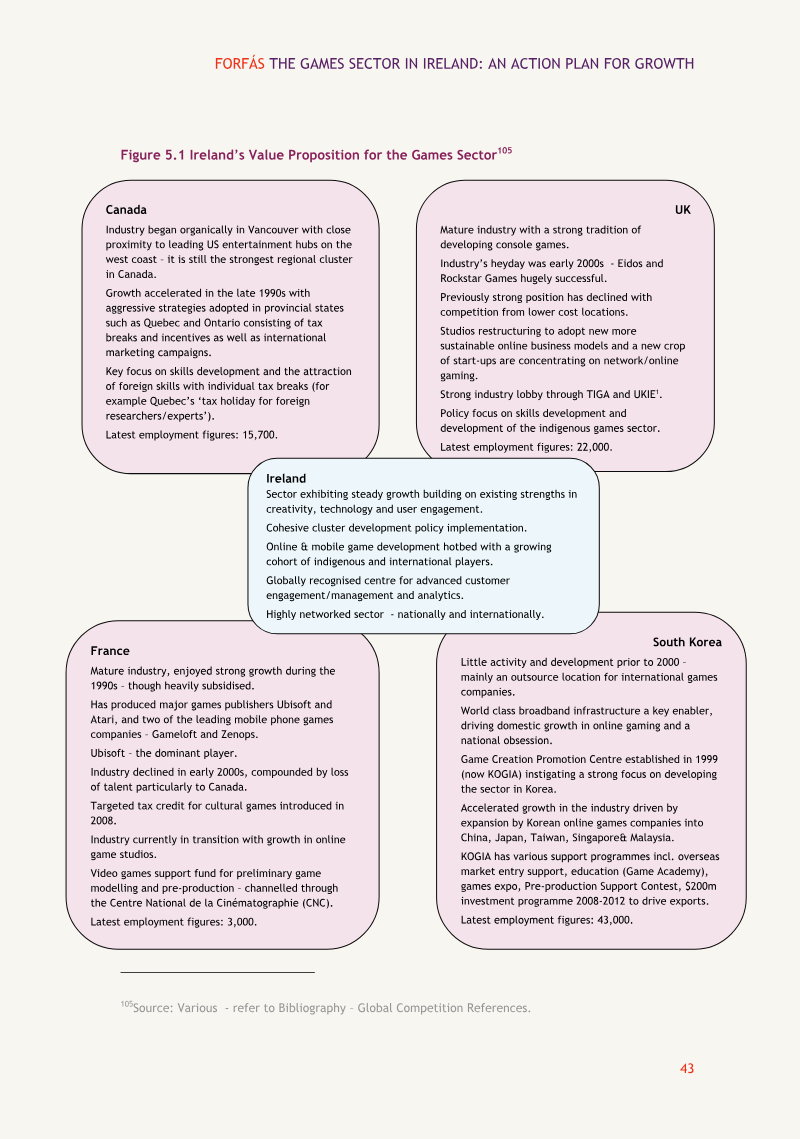
"The Games Sector in Ireland: An Action Plan for Growth" presents a strategic roadmap for Ireland to become a "Global Games Hub for the 21st Century," targeting 4,500 core games company jobs by 2014.
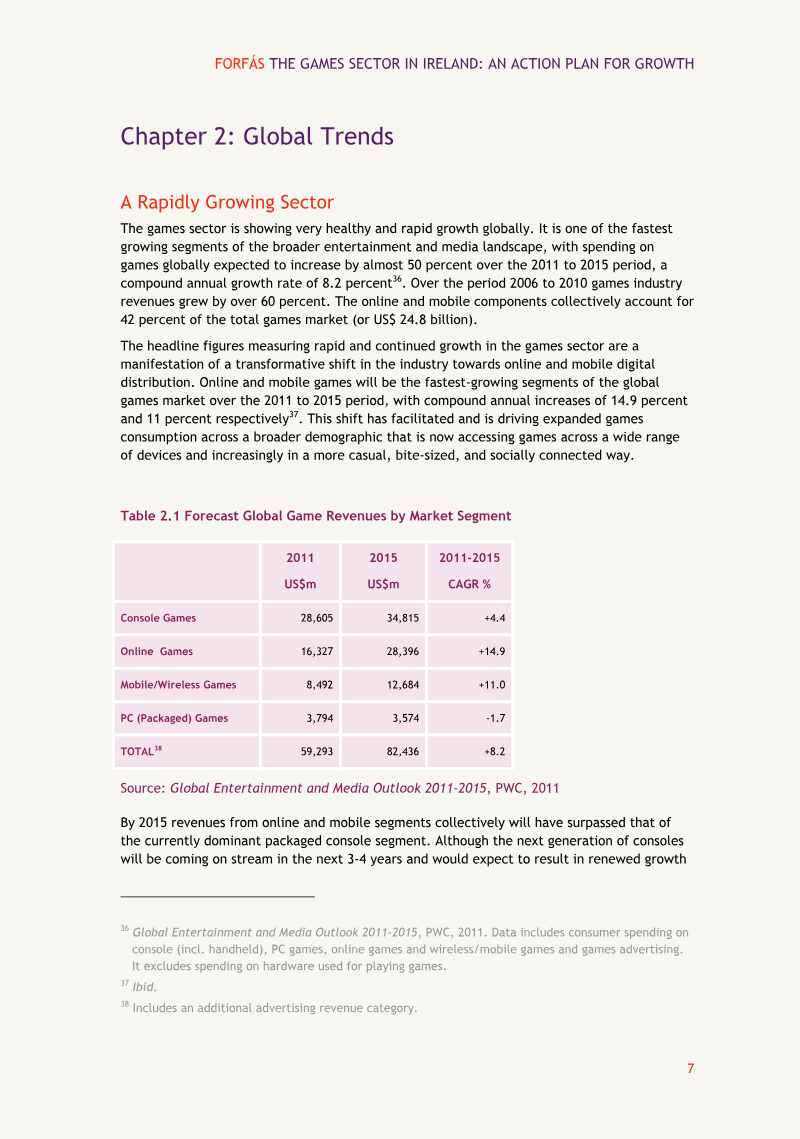
- Global games revenues are forecast to grow from US$59.3bn in 2011 to US$82.4bn by 2015, with online (14.9% CAGR) and mobile (11.0% CAGR) segments overtaking packaged console games.
- Ireland's core games employment has grown fivefold since 2004 to just over 2,000 people in 2011, with a target of 4,500 by 2014.
- Foreign-owned firms account for roughly 90% of Ireland's games jobs, concentrated in customer support, localisation, and game servicing, while indigenous firms are mostly micro-firms focused on development.
Take-Two Interactive Form 10-Q: Q1 FY2012
Take-Two Interactive’s financial performance for the first quarter of fiscal year 2012 reflects a transitional period characterized by a net loss of $8.7 million, a significant decline from the $26.3 million net income reported during the same period in the previous year.
- Take-Two reported a net loss of $8.7 million for the quarter ended June 30, 2011, a decline from the $26.3 million net income recorded in the same period of the prior year.
- The company completed the sale of its 'Jack of all Games' distribution business to SYNNEX Corporation for a final net purchase price of $35.775 million, allowing the firm to focus exclusively on its publishing operations.
- As of June 30, 2011, Take-Two held $223.357 million in capitalized software development costs and licenses for titles that had not yet been released.
Bandai Namco Group Information Meeting: Fiscal Year Ended March 2012
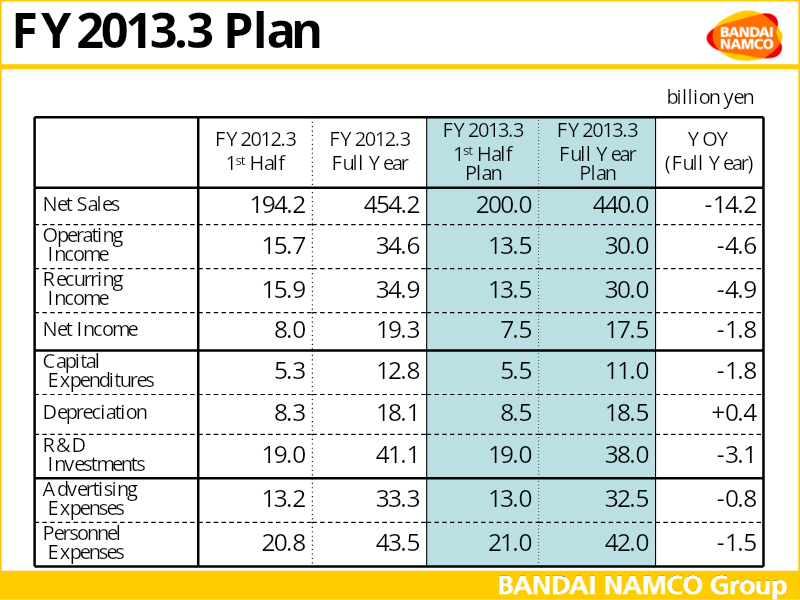
The Bandai Namco Group’s fiscal year 2012 financial results demonstrate a significant recovery and growth trajectory, with consolidated net sales reaching 454.2 billion yen and operating income rising to 34.6 billion yen.
- Bandai Namco achieved 454.2 billion yen in net sales and 34.6 billion yen in operating income for the fiscal year ended March 2012, marking a significant recovery.
- The company successfully reduced its rate of unprofitable game titles from 50% in fiscal year 2010 to 27% by 2012.
- The Content segment, encompassing video games, arcade machines, and network content, generated 17 billion yen in operating income.
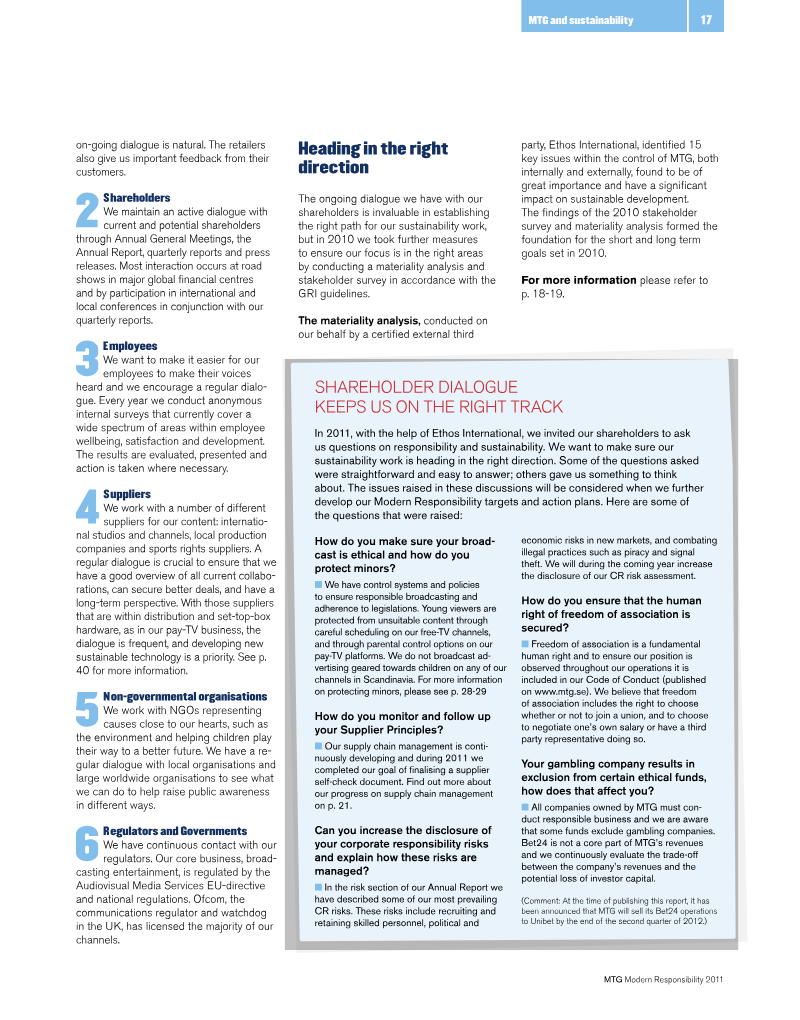
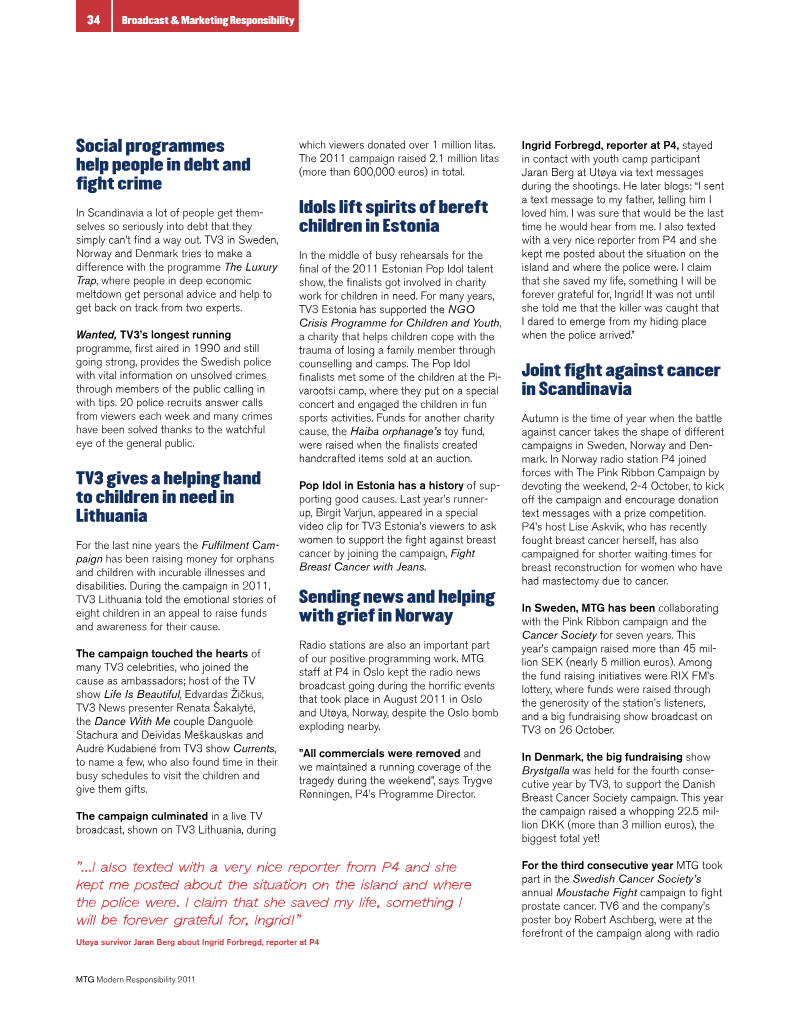

MTG Corporate Responsibility Report 2011
MTG's 2011 Corporate Responsibility Report presents the Nordic-based broadcaster's "Modern Responsibility" framework, which spans 39 operating countries and organizes its work into business, broadcast and marketing, colleague, and community responsibility.
- MTG achieved a 16% total reduction in carbon emissions and office energy use by the end of 2011, resulting in a 6% decline in CO2 per employee compared to the 2009 baseline.
- The company expanded its geographic footprint in 2011 by entering four African nations—Ghana, Uganda, Tanzania, and Kenya—and acquiring stakes in TV Prima, Darial TV, and Balkan Media Group.
- MTG maintained a strong safety record with zero work-related accidents and an absenteeism rate of approximately 1% among its 3,031 employees.
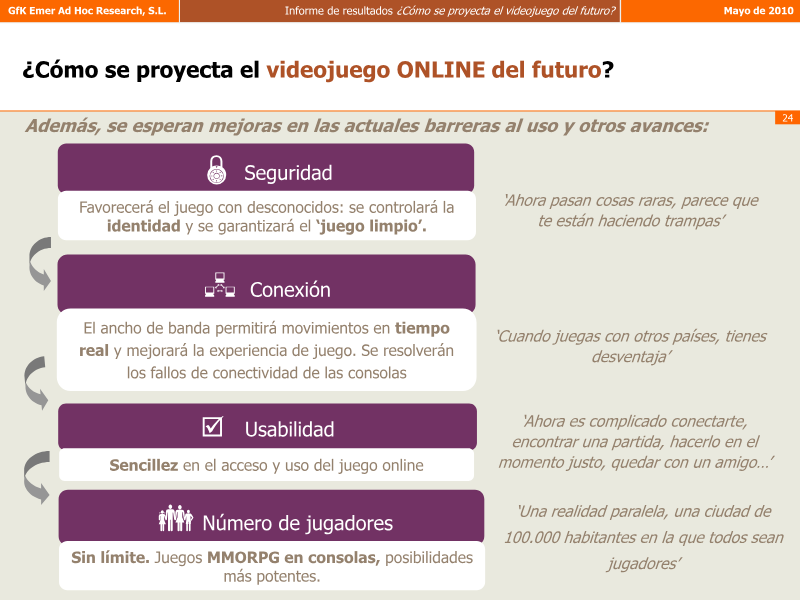
Informe de Resultados: Cómo se proyecta el videojuego del futuro
El estudio 9127 de ADESE analiza cómo se proyecta el videojuego del futuro en el mercado español. Combina buzz research, grupos de discusión y entrevistas a jugadores, padres y expertos.
- Approximately 68% of all game sales are projected to transition to virtual stores or server-based platforms, effectively phasing out physical distribution.
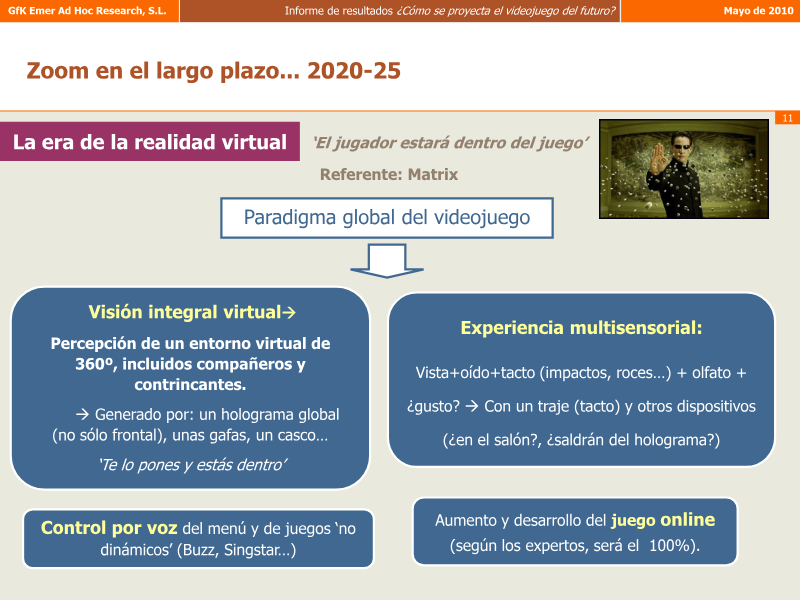
- Immersive virtual reality is identified as the primary technological driver for the industry through the 2020-25 period.
- Network latency is a critical barrier for 53% of moderately hardcore gamers, necessitating a shift toward high-bandwidth, low-latency infrastructure to support immersive content.
¿Cómo Se Proyecta el Videojuego del Futuro?: España
Estudio cualitativo encargado por ADESE (la asociación española de empresas de videojuegos) para explorar cómo imaginan el futuro del videojuego jugadores, padres y expertos en España.
- Industry experts project that 100% of games will transition to online-only ecosystems by 2025, driven by the need for anti-piracy measures, improved matchmaking, and ubiquitous broadband.
- Technological evolution through 2025 will shift from cloud-based distribution and motion-sensing controls toward immersive virtual reality, multisensory holographic interfaces, and voice-controlled navigation.
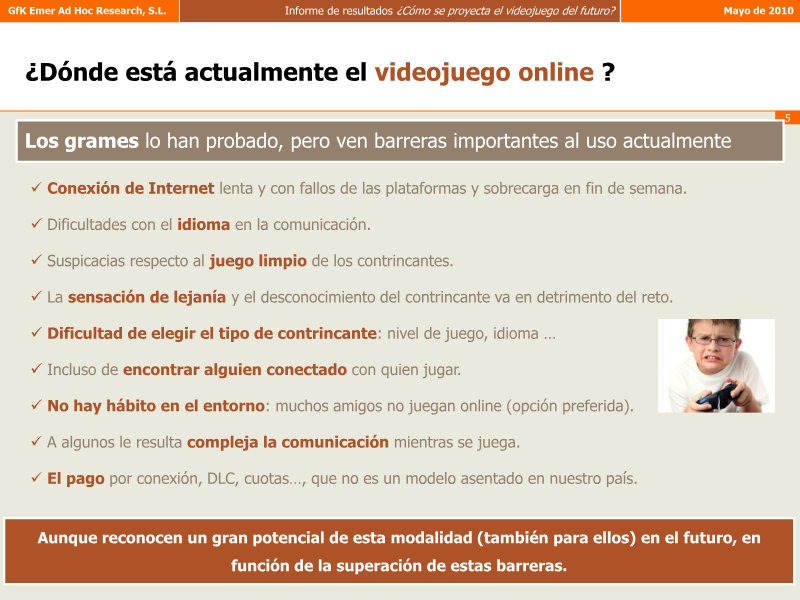
- Casual players currently resist online gaming due to specific barriers, including slow internet connections, language obstacles, distrust of payment models, and a lack of interest in complex online modes.
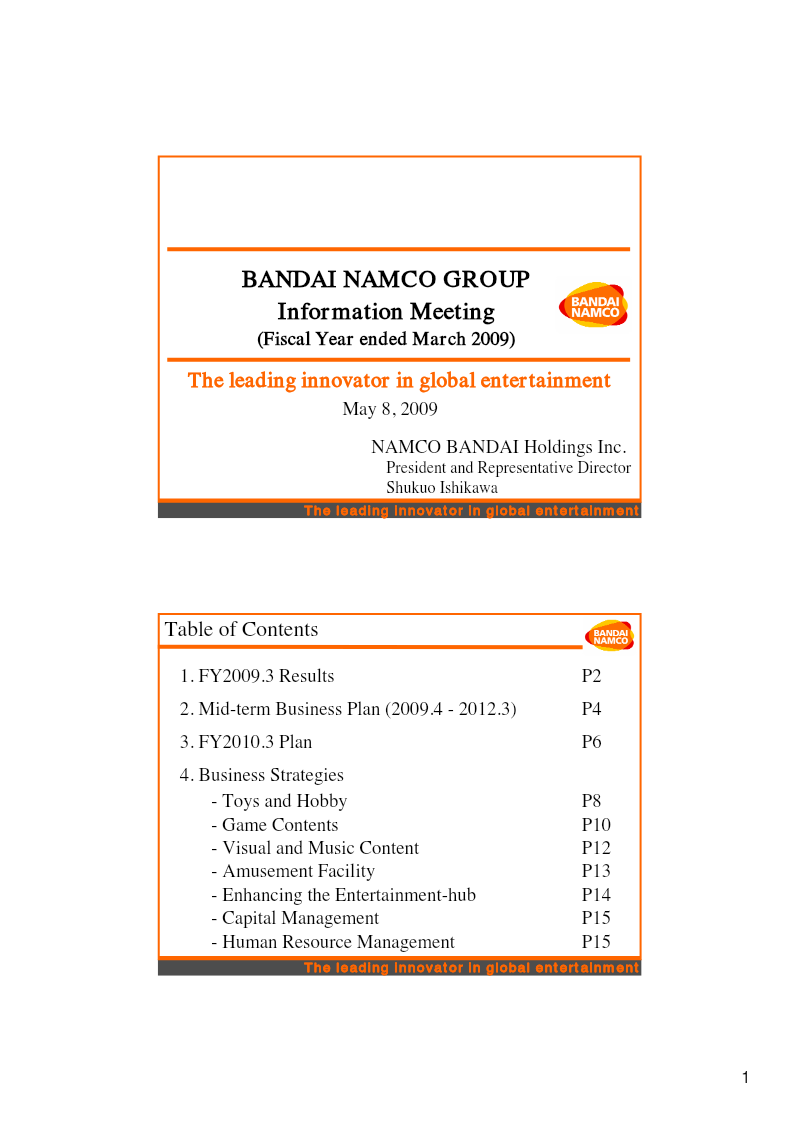
Namco Bandai Holdings FY2009.3 Information Meeting
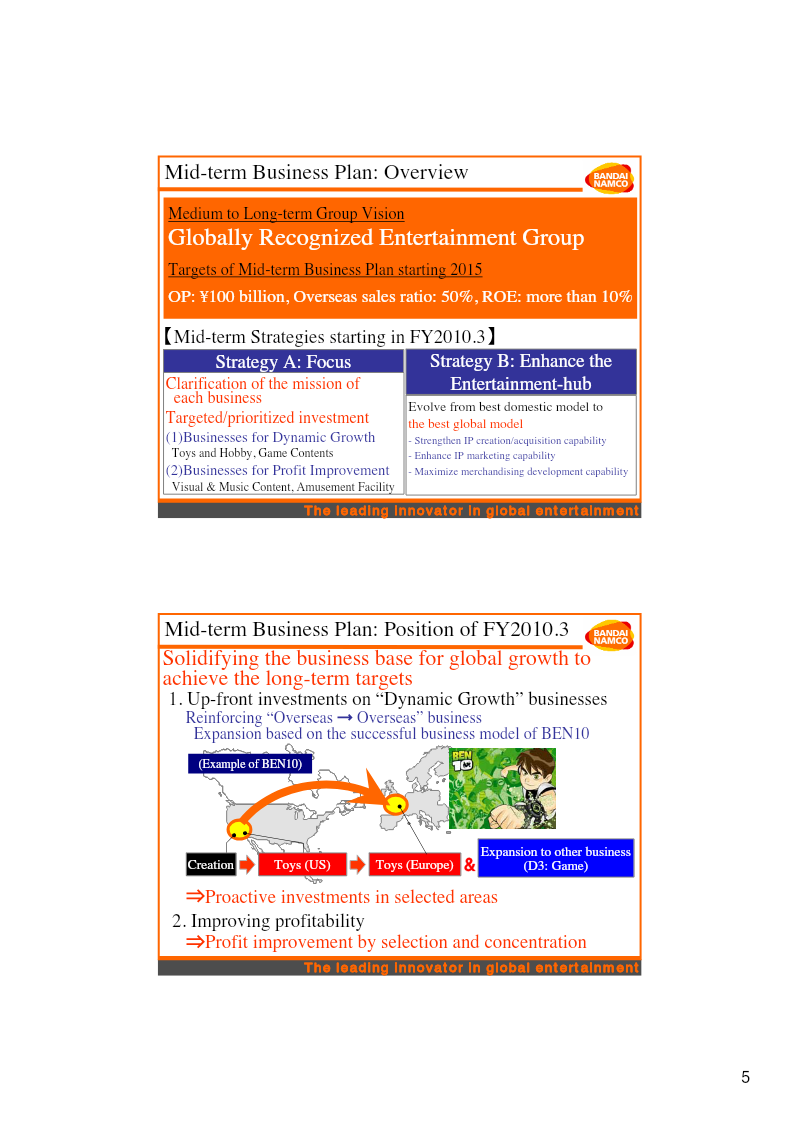
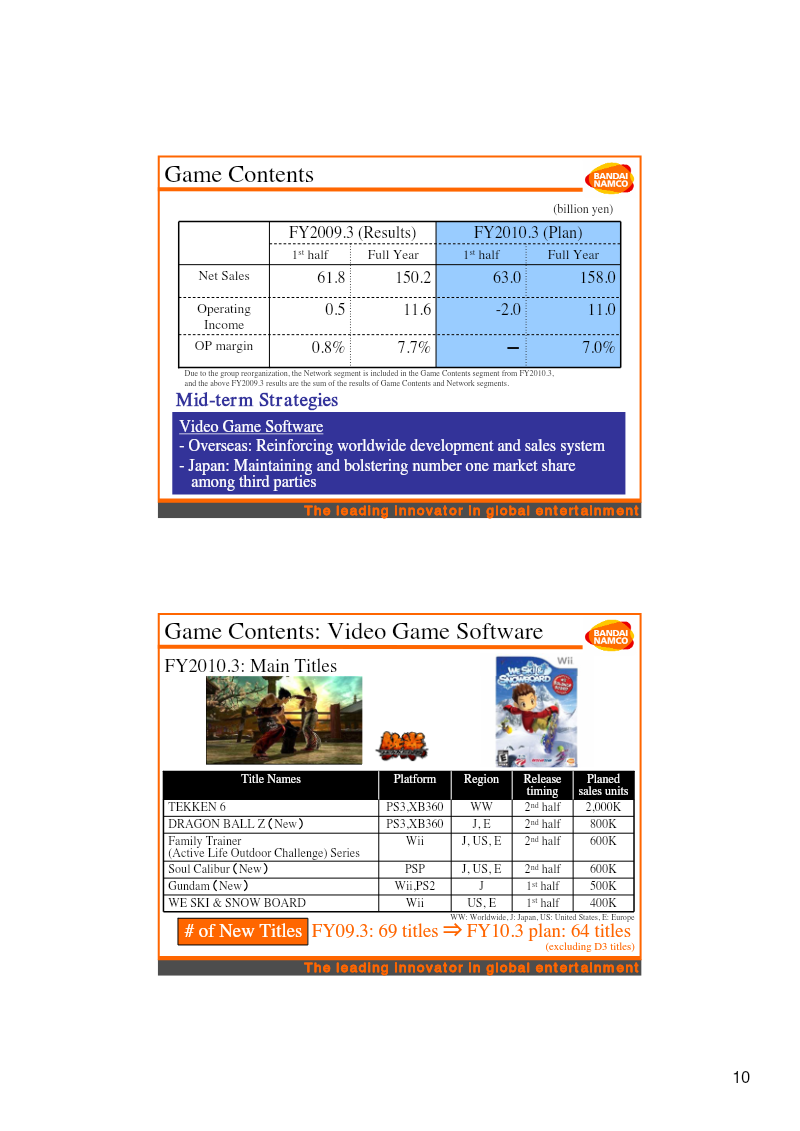
The Namco Bandai Holdings fiscal year 2009 information meeting outlines the company’s financial performance for the period ending March 2009 and establishes a new mid-term business plan spanning April 2009 through March 2012.
- Namco Bandai aims to become a global entertainment group by 2015, targeting 100 billion yen in operating income and a 50% overseas sales ratio.
- Fiscal year 2009 performance saw consolidated net sales drop to 426.3 billion yen from 460.4 billion yen, with operating income falling to 22.3 billion yen.
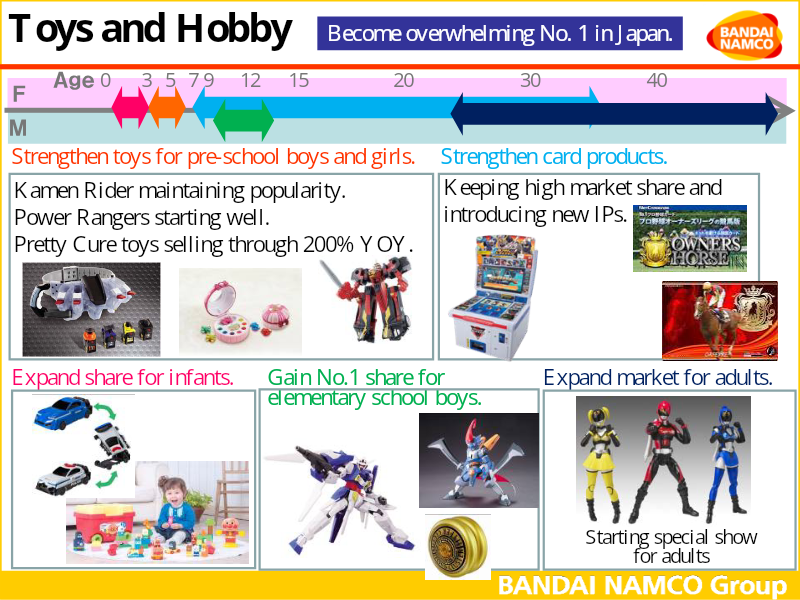
- The 2010–2012 mid-term plan focuses on a 'selection and concentration' strategy, prioritizing investment in the Toys and Hobby and Game Contents segments.


Namco Bandai Holdings Mid-term Business Plan: 2009–2011
The Namco Bandai Holdings Mid-term Business Plan for 2009–2011 outlines a strategic pivot toward global expansion and operational efficiency.
- Namco Bandai targets long-term growth by 2015–2017, aiming for 100 billion yen in operating income and a 50% overseas sales ratio.
- The company is pivoting its strategy toward global expansion, specifically prioritizing high-growth markets in the United States and Europe to offset a shrinking Japanese domestic market.
- Growth efforts are concentrated on the Toys and Hobby and Game Contents segments, utilizing worldwide simultaneous releases and cross-border marketing to leverage intellectual property.

Video Game Industry Latin America 2024
Latin America's video game market is large in audience but small in global revenue share and still dependent on imports.
- The Latin American video game market generated $5.4 billion in revenue in 2019, representing less than 4% of the global market, despite Mexico and Brazil ranking 12th and 13th globally for gaming revenues.
- Latin America possesses significant growth potential for its video game industry due to a large, young population (653.9 million inhabitants in 2020, with 32.7% aged 10-29) and a high number of gamers (252.6 million in 2019, exceeding North America).
- The region was the fastest-growing digital games market globally in 2019, with an expected growth of +11.1%, driven by a rapidly increasing number of smartphone owners (projected to reach 690 million by 2024) and strong demand for mobile games (+50% users from 2017-2020).

The Gaming Industry: A New Game of Growth
The global games market is positioned as a rapidly expanding sector, with Newzoo projecting growth from USD151.9 billion in 2019 to roughly USD180.1 billion in 2021.
- The global games market is projected to grow from USD151.9 billion in 2019 to approximately USD180.1 billion in 2021, with eSports revenue expected to reach USD1.5 billion by 2020.
- Malaysia's gaming industry contributed USD100 million to its revenue in 2018 and is forecast to grow at a CAGR of 10.9% (2018-2023) to USD168 million by 2023, ranking 21st worldwide with USD633 million in total games revenue.
- The Malaysian government, through the Ministry of Communications and Multimedia, recognizes gaming as one of ten key creative industries and has allocated RM10 million in Budget 2019 to develop eSports, aiming to make Malaysia a regional eSports hub.

Mexico's Game Development Ecosystem
Mexico's digital games ecosystem, as examined through a 2016 industry survey of professionals conducted in late 2015, is characterized as early-stage and uneven.
- Mexico's digital games market was projected to generate $1.2 billion in revenue in 2015, an 18% increase from 2014, making it the 14th largest gaming market globally.
- Over half of Mexico's population (53%), or 64.8 million users, were gamers by the end of 2015, representing a more than five-fold increase in 15 years.
- Mobile gaming is dominant, with 7 out of 10 users playing on mobile devices, while consoles account for 35%, computers 19%, tablets 13%, and portable consoles 5%.
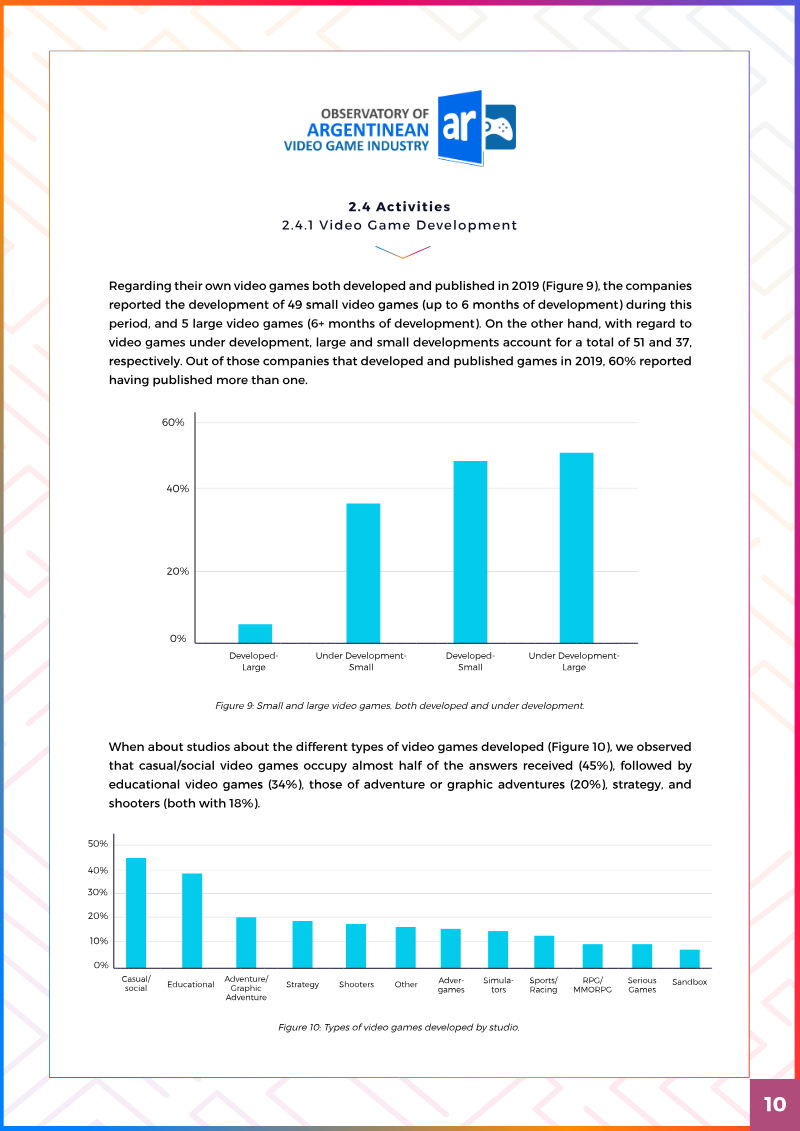
Argentinean Video Game Industry: 2020 Relevant Data Report
This report provides a comprehensive overview of the Argentinean video game industry in 2020, based on a survey of 71 studios.
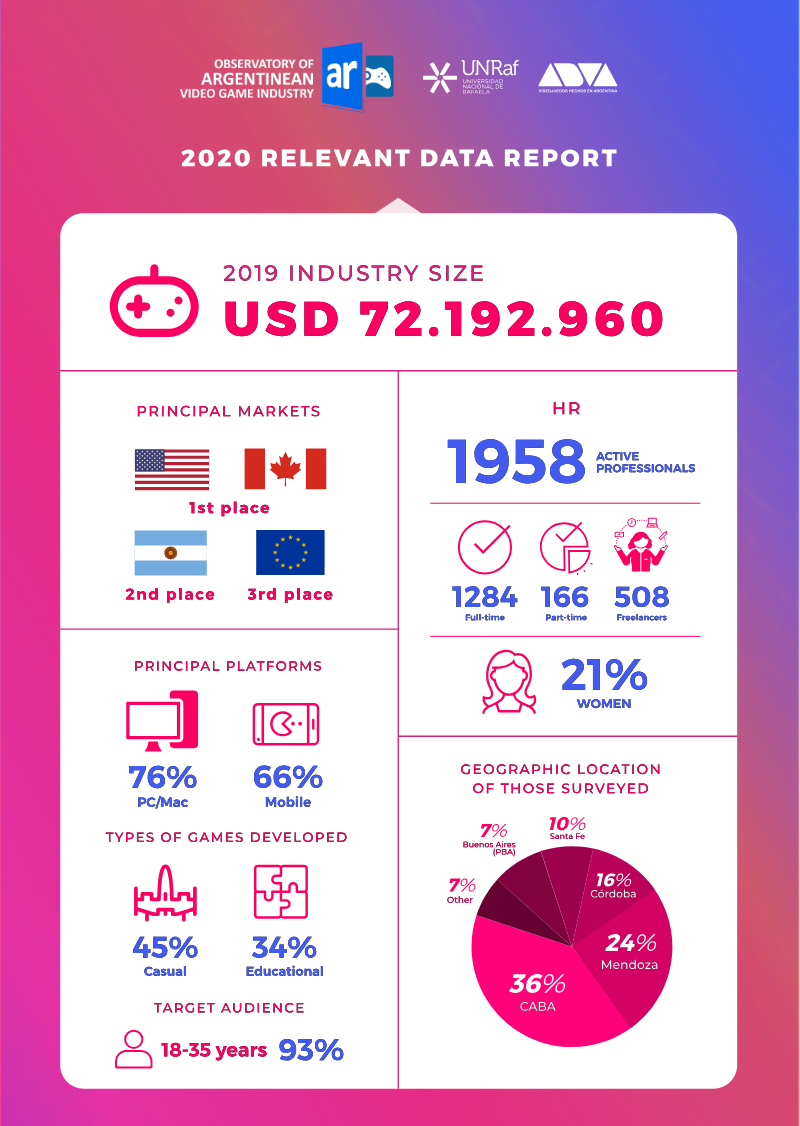
- The Argentinean video game sector is young and geographically concentrated: 36% of the 71 surveyed studios are in Buenos Aires City, followed by Mendoza (24%), Córdoba (16%), Santa Fe (10%), and Buenos Aires Province (7%), and about 60% were incorporated between 2015 and 2020.
- The sector's estimated size for 2019 is at least USD 72,192,960, calculated conservatively from employment figures and average hourly costs, and it employed roughly 1,450 formal workers (1,284 full-time, 166 part-time) plus 508 freelancers.
- Gender gaps are pronounced: women average 21% of employee-status workers but only 6% of company partners, and 18% of studios report no female employees.