
ReportAEVI
Informe de Resultados: Cómo se proyecta el videojuego del futuro
1 May 201069 pages~36 min full read
The study, conducted in May 2010, projects the evolution of video‑games through the 2020‑25 horizon, arguing that immersive virtual‑reality experiences will become the dominant technological driver of the sector. By analysing current player demographics, consumption habits and emerging distribution channels, the research maps how the industry will restructure its business models while preserving the fundamental motivations and genre preferences that have long defined gaming.
Present‑day online play is still largely the domain of “hardcore” gamers, yet a significant share of moderately hardcore users—53 %—report connection latency as a primary pain point. This dissatisfaction is expected to accelerate the shift toward higher‑bandwidth, low‑latency networks that can support the projected surge in immersive content. The forecast anticipates that roughly 68 % of all game sales will be conducted through virtual stores or server‑based platforms, eliminating the need for physical distribution.
Future revenue streams are projected to diversify across several complementary models: periodic free expansions, low‑cost add‑ons priced around three euros, flat‑rate monthly subscriptions that may be tied to specific devices, micro‑transactions, and ad‑supported versions. Despite these commercial innovations, core genres, narrative settings and player motivations are predicted to remain largely stable, with the home environment continuing to serve as the principal venue for play, albeit increasingly complemented by mobile and cloud‑based access points.
Overall, the analysis underscores a transition toward fully digital acquisition and consumption, driven by advances in immersive technology and network infrastructure, while the cultural and experiential foundations of gaming persist across the coming decade.

AEVI · 2025

AEVI · 2025

AEVI · 2025

AEVI · 2025

AEVI · 2025

AEVI · 2025

AEVI · 2025

AEVI · 2025

AEVI · 2025

AEVI · 2025

AEVI · 2025

AEVI · 2025

AEVI · 2025
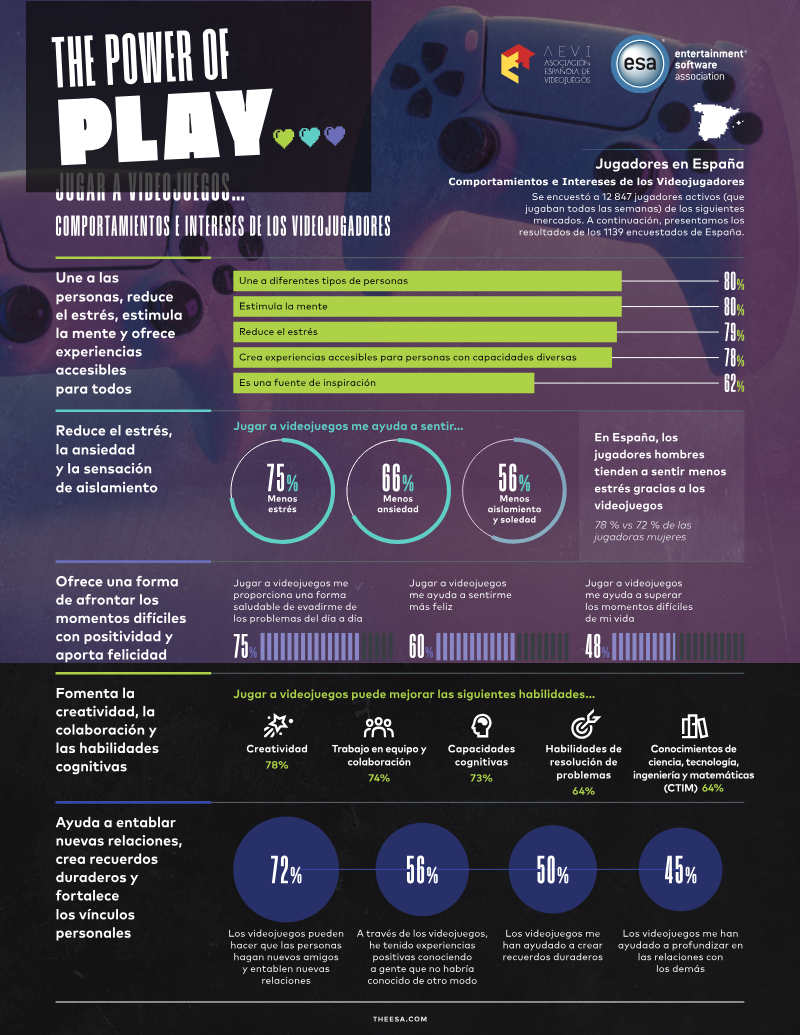
AEVI · 2024
AEVI · 2023
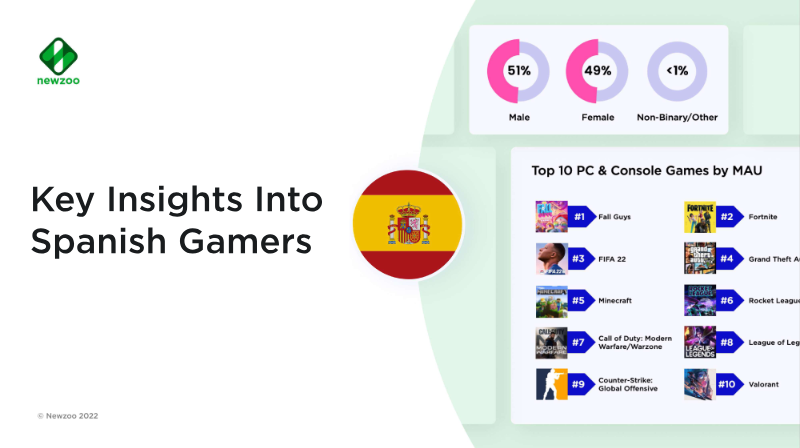
Newzoo · 2022

AEVI · 2021

AEVI · 2020

AEVI · 2015

AEVI · 2014

AEVI · 2011
AEVI · 2009

AEVI · 2008

Niko Partners · 2026